


Dr. Nasha Winters Protocol – Metabolic Approach
Summary of Nasha Winters protocol
Purpose of the protocol:
- To shift the focus from treating the tumor (seen as the symptom) to treating the patient’s “terrain” (the body’s internal environment). The goal is to identify and repair the imbalances in the body that allowed cancer to arise, to prevent growth and recurrence.
Pillars of the protocol:
- The approach is based on a thorough analysis of “The 10 Terrains” (including blood sugar, hormones, toxins, and microbiome). The tools are comprehensive blood tests – “Test, Don’t Guess”, therapeutic ketogenic diet, fasting, and targeted supplements/lifestyle.
The central idea:
- The philosophy is based on Terrain Theory: If the soil (the body) is healthy and balanced, weeds (cancer) cannot take root. Cancer is not a mistake, but a biological response to a toxic or metabolically unbalanced environment.
Who is Dr. Nasha Winters

Dr. Nasha Winters is a naturopathic doctor (ND) and Fellow of the American Board of Naturopathic Oncology (FABNO). She is the author of the bestseller “The Metabolic Approach to Cancer” [1, 8].
While conventional oncologists are experts in killing cancer cells with chemo and radiation, Nasha Winters is an expert in finding the cause of why cancer occurred. Her approach is known as the most detective-like in the field.
She does not settle for the diagnosis of “bad luck,” but demands data. Her mantra is “Test, Don’t Guess.” She believes that too many patients take supplements blindly. Her method therefore involves some of the most comprehensive laboratory analyzes found in integrative medicine [7].
The theory

Nasha Winters works from an agricultural metaphor about terrain:
- Germ Theory (the established system): Focuses on killing the bacteria/tumor. You spray poison on the weeds. But if the soil is still sour and depleted, the weeds will come back.
- Terrain Theory (Winters): Focuses on making the soil (the terrain) healthy. If the soil has the right pH value, the right nutrients, and microbiology, weeds cannot thrive.
Cancer is seen as a metabolic disease that arises in the mitochondria when the body is overloaded with stressors. These stressors she divides into “The 10 Terrains.”
The 10 terrains

Treatment starts with mapping which of these 10 areas are broken in the individual patient.
Treatment in Nasha Winters’ protocol consists of systematically reviewing and optimizing these ten physiological areas. You don’t have to fix all 10 at once, but start where “the bucket overflows.”
1. Your genes and their “contacts”

Your genes are not your destiny. Even if you have mutations (e.g., BRCA or MTHFR), the environment determines whether they are “turned on” or “turned off.”
- Problem: If you have difficulty methylating (breaking down toxins and hormones) due to a gene defect (MTHFR), toxins accumulate that trigger cancer.
- Test: DNA test (e.g., “DNA Health” or “23andMe”) to see SNPs like MTHFR, COMT, and VDR.
- Handling: Take methylated B vitamins (B9/Folate and B12) if you have MTHFR defect. Eat cabbage and greens to support detoxification epigenetically [1].
2. Blood sugar and insulin
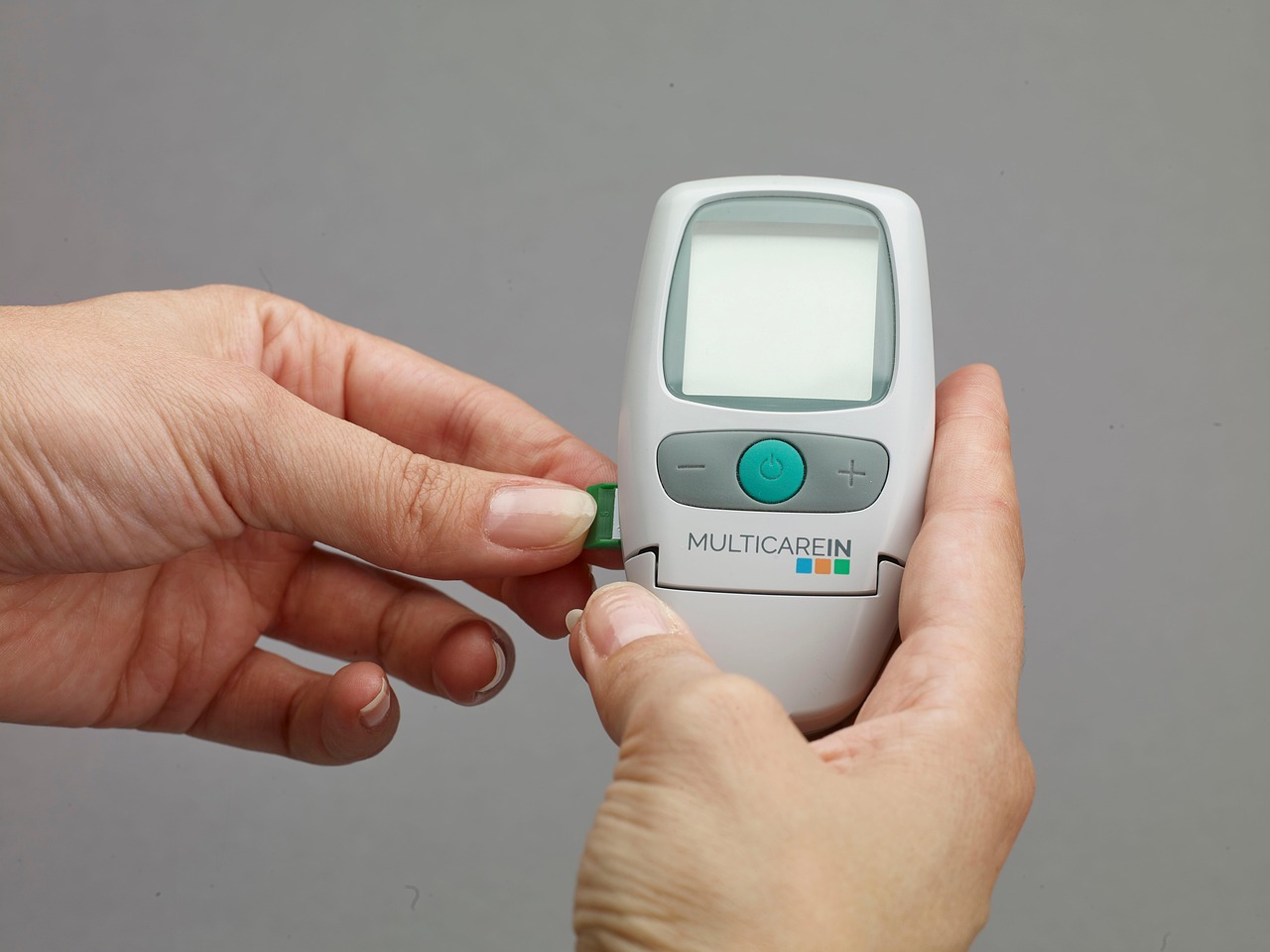
This is “low-hanging fruit” (easy to address). High blood sugar and insulin act as fertilizer for cancer cells via IGF-1 (growth factor).
- Problem: Metabolic inflexibility. The body cannot burn fat, but screams for sugar.
- Test: HbA1c (long-term blood sugar), Fasting Insulin (should be below 3-5 mIU/L), CRP (inflammation).
- Handling: Therapeutic ketogenic diet. Periodic fasting (e.g., 13-16 hours daily). Remove all processed carbohydrates [2, 5].
Also see Ketogenic Diet and LCHF
Also see What about Sugar and cancer
3. Toxic burden (environmental toxins)

We live in a “chemical soup.” Many toxins are hormone-disrupting and stored in fat tissue.
- Problem: The liver and kidneys cannot keep up. Heavy metals (mercury, lead), mold, glyphosate (RoundUp), and plastic (BPA) burden the system.
- Test: Urine test for heavy metals and environmental toxins (Environmental Pollutants Profile), mycotoxin test (mold).
- Handling: Sanitize the home (non-toxic cleaning/cosmetics). Infrared sauna (sweat out toxins). Coffee enemas. Eat organic to avoid pesticides [1, 7].
Also see Non-toxic everyday life
Also see Sauna blanket
4. The microbiome
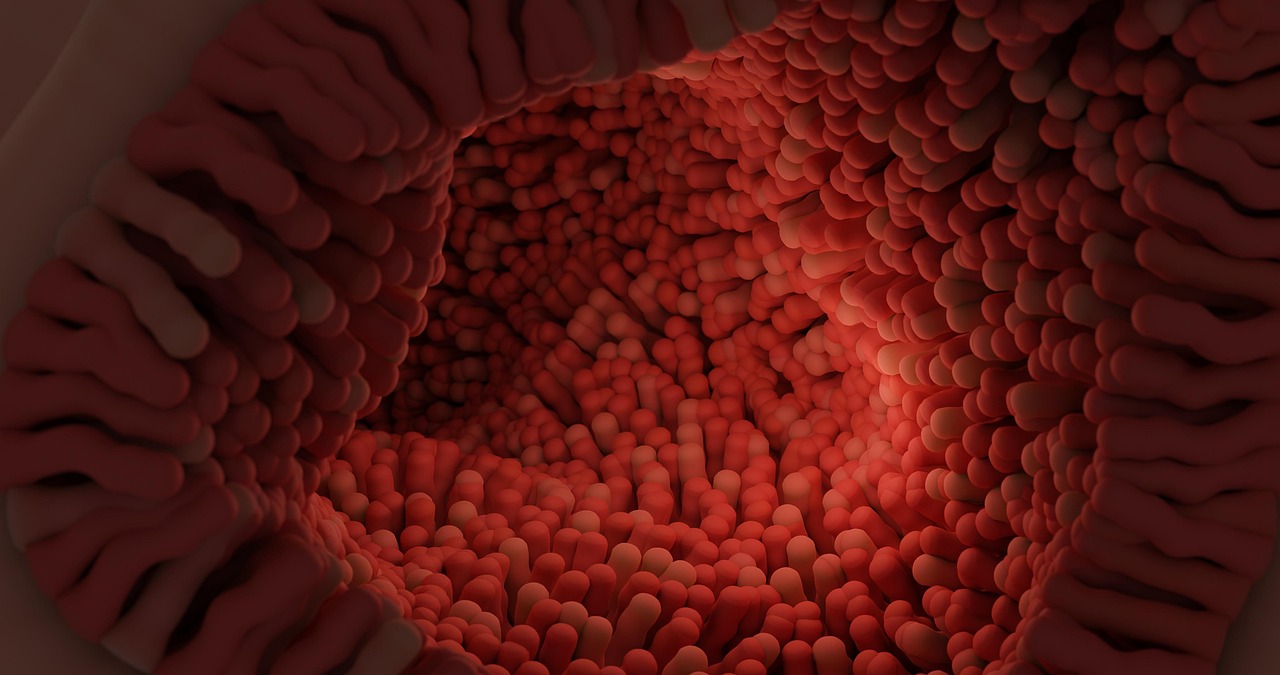
Your immune system lives in the gut. But don’t forget the mouth – root canal-treated teeth can be reservoirs for infection.
- Problem: Dysbiosis (imbalance in gut bacteria), leaky gut, fungus (Candida), and hidden tooth infections.
- Test: GI-Map (stool sample), 3D Cone Beam scanning of teeth (at a biological dentist).
- Handling: Probiotics and prebiotics (fiber). Removal of food intolerances (often gluten/dairy). Biological dental cleaning or removal of sick teeth [4].
Also see What about Dairy products and cancer
Also see What about Gluten and cancer
5. The immune system

The body’s defense must be balanced: Not too weak (then you get cancer/infection), not too active (then you get autoimmunity/inflammation).
- Problem: An immune system that either sleeps or attacks the body itself (Th1/Th2 imbalance).
- Test: Neutrophil/Lymphocyte ratio (NLR), Vitamin D status.
- Handling: Mistletoe therapy (Iscador) to activate killer cells. Medicinal mushrooms (Reishi, Turkey Tail). LDN (Low Dose Naltrexone) for immune modulation [6].
6. Inflammation

Cancer is often “a wound that never heals.” Chronic inflammation destroys tissue and paves the way for tumors.
- Problem: Persistent inflammatory state driven by diet, stress, or infections.
- Test: hs-CRP (High sensitivity C-Reactive Protein), Ferritin, Fibrinogen.
- Handling: High-dose Omega-3 (fish oil). Curcumin. Removal of omega-6 rich plant oils. Stop intake of foods you react to [3].
7. Blood circulation and angiogenesis

Tumors need blood to grow. They form new blood vessels (angiogenesis) and make the blood thick (hypercoagulation) to metastasize.
- Problem: “Thick” blood and formation of new supply lines to the tumor.
- Test: Fibrinogen, D-Dimer (measures blood’s ability to clot).
- Handling: Enzymes (e.g., Serrapeptase/Nattokinase) to break down fibrin. Food that stops angiogenesis (blueberries, green tea, garlic – see William Li Protocol). Hyperbaric Oxygen (HBOT) [1].
8. Hormonal balance

Hormones are the body’s signaling substances. Imbalance here (especially too much estrogen or cortisol) is a main cause of breast, ovarian, and prostate cancer.
- Problem: Estrogen dominance (from plastic, soy, overweight) or exhausted adrenals.
- Test: DUTCH test (dried urine test, which shows hormones and their breakdown products – much more precise than blood tests).
- Handling: Cruciferous vegetables (DIM) help to excrete estrogen. Avoid xenoestrogens (plastic). Use adaptogenic herbs (Ashwagandha) for stress [1].
Also see Hormone-disrupting substances
9. Stress and biorhythms

We are designed to follow the sun’s rhythm. Artificial light and chronic stress destroy melatonin production, which is the body’s most important cancer-inhibiting hormone.
- Problem: Poor sleep, “blue light” in the evening, lack of daylight.
- Handling: Sleep in complete darkness. Blocking glasses (Blue Light Blockers) after sunset.
Go to bed before 10:00 PM (where physical repair starts) [1, 7].
10. The mental and emotional

This is often the most difficult terrain. Nasha Winters believes that unresolved traumas (ACEs – Adverse Childhood Experiences) freeze the nervous system in a state where healing is impossible.
- Problem: Suppressed emotions, lack of forgiveness, victim mentality.
- Handling: Therapy (EMDR for trauma). Meditation. Breathing exercises (to activate the vagus nerve). Finding a “why” (meaning of life) that is greater than the fear of death [1].
Also see Emotions
Also see Stress
Also see Near-death experiences
Food groups in detail

The diet is a modified, therapeutic ketogenic diet. Winters emphasizes that keto is not just “bacon and butter,” but should be nutrient-dense, organic, and seasonally focused.
Foods – yes please
- Healthy fats: Olive oil, avocado, coconut, butter from grass-fed cows, animal fat.
- Offal: Liver and heart (nature’s multivitamin).
- Fermented food: Sauerkraut, kimchi (for the microbiome).
- Cruciferous vegetables: Broccoli, cabbage (in moderate amounts, adjusted to carbohydrate limit).
- Bone broth: For gut healing and amino acids.
Foods – no thanks
- Sugar and grains: Everything that drives insulin up.
- Conventional meat: Due to content of antibiotics and hormones.
- Processed oils: Sunflower, soy, and corn oil (high omega-6 content creates inflammation).
- High-glycemic fruit: Bananas, grapes, melon.
Also see Ketogenic Diet and LCHF
Also see Macronutrients and cancer
Also see Chemicals in food and drink
Relevance in cancer

Nasha Winters’ protocol is relevant for those who want to dig deep into the cause.
Prevention of recurrence
Many cancer survivors fear recurrence (“recidivism”). By repairing the terrain (e.g., removing heavy metals or correcting insulin resistance), one removes the growth conditions for a new tumor.
Also see Fear of recurrence
Complex cases
For patients who have “tried everything” or have diffuse symptoms, the comprehensive testing often provides answers that standard blood tests overlook.
Metabolic control
Like Seyfried and Sakharoff, she uses ketosis to starve cancer, but she combines it with a broader lifestyle effort (fasting, sauna, sleep) [2, 5].
Practical considerations and risks

This is a costly and demanding path.
Economics
“Test, don’t guess” is expensive. The functional tests (e.g., DUTCH test for hormones, GI-Map for gut, heavy metal tests) are rarely covered by the public and can run into many thousands of crowns.
Need for a healthcare provider
It is difficult to interpret the data yourself. You typically need a certified healthcare provider to lay out the plan.
Diet discipline
Being in therapeutic ketosis requires constant monitoring of ketones and blood sugar (GKI).
Also see Metabolic strategy – block signaling pathways by cancer type – chart overviews
Dr. Nasha Winters’ treatment

Nasha Winters’ story is the foundation of her credibility.
- Diagnosis: At the age of 19 in 1991, she was diagnosed with stage 4 ovarian cancer. She had ascites (fluid in the abdomen), was extremely emaciated (cachexia), and was told she had only a few months left to live.
- No chemo: Due to her weakened condition, doctors assessed that chemotherapy would kill her, so she was sent home with palliative (relieving) care.
- Her path: She began experimenting with diet (removed everything she couldn’t pronounce the name of), used Mistletoe therapy (Iscador) injections, worked with her traumas, and radically changed her lifestyle.
- The result: She survived against all odds and has been cancer-free for over 30 years. She then trained as a doctor to understand the science behind her own healing.
Potent strategy

The strength of this protocol is data. Where others say “take turmeric, it’s healthy,” Winters says “test your inflammation markers first”.
If your inflammation is not high, it might be a waste of money. If you have a genetic mutation (e.g., COMT), certain “healthy” supplements (like green tea) may accumulate and harm you.
This precision means that one can tailor a plan that hits exactly where the individual patient’s system is broken.
Important warnings

Because the protocol mobilizes toxins and radically changes metabolism, there are pitfalls that can worsen the condition if one moves too quickly.
Detox without open exits (“Re-tox”)
Many throw themselves into sauna and weight loss to cleanse.
The problem:
- If your “exits” (especially the gut) are blocked (constipation), it is dangerous to release toxins from fat tissue.
- The toxins will instead circulate in the blood and burden the brain and heart (re-absorption).
- You should never start a detox if you do not have daily bowel movements.
Fasting with underweight
The protocol recommends fasting to cleanse cells (autophagy).
The problem:
- If you suffer from cancer-related weight loss (cachexia) or are stressed, fasting can accelerate the breakdown of muscle mass and further weaken the immune system. In these cases, fasting should be avoided in favor of nutrient-dense diet.
Also see Preserve muscle mass
Also see Underweight with cancer
Methylation (B vitamins)
The protocol focuses heavily on genetics (MTHFR) and supplementation with B vitamins.
The problem:
- You cannot just take methylated B vitamins blindly. For some patients, too large amounts of folate/B12 may actually “over-methylate” and potentially increase cell growth.
- It requires precise blood tests to control the dose correctly.
Mental stress (nocebo)
The comprehensive tests can show genetic weaknesses and toxin burdens.
The problem:
- For some patients, this knowledge creates immense anxiety (“I am genetically defective” or “I am poisoned”).
- This fear (stress) is in itself harmful to the terrain. It is crucial to remember that genes are only potentials, not destiny.
Also see Placebo and nocebo effect
Safety
Always consult your healthcare provider before starting a protocol.
Important with chemotherapy and low platelets

Many of the substances that effectively fight cancer (especially in this protocol) also act as blood thinners. If chemotherapy has lowered your platelets (thrombocytes) to a critical level, you should be extra cautious.
What you should pause with low platelets
If your numbers are at the bottom, the following substances should be paused to avoid the risk of bleeding until the marrow has recovered:
- Fatty acids: Omega-3/ fish oil/ flaxseed oil
- Herbal extracts (high dose): Curcumin/turmeric, ginger
- Enzymes: Proteolytic enzymes such as Bromelain
- Specific Antioxidants: Vitamin E
- Off-label medication: Aspirin, Magnyl
Support for bone marrow
There are strategies that specifically support the formation of platelets without counteracting the treatment:
- Melatonin
- Papaya leaf extract
- Chlorophyll
- Shark liver oil (alkylglycerols)
NB: You should always discuss your intake of dietary supplements with your oncologist.
Conclusion

Nasha Winters’ metabolic approach is the most comprehensive and personalized protocol on the market. It rejects the idea of “one-size-fits-all” and requires that the patient becomes an expert in their own biology.
It is not an easy cure, but a total reprogramming of lifestyle based on hard data. For the patient who wants to know why the disease struck, and who is willing to invest time and resources in repairing the foundation, this protocol offers the most thorough roadmap.
Also see Quality of life and co-responsibility decision
Example of a day on the protocol

Morning: Measurement of blood sugar, ketones, and HRV (Heart Rate Variability). Drink warm water with lemon and salt. Dry brushing of the skin to stimulate the lymph.
Lunch (first meal – intermittent fasting): A bowl of bone broth with plenty of healthy fat (ghee/coconut oil) and fermented vegetables. Supplements based on blood tests (e.g., enzymes or binders).
Afternoon: Sauna therapy (for detox) or coffee enema (if the liver is burdened). Walk in nature.
Also see Nature and Forest Bathing
Evening: A small, nutrient-dense meal. For example, offal (liver pâté without flour) or wild salmon with steamed leafy greens and olive oil.
Also see Macronutrients and cancer
Before bedtime: Meditation or breathing exercises to bring the nervous system to rest (parasympathetic state) before sleep. No screens.
Links
[1] “True healing goes beyond treating symptoms; it involves addressing the root causes and nurturing the body, mind and spirit” (Natasha’s website, updated continuously)
- Content: Dr. Nasha Winters’ online portal, which serves as a hub for her work. The site contains information about the book “The Metabolic Approach to Cancer,” access to courses for patients and healthcare providers, as well as resources on integrative oncology and metabolic health.
[2] Ketogenic diet as a treatment and prevention strategy for cancer: A therapeutic alternative (Science Direct, 2024)
- Content: A scientific review of the ketogenic diet as a supplementary strategy against cancer. The article highlights how changes in metabolism can potentially inhibit tumor growth and improve the effect of chemotherapy, while supporting the patient’s quality of life.
[3] Inflammation and cancer: how hot is the link? (Biochemical Pharmacology, 2006)
- Content: An article describing the connection between chronic inflammation (one of the 10 terrains) and cancer development, supporting the strategy of measuring and lowering CRP.
[4] The role of the microbiome in cancer development and therapy (NIH, A Cancer Journal for Clinicians, 2017)
- Content: Research validating the importance of the gut flora (microbiome) in relation to both the development of cancer and the effect of treatment.
[5] Fasting and cancer: molecular mechanisms and clinical application (PubMed, 2018)
- Content: A review of the mechanisms behind fasting, which is a central part of Winters’ protocol to increase metabolic flexibility and autophagy.
[6] Mistletoe therapy in oncology (PubMed, 2008)
Content: A review of the research behind Mistletoe therapy, which was the primary treatment Nasha Winters herself used to survive her terminal diagnosis.
[7] Video: The Metabolic Approach to Cancer with Nasha Winters, ND EP 84 (YouTube/Podcast, 2023)
Content: An interview where Dr. Nasha Winters explains her philosophy of in-depth testing and reviews the mistakes many cancer patients make when self-medicating without data.
- Content: The main work, which in detail goes through “The 10 Terrains” and the scientific justification for treating cancer as a metabolic and systemic disease.
Page created: December 4, 2025
❤
What you read on “Jeg har Kræft” is not a recommendation. Seek competent guidance.
