


Turkey tail and cancer
Summary of turkey tail
Effect:
- Turkey tail is a medicinal mushroom that functions as a strategic support for the body. It helps your natural defense recognize and attack disease cells, while simultaneously protecting the healthy parts of the body from damage caused by harsh treatments.
Potential in cancer:
- The mushroom can make disease cells more vulnerable and reduce their ability to spread. It is particularly good at reducing fatigue and nausea, so one can better complete one’s treatment course.
Main limitation:
- One should not use the mushroom if taking medication intended to suppress the immune system, as it can significantly counteract this effect.
What is turkey tail
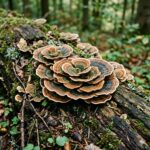
Turkey tail (Trametes versicolor) is a polypore mushroom that grows on tree stumps worldwide. It has fan-shaped bands in different colors that resemble a turkey’s tail.
For millennia, it has been used in Asian medicine to strengthen vitality and digestion. In the 1970s, researchers in Japan began extracting the active substances, which started the modern scientific use of the mushroom [1].
History
The mushroom has been a cornerstone in Oriental medicine for centuries. It was traditionally used as tea to build resilience. The modern medical journey began in Japan, where the extraction of its most important sugars for use in cancer treatment was systematized [1].
Mechanisms of action

The primary power of turkey tail lies in its content of polysaccharides, specifically Polysaccharide-K (PSK) and Polysaccharide-Peptide (PSP). Although these are categorized as complex carbohydrates (sugars), they function fundamentally differently than ordinary white sugar (glucose).
It is a crucial point that these complex sugars are hardly absorbed into the bloodstream. Therefore, they do not function as fuel (“food”) for cancer cells.
Instead, they work by binding to immune system cells within the gut. This contact acts as a signaling molecule that activates and “trains” the body’s own defense cells to become more effective at fighting disease throughout the entire body.
In other words, they function as biological response modifiers (substances that modify the body’s biological reactions) working via the immune cells of the gut.
Activation of the immune system
Turkey tail does not primarily work by directly attacking a disease, but by “teaching” the immune system. It activates macrophages (large cell-eating types) and natural killer cells (NK cells), which are responsible for tracking down and destroying cells that have changed into cancer cells [9, 11].
It also strengthens the cells (macrophages) that clean up in the body [6].
Modulation of cytokines
The mushroom regulates the production of cytokines (signaling molecules between cells). This means it can both ramp up the immune response when an attack is needed and dampen unnecessary inflammation that can otherwise create a favorable environment for cancer growth [4, 7].
Enzymatic activity
Newer research has isolated laccase (a specific enzyme) from the mushroom, which exhibits a direct growth-inhibiting effect on cancer cells by interfering with their energy processes and cell division [12].
Blocking of growth pathways
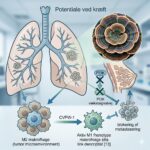
Disease cells use certain highways (Pathways such as PI3K) to grow quickly. Turkey tail can block these pathways, making it harder for tumors to develop [9].
Reprogramming of cells
The mushroom can change cells in the tumor’s microenvironment from helping the disease to fighting it [10].
Shield during treatment
Hard treatments such as chemotherapy often create chemical stress (oxidative stress) in the body. The mushroom’s natural protectors (antioxidants) act as a shield for healthy cells. It also helps the body recover white blood cells more quickly after treatment [11, 12].
Potential in cancer

Turkey tail possesses extensive potential as complementary therapy, especially due to its ability to protect the body during aggressive treatment courses and thus increase the chances of successful conventional treatment [1, 4].
For patients who opt out of conventional treatment, turkey tail functions as an offensive tool to strengthen the body’s own defense mechanisms and change the conditions under which the tumor grows [1, 2].
Prevention of spread and synergy
One of the biggest challenges with cancer is metastasis (spread to other organs). Turkey tail has shown the ability to change signaling pathways in lung cancer, breast cancer, colon cancer, and leukemia, making it harder for tumor cells to detach and colonize new areas of the body.
By blocking certain growth signals, such as the PI3K pathway, the mushroom can significantly slow tumor growth. This ability to directly inhibit tumor growth and spread is independent of conventional treatment.
This blocking is utilized in Asia together with chemotherapy. Research has shown that this can create a synergistic effect where turkey tail makes cancer cells more vulnerable to chemotherapy’s attack, without the mushroom directly reducing chemotherapy’s cell-killing effect. It thus strengthens the overall attack [2, 9, 10].
Reprogramming of the microenvironment
In a tumor, there are often macrophages that the cancer has “tricked” into protecting itself. Specific substances in turkey tail can reprogram these cells from being protective helpers for the tumor to becoming active resistors that attack the cancer tissue from within [10, 13].
Synergy with modern immunotherapy
Since turkey tail works via the immune system, there is great interest in how it can support modern targeted therapies, including treatments directed at HER3 receptors in breast cancer, by making cancer cells more visible to the body’s own defense [13, 14].
Benefits of turkey tail

In addition to direct support for cancer treatment, turkey tail offers a number of systemic benefits that strengthen overall health during harsh chemotherapy courses.
Fewer side effects
A major advantage is that turkey tail reduces complaints that often accompany treatment, such as extreme fatigue, nausea, and lack of appetite.
It also serves as food (prebiotic) for the good bacteria in the gut. Since a large part of resistance resides in the gut, this improves the body’s overall resistance and ability to absorb nutrients during the harsh strain that conventional treatment can be. This prebiotic effect improves gut health, which is crucial for the body’s overall resistance, regardless of whether one is in conventional treatment or not [1, 5, 8].
Reduction of oxidative stress
Turkey tail has an independent value through its antioxidant properties, regardless of whether one opts out of conventional treatment or not. The mushroom is rich in antioxidants such as flavonoids and phenols, which effectively help neutralize free radicals.
Research has shown that this protection can ensure healthy cells during treatment and thus help prevent the total collapse of the body’s resistance [1, 4, 11].
Restoration of the immune system
Where turkey tail is often used to protect the immune system from breakdown during chemotherapy, its immune-stimulating properties also function as an offensive tool for those who opt out of conventional treatment. This optimizes the immune system’s ability to identify and attack cancer cells that might otherwise “hide” from the body [1, 11, 12].
Disadvantages and limitations

Although turkey tail is very safe, there are conditions one should be aware of. Since it is a mushroom, people with mushroom allergies may experience reactions.
Digestive discomfort
Some may experience mild diarrhea, bloating, or darkening of stool and nails. This is usually harmless and ceases if one stops taking the supplement.
Strong antioxidants
Although the mushroom protects cells, it works differently from very strong supplements (such as high-dose vitamin C or glutathione).
It normally does not “turn off” the treatment, but it is still important to always coordinate with one’s healthcare provider [11].
Interactions
The biggest limitation is its strength as an immune stimulant. If receiving medication that intentionally suppresses the immune system – such as Ciclosporin or Tacrolimus after a transplant – one should avoid turkey tail, as it can counteract the medication’s effect.
Risk of tolerance/resistance
It is an important pharmacological principle that continuous intake of turkey tail (as is also the case with a wide range of other substances) over a long period can theoretically lead to tolerance or resistance.
This means that the immune system’s receptors can become less sensitive to the mushroom’s specific active polysaccharides, which can lead to a reduced effect of the treatment.
To counteract this, a common strategy is to pulse the intake. This means taking shorter breaks (e.g., by following an interval such as 2-6 weeks on, 1-4 weeks off), so the receptors can “reset.”
Since large clinical studies comparing continuous use with pulsing are still lacking, this is a nuance that your healthcare provider should always consider incorporating into your treatment plan [11].
Clinical studies

There is extensive clinical documentation for turkey tail’s effect, especially from Asia, but also increasingly from Western phase 1 studies.
Breast cancer and radiation therapy
In a controlled phase 1 study (initial trials with humans), turkey tail was given to women with breast cancer after completed radiation therapy. The results showed a faster recovery of NK cells and CD8-T cells (attack cells), indicating a significant strengthening of the defense against recurrence [1].
Systematic reviews
Large analyses of clinical studies have confirmed that patients who combine turkey tail with conventional treatment often have a statistically longer survival rate compared to those who only receive standard treatment [5].
Safety
Turkey tail is considered a “Grand View” mushroom in medical terms, meaning it has very low toxicity even at high doses.
Long-term use
Studies show that the mushroom can be taken over long periods without negatively straining the liver or kidneys. However, it is always important to choose products that are tested for heavy metals, as mushrooms naturally absorb substances from their growing environment [6].
Pregnancy and breastfeeding
There is not sufficient data regarding safety for pregnant and breastfeeding women, which is why it is generally discouraged during these periods, unless otherwise agreed with a qualified healthcare provider.
Dispensing and use

To get the optimal benefit from turkey tail, it must be taken correctly, as the active substances require proper extraction.
- Extract in capsules or powder: This is the most effective form. Always choose a product that is “double-extracted” (both water and alcohol), as some substances are only released in water, while others require alcohol.
- Dosage for supportive treatment: Typically, 1 to 3 grams daily of a standardized extract (minimum 30% polysaccharides) is used.
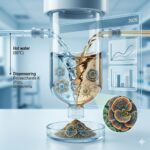
For active treatment courses, doses as high as 6-9 grams are often seen, but this should always be done under guidance. - Te brewing: One can boil the dried mushroom for 30-60 minutes. This extracts the water-soluble polysaccharides (PSK), but is of course less precise in dosing than extracts.
- Timing: It is often recommended to take the supplement on an empty stomach or with a light meal to optimize absorption in the intestines.
Strategic placement and combination

In a treatment protocol, turkey tail has a clear supportive and modulating role.
Type: Support & shield
It primarily belongs in the category of immune support. It acts as an intelligent shield that protects the body’s own resources while other agents carry out the actual attack on the cancer. It ensures that the foundation does not crumble under harsh treatment.
Synergy
- Chemotherapy: Turkey tail is an excellent partner for most chemotherapies. It does not act as a “fire extinguisher” that directly reduces chemotherapy’s cell-killing effect. Rather, it makes cancer cells more vulnerable and counters the side effects that could otherwise lead to a weakened foundation. Research has specifically shown improved synergy in combination with PI3K inhibitors such as Idelalisib [1, 9, 10].
- Other medicinal mushrooms: Often combined with Reishi to dampen stress and inflammation, or with Maitake to achieve an even broader activation of the immune system [6].
- Curcumin: To achieve a broader anti-tumor effect and simultaneously strengthen the immune system, turkey tail can advantageously be combined with curcumin. Studies have shown that these two agents can have a synergistic effect that improves the body’s ability to identify and attack cancer cells, while also helping to alleviate symptoms and improve survival [14, 15].
Avoid simultaneous intake
- Immunosuppressants: Avoid turkey tail if taking medication such as Mycophenolate or high-dose corticosteroids (e.g., Prednisolone), unless it is part of a deliberate strategy, as the mushroom can reduce the medication’s desired suppressive effect on the immune system.
- Psilocybin: There is no in vivo research that maps the interaction between psilocybin (which primarily affects the central nervous system) and turkey tail (which is a potent immune modulator). This is due to the complex pharmacological challenges of monitoring and documenting the interaction between two such potent agents that work via widely different pathways in the body. Therefore, it is recommended to exercise great pharmacological caution and keep the intake separate until this interaction is documented as safe [1].
Conclusion
Turkey tail stands as one of the most valid bridging therapies between natural medicine and conventional cancer treatment. Its ability to strengthen the immune system, protect healthy cells, and potentially make cancer cells more vulnerable to medication makes it an indispensable tool for many.
By focusing on optimizing the body’s own internal environment, it gives the user an active role in their own healing process [5, 8].
In addition, it can improve quality of life by alleviating symptoms such as fatigue and pain that are often associated with cancer treatment.
With further research, turkey tail may indeed gain a more important role as a supplement to conventional treatment methods and contribute to improving outcomes for cancer patients.
Overview of medicinal mushrooms and cannabis
This overview compares the effect and safety of the most commonly used medicinal mushrooms. Cannabis is also included in the overview. This is despite the fact that cannabis is biologically a plant and not a mushroom. However, it is often used in the same context when natural symptom relief is desired for those affected by cancer.
Worth knowing
Choice of mushroom: If the goal is to get through chemo safely with the fewest side effects, Turkey Tail is most often the first choice, as it has the fewest contraindications.
Neuropathy: If the chemo causes tingling in the fingers or nerve damage, Lion’s Mane is the only mushroom with specific documentation for being able to help with nerve regeneration.
Stop before surgery: A good rule of thumb is to stop all mushrooms, especially Reishi, Chaga, and Cordyceps, as well as fish oil two weeks before scheduled surgeries due to the risk of bleeding.
Medicinal mushroom and Cannabis
| Name | Primary Effect | Use in Cancer | Name | Important Caution |
|---|---|---|---|---|
| Agaricus blazei | Very powerful immune activation. High content of Beta-1,3/1,6-glucans. | Aggressive support. Used to significantly boost NK-cell activity. | Agaricus blazei | May affect liver enzymes. Should be used with caution in liver disease or heavy liver-taxing chemo. |
| Cannabis: CBD | Anxiolytic and muscle relaxant. Anti-inflammatory. | Quality of life. Relieves restlessness, anxiety, muscle tension, and sleep problems without a high. | Cannabis: CBD | Interaction with medication. Can inhibit the liver’s breakdown of chemotherapy (CYP450). |
| Cannabigerol (CBG) | Neuroprotective and appetite stimulant. Blocks TRPM8 channels (growth signals) in cells. | Antitumour support. Targeted use for growth in colon and brain, and against loss of weight and muscle mass. | Cannabigerol (CBG) | Interaction with liver enzymes (CYP450). May affect the concentration of blood thinners and certain types of epilepsy medication. |
| Cannabis: THC | Antiemetic and appetite stimulant. Psychoactive (euphoric). | Acute relief. Against severe nausea, vomiting, and weight loss. | Cannabis: THC | Driving ban. Psychoactive side effects. Sedative effect. |
| Chaga | Powerful antioxidant (SOD). Contains Betulin and Betulinic acid. Protects against oxidative stress. | Restorative. Used for general strengthening of the body under pressure. | Chaga | High oxalate content (risk of kidney stones). Blood-thinning. Interacts with insulin (lowers blood sugar). |
| Cordyceps | Energizing. Increases oxygen uptake (ATP) and kidney function. | Lung function. Counteracts shortness of breath and cancer-related fatigue. | Cordyceps | May over-activate the immune system in autoimmune diseases. Blood-thinning. |
| Lion’s Mane | Nerve regenerating. Stimulates growth of nerve cells (NGF). | Neuropathy. Counteracts sensory disturbances in fingers/feet and memory difficulties (chemo brain). | Lion’s Mane | May lower blood sugar. Mild blood-thinning effect. |
| Maitake | Immune-activating (D-fraction). Strong stimulation of macrophages. | Immune boost. Often used to activate the body’s own defense against cancer cells. | Maitake | May lower blood sugar. Can enhance the effect of blood-thinning medication. |
| Pau D’Arco | Potent antifungal and anti-inflammatory. Contains Lapachol. | Micro-environment. Used to purify the blood and combat fungal infections (Candida), which are often seen with a weakened immune system. | Pau D’Arco | Blood-thinning. Must not be combined with blood-thinning medication or used prior to surgical procedures. |
| Pao Pereira | Inhibits replication of abnormal cells. Penetrates the blood-brain barrier. | Targeted cell division. Often used for prostate cancer and cancers of the central nervous system (brain). | Pao Pereira | Generally well-tolerated, but should be taken under guidance to ensure correct dosage relative to conventional treatment. |
| Poria cocos | Diuretic and calming. Supports spleen and kidney function. Contains Pachyman. | Fluid retention. Helps against edema and mucus. Calms restlessness and racing thoughts. | Poria cocos | Acts as a diuretic. Be mindful of electrolyte balance if taking other diuretic medication. |
| Reishi | Calming and immune-strengthening. Acts as an adaptogen (stress-reducing) and sleep-promoting. | Sleep and stress. Good for finding peace in the body and supporting the immune system between treatments. | Reishi | Blood-thinning. Must not be used with low platelets or before surgery. |
| Shiitake | Immune-stimulating. Source of Lentinan and AHCC. | Standard support. Lentinan is used medically to prolong survival in certain types of cancer. | Shiitake | May in rare cases cause skin rash (Shiitake dermatitis). Contains purines (caution in gout). |
| Turkey Tail | Immune-modulating. Supports the immune system (NK cells) without overstimulating. Contains PSK. | Chemo support. Often used alongside chemo to counteract immune suppression. | Turkey Tail | Generally considered safe. Few known interactions (approved drug in Japan as PSK). |
Back to Supplements
Also see Reishi mushroom, Ganoderma lucidum
Also see Maitake
Also see Lion’s mane
Also see Shiitake
Links
[1] Trametes versicolor (Turkey Tail Mushrooms) and the Treatment of Breast Cancer (PubMed, 2012)
- Content: Description of a clinical phase 1 study that examined safety and immunological response in women with breast cancer. The study showed that turkey tail can strengthen the immune system after radiation therapy.
[2] ARID4B Promotes Lung Adenocarcinoma Malignancy by Activating GPRC5C transcription via Histone H1 Displacement (PubMed, 2026)
- Content: A molecular biology in vitro (test tube) and in vivo (in living organisms) study that maps mechanisms for the spread of lung cancer. The results provide insight into how to block the cancer’s growth pathways.
[3] Antitumor effects of Dadas Cress (Lepidium sativum var. sativum) on Ehrlich Ascites tumor cells: an in vitro and in vivo study (PubMed, 2026)
- Content: A randomized study of plant extracts’ effect on tumor cells in both laboratory experiments and animal models.
[4] Antioxidant, anti-inflammatory, and antiproliferative properties of extracted Turkey tail (Trametes versicolor Lloyd) mushroom components microencapsulated with inulin (PubMed, 2025)
- Content: A technical in vitro study of how modern encapsulation preserves the mushroom’s active substances. The experiment documents the mushroom’s ability to inhibit cell changes and protect healthy cells.
[5] Medicinal Mushroom Supplements in Cancer: A Systematic Review of Clinical Studies (PubMed, 2023)
- Content: A comprehensive systematic review of existing clinical studies. The article evaluates the overall evidence for medicinal mushrooms’ beneficial effects as support for cancer patients.
[6] Medicinal Mushrooms (National Cancer Institute, 2024)
- Content: A scientific review of medicinal mushrooms’ pharmacology and history. The article summarizes data from both preclinical trials and clinical observations in modern cancer care.
[7] Psilocybin (Medical Sloan Kettering Cancer Center, 2026)
- Content: Information about the use of psilocybin in palliative care for managing anxiety and depression in cancer patients.
[8] Can Turkey Tail Mushrooms Help Fight Cancer? (Healthline, 2021)
- Content: A review of scientific literature summarizing results from various clinical trials regarding turkey tail’s ability to improve survival rates and immune function.
[9] Turkey tail mushrooms act as nonspecific immune modulators (UCLA Health, 2022)
- Content: A clinical account of how the mushroom functions as a regulator of the immune system. The article explains the mechanisms behind the activation of white blood cells seen in clinical practice.
[10] Enhanced Anti-Cancer Potential: Investigating the Combined Effects with Coriolus versicolor Extract and Phosphatidylinositol 3-Kinase Inhibitor (LY294002) In Vitro (PubMed, 2025)
- Content: An in vitro study (in test tube) showing a synergistic effect between turkey tail and a specific inhibitor. The experiment documents increased blocking of cancer cells’ growth pathways with combination treatment.
[11] In vitro treatment of triple-negative breast cancer cells with an extract from the Coriolus versicolor mushroom changes macrophage properties related to tumourigenesis (PubMed, 2024)
- Content: An in vitro trial on aggressive breast cancer cells. The study shows how the mushroom extract can reprogram the immune system’s macrophages to fight rather than support a tumor.
[12] Characterization of the three-phase partitioned laccase from Trametes versicolor strain with antiproliferative activity against breast cancer cells (PubMed, 2025)
- Content: An in vitro laboratory study where researchers isolated the enzyme laccase. The experiment demonstrated that this specific enzyme has a direct, selective cell-killing effect on breast cancer cells.
[13] A novel polysaccharide isolated from Coriolus versicolor polarizes M2 macrophages into an M1 phenotype and reverses its immunosuppressive effect on tumor microenvironment (PubMed, 2024)
- Content: An in vivo study (in living organisms) examining a new polysaccharide from turkey tail. The experiment shows how the substance changes the tumor’s microenvironment and slows growth via immune activation.
[14] From Spice to Survival: The Emerging Role of Curcumin in Cancer Therapy (PubMed Central (PMC), 2025)
- Content: A scientific article highlighting curcumin’s potential as a complementary treatment for cancer. It describes how curcumin can support the immune system and potentially increase the effect of other treatments.
[15] Medicinal Plants and Mushrooms with Immunomodulatory and Anticancer Properties—A Review on Hong Kong’s Experience (NIH/PubMed Central, 2021)
- Content: A scientific article reviewing various plants and mushrooms, including combinations. It highlights the potential for synergy between curcumin and Coriolus versicolor (turkey tail) in terms of strengthening the immune system and combating cancer cells.
Page created: July 1, 2024, Last revised May 6, 2026
❤
What you read on “Jeg har Kræft” is not a recommendation. Seek competent guidance.
