


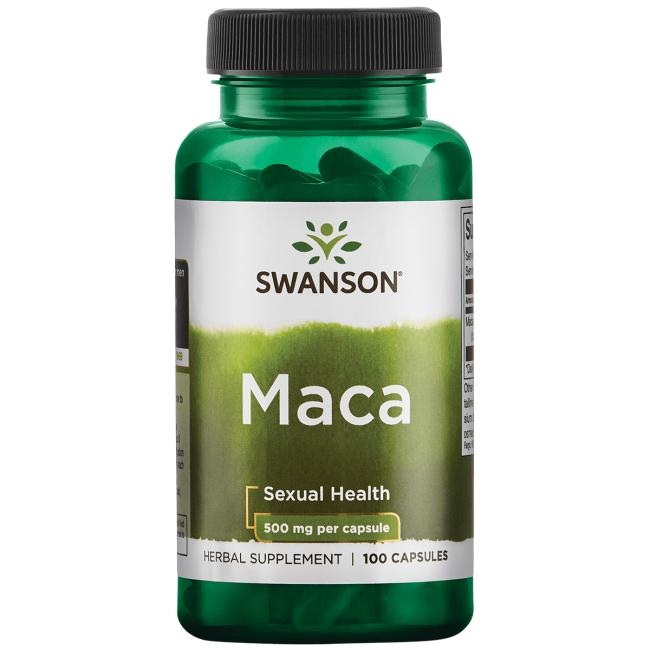
Maca and Cancer
What is Maca
Maca (Lepidium meyenii) is a nutrient-rich root vegetable native to the high-altitude Andes mountains of Peru. It has been cultivated for centuries and is known for its nutritional value and potential health benefits. Maca belongs to the cruciferous family and comes in different colors, including yellow, red, and black, which are believed to have slightly different properties. Traditionally, the local population has used Maca as food and in folk medicine [1,2].
History
Maca has a long history dating back to the Inca era, where it was considered a valuable resource. Inca warriors used it to increase their energy and endurance. Archaeological findings indicate that Maca has been cultivated in the Andes for over 2,000 years. The ancient Peruvians used it not only as a food source but also to improve fertility, increase energy levels, and strengthen the immune system. In modern times, interest in Maca has grown globally due to its adaptogenic properties.
Mechanisms of Action
Maca contains a range of bioactive substances that are believed to contribute to its potential effects. These include macaenes and macamides (unique fatty acid derivatives), glucosinolates (which can be converted to isothiocyanates), polysaccharides, amino acids, vitamins (C and B vitamins), and minerals (potassium, calcium, iron, and zinc) [1,2].
Macaenes and Macamides
In vitro research suggests that these compounds can interact with the endocannabinoid system (a complex network of receptors and signaling molecules that play a role in regulating many physiological processes, including mood, pain perception, and immune function).
Glucosinolates and Isothiocyanates
Like other cruciferous vegetables, Maca contains glucosinolates, which can have anti-inflammatory and antioxidant properties after being converted to isothiocyanates.
Polysaccharides
These complex carbohydrates in Maca are believed to have immunomodulatory effects and can thus potentially strengthen the immune system.
Hormonal Balance and Antioxidant Effect
Traditionally, Maca is used to support hormonal balance. Maca does not contain hormones directly, but it can still affect the endocrine system (the system that produces hormones in the body). The antioxidant compounds in Maca can help neutralize free radicals and protect cells from damage.
Potential as Complementary Cancer Treatment
Although Maca is not an established cancer treatment and should never replace relevant treatment, certain of its properties may offer support to individuals undergoing cancer treatment [6].
Energy and Fatigue Reduction
Cancer and its treatments can often lead to significant fatigue. Maca has traditionally been used to increase energy levels and reduce feelings of fatigue. Although research specifically on cancer-related fatigue is limited, some studies on other populations have shown positive effects on energy levels, which could potentially improve the quality of life for cancer patients.
Immune Support
A well-functioning immune system is crucial in the fight against cancer. Maca’s content of polysaccharides suggests an ability to modulate immune function and thus support the body’s natural defense mechanisms. This can be particularly relevant during cancer treatment, which often weakens the immune system.
Antioxidant Protection
Cancer treatments can cause oxidative stress in the body, which can lead to cell damage and side effects. The antioxidant compounds in Maca can potentially help neutralize these harmful free radicals and protect cells.
Hormonal Balance
For certain hormone-sensitive cancer types, Maca’s potential impact on hormonal balance may be relevant. Although research is preliminary, traditional use suggests that Maca can help regulate hormone levels. People with hormone-sensitive cancer should, however, consult their healthcare provider before starting supplementation with Maca.
Psychological Well-being
Managing a cancer diagnosis and treatment can be mentally challenging. Some studies have suggested that Maca can have positive effects on mood and reduce symptoms of anxiety, which can contribute to increased psychological well-being.
Benefits of Maca
In addition to the above, Maca can potentially contribute to increased energy and endurance, improved mood, and support for bone health. The potential anti-inflammatory effects can also be beneficial for general health.
Disadvantages and Limitations
Possible Side Effects
Some may experience mild digestive problems or sleep disturbances.
Interactions with Medication
Exercise caution when using simultaneously with blood-thinning medications (such as warfarin), hormone therapy, or blood pressure medications. Consult your healthcare provider.
Hormone Sensitivity and Quality/Dosage
People with hormone-sensitive conditions (e.g., certain types of breast or prostate cancer) should consult their healthcare provider.
Quality of Maca products can vary, and there is no standard dosage.
Clinical Studies
There is limited research specifically in the cancer area. More research is needed to investigate Maca’s potential and safety as a complementary treatment for cancer.
Safety
Maca is generally considered safe in moderate amounts for most adults, but caution is advised.
Pregnant and breastfeeding women should avoid using dietary supplements unless there are thorough scientific studies that emphasize safety. This is not yet the case with maca.
Dispensing and Use
Maca is available in various forms, including:
- Powder: Maca powder is the most common form and can be easily added to smoothies, juice, yogurt, or other foods and beverages.
- Capsules: Capsules contain a measured dose of Maca powder and are a practical way to take Maca.
- Extract: Maca extracts are more concentrated forms and may have a stronger effect. The dosage of extracts can vary significantly.
The typical dose of Maca powder used in studies and recommended by manufacturers usually varies between 1-3 grams per day, but some recommendations go up to 5-10 grams.
It is a good idea to start with a low dose and gradually increase it to assess tolerance. Follow the dosage instructions on the specific product and consult your healthcare provider before you start using Maca as a complementary treatment.
Conclusion
Maca is a nutrient-rich root vegetable with a long history of traditional use. Its content of various bioactive substances suggests a potential for supporting energy, mood, and immune function, as well as having antioxidant and potentially hormone-balancing effects.
Although there is limited research specifically in the cancer area, Maca’s properties may potentially be beneficial as a complementary treatment for managing fatigue and supporting general well-being in people with cancer.
Back to Supplements
Also see Supplements and Chemo – Interactions
Links
[1] Maca – Purported Benefits, Side Effects & More (Memorial Sloan Kettering Cancer Center, 2023)
- Content: Comprehensive overview from Memorial Sloan Kettering Cancer Center covering Maca’s traditional uses, potential benefits for cancer patients, known side effects, and possible drug interactions. Includes clinical summaries and safety considerations.
[2] Maca (Lymeherbs, undated)
- Content: Detailed resource from Lymeherbs discussing Maca’s historical use in Peruvian medicine, its adaptogenic properties, nutritional composition, and potential applications in supporting immune function and energy levels.
[3] Hodgkin’s disease terminating in a T-cell immunoblastic leukemia (PubMed, 1978)
- Content: Historical clinical study from 1978 examining the progression of Hodgkin’s disease to T-cell immunoblastic leukemia, providing foundational insights into lymphoproliferative disorders and their pathological development.
[4] Indomethacin sensitive suppressor cell activity in head and neck cancer patients pre- and postirradiation therapy (PubMed, 1982)
- Content: 1982 research investigating how indomethacin affects suppressor cell activity in head and neck cancer patients before and after radiation therapy, offering insights into immune modulation during cancer treatment.
[5] The lymph node in chronic lymphocytic leukemia (PubMed, 1978)
- Content: 1978 study analyzing the role and characteristics of lymph nodes in chronic lymphocytic leukemia, contributing to the understanding of lymphatic system involvement in hematological malignancies.
- Content: 2024 in vitro study exploring the synergistic effects of specific Maca phenotypes combined with Saw Palmetto extract in preventing prostate cancer, demonstrating potential chemopreventive mechanisms in human epithelial and prostate cancer cells.
[7] MANGA-YOLO: A Mamba-inspired YOLO model with group attention for breast mass detection in mammograms (PubMed, 2025)
- Content: 2025 research presenting the MANGA-YOLO AI model, which uses group attention mechanisms for improved breast mass detection in mammograms, showcasing advancements in medical imaging technology.
Siden er oprettet:
d. 27.04.25
❤
Hvad du læser på Jeg har Kræft er ikke en anbefaling. Søg kompetent vejledning.
