


Moringa and cancer
Summary of Moringa
Effect:
- Moringa acts as a powerful source of antioxidants and anti-inflammatory compounds that protect the body’s healthy cells from oxidative damage and strengthen the immune system’s ability to identify threats.
Potential in cancer:
- The plant has shown potential to promote apoptosis (programmed cell death) in cancer cells and inhibit the formation of new blood vessels to tumours, which in laboratory studies has shown the potential to inhibit tumour growth and limit spread.
Key limitation:
- Human trials are lacking to prove safety when used alongside chemotherapy, and whether the plant may interfere with the medicine’s effect via the liver. However, preliminary studies are promising.
What is Moringa

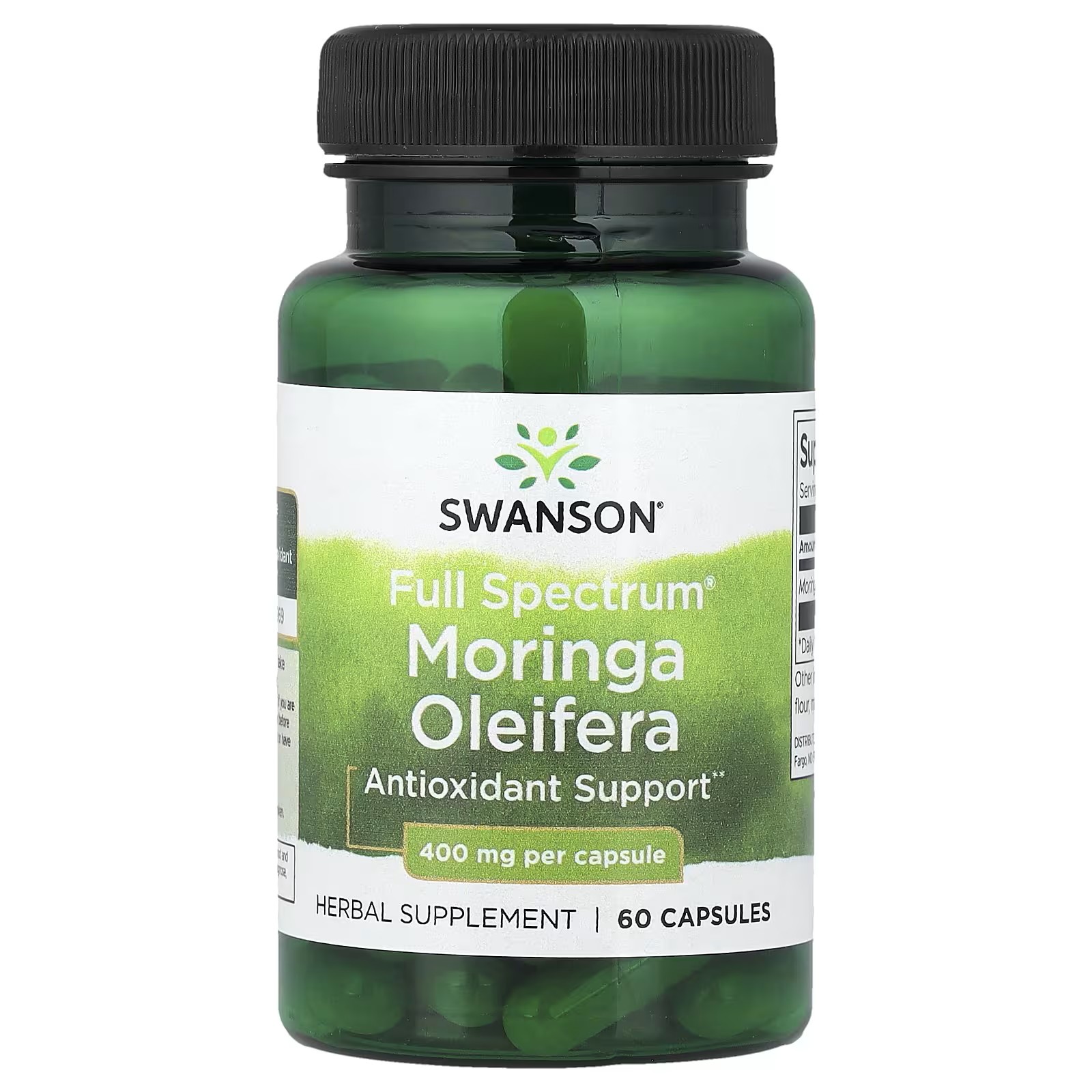
Moringa, with the full name Moringa oleifera, is a tree commonly known as the “miracle tree”. This is due to its unusually high content of nutrients and bioactive compounds (biologically active substances). In a therapeutic context, the leaves and seeds are used in particular, as they contain concentrated amounts of isothiocyanates (plant compounds with anticancer potential), flavonoids, and polyphenols. When Moringa is discussed as a complementary treatment, the biological mechanisms that may protect healthy cells and support the body’s defences during severe illness are analysed [1]
History
Moringa originally comes from the southern foothills of the Himalayas in India. For millennia, it has been a central part of Ayurveda, where it has been used to treat more than 300 different ailments. From India, knowledge of it spread to the ancient Greek, Roman, and Egyptian cultures, which valued the plant for its ability to provide energy and protect the skin.
Mechanisms of action

Moringa works through several complex biological pathways in the body. One of the primary mechanisms is regulation of oxidative stress levels. By upregulating (increasing the activity of) the body’s own antioxidant enzymes, it helps neutralise free radicals before they can damage the cells’ DNA. This is crucial, as DNA damage is often the trigger for cellular changes.
Inhibition of inflammation
Another key effect is inhibition of NF-kappaB (a protein complex that controls inflammation). By blocking this pathway, the production of pro-inflammatory cytokines (signalling molecules that promote inflammation) is reduced. This creates an environment in the body that is less favourable for the development of chronic conditions. In addition, Moringa contains compounds such as niazimicin, which in laboratory studies has been shown to be able to slow abnormal cell division by interfering with the cell’s life cycle [2].
Potential in cancer

Moringa’s potential as support during cancer lies primarily in its selective toxicity (the ability to be toxic to cancer cells without harming healthy cells). Research indicates that extracts from the leaves can induce apoptosis (programmed cell death) in various types of cancer cells. This occurs by activating specific proteins that act as “executioners” inside the diseased cell.
Anti-angiogenesis and metastasis
Moringa also exhibits anti-angiogenic properties. This means it can help prevent the formation of new blood vessels that the tumour needs in order to grow. By “starving” the tumour of oxygen and nutrients, it may complement conventional treatment. In addition, there is focus on the plant’s ability to inhibit the process by which cells detach in order to spread, which in laboratory models has shown the ability to slow spread [3].
Benefits of Moringa
Moringa contains nutrients that support the body’s defences against chemical stress. It is therefore being studied for its ability to counteract side effects from chemotherapy. Many experience a marked drop in energy levels and immune function during treatment. Here, Moringa serves as a natural source of bioavailable iron, vitamin A, and essential amino acids, supporting tissue rebuilding.
Protection of organs
Moringa has been shown to have a protective effect on the kidneys and liver (nephropathic and hepatic protection). During intensive medical treatment, these detoxification organs are under significant strain. The plant’s rich content of quercetin (a powerful antioxidant) helps preserve organ function and promote the excretion of waste products, supporting organ function under medical stress [4].
Disadvantages and limitations

A significant limitation is that many of the most promising results have been obtained in vitro (in test tubes/Petri dishes), and although the in vivo (in living organisms) studies are positive, large phase 3 studies are still lacking to establish precise clinical standards.
Quality and digestion
Product quality is crucial, as excessive heat during drying destroys the active enzymes. In addition, large amounts of Moringa may have a mild laxative effect, which can be a challenge for people with very sensitive digestion during their course of treatment.
Clinical studies

In recent years, several clinical studies have been conducted that shed light on Moringa’s relevance. A randomised study has examined the effect of Moringa supplementation on the blood glucose levels and oxidative markers, where a marked improvement in antioxidant status in the blood was seen after a few weeks of use.
Phase 1 studies
There are also smaller clinical observations and phase 1 studies (initial safety studies) looking at Moringa as a supplement to breast cancer treatment. Here, it has been observed that the chemopreventive (cancer-preventive) compounds in the plant may increase the sensitivity of cancer cells to certain types of chemotherapy, potentially increasing effectiveness [5].
Safety

Moringa is considered safe when using the leaves, but interactions should be considered. As the plant can lower blood sugar and blood pressure, it should be used with caution together with medicines such as insulin, metformin, or amlodipine (blood pressure medication).
Liver enzymes
Compounds in Moringa may affect the liver enzymes that break down medicines. If you are taking warfarin (a blood thinner) or specific chemotherapy agents, you should consult your clinician, as Moringa may affect how quickly the medicine is eliminated from the body.
Dosing and use

- Powder: Dried leaves in powder form can be stirred into liquid. It is recommended to start with 1/2 teaspoon daily to be gentle on digestion.
- Capsules: A practical solution for precise dosing, typically 500–1,000 mg 1–2 times daily.
- Tea: Can be drunk as a milder source, but the water must not boil in order to preserve the nutrients.
- Oil: Extract from the seeds (Ben oil) can be used topically (on the skin) to relieve dryness and irritation.
Strategic placement and combination

In a treatment protocol, Moringa has a clear defensive and supportive role.
Type: Support (shield)
It primarily belongs in the category of cell protection and metabolic support by providing raw materials for repair and reducing inflammation.
Synergy
- Turmeric (curcumin): Moringa improves nutrient absorption, while curcumin works in a targeted way against inflammation.
- Chemotherapy: Laboratory studies have shown synergy with agents such as paclitaxel, where the plant’s antioxidants protected white blood cells; however, this has not yet been confirmed in humans.
- Ginger: Optimises digestion and reduces nausea, ensuring that the body can absorb the nutrients from Moringa.
Avoid taking at the same time
- Blood-thinning medication: Due to its vitamin K content, large amounts of Moringa should be avoided together with warfarin.
- Timing offset: Take Moringa at least 2 hours apart from critical medication to ensure stable absorption.
Conclusion
Moringa is a unique opportunity to integrate an extremely nutrient-dense plant into complementary cancer care. Its ability to protect healthy cells and support the liver and immune system helps maintain quality of life. However, it is essential to choose high-quality products and coordinate use with your clinician to avoid interactions with conventional medicine [1][4].
B) Moringa: A nutrient-rich plant that acts as biological support by promoting programmed cell death in cancer cells while protecting the body’s vital organs from chemotherapy-related damage.
Back to Dietary supplements
Links
[1] Moringa oleifera: An Updated Comprehensive Review of Its Pharmacological Activities, Ethnomedicinal, Phytopharmaceutical Formulation, Clinical, Phytochemical, and Toxicological Aspects (International Journal of Molecular Sciences, 2023)
- Content: A comprehensive review of the plant’s active compounds, including the unique niazimines. The article confirms, through pharmacological studies, the plant’s potential to protect the liver and heart as well as its anticancer effects.
[2] Unveiling the Miracle Tree: Therapeutic Potential of Moringa oleifera in Chronic Disease Management and Beyond (Biomedicines, 2025)
- Content: A scientific article describing how Moringa interacts with complex signalling pathways such as YAP/TAZ and Wnt/beta-catenin to inhibit cancer. The article confirms the plant’s ability to regulate both inflammation and cell division.
[3] Antiproliferative activity of Moringa oleifera (L.) Lam. and Moringa stenopetala (Bak.) Cufod. leaves extract against selected cancer cells in primary cell culture (Scientific Reports/Nature, 2026)
- Content: A study examining the leaf extract’s ability to inhibit cell division in aggressive cancers such as anaplastic thyroid carcinoma (thyroid cancer) and lung adenocarcinoma. The results document a dose-dependent reduction in cancer cell growth.
[4] Antioxidant activity and chemoprotective effect of Moringa oleifera Lam. leaf infusion against methotrexate-induced damage in mice (Toxicology Reports, 2025)
- Content: An in vivo study (in living organisms) demonstrating how a leaf infusion protects against damage caused by the chemotherapy drug methotrexate. The results show a marked reduction in genetic damage and maintenance of healthy blood values through activation of the body’s own antioxidant enzymes.
[5] Moringa oleifera Lamk. as a Promising Adjunct Therapeutic Candidate: A Narrative Review of Human Studies and Published Case Reports (Drug Design, Development and Therapy, 2026)
- Content: A review of 22 clinical trials and nine case reports documenting improvements in immune function and antioxidant status. The article highlights mechanisms such as modulation of cytokine activity and confirms the plant’s potential as a safe complementary treatment.
[6] Candidate: A Narrative Review of Human Studies and Published Case Reports (Drug Design, Development and Therapy, 2026)
- Content: A comprehensive systematic review of the plant’s pharmacological effects, including documentation of its hepatoprotective (liver-protecting) and anti-inflammatory properties, as well as a toxicological assessment that provides the basis for interaction risks during chemotherapy.
[7] Moringa oleifera leaf extracts inhibit 6β-hydroxylation of testosterone by CYP3A4 (PubMed, 2008)
- Content: Mechanistic study that specifically documents the plant’s ability to inhibit the liver enzyme CYP3A4, which establishes the risk of interaction and the necessity of a washout period during chemotherapy.
[8] Moringa oleifera leaf powder alters the pharmacokinetics of nevirapine in rats (Ovid / J. Basic Clin. Physiol. Pharmacol., 2018)
- Content: A controlled trial that specifically examines how the intake of Moringa affects the metabolism (pharmacokinetics) of drugs in the blood. This is the most precise source for documenting that the plant can alter the half-life of medication and thus necessitates a washout period.
Siden er oprettet:
d. 16.06.26
Page created:
d. 16.06.26
❤
What you read on I Have Cancer is not a recommendation. Seek qualified guidance.
