


Milk Thistle (Silymarin/Silibinin) and Cancer
Summary of Milk Thistle and Cancer
Milk Thistle and Active Compounds:
- The plant contains the compound group silymarin, of which silibinin is the primary active substance [1], attributed to both liver-protective and cellular biological effects.
Liver Protection:
- The herb is often used as a supplement to strengthen the liver’s resilience, dampen inflammation, and promote the regeneration of healthy liver cells during medical treatment [2, 3].
Impact on Cancer Cells:
- Laboratory research investigates the ability to inhibit signaling pathways in tumors, slow the formation of new blood vessels, and reactivate programmed cell death in cancer cells [10, 12].
Interaction with Medication:
- Since milk thistle affects liver enzymes, it can alter the absorption and excretion of chemotherapy, making medical coordination necessary [9].
What is Milk Thistle
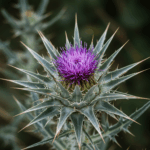
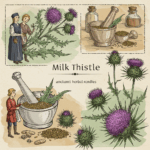
Marietidsel (Silybum marianum) is a tall thistle plant from the aster family, easily recognized by its purple flower heads and large, spiny leaves with characteristic white marbling.
The name refers to an old legend that the white stripes on the leaves come from drops of the Virgin Mary’s milk.
The plant has been used in traditional medicine for centuries, especially for its liver-protective properties. However, it is not the entire plant that is used medicinally. The active substances are primarily concentrated in the plant’s hard, dark seeds (fruits).
The active ingredient in these seeds is a complex of substances called silymarin. Silymarin consists of several different flavonolignans, of which the substance silibinin is considered the most important and effective [1].
Milk Thistle and Cancer
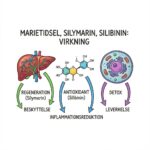
There has been considerable interest in investigating whether milk thistle can be beneficial for cancer patients. Not least whether milk thistle can strengthen the liver so that it can better tolerate the given medication.
Inhibition of Cell Signaling and Growth
Cancer cells depend on specific signaling pathways to divide uncontrollably. Preclinical research (cell and animal studies) indicates that silibinin can specifically interfere with these communication lines [12].
The substance has been shown to be able to downregulate signaling proteins such as STAT3 and NF-kB, which otherwise function as central survival factors for the tumor. By blocking these pathways, silibinin can force cancer cells to stop in their cell cycle (often in the G1 or S phase), preventing them from dividing further [11].
Activation of Mitochondrial Apoptosis
While healthy cells have a built-in expiration date, cancer cells often have the ability to deactivate programmed cell death (apoptosis). In experimental models, silibinin appears to be able to restart this process by affecting the mitochondria inside the cancer cell [10].
This happens, among other things, by altering the balance between proteins that promote and inhibit cell death (Bax and Bcl-2), which causes the mitochondria to release substances that effectively kill the cancer cell from within, without damaging the surrounding healthy tissue.
Inhibition of Metastasis and Spread
For cancer to spread from a tumor to other parts of the body, the cells must undergo a process where they become mobile and capable of breaking down tissue (a process called EMT). Studies indicate that silibinin can counteract this process by reducing the production of the enzymes (matrix metalloproteinases) that cancer cells use to “cut” their way through the tissue and into the bloodstream [12].
At the same time, the secretion of the growth factor VEGF is inhibited, which makes it harder for the tumor to form the new blood vessels it needs to grow.
Sensitization to Chemotherapy
A widespread problem in cancer treatment is resistance, where cells pump the medication out again via transport proteins such as P-glycoprotein. Silibinin has shown potential as a so-called chemosensitizer. By inhibiting these pumps, the chemotherapy remains inside the cancer cell for longer and at higher concentrations [9].
Milk Thistle’s Effect on the Liver
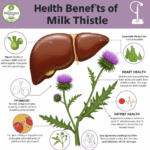
Protects Liver Cells
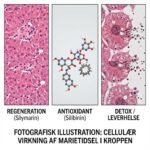
Silymarin helps stabilize cell membranes in liver cells, making them more resistant to harmful substances.
Reduces Inflammation
Milk thistle has anti-inflammatory properties that can help reduce inflammation in the liver.
Stimulates Regeneration
The plant can help stimulate the regeneration of damaged liver cells.
Antioxidant Properties
Milk thistle is rich in antioxidants that can help neutralize free radicals that can contribute to cell damage and cancer development.
Protection of Healthy Cells
Some studies suggest that substances in milk thistle can help protect healthy cells from damage caused by chemotherapy or radiation therapy.
Strengthening the Immune System
There is some evidence that milk thistle can strengthen the immune system, which can help the body fight cancer cells.
Also Often Beneficial For
- Hepatitis: Both viral and alcohol-related hepatitis.
- Poisonings: For example, poisonings with mushrooms or chemicals.
- Fatty liver: A condition where too much fat accumulates in the liver.
- Liver cirrhosis: A serious liver disease where liver tissue becomes scarred.
Potential Side Effects
Milk thistle is generally considered safe, but some people may experience mild side effects such as:
- Digestive discomfort
- Itching
- Skin reactions
- It is important to note that although milk thistle is a natural remedy, it can interact with certain types of medication.
Safety and Interactions
Interaction with Medication
- The most critical point is milk thistle’s effect on the liver’s enzyme system, specifically CYP3A4. This enzyme is responsible for the breakdown of a wide range of chemotherapeutic agents [9]. If milk thistle inhibits this enzyme, the concentration of chemotherapy in the blood may rise unintentionally.
- Additionally, it is discussed whether milk thistle’s strong antioxidant effect theoretically could counteract certain types of chemotherapy (e.g., platinum-based), which work precisely by creating oxidative stress in cancer cells.
- This can collectively either reduce the effect of vital treatment or unintentionally enhance the medication’s side effects. Therefore, the oncologist should always be informed.
Practical Use Around Chemotherapy
- To avoid interactions, many complementary practitioners recommend a pause strategy. This often involves stopping the supplement 2 days before treatment (so liver enzymes normalize) and only resuming it 3-5 days after (so the medication can work unhindered). This should always be clarified with the doctor.
Practical Information on Absorption
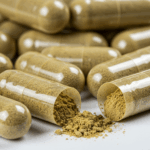
Absorbability
The active substances in milk thistle are fat-soluble and are generally very poorly absorbed in the intestines via standard extracts [9].
This means that much of the substance passes through the system without being utilized. To achieve a relevant effect in the body, it is often recommended to:
- Take the supplement with a fatty meal.
- Choose preparations where silymarin is bound to phospholipids (phytosomes), as this significantly increases absorption.
Strategic Placement and Combination
Type: Rebuilding
Milk thistle belongs in the Repair category. Its main function in a protocol is to protect and rebuild liver tissue and maintain the body’s detoxification capacity. Although recent research points to chemosensitization and apoptosis, it does have secondary Kill properties, but it is most often used defensively to ensure that the organs can withstand the treatment.
Synergy
To enhance the effect, the herb can advantageously be combined with:
- Turmeric (curcumin): This combination is very potent. Both herbs dampen inflammation in the liver via the same signaling pathways (NF-κB) and support each other in protecting healthy cells.
- Dandelion and artichoke: These bitter herbs stimulate bile production and “flow” in the liver, while milk thistle protects the cells. This creates a complete liver protocol.
- Liposomal systems: As mentioned under absorption, milk thistle works best when taken with fats that can follow it (phospholipids) into the cells.
Strategic Timing
Since milk thistle affects the liver’s detoxification systems, timing is crucial:
- Pause strategy: Often used in the days between chemotherapy treatments to rebuild, but typically pauses 24-48 hours before and 4-5 days after the actual medication administration to not interfere with the metabolism of the medication (see the section on interactions).
Conclusion
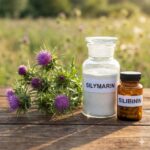
Milk thistle can be a useful supplement to strengthen the liver so that it can better tolerate relevant cancer treatment.
Milk thistle is not a miracle cure and cannot stand alone as treatment.
If you have known liver problems, you should seek professional advice.
Back to Supplements
Also see Medicine Logistics
Links
[1] Milk thistle nomenclature: why it matters in cancer research and pharmacokinetic studies (PubMed)
- Content: Study discussing the importance of consistent nomenclature for milk thistle in cancer research, emphasizing how variations in naming can affect pharmacokinetic studies and clinical applications.
[2] Levercancer – kræft i leveren (Radiodoktoren)
- Content: Danish article providing an overview of liver cancer, its causes, symptoms, and treatment options. (Danish Language)
[3] Marietidsel – en af de vigtigste leverurter (SundForskning)
- Content: Comprehensive Danish article on milk thistle as one of the most important herbs for liver health, discussing its traditional uses and modern research. (Danish Language)
[4] Jeg skal tage det bedste fra to verdener (Helse)
- Content: Danish article exploring the integration of conventional and alternative medicine, with a focus on milk thistle’s role in supportive cancer care. (Danish Language)
[5] Marietidselekstrakt undertrykker leverkræft (Helsenyt)
- Content: Danish news article reporting on research showing that milk thistle extract can suppress liver cancer development through its active compounds. (Danish Language)
[6] Marietidsel (Lymeherbs)
- Content: Detailed Danish guide to milk thistle, its active ingredients, traditional uses, and potential health benefits for liver support. (Danish Language)
[7] Milk thistle (PubMed)
- Content: Review article summarizing the current state of research on milk thistle, including its active components, mechanisms of action, and potential therapeutic applications in various diseases.
[8] In vivo anticlastogenic effect of silymarin from milk thistle Silybum marianum L. (PubMed)
- Content: Study investigating the protective effects of silymarin against chromosomal damage in vivo, demonstrating its potential as a chemopreventive agent through antioxidant and anti-clastogenic mechanisms.
[9] Metabolism, Transport and Drug-Drug Interactions of Silymarin (PubMed, 2019)
- Content: Comprehensive review examining how silymarin is metabolized and transported in the body, including its interactions with various drugs and implications for therapeutic use, particularly in cancer treatment contexts.
[10] Mechanistic Insights into Silymarin-Induced Apoptosis and Growth Inhibition in SPC212 Human Mesothelioma Cells (PubMed, 2025)
- Content: Study demonstrating silymarin’s dose-dependent cytotoxicity and ability to induce apoptosis in mesothelioma cells, suggesting its potential as a cancer treatment through targeted cell death mechanisms.
[11] Milk Thistle (Silybum marianum): Potential Role in Cancer Prevention (PubMed, 2025)
- Content: Review article exploring milk thistle extracts’ potential in cancer prevention, highlighting their antioxidant, anti-inflammatory, and apoptosis-inducing effects, as well as their ability to modulate cell growth signals.
[12] Silymarin: a promising modulator of apoptosis and survival signaling in cancer (PubMed, 2025)
- Content: Study investigating silymarin’s cancer-inhibiting properties, showing how it can inhibit tumor growth by affecting key regulatory pathways such as JAK/STAT and PI3K/Akt/mTOR, with nano-delivery systems potentially enhancing its effectiveness.
Page created: July 26, 2024, Last revised May 2, 2026
❤
What you read on “Jeg har Kræft” is not a recommendation. Seek competent guidance.
