


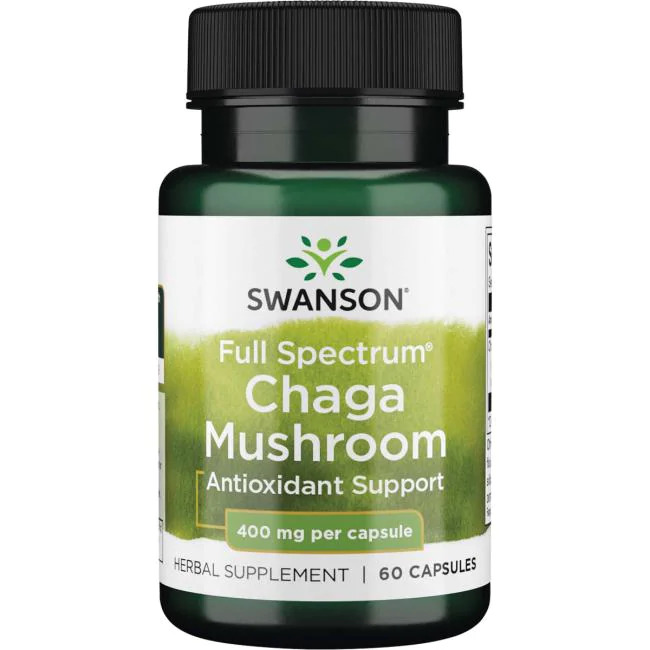
Chaga, medicinal mushroom and cancer
What is chaga
Chaga, with the scientific name Inonotus obliquus, is a special type of mushroom that mainly grows on birch trees in very cold areas such as Siberia, Canada, Alaska, and northern Europe. Instead of the typical mushroom shape with a cap and stem, chaga appears as a hard, black mass that can resemble charred wood, but with an inner core that is often orange or yellowish. Due to its characteristic appearance, it is also called “black gold” or “birch mushroom.”
History
Throughout history, chaga has been an important part of traditional medicine in many cultures of the northern regions for several hundred years. In Siberia and other parts of Russia, chaga has been used to promote general health, prolong life, and treat various diseases, including stomach problems, heart disease, and certain types of cancer. Traditionally, chaga has often been consumed as a tea, where pieces of the mushroom were boiled in water for a long time. In North America, indigenous peoples have also used chaga for medicinal purposes. In recent years, global interest in chaga’s possible health benefits has increased, leading to more research into the active substances it contains and how they work [7].
Mechanisms of action
Chaga’s potential positive effects on health are believed to be due to the many different active substances it contains, which affect the body’s systems in several ways. Some of the most important active substances in chaga are:
Constituents
Superoxide dismutase (SOD) This is a powerful antioxidant enzyme found in chaga. SOD helps break down superoxide radicals, which are one of the most harmful types of free radicals in the body, and converts them into less harmful substances.
1. Polysaccharides
These are complex carbohydrates, including beta-glucans, which are known for their ability to affect the immune system. Beta-glucans can interact with various immune cells, such as macrophages (a type of immune cell that “eats” foreign particles and waste products), and make them more active. This can strengthen the body’s ability to respond to threats. It has also been shown that specific beta-glucans in chaga can activate the complement system (a part of the immune system) and increase the production of cytokines (signaling proteins that control the immune response).
2. Triterpenes
This is a group of natural chemical compounds, including lanosterol, inotodiol, and betulinic acid, as well as derived substances (such as betulin). These substances have been shown to have various biological effects, including potentially inhibiting cancer, dampening inflammation, and fighting viruses in vitro (in test tubes/petri dishes) and in vivo (in living organisms). Betulin and betulinic acid are particularly interesting, as some studies have shown they can kill certain types of cancer cells while being gentler on normal cells [3, 8].
3. Melanin
This dark pigment is a powerful antioxidant that can help protect cells from damage by free radicals and oxidative stress. Chaga has a very high content of melanin, which contributes to its potent antioxidant effect. Oxidative stress plays a role in the development of many diseases, including cancer.
4. Phenolic acids and flavonoids
These are other groups of antioxidant substances found in chaga. They can help neutralize free radicals, reduce inflammation, and protect DNA from damage. Examples of phenolic acids in chaga include gallic acid and protocatechuic acid, while flavonoids like quercetin and rutin are also present.
5. Minerals and trace elements
Chaga contains various minerals and trace elements, such as potassium, calcium, magnesium, zinc, and iron, which are necessary for many body functions, including the immune system and general well-being.
The primary ways chaga can potentially act as a supplementary treatment for cancer are:
Immunomodulation
Chaga’s ability to affect the immune system is one of the most researched areas.
Activation of immune cells:
- Beta-glucans in chaga can bind to receptors on the surface of immune cells such as macrophages and dendritic cells (another type of immune cell that presents antigens), which can activate them. When macrophages are activated, they are better able to “eat” and break down foreign particles and damaged cells, produce cytokines, and present antigens to other immune cells, thereby strengthening the immune response.
Regulation of cytokine production:
- Research has shown that extracts from chaga can alter the production of various cytokines. Depending on the situation, they can both increase the production of cytokines that promote inflammation (which is important for fighting infections and cancer cells) and cytokines that dampen inflammation (which helps manage the immune response and prevent excessive inflammation). This balance in the immune response can be beneficial in the context of cancer.
Increase in natural killer (NK) cell activity:
- NK cells play an important role in the innate (built-in) immune system by finding and killing virus-infected cells and cancer cells. Research in vitro and in vivo suggests that chaga can increase the activity and number of NK cells, potentially improving the body’s ability to fight cancer cells.
Influence on T-cell function:
- Some studies indicate that chaga can affect the activity and development of T-lymphocytes (a type of white blood cell important for the adaptive immune system), including helper T-cells (CD4+ T-cells) and cytotoxic T-cells (CD8+ T-cells), which are crucial for specifically recognizing and killing cancer cells.
Anti-cancer potential
Several of the active substances in chaga have shown signs of being able to inhibit cancer in laboratory and animal trials.
Cytotoxic effect on cancer cells:
- Triterpenes like betulin and betulinic acid have been shown to kill various types of cancer cells in vitro, including cancer cells from the lungs, melanoma, colon, and prostate [4]. Simultaneously, they have in some cases proven to be less harmful to normal cells. The way they kill cancer cells may be by initiating a process called apoptosis (programmed cell death).
Inhibition of cancer cell growth and spread:
- Research in vitro and in vivo has suggested that extracts from chaga and some of its components can reduce the growth (proliferation) of cancer cells and their ability to invade and spread (metastasize) to other parts of the body [1, 5]. This can occur by affecting various signaling pathways (molecular processes in the cells that control growth and behavior) in the cancer cells.
Anti-angiogenic effect:
- Angiogenesis (formation of new blood vessels) is necessary for tumors to grow and spread, as they need a blood supply for nutrients and oxygen. Some in vitro studies have shown that certain substances in chaga can inhibit the formation of new blood vessels, potentially limiting tumor growth and metastasis.
Anti-inflammatory properties
Chronic inflammation plays a role in the development of many types of cancer. Chaga’s content of antioxidants and triterpenes contributes to its anti-inflammatory effects.
Inhibition of pro-inflammatory signaling pathways:
- Studies have shown that extracts from chaga can inhibit the activation of signaling pathways that promote inflammation, such as NF-κB (nuclear factor kappa B), which is central to the regulation of inflammation.
Reduction of pro-inflammatory mediators:
- Chaga can decrease the production and release of substances that promote inflammation, such as cytokines (e.g., TNF-α, IL-6) and prostaglandins (signaling substances that contribute to inflammation and pain).
Antioxidant action:
- The high content of melanin, polysaccharides, phenolic acids, and flavonoids in chaga provides it with strong antioxidant properties. By neutralizing free radicals, chaga can help reduce oxidative stress, which is an important factor in inflammation and cell damage.
Antioxidant protection
The large number of antioxidants in chaga is an important part of its possible health benefits.
Neutralization of free radicals:
- Free radicals are unstable molecules that can damage cells, DNA, and proteins, contributing to aging and the development of diseases, including cancer. The many antioxidants in chaga, especially melanin and polysaccharides, can effectively neutralize these harmful molecules.
Protection against DNA damage:
- Oxidative stress can lead to damage to DNA, which is a key factor in the development of cancer. Chaga’s antioxidants can help protect DNA from this type of damage.
Potential as a supplementary treatment for cancer
Based on the aforementioned mechanisms of action, there is increasing interest in chaga’s potential as a supplementary treatment for people living with cancer. It is important to emphasize that chaga should not be seen as a replacement for traditional cancer treatment, but it may play a supportive role in several ways.
Support for the immune system during cancer treatment
Many forms of traditional cancer treatment can weaken the immune system. Chaga’s ability to affect the immune system can potentially help strengthen the body’s reaction during and after treatment, which may reduce the risk of infections and possibly make the treatment easier to complete.
Potential inhibition of cancer cell growth and spread
Laboratory and animal trials showing that chaga and its components can kill cancer cells, inhibit their growth and spread, and counteract the formation of new blood vessels suggest that chaga may supplement traditional treatments by inhibiting cancer cell development [1, 5, 6]. However, this must be confirmed in human studies.
Reduction of inflammation and oxidative stress
Cancer and its treatment can lead to increased inflammation and oxidative stress, which can cause side effects and reduce quality of life. Chaga’s anti-inflammatory and antioxidant properties can potentially help alleviate these issues.
Improvement of quality of life
Some people with cancer experience fatigue and other discomforts. Chaga’s potential energy-boosting and immune-strengthening effects may contribute to a better quality of life.
Synergistic effects with conventional treatment
There is a possibility that chaga in combination with certain traditional cancer treatments may have an enhancing effect and potentially improve the results of the treatment [3, 8]. However, more research in vitro and in vivo is needed to investigate these possibilities further. Any combination should take place in consultation with a qualified practitioner.
Advantages of chaga
Chaga has several potential advantages as a supplementary treatment for cancer.
Availability:
- Chaga is becoming increasingly available as a supplement in various forms.
Multifaceted mechanisms of action:
- Chaga contains many different active substances that can affect several aspects of cancer, including the immune system, inflammation, oxidative stress, and possibly the cancer cells themselves.
Long traditional use:
- Chaga’s history in folk medicine in northern regions suggests it has been safe for traditional use, although more scientific documentation is needed.
Rich in antioxidants:
- The high content of various antioxidants in chaga is a major benefit, as oxidative stress plays an important role in cancer and many other diseases.
Potential immune support:
- The ability to affect the immune system can be particularly beneficial for cancer patients whose immune systems are often weakened.
Disadvantages and limitations
Although chaga has many potential benefits, there are also important disadvantages and limitations to be aware of.
Clinical trials
The majority of research into chaga’s ability to fight cancer has been conducted in laboratories (in vitro) and on animals (in vivo) [1, 4, 5]. There is a lack of high-quality human studies looking at how chaga can be used as a supplementary treatment for cancer.
The studies that do exist are often small and have certain limitations. Therefore, there is a great need for more rigorous human research to say anything certain about chaga’s effect and safety for cancer patients.
Safety
To be safe when using chaga, there are several things to be aware of:
Interactions with medication
Chaga may affect certain types of medication. For example, chaga contains betulinic acid, which in large amounts can thin the blood. Therefore, chaga could potentially affect blood-thinning medications such as warfarin. There is also a theoretical risk that chaga may affect medications used to suppress the immune system, as chaga itself can influence the immune system. If you are taking any form of medication, it is very important that you speak with your qualified practitioner before starting to use chaga.
Effect on blood sugar
Some animal trials suggest that chaga can lower blood sugar. This can be a problem for people taking medication for diabetes, as it may increase the risk of their blood sugar becoming too low. If you have diabetes and use chaga, you should be extra attentive to your blood sugar levels and possibly talk to your practitioner about adjusting your medication.
Autoimmune diseases
As chaga can stimulate the immune system, there is a theoretical concern that it could worsen symptoms in people with autoimmune diseases (where the body’s immune system attacks its own cells). If you have an autoimmune disease, you should consult a qualified practitioner before using chaga.
Quality of chaga products
The quality and quantity of active substances in chaga products can vary significantly. This depends on where and how the mushroom grew, when it was harvested, which part of the mushroom was used, and how it was processed. Therefore, it can be difficult for you as a consumer to be sure that you are getting a high-quality product with the right amount of active substances. It is important to choose products from manufacturers you trust.
Dispensing and application
Chaga is available in various forms, including dried pieces for tea, powder, capsules, and extracts (liquid tinctures). There is no established standard dose for chaga as a supplementary treatment for cancer in humans due to limited research. Doses used in laboratory and animal trials, as well as in traditional medicine, vary. It is important to follow the instructions on the product or speak with a qualified practitioner for personalized advice.
Tea
Dried chaga pieces are typically boiled in water at low heat for an extended period (e.g., 1–2 hours) to extract the active substances. The tea can be consumed hot or cold.
Powder
Chaga powder can be mixed into hot drinks, smoothies, or food.
Capsules and extracts
Capsules and liquid extracts contain a more concentrated form of chaga and are easy to dose. Follow the manufacturer’s instructions for dosage.
Time of intake
The time of intake for chaga can vary depending on personal preference and the specific product. Some prefer drinking chaga tea or taking supplements in the morning for an energizing effect, while others prefer it in the evening. It is important to pay attention to how the body reacts and adjust the timing accordingly. If stomach discomfort is experienced, it may be beneficial to consume chaga with a meal.
Combination with other supplements
If you are considering combining chaga with other supplements, it is important to consult a qualified practitioner. Although chaga is generally considered safe for most people in moderate doses, the combination with certain other substances could potentially lead to unwanted interactions or enhanced effects. A qualified practitioner can assess your individual situation and provide advice on safe and appropriate use of chaga in combination with other supplements.
Conclusion
Chaga is a fascinating mushroom with a long history in traditional medicine and an increasing number of preclinical studies suggesting significant potential as a supplementary treatment for cancer. Its rich content of bioactive substances, including polysaccharides, triterpenes, and melanin, provides it with immunomodulatory, potentially anti-cancer, anti-inflammatory, and antioxidant properties.
While existing research results are promising, especially from laboratory and animal trials, there is a need for more extensive and well-designed human clinical trials to confirm chaga’s efficacy and safety as an integrated part of cancer treatment. Until then, chaga should be considered a potential supplementary treatment to be used in consultation with a qualified practitioner to eliminate potential interactions with conventional treatment or other medication.
For cancer patients considering chaga, it is crucial to have realistic expectations and understand that it is not a replacement for other cancer treatments, but rather a possible tool to support the body and potentially reduce the risk of recurrence.
Overview of medicinal mushrooms and cannabis
This overview compares the effects and safety of the most commonly used medicinal mushrooms. Cannabis is also included in the overview. This is despite the fact that cannabis is biologically a plant and not a mushroom. However, it is often used in the same context when natural symptom relief is desired for those affected by cancer.
Worth knowing
- Choice of mushroom: If the goal is to get through chemo safely with the fewest side effects, Turkey Tail is most often the first choice, as it has the fewest contraindications.
- Neuropathy: If chemo causes tingling in the fingers or nerve damage, Lion’s Mane is the only mushroom with specific documentation for being able to help with nerve regeneration.
- Stop before surgery: A good rule of thumb is to stop all mushrooms, especially Reishi, Chaga, and Cordyceps, as well as fish oil two weeks before scheduled surgeries due to the risk of bleeding.
Medicinal mushroom and Cannabis
| Name | Primary Effect | Use in Cancer | Name | Important Caution |
|---|---|---|---|---|
| Agaricus blazei | Very powerful immune activation. High content of Beta-1,3/1,6-glucans. | Aggressive support. Used to significantly boost NK-cell activity. | Agaricus blazei | May affect liver enzymes. Should be used with caution in liver disease or heavy liver-taxing chemo. |
| Cannabis: CBD | Anxiolytic and muscle relaxant. Anti-inflammatory. | Quality of life. Relieves restlessness, anxiety, muscle tension, and sleep problems without a high. | Cannabis: CBD | Interaction with medication. Can inhibit the liver’s breakdown of chemotherapy (CYP450). |
| Cannabigerol (CBG) | Neuroprotective and appetite stimulant. Blocks TRPM8 channels (growth signals) in cells. | Antitumour support. Targeted use for growth in colon and brain, and against loss of weight and muscle mass. | Cannabigerol (CBG) | Interaction with liver enzymes (CYP450). May affect the concentration of blood thinners and certain types of epilepsy medication. |
| Cannabis: THC | Antiemetic and appetite stimulant. Psychoactive (euphoric). | Acute relief. Against severe nausea, vomiting, and weight loss. | Cannabis: THC | Driving ban. Psychoactive side effects. Sedative effect. |
| Chaga | Powerful antioxidant (SOD). Contains Betulin and Betulinic acid. Protects against oxidative stress. | Restorative. Used for general strengthening of the body under pressure. | Chaga | High oxalate content (risk of kidney stones). Blood-thinning. Interacts with insulin (lowers blood sugar). |
| Cordyceps | Energizing. Increases oxygen uptake (ATP) and kidney function. | Lung function. Counteracts shortness of breath and cancer-related fatigue. | Cordyceps | May over-activate the immune system in autoimmune diseases. Blood-thinning. |
| Lion’s Mane | Nerve regenerating. Stimulates growth of nerve cells (NGF). | Neuropathy. Counteracts sensory disturbances in fingers/feet and memory difficulties (chemo brain). | Lion’s Mane | May lower blood sugar. Mild blood-thinning effect. |
| Maitake | Immune-activating (D-fraction). Strong stimulation of macrophages. | Immune boost. Often used to activate the body’s own defense against cancer cells. | Maitake | May lower blood sugar. Can enhance the effect of blood-thinning medication. |
| Pau D’Arco | Potent antifungal and anti-inflammatory. Contains Lapachol. | Micro-environment. Used to purify the blood and combat fungal infections (Candida), which are often seen with a weakened immune system. | Pau D’Arco | Blood-thinning. Must not be combined with blood-thinning medication or used prior to surgical procedures. |
| Pao Pereira | Inhibits replication of abnormal cells. Penetrates the blood-brain barrier. | Targeted cell division. Often used for prostate cancer and cancers of the central nervous system (brain). | Pao Pereira | Generally well-tolerated, but should be taken under guidance to ensure correct dosage relative to conventional treatment. |
| Poria cocos | Diuretic and calming. Supports spleen and kidney function. Contains Pachyman. | Fluid retention. Helps against edema and mucus. Calms restlessness and racing thoughts. | Poria cocos | Acts as a diuretic. Be mindful of electrolyte balance if taking other diuretic medication. |
| Reishi | Calming and immune-strengthening. Acts as an adaptogen (stress-reducing) and sleep-promoting. | Sleep and stress. Good for finding peace in the body and supporting the immune system between treatments. | Reishi | Blood-thinning. Must not be used with low platelets or before surgery. |
| Shiitake | Immune-stimulating. Source of Lentinan and AHCC. | Standard support. Lentinan is used medically to prolong survival in certain types of cancer. | Shiitake | May in rare cases cause skin rash (Shiitake dermatitis). Contains purines (caution in gout). |
| Turkey Tail | Immune-modulating. Supports the immune system (NK cells) without overstimulating. Contains PSK. | Chemo support. Often used alongside chemo to counteract immune suppression. | Turkey Tail | Generally considered safe. Few known interactions (approved drug in Japan as PSK). |
Back to Supplements
Links
[1] Anticancer potentials of chaga and notoginseng against dog bladder cancer organoids (PubMed, 2025)
- Content: A non-randomized in vitro study using organoids to evaluate the anti-cancer potential of chaga specifically against bladder cancer cells.
[2] Forstå din svamp (Sund Forskning, 2024)
- Content: A Danish article explaining the biological properties and traditional uses of medicinal mushrooms like chaga.
[3] Chaga Mushroom Triterpenoids Inhibit Dihydrofolate Reductase and Act Synergistically with Conventional Therapies in Breast Cancer (PubMed, 2024)
- Content: A non-randomized in vitro study investigating how chaga components can enhance the effects of traditional breast cancer treatments.
[4] Chemical Content and Cytotoxic Activity on Various Cancer Cell Lines of Chaga (Inonotus obliquus) Growing on Betula pendula and Betula pubescens (PubMed, 2024)
- Content: A laboratory study characterizing the chemical constituents of chaga and their toxic effects on various cancer cell lines.
[5] Chaga mushroom extract suppresses oral cancer cell growth via inhibition of energy metabolism (PubMed, 2024)
- Content: A non-randomized in vitro trial demonstrating that chaga can inhibit oral cancer growth by disrupting the cells’ energy production.
[6] Synergistic Cytotoxicity of Extracts of Chaga Mushroom and Microalgae against Mammalian Cancer Cells In Vitro (PubMed, 2024)
- Content: A laboratory study exploring the enhanced cell-killing effects of combining chaga with microalgae extracts.
[7] Chaga mushroom: a super-fungus with countless facets and untapped potential (PubMed, 2023)
- Content: A comprehensive review article detailing the history, bioactive compounds, and therapeutic potential of chaga.
[8] Chaga mushroom triterpenoids as adjuncts to minimally invasive cancer therapies: A review (PubMed, 2023)
- Content: A review summarizing how chaga triterpenoids might be used as supportive additions to modern, minimally invasive cancer treatments.
Page created: April 6, 2025. Latest revision: April 25, 2026.
❤
What you read on I Have Cancer is not a recommendation. Seek competent guidance.
