


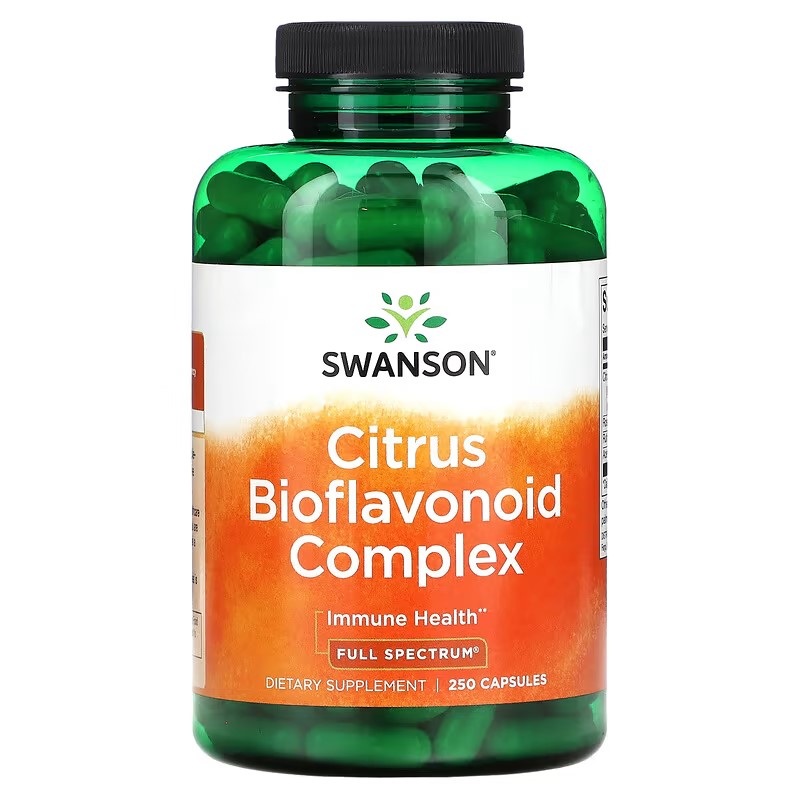
Citrus flavonoids and cancer
What are citrus flavonoids
Citrus flavonoids are a group of polyphenolic compounds (naturally occurring plant chemicals) found in citrus fruits such as lemons, oranges, grapefruits, and limes. These substances contribute to the color, taste, and aroma of the fruits and have shown a range of potential health-promoting properties. The most common citrus flavonoids include hesperidin, naringin, apigenin, luteolin, and tangeritin [1, 13].
History
Historically, citrus fruits have been used in traditional medicine for centuries. Their high vitamin C content made them valuable in preventing and treating scurvy. However, other bioactive substances, such as flavonoids, have also been considered to contribute positively to health.
Mechanisms of action for citrus flavonoids
The mechanisms of action for citrus flavonoids are complex and involve several different interacting processes:
Antioxidant effect
Citrus flavonoids are potent antioxidants that can neutralize free radicals (unstable molecules that can damage cells). Free radicals play a role in the development of cancer, and the antioxidant action of citrus flavonoids can help protect cells from damage [7]. They contribute by donating electrons to free radicals, thereby making them less reactive.
Anti-inflammatory effect
Citrus flavonoids have been shown to possess anti-inflammatory properties [10]. They can inhibit the production of pro-inflammatory molecules and reduce inflammation in the body, which is relevant to cancer, as chronic inflammation can promote the development of certain types of cancer.
Inhibition of tumor growth
Non-randomized in vitro (in test tubes) and in vivo (in living organisms) studies have shown that citrus flavonoids can inhibit the growth of various types of cancer cells [5, 8, 11]. The mechanisms behind this inhibition involve several processes, including the induction of apoptosis (programmed cell death), the inhibition of angiogenesis (the formation of new blood vessels that tumors need to grow), and the modulation of signaling pathways involved in cell growth and differentiation [2, 12].
Immunomodulating effect
Some citrus flavonoids may have an immunomodulating effect, meaning they can influence the function of the immune system. This can be beneficial in relation to cancer, as a strong immune system is crucial for fighting cancer cells. Some studies indicate that citrus flavonoids can promote the activity of certain immune cells, such as natural killer (NK) cells.
Epigenetic changes
Recent research suggests that citrus flavonoids can influence gene expression in cells through epigenetic mechanisms (changes in gene activity that do not involve the DNA sequence itself) [13]. This can be significant for cancer development, as changes in gene expression can affect cell growth and behavior.
Potential as supplementary treatment for cancer
Due to the aforementioned mechanisms, citrus flavonoids have potential as a supplementary treatment for cancer. However, it is important to emphasize that citrus flavonoids are not a replacement for other relevant cancer treatments. They can be used as a supplement in consultation with a qualified practitioner to improve quality of life, potentially increase the efficacy of other treatments, and alleviate side effects.
Clinical studies
A number of clinical studies have investigated the effects of citrus flavonoids on various aspects of cancer. Many of these studies, however, have been small and have had certain methodological limitations. Larger and more well-designed clinical trials are needed to confirm the potential benefits of citrus flavonoids as a supplementary cancer treatment.
- Some studies have shown that citrus flavonoids can have a positive effect on certain side effects of chemotherapy, such as nausea and fatigue [9].
- Other studies have investigated the effect of citrus flavonoids on specific types of cancer, such as breast cancer and colon cancer. While the results are promising, they are not yet definitive [11, 12].
Safety
Citrus flavonoids are generally considered safe when consumed in moderate amounts through the diet. However, dietary supplements with high doses of citrus flavonoids require more caution regarding potential side effects and interactions with medication [4].
Some individuals may experience mild side effects such as gastrointestinal discomfort, nausea, or diarrhea when consuming high doses. Additionally, there is a theoretical risk that citrus flavonoids may interact with certain types of medication, including some forms of chemotherapy.
Benefits of citrus flavonoids
- Strong antioxidant action: Protects cells from damage by free radicals [7].
- Anti-inflammatory effect: Can reduce inflammation in the body [10].
- Possible inhibition of tumor growth: In vitro and in vivo studies have shown that citrus flavonoids can inhibit the growth of certain cancer cells [5, 8].
- Immunomodulating effect: Can potentially strengthen the immune system.
- Potential positive effects on chemotherapy side effects: Some studies suggest that citrus flavonoids can alleviate side effects like nausea and fatigue [9].
- Found naturally in citrus fruits: A healthy and varied diet rich in citrus fruits is an effective way to obtain citrus flavonoids [3].
Drawbacks and limitations
- Lack of comprehensive clinical evidence: More research is needed to confirm the potential benefits in humans.
- Potential side effects at high doses: High-dose supplements can cause gastrointestinal issues.
- Possible interactions with medication: Citrus flavonoids can interact with certain types of medication.
- Not a replacement for relevant cancer treatment: Should only be used as a supplement in consultation with a practitioner.
Dispensing and application
Diet
The best way to obtain citrus flavonoids is through a diet rich in citrus fruits.
Dietary supplements
Supplements containing citrus flavonoids are available. It is important to follow the recommended dose on the product label and consult a physician before starting any supplement.
Dosage
There is no standard dose for citrus flavonoids as a supplementary cancer treatment. The dosage depends on factors such as the type of cancer, the patient’s general health, and other treatments the patient is receiving.
Conclusion
Citrus flavonoids have potential as a supplementary cancer treatment due to their diverse mechanisms of action, including antioxidant and anti-inflammatory effects, inhibition of tumor growth, and immunomodulating action.
While more research is required, some studies suggest they may positively impact certain aspects of cancer, such as alleviating the side effects of chemotherapy.
Mini-guide – what is the difference
What is the difference between modified citrus pectin, citrus flavonoids, and vitamin C?
Origin
Both citrus pectin and citrus flavonoids originate from citrus fruits, but they have different chemical structures and health effects.
Citrus pectin
- Citrus pectin is a type of soluble fiber found in the peel of citrus fruits. Besides the properties mentioned above, it is known for its ability to bind to certain substances in the body, such as cholesterol and heavy metals, which can help lower cholesterol levels and remove toxins. Modified citrus pectin (MCP) is a form of citrus pectin that has been treated to make it easier for the body to absorb.
Citrus flavonoids
- Citrus flavonoids are a group of plant compounds found in many different fruits and vegetables, including citrus fruits. They are known for their antioxidant action, helping to protect the body against damage from free radicals [7]. Research suggests they may offer protection against heart disease and certain forms of cancer [3].
Vitamin C
- Vitamin C is a vitamin found in many fruits and vegetables. It is a powerful antioxidant and is essential for the immune system, wound healing, and collagen formation. Vitamin C is not the same as citrus flavonoids, though they are often found in the same foods.
Summary
- Citrus pectin is a soluble fiber mainly found in the peel, helpful for lowering cholesterol and removing toxins, and likely has a beneficial effect as supplementary cancer treatment.
- Citrus flavonoids are plant compounds with antioxidant effects that may protect against various diseases and likely serve as a beneficial supplement in cancer treatment.
- Vitamin C is essential for the immune system. Some believe high-dose IV vitamin C is beneficial against cancer by harming cancer cells without affecting normal cells. While oral intake is beneficial for healthy people, there is disagreement over whether oral vitamin C supplements (tablets/capsules) are more harmful than beneficial for people who already have cancer.
See also Modified citrus pectin for the treatment of prostate cancer
See also the page Vitamin C I.V.
See also Mitochondrial stem cell connection in cancer treatment, targeting
Back to Supplements
Links
[1] Polymethoxylated flavone variations and in vitro biological activities of locally cultivated Citrus varieties in China (PubMed, 2025)
- Content: A non-randomized laboratory study investigating the variations of flavonoids in different citrus varieties and their biological activities.
[2] Natural products for cancer-targeted therapy: citrus flavonoids as potent chemopreventive agents (PubMed, 2012)
- Content: A review article discussing the role of citrus flavonoids as potential agents in cancer prevention and targeted therapy.
[3] Nyt koststudie: Æbler og te kan holde kræft og hjertesygdom stangen (Politiken.dk, 2019)
- Content: A Danish news article reporting on a study showing that flavonoids in foods like apples and tea can reduce the risk of cancer and heart disease.
[4] Flavonoider (Netdoktor.dk, 2019)
- Content: A Danish medical overview of flavonoids, their function in the body, and safety considerations regarding supplements.
[5] The Anticancer Perspective of Tangeretin: A Small Review (PubMed, 2025)
- Content: A review of the specific citrus flavonoid tangeretin and its potential mechanisms in inhibiting cancer progression.
[6] Hesperidin:a citrus plant component, plays a role in the central nervous system (PubMed, 2024)
- Content: A review article exploring the effects of the flavonoid hesperidin on the central nervous system and its broader health implications.
[7] Anticancer Potential of Flavonoids: Their Role in Cancer Prevention and Health Benefits (PubMed, 2024)
- Content: A comprehensive review of the anticancer potential of various flavonoids and their role in health maintenance.
[8] The therapeutic role of naringenin nanoparticles on hepatocellular carcinoma (PubMed, 2025)
- Content: A non-randomized in vitro study examining the use of naringenin nanoparticles as a targeted treatment for liver cancer.
[9] Naturopathic Oncology Care for Thoracic Cancers: A Practice Survey (PubMed, 2018)
- Content: A survey-based study discussing the use of natural products, including flavonoids, in the care of patients with thoracic cancers.
[10] Diosmin: A promising phytochemical for functional foods, nutraceuticals and cancer therapy (PubMed, 2024)
- Content: A review of the phytochemical diosmin and its potential applications in functional foods and cancer therapy.
[11] Hesperetin regulates PI3K/Akt and mTOR pathways to exhibit its antiproliferative effect against colon cancer cells (PubMed, 2024)
- Content: A non-randomized laboratory study showing how hesperetin inhibits the growth of colon cancer cells by regulating specific signaling pathways.
[12] Probing the interaction of hesperidin showing antiproliferative activity in colorectal cancer cells and human hemoglobin (PubMed, 2024)
- Content: A non-randomized in vitro study investigating the interaction of hesperidin with cancer cells and its antiproliferative effects.
[13] Genomic and metabolomic insights into the selection and differentiation of bioactive compounds in citrus (PubMed, 2024)
- Content: A study providing genomic insights into the development of bioactive compounds, including flavonoids, in citrus fruits.
Page created: February 2, 2025. Latest revision: April 25, 2026.
❤
What you read on I Have Cancer is not a recommendation. Seek competent guidance.
