


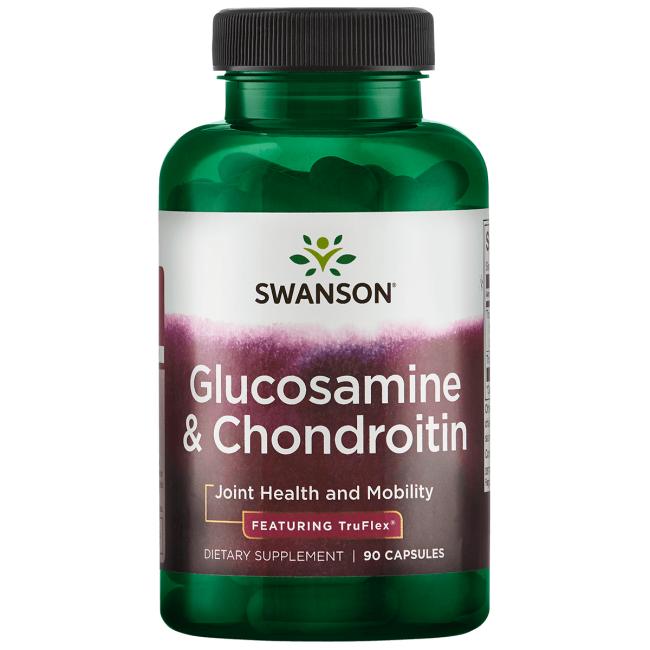
Chondroitin and cancer
What is chondroitin
Chondroitin is a naturally occurring substance found in cartilage, the tissue in joints and connective tissues. It was first isolated in the 19th century, and its use as a dietary supplement became popular in the mid-20th century, particularly in the treatment of osteoarthritis. Traditionally, it has been known for its ability to alleviate joint pain and improve mobility. However, its application is not limited to joint issues; recent research indicates that chondroitin may also have several positive effects in the context of cancer treatment [3].
Mechanisms of action
Chondroitin has several mechanisms of action that may be relevant in a cancer treatment context:
- Anti-inflammatory properties: Chondroitin reduces inflammation by inhibiting pro-inflammatory cytokines (proteins that promote inflammation). This can be particularly important for cancer patients, as inflammation is often linked to tumor growth and metastasis (the spread of cancer).
- Cell protection: It can protect healthy cells from damage caused by chemotherapy and radiation therapy. Chondroitin has been shown to stabilize cell membranes and promote the repair of damaged cells [1, 6].
- Angiogenesis inhibition: Some studies suggest that chondroitin can inhibit angiogenesis, the process by which new blood vessels are formed, which is essential for tumor growth. By limiting the supply of nutrients to tumors, chondroitin can slow their growth [2].
Benefits of chondroitin as supplementary treatment in cancer
Chondroitin has potential as a supplementary treatment in cancer, as it can contribute to reducing pain and inflammation. Its ability to support the immune system and protect healthy cells makes it an interesting candidate for improving the quality of life of cancer patients. Several clinical studies have shown that using chondroitin as part of an integrated treatment plan can lead to improved symptom relief and, in some cases, increase survival rates [3].
Natural and well-tested treatment
Chondroitin is a natural substance found in the body, specifically in cartilage. This makes it a gentler option for patients wishing to avoid synthetic drugs. Its long history as a dietary supplement for treating osteoarthritis has provided it with a solid background and credibility.
Anti-inflammatory properties
One of the most significant benefits of chondroitin is its ability to reduce inflammation. Cancer and its treatment can often lead to inflammatory states in the body. By inhibiting pro-inflammatory cytokines, chondroitin can help alleviate pain and discomfort, improving the general quality of life for patients.
Cell protection
Chondroitin has been shown to stabilize cell membranes and protect healthy cells from damage caused by chemotherapy and radiation therapy. This can be crucial for minimizing side effects of treatment and promoting faster healing and recovery of healthy cells [1, 6].
Improved quality of life
Many cancer patients experience physical and emotional strain due to the disease and its treatment. Chondroitin’s ability to reduce pain and inflammation can lead to a better quality of life, making it easier for patients to manage their illness and treatment.
Potential synergistic effect with conventional treatment
Some studies suggest that chondroitin can have a synergistic effect when used alongside conventional cancer treatment. It may improve the efficacy of chemotherapy by protecting healthy cells while simultaneously supporting the body’s natural immune response [2, 5].
Support for joint and bone health
Cancer treatment can often lead to muscle and bone weakness. Chondroitin is known to support joint and bone health, which can be important for maintaining mobility and functionality in cancer patients, especially those who have undergone surgical procedures or have been inactive for long periods.
Reduced treatment side effects
Patients taking chondroitin often report fewer side effects from chemotherapy and radiation therapy. This can include less nausea, fatigue, and pain, which can make the course of treatment more tolerable.
Psychological well-being
Taking a supplement like chondroitin can give patients a sense of control over their treatment. It can also contribute to psychological well-being by offering an alternative approach to managing the disease, which can improve overall mental health. These benefits make chondroitin a valuable consideration for cancer patients seeking to improve their quality of life and support their bodies during treatment. However, it is important to emphasize that chondroitin should not replace conventional treatment but rather be seen as a supplement in a holistic approach to cancer care.
Drawbacks and limitations
Chondroitin should not be seen as a replacement for conventional cancer treatment. Its effect can vary from person to person, and more research is needed to establish its efficacy in different types of cancer. Additionally, it may interact with certain medications, making monitoring necessary.
Clinical studies
Several clinical studies have investigated the effect of chondroitin in cancer treatment. A meta-analysis showed that patients taking chondroitin as a supplement during chemotherapy reported fewer side effects and improved quality of life. Other studies have focused on its anti-inflammatory properties and have shown promising results in reducing pain and swelling [3, 4].
Safety
Chondroitin is generally considered safe to take, with few reported side effects, which typically include mild indigestion. As a starting point, one should always ask their practitioner before beginning dietary supplements, especially if undergoing treatment for cancer.
Dispensing and application
- Dosage: The recommended daily dose varies, but it typically lies between 800–1200 mg.
- Formulation: Chondroitin is often available as a dietary supplement in various forms, including tablets, capsules, and powder. It may also be available in combination with glucosamine, which is frequently used to support joint health.
- Administration method: Chondroitin is normally taken orally. It is recommended to take it with food to improve absorption and minimize any potential gastrointestinal discomfort.
- Duration of treatment: The duration of treatment can vary depending on individual needs and treatment plans. It is important to follow the physician’s recommendations for the specific duration of use.
- Monitoring: Patients taking chondroitin as a supplement to cancer treatment should be monitored by their healthcare professionals to ensure no negative interactions with other medications occur and to assess the efficacy of the treatment.
- Consistency in use: To achieve the best results, it is important to take chondroitin regularly and as recommended, as it can take time to notice the full benefits.
Conclusion
Chondroitin represents a promising supplement in the treatment of cancer, serving as a support for symptom relief and improvement of quality of life in patients. However, its multifaceted mechanisms of action—which include anti-inflammatory, cell-protective, and angiogenesis-inhibiting properties—also make it an interesting choice in complementary treatment. While further research is needed to clearly establish its efficacy and safety, existing studies indicate that chondroitin can play a valuable role in an integrated approach to cancer care.
Back to Supplements
Links
[1] Chondroitin sulfate nanoparticles based on co-delivery dual drug induced ferroptosis in lung cancer cells by disrupting mitochondrial oxidative homeostasis (PubMed, 2025)
- Content: A non-randomized in vitro and in vivo study describing how chondroitin-based nanoparticles can induce ferroptosis (cell death) in lung cancer cells by affecting mitochondrial function.
[2] Chondroitin sulfate-based dissolvable microneedles loaded with NIR-II photothermal and natural anticancer agents for synergistic melanoma therapy (PubMed, 2025)
- Content: A non-randomized in vitro and in vivo study investigating the use of chondroitin microneedles to deliver anticancer agents directly to melanoma tumors for enhanced effect.
[3] Polysaccharide-based drug delivery targeted approach for colon cancer treatment: A comprehensive review (PubMed, 2025)
- Content: A comprehensive review article discussing the potential of using polysaccharides like chondroitin for targeted drug delivery in colon cancer treatment.
[4] CHPF2 as a novel biomarker and ponicidin as a potential therapeutic agent in hepatocellular carcinoma (PubMed, 2025)
- Content: A non-randomized laboratory study examining a chondroitin-related enzyme (CHPF2) as a biomarker and potential target for liver cancer treatment.
[5] 3-Indoleacetic Acid-Modified Chondroitin Sulfate-Mediated Paclitaxel Nanocrystal Assembly for the Treatment of Pancreatic Cancer (PubMed, 2025)
- Content: A non-randomized in vitro and in vivo study showing how modified chondroitin can improve the delivery and efficacy of paclitaxel in pancreatic cancer.
[6] Fabrication and characterization of teriflunomide-loaded chondroitin sulfate hybridized zein nanoparticles for the management of triple negative breast cancer (PubMed, 2025)
- Content: A non-randomized in vitro and in vivo study evaluating the use of chondroitin nanoparticles to target and treat breast cancer cells.
Page created: March 30, 2025. Latest revision: April 25, 2026.
❤
What you read on I Have Cancer is not a recommendation. Seek competent guidance.
