


Cordyceps and cancer
What is Cordyceps
Cordyceps is a genus of fungi that parasites on insects. The most well-known species is Cordyceps sinensis, which has traditionally been used in Chinese and Tibetan medicine for centuries [2, 3]. The fungus grows in the heights of the Himalayas and other mountain regions in Asia. Today, Cordyceps is often cultivated artificially to meet the increasing demand. Cordyceps is known for its potential immune-stimulating, anti-inflammatory, and anti-cancer properties [1, 5].
Mechanisms of action for cordyceps
Cordyceps contains a number of bioactive substances, including cordycepin, polysaccharides, and antioxidants, which are believed to contribute to its potential anti-cancer effects [1, 5]. Some of the proposed mechanisms of action in relation to cancer include:
1. Immune stimulation
Cordyceps can activate and modulate various components of the immune system, which can contribute to fighting cancer cells [8]:
Increased activity of NK cells (natural killer cells): NK cells are a type of immune cell that can kill cancer cells directly without prior sensitization. Cordyceps can increase the activity of NK cells and thereby improve the body’s ability to eliminate cancer cells.
Stimulation of macrophages: Macrophages are a type of immune cell that engulf and destroy cancer cells and other foreign substances. Cordyceps can stimulate the activity of macrophages and thus increase the phagocytosis of cancer cells.
Increased production of cytokines: Cytokines are signaling molecules that regulate immune responses. Cordyceps can increase the production of certain cytokines, e.g., interferon-gamma (IFN-γ) and tumor necrosis factor-alpha (TNF-α), which can promote the immune system’s activity against cancer cells.
Modulation of T-cell response: T-cells are a type of immune cell that play a central role in cell-mediated immunity. Cordyceps can modulate the T-cell response and promote the differentiation of T-cells into cytotoxic T-cells that can kill cancer cells [8].
2. Inhibition of cell proliferation
Cordyceps can inhibit the growth and spread of cancer cells through various mechanisms [6]:
Induction of apoptosis: Cordyceps can trigger programmed cell death (apoptosis) in cancer cells. Apoptosis is a natural process by which the body removes damaged or abnormal cells. Cordyceps can activate various signaling pathways that lead to apoptosis in cancer cells [1].
Inhibition of the cell cycle: Cordyceps can interfere with the cell cycle, which is a series of phases a cell undergoes when it divides. By blocking the cell cycle in specific phases, Cordyceps can prevent cancer cells from dividing and spreading.
Inhibition of telomerase activity: Telomerase is an enzyme involved in the maintenance of telomeres, which are protective “caps” on the ends of chromosomes. Cancer cells often have high telomerase activity, contributing to their immortality. Cordyceps can inhibit telomerase activity and thus limit the ability of cancer cells to divide indefinitely.
3. Anti-angiogenesis
Cordyceps can inhibit the formation of new blood vessels (angiogenesis), which is essential for tumor growth and spread. Cancer tumors need a constant supply of blood to grow and spread.
Cordyceps can inhibit the production of growth factors that stimulate angiogenesis, e.g., VEGF (vascular endothelial growth factor) [1, 5].
4. Antioxidant effect
Cordyceps contains antioxidants that can protect cells against damage caused by free radicals. Free radicals are unstable molecules that can damage cells and DNA.
Oxidative stress occurs when there is an imbalance between free radicals and the body’s antioxidant defenses. Oxidative stress can contribute to the development of cancer. Cordyceps’ antioxidants can neutralize free radicals and protect cells against oxidative stress [5].
5. Anti-inflammatory effect
Cordyceps has anti-inflammatory properties that can counteract chronic inflammation. Chronic inflammation is a risk factor for the development of cancer and can promote tumor growth and spread.
Cordyceps can inhibit the production of inflammatory cytokines, which are signaling molecules that promote inflammation [5].
Potential
Cordyceps has shown potential in preclinical studies to:
Improve the quality of life in cancer patients [3]. It is, however, important to remember that more research is needed, especially clinical studies with humans, to confirm these findings and determine the optimal dosage and use of Cordyceps in cancer treatment.
Inhibit the growth of various cancer cell types in vitro [6].
Reduce tumor size and spread in animal models [7].
Improve the effect of chemotherapy and radiation therapy [1, 8].
Reduce side effects of cancer treatment [3].
Preclinical and clinical studies
A number of preclinical studies (in vitro and in vivo) have shown promising results suggesting that Cordyceps may have anti-cancer effects against various forms of cancer, including lung cancer, liver cancer, breast cancer, and leukemia [1, 5, 6].
There is, however, limited clinical evidence for the effect in humans with cancer. Some smaller clinical studies have indicated that Cordyceps can improve the quality of life, reduce the side effects of cancer treatment, and potentially improve survival in some cancer patients [3, 4].
There is a need for more and larger clinical studies to confirm these findings and determine the optimal dosage and use of Cordyceps in cancer treatment.
Dispensing and intake
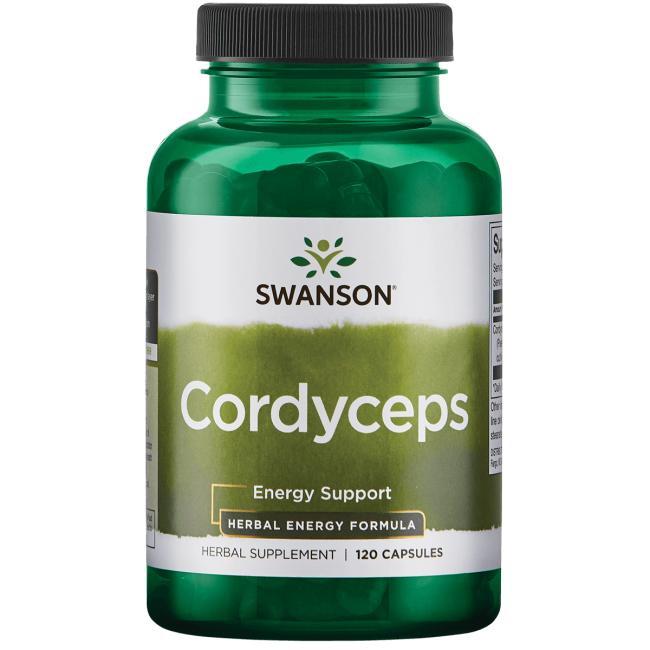
Cordyceps is available in various forms, including:
Extract: Available in liquid form or as powder.
Dried mushroom: Can be used to make tea or soup.
Powder: Can be added to food or beverages.
Dietary supplement: Available in capsule or tablet form.
Dosage
The dosage varies depending on the specific use and product. It is important to follow the recommendations on the product and consult a qualified practitioner before starting Cordyceps, especially if you are taking other medication or have a chronic illness.
Benefits of Cordyceps
Improved quality of life: Can potentially alleviate some of the side effects of cancer and cancer treatment [3].
Immune-stimulating effect: Can strengthen the immune system and improve the body’s ability to fight cancer cells [8].
Anti-cancer effect: Can inhibit the growth and spread of cancer cells [1, 7].
Antioxidant and anti-inflammatory effect: Can protect cells from damage and counteract chronic inflammation.
Potential synergistic effect: Can potentially enhance the effect of conventional cancer treatment [8].
Drawbacks and limitations
Not a replacement for other cancer treatment: Cordyceps should not be used as a replacement for conventional cancer treatment but can be used as a supplement in consultation with a qualified practitioner.
Limited clinical evidence: There is a need for more and larger clinical studies to confirm the preclinical findings and determine the optimal dosage and use of Cordyceps in cancer treatment.
Interactions with medication: Cordyceps can potentially interact with certain types of medication, including immunosuppressive medication and blood-thinning medication.
Side effects: Although Cordyceps is generally well-tolerated, it can cause side effects in some people, such as stomach problems, diarrhea, and nausea.
Conclusion
Cordyceps is a natural product in the form of a medicinal mushroom that shows promising potential as a supplement to cancer treatment, with the ability to strengthen the immune system, inhibit cancer cell growth, block tumor supply, protect against cell damage, and counteract inflammation. As with other dietary supplements, there is not much interest in research in this area, presumably because there is no economy in it.
Naturally occurring medicinal mushrooms cannot, for good reason, be patented. So, clinical evidence for the effect on humans is still limited, and more research is needed to confirm its effectiveness and establish optimal use.
Cordyceps should therefore be seen as a supplement, not a replacement, for conventional cancer treatment, and always used in consultation with a qualified practitioner.
Overview of medicinal mushrooms and cannabis
This overview compares the effect and safety of the most commonly used medicinal mushrooms. Cannabis is also included in the overview. This is despite cannabis biologically being a plant and not a fungus. However, it is often used in the same context when natural symptom relief is desired in cancer patients.
Good to know
- Choice of mushroom: If the goal is to get safely through chemo with the fewest side effects, Turkey Tail is most often the first choice as it has the fewest contraindications.
- Neuropathy: If the chemo causes tingling fingers or nerve damage, Lion’s Mane is the only mushroom with specific documentation for being able to help with nerve regeneration.
- Stop before surgery: A good rule of thumb is to stop all mushrooms, especially Reishi, Chaga, and Cordyceps, as well as fish oil, two weeks before scheduled surgeries due to the risk of bleeding.
Medicinal mushroom and Cannabis
| Name | Primary Effect | Use in Cancer | Name | Important Caution |
|---|---|---|---|---|
| Agaricus blazei | Very powerful immune activation. High content of Beta-1,3/1,6-glucans. | Aggressive support. Used to significantly boost NK-cell activity. | Agaricus blazei | May affect liver enzymes. Should be used with caution in liver disease or heavy liver-taxing chemo. |
| Cannabis: CBD | Anxiolytic and muscle relaxant. Anti-inflammatory. | Quality of life. Relieves restlessness, anxiety, muscle tension, and sleep problems without a high. | Cannabis: CBD | Interaction with medication. Can inhibit the liver’s breakdown of chemotherapy (CYP450). |
| Cannabigerol (CBG) | Neuroprotective and appetite stimulant. Blocks TRPM8 channels (growth signals) in cells. | Antitumour support. Targeted use for growth in colon and brain, and against loss of weight and muscle mass. | Cannabigerol (CBG) | Interaction with liver enzymes (CYP450). May affect the concentration of blood thinners and certain types of epilepsy medication. |
| Cannabis: THC | Antiemetic and appetite stimulant. Psychoactive (euphoric). | Acute relief. Against severe nausea, vomiting, and weight loss. | Cannabis: THC | Driving ban. Psychoactive side effects. Sedative effect. |
| Chaga | Powerful antioxidant (SOD). Contains Betulin and Betulinic acid. Protects against oxidative stress. | Restorative. Used for general strengthening of the body under pressure. | Chaga | High oxalate content (risk of kidney stones). Blood-thinning. Interacts with insulin (lowers blood sugar). |
| Cordyceps | Energizing. Increases oxygen uptake (ATP) and kidney function. | Lung function. Counteracts shortness of breath and cancer-related fatigue. | Cordyceps | May over-activate the immune system in autoimmune diseases. Blood-thinning. |
| Lion’s Mane | Nerve regenerating. Stimulates growth of nerve cells (NGF). | Neuropathy. Counteracts sensory disturbances in fingers/feet and memory difficulties (chemo brain). | Lion’s Mane | May lower blood sugar. Mild blood-thinning effect. |
| Maitake | Immune-activating (D-fraction). Strong stimulation of macrophages. | Immune boost. Often used to activate the body’s own defense against cancer cells. | Maitake | May lower blood sugar. Can enhance the effect of blood-thinning medication. |
| Pau D’Arco | Potent antifungal and anti-inflammatory. Contains Lapachol. | Micro-environment. Used to purify the blood and combat fungal infections (Candida), which are often seen with a weakened immune system. | Pau D’Arco | Blood-thinning. Must not be combined with blood-thinning medication or used prior to surgical procedures. |
| Pao Pereira | Inhibits replication of abnormal cells. Penetrates the blood-brain barrier. | Targeted cell division. Often used for prostate cancer and cancers of the central nervous system (brain). | Pao Pereira | Generally well-tolerated, but should be taken under guidance to ensure correct dosage relative to conventional treatment. |
| Poria cocos | Diuretic and calming. Supports spleen and kidney function. Contains Pachyman. | Fluid retention. Helps against edema and mucus. Calms restlessness and racing thoughts. | Poria cocos | Acts as a diuretic. Be mindful of electrolyte balance if taking other diuretic medication. |
| Reishi | Calming and immune-strengthening. Acts as an adaptogen (stress-reducing) and sleep-promoting. | Sleep and stress. Good for finding peace in the body and supporting the immune system between treatments. | Reishi | Blood-thinning. Must not be used with low platelets or before surgery. |
| Shiitake | Immune-stimulating. Source of Lentinan and AHCC. | Standard support. Lentinan is used medically to prolong survival in certain types of cancer. | Shiitake | May in rare cases cause skin rash (Shiitake dermatitis). Contains purines (caution in gout). |
| Turkey Tail | Immune-modulating. Supports the immune system (NK cells) without overstimulating. Contains PSK. | Chemo support. Often used alongside chemo to counteract immune suppression. | Turkey Tail | Generally considered safe. Few known interactions (approved drug in Japan as PSK). |
Back to Supplements
Links
[1] The Anticancer Properties of Cordycepin and Their Underlying Mechanisms (PubMed, 2018)
- Content: A scientific review describing the anticancer properties of cordycepin, a bioactive component in Cordyceps, and the molecular mechanisms behind its effect.
[2] Min nye yndlingssvamp Cordyceps lover højere levealder, øget libido, gode lunger og ekstra energi (Hanne Robinson, ej dateret)
- Content: A Danish article describing the traditional uses and various health claims associated with Cordyceps.
[3] Cordyceps (Memorial Sloan Kettering Cancer Center, 2022)
- Content: A clinical summary from a leading cancer center detailing the uses, mechanisms, and side effects of Cordyceps.
[4] Uhyggelig parasitsvamp kan blive nyt våben mod kræftceller (Illustreret Videnskab, 2024)
- Content: A Danish scientific news article discussing how research into the parasitic nature of Cordyceps may lead to new cancer treatments.
[5] Chinese Cordyceps: Bioactive Components, Antitumor Effects and Underlying Mechanism—A Review (PubMed, 2022)
- Content: A comprehensive review focusing on the bioactive components of Chinese Cordyceps and their antitumor mechanisms.
[6] An in vitro evaluation of the cytotoxic potential of medicinal mushrooms against human breast cancer cell lines (PubMed, 2024)
- Content: A non-randomized laboratory study evaluating the ability of various medicinal mushrooms, including Cordyceps, to kill human breast cancer cells in a controlled environment.
[7] Cordycepin enhances the Anticancer efficacy of PD-L1 blockade by modulating the tumor microenvironment of colon cancer (PubMed, 2024)
- Content: A non-randomized study investigating how cordycepin can improve the effectiveness of immunotherapy in colon cancer.
[8] Enhancing cancer immunotherapy using cordycepin and Cordyceps militaris extract to sensitize cancer cells and modulate immune responses (PubMed, 2024)
- Content: A scientific study exploring how Cordyceps extract can sensitize cancer cells and improve the immune system’s response during immunotherapy.
Page created: January 16, 2025. Latest revision: April 26, 2026.
❤
What you read on I Have Cancer is not a recommendation. Seek competent guidance.
