


Chromium and cancer
What is chromium
Chromium is an essential trace element (a mineral needed in very small amounts) that is crucial for the body’s metabolism. It occurs naturally in various foods such as meat, whole grain products, fruits, and vegetables.
Chromium was first identified as an essential nutrient at the beginning of the 20th century, and its role in human health has been studied for decades [1].
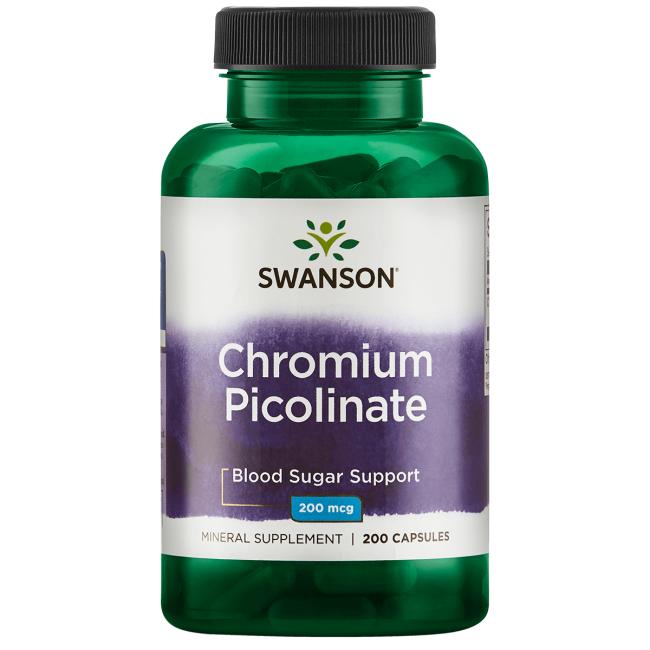
The most common form used in dietary supplements is chromium picolinate, which is a combination of chromium and picolinic acid that improves the body’s absorption of the mineral.
Mechanisms of action
Insulin sensitivity
Chromium primarily works by improving insulin sensitivity, which is a key factor in the regulation of blood glucose levels. Insulin is a hormone produced by the pancreas, necessary for the body to use glucose (sugar) for energy. Chromium is believed to enhance the cells’ ability to absorb glucose by improving the action of insulin. This possibly occurs through the activation of insulin receptors that help transport glucose into the cells [4, 5].
Lipid metabolism
Furthermore, chromium can influence lipid metabolism (the process where the body breaks down and uses fats). Research suggests that chromium may contribute to reducing levels of LDL (bad) cholesterol and triglycerides [5]. As these are important factors in the development of cardiovascular disease, the risk of developing such conditions is reduced. Chromium may also play a role in regulating appetite and energy levels, which can influence weight management.
Potential as supplementary treatment for cancer
Not a direct cure for cancer – but still significant
Although chromium is not a cure for cancer, research indicates that it may have a supportive role in treatment. The ability to improve insulin sensitivity may be particularly relevant, as some types of cancer, such as breast cancer and prostate cancer, are linked to insulin resistance and metabolic syndromes [2]. For individuals undergoing cancer treatment, chromium can help regulate blood sugar, which is important for maintaining energy levels and general well-being.
Weight control
Additionally, chromium can have an impact on weight control, which is a critical factor for many cancer patients experiencing weight loss or changes in appetite due to treatment. By supporting a healthy metabolism, chromium might help cancer patients maintain a healthy weight and improve their quality of life during treatment.
Clinical studies
Several clinical studies have investigated the effects of chromium supplementation on blood sugar control and lipid profiles [5].
- Some studies have shown that chromium can help lower blood sugar levels and improve insulin sensitivity in individuals with type 2 diabetes [4].
- A meta-analysis of several studies indicated that chromium supplementation can lead to significant improvements in blood sugar control and lipid levels [5].
- However, results have been mixed, and a recent systematic review shows that the current evidence regarding the association between chromium levels in the body and the risk of developing specific types of cancer remains limited and without a clear pattern [3].
Researchers believe the varying results may be due to differences in dosage, the duration of the intervention, and the individual characteristics of the participants. Therefore, more extensive research is needed to establish the effective use of chromium in cancer treatment and other health-related areas.
Safety
Be aware of the dosage
Chromium is generally safe to take in moderate amounts through dietary supplements. Most people can obtain sufficient amounts of chromium through a varied diet, but for those considering a supplement, it is important to be mindful of the dosage. High doses of chromium can lead to side effects such as stomach problems, headaches, and, in rare cases, kidney damage [1].
Watch blood sugar
It is recommended to adhere to recommended doses, which normally range between 200–1000 mcg daily for adults. It is important to consult a competent practitioner before beginning chromium supplementation, especially for individuals with existing health problems or those taking medication, as chromium can interact with certain drugs—particularly those affecting blood sugar levels.
Allergy
It is also important to consider that some people may have allergic reactions or intolerance to chromium. Therefore, it is crucial to monitor any side effects and report them to a healthcare professional at the first sign of trouble.
Benefits of chromium
- Improved blood sugar control: Chromium supplements can help stabilize blood sugar levels, which is particularly beneficial for individuals with type 2 diabetes or those wishing to prevent insulin resistance [5].
- Weight management: Chromium can contribute to regulating appetite by influencing signals in the brain that control hunger and satiety (fullness).
- Cholesterol management: Chromium may help reduce levels of LDL (bad) cholesterol and triglycerides, which can lower the risk of cardiovascular disease [5].
- Energy and endurance: By supporting a healthy metabolism, chromium can contribute to improved energy levels and endurance, which is important for both physical activity and general quality of life.
Drawbacks and limitations
- Limited research: While there are promising results regarding chromium, more evidence is still needed, especially regarding its effectiveness as a treatment for cancer and other serious diseases [3, 6].
- Side effects: High doses of chromium can cause stomach problems, headaches, and, in rare cases, kidney damage.
- Interactions: Chromium can interact with certain medications, which may affect their efficacy and lead to unwanted side effects. It is important to inform your practitioner about all supplements you are taking.
Dispensing and application
Dietary supplements
Chromium is available in various forms, including tablets, capsules, and powder. It is important to choose a quality product from a reliable source to ensure correct dosage and purity.
Recommended doses
Typically, a dose between 200–1000 mcg daily is recommended for adults, though this may vary depending on individual needs and health status. It is always best to follow the instructions of a healthcare professional.
Conclusion
Chromium as a dietary supplement has the potential to offer several health benefits, particularly regarding blood sugar regulation, weight management, and lipid metabolism.
While it is not a cure for cancer, it may have a supportive role in managing insulin resistance and metabolic syndromes often related to certain types of cancer.
However, it is important to note that more research is needed to establish its effective use within these areas. As with all dietary supplements, it is a good idea to consult a competent practitioner before starting chromium supplementation to ensure it is safe and appropriate for your individual situation.
By making informed decisions, one can maximize the potential benefits of chromium and minimize the risks.
Back to Supplements
Links
[1] Krom (Netdoktor.dk, 2024)
- Content: A Danish medical overview describing chromium as an essential mineral, its functions in the body, and dietary sources.
[2] Online nutrition information for cancer survivors (PubMed, 2023)
- Content: A non-randomized study exploring how cancer survivors use online nutrition information and the importance of evidence-based dietary supplements in recovery.
[3] Chromium in Biological Samples in Association with Cancer Risk by Site: A Systematic Literature Review (Springer Nature, 2025)
- Content: A systematic review of existing literature investigating the association between chromium levels in biological samples and the risk of various cancers. The study concludes that the evidence is limited and shows no clear pattern for any specific cancer type.
[4] The Role of Alternative Medicine in Managing Type 2 Diabetes: A Comprehensive Review (PubMed, 2024)
- Content: A comprehensive review evaluating various alternative treatments, including chromium, for the management of type 2 diabetes and insulin sensitivity.
[5] Chromium Supplementation in Human Health, Metabolic Syndrome, and Diabetes (PubMed, 2019)
- Content: A scientific review detailing the impact of chromium on human health, specifically its role in treating metabolic syndrome and improving glucose metabolism.
[6] PLK1-mediated PDHA1 phosphorylation drives mitochondrial dysfunction, mitophagy, and cancer progression in Cr(VI)-associated lung cancer (PubMed, 2025)
- Content: A non-randomized laboratory study investigating the molecular mechanisms of cancer progression related to chromium exposure and mitochondrial dysfunction.
Page created: February 3, 2025. Latest revision: April 25, 2026.
❤
What you read on I Have Cancer is not a recommendation. Seek competent guidance.
