


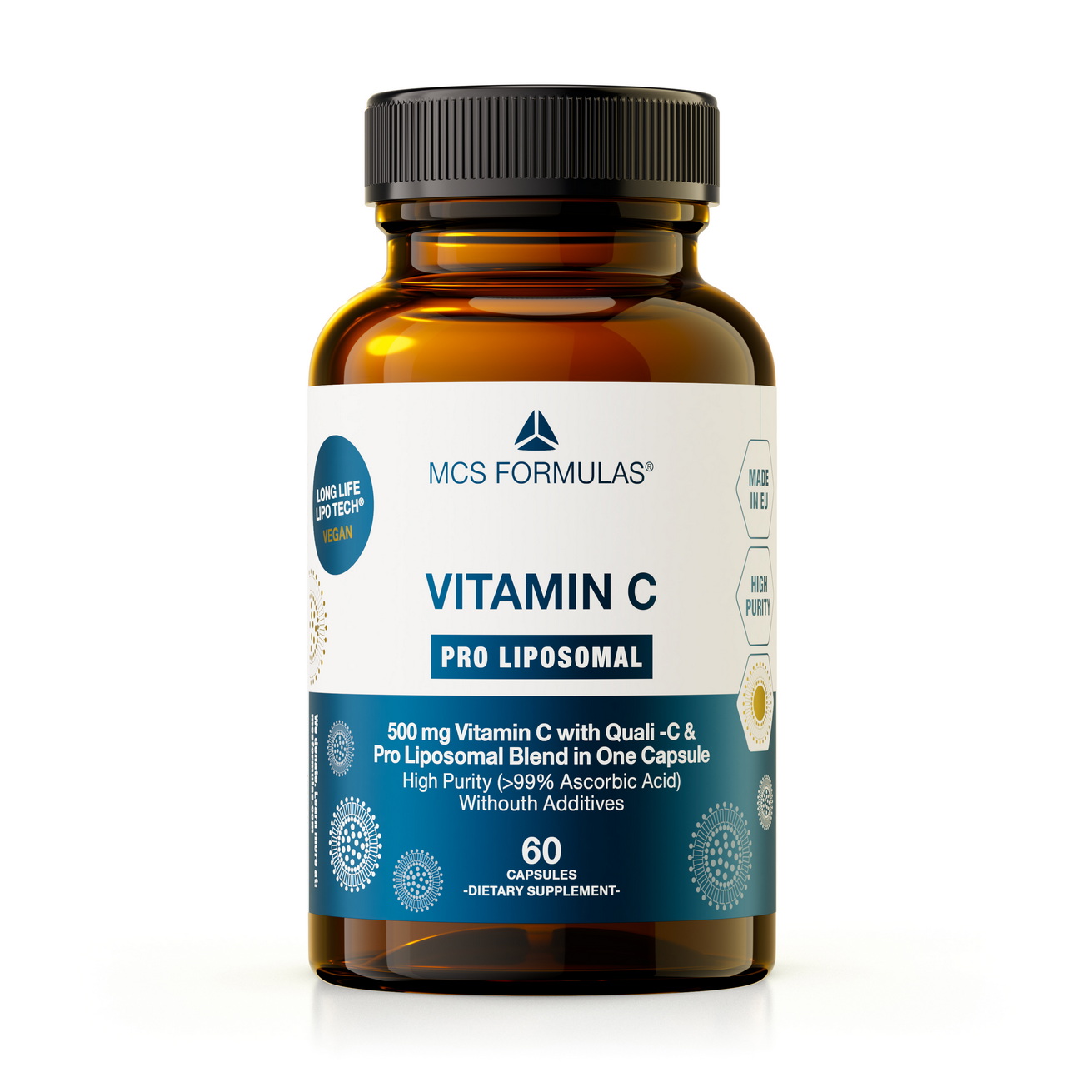
Vitamin C (oral) and cancer
Summary of vitamin C
Purpose and function:
- Oral vitamin C from diet and pills functions as an antioxidant used as supportive treatment. The purpose is typically to strengthen the immune system and improve general quality of life during a cancer course.
The theoretical risk:
- The central risk of oral vitamin C is that the same protective antioxidant effect could theoretically counteract traditional cancer treatment. There is a fear that it may “feed” the cancer by also protecting cancer cells from the stress caused by chemotherapy and radiation therapy.
Distinction from high-dose treatment:
- It is crucial to distinguish oral supplements from the research investigating vitamin C as a direct cancer treatment. In cancer contexts, research focuses exclusively on intravenous treatment (drip), which works fundamentally differently than oral administration. Therefore, these cannot be directly compared. The effect is explained further below under Oral vs. intravenous vitamin C.
See also Vitamin C I.V.
What is vitamin C

Vitamin C, also known as L-ascorbic acid, is a water-soluble vitamin that is essential (crucial) for a wide range of physiological processes in the body. Vitamin C is a powerful antioxidant that humans cannot produce themselves. It is therefore necessary to obtain it through the diet or as dietary supplements [1].
Where vitamin C is found naturally

Vitamin C is found naturally in many fruits and vegetables, especially in citrus fruits (oranges, lemons, grapefruits), berries (strawberries, raspberries, blackcurrants, sea buckthorn), kiwi, pomegranates, acerola cherries, camu camu, broccoli, bell peppers, and spinach.
Historical use
Historically, vitamin C has been known for its role in the prevention and treatment of scurvy, a disease that occurs as a result of vitamin C deficiency.
In folk medicine, vitamin C has been used to strengthen the immune system, alleviate cold and flu-like symptoms, and promote wound healing—all areas where the vitamin is still utilized today.
Oral vs. intravenous vitamin C
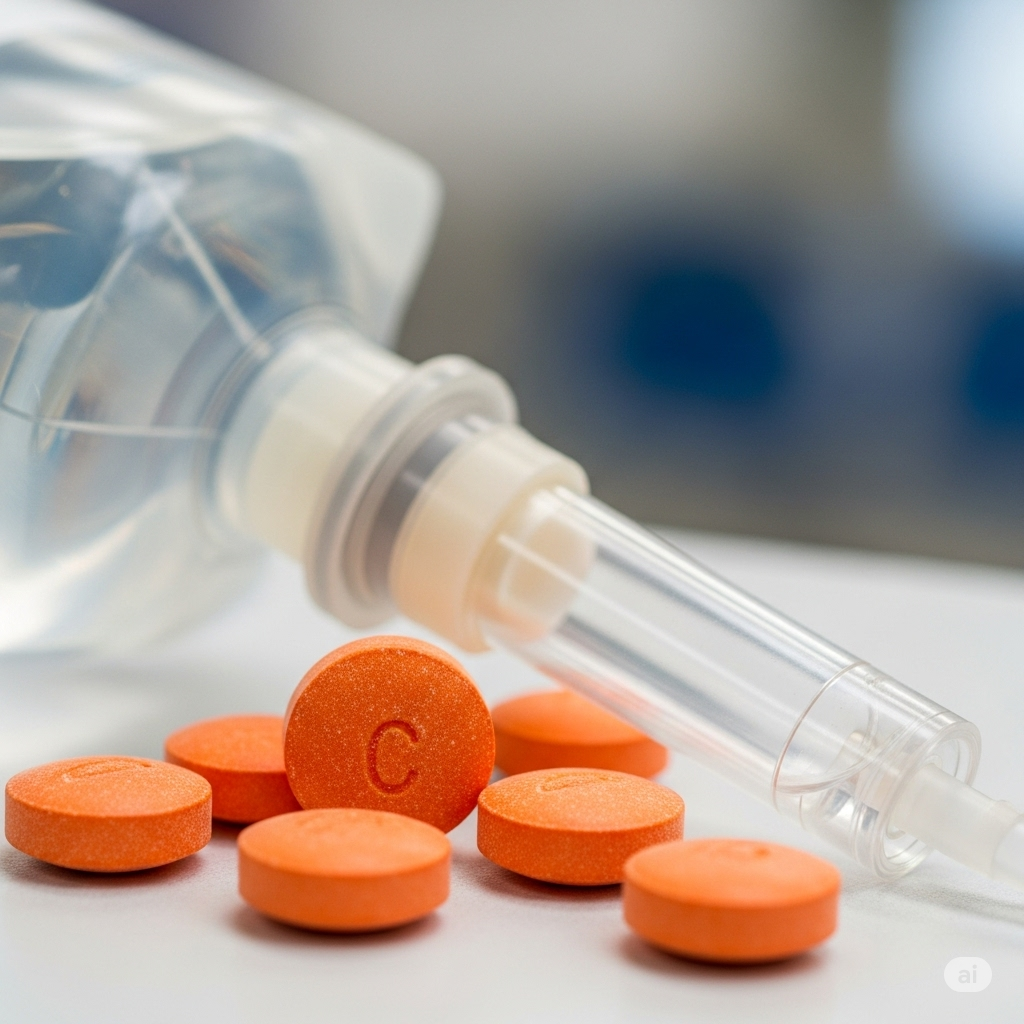
The most central point regarding vitamin C and cancer is that the effect is fundamentally different depending on whether it is taken orally (pills/diet) or intravenously (drip). The difference is so significant that the two methods are effectively completely different treatment strategies [2].
Oral vitamin C: The protective antioxidant
When consuming vitamin C orally in its common form (pills, powder, diet), the intestine very strictly regulates how much is absorbed into the blood. Even at extremely high doses, only a relatively low, physiological concentration is achieved.
Primary function:
- At this concentration, vitamin C acts as an antioxidant. It protects the body’s cells—including cancer cells—against harmful free radicals. Free radicals are unstable molecules that can cause damage to DNA, proteins, and lipids, which can contribute to the development of cancer.
The theoretical risk:
- The risk is that by simultaneously offering a cancer cell this protection, one could potentially counteract the effect of, for example, chemotherapy and radiation, which work precisely by creating stress within the cancer cell. This is popularly referred to as “feeding the cancer.”
Liposomal vitamin C:
- This is an oral form where the vitamin is encapsulated in small fat particles (liposomes). This improves absorption from the intestine and can lead to a higher blood concentration than regular pills. However, it is important to emphasize that even this improved oral form is far from achieving the extremely high levels necessary to create the pro-oxidant, cancer-killing effect discussed under intravenous administration of vitamin C (see below).
Intravenous (IV) vitamin C: The targeted pro-oxidant
By administering vitamin C directly into the blood, one bypasses the intestinal control and achieves extremely high, pharmacological concentrations [3].
At these levels, vitamin C changes character and becomes a pro-oxidant that can attack cancer cells in primarily two ways:
Primary function 1 – The external attack with hydrogen peroxide:
- The most well-known theory is that vitamin C in the blood reacts with metals such as iron and copper (the Fenton reaction) and forms hydrogen peroxide ($H_2O_2$). Hydrogen peroxide is toxic to cells, but healthy cells have large amounts of the enzyme catalase, which effectively neutralizes it. Many cancer cells, however, have a low level of this enzyme, making them vulnerable to the damaging effect of hydrogen peroxide.
Primary function 2 – The Trojan horse (DHA mechanism):
- Another, newer theory focuses on one of vitamin C’s oxidation products: dehydroascorbic acid (DHA). This mechanism functions like a Trojan horse:
- Cancer cells mistake DHA for sugar: Cancer cells have a high requirement for sugar (glucose) to grow. Since the structure of DHA resembles sugar, cancer cells use their sugar transport channels (GLUT transporters) to actively pump DHA inside.
- The defense is broken down from within: Inside the cancer cell, DHA is converted back into vitamin C. This process consumes the cell’s most important internal antioxidant, glutathione. Once the stores of glutathione are depleted, the cancer cell can no longer defend itself against general oxidative stress, and it destroys itself from within. This and similar mechanisms, based on other oxidation products than hydrogen peroxide, are a focus of newer research [11].
Selective toxicity:
- Common to both mechanisms is that they exploit weaknesses in the metabolism and defense systems of cancer cells. The result is selective toxicity, where cancer cells can be killed while the body’s healthy cells largely remain unharmed. It is this selectivity that makes intravenous vitamin C an interesting topic in cancer research [4].
Absorption and dosage
When it comes to oral vitamin C, “more” is not necessarily better. The body’s ability to absorb the vitamin from the intestine is strictly regulated and has a natural ceiling (saturation point).
Saturation point
The body absorbs vitamin C via active transport channels in the intestine. These can be compared to revolving doors. When they are running at full capacity, no more can pass through, regardless of how long the queue is.
At doses over 3,000 mg: Absorption drops significantly, and the absolute amount ending up in the blood increases only minimally.
At low doses (under 200 mg): Nearly 100% of the vitamin is absorbed.
At doses of 1,000 mg (1 gram): Absorption drops to approximately 50%. The rest is excreted.
Single dose vs. divided dose
Since the transport channels saturate quickly, the intake strategy is crucial for the yield:
- Single dose: If one takes a large dose (e.g., 2 grams) at once, a very large portion will remain in the intestine without being absorbed. This significantly increases the risk of stomach problems without providing a correspondingly higher blood concentration.
- Divided dose: By spreading the total amount throughout the day (e.g., 500 mg divided into 4 times daily), one allows the “revolving doors” to work continuously. This ensures a higher, stable concentration in the blood and reduces waste.
Exceeding the absorption limit
When consuming more vitamin C than the intestine can absorb, the surplus remains in the digestive system. Vitamin C binds fluid, and the unabsorbed vitamin will therefore pull water into the intestine (osmotic effect). This leads to the classic side effects of overdose:
- Gastrointestinal issues: Bloating, potential stomach cramps, rumbling, and osmotic diarrhea.
- Kidney stones: In individuals predisposed to kidney stones (especially the calcium oxalate type), high doses of oral vitamin C can increase the excretion of oxalate in the urine and thus increase the risk of stone formation.
- Iron accumulation: Since vitamin C promotes the absorption of iron from the diet, high doses can be problematic for patients with iron overload diseases (hemochromatosis).
Rule of thumb
The maximum oral dose is typically limited by “bowel tolerance”—the point where one gets loose stools. For most people, this lies between 2,000 and 3,000 mg per day, but it varies individually.
Potential and limitations
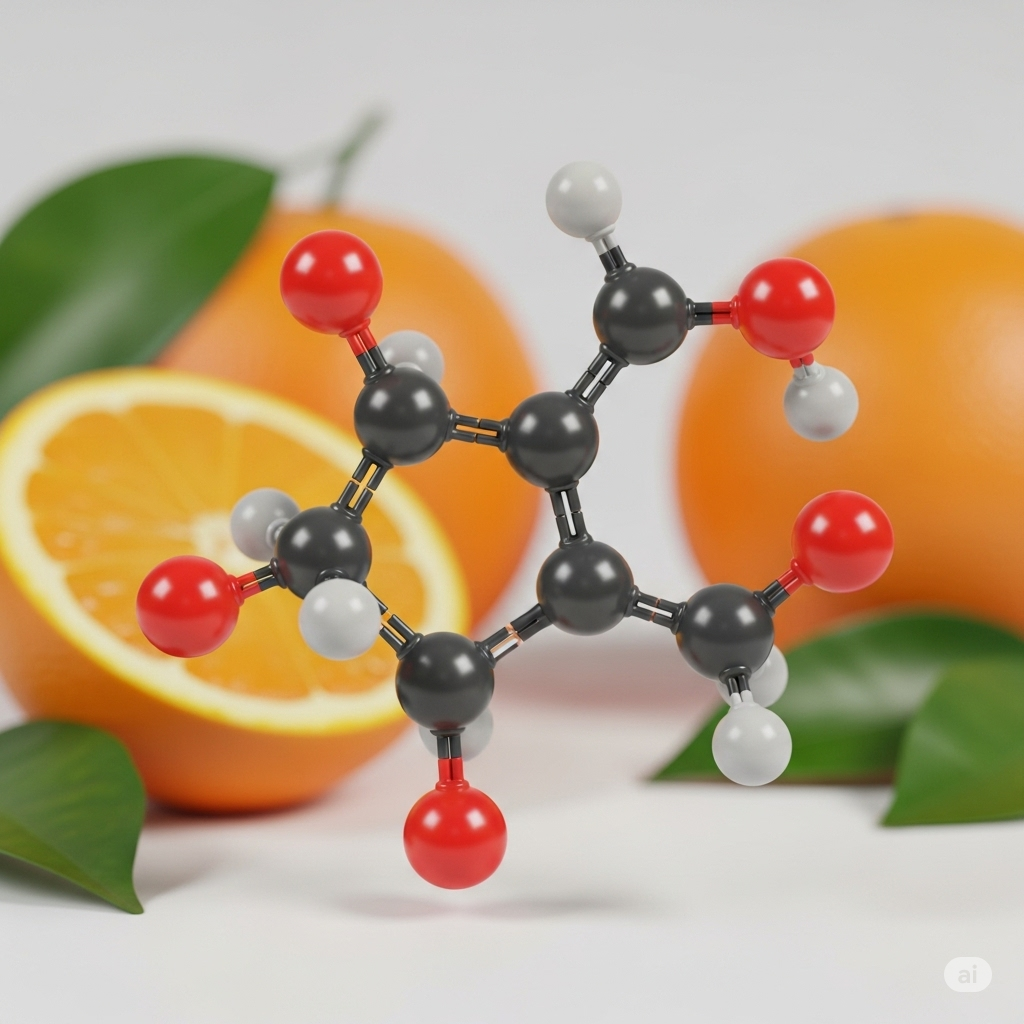
To understand the potential and limitations of oral vitamin C, it is necessary to be aware of the mechanisms of action often discussed in connection with vitamin C and cancer. Below, they are divided according to which form of intake they are primarily linked to. This is done to avoid confusion between the two very different approaches/administration methods.
Effects related to oral vitamin C
These effects are primarily linked to vitamin C’s basic role in the body, which can be supported by diet and oral supplements.
Collagen production:
- Vitamin C is crucial for the formation of collagen, a protein that is the primary building material in connective tissue. Strong connective tissue is important for preventing the spread of cancer cells (metastases).
Immune stimulation:
- Vitamin C plays a role in several aspects of the immune system. It can increase the production and activity of immune cells, including T cells and natural killer (NK) cells, which are involved in the recognition and destruction of cancer cells [5].
Reduction of chemotherapy side effects:
- Vitamin C can contribute to reducing side effects such as fatigue, nausea, vomiting, and a weakened immune system. This can improve quality of life during chemotherapy [6].
Effects primarily requiring intravenous (IV) treatment
The following mechanisms are the subject of intensive research but are important to know, as they require the extremely high blood concentrations that can only be achieved with an IV drip.
They are the primary reason why intravenous treatment is considered a direct anti-cancer strategy, as opposed to oral supportive treatment.
Improvement of chemotherapy’s effect:
- Some studies have suggested that vitamin C can increase the effect of certain chemotherapy drugs by making cancer cells more sensitive to the treatment [7, 8].
Inhibition of tumor growth:
- Non-randomized in vitro (in test tubes/petri dishes) studies have shown that IV vitamin C can inhibit the growth of certain types of cancer cells. The mechanisms are believed to involve changes in cell signaling pathways, induction of programmed cell death (apoptose), and inhibition of blood vessel formation (angiogenesis) in tumors. However, this effect is primarily observed at high intravenous doses [4].
See also Blocking of signaling pathways.
Impact on gene activity (Epigenetics):
- Cancer cells can change behavior by turning certain genes on and off—much like using light switches. This control of gene activity is called epigenetics. One of the ways cancer cells “turn off” healthy genes is a chemical process called DNA methylation.
Research suggests that high doses of vitamin C can counteract this process and thus help reactivate the body’s own defense against cancer [2].
Summary table
| Administration | Blood concentration | Primary effect | Effect on cancer cells |
| Oral (tablet, diet) | Low (physiological) | Antioxidant (protective) | Can potentially also protect cancer cells against stress. |
| Intravenous (IV) | Very high (pharmacological) | Pro-oxidant (creates hydrogen peroxide) | Selectively toxic, as cancer cells cannot break down hydrogen peroxide. |
Arguments for oral vitamin C supplementation
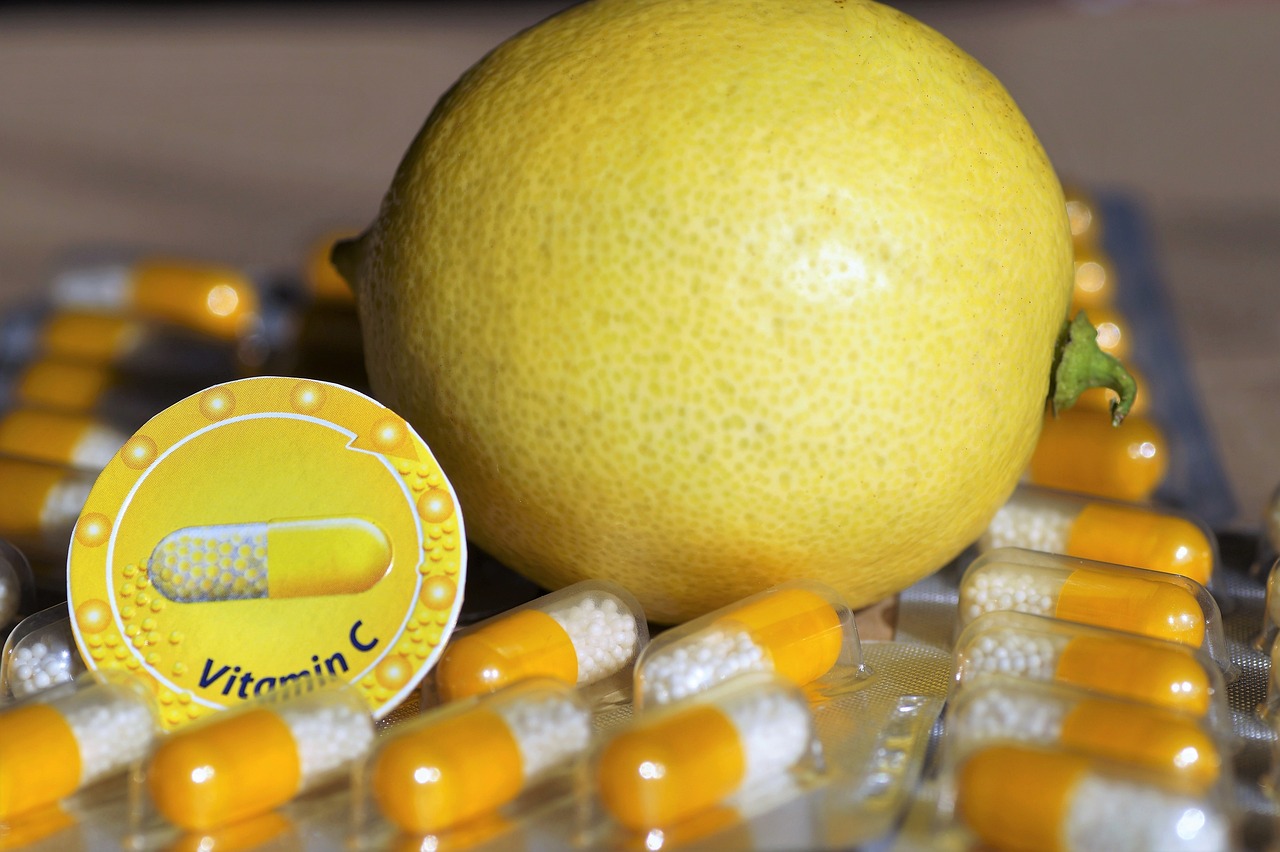
When a practitioner recommends oral vitamin C supplements, the goal is typically one or more of the following:
- Support for the immune system: To ensure the body has enough vitamin C to maintain a robust immune defense [5].
- Improved quality of life: To reduce side effects from conventional treatment [9].
- Compensation for vitamin C deficiency: Research shows that cancer patients often have a significantly lower level of vitamin C in their blood than healthy individuals. This can be regulated by administration of oral vitamin C [3, 10].
Advantages and disadvantages of oral vitamin C

Advantages
- Strong antioxidant that can protect cells from damage.
- Necessary for the formation of collagen.
- Can strengthen the immune system.
- Can improve quality of life and reduce side effects in cancer patients.
- Relatively safe in recommended doses and easily accessible.
Disadvantages and limitations
- The theoretical risk of protecting cancer cells is the primary disadvantage.
- High oral doses can cause side effects such as diarrhea and nausea.
- The effect as supplementary treatment for cancer is not yet fully documented.
- Can interact with specific medication. High doses of vitamin C can counteract the effect of certain types of chemotherapy (e.g., bortezomib) and potentially affect blood-thinning medication such as warfarin. Any use of high-dose supplements should therefore always be clarified with a practitioner.
- Not a replacement for conventional cancer treatment.
Status of research and clinical trials

Vitamin C’s potential as a supplementary treatment for cancer continues to be investigated, but the research is clearly divided.
Studies in high-dose intravenous vitamin C focus on its potential to improve quality of life and survival, often in combination with chemotherapy, as seen in patient groups with pancreatic cancer and certain brain tumors (glioblastoma).
In contrast, research into oral vitamin C primarily concentrates on its ability to support the immune system and improve quality of life.
Generally, however, more research is still needed, as results are not definitive and several studies have been unable to demonstrate a significant effect [9, 10].
Difference between citrus types

What is the difference between modified citrus pectin, citrus flavonoids, and vitamin C?
Origin
Both citrus pectin and citrus flavonoids come from citrus fruits, but they have different chemical structures and health effects.
Citrus pectin
Citrus pectin is a type of soluble fiber found in the peel of citrus fruits. In addition to the properties mentioned above, it is known for its ability to bind to certain substances in the body, such as cholesterol and heavy metals, which can help lower cholesterol levels and remove toxins. Modified citrus pectin is a form of citrus pectin that has been treated to make it easier for the body to absorb.
Citrus flavonoids
Citrus flavonoids are a group of plant compounds found in many different fruits and vegetables, including citrus fruits. They are known for their antioxidant action, which means they can help protect the body against damage from free radicals. Research suggests that citrus flavonoids may have a range of health benefits, including protection against heart disease, certain forms of cancer, and other chronic diseases.
Vitamin C
Vitamin C is a vitamin found in many fruits and vegetables, including citrus fruits. It is a strong antioxidant and is important for the immune system, wound healing, and collagen formation. Vitamin C is not the same as citrus flavonoids, but it is often found in the same foods.
Summary
- Citrus pectin: is a soluble fiber mainly found in the peel of citrus fruits and can help lower cholesterol and remove toxins, in addition to presumably having a beneficial effect as supplementary cancer treatment.
- Citrus flavonoids: are plant compounds with antioxidant action that can protect against various diseases, including presumably likewise being beneficial as a supplementary treatment for cancer.
- Vitamin C: is a vitamin that is important for the immune system and is found in many fruits and vegetables, including citrus fruits. Many believe that vitamin C in high doses (which can only be achieved by intravenous administration) has a beneficial effect against cancer, as it is allegedly harmful to cancer cells without affecting normal cells.
- There are likewise many who believe that vitamin C is beneficial to consume (orally) for healthy people. Conversely, there is disagreement about whether vitamin C as oral dispensing (eaten as tablets or capsules) can be more harmful than beneficial for people who have cancer.
Conclusion

The question of oral vitamin C in cancer is not a question of yes or no, but of weighing risk against potential.
The most crucial thing is to understand the difference:
- Oral vitamin C (from diet and supplements) is an antioxidant providing general support, while intravenous vitamin C is a potential pro-oxidant that can attack cancer cells directly.
The choice to take an oral supplement is therefore a personal assessment.
- The possible benefits for the immune system and quality of life must be weighed against the theoretical, but serious, risk of protecting cancer cells against the effect of chemo- and radiation therapy.
It is precisely this complexity that makes it incredibly difficult to navigate. The theoretical risk that oral doses could potentially promote cancer is a real concern for many. At the same time, there are practical and financial considerations, as intravenous treatment is both costly and not an option for everyone.
Shared opinions
This is also reflected in the shared opinions found among both practitioners and patients. Since research is unresolved and strong arguments exist on both sides, the final decision is one that should always be made in close consultation with a practitioner who knows the overall personal situation.
Back to Supplements
See also Vitamin C I.V.
Links
[1] Vitamin C (Linus Pauling Institute, 2000)
- Content: Vitamin C is essential for the body and must be supplied through the diet. It can help prevent cardiovascular disease and reduce cold symptoms, but there is no clear evidence for cancer prevention. Intravenous vitamin C shows potential in cancer treatment, but more research is needed. Large doses are generally safe but may increase the risk of kidney stones in some individuals.
[2] High-Dose Vitamin C for Cancer Therapy (PubMed, 2022)
- Content: There are divided opinions on the use of high-dose vitamin C as a cancer treatment. However, new research suggests that high-dose vitamin C can attack cancer cells and function as an epigenetic regulator and immune enhancer. Although the mechanisms are promising, larger clinical trials are required to confirm the effect and identify the best patient groups as well as effective combination treatments.
[3] Intravenous Vitamin C for Cancer Therapy – Identifying the Current Gaps in Our Knowledge (Frontiers, 2018)
- Content: Cancer patients often have low levels of vitamin C, and intravenous administration is more effective and safer than oral. IVC can improve quality of life, reduce side effects of chemotherapy, and has potential anti-cancer mechanisms. Doses and treatment duration vary, and more research is needed to establish optimal treatment. IVC may also act synergistically with chemotherapy without worsening side effects.
[4] The Riordan Intravenous Vitamin C (IVC) Protocol for Adjunctive Cancer Care (Riordan Clinic, no date)
- Content: Intravenøs vitamin C (IVC) is safe to administer up to 100 g, can improve quality of life, reduce inflammation, and is toxic to tumor cells at high doses. Research continues, and IVC can also be used against infections, arthritis, and certain mental disorders.
[5] Vitamin C and Immune Function (PubMed, 2017)
- Content: Vitamin C is important for the immune system as it supports cells in both the innate and adaptive parts of the immune defense, protects against oxidative damage, and helps fight infections. Deficiency in vitamin C weakens the immune system, while supplementation can prevent and treat infections. Preventive doses are around 100-200 mg/day, while treating infections requires larger doses.
[6] Changes of Terminal Cancer Patients’ Health-related Quality of Life after High Dose Vitamin C Administration (PubMed, 2007)
- Content: A study of 39 terminal cancer patients showed that intravenous and oral vitamin C improved their quality of life. Patients experienced increased functional capacity and fewer symptoms such as fatigue, nausea, pain, and loss of appetite. Although there is debate about vitamin C’s anti-cancer effect, it is considered a safe and effective method for improving the quality of life in terminal cancer patients.
[7] Pharmacological ascorbate as a novel therapeutic strategy to enhance cancer immunotherapy (PubMed, 2022)
- Content: Intravenous vitamin C is being investigated as a supplement to cancer treatment as it can strengthen the immune system and improve the effect of immune checkpoint inhibitors. It can also increase sensitivity to radiotherapy and chemotherapy.
[8] Valproic Acid Enhances the Anticancer Effect of L-Ascorbic Acid by Upregulating Sodium-Dependent Vitamin C Transporter 2 in Colorectal Cancer (PubMed, 2025)
- Content: VPA is a type of medication that can change how DNA in cells is packaged in small proteins. This can increase the production of a protein that helps cells absorb high-dose intravenous vitamin C. The combination of VPA and IV vitamin C increases cell apoptosis, ROS production, and inhibits tumor growth in mice, which may improve the effect of high-dose vitamin C as a cancer treatment.
[9] Role of Vitamin C in Selected Malignant Neoplasms in Women (Nutrients, MDPI, 2022)
- Content: Vitamin C in high doses can help fight cancer and improve quality of life, especially for terminal patients. Several studies suggest it can reduce side effects of treatment, but stronger clinical evidence is still lacking.
[10] The Effect of Vitamin C (Ascorbic Acid) in the Treatment of Patients with Cancer: A Systematic Review (PubMed, 2019)
- Content: Investigations show that many cancer patients under chemotherapy lack vitamin C, which can strengthen the immune system. A review of 19 studies concludes that there is no strong evidence that vitamin C improves survival or general quality of life, but some groups may possibly benefit from it. Intravenous vitamin C works better than oral, and treatment is safe with only a few side effects.
[11] High-dose vitamin C blocks HOCl production by Myeloperoxidase: A potential therapeutic strategy (PubMed, 2025)
- Content: High-dose vitamin C can have cancer treatment effects when oxidized in the blood. The effect is due to oxidation products, not hydrogen peroxide, and requires continuous infusion to achieve high blood levels. This may improve cancer treatments.
[12] Intravenous Vitamin C (PDQ®)–Health Professional Version (National Cancer Institute, NIH, 2025)
- Content: Overview of various articles on the subject.
[13] Vitaminer og kræft (Kræftens Bekæmpelse, 2025)
- Content: Information from the Danish Cancer Society regarding vitamins and cancer.
[14] Indledende forsøg: C-vitamin ser ud til at smadre kræftceller og har blot banale bivirkninger (Videnskab.dk, 2017)
- Content: An article discussing early research where vitamin C shows ability to destroy cancer cells with minimal side effects.
[15] C-Vitamin (Netdoktor.dk, 2024)
- Content: A general medical overview of vitamin C, its functions, and sources. (Danish Language)
[16] High dose of ascorbic acid induces selective cell growth inhibition and cell death in human gastric signet-ring cell carcinoma-derived NUGC-4 cells (PubMed, 2025)
- Content: A non-randomized laboratory study showing that high doses of ascorbic acid cause selective growth inhibition and cell death in specific stomach cancer cells.
[17] The association between vitamin C and breast cancer, prostate cancer and colorectal cancer: A systematic review and meta-analysis (PubMed, 2024)
- Content: A systematic review and meta-analysis examining the relationship between vitamin C intake and the risk/progression of breast, prostate, and colorectal cancer.
[18] The therapeutic potential of vitamins A, C, and D in pancreatic cancer (PubMed, 2024)
- Content: A review article discussing the potential therapeutic roles of vitamins A, C, and D specifically in the context of pancreatic cancer.
[19] Green Synthesis of Antibacterial CuO Nanoparticles Based on the Synergy Between Cornu aspersum Snail Mucus and Ascorbic Acid (PubMed, 2025)
- Content: A technical study investigating the synergy between snail mucus and ascorbic acid in the production of antibacterial nanoparticles.
Page created: February 2, 2025. Latest revision: April 26, 2026.
❤
What you read on I Have Cancer is not a recommendation. Seek competent guidance.
