


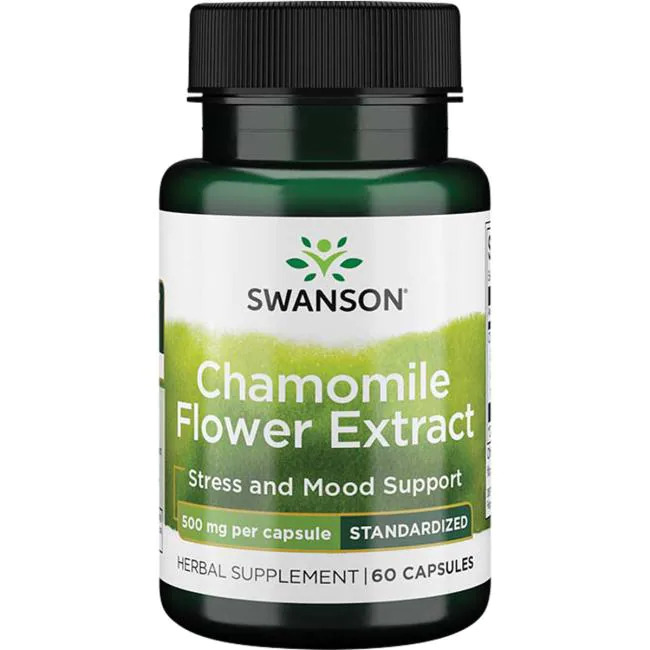
Chamomile flower and cancer
What is chamomile flower
Chamomile flower, often simply called chamomile, primarily refers to the dried flower heads from two closely related species within the Asteraceae family: German chamomile (Matricaria recutita or Chamomilla recutita) and Roman chamomile (Chamaemelum nobile).
German chamomile is the most commonly used and studied of the two. The name “chamomile” stems from the Greek word “kamai melon,” meaning “earth apple,” referring to the apple-like scent of the flowers.
History
Chamomile has a long history stretching back thousands of years. In ancient Egypt, chamomile was revered for its medicinal properties and dedicated to the sun god Ra. It was used in various preparations, including for embalming and treating fevers.
The Greeks and Romans also recognized the therapeutic potential of the chamomile flower, especially for its calming and anti-inflammatory effects. Hippocrates, the father of medicine, recommended chamomile for various ailments.
In the Middle Ages, chamomile was grown in monastery gardens and used to treat a wide range of diseases. Traditionally, chamomile has been used as a tea to relieve anxiety, insomnia, digestive problems, and skin irritations. Externally, it has been used for wound healing and as an anti-inflammatory agent. Historically, chamomile has been used as an inhalation for severe coughs and respiratory distress. The vapors from a chamomile flower decoction are believed to have a calming and expectorant effect on the airways.
In folk medicine, chamomile has been used to alleviate symptoms associated with colds, bronchitis, and other mild respiratory issues. Furthermore, inhaling chamomile vapors has been used to help moisturize the mucous membranes of the nose, pharynx, and throat, which can soothe irritation and make breathing easier. The essential oils in chamomile may also contribute a calming effect.
Mechanisms of action
Chamomile’s mechanisms of action are complex and involve numerous bioactive components that interact with various biological systems in the body. The primary active substances in chamomile flower include flavonoids (such as apigenin, quercetin, and luteolin), terpenoids (such as bisabolol and chamazulene), and coumarins.
The role of apigenin
Apigenin, one of the most studied flavonoids in chamomile, has been shown to have a wide range of pharmacological effects [5]. In vitro studies have indicated that apigenin can induce apoptosis (programmed cell death) in various cancer cell types by affecting multiple signaling pathways [8].
It can interfere with the cell cycle, inhibit cell proliferation (cell growth), and promote DNA damage in cancer cells. Apigenin has also been shown to modulate the activity of enzymes involved in inflammation and angiogenesis (the formation of new blood vessels that cancer cells need to grow) [7].
The contribution of bisabolol
Bisabolol, another important component in chamomile (especially in German chamomile), has significant anti-inflammatory, antioxidant, and antimicrobial properties. It is believed to work by inhibiting the production of pro-inflammatory cytokines and enzymes such as cyclooxygenase-2 (COX-2), which plays a central role in the inflammatory process. Bisabolol may also help protect cells against oxidative stress by neutralizing free radicals.
The potential of chamazulene
Chamazulene, a sesquiterpene, is formed during the steam distillation of chamomile oil from matricin, one of the plant’s original substances. Chamazulene is known for its strong anti-inflammatory and antioxidant effects. It is believed to work by inhibiting leukotriene B4 (a potent inflammatory signaling substance) and by trapping free radicals, protecting cells from damage [9].
Synergistic effects
It is important to note that the various bioactive components in chamomile likely work synergistically to exert their overall effect. The combination of flavonoids, terpenoids, and other substances may result in a more potent effect than the individual components would have alone.
Research suggests that chamomile extract can affect multiple targets in cancer cells and the surrounding microenvironment, making it an interesting area for further investigation as a potential supplementary treatment [1, 2].
Potential as a supplementary treatment for cancer
Chamomile’s potential as a supplementary treatment for cancer is an area of increasing interest in research. Although it is crucial to emphasize that chamomile should not be considered a substitute for other relevant cancer treatment, in vitro and in vivo studies suggest that certain components of the chamomile flower may have properties beneficial in connection with cancer treatment.
Inhibition of cancer cell growth
Several in vitro studies have shown that extracts from chamomile flower and isolated components like apigenin can inhibit the growth of various types of cancer cells, including:
- Breast cancer
- Prostate cancer
- Lung cancer
- Colon cancer [8]
- Leukemia
- Melanoma [6, 9]
- Bladder cancer [7]
The mechanisms behind this inhibition involve, among other things, inducing apoptosis in cancer cells, stopping the cell cycle in phases where cells do not divide, and inhibiting angiogenesis [7, 8].
Anti-inflammatory effects in the cancer environment
Chronic inflammation plays a significant role in the development and progression of many cancers. The anti-inflammatory properties of the chamomile flower, primarily attributed to bisabolol and chamazulene, could potentially be beneficial by dampening inflammation in the cancer microenvironment. This might contribute to inhibiting tumor growth and metastasis.
Antioxidant protection during cancer treatment
Cancer treatments such as chemotherapy and radiotherapy can generate large amounts of free radicals, leading to oxidative stress and damage to both cancer cells and healthy cells. Chamomile’s antioxidant content, including flavonoids, may help neutralize these free radicals and potentially protect healthy cells from some of the harmful side effects of cancer treatment [1].
However, it is important to note that high doses of antioxidants during certain forms of chemotherapy could theoretically reduce the effectiveness of the treatment by protecting the cancer cells as well. Therefore, the use of chamomile or other antioxidants during cancer treatment should always be discussed with a qualified practitioner.
Immunomodulatory potential
Certain studies suggest that chamomile may have immunomodulatory effects, meaning it can help regulate the immune system’s response. A well-functioning immune system is crucial in the fight against cancer. Chamomile’s ability to influence cytokine production may potentially contribute to strengthening the body’s natural ability to fight cancer cells.
Alleviation of treatment-related side effects
Chamomile has traditionally been used to relieve various symptoms, including nausea, vomiting, and stomach problems. These are also common side effects of many cancer treatments. Chamomile’s calming and anti-inflammatory properties may potentially help soothe these unpleasant symptoms and improve patients’ quality of life during treatment [3, 4].
Advantages of chamomile
Chamomile offers several potential advantages, especially when considered as a supplementary approach in connection with cancer treatment and general well-being.
Mild and generally well-tolerated
Chamomile is generally considered mild and well-tolerated for most people when used in moderate amounts. This makes it a potentially attractive supplement for cancer patients, who are often more sensitive to stronger treatments.
Broad-spectrum action
The many bioactive components in chamomile contribute to a wide range of potential therapeutic effects, including anti-inflammatory, antioxidant, calming, and potentially cancer-inhibiting properties. This broad-spectrum action can be advantageous for cancer patients, who often experience multiple related symptoms and challenges.
Traditional use and anecdotal evidence
The long history of traditional use of chamomile for various purposes, including relieving discomfort and promoting relaxation, is supported by a certain amount of anecdotal evidence. While anecdotal evidence is not the same as scientific documentation, it can provide valuable insight and support further research.
Potential synergy with conventional treatment
There is potential for chamomile to act synergistically with certain conventional cancer treatments by improving their effectiveness or reducing certain side effects [4]. However, this requires further research to be fully confirmed and understood.
Disadvantages and limitations
Although chamomile is generally safe for most, there are certain disadvantages and limitations that should be considered.
Allergic reactions
People allergic to other plants in the Asteraceae family (such as ragweed, chrysanthemums, and daisies) may also be allergic to chamomile. Allergic reactions can range from mild skin irritations to rare but serious anaphylactic reactions.
Interactions with medication
Chamomile can potentially interact with certain types of medication. For example, it may enhance the calming effect of sedatives and anesthesia. There is also a theoretical risk of interaction with blood-thinning medication like warfarin due to chamomile’s coumarin content, although this is not well-documented in clinical studies. Patients taking medication should always consult their qualified practitioner before using chamomile regularly.
Quality and standardization
The quality and concentration of bioactive substances can vary significantly between different chamomile products depending on factors such as growing conditions, harvesting methods, and processing. It can be difficult for consumers to ensure a consistent dose and quality. It is important to choose products from reliable manufacturers.
Limited clinical evidence in cancer treatment
Although preclinical studies (in vitro and in vivo) have shown promising results, there are limited comprehensive clinical studies investigating chamomile’s effect as a supplementary treatment in humans with cancer. More high-quality research is needed to draw certain conclusions about its effectiveness in this context.
Clinical studies
There are a limited number of clinical studies investigating the effect of chamomile in cancer patients. Some small studies have suggested potential benefits regarding the relief of certain side effects of cancer treatment [3]. For example, some studies have looked at chamomile tea as a means to reduce oral mucositis (inflammation of the oral mucosa), a common and painful side effect of chemotherapy and radiotherapy. Results have been mixed, and larger, well-designed studies are needed to confirm these observations.
Investigations have also been conducted on the topical application of chamomile cream to soothe skin irritations caused by radiation therapy, with some positive but not definitive results [4].
It is important to note that most existing clinical studies have been small and had methodological limitations, making it difficult to draw definitive conclusions about chamomile’s clinical effect in cancer. Larger, randomized, controlled studies are necessary to assess chamomile’s real potential as a supplementary treatment.
Safety
Chamomile is generally considered safe for most adults when consumed in moderate amounts as tea or applied topically. However, certain precautions should be observed:
Pregnancy and breastfeeding
Pregnant and breastfeeding women should consult their qualified practitioner before using chamomile in medicinal doses, as there is limited safety data in these populations.
Allergy sufferers
People with a known allergy to plants in the Asteraceae family should avoid chamomile.
Surgery
Due to chamomile’s potential calming effect, the use of chamomile should possibly be stopped a few days before planned surgery to avoid interactions with anesthesia.
Children
Although chamomile is often used for infants and children for colic and restlessness, this should always be done in consultation with a pediatrician or other qualified practitioner.
Dispensing and application
Chamomile can be used in various ways:
- Tea: The most common way to consume chamomile is as a tea. Typically, 1-2 teaspoons of dried chamomile flowers are used per cup of hot water, steeped for 5-10 minutes. Drink 1-3 times daily.
- Extract: Chamomile extract is available in liquid form or as capsules. Dosage varies depending on the product and should be followed closely according to the manufacturer’s instructions or a qualified practitioner’s recommendation.
- Tincture: An alcohol-based extraction of chamomile. Dosage recommendations vary.
- Topical preparations: Chamomile oil, creams, and salves can be applied externally to the skin to soothe irritations and inflammation [3, 4]. Follow the product’s instructions.
- Mouthwash: Cooled chamomile tea can be used as a mouthwash to relieve oral mucosa inflammation.
- Inhalation: Steam inhalation with chamomile flowers or chamomile oil can be used for colds and other mild respiratory problems. Pour hot water over chamomile flowers or add a few drops of chamomile oil to hot water and gently inhale the steam under a towel. Be careful to avoid burns.
It is important to start with a low dose, especially if you have not used chamomile before, to assess any allergic reactions or side effects. When using chamomile as a supplementary treatment for cancer, dosage and application should always be discussed with a qualified practitioner knowledgeable in integrative oncology.
Conclusion
Chamomile flower contains a range of bioactive components that have shown promising effects in vitro and in vivo, including inhibiting cancer cell growth, anti-inflammatory, and antioxidant properties [1, 2].
Although there are limited comprehensive clinical studies in humans with cancer, some research suggests that chamomile may have the potential to alleviate certain side effects of conventional cancer treatment and potentially contribute to a more holistic approach to patient care [3, 4].
It is a good idea that the use of chamomile as a supplementary treatment occurs in consultation with a qualified practitioner to ensure safe and appropriate use in combination with conventional treatment.
Back to Dietary supplements
Links
[1] Chamomile Extract Reduces Cardiac Toxicity in Female Mice with Ehrlich Solid Carcinoma (PubMed, 2025)
- Content: An in vivo study showing that chamomile extract can reduce cardiotoxicity in mice with tumors.
[2] Plantemedicin er ikke hokus-pokus: Her er 7 planter, der faktisk kurerer alt fra hovedpine til kræft (DR, Naturvidenskab, 2025)
- Content: An article discussing the scientific basis for certain medicinal plants, including chamomile.
[3] Effect of Chamomile and Olive Oils on Volume, Range of Motion, and Quality of Life in Breast Cancer-Related Lymphedema: A Randomized Controlled Trial (PubMed, 2025)
- Content: A clinical trial investigating the use of chamomile oil to improve lymphedema and quality of life in breast cancer patients.
[4] Comparison of liposomal gel with and without chamomile to prevent radiation dermatitis in breast cancer patients: a randomized controlled trial (PubMed, 2025)
- Content: A randomized trial showing that chamomile-containing gel can help prevent radiation-induced skin inflammation.
[5] Apigenin as an emerging hepatoprotective agent: current status and future perspectives (PubMed, 2024)
- Content: A review of the liver-protective properties of apigenin, a key component of chamomile.
[6] Development of apigenin-loaded invasomes with anti-melanoma potential (PubMed, 2025)
- Content: Research on developing targeted delivery of apigenin for melanoma treatment.
[7] Apigenin inhibits recurrent bladder cancer progression by targeting VEGF-β (PubMed, 2025)
- Content: A study showing how apigenin can inhibit bladder cancer progression.
[8] Apigenin exerts anti-cancer effects in colon cancer by targeting HSP90AA1 (PubMed, 2025)
- Content: Research demonstrating the anti-cancer effects of apigenin in colon cancer cells.
[9] Chamazulene-Rich Artemisia arborescens Essential Oils Affect the Cell Growth of Human Melanoma Cells (PubMed, 2020)
- Content: A study on the effects of chamazulene, found in chamomile, on skin cancer cell growth.
Page created: Apr 12, 2025.
❤
What you read on Jeg har Kræft is not a recommendation. Seek competent guidance.
