


Treatments
Protokols for cancer
- The metabolic and data-driven
- Repurposed drugs and medical combinations
- Intensive diet and detoxification
- Anthony William (the medical medium)
- Bill Henderson Protocol (Budwig & Rath)
- Breuss Cure (vegetable juice)
- Budwig Diet (cottage cheese and flaxseed oil)
- Chris Beat Cancer (diet and mindset)
- Gerson Protokol (juice and detoxification)
- The Gonzalez Protocol (enzymes and nutritional types)
- Strange Skov (Autoimmune)
- Wahls Protocol (paleo/ mitochondria)
- William Li (anti-angiogenesis diet) (scroll down)
- Strategic fasting
- Tradition and wisdom
- Mind-body and biological decoding
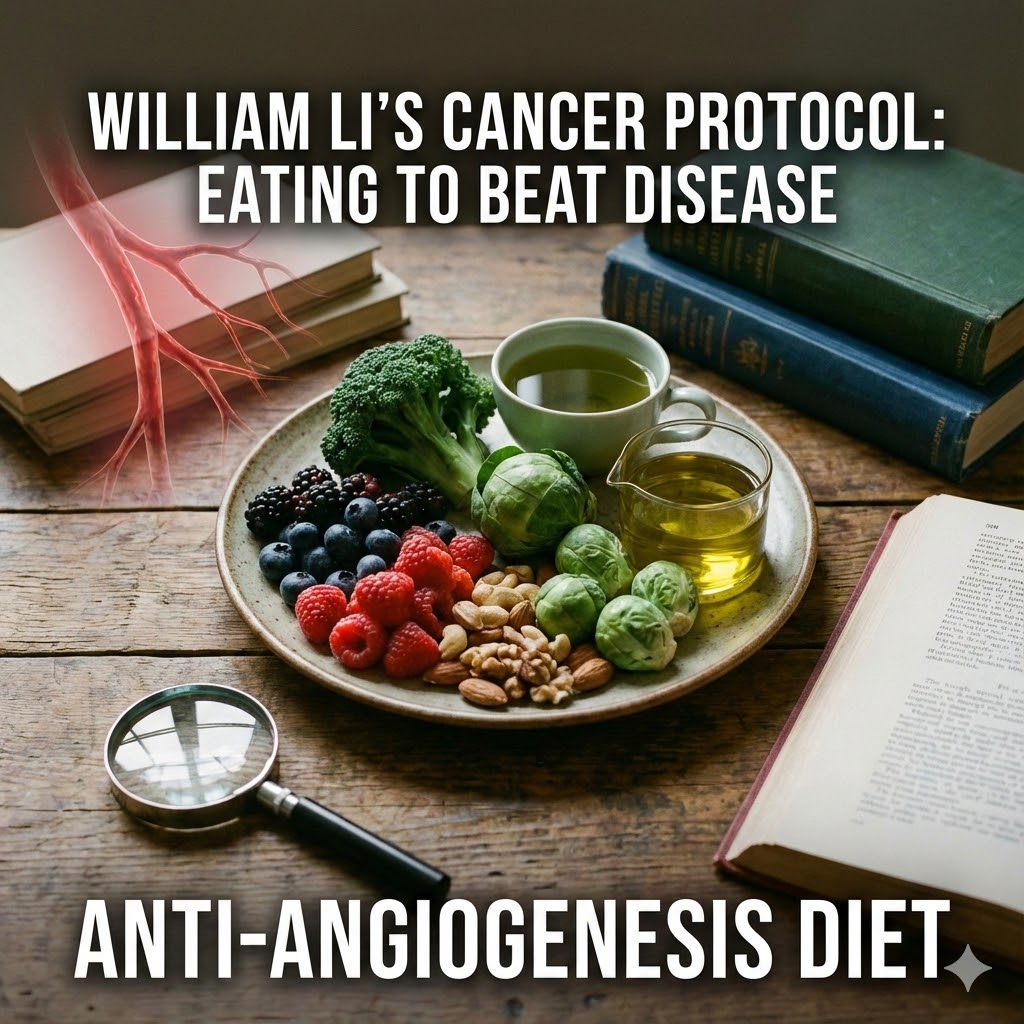
William Li’s Protocol for Cancer – Anti-angiogenesis
Summary of William Li’s protocol
Purpose of the protocol:
- To activate the body’s five natural defense mechanisms—especially the ability to control blood vessel growth (angiogenesis)—to starve microscopic cancer tumors and prevent them from growing large.
Content of the protocol:
- A scientifically founded diet strategy—Eat to Beat Disease—that focuses on adding specific foods with medicinal effects (such as soybeans, tomatoes, green tea, and dark chocolate) rather than just eliminating food groups.
The central idea:
- “Food is medicine.” Many foods contain bioactive substances that match or surpass the effect of conventional medicine when it comes to inhibiting the formation of the new blood vessels that cancer needs to grow.
Who is William Li
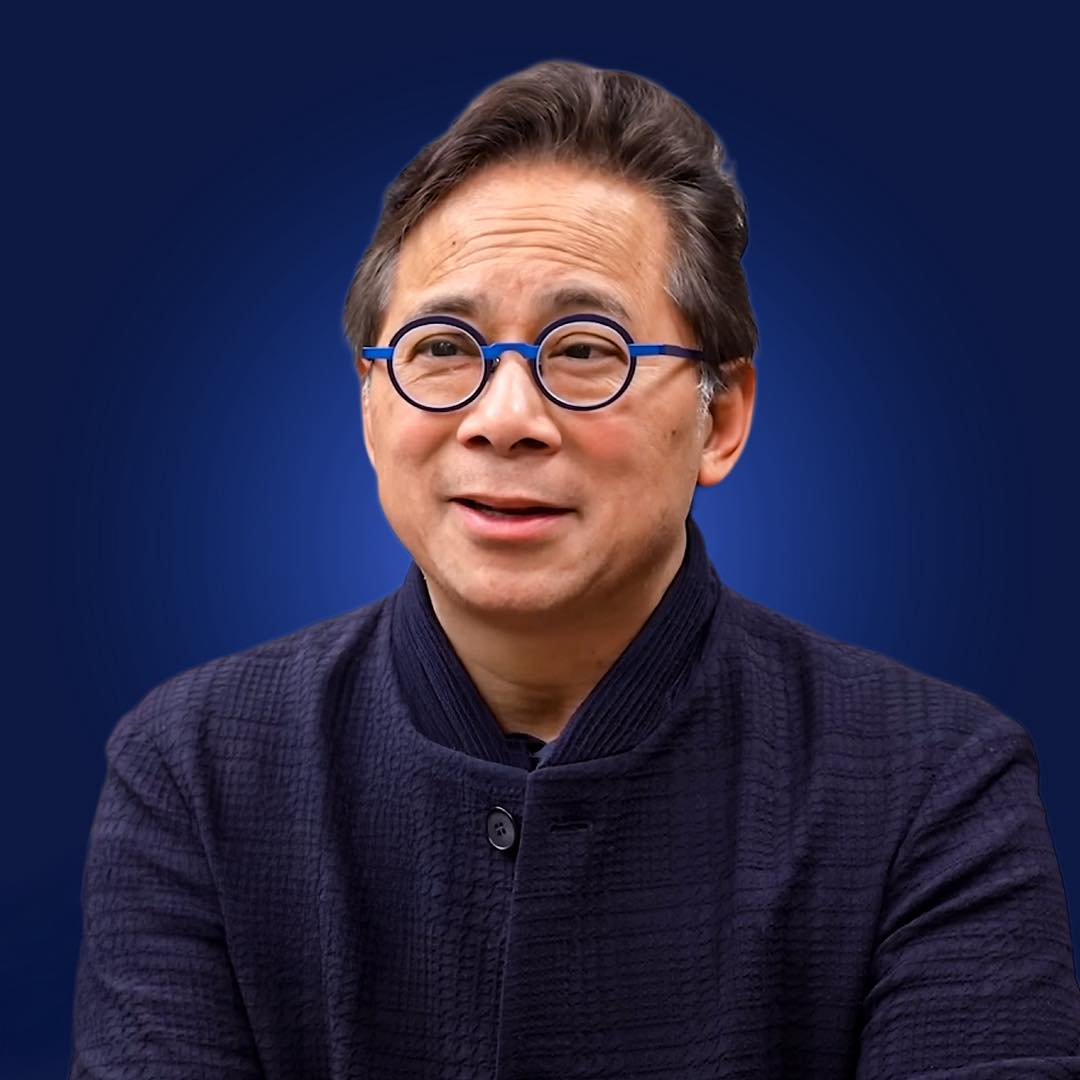
Dr. William Li is an internationally recognized doctor, researcher, and president of The Angiogenesis Foundation. Unlike bio-hackers, Li is a heavy academic profile. He is educated at Harvard and the University of Pittsburgh and has been involved in the development of a number of medical treatments.
He became world-famous through his TED Talk: “Can we eat to starve cancer?”, which has been viewed millions of times.
His mission is to build a bridge between conventional medicine (drugs) and nutritional science by identifying the molecules in food that work like medicine. He is the author of the bestseller “Eat to Beat Disease”. [1, 9]
Cancer’s Achilles heel
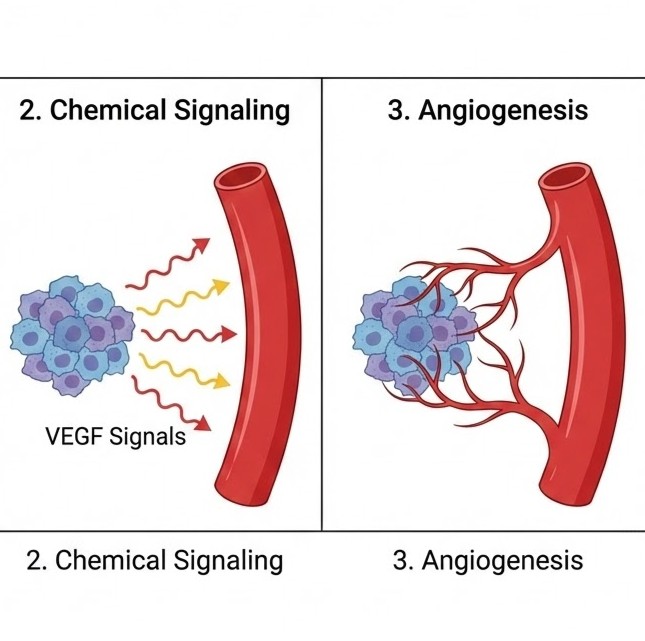
To understand William Li’s approach, you must understand how a tumor goes from being harmless to deadly. It’s about supply.
Starving the tumor
All humans have microscopic cancer cells in the body all the time. They are harmless (the size of a pinhead), as long as they do not get a blood supply. The process by which the body forms new blood vessels is called angiogenesis. Cancer cells are experts at hijacking this process. They emit chemical signals that cause blood vessels to grow into the tumor. Once the “pipeline” is established, the tumor gets oxygen and nutrients, grows explosively, and can spread (metastasize).
Nature’s own chemo
William Li’s research shows that specific foods contain natural angiogenesis inhibitors. These substances block the signal from cancer cells, so blood vessels do not grow into the tumor. Without a blood supply, cancer cannot grow, and it remains microscopic or dies.
This is the same mechanism as in animal cancer drugs (e.g., Avastin), but Li has shown that substances in, for example, soy and parsley can be just as potent in laboratory experiments. [2]
The protocol’s 5 defense mechanisms
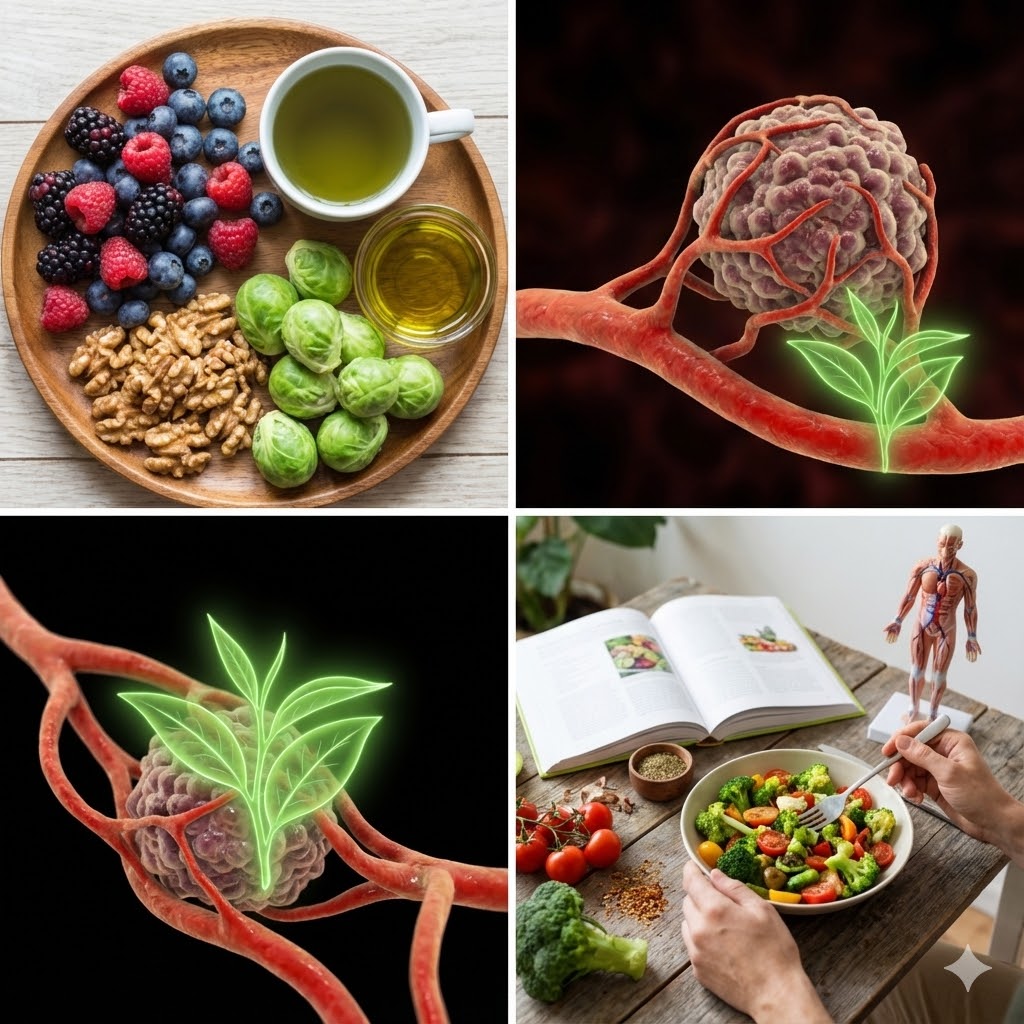
William Li’s foundation is that the body already has the technology to fight cancer, but the systems need to be calibrated through diet. It is about the following five pillars:
1. Angiogenesis (blood vessel control)
This is the body’s ability to regulate the growth of blood vessels. In healthy people, the system is in balance (homeostasis). Cancer cells hijack the system by emitting growth factors (such as VEGF) that cause blood vessels to grow wildly to feed the tumor.
Anti-angiogenic foods act like a “dimmer switch.” They do not turn off all blood supply (which would damage the heart), but they trim the excess, sick blood vessels back to normal, so microtumors lose their supply and remain dormant.
2. Regeneration (stem cells)
We have stem cells stored in the bone marrow and organs that function as the body’s repair crew. Cancer cells (especially cancer stem cells) can abuse this system to restore the tumor after chemo.
The diet should do two things:
- Stimulate the healthy stem cells to repair damage caused by cancer treatment (e.g., to the heart or nerves) and simultaneously
- Inhibit the cancer stem cells, so relapse is prevented.
3. Microbiome (gut flora)
Up to 80% of the immune system is located in the gut. Li highlights the bacterium Akkermansia muciniphila. Research shows that cancer patients who lack this bacterium often do not respond to modern immunotherapy (checkpoint inhibitors).
By eating specific fibers, you can fertilize this bacterium, which can be the difference between whether the immune system can detect and attack the cancer or not.
4. DNA protection
DNA is damaged thousands of times daily (by sun, chemicals, stress). The defense consists of repair enzymes and epigenetics. Food cannot change your genetic code, but it can turn genes on and off (epigenetics).
Certain foods can turn on Tumor Suppressor Genes (the body’s brake blocks) and turn off Oncogenes (the accelerator).
In addition, the diet can lengthen telomeres (the protective caps on chromosomes), which delays cellular aging.
5. Immunity
This system must both detect and kill. Cancer is an expert in camouflage. The diet should activate Natural Killer (NK) cells and T-cells, so they become better at recognizing the cancer cell’s surface and destroying it, while also dampening the chronic inflammation that often paves the way for cancer development.
The protocol’s foods (dosage)
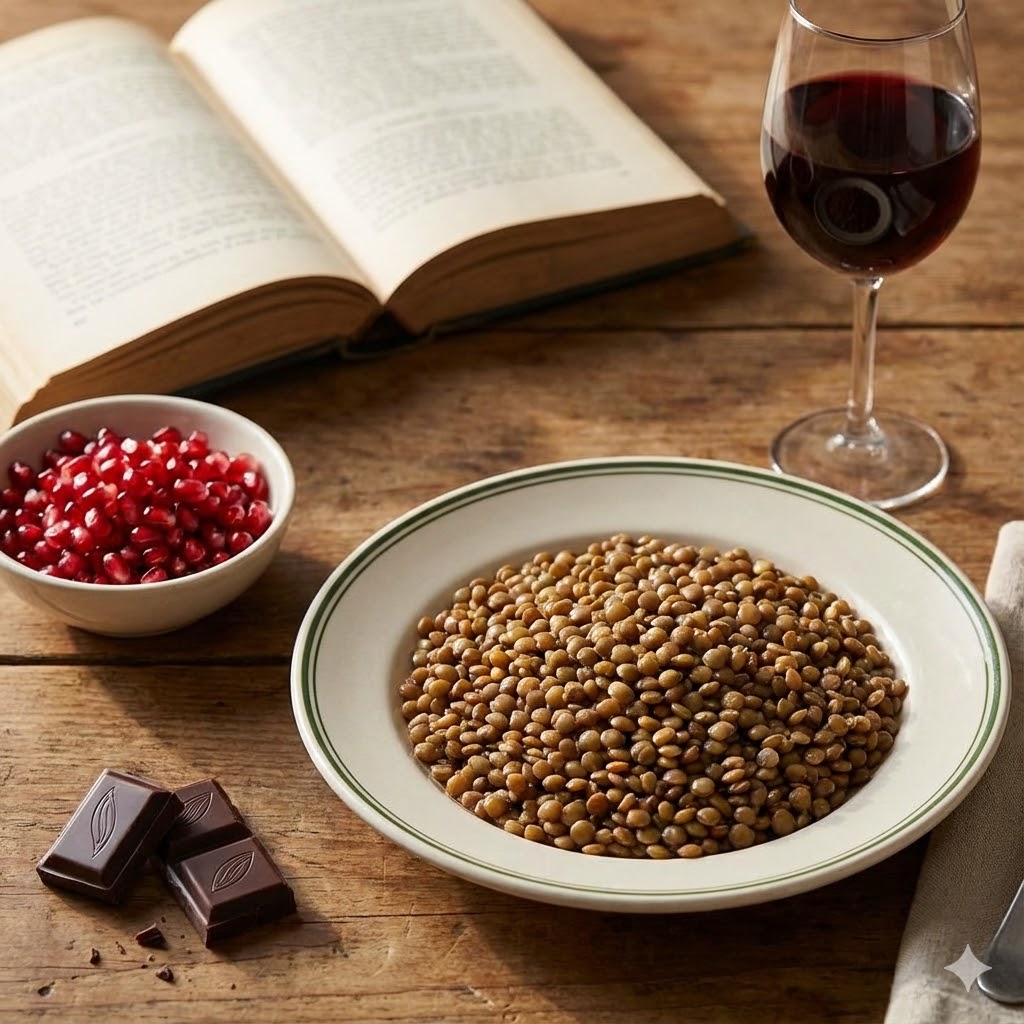
William Li emphasizes that “food is information.” To achieve a medicinal effect, a medicinal dose is required. It is not enough to eat a tomato now and then. Here are the specific mechanisms and doses for the top candidates:
Soybeans (genistein)
This is probably the most misunderstood food. Many fear plant estrogens (phytoestrogens). Li explains that estrogen receptors come in two types:
- Alpha (in breast cancer cells) and
- Beta (in healthy cells)
The plant estrogen Genistein blocks the Alpha receptor (so cancer is starved) and activates the Beta receptor (which protects bones and heart). It thus works like a natural version of the drug Tamoxifen.
- Dosage: 10 grams of soy protein daily (equivalent to approx. 2.5 dl soy milk or a cup of edamame beans).
See also Soy and cancer
See also Genistein
Tomatoes (lycopene)
Lycopene is fat-soluble and is only released when heated, as it is bound in the plant’s cell walls. Raw tomatoes provide minimal protection.
- Mechanism: Lycopene blocks the signaling pathway for VEGF (Vascular Endothelial Growth Factor), which prevents the formation of new blood vessels to the tumor.
- Dosage: Approx. 1 dl cooked tomato sauce 2-3 times a week (should be consumed with fat such as olive oil).
See also Lycopene
Green tea (EGCG)
The substance Epigallocatechin-3-gallate (EGCG) is one of the most powerful angiogenesis inhibitors in the plant kingdom.
- Detail: Japanese steamed tea (Sencha) often contains more EGCG than Chinese roasted tea. Matcha (powdered tea) is most potent, as you consume the whole leaf.
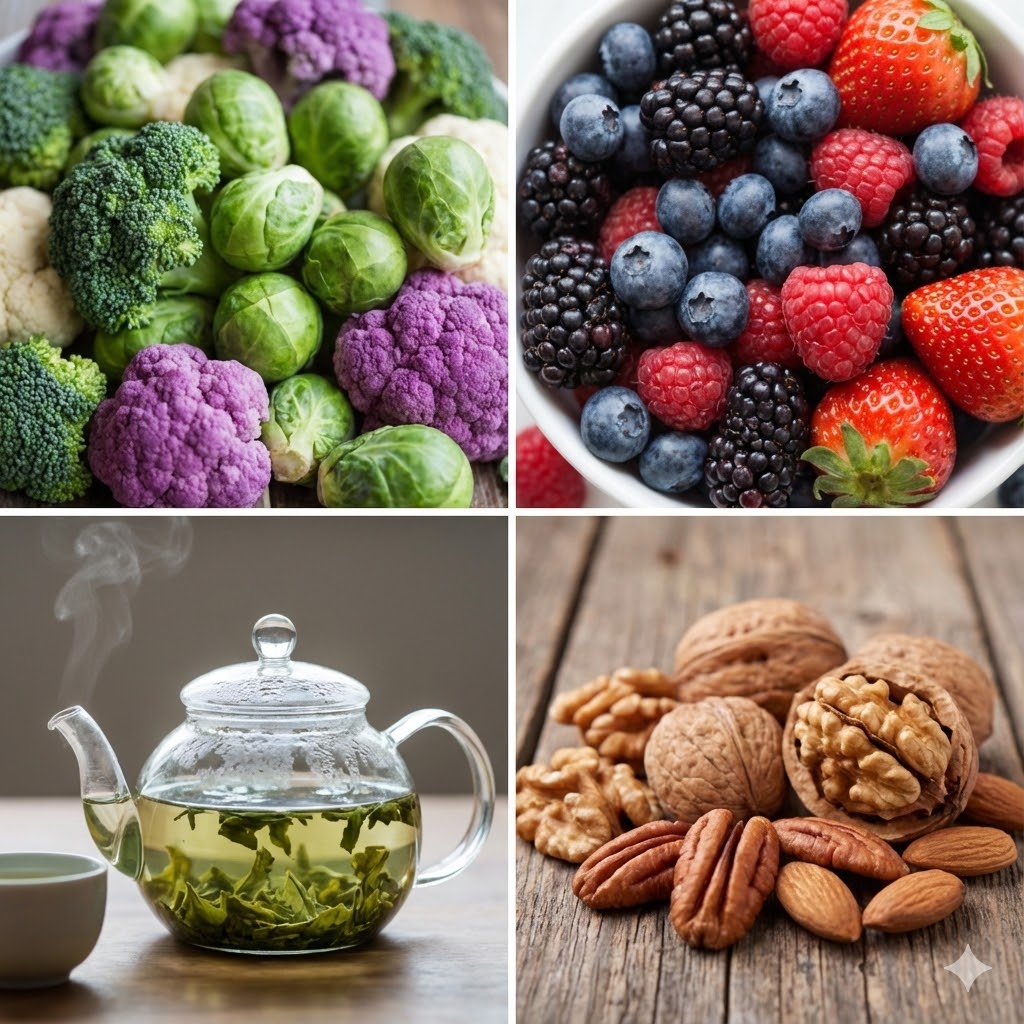
- Dosage: 2-3 cups (2.5 dl each) spread throughout the day. Let it steep for at least 3-5 minutes to extract the substances.
See also Green tea (EGCG)
Dark chocolate (proanthocyanidins)
Cocoa with a high content of flavonoids can mobilize stem cells from the bone marrow, which helps with the regeneration of healthy tissue. At the same time, it is anti-angiogenic.
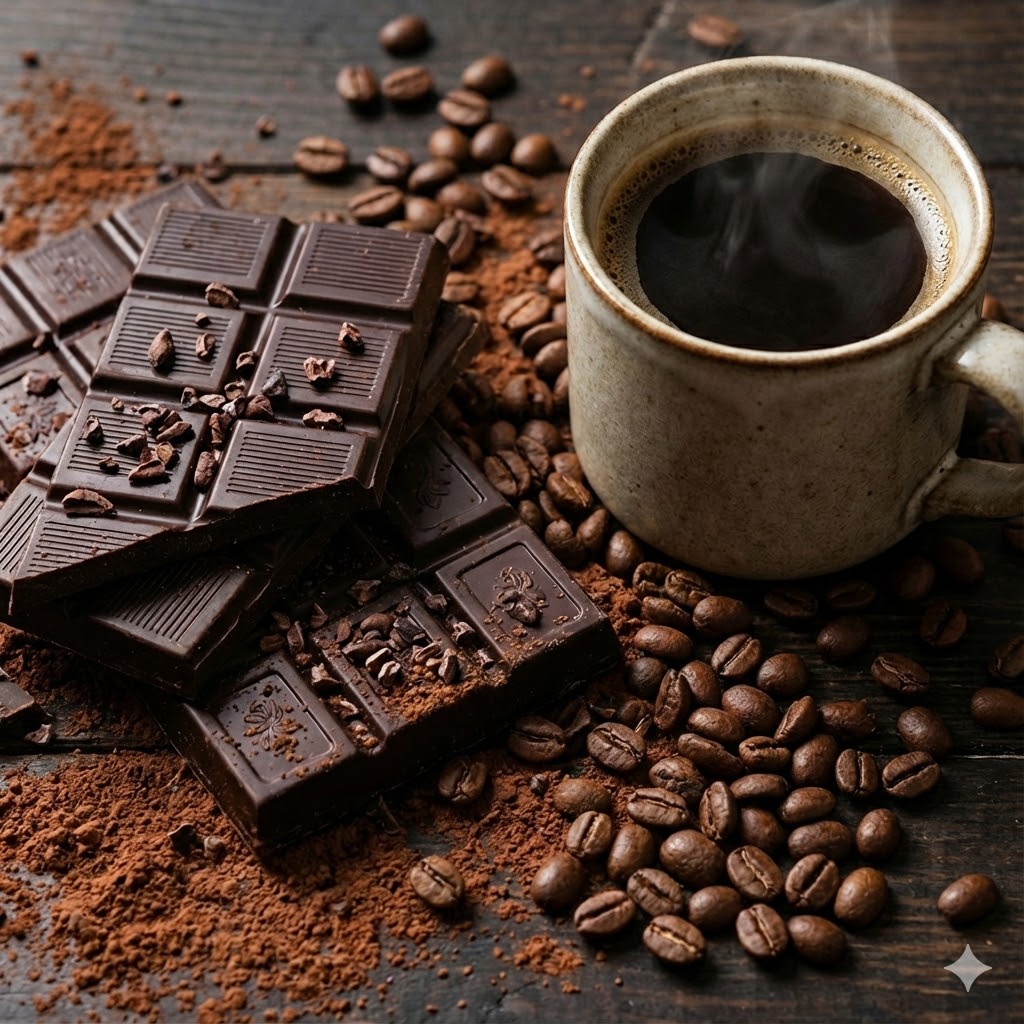
- Dosage: Approx. 30 grams daily of chocolate with at least 70% (preferably 85%) cocoa content. Processing (Dutch process/alkalization) destroys the substances, so choose natural/raw cocoa where possible.
Cruciferous vegetables (sulforaphane)
Broccoli, cabbage, and bok choy contain glucosinolates, which are converted to sulforaphane in the gut.
- Mechanism: Sulforaphane increases the number of Natural Killer Cells and protects DNA from damage.
- Dosage: 1-2 servings daily.
See also Sulforaphane
Food groups in detail
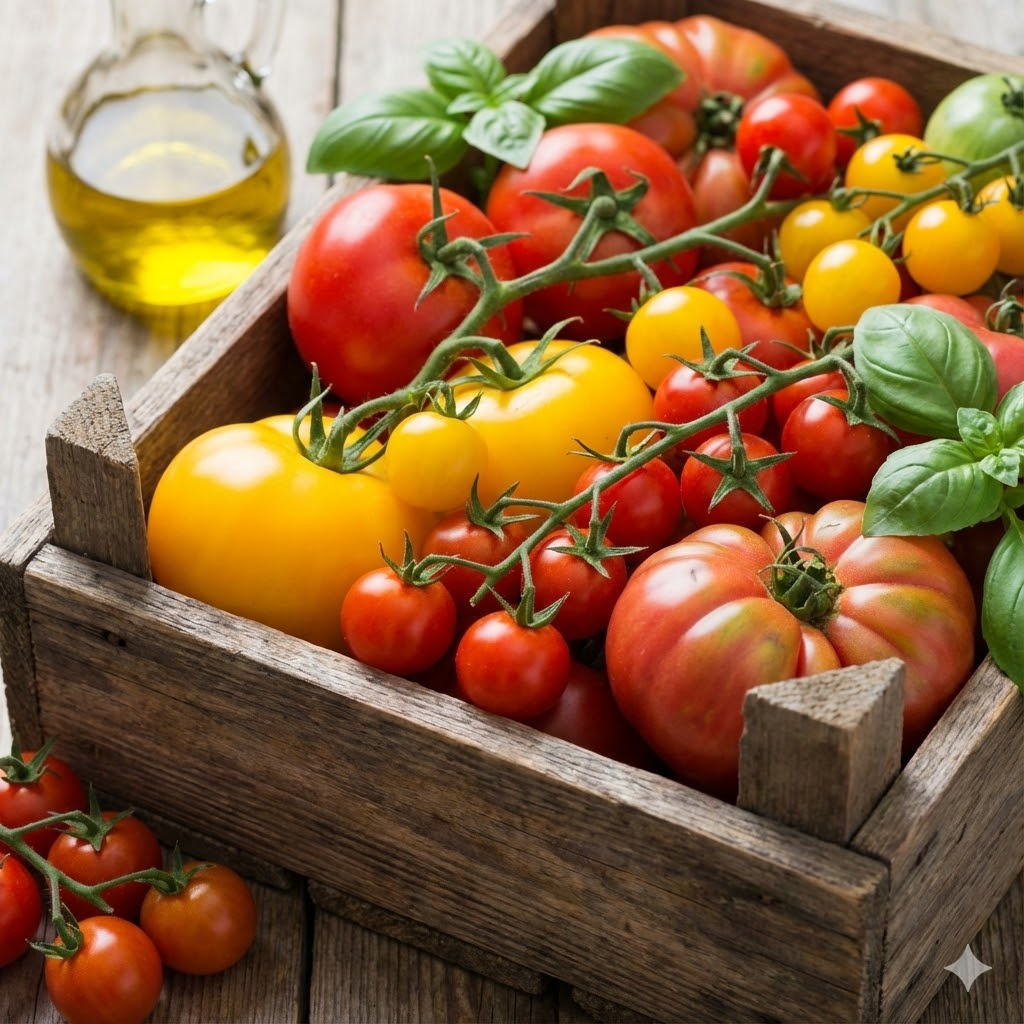
William Li’s approach is inclusive (“What should we add?”) rather than exclusive (“What are we not allowed to eat?”).
Li’s approach
He strongly advises against the “Western Diet” (processed meat, sugar, soda), but his focus is on an abundance of the healthy. He recommends eating a varied diet from the plant kingdom.
Instead of just a list of allowed/forbidden, Li uses the 5x5x5 framework to ensure that the patient hits all defense mechanisms every day.
The structure
- 5 defense mechanisms: The goal is to stimulate all five systems daily.
- 5 foods: Choose at least 5 different foods from his list of “Grand Slammers” (foods that hit multiple systems at once) every day.
- 5 times: Distribute these foods over the day’s 5 meals/snacks.
The recommended groups
The protocol highlights specific categories that have documented medicinal effects:
- Stone fruits: (plums, peaches, cherries) – Contain bioactive substances such as chlorogenic acid and anthocyanins, which stop cancer cell growth.
- Tree nuts: (walnuts, pistachios, almonds) – Contain ellagic acid, which starves cancer.
- Mushrooms: (shiitake, maitake, enoki) – Contain beta-glucan, which boosts the immune system.
- Fermented foods: (sauerkraut, kimchi, yogurt) – Direct supply of bacteria to the microbiome.
- Alliums: (garlic, onions, leeks) – Particularly potent against cancer in the digestive system (stomach/intestines).
What should be minimized?
The focus is on displacing the unhealthy with large amounts of the healthy. However, Li specifically warns against foods that harm the defense mechanisms:
- Processed meat: Damages DNA and the microbiome (WHO class 1 carcinogen).
- Refined sugar: Not only because of calories, but because high blood sugar directly stimulates angiogenesis (cancer growth).
- Artificial sweeteners: Can destroy the balance in the microbiome (akkermansia), which weakens the immune system.
Grand Slammers – overview
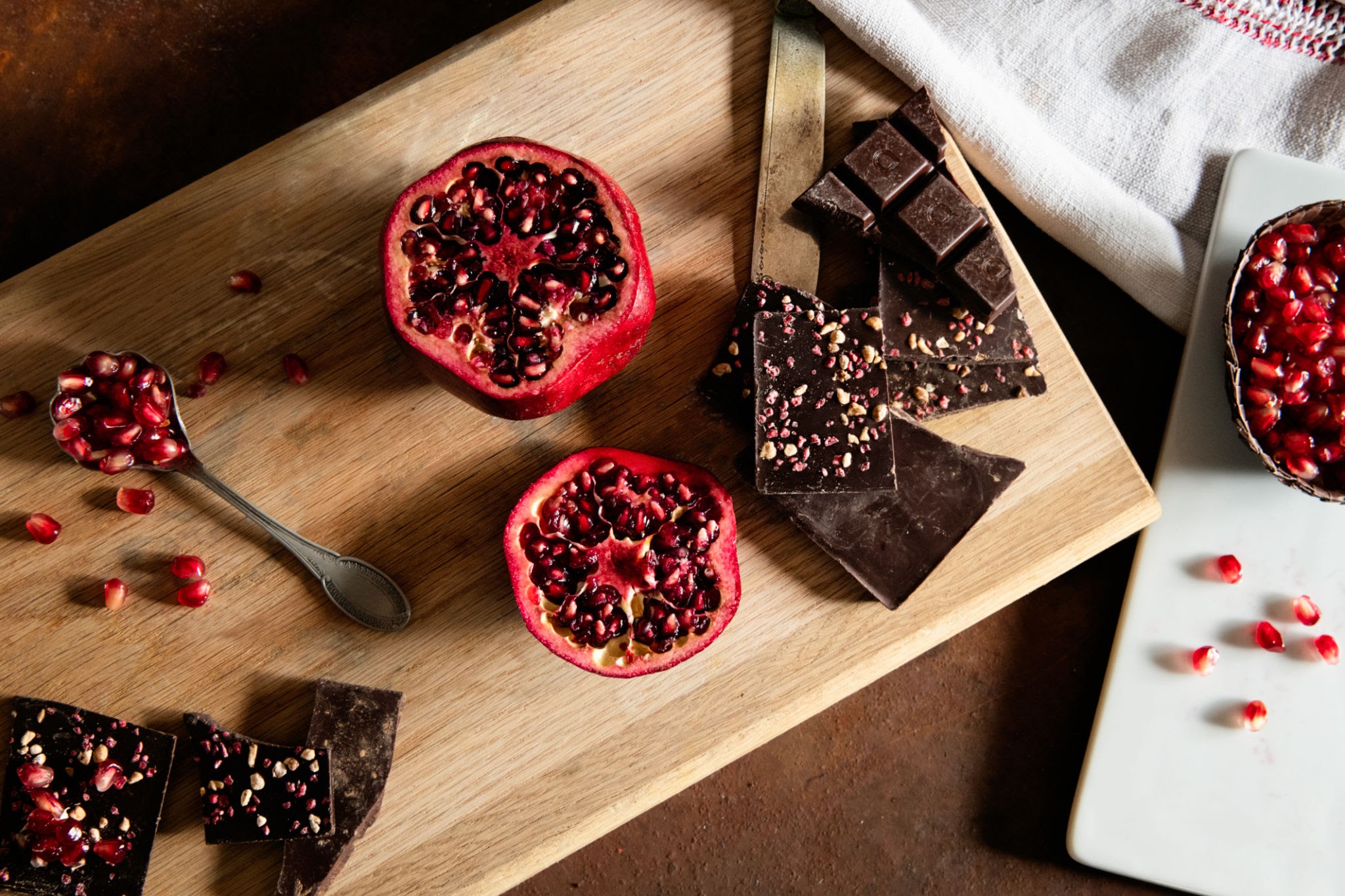
In William Li’s terminology, a “Grand Slammer” is, as mentioned, a food that activates all 5 defense mechanisms at once. These are therefore the most effective foods to choose if you want to be sure to cover it all.
Fruits and berries
- Apricots
- Blueberries
- Blackberries
- Raspberries
- Strawberries
- Cherries
- Kiwi
- Mango
- Nectarines
- Peaches
- Plums
- Pomegranate (especially the juice)
- Grapefruit (avoid with chemotherapy and statins)
Vegetables
- Eggplant
- Bok choy
- Broccoli (and broccoli sprouts)
- Carrots
- Kale
- Cauliflower
- Spinach
- Swiss chard
- Tomatoes
- Mushrooms (especially Shiitake, Maitake, Enoki, and common white)
- Chili
- Bell peppers
Nuts, seeds, and legumes
- Walnuts
- Pistachios
- Pecans
- Flaxseeds
- Pumpkin seeds
- Sunflower seeds
- Soybeans (edamame, tofu)
- Black beans
- Lentils
Drinks and miscellaneous
- Green tea (and matcha) (caution with treatment with Velcade)
- Black tea
- Coffee
- Dark chocolate (min. 70%)
- Olive oil (extra virgin)
- Red wine (in moderate amounts, due to resveratrol)
- Turmeric
Relevance for cancer
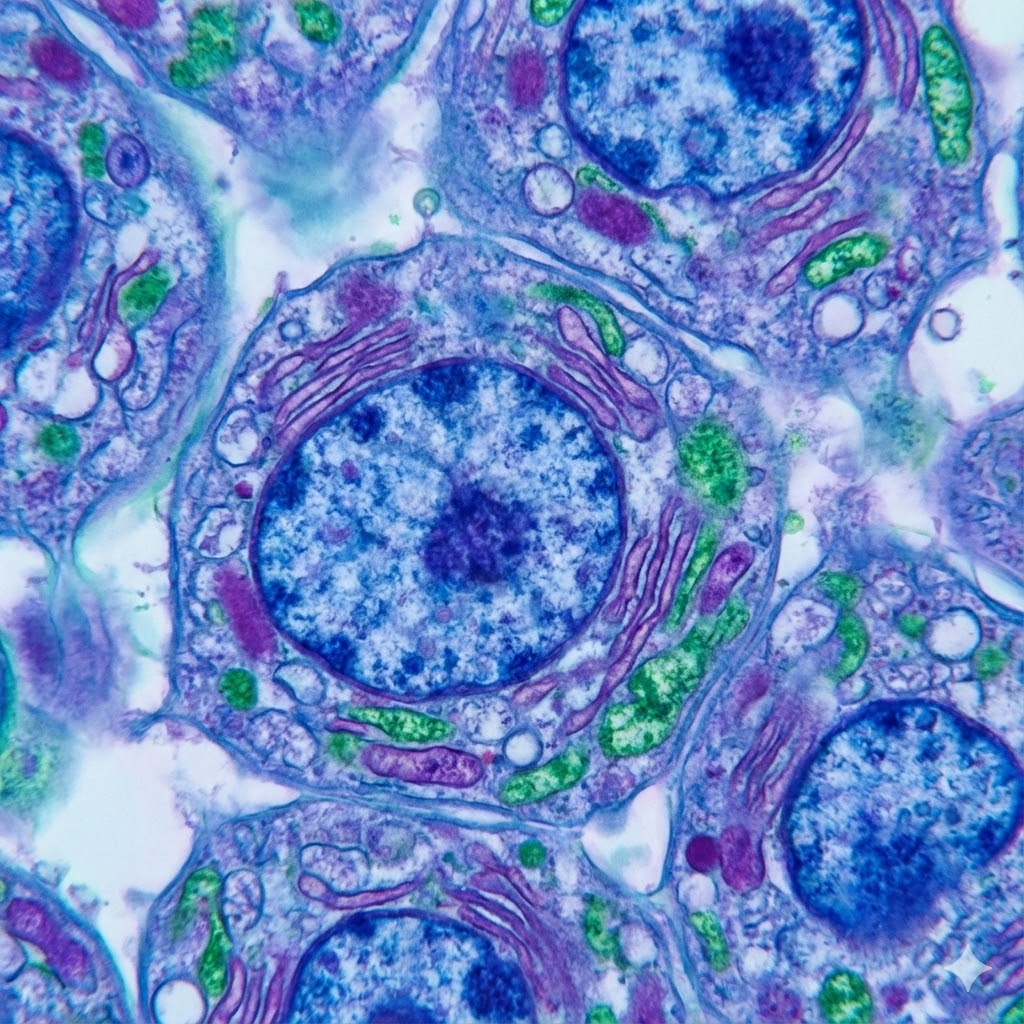
William Li’s protocol is relevant for anyone who wants to prevent cancer or prevent recurrence (relapse).
Scientific validation
Li has compared the effect of foods directly with medicine in the laboratory. For example, one study showed that extracts from garlic and berries could effectively inhibit certain brain tumor cells (glioblastoma). [3]
No side effects
Since the treatment consists of ordinary food, there is (almost) no risk of toxicity, as seen with chemotherapy (without it being comparable). It is about lifestyle.
Synergy
The protocol can run alongside almost all conventional treatment. Many foods help protect the body from chemo damage.
Considerations and risks
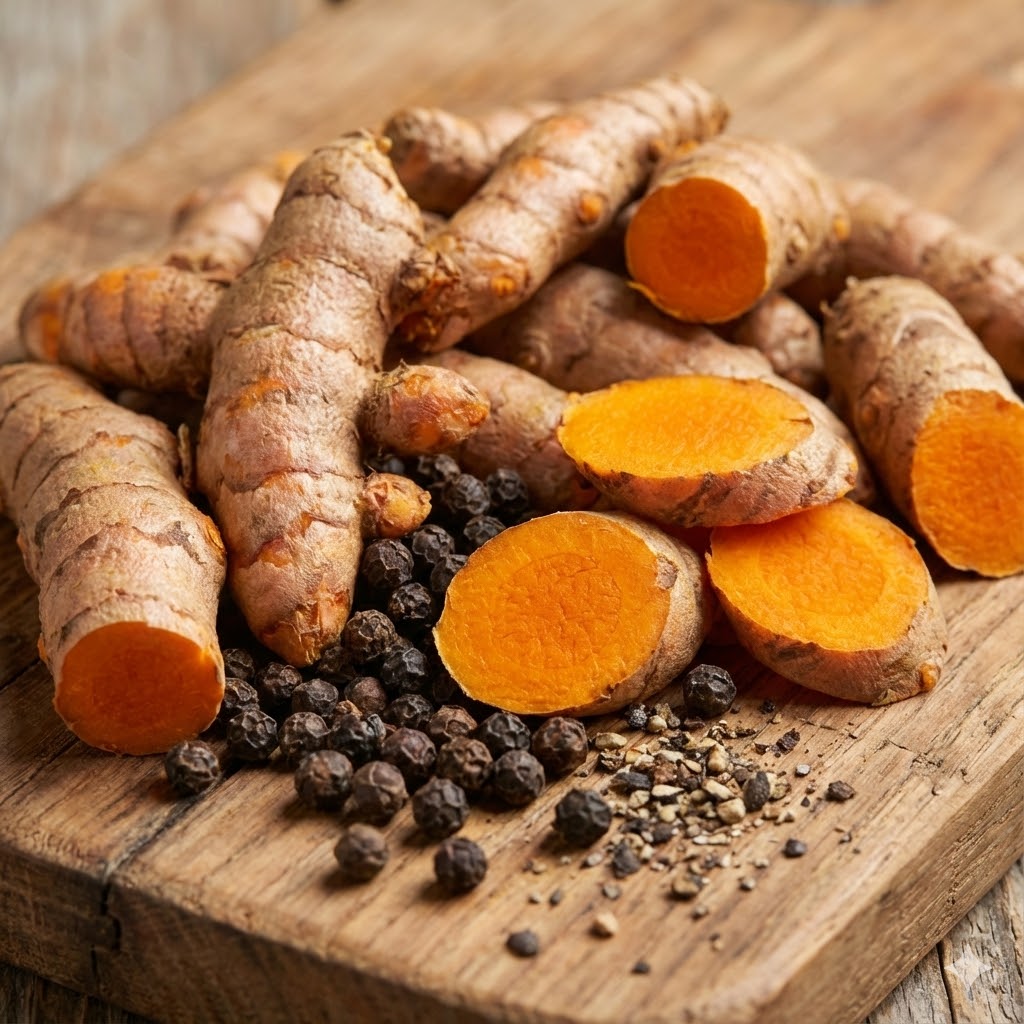
Even though it is “just food,” there are nuances.
Interaction with medication
Some of the potent foods can interact with medication.
- Grapefruit can change the absorption of many types of chemo.
- Green tea (in large amounts) can in rare cases counteract the effect of the drug Velcade (bortezomib). It is important to always inform your doctor about major dietary changes.
The soy controversy
Many breast cancer patients are afraid of soy (phytoestrogens). Li strongly argues, based on large population studies from Asia, that soy actually increases survival.
But the debate still exists in some oncological circles. [4]
See also Soy and cancer
Not a “cure” alone
Li does not present this as an alternative to surgery or chemo for active, aggressive cancer, but as a foundation. You can rarely eat a large tumor away alone, but you can change the environment so that it has a harder time thriving and growing further.
Which treatment does William Li recommend
Dr. Li does not treat patients one-on-one with a “meal plan” today, but works through the Angiogenesis Foundation to spread knowledge.
His data
He often refers to large epidemiological studies. For example, studies showing that men who eat cooked tomatoes 2-3 times a week have up to 50% lower risk of prostate cancer.
Or studies of women with breast cancer, where those with the highest intake of vegetables (especially cruciferous vegetables such as broccoli) had significantly lower risk of recurrence. [5]
He works to get “Food as Medicine” integrated into the healthcare system, so doctors can prescribe “prescriptions” for food.
Potent strategy for resistant cancer
When cancer becomes resistant to chemo, it is often because cancer cells mutate. But the blood vessels that supply the cancer are normal cells. They do not mutate.
Therefore, in theory, you can continue to attack the blood supply (via anti-angiogenic diet) without the cancer developing resistance to it. This makes the strategy sustainable in the long term.
Important warnings

Anti-angiogenesis is a powerful mechanism. When you turn it up via the diet, there are times when you should be careful.
Surgery and wound healing
The body uses exactly angiogenesis (the formation of new blood vessels) to heal wounds after surgery.
The problem:
- If you eat large amounts of anti-angiogenic foods (such as concentrated garlic, green tea, berries) just before or after surgery, it can theoretically delay wound healing.
- It is often recommended to pause with the most potent “Grand Slammers” about 1 week before and after major surgical procedures.
Blood-thinning effect
William Li’s favorites (garlic, onions, ginger, omega-3, vitamin E from nuts) are all naturally blood-thinning.
The problem:
- If you take blood-thinning medication, this “cocktail” can make your blood too thin. Especially if you take it as supplements/extracts rather than raw materials in food.
Heartburn and reflux
The protocol places great emphasis on tomatoes, garlic, onions, chocolate, and coffee.
The problem:
- These are five of the worst triggers for stomach acid and reflux.
- If you suffer from gastritis or heartburn (which is often worsened by chemo), this diet can be hard on the stomach.
Safety
Always consult your practitioner before starting a protocol.
Important for chemotherapy and low blood platelets
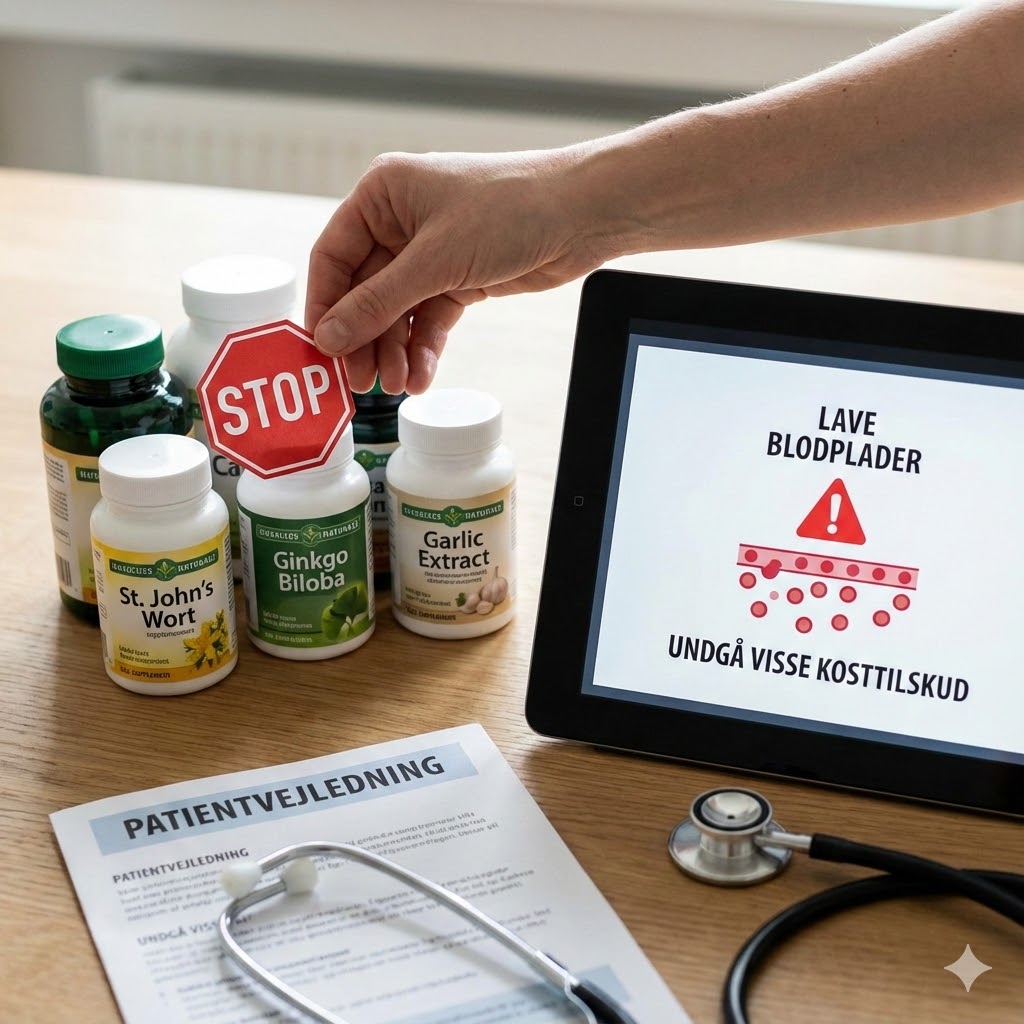
Many of the substances that fight cancer effectively (especially in this protocol) also act as blood thinners. If chemotherapy has lowered your blood platelets (thrombocytes) to a critical level, you should be extra careful.
What you should pause with low blood platelets
If your numbers are at the bottom, the following substances should be paused to avoid bleeding risk until the marrow has recovered:
- Fatty acids: Omega-3, fish oil, flaxseed oil (Strong blood thinner), cod liver oil, flaxseed oil (Budwig), and krill oil.
- Herbal extracts (high dose): Curcumin/turmeric, Ginger, garlic (in high doses/capsules), ginkgo biloba, and Ginseng. (Inhibits the ability of blood platelets to clump together).
- Enzymes: Proteolytic enzymes such as Bromelain, Papain, and Serrapeptase. (as these break down fibrin, which helps the blood to clot).
- Specific antioxidants: Vitamin E, Resveratrol, Quercetin, and strong Green Tea extract (EGCG).
- Off-label medication: Aspirin, Magnyl or Hjertemagnyl (must be stopped immediately with low platelets, unless otherwise agreed with the doctor).
Support for bone marrow
There are strategies that specifically support the formation of blood platelets without counteracting the treatment:
- Melatonin: Studies show that melatonin can protect the bone marrow from chemo damage (taken at bedtime).
- Papaya leaf extract: Known for potentially being able to increase the number of blood platelets.
- Chlorophyll: Green juices (spinach/kale) deliver vitamin K, which supports blood clotting.
- Shark liver oil (alkylglycerols): Can stimulate the formation of white blood cells and platelets (should not be taken on the actual chemo days).
NB: You should always discuss your intake of supplements with your oncologist.
Conclusion
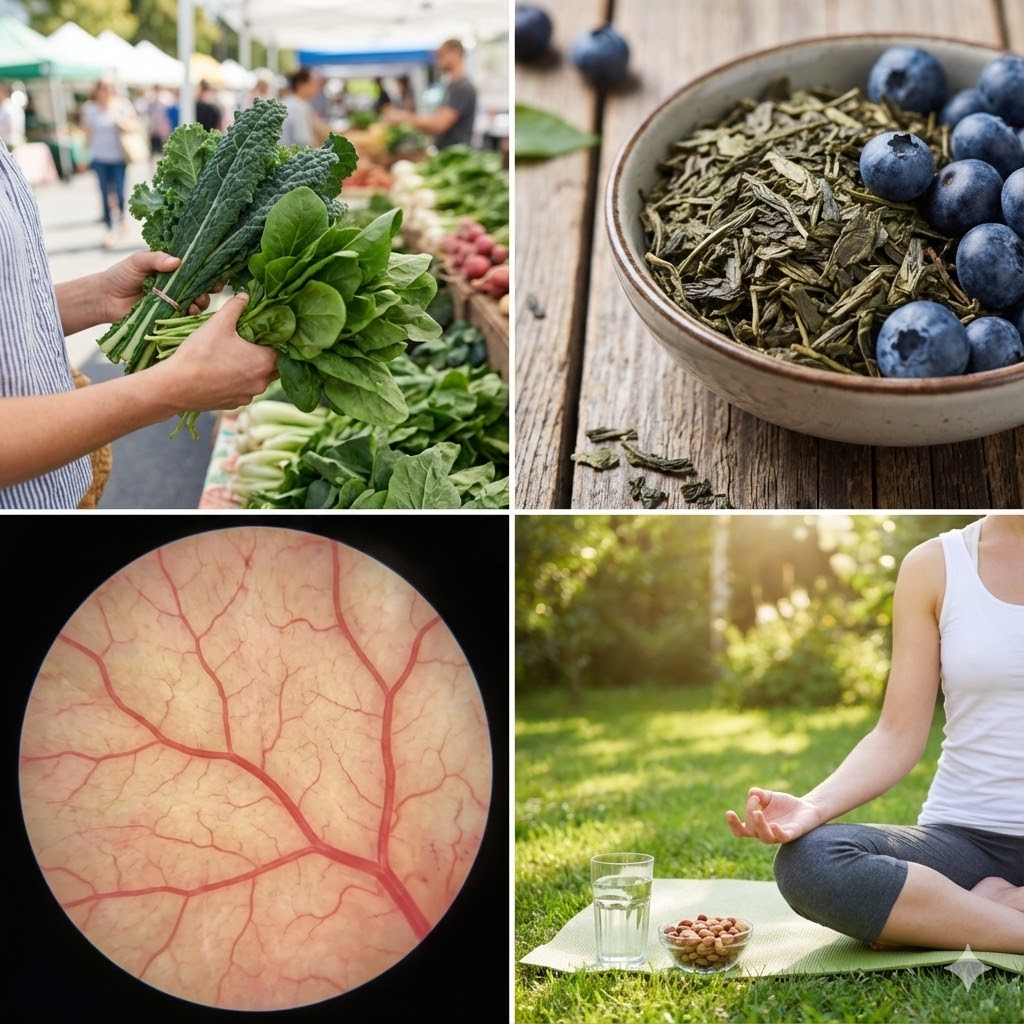
William Li represents the modern, scientific version of “healing through diet.” He removes the mystique and replaces it with molecular biology.
His message is encouraging, namely that we have the power to influence our health three times a day (with each meal).
We are not victims of our DNA, but can actively turn disease processes on and off through what we eat. It is a protocol that gives the patient agency without requiring extreme sacrifices or experimental medicine.
See also Your immune cells are what they eat – research
See also Microbiome and Diet
Example of a day on the protocol
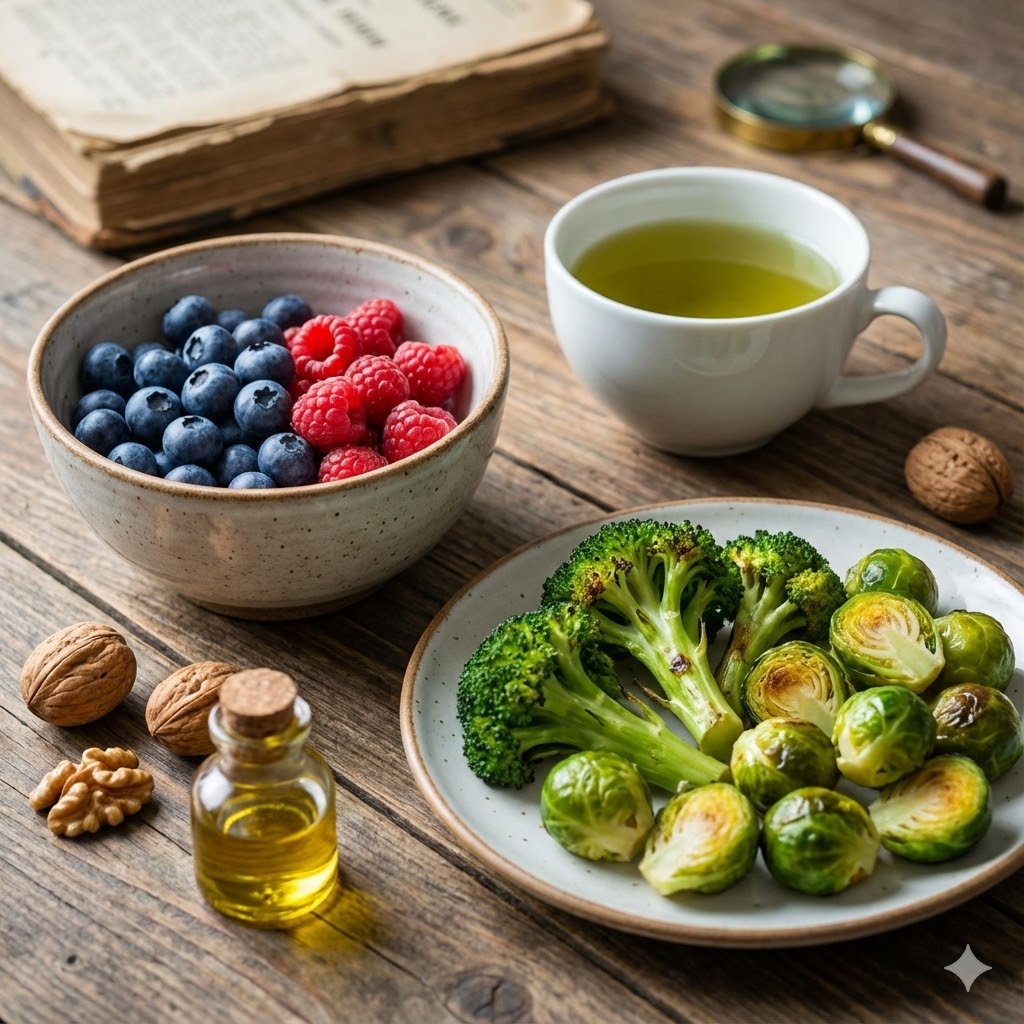
The day is filled with colorful, unprocessed foods.
Breakfast: Oatmeal (beta-glucan strengthens immunity) topped with blueberries (DNA protection) and walnuts (Omega-3). Green tea or black coffee.
Lunch: Large salad with spinach, tomatoes, steamed salmon or tofu, drizzled with olive oil and lemon juice.
Snack: A piece of dark chocolate (min. 70%) or a handful of almonds.
Dinner: Stir-fry with broccoli, garlic, mushrooms (strengthens immunity) and chicken or beans.
Ongoing: Water, possibly with citrus. Avoid sugary drinks.
See also Anti-inflammatory diet
See also Repurposed drugs
Links
[1] Video: Can we eat to starve cancer? (YouTube, TED Talk, 2010)
- Content: William Li’s groundbreaking presentation, where he explains the concept of anti-angiogenesis. He presents data on how foods can match cancer drugs in effectiveness and presents visual evidence of tumor reduction.
[2] Angiogenesis in cancer and other diseases (Nature, 2000)
- Content: Basic research describing the mechanism behind angiogenesis. Although the article is technical, it forms the basis for understanding why blocking the blood supply is an effective strategy against cancer.
[3] Tumor Angiogenesis as a Target for Dietary Cancer Prevention: A Review (PMC, 2011)
- Content: A scientific review authored by William Li, which explores the potential of using diet to inhibit angiogenesis. The article compares the effect of bioactive substances in foods with anti-angiogenic medicine and identifies specific growth factors that the diet can regulate.
[4] Soy Food Intake and Breast Cancer Survival (JAMA, 2009)
- Content: A comprehensive study (Shanghai Breast Cancer Survival Study) showing that intake of soy is associated with a significantly lower risk of death and recurrence in women with breast cancer. The study refutes the myth that plant estrogens in soy promote tumor growth.
[5] Book: Eat to Beat Disease: The New Science of How Your Body Can Heal Itself (By William Li, Bibliotek.dk, 2019)
- Content: Dr. Li’s main work, which in detail goes through the five defense mechanisms. The book contains lists of more than 200 foods with medicinal effects and refers to over 600 scientific studies.
[6] Microbiome and cancer immunotherapy (ScienceDirect, 2020)
- Content: A scientific review highlighting the crucial role of the gut microbiome for the effect of immunotherapy. The study points to the microbiome as a new biomarker and therapeutic target that can optimize the patient’s response to cancer treatment.
[7] The Angiogenesis Foundation (angio.org, updated continuously)
- Content: The official website of Dr. Li’s non-profit organization, where you can find updated research, lists of foods, and webinars about diet and disease.
[8] Anti-angiogenesis for cancer: Current status and prospects (PubMed, 2018)
- Content: A scientific status on anti-angiogenesis as a treatment form. The article discusses the potential of blocking the tumor’s blood supply and concludes that the strategy is most effective when combined with chemotherapy or immunotherapy to overcome the tumor’s defense mechanisms.
[9] Dr. William Li: Food as Medicine (Dr. William Li’s website, drwilliamli.com)
- Content: Dr. Li’s personal portal with articles, masterclasses, and guides on how to implement the 5x5x5 principle in everyday life to fight disease.
Page created: December 6, 2025
❤
What you read on I Have Cancer is not a recommendation. Seek competent guidance.
