


Treatments
Protokols for cancer
- The metabolic and data-driven
- Repurposed drugs and medical combinations
- Intensive diet and detoxification
- Anthony William (the medical medium)
- Bill Henderson Protocol (Budwig & Rath)
- Breuss Cure (vegetable juice)
- Budwig Diet (cottage cheese and flaxseed oil)
- Chris Beat Cancer (diet and mindset)
- Gerson Protokol (juice and detoxification)
- The Gonzalez Protocol (enzymes and nutritional types) (scroll down)
- Strange Skov (Autoimmune)
- Wahls Protocol (paleo/ mitochondria)
- William Li (anti-angiogenesis diet)
- Strategic fasting
- Tradition and wisdom
- Mind-body and biological decoding
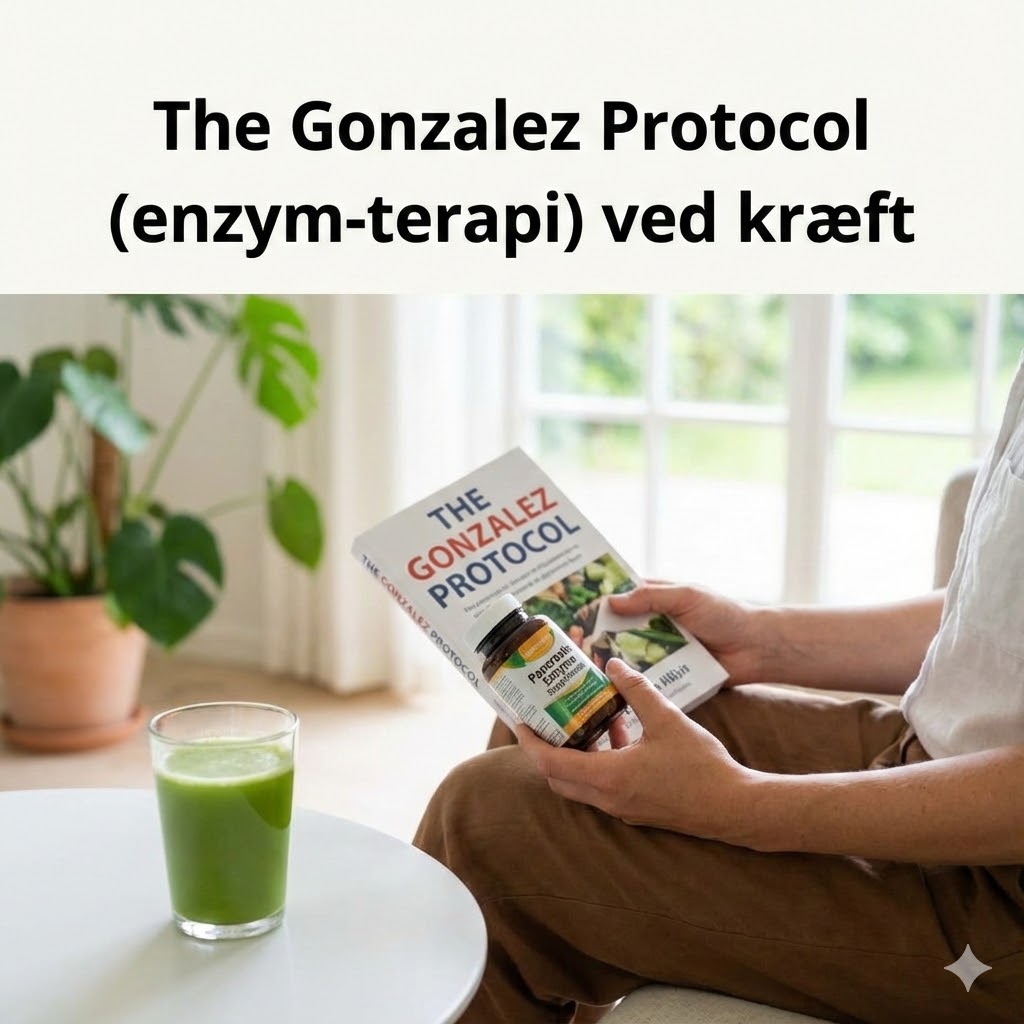
The Gonzalez Protocol (enzyme therapy) for Cancer
Summary of the Gonzalez Protocol
Purpose:
- To restore the body’s autonomic nervous system and break down cancer cells using large amounts of proteolytic enzymes.
Content:
- An extremely structured protocol consisting of an individual “metabolic diet,” massive doses of pancreatic enzymes (up to 150 capsules daily), and daily coffee enemas for detoxification.
The central idea:
- Cancer is not a genetic error, but a metabolic imbalance. Cancer cells biologically resemble placental cells, and the body’s natural brake against their growth is enzymes from the pancreas.
Who was Dr. Nicholas Gonzalez
Dr. Nicholas Gonzalez (1947-2015) was an American doctor and immunologist who worked in New York. He dedicated his career to further developing the work of dentist Dr. William Kelley and embryologist Dr. John Beard.
Gonzalez was known for his academic approach. He spent years reviewing Kelley’s patient records to prove that the method worked before opening his own practice.
He fought his entire life to have the method scientifically recognized, including through a large but controversial trial funded by the American Cancer Institute (NCI).
After his death, his work was continued by his colleague of many years, Dr. Linda Isaacs [4].
The theory of trophoblasts
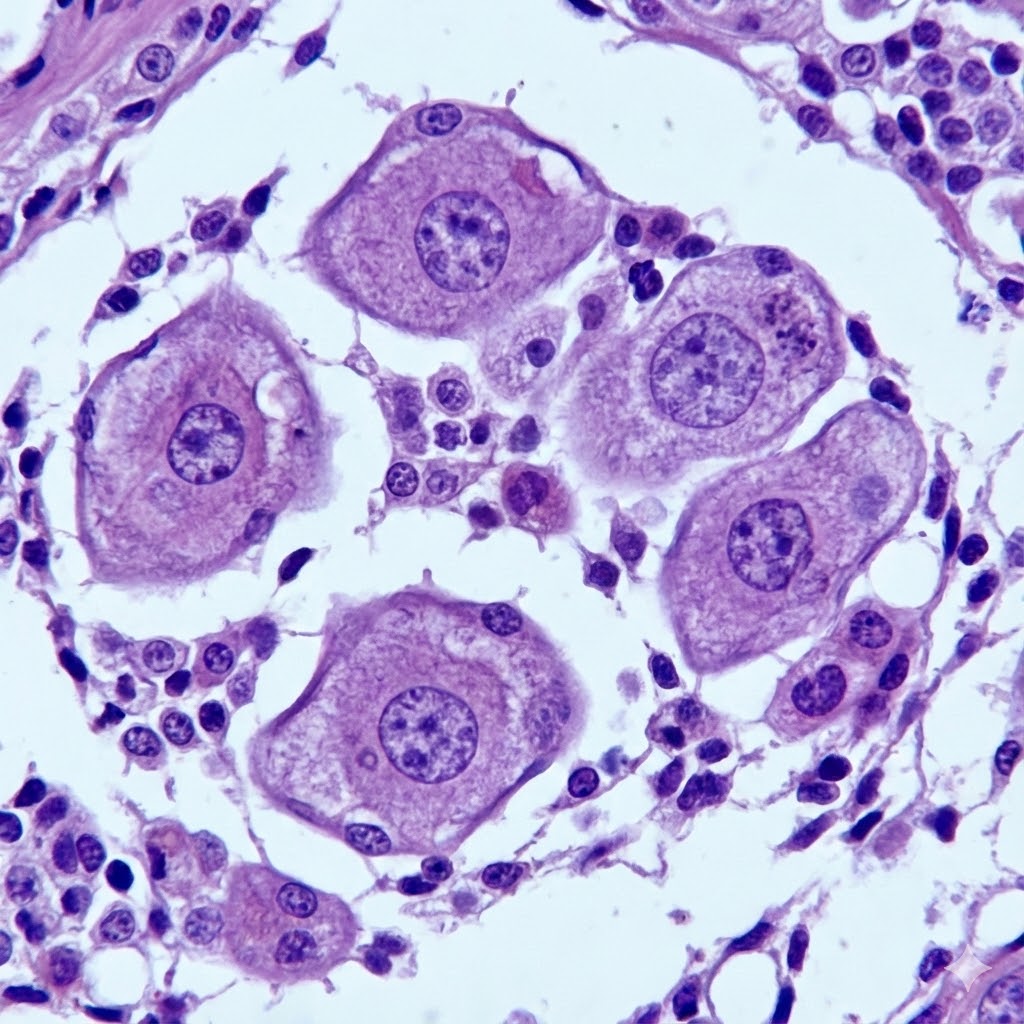
The foundation of the protocol is “The Trophoblast Theory of Cancer,” which was formulated by the Scottish embryologist John Beard over 100 years ago. He discovered that cancer cells under a microscope behave exactly like trophoblasts—the cells that form the placenta early in pregnancy.
These cells are aggressive, invade tissue, and form new blood vessels to obtain nutrients for the fetus—just as a tumor does in the body. In a pregnancy, trophoblasts stop growing aggressively precisely when the fetus’s pancreas begins to produce enzymes (in the 8th week).
Gonzalez’s conclusion was therefore:
If you have cancer, it is because the pancreas does not produce enough enzymes to keep these “primitive” cells down [1].
Content of the protocol
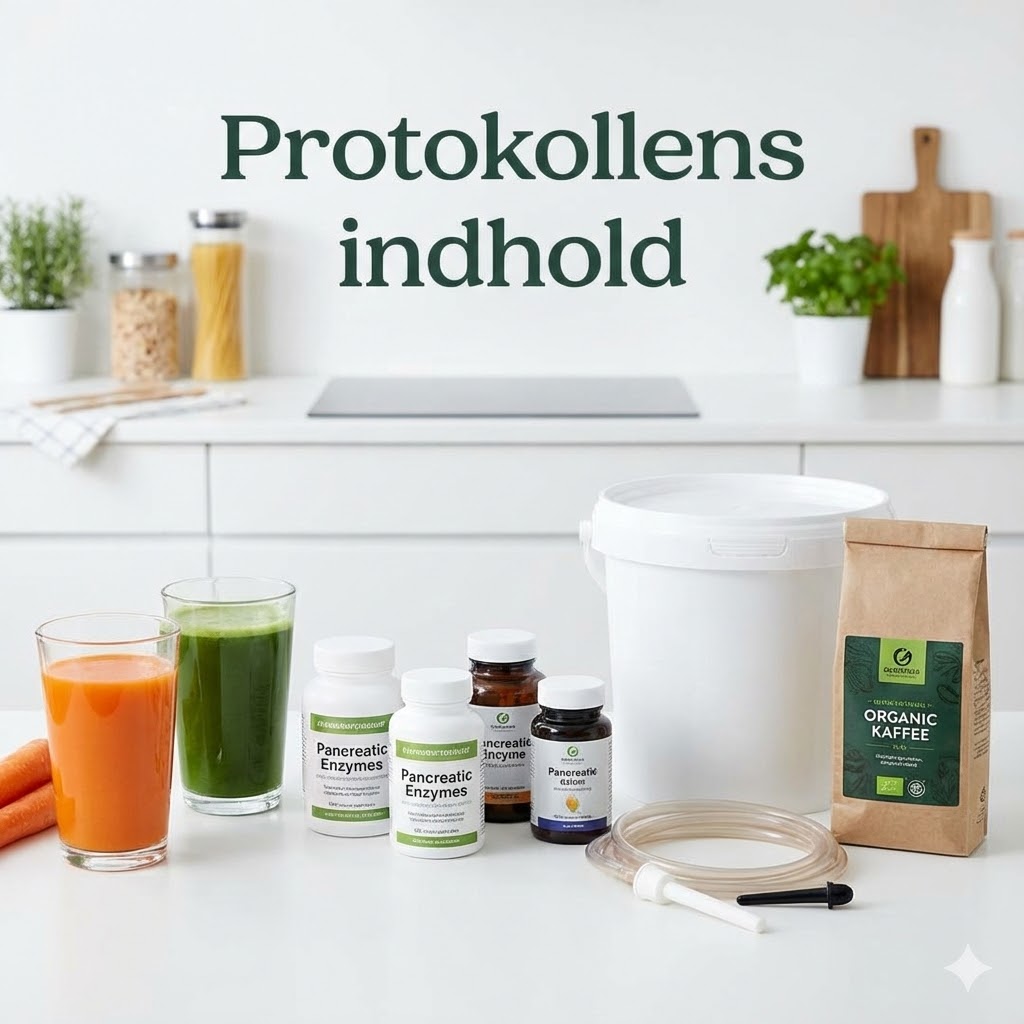
The treatment rests on three equal pillars. You cannot choose one over the others. The entire system must be followed.
1. Proteolytic enzymes (the core)
This is the main engine. The patient takes capsules with freeze-dried pancreas from pigs (which resemble human pancreas the most). These enzymes contain trypsin and chymotrypsin. They must be taken away from meals (on an empty stomach).
When they are not digesting food, they enter the bloodstream, where they seek out cancer cells and “digest” the protein coating that cancer hides behind.
2. Metabolic diet (individual)
Unlike many other cures, there is not one diet for everyone. Gonzalez divided patients into types based on their autonomic nervous system:
- Sympathetic dominant: These patients often have solid tumors (e.g., in lung, liver, colon). They should have a vegetarian diet, as meat stresses their system further.
- Parasympathetic dominant: These patients often have blood cancer (leukemia, lymphoma) or melanoma. They do not thrive on greens, but should have large amounts of red meat and fat to stimulate their sluggish system.
3. Detoxification (coffee enemas)
When enzymes kill the tumor, large amounts of toxins are released (tumor lysis). If these do not come out, the patient becomes poisoned and sick.
Gonzalez insisted on daily coffee enemas to stimulate the liver and gallbladder to excrete waste products quickly.
See also Coffee enema
See also Activated charcoal
Important warnings

Since the protocol violently interferes with the body’s chemistry, there are specific risks to be aware of.
Blood thinning (enzymes)
The enormous amounts of enzymes act as strong blood thinners, which increases the risk of bleeding.
The problem:
- If you are to have surgery, it is necessary to pause the intake of enzymes at least 14 days before the procedure to avoid bleeding complications.
- Similarly, you should be very careful if you have an active stomach ulcer, as the enzymes can worsen the condition and provoke bleeding in the stomach.
Electrolyte loss (enemas)
Daily coffee enemas not only flush out waste products but also important salts.
The problem:
- If you simultaneously drink a lot of water or juice, you can wash out the body’s sodium and potassium. This can lead to heart arrhythmia, confusion, and cramps. You should be very aware of dizziness.
Weight loss (wrong diet)
The protocol divides people into “meat eaters” and “vegetarians.”
The problem:
- If a cancer patient with significant weight loss (cachexia) is put on the vegetarian branch of the cure, they risk starving the body of protein, which can accelerate muscle wasting and weaken the heart.
See also Underweight
See also Preserve muscle mass
Safety
Always consult your practitioner before starting a protocol.
If you are receiving chemotherapy
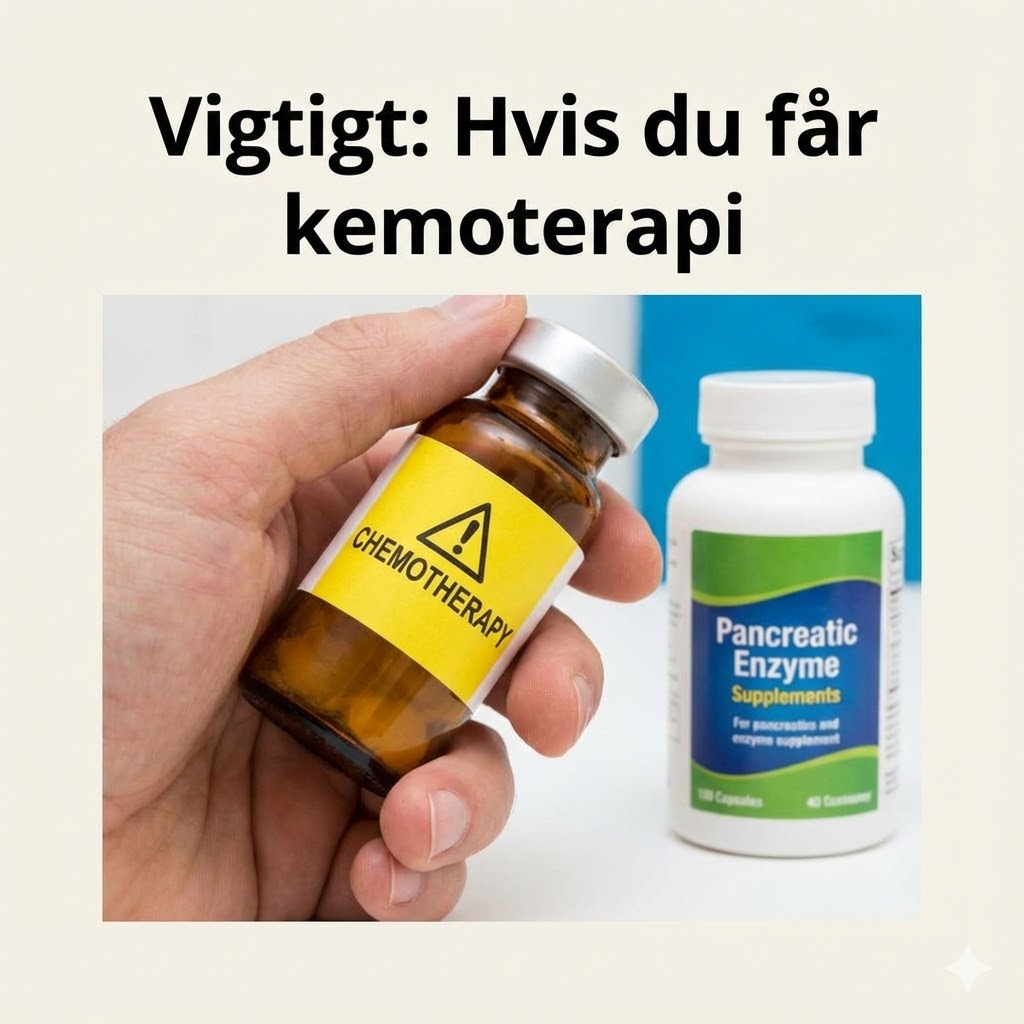
Many of the substances that fight cancer effectively (especially in this protocol) also act as blood thinners.
If chemotherapy has lowered your blood platelets (thrombocytes) to a critical level, you should be extra careful to avoid internal bleeding.
Should be paused with low blood platelets
If your numbers are at the bottom, the following groups should be paused until the marrow has recovered:
- Fatty acids: Fish oil (Omega-3), cod liver oil, flaxseed oil (Budwig), and krill oil.
- Herbal extracts (high dose): Curcumin (turmeric), ginger, garlic capsules, and ginkgo biloba.
- TCM / Chinese herbs: Especially Dong Quai (Angelica), Dan Shen, and Ginseng.
- Enzymes: Proteolytic enzymes such as Bromelain, Papain, Wobenzym, and Serrapeptase (as these break down fibrin, which helps the blood to clot). This is particularly relevant for the Gonzalez protocol, as it is enzyme-based.
- Specific antioxidants: Vitamin E, Resveratrol, Quercetin, and strong Green Tea extract (EGCG).
- Off-label medication: Aspirin, Magnyl, or Hjertemagnyl (must be stopped immediately with low platelets, unless otherwise agreed with the doctor).
What you CAN do to support bone marrow
There are strategies that specifically support the formation of blood platelets without increasing the bleeding risk:
- Melatonin: Studies show that melatonin (at bedtime) can protect the bone marrow from chemo damage.
- Papaya leaf extract: Known for potentially being able to increase the number of blood platelets.
- Chlorophyll & Vitamin K: Green juices (spinach/kale) naturally deliver vitamin K, which is necessary for blood clotting.
- Shark liver oil (alkylglycerols): Can stimulate the formation of white blood cells and platelets (should not be taken on the actual chemo days).
If your blood platelets are critical, you should always discuss your intake of supplements with your oncologist.
Relevance for cancer
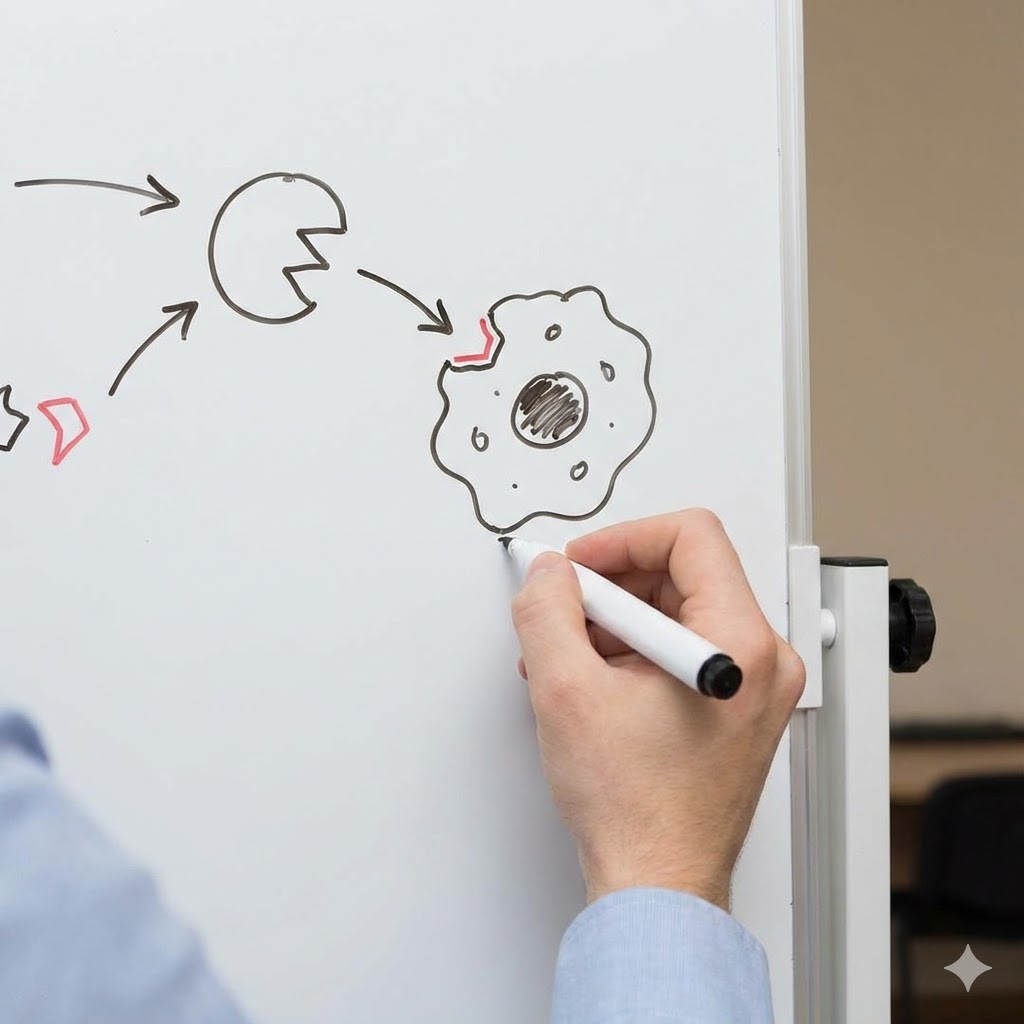
Although the protocol is used against all cancer types, it has a special status within pancreatic cancer.
In a famous (and debated) pilot study from 1999, Gonzalez patients with inoperable pancreatic cancer survived an average of 17 months, while patients on standard chemo typically lived 6 months. Some lived for over 4 years [2].
This led to a larger phase 3 trial funded by the NCI. However, the results here were negative for Gonzalez, but his supporters (and Dr. Gonzalez himself) have pointed out massive errors in the execution, including that the patients in the trial did not follow the protocol correctly [3].
Despite the controversy, many patients with this particular diagnosis still choose the enzyme route, as the conventional offers are limited.
Considerations and risks

The Gonzalez protocol is considered one of the hardest alternative treatments to complete.
A full-time job
You have to swallow up to 130-160 capsules a day. The food must be prepared from scratch (organic), and you must spend time on enemas several times a day. This does not leave much time for work or social life.
Cleansing symptoms
When the enzymes work and the tumor breaks down, patients often experience severe flu-like symptoms, fever, and malaise. This is interpreted as a good sign (that the treatment is working), but it is physically demanding.
Price
The enzymes are expensive, and since the diet must be strictly organic, the costs quickly add up to many thousands of crowns monthly.
Conclusion

The Gonzalez Protocol is not a “quick fix” or a pill you take on the side. It is a complete restructuring of life. It is a biologically logical approach that attempts to restart the body’s own defense (the enzymes) against the “foreign” cells.
The method requires an unusual degree of discipline and dedication, but has a dedicated following globally, especially among patients who have been given up on by the established system.
See also Gerson Therapy (The Gerson Diet)
See also Plant-based diet
See also Carnivore diet
Example of a day on the protocol
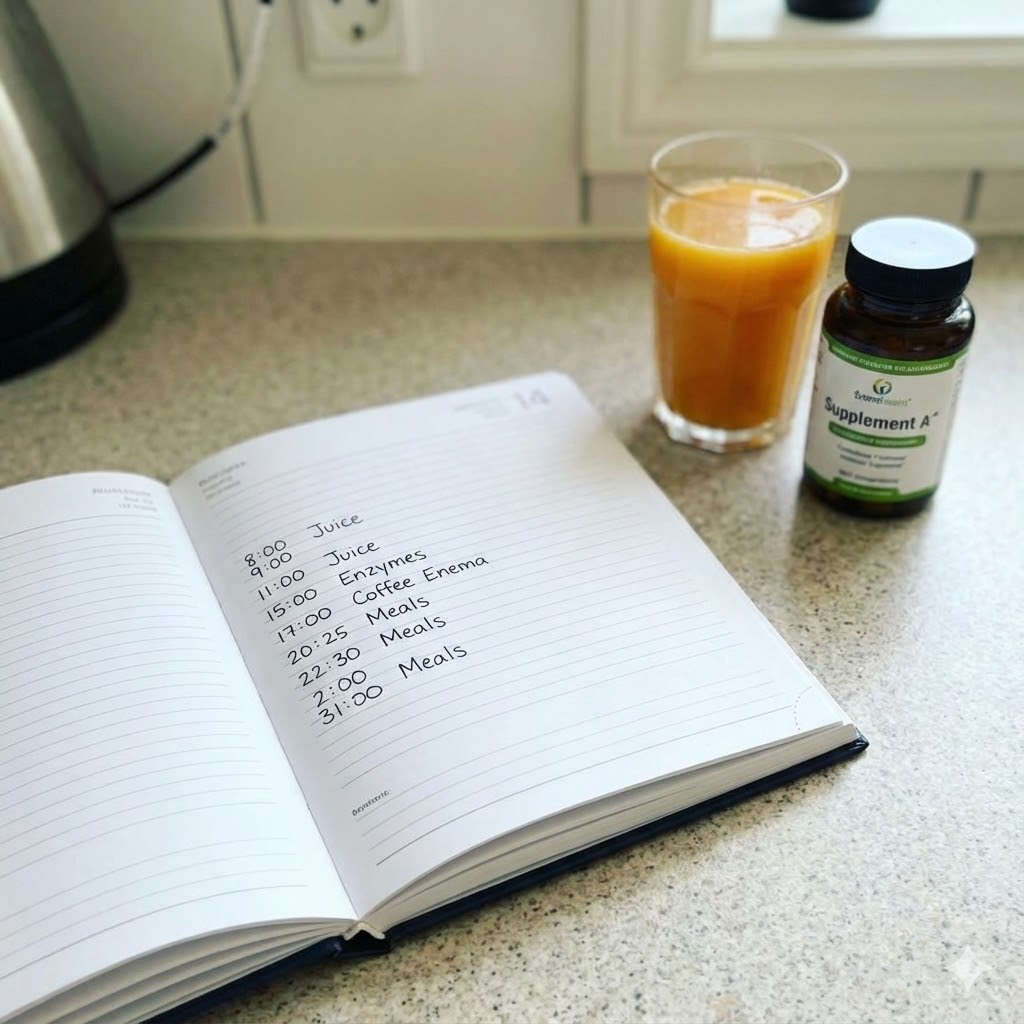
Morning: Coffee enema (detoxification). Then a large dose of enzymes on an empty stomach.
Breakfast: Adapted to metabolic type (either porridge/fruit or meat/eggs). Vitamins and minerals.
Late morning: Enzymes on an empty stomach. Freshly pressed carrot juice.
Lunch: Large meal according to the diet plan. Digestive enzymes (with the food).
Afternoon: Enzymes on an empty stomach. Coffee enema no. 2 (if necessary).
Evening: Dinner.
Bedtime: Last dose of enzymes (to work overnight). Cleansing of the liver (e.g., liver flush with oil/citrus every now and then).
See also Repurposed drugs
See also Coffee enema
See also Activated charcoal
Links
[1] Pancreatic Proteolytic Enzymes and Cancer: New Support for an Old Theory (Integrative Cancer Therapies, 2022)
- Content: A scientific article authored by Dr. Linda Isaacs (Gonzalez’s colleague), which reviews the historical theory of John Beard from 1905. The article compiles newer research that supports the hypothesis that pancreatic enzymes play a central role in the body’s defense against cancer and explains the mechanism behind the treatment.
[2] Evaluation of pancreatic proteolytic enzyme treatment of adenocarcinoma of the pancreas, with nutrition and detoxification support (Nutrition and Cancer, 1999)
- Content: The original pilot study by Dr. Gonzalez, which showed significantly extended survival in patients with inoperable pancreatic cancer compared to historical data.
[3] Pancreatic proteolytic enzyme therapy compared with gemcitabine-based chemotherapy for the treatment of pancreatic cancer (Journal of Clinical Oncology, 2010)
- Content: The large phase 3 study that compared the Gonzalez protocol directly with standard chemotherapy (Gemcitabine). The study concluded that the chemo group fared better, but is included here as Gonzalez subsequently published extensive criticism of the study’s execution.
[4] Dr. Linda Isaacs (Website, Dr. Linda Isaacs Official Site)
- Content: The website of Dr. Gonzalez’s long-time colleague, who continues his work. Here you can find detailed descriptions of the protocol, case stories, and articles about the theory behind metabolic typing.
Page created: December 14, 2025
❤
What you read on I Have Cancer is not a recommendation. Seek competent guidance.
