


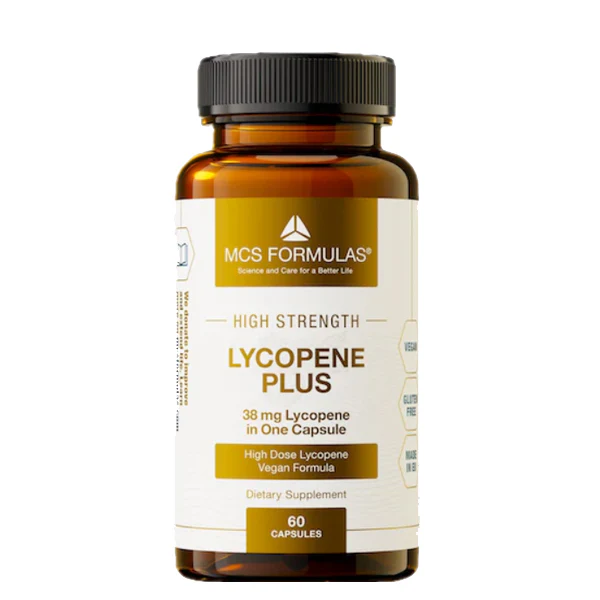
Lycopene and cancer
Summary of Lycopene
Primary recognized effect:
- Lycopene is the red pigment in tomatoes, among other things, and is one of nature’s strongest antioxidants. It is recognized for its cell-protective effects and especially its well-documented connection to prostate health [1, 2].
Potential in cancer:
- It shows potential by neutralizing free radicals, slowing cancer cell growth, promoting their suicide (apoptosis), inhibiting the formation of new blood vessels, and enhancing the effect of certain chemotherapies [3, 5, 6].
Primary limitation:
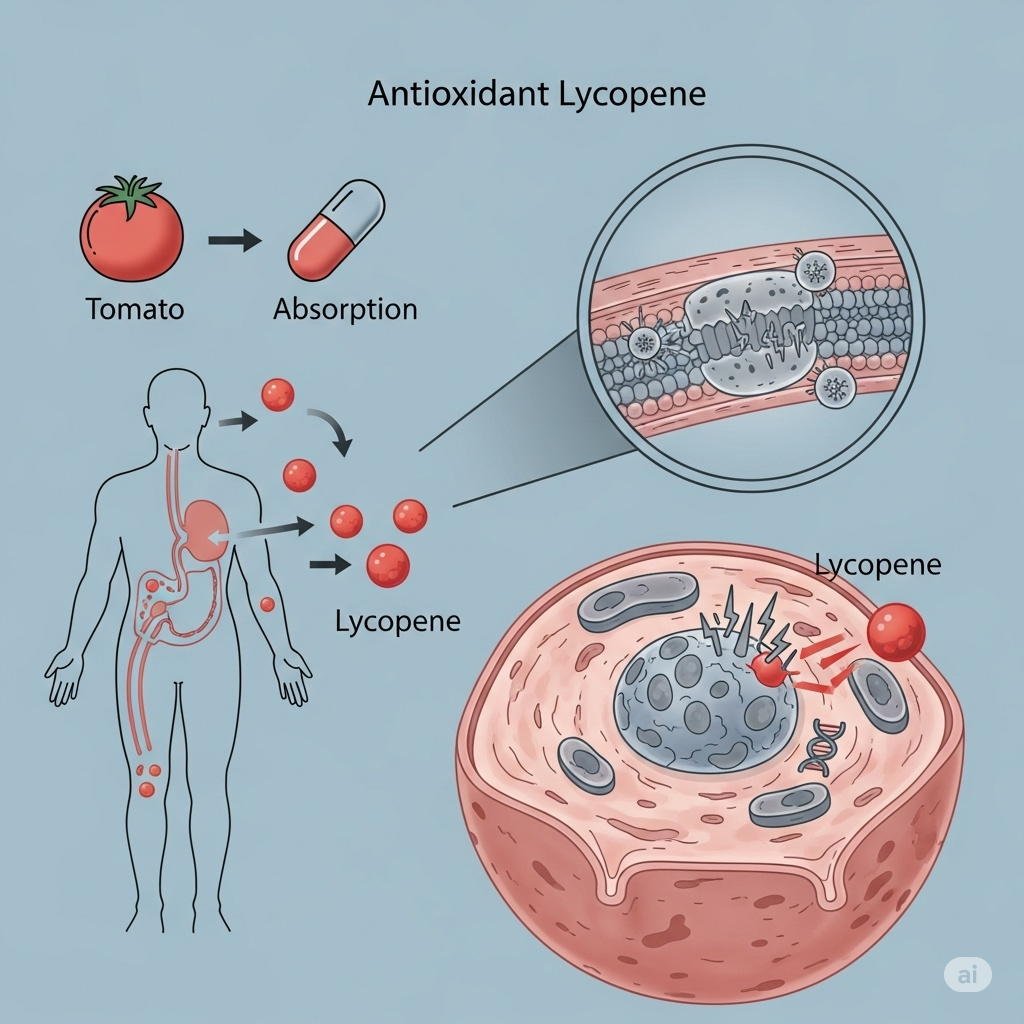
- The primary limitation is practical: it is fat-soluble and is best absorbed from heated sources (approx. 88 degrees for 1/2 hour) such as tomato sauce and consumed with fat [8]. While it is very safe, caution is recommended when using blood-thinning medication.
In short:
- Lycopene is a safe and well-documented natural substance whose potential in prostate health is backed by solid research. Its broad health-promoting effects make it a valuable choice [1, 6].
What is Lycopene

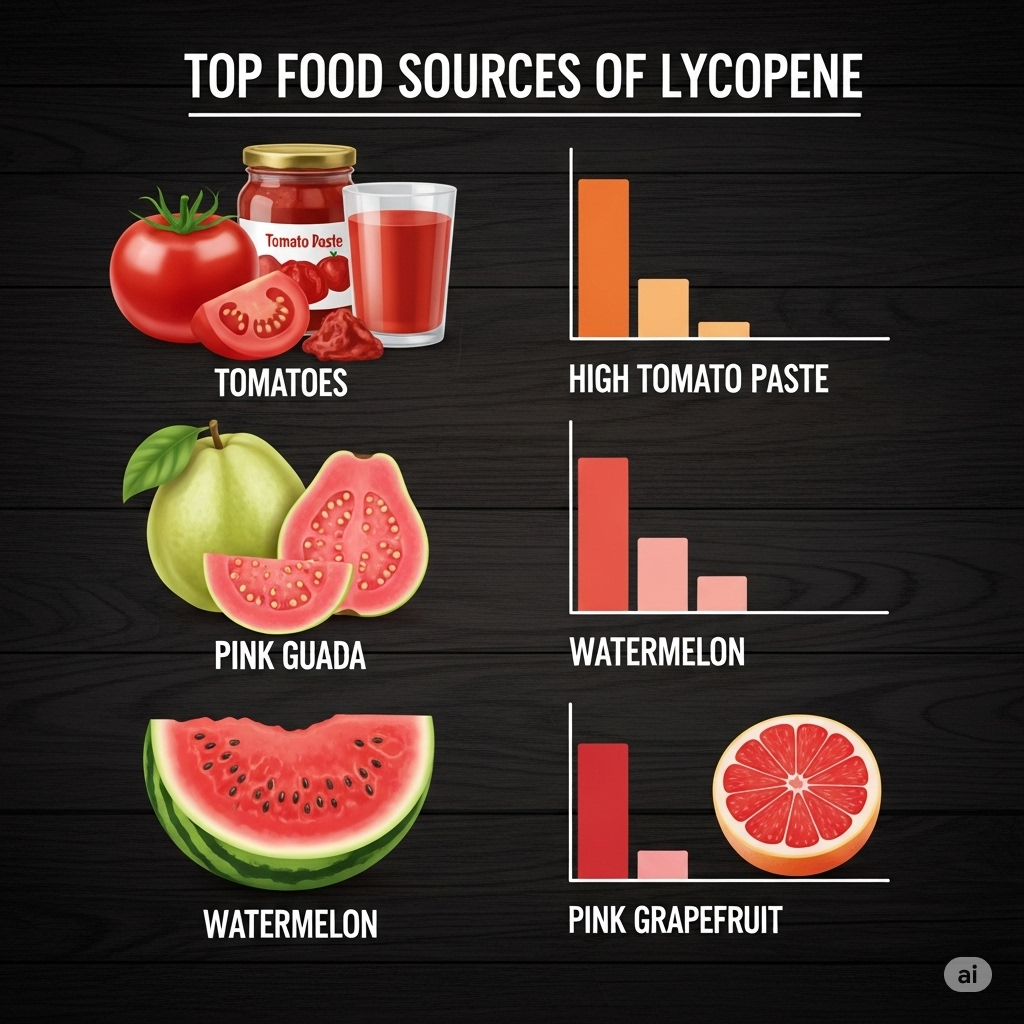
Lycopene is a naturally occurring, fat-soluble plant pigment belonging to the carotenoid family. It is the substance that gives many red and pink fruits and vegetables, such as tomatoes, watermelon, and pink grapefruit, their characteristic, intense color.
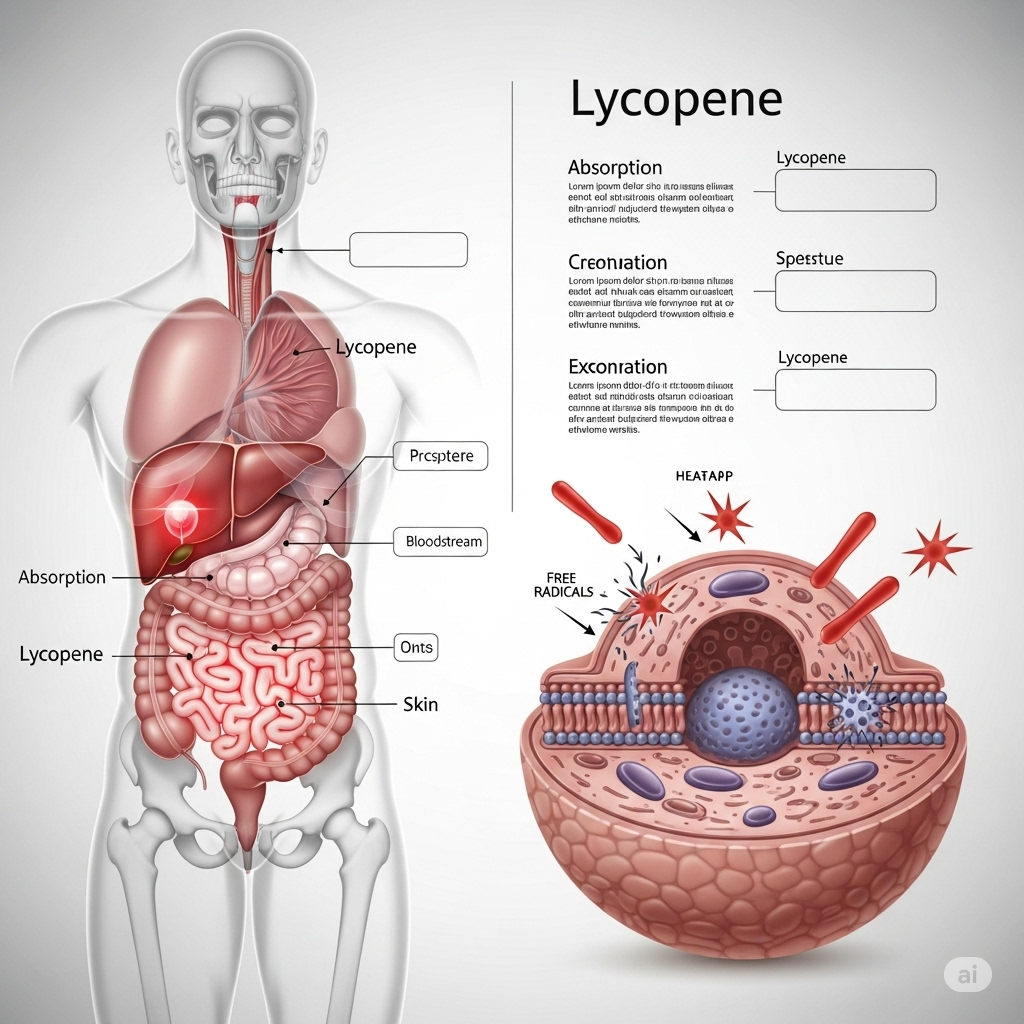
In the body, it functions as one of the most potent antioxidants known, with a unique ability to protect body cells from damage caused by free radicals [1].
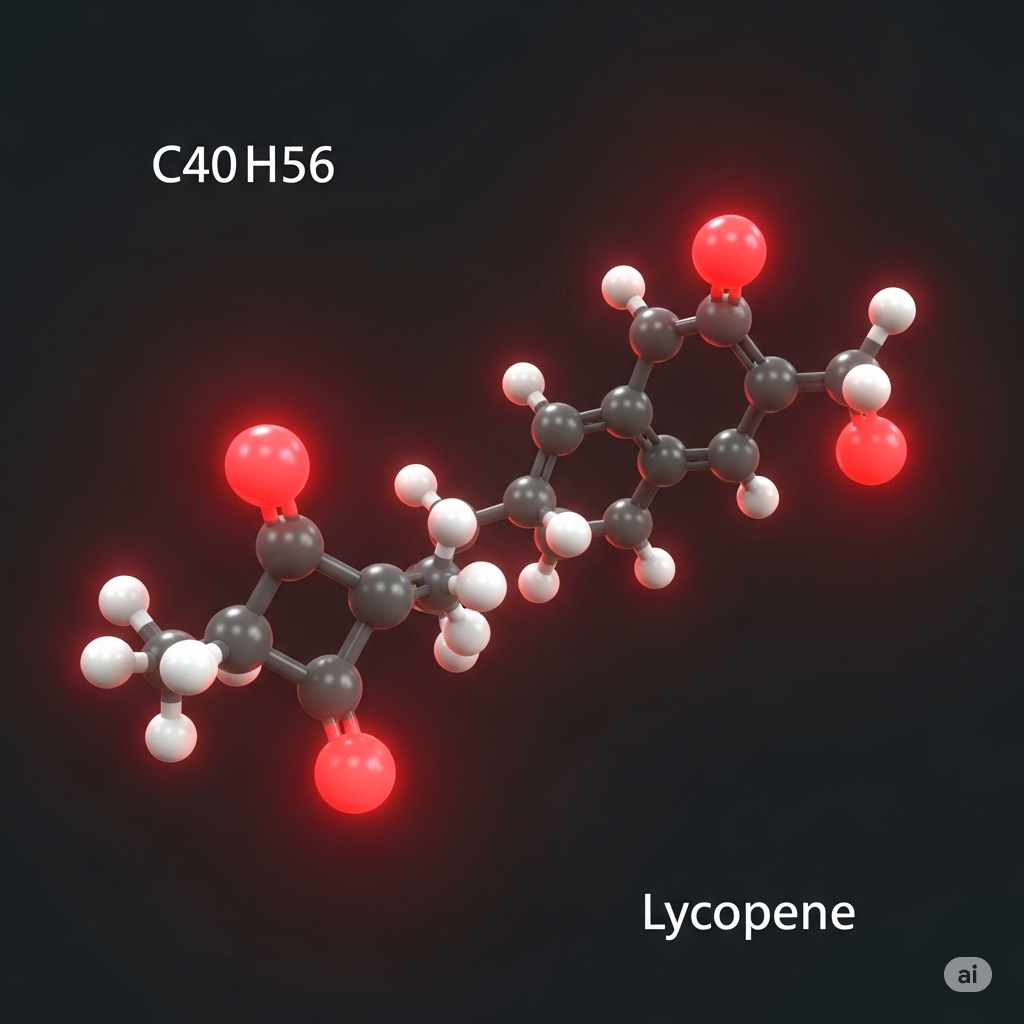
Unlike certain other carotenoids, such as beta-carotene, the human body cannot convert lycopene into vitamin A [8]. This means its health effects stem exclusively from its own unique properties, primarily as a powerful cell protector. Its molecular structure—a long chain of carbon atoms with many double bonds—is key to its exceptional ability to neutralize the most reactive forms of oxygen molecules.
History
Lycopene stems from the Greek word lykopersikon, meaning tomato. Although the substance has been a natural part of the human diet for millennia through the consumption of tomatoes, it was first isolated and named in the early 20th century.
The tomato itself has a rich history and originally hails from South America, from where it was brought to Europe by Spanish explorers in the 1500s. Initially, it was primarily considered an ornamental plant in Europe, as it was mistakenly believed to be poisonous.
It was not until the 1800s that tomatoes truly became a part of cooking in the Mediterranean region, especially in Italy. It is precisely the observation of the low incidence of certain types of cancer in populations with a high intake of tomato-based products that, in modern times, has led to intense scientific interest in lycopene and its health-promoting potential. This interest truly gained momentum in the late 20th century, when researchers began systematically investigating the connection between lycopene and a reduced risk of chronic diseases.
Mechanisms of action
Lycopene’s action in the body is complex and multifaceted, reaching far beyond a simple antioxidant effect. It intervenes in several fundamental biological processes at the cellular level, making it a particularly interesting substance in connection with supplementary cancer treatment [6, 7].
Exceptional antioxidant effect
The primary and most well-known mechanism of action is lycopene’s function as an exceptionally potent antioxidant [1]. Its unique chemical structure allows it to neutralize a particularly aggressive type of free radical called singlet oxygen with an efficiency up to twice as high as beta-carotene and ten times higher than vitamin E. By deactivating these harmful molecules, lycopene protects vital cell structures such as cell membranes, proteins, and genetic material (DNA) from oxidative stress, which is a central driver in the development of cancer.
Strengthening of cell communication
A healthy body depends on cells being able to communicate with each other. This communication often takes place through small channels between cells called “gap junctions.” Cancer cells often have a reduced or completely absent ability to communicate via this path, which contributes to isolating them and promoting uncontrolled growth.
Research has shown that lycopene can upregulate the production of the proteins (connexins) that form these channels, thereby helping to restore healthy cell-to-cell communication and counteract the isolation of cancer cells [7].
Regulation of cell growth and cell death
Lycopene can directly influence the life cycle of cancer cells. Studies in vitro (in test tubes/petri dishes) have shown that lycopene can stop cancer cells in their growth phase, a process known as cell cycle arrest [7]. This prevents the cells from dividing and multiplying further.
Additionally, lycopene can promote apoptosis, which is the body’s natural mechanism for programmed cell death [4, 6]. By activating the signals that tell a damaged or malignant cell to destroy itself, lycopene helps remove potentially dangerous cells from the body.
Inhibition of blood vessel formation
For a tumor to grow larger than a few millimeters, it depends on being able to form new blood vessels to supply it with oxygen and nutrients. This process is called angiogenesis.
Lycopene has been shown to inhibit this process by downregulating the production of growth factors like VEGF (Vascular Endothelial Growth Factor), which is a key signal for the formation of new blood vessels [2, 5, 6]. Without an adequate blood supply, tumor growth will be slowed.
Potential in cancer
Lycopene’s potential is broad, and the substance has shown particular promise in connection with several specific types of cancer, both in prevention and as a supportive element during treatment [6].
Prostatate cancer
This is the area where lycopene is most thoroughly investigated. Numerous large observational studies have shown a clear link between a high intake of lycopene, especially from processed tomato products, and a significantly lower risk of developing prostate cancer [2].
For men who have already received a diagnosis, intervention studies have shown that a daily lycopene supplement can slow disease progression. Specifically, slower increases in PSA (Prostate Specific Antigen) levels and, in certain cases, less tumor growth have been observed in men who took lycopene supplements prior to surgery.
Breast cancer
Preclinical studies suggest that lycopene may also have an important role regarding breast cancer. It has been shown to inhibit the growth of breast cancer cells in vitro, especially in estrogen-sensitive cancer types [5, 7]. The effect is believed to occur, among other things, by interfering with the signaling pathways that estrogen uses to stimulate cell growth.
Lung– og Gastrointestinal cancer
High intake of lycopene-rich foods has been associated in population studies with a lower risk of both lung and stomach cancer [6]. Its strong antioxidant effect is particularly relevant in the lungs, which are constantly exposed to oxidative stress from inhaled air. In the digestive system, lycopene can protect the mucous membranes from damage that can lead to cell changes.
Synergy and protection during conventional treatment
One of the most exciting potentials of lycopene is its ability to work together with certain forms of chemotherapy. Studies have shown that lycopene can increase the effectiveness of chemotherapeutics such as doxorubicin and cisplatin [3, 5].
At the same time, lycopene can provide a protective effect on the body’s healthy cells. For example, it can reduce the damage that chemotherapy and radiotherapy can cause to the kidneys, liver, and heart, without appearing to protect the cancer cells.
Advantages of Lycopene

Besides its direct relevance in a cancer context, lycopene has a number of other positive effects on the body’s general health [1].
Heart and blood vessels
Lycopene contributes to a healthy cardiovascular system by preventing the oxidation of LDL cholesterol. When LDL cholesterol oxidizes, it is a crucial factor in the development of atherosclerosis. By protecting cholesterol from this damage, lycopene helps keep blood vessels healthy, elastic, and free of plaque formation, which can reduce the risk of blood clots.
Protection of the skin
Lycopene is known for its ability to protect the skin from within. It accumulates in the skin layers, where it functions as an internal sun filter, providing protection against harmful UV rays from the sun. Regular intake of lycopene can reduce redness and cell damage after sunbathing and contributes to preserving the skin’s elasticity and youthfulness.
Eye health
Like other carotenoids, lycopene plays a role in eye health. It accumulates in the retina of the eye, where it helps protect against oxidative stress that can lead to age-related eye diseases such as cataracts and AMD (Age-Related Macular Degeneration).
Disadvantages and limitations
While lycopene is an extremely beneficial substance, there are certain practical aspects and limitations one should be aware of.
Absorption and bioavailability
Lycopene is fat-soluble, which means the body can only absorb it effectively when it is consumed along with a little fat. Additionally, lycopene is bound within the structure of plant cells in raw fruits and vegetables.
Heat treatment (approx. 88 degrees for 1/2 hour), such as in the production of tomato puree, sauce, or juice, breaks down cell walls and changes the chemical form of the lycopene, making it significantly easier for the body to absorb [8]. Therefore, lycopene from processed tomato products is often far more potent than from fresh tomatoes.
Lycopenodermia
With very high and long-term intake of lycopene, either from diet or supplements, one may experience a condition called lycopenodermia. This is a harmless and fully reversible condition where the skin takes on a yellowish or orange hue, especially in the palms and on the soles of the feet. It is due to an accumulation of the pigment in the skin and disappears once the intake is reduced.
Clinical studies
Research into lycopene ranges widely from large epidemiological studies to smaller, targeted intervention studies in humans.
Observational studies
The strongest evidence for lycopene’s preventive effect on prostate cancer comes from large, long-term observational studies like “The Health Professionals Follow-Up Study.” Here, tens of thousands of men were followed over many years, and a clear statistical connection was found between a high intake of tomato products and a lower risk of developing the disease [2]. Similar, though less unambiguous, connections have been seen for other types of cancer.
Intervention studies
In intervention studies, lycopene supplements have been given to humans to measure a specific effect. Several smaller studies have shown promising results in men with prostate cancer, where supplementation led to slower disease progression and reduced oxidative damage to cells. Another focus area for intervention studies has been lycopene’s ability to reduce side effects from conventional treatment, where results point to a protective effect on healthy tissue [3].
Safety

Lycopene is considered a very safe substance with extremely low toxicity, especially when obtained from regular foods.
General safety
No upper limit has been established for lycopene intake, and even at very high doses from dietary supplements, the only known side effect is the harmless skin discoloration, lycopenodermia. The substance is thus generally well-tolerated by most people.
Interactions
Although rare, one should be aware of potential interactions. Due to a possible mild blood-thinning effect, caution should be exercised if taking anticoagulant medication such as Warfarin. It is always a good idea to inform your practitioner before starting a new dietary supplement, especially when in active treatment for a serious disease.
Dispensing and application

Lycopene can be consumed both through the diet and as dietary supplements in various forms.
- Softgels and capsules: This is the most common form of lycopene supplement. Since the substance is fat-soluble, it is often encapsulated in an oil (e.g., soy or olive oil) to ensure optimal absorption in the intestine.
- Tablets: Lycopene is also available in tablet form. Here, it is advantageous to consume the tablet in connection with a meal containing a little fat to aid absorption.
- Powder: While less widespread, lycopene can be found as a powder that can be mixed into, for example, smoothies, juice, or yogurt.
- Liquid forms: In some cases, lycopene can be found as an oil-based, liquid extract that can be dosed with a pipette.
- Natural sources: The best and most effective source is heat-treated tomato products such as tomato puree, sauce, ketchup, and tomato soup, as heating releases the lycopene and makes it easier to absorb. Other good sources include watermelon, pink grapefruit, blood orange, and guava.
Heating tomatoes

To release the beneficial substances in tomatoes that can potentially counteract cancer, it is most effective to heat them. Research shows that controlled heating significantly increases the body’s ability to absorb the powerful antioxidant lycopene. A temperature of around 88°C for up to 30 minutes appears to be an optimal compromise between releasing lycopene and avoiding its subsequent degradation [8].
Why heating
When tomatoes are heated, two important things happen:
- Cell walls are broken down: Heat destroys the tough cell walls of the tomato, making the lycopene molecule physically more accessible to the body.
- Chemical conversion (isomerization): Heat can convert some of the lycopene from its natural ‘trans’ form to various ‘cis’ forms. These cis-isomers are easier for the body to absorb in the intestine.
This increased availability is called improved bioavailability. Studies have shown that the amount of absorbable lycopene can be up to four times higher in processed and heated tomato products such as tomato sauce and puree compared to fresh tomatoes [8].
Optimal temperature and time
The challenge with heating is finding the right balance. While moderate heat is beneficial, excessively high heat and long cooking times can lead to the lycopene being destroyed (degraded) and losing its effect.
- Ideal temperature: Research points out that heating tomato puree at 88°C for 30 minutes resulted in the highest amount of available lycopene [8].
- Avoid excessive heat: Studies show that at 100°C, significant degradation of lycopene begins after prolonged heating (approx. 50% degraded after 60 minutes). At temperatures around 150°C, this degradation occurs in under 10 minutes. Particularly methods like deep-frying at high heat have proven very harmful to lycopene content.
- Shorter time at higher heat: One study found that even brief heating (15–30 minutes) in an oven was effective at releasing lycopene.
Add fat for better absorption
Lycopene is fat-soluble. This means the body needs fat to effectively absorb the substance from the intestine. By preparing tomatoes with a bit of healthy fat, such as a good olive oil, one can maximize the absorption of the released lycopene. The combination of heated tomatoes and oil is therefore ideal.
Conclusion
Lycopene is one of nature’s most impressive and well-studied nutrients, with a powerful and versatile effect in the body [6]. Its exceptional ability as an antioxidant makes it a fundamental protector of body cells against the oxidative stress that contributes to the development of cancer and other chronic diseases [1].
The potential as a supportive element, especially in prostate cancer, is significant [2], and its ability to work in synergy with conventional treatments and protect healthy cells makes it an extremely valuable supplement [3, 5].
With its high safety profile and numerous additional benefits for the heart, skin, and eyes, lycopene appears as a solid and positive choice for those wishing to strengthen the body’s natural defenses and general state of health.
Back to Supplements
Links
[1] Lycopen – karotenoiden i kamp mod inflammationen (Sund Forskning, 2022)
- Content: An article explaining how lycopene, as an antioxidant found in tomatoes, helps fight inflammation, a key factor in many diseases including heart disease, diabetes, and cancer.
[2] Tomater mod prostatakræft (Kontinensforeningen, 2013)
- Content: A report on laboratory experiments suggesting lycopene can prevent prostate cancer from spreading by disrupting the tumor’s ability to create a blood supply.
[3] Lycopene: a promising adjuvant to photodynamic therapy in oral cancer (PubMed, 2025)
- Content: A study showing that lycopene can enhance photodynamic therapy for oral cancer by reducing tumor growth, promoting cell death, and increasing the body’s antioxidant capacity.
[4] Terpenes: natural compounds found in plants as potential senotherapeutics targeting senescent mesenchymal stromal cells and promoting apoptosis (PubMed, 2025)
- Content: Research investigating how terpenes, including lycopene, can induce apoptosis in aging (senescent) cells by increasing oxidative stress.
[5] Unleashing the potential of Genistein and its derivatives as effective therapeutic agents for breast cancer treatment (PubMed, 2025)
- Content: A study indicating that lycopene can help fight breast cancer by modulating growth and survival pathways, potentially increasing the effect of chemotherapy.
[6] Incredible use of plant-derived bioactives as anticancer agents (PubMed, 2025)
- Content: A review of plant-derived bioactives like lycopene as potential anticancer agents that can influence growth pathways, promote apoptosis, and prevent angiogenesis.
[7] Phytochemicals in Breast Cancer Prevention and Treatment: A Comprehensive Review (PubMed, 2025)
- Content: A comprehensive review supporting lycopene as a potential part of future treatments for breast cancer by affecting growth pathways and inducing cell cycle arrest and apoptosis.
[8] Lycopene: A Critical Review of Digestion, Absorption, Metabolism, and Excretion (PubMed, 2021)
- Content: A critical review of how lycopene is digested, absorbed, and metabolized, including the impact of genetic factors and fat-based dietary factors.
Page created: June 24, 2025. Last revised: April 30, 2026.
❤
What you read on Jeg har Kræft is not a recommendation. Seek competent guidance.
