


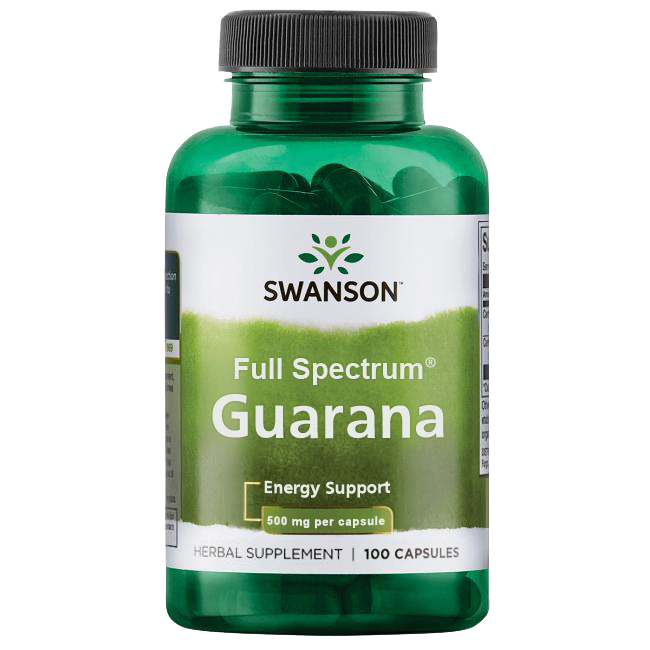
Guarana and cancer
Summary of guarana
Effect:
- Guarana is a plant that contains caffeine, theobromine, and antioxidants. it primarily acts as a stimulant that increases energy and mental alertness by blocking fatigue-inducing substances in the brain. Simultaneously, its antioxidants protect the body’s cells from damage.
Potential in cancer:
- Laboratory studies have shown that guarana can inhibit the growth of cancer cells and cause them to die [6, 7]. Clinically, its most documented effect is alleviating the debilitating fatigue many experience during chemo- and radiation therapy, which can significantly improve quality of life [1, 4].
Main limitation:
- The primary limitation is that cancer-inhibiting effects have not yet been confirmed in large human studies. Furthermore, the high caffeine content can cause side effects such as insomnia and palpitations and interact with certain types of medication.
Recap:
- Guarana is a promising supplement that can especially help combat the debilitating fatigue accompanying cancer treatment. While test-tube research suggests direct cancer-fighting properties, more research is awaited before its full potential can be established.
What is guarana
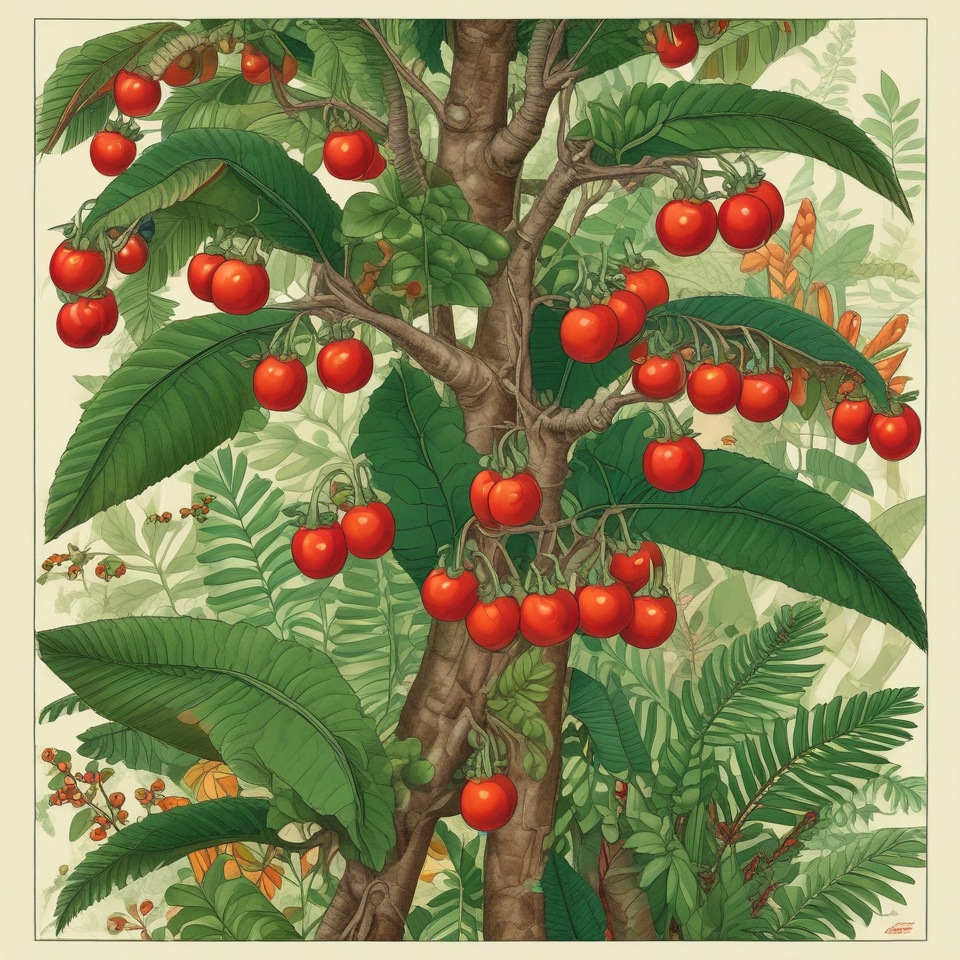
Guarana (Paullinia cupana) is a climbing plant originating from the Amazon rainforest in Brazil. The plant is especially known for its fruits, which contain seeds with a remarkably high concentration of active substances. When the fruit is ripe, it opens to reveal a black seed surrounded by white pulp, giving it a characteristic appearance resembling an eye.
It is primarily the seeds that are used. They are dried, roasted, and ground into a fine powder. This powder forms the basis for the guarana extracts and supplements used today. Guarana is rich in a group of alkaloids called methylxanthines, which include caffeine, theobromine, and theophylline. In fact, guarana seeds contain between 2% and 8% caffeine, which is up to four times more than coffee beans.
In addition to these stimulants, guarana also contains a wealth of other bioactive components, including tannins, saponins, and a range of polyphenols such as catechins, epicatechins, and procyanidins. This complex composition is believed to create a synergistic effect where the different substances work together to enhance each other’s impact.
History
Guarana has a long and rich history, especially among the indigenous people of the Amazon, such as the Sateré-Mawé tribe, who considered the plant sacred. For centuries, they have used guarana as a tonic for energy and endurance, particularly during long hunting trips, where it helped them suppress hunger and fight fatigue.
Traditionally, the crushed seeds were mixed with water to make a paste, which was then rolled into logs and dried. This paste could subsequently be grated and dissolved in hot or cold water to make a drink. Beyond the stimulating effect, guarana was also used in traditional medicine to treat various ailments, including headaches, fever, and diarrhea. It was only in the 20th century that guarana became commercially widespread, primarily as a key ingredient in popular Brazilian soft drinks and later in global energy drinks.
Mechanisms of action
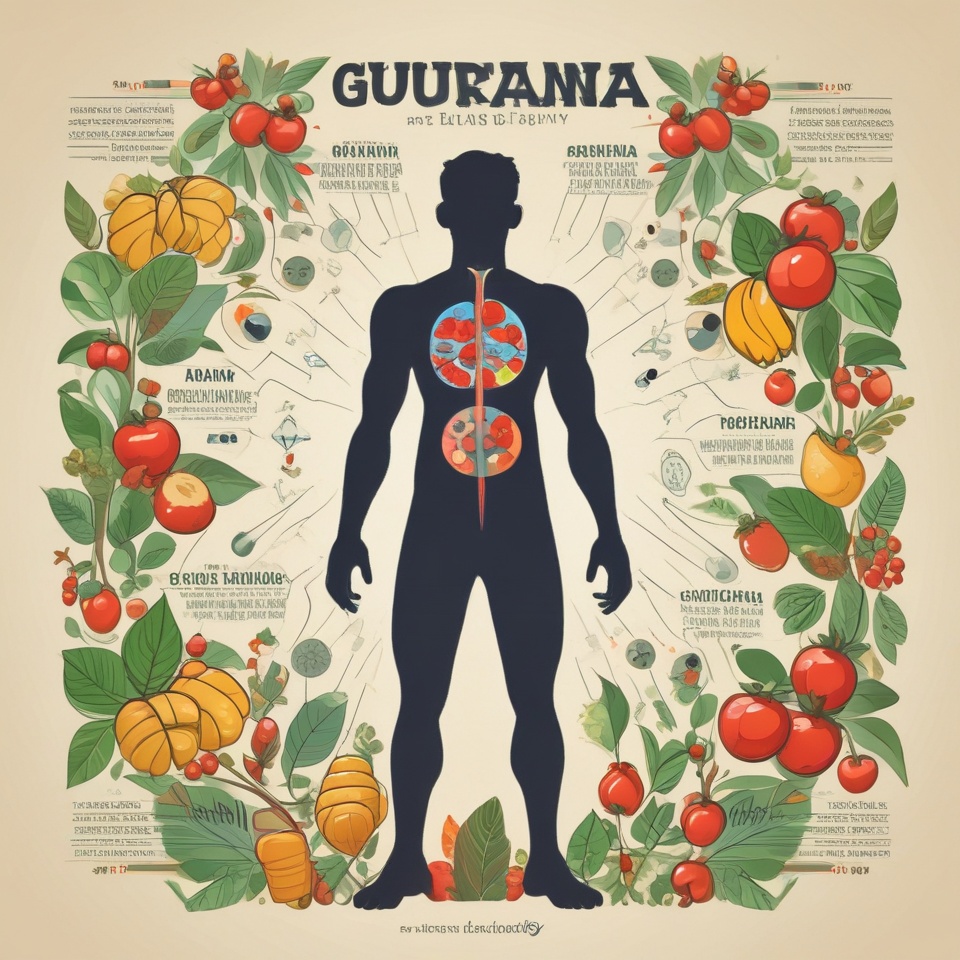
Guarana’s effects on the body are complex and due to the interplay between its many active substances. The most well-studied components are the methylxanthines, but polyphenols and saponins also play a crucial role in its health potential.
The role of methylxanthines
The dominant mechanism of action comes from caffeine. Caffeine primarily works by blocking adenosine receptors in the central nervous system. Adenosine is a neurotransmitter that promotes relaxation and sleepiness. By blocking adenosine’s effect, caffeine increases alertness and reduces fatigue.
This also leads to an increased release of other neurotransmitters such as dopamine and norepinephrine, which can improve mood, reaction time, and cognitive function. Tannins in guarana are believed to cause the caffeine to be released more slowly in the body, providing a more even and long-lasting energy boost compared to the rapid effect of coffee.
Antioxidant and anti-inflammatory activity
Guarana is a powerful source of antioxidants, especially due to its high content of polyphenols like catechins and proanthocyanidins [3, 5]. These substances are capable of neutralizing free radicals—unstable molecules that can cause cell damage (oxidative stress) by damaging DNA, proteins, and cell membranes. Chronic oxidative stress is a contributing factor to the development of many chronic diseases, including cancer.
Multiple studies have shown that guarana’s antioxidant capacity is significant [3]. By protecting cells from oxidative damage, guarana could theoretically help prevent the mutations that lead to cancer. Furthermore, these polyphenols have anti-inflammatory properties, inhibiting inflammatory signaling pathways such as NF-κB, which regulates immune responses to infection and inflammation [5].
See more about signaling pathways here: Block cancer signaling pathways
Impact on cellular signaling pathways
Recent research, primarily in vitro (in test tubes/petri dishes), has shown that guarana can affect specific signaling pathways crucial for cancer cell survival and growth.
Inhibition of the AKT/mTOR pathway
One of the most interesting mechanisms is guarana’s ability to inhibit the AKT/mTOR pathway [7]. This pathway is often overactive in many cancers and acts as a central regulator for cell growth and survival. By blocking proteins like AKT and mTOR, guarana can prevent cancer cells from dividing uncontrollably.
Modulation of the MAPK pathway
The MAPK (Mitogen-Activated Protein Kinase) pathway is another important route regulating cell proliferation and apoptosis (programmed cell death). Research indicates that guarana can modulate this pathway, potentially disrupting the mechanisms cancer cells rely on to grow and spread [7].
Potential in cancer
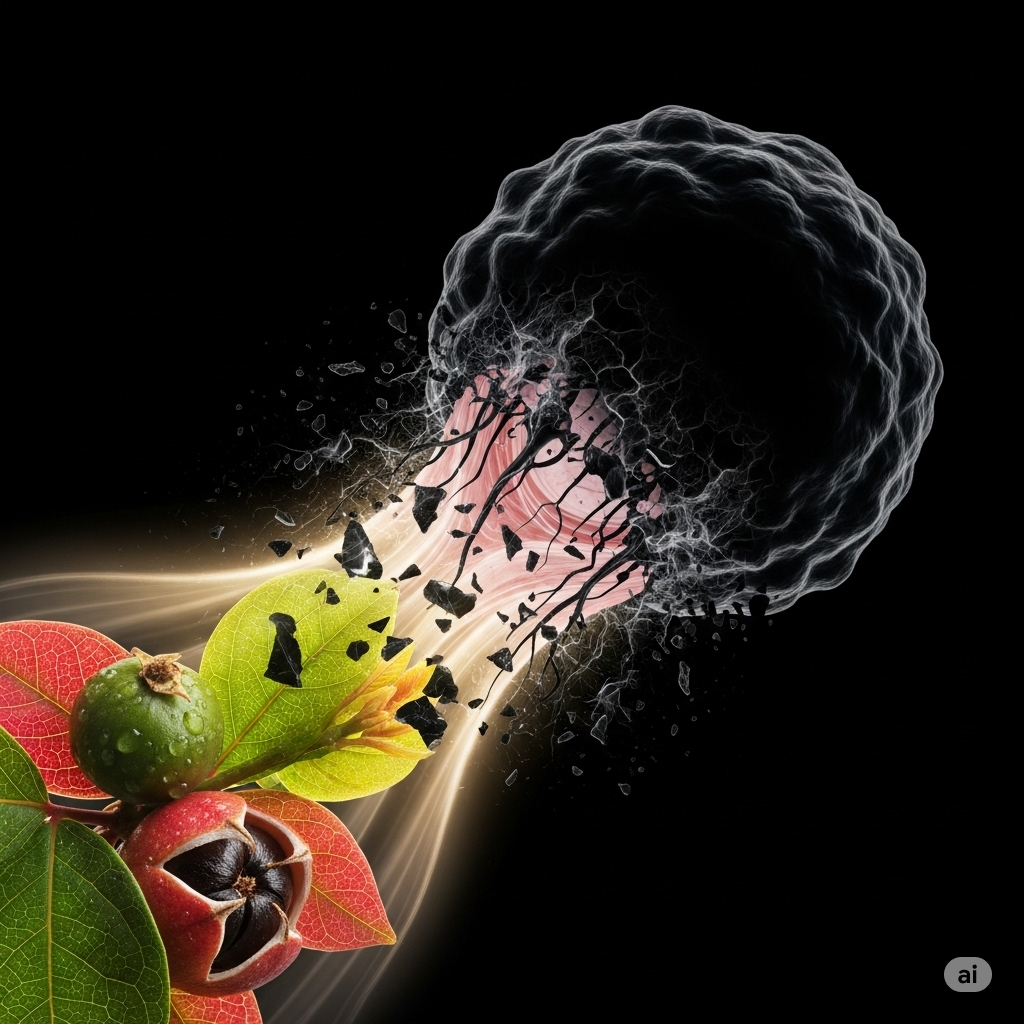
Guarana’s potential as a supplementary agent in cancer treatment is multifaceted and supported by a growing amount of preclinical research [6].
Induction of apoptosis and inhibition of proliferation
One of the most promising properties of guarana is its ability to induce apoptosis—programmed cell death. Cancer cells are characterized by their ability to evade apoptosis. In vitro studies have shown that guarana extract can cause cancer cells to undergo apoptosis by affecting the balance of proteins in the Bcl-2 family [5, 6]. At the same time, guarana inhibits the proliferation of cancer cells, markedly reducing cell growth in breast and lung cancer models [6, 7].
Anti-metastatic and anti-angiogenic properties
Metastasis, the spread of cancer cells, is the primary cause of death in cancer patients. Preliminary studies suggest that guarana may have anti-metastatic properties, reducing the formation of lung metastases in melanoma models.
Angiogenesis is the process where tumors form new blood vessels to secure oxygen and nutrients. Guarana’s anti-inflammatory and signaling pathway-modulating properties suggest it may have the potential to inhibit this process, potentially “starving” the tumor [3].
Alleviating cancer-related fatigue
One of the most well-documented and clinically relevant uses of guarana is for the relief of cancer-related fatigue (CRF). A meta-analysis concluded that guarana provides a significant improvement in CRF compared to placebo [1, 4]. The stimulating effect of caffeine, combined with other bioactive substances, is believed to improve energy levels and mental clarity without the sharp fluctuations often associated with pure caffeine.
Advantages of guarana
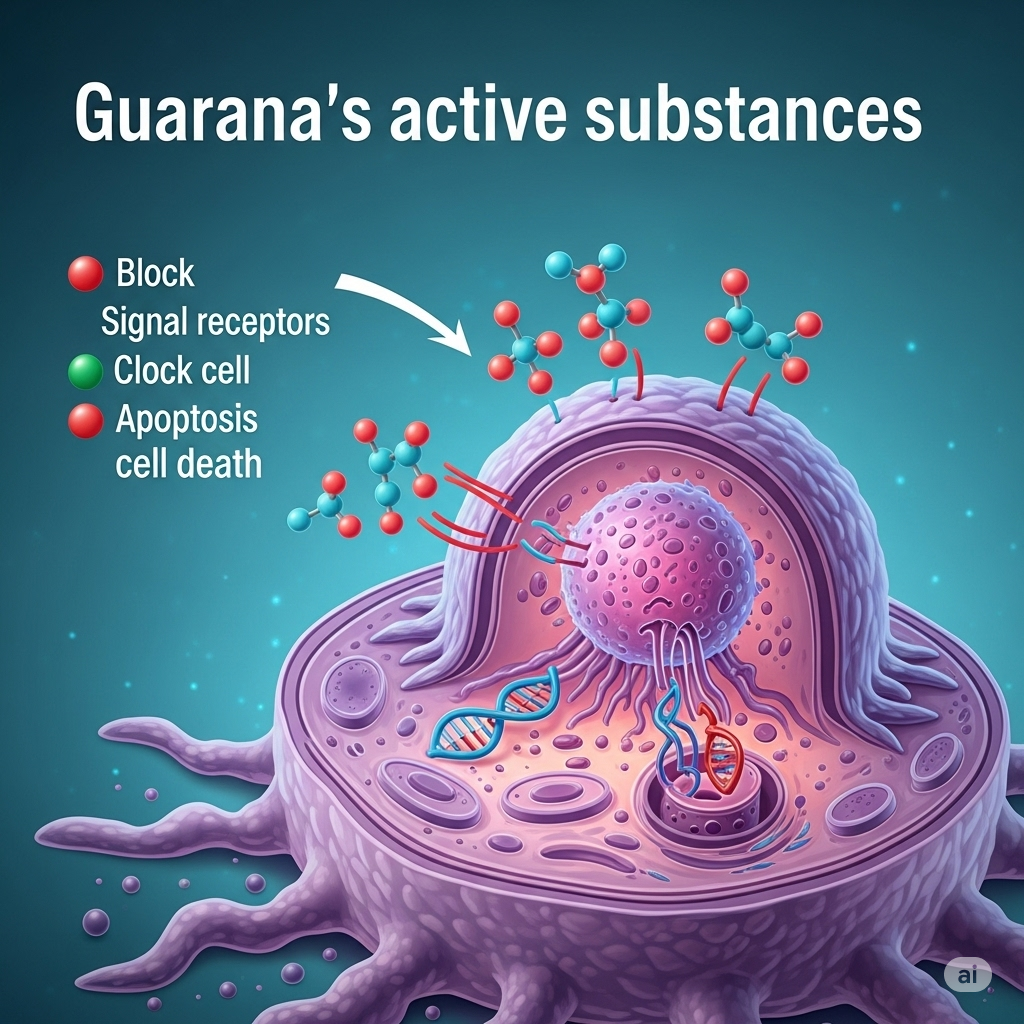
Beyond direct cancer-related potential, guarana offers general health benefits beneficial for those undergoing cancer treatment.
Improved cognitive function and mental clarity
“Chemobrain,” a condition involving cognitive challenges like memory loss and lack of concentration, is a known side effect of chemotherapy. Guarana’s caffeine and bioactive compounds have been shown to improve cognitive functions such as memory and attention.
Support for weight control and metabolism
Unwanted weight changes can be a challenge during treatment. Research suggests guarana can influence metabolism, increasing calorie burn and promoting fat breakdown. It may also help prevent certain metabolic disturbances like insulin resistance.
Protection of healthy cells
Guarana’s powerful antioxidant properties help protect healthy cells from damage resulting from both the cancer itself and conventional treatments like chemo- and radiotherapy [3, 5]. By strengthening the body’s own antioxidant defense, guarana can potentially reduce some of this damage.
Disadvantages and limitations
While guarana shows great potential, there are important limitations. Most research on its cancer-inhibiting properties has been conducted in vitro or in animal models [6, 7]. Although promising, these results cannot be directly applied to humans without large, well-controlled clinical trials.
Furthermore, guarana can interact with certain medications. The stimulant effect can enhance other stimulants, and its potential mild blood-thinning effect may pose a risk when combined with anticoagulant medication.
Elaboration on medication interactions
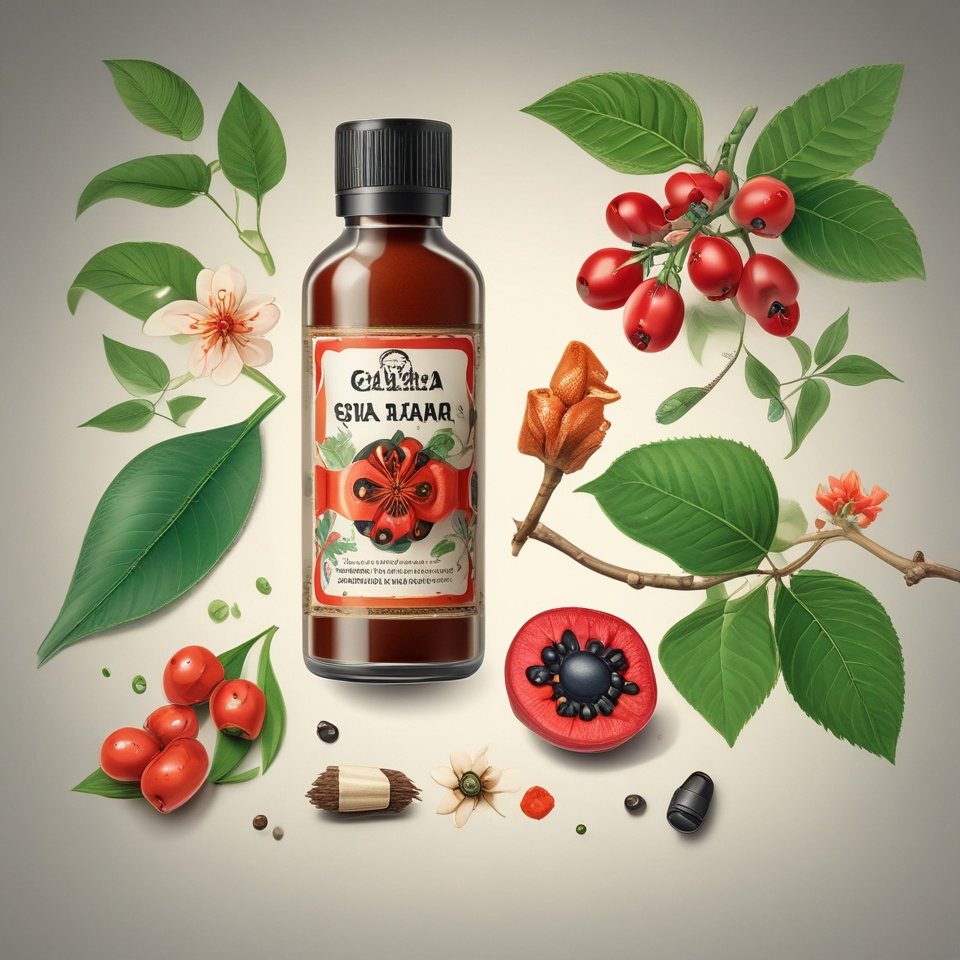
Guarana’s high caffeine content means it can affect how certain drugs work in the body.
Interaction with stimulants
Guarana’s energizing effect primarily comes from caffeine. When combined with other stimulant medications, the overall effect can become too powerful, leading to palpitations, high blood pressure, nervousness, and insomnia. Examples include:
- ADHD medication: Drugs like methylphenidate (Ritalin) and amphetamines (Adderall).
- Cold and asthma remedies: Drugs containing ephedrine or pseudoephedrine, and theophylline.
- Other caffeine sources: Coffee, tea, and energy drinks.
Interaction with blood thinners
Guarana may have a mild blood-thinning effect by inhibiting platelet aggregation. When combined with clinical blood thinners, it increases the risk of bleeding. Examples include:
- Anticoagulants: Warfarin (Marevan), apixaban (Eliquis), rivaroxaban (Xarelto).
- Antiplatelet drugs: Clopidogrel (Plavix), aspirin (Hjertemagnyl).
Other potential interactions
- Lithium: Caffeine can increase the body’s excretion of lithium, potentially decreasing the medication’s effect.
- Certain antidepressants (MAOIs): Combining MAOIs with high amounts of caffeine can theoretically lead to dangerous blood pressure spikes.
- Liver enzymes: Caffeine is broken down by the enzyme CYP1A2. Medications that inhibit this enzyme (like ciprofloxacin or fluvoxamine) can increase caffeine levels and side effect risks.
Clinical studies
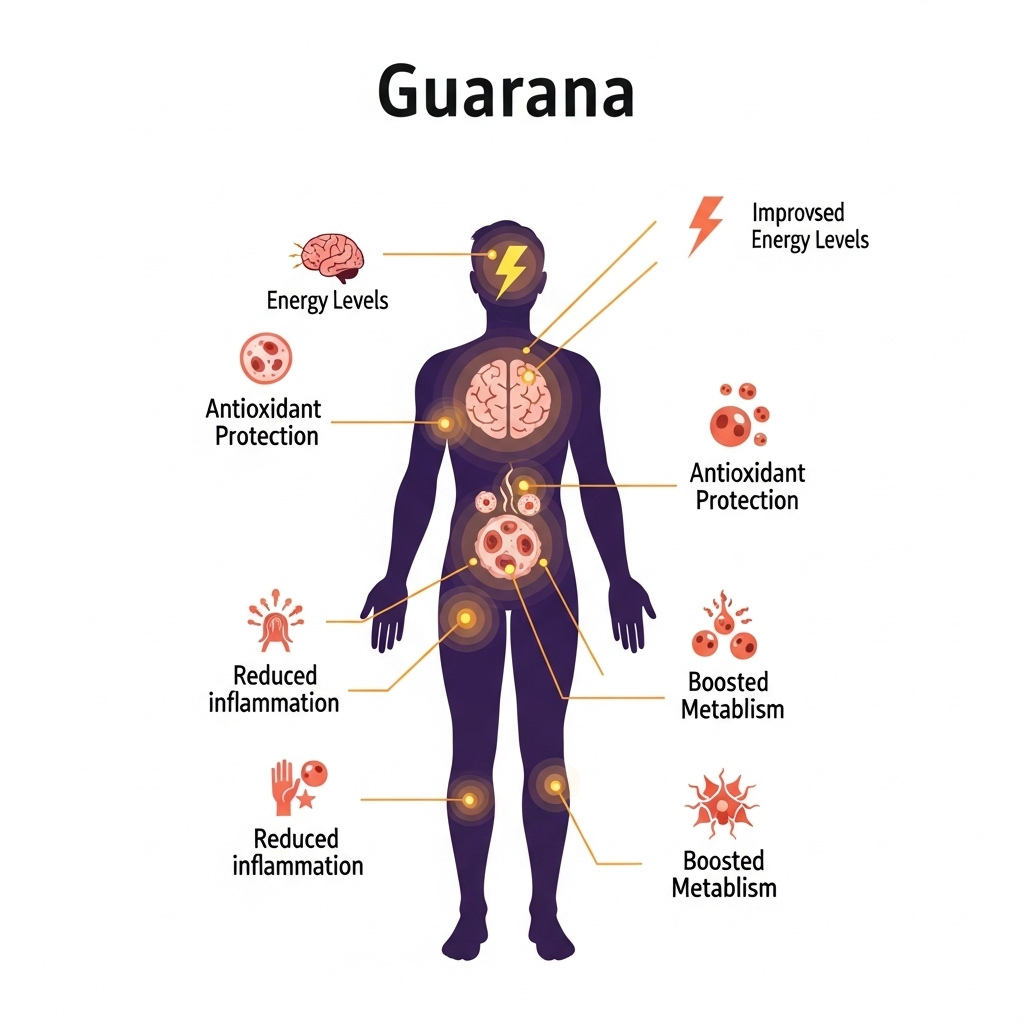
Clinical studies on guarana in a cancer context have almost exclusively focused on alleviating side effects, particularly fatigue [1, 4]. Pilot studies on breast cancer patients receiving chemotherapy showed significant improvement in fatigue scores in the group receiving guarana compared to the placebo group. Similar positive results were found in patients with various solid tumors [1].
While these results support the use of guarana against fatigue, larger and more robust clinical trials are needed to validate these findings and investigate any direct impact on the cancer itself in humans.
Safety
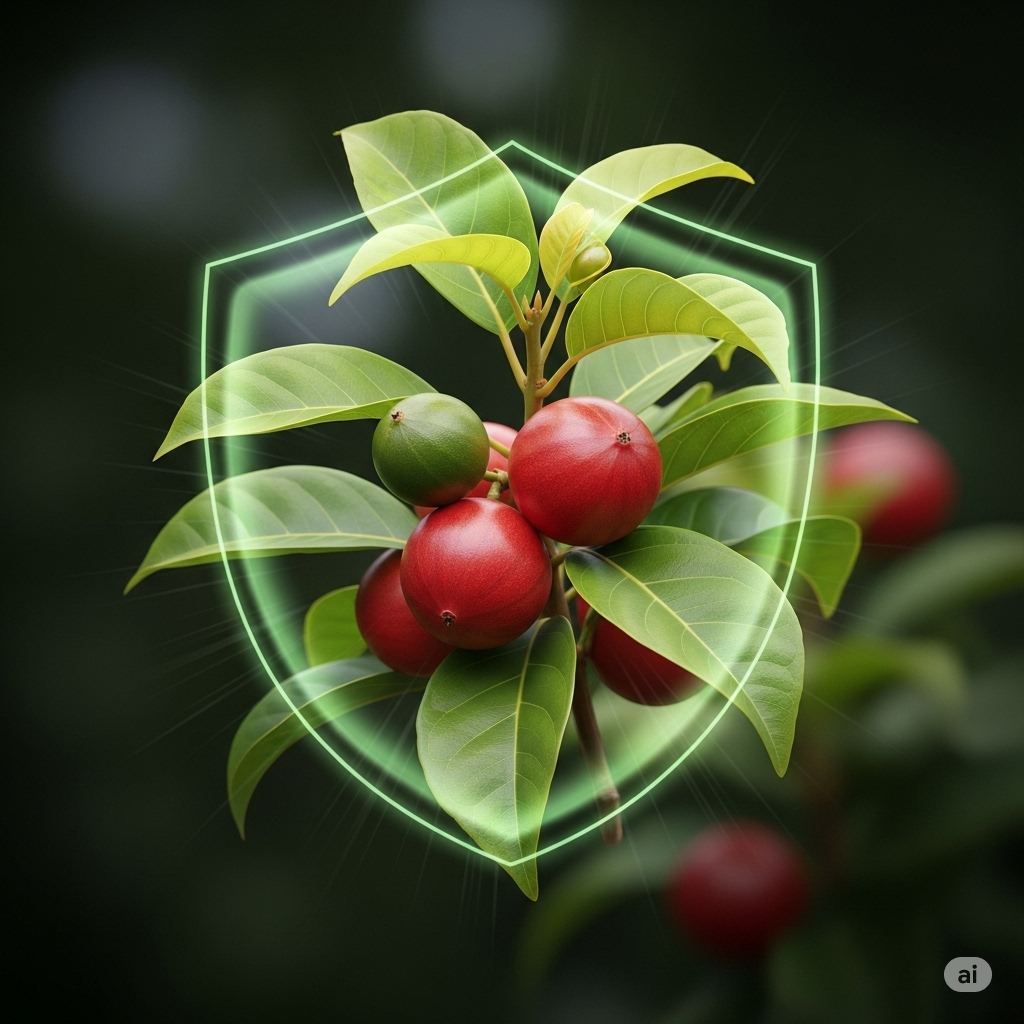
Guarana is generally considered safe in moderate amounts. Side effects are typically mild and caffeine-related, such as jitteriness or insomnia.
However, caution is required for individuals with cardiovascular disease, high blood pressure, anxiety disorders, or gastric ulcers, as the stimulant effect can exacerbate these conditions. Due to its potential effect on blood clotting, guarana should be avoided in the weeks leading up to surgery. Always inform your practitioner about your use of guarana during an active cancer journey.
Dispensing and application
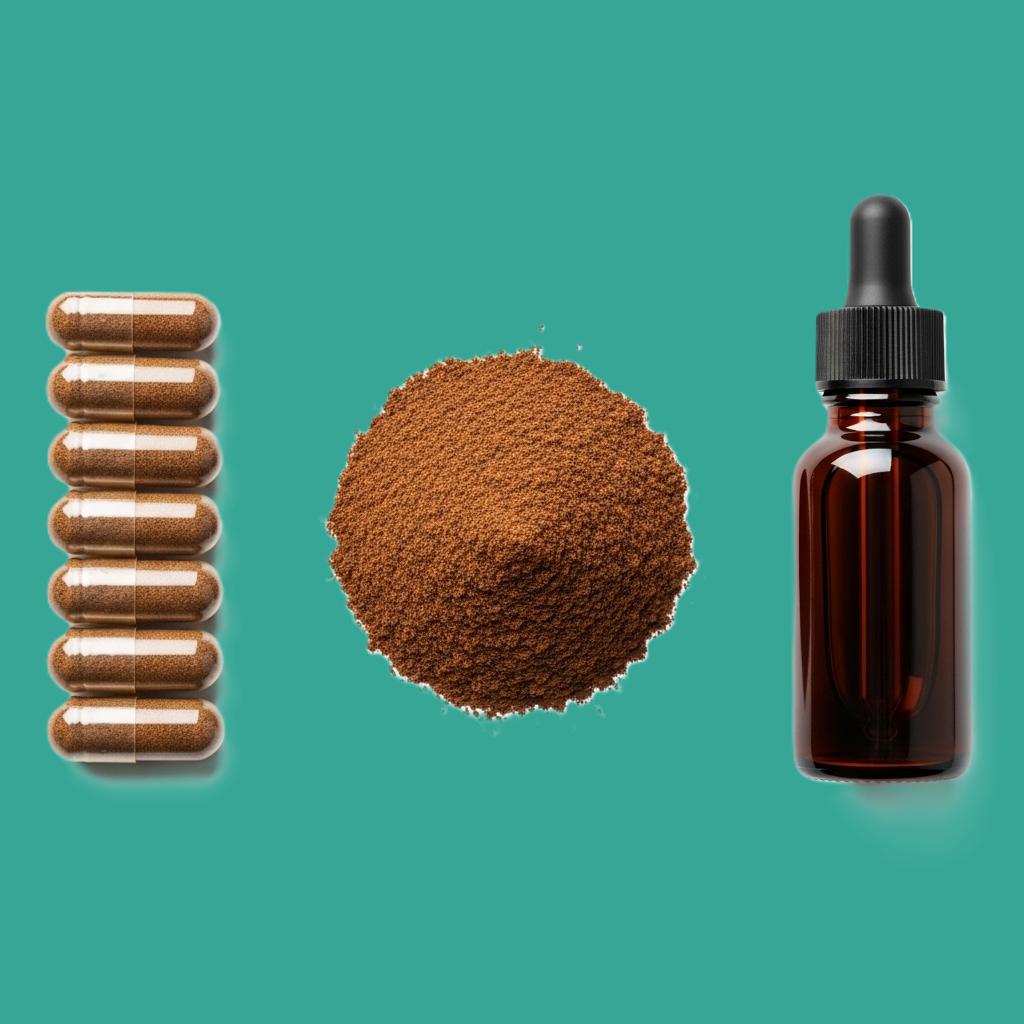
- Powder: The most traditional form. Can be mixed into water, juice, or smoothies. A typical dose is 500 mg to 1000 mg (1 gram) once or twice daily.
- Capsules/Tablets: An easy way to take a standardized dose, typically containing 200 mg to 500 mg of extract.
- Liquid extract/Tincture: Concentrated drops that can be added to liquids.
- Energy drinks/bars: Common but often high in sugar; the amount of guarana may be unclear.
It is recommended to consume guarana early in the day to avoid sleep interference.
Conclusion
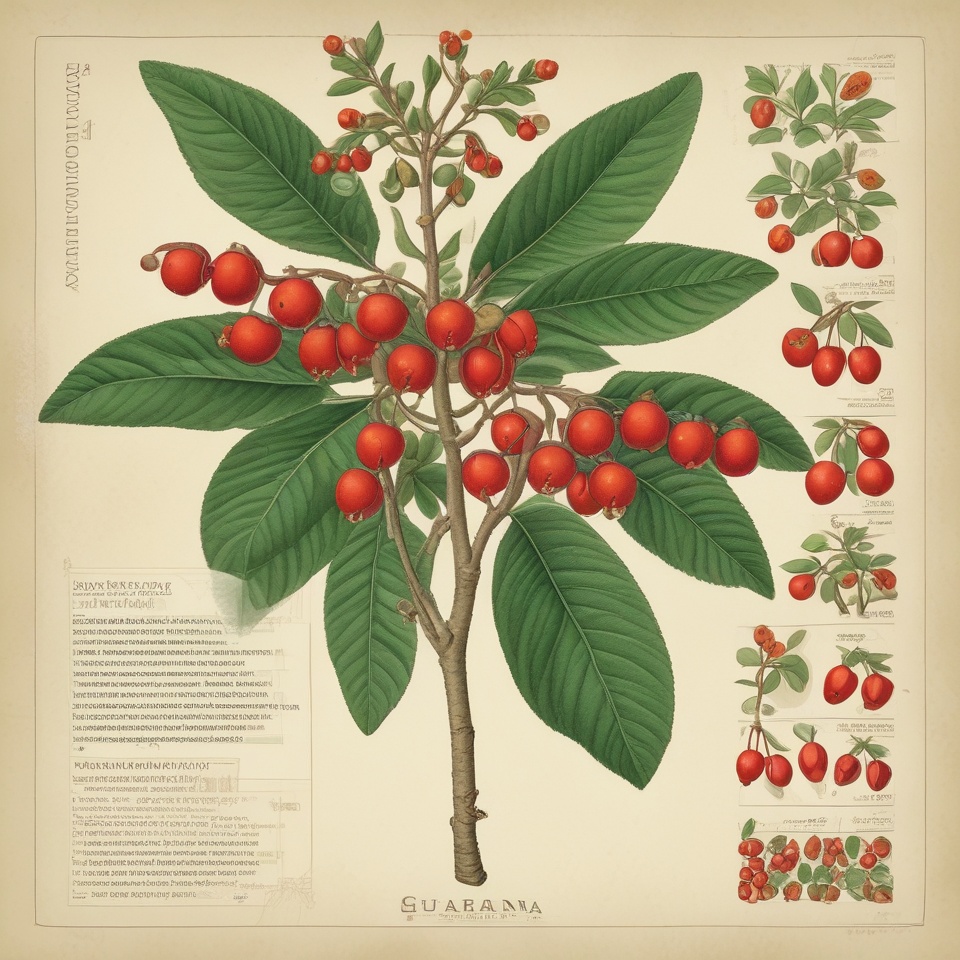
Guarana is a fascinating natural product with a complex biochemical profile. Its potential in cancer treatment is promising, especially for combating cancer-related fatigue and improving quality of life [1, 4]. Preclinical research also indicates direct cancer-inhibiting properties by inducing cell death and inhibiting central growth pathways [6, 7].
While the current clinical evidence primarily supports its use against side effects, laboratory studies point toward an as-yet-unclarified potential as a direct cancer-fighting supplement.
Back to Dietary supplements
Links
[1] Natural supplementation to effectively treat cancer-induced fatigue: evidence of a meta-analysis on the use of guaraná (PubMed, 2024)
- Content: A meta-analysis supporting the use of guarana to treat cancer-related fatigue, though calling for larger randomized controlled trials.
[2] Deciphering Steroidal and Aporphine Alkaloids as Antileukemic Agents by Approaches of Molecular Networking and Metabolomics (PubMed, 2025)
- Content: Research suggesting that fruits like guarana can help regulate cell growth and influence molecular biomarkers, supporting their potential as natural anticancer agents.
- Content: A study showing guarana extract has strong antioxidant and anti-angiogenic effects, reducing blood vessel formation while remaining safe for human blood cells.
[4] Should patients with acute myeloid leukemia treated with venetoclax-based regimens receive antifungal prophylaxis? (PubMed, 2023)
- Content: Reference to meta-analyses supporting guarana for cancer-related fatigue.
- Content: Research showing guarana protects against oxidative stress and DNA damage caused by specific chemotherapy agents like methotrexate.
[6] Antiproliferative effects and main molecular mechanisms of Brazilian native fruits and their by-products on lung cancer (PubMed, 2022)
- Content: Study showing that guarana can contribute to lung cancer treatment by promoting apoptosis and reducing tumor growth.
[7] Signaling pathways and the potential anticarcinogenic effect of native Brazilian fruits on breast cancer (PubMed, 2022)
- Content: Research highlighting that guarana can help fight breast cancer by inhibiting cancer cell survival pathways and regulating the growth cycle.
Page created: Jun 28, 2025. Last revised: Apr 28, 2026.
❤
What you read on Jeg har Kræft is not a recommendation. Seek competent guidance.
