


Treatments
Block cancer’s growth pathways

Cancer signaling pathways (pathways)
Content:
- Summary (scroll down)
- Review of signaling pathways (scroll down)
- Overview of agents that block the individual signaling pathways (scroll to)
- Links (scroll to)
Summary about cancer signaling pathways

The basic principle – cancer’s broken switches:
Cancer cells survive and grow by abusing the body’s normal internal communication systems, the so-called signaling pathways. You can imagine that the cancer cell’s built-in accelerators for growth are stuck, while its safety brakes are broken.
The strategy – targeting the weak points:
This section provides an overview of substances – both repurposed drugs and dietary supplements – being investigated for their ability to repair or block these failed signals. An effective strategy is usually to combine several substances so that the cancer cell is attacked from multiple angles at once.
Purpose and warning:
The purpose is to provide knowledge and inspiration for a conversation with a qualified practitioner.
The overviews are a tool for dialogue and must never be considered a guide for self-treatment.
What is a signaling pathway
Cancer cells are not just cells that divide uncontrollably; they are also masters at “short-circuiting” or “hijacking” the body’s normal internal communication systems. This communication happens via a complex network of “signaling pathways” that act as on/off switches for virtually all functions in a cell, including growth, survival, and metabolism.
Why signaling pathways are important
In a healthy body, these signaling pathways are tightly regulated. In a cancer cell, they are often locked in a permanently “on” or “off” state, which drives the disease. Understanding these pathways is key to understanding many modern, targeted treatment strategies – both conventional and supplementary (complementary). When the overviews mention that a substance “inhibits mTOR” or “affects NF-kB”, it is these signaling pathways being referred to.
Central signaling pathways
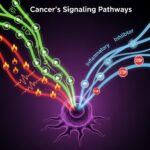
Below are the most central signaling pathways you will encounter in the overviews, with an ultra-short description of their primary role in cancer. (This is elaborated further down in the text).
- PI3K/Akt/mTOR: A fundamental “accelerator” for cell growth and survival.
- MAPK/ERK: Another fundamental growth and division “engine”, often activated by mutations.
- Wnt/β-catenin: A primary “divide” signaling pathway, crucial for cell division and stem cells.
- Hedgehog: A “fetal program” that, when incorrectly reactivated, drives uncontrolled growth.
- Notch: A “stop maturation” signal that cancer stem cells abuse to remain aggressive.
- NF-κB: The central “alarm button” that starts and maintains the inflammation in which cancer can thrive.
- STAT3: The “translator” that converts inflammation signals into messages about cell growth.
- TGF-β: A “double agent” that can initially inhibit cancer, but later promote spread.
- AMPK: The cell’s “emergency brake” and energy sensor that actively counteracts growth.
- Hippo-YAP: The body’s “building inspector” that must stop cell division when an organ is the right size.
- VEGF: The primary “order form” that tumors use to get new blood vessels built.
Review of the individual signaling pathways
Overall review of the individual signaling pathways:
1. Primary growth and survival pathways (accelerators)
1.1 PI3K/Akt signaling pathway

One can think of the PI3K/Akt signaling pathway as one of the most powerful accelerators for cell growth. In normal cells, an effective brake (a “tumor-suppressor gene” called PTEN) ensures that the accelerator is only activated when necessary.
In many cancers, this brake is broken, so the accelerator is stuck to the floor and gives a constant signal for growth, often via the mTOR signaling pathway.
Inhibiting PI3K/Akt is therefore one of the most important goals in modern cancer treatment.
1.2 MAPK/ERK signaling pathway
This is another of the body’s absolutely central growth “engines”. It is a chain reaction of proteins (RAS -> RAF -> MEK -> ERK) that sends a signal from the cell’s surface into the nucleus that it must grow and divide.
In many cancers (e.g., melanoma and bowel cancer), one of the “cogwheels” in this chain (e.g., BRAF or KRAS) is mutated, so the engine runs in top gear all the time.
Targeted medicine like BRAF inhibitors is designed to block this specific chain reaction.
2. Reactivated developmental pathways (fetal programs)
2.1 Wnt/β-catenin signaling pathway
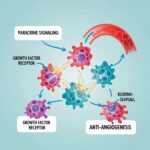
This is a fundamental signaling pathway that is crucial for cell division, especially in stem cells and in the intestinal mucosa. One can think of it as a “copier” that in healthy cells is turned off most of the time.
In many cancers, especially bowel cancer, the “copy button” is locked to the floor, giving the cell a constant signal to make copies of itself.
Inhibiting this pathway is a strategy to stop uncontrolled cell division.
2.2 Hedgehog signaling pathway

This is one of the body’s most fundamental developmental signaling pathways. One can think of it as a kind of “fetal program” that is absolutely crucial when a fetus is developing and organs must be formed correctly. In a healthy adult body, this signaling pathway is turned off in most tissues, as the “construction work” is finished.
The problem arises when cancer cells find a way to reactivate this old fetal program. When the Hedgehog signaling pathway is turned on in an adult cell, it gives it primitive and aggressive characteristics. The cell begins to behave like a fetal cell again with the ability for rapid, uncontrolled growth and to form its own supporting tissue (stroma).
This hijacking of the signaling pathway is especially seen in certain cancers like basal cell carcinoma (a type of skin cancer) and medulloblastoma (a type of brain tumor). Strategies that inhibit the Hedgehog signaling pathway aim to turn off the “wrong” signal and force the cancer cells to stop their primitive growth.
2.3 Notch signaling pathway

This is a fundamental signaling pathway for direct cell-to-cell communication, which is crucial for determining a cell’s fate – especially whether it should remain an immature stem cell or develop (differentiate) into a specialized, normal cell. One can think of it as the cell’s “stop maturation” signal.
In many cancers, especially in the aggressive cancer stem cells, the Notch signaling pathway is “hijacked” and kept constantly active. This prevents the cancer stem cells from maturing and dying as they should. Instead, they are locked in an eternally “young”, self-renewing, and aggressive state, which is one of the primary causes of resistance to treatment and relapse of the disease.
Inhibiting the Notch signaling pathway is therefore a strategy aimed at forcing the cancer stem cells to mature and thus lose their immortal properties. Several dietary supplements (like Curcumin, EGCG, and Resveratrol) are being investigated for their ability to dampen this signaling pathway.
undersøges for deres evne til at dæmpe denne signalvej.
3. Inflammation and immune interaction (smokescreen and betrayal)
3.1 NF-κB signaling pathway
This is the body’s primary “alarm and inflammation system”. In a healthy body, NF-kB is briefly activated to fight an infection or injury. In many cancers, the NF-kB signal has been “hijacked” and is chronically turned on.
This creates a persistent, low-grade (mild) inflammation in and around the tumor, which acts as a growth promoter for the cancer cells, helping them to grow, survive, and form new blood vessels.
Many anti-inflammatory dietary supplements (like Curcumin and Boswellia) work primarily by dampening this signaling pathway.
3.2 STAT3 signaling pathway

STAT3 acts as a “translator” or “middleman” inside the cell. It receives signals from the outside – especially from inflammatory signaling molecules (cytokines) – and translates them into messages inside the cell nucleus to survive, divide, and resist attacks.
In many cancers, STAT3 is overactive and thus helps the cancer cell utilize inflammation to its own advantage.
Inhibiting STAT3 is a way to cut this harmful communication line.
3.3 TGF-β signaling pathway

This signaling pathway is one of the most complex and has a kind of “Dr. Jekyll & Mr. Hyde” dual role in the body. In normal cells and in early stages of cancer, TGF-β (Transforming Growth Factor-beta) acts as a brake. It sends out signals that inhibit cell growth and prevent uncontrolled division, and it helps keep tissue in balance.
In later and more aggressive cancer stages, a “short circuit” often occurs. The cancer cells become resistant to TGF-β’s brake signal. Instead, they begin to abuse the signaling pathway to their own advantage. The same signaling pathway that used to be a brake now becomes a powerful accelerator for metastasis (spread). It helps the cancer cells invade new tissue and create an environment that suppresses the immune system.
Targeting this signaling pathway is therefore an advanced strategy. The goal is not always just to block it, but to try to restore its original brake function or specifically to block its ability to promote spread. This is an active area of research in the fight against metastases.
4. The tissue’s control systems (brakes and sensors)
4.1 AMPK signaling pathway

Where most other signaling pathways act as accelerators, the AMPK signaling pathway is the body’s emergency brake and energy sensor. It is activated when the cell is running out of energy (low ATP level).
When AMPK is turned on, it does two things: it turns off energy-demanding processes like cell growth (partly by inhibiting mTOR), and it turns on processes that create energy.
Drugs like Metformin and dietary supplements like Berberine work largely by activating this “emergency brake”, which creates a metabolic crisis in cancer cells.
4.2 Hippo-YAP signaling pathway

This signaling pathway acts as the body’s “building inspector” and is crucial for controlling an organ’s size via a fundamental mechanism called “contact inhibition”. In a healthy tissue where cells are packed tightly, the Hippo signaling pathway is “turned on”. It constantly sends a “STOP!” signal to a protein called YAP, which therefore stays dormant and does not start cell division.
Many cancer cells are masters at turning off this “building inspector”. When the Hippo signaling pathway is turned off, YAP never receives the stop signal. Instead, it becomes overactive, enters the cell nucleus, and turns on a wide range of genes that promote aggressive cell division and survival. The cell has thus lost its ability to sense that there is no more room, and it continues to divide uncontrollably.
This signaling pathway is particularly important in pleural cancer (mesothelioma), but it is also overactive in many other cancers, such as liver and bowel cancer. Finding ways to reactivate the Hippo brake or directly catch the overactive YAP is a very active area of research to restore the cells’ normal stop mechanism.
5. Specific functions (the order form for new blood vessels)
5.1 VEGF signaling pathway

This signaling pathway is the body’s primary system for forming new blood vessels – a process called angiogenesis. One can think of the signaling molecule VEGF (Vascular Endothelial Growth Factor) as an “order form”. In a healthy body, it is used, for example, to order new blood vessels in a wound that needs to heal. When the wound is healed, the orders stop.
Cancer tumors need a constant supply of oxygen and nutrients to be able to grow. Therefore, they “hijack” this mechanism and begin to mass-produce and send out VEGF “order forms”. This tricks the body into building a permanent network of new, often chaotic, blood vessels directly into the tumor, giving it all the fuel it needs to grow aggressively.
An “anti-angiogenesis” strategy is therefore about blocking this process. By inhibiting the VEGF signaling pathway, the tumor is prevented from sending out its “order forms”. Without new blood vessels, the tumor cannot grow large, and it becomes “starved” of oxygen and nutrients.
Comment:
There is a close relationship between the VEGF signaling pathway and Angiogenesis, which is described under Energy pathways. The difference is:
- VEGF signaling pathway: is the order itself or the “order form” that the cancer cell sends out. It is an information pathway.
- Angiogenesis: is the actual process of building the new blood vessels as a result of the order. It is a physical energy/supply pathway. See also Block the cancer’s energy pathways
See also Block the cancer’s energy pathways
Conclusion
Understanding these complex signaling pathways has revolutionized cancer treatment. Instead of only seeing cancer as a disease that must be killed with broad-spectrum chemotherapy, one can increasingly see it as a system with a series of “short-circuited” on/off switches.
The metabolic strategies described here and on the other pages under the topic: Metabolic approaches – block signaling pathways, aim to target and normalize exactly these signaling pathways.
Since cancer cells are often good at finding detours, a combination of substances that target several different signaling pathways simultaneously is often the most promising approach.
This knowledge serves as a foundation for a qualified dialogue with a practitioner about possible supplementary strategies.
Warning

This is in no way a call for self-treatment. Experimenting with treatment on your own, without professional guidance, can be ineffective and potentially dangerous.
Content:
- Short summary (scroll to)
- Review of signaling pathways (scroll to)
- Overview of agents that block the individual signaling pathways (scroll down)
- Links (scroll to)
Strategies grouped by signaling pathway
This overview groups the substances according to which signaling pathway they primarily affect. Within each group, the substances are listed in an indicative order, where:
The most well-documented, potent, or centrally acting substances are mentioned first.
This is done to provide a quick overview of the most recognized substances for each signaling pathway, but the ranking is not absolute, as many substances act in several ways. And new research results are constantly emerging.
1.1 PI3K/Akt signaling pathway (the growth accelerator)
This is a fundamental signaling pathway for cell growth and survival. It is the “boss” of mTOR.
- Metformin (via AMPK activation and indirect mTOR inhibition)
- Curcumin (direct inhibition of PI3K/Akt)
- Berberine (via AMPK activation and other mechanisms)
- Turkey Tail (via inhibition of Akt phosphorylation)
- EGCG (Green tea) (direct inhibition of PI3K/Akt)
- Quercetin (direct inhibition of PI3K/Akt)
- Resveratrol (via SIRT1 activation)
- Vitamin D (can modulate the signaling pathway)
- Apigenin (direct inhibition of PI3K/Akt)
- Sulforaphane (via HDAC inhibition)
- N-acetyl-cysteine (NAC) (can protect the PTEN “brake”)
- Probiotics (via gut metabolites)
- DIM / I3C (induces PTEN, the signaling pathway’s “brake”)
- Statins (indirect effect via the Mevalonate pathway)
- Black Walnut (Juglone) (induces cell death via effect on Akt)
- Modified Citrus Pectin (MCP) (indirectly via Galectin-3)
See also overview of links with description of relevance: Links (scroll to)
1.2 MAPK/ERK signaling pathway (another growth engine)
Another fundamental growth and division pathway, often activated by known mutations like KRAS and BRAF.
- Statins (especially for KRAS mutations, as RAS requires anchoring via the Mevalonate pathway)
- Curcumin (modulates several enzymes in lipid metabolism)
- EGCG (Green tea) (is a known FASN inhibitor)
- Sulforaphane (inhibits several links in the chain reaction)
- Metformin (indirect effect via AMPK)
- Turkey Tail (can modulate the signaling pathway)
- Quercetin (inhibits several links in the chain reaction)
- Resveratrol (inhibits several links in the chain reaction)
- Apigenin (inhibits several links in the chain reaction)
- Selenium (as a co-factor for enzymes affecting the signaling pathway)
- Black Walnut (Juglone) (induces stress in the signaling pathway)
See also overview of links with description of relevance: Links (scroll to)
2.1 Wnt/β-catenin signaling pathway (the primary “divide” signal)
This signaling pathway is especially crucial for cell division and stem cell function.
- Ivermectin (inhibits the signaling pathway)
- Berberine (inhibits the signaling pathway)
- Curcumin (inhibits the signaling pathway)
- Vitamin D (is a well-described inhibitor)
- Modified Citrus Pectin (MCP) (Galectin-3 interacts with Wnt)
- Quercetin (inhibits the signaling pathway)
- Resveratrol (inhibits the signaling pathway)
- Apigenin (inhibits the signaling pathway)
- DIM / I3C (inhibits the signaling pathway)
- Turkey Tail (via its active substances PSK/PSP)
See also overview of links with description of relevance: Links (scroll to)
2.2 Hedgehog signaling pathway (the fetal program that is incorrectly reactivated)
This is a signaling pathway that is crucial during fetal development but must be turned off in adults. When cancer cells reactivate it, it gives them primitive, stem cell-like, and aggressive characteristics.
- Vitamin D (can modulate the signaling pathway)
- Statins (inhibits cholesterol synthesis, which is essential for the signaling pathway’s function)
- Hydroxychloroquine (disrupts the signaling pathway, especially via autophagy inhibition)
- Artemisinin (inhibits the central protein GLI1 preclinically)
- Curcumin (inhibits the central protein GLI1 preclinically)
- EGCG (Green tea) (inhibits the central protein GLI1 preclinically)
- Resveratrol (inhibits the signaling pathway preclinically)
- Metformin (can dampen the signaling pathway via AMPK)
- Benzimidazoles (show inhibitory effect preclinically)
- Ivermectin (indirect effect, including via Wnt interaction)
- Sulforaphane (inhibits the signaling pathway preclinically)
- Boswellia (inhibits the signaling pathway preclinically)
- Berberine (inhibits the signaling pathway preclinically)
- Quercetin (inhibits the signaling pathway preclinically)
- Black Walnut (Juglone) (inhibits the central protein GLI1 preclinically)
- Apigenin (inhibits the signaling pathway preclinically)
See also overview of links with description of relevance: Links (scroll to)
2.3 Notch signaling pathway (the cell’s stop maturation signal)
This is a signaling pathway that prevents immature stem cells from developing into normal, specialized cells. Cancer stem cells hijack it to preserve their eternal, aggressive, and resistant potential.
- Aspirin (can modulate the signaling pathway)
- Curcumin (potent inhibitor of Notch1 and its target genes)
- EGCG (Green tea) (blocks several parts of the signaling pathway)
- Resveratrol (inhibits the signaling pathway and targets stem cells)
- Sulforaphane (a well-known inhibitor of Notch in cancer stem cells)
- Artemisinin (can inhibit the signaling pathway preclinically)
- Melatonin (is a well-known modulator of Notch)
- Berberine (inhibits the signaling pathway in several cancer types)
- Metformin (can inhibit the signaling pathway via AMPK)
- Doxycycline (shows effect against Notch in stem cells)
- Hydroxychloroquine (synergy via autophagy inhibition)
- Statins (can modulate Notch signaling)
- Boswellia (can inhibit the signaling pathway)
- Quercetin (inhibits the signaling pathway)
- Apigenin (inhibits the signaling pathway preclinically)
- DIM / I3C (inhibits the signaling pathway preclinically)
- Omega-3 (Fish oil) (can modulate the signaling pathway)
- Black Walnut (Juglone) (inhibits the signaling pathway)
- Ginger (the active substance 6-shogaol inhibits the signaling pathway)
See also overview of links with description of relevance: Links (scroll to)
3.1 NF-κB signaling pathway (the central alarm button for inflammation)
This is the primary signaling pathway for inflammation, which is often chronically active in cancer.
- Curcumin (very potent direct inhibitor of NF-kB)
- Boswellia (very potent inhibitor of 5-LOX, which is closely linked to NF-kB)
- Aspirin (via COX inhibition)
- Omega-3 (Fish oil) (forms anti-inflammatory resolvins)
- Ginger (via COX and 5-LOX inhibition)
- Vitamin D (potent inhibitor)
- Probiotics (very potent, via butyrate production)
- Cat’s Claw (direct inhibitor of NF-kB)
- Turkey Tail (via immune modulation)
- N-acetyl-cysteine (NAC) (modulates redox status)
- EGCG (Green tea) (direct inhibitor of NF-kB)
- Resveratrol (direct inhibitor of NF-kB)
- Quercetin (direct inhibitor of NF-kB)
- Apigenin (direct inhibitor of NF-kB)
- Low-dose Naltrexone (LDN) (indirectly via immune modulation)
- Desloratadine (anti-histamine effect)
- DIM / I3C (direct inhibitor of NF-kB)
- Dipyridamole (via adenosine signaling)
- Black Walnut (Juglone) (direct inhibitor of NF-kB)
- Modified Citrus Pectin (MCP) (indirectly via Galectin-3)
- Pau D’Arco (direct inhibitor of NF-kB)
See also overview of links with description of relevance: Links (scroll to)
3.2 STAT3 signaling pathway (the translator from inflammation to growth)
This pathway translates signals from inflammation into messages about cell growth and survival.
- Curcumin (direct inhibitor of STAT3 phosphorylation)
- Vitamin D (can inhibit STAT3 signaling)
- Boswellia (indirectly via anti-inflammatory effect)
- Milk Thistle (Silymarin) (direct inhibitor of STAT3)
- Turkey Tail (can inhibit STAT3 activation)
- Apigenin (direct inhibitor of STAT3)
- Berberine (direct inhibitor of STAT3)
- Quercetin (direct inhibitor of STAT3)
- DIM / I3C (direct inhibitor of STAT3)
See also overview of links with description of relevance: Links (scroll to)
3.3 TGF-β signaling pathway (the dr. Jekyll & mr. Hyde signaling pathway)
This is a “double agent” that in early stages of cancer can act as a brake, but which in later, aggressive stages is hijacked by the cancer cells to promote invasion, spread (metastasis), and suppression of the immune system.
- Curcumin (potent inhibitor of TGF-β-induced spread)
- Resveratrol (inhibits the signaling pathway and counteracts metastasis)
- EGCG (Green tea) (inhibits the signaling pathway)
- Berberine (inhibits the signaling pathway)
- Boswellia (inhibits the signaling pathway)
- Turkey Tail (counteracts the immunosuppressive effect)
- Omega-3 (Fish oil) (dampens the pro-fibrotic effect)
- Metformin (can dampen the signaling pathway)
- Aspirin (can modulate the signaling pathway)
- Propranolol (can modulate the signaling pathway)
- Melatonin (counteracts the metastasis-promoting effect)
- Vitamin D (modulates and can inhibit the signaling pathway)
- Quercetin (inhibits the signaling pathway)
- Apigenin (inhibits the signaling pathway)
- Milk Thistle (Silymarin) (inhibits the signaling pathway)
- Sulforaphane (inhibits the signaling pathway)
- Probiotics (gut metabolites can modulate TGF-β)
- Ginger (anti-inflammatory effect affects TGF-β)
- Astragalus (modulates the signaling pathway)
- Statins (can modulate the signaling pathway)
- Low-dose Naltrexone (LDN) (indirectly via immune modulation)
- Benzimidazoles (show inhibitory effect preclinically)
- Black Walnut (Juglone) (inhibits the signaling pathway preclinically)
See also overview of links with description of relevance: Links (scroll to)
4.1 AMPK signaling pathway (the cell’s emergency brake)
This is the “good” signaling pathway that you want to activate. It acts as an energy sensor that inhibits growth (incl. mTOR) when turned on. These substances activate this favorable signaling pathway.
- Metformin (very potent, via mitochondrial inhibition)
- Berberine (very potent, via mitochondrial inhibition)
- Probiotics (via production of butyrate)
- Vitamin D (can activate AMPK)
- Resveratrol (via SIRT1 activation)
- Quercetin (via several mechanisms)
- EGCG (Green tea) (direct activation)
- Alpha-lipoic acid (ALA) (improves insulin sensitivity)
- N-acetyl-cysteine (NAC) (via cellular stress response)
- Aspirin (direct activation)
See also overview of links with description of relevance: Links (scroll to)
Hippo-YAP signaling pathway (the body’s building inspector)
This signaling pathway controls organ size via “contact inhibition” (cells stop dividing when they touch each other). When cancer cells turn off the Hippo “brake”, the protein YAP becomes overactive and grows uncontrollably.
- Statins (the Mevalonate pathway is essential for YAP activity)
- Metformin (activates the Hippo pathway via AMPK)
- Artemisinin (potent inhibitor of the YAP/TAZ proteins)
- Curcumin (direct inhibitor of the YAP/TAZ proteins)
- EGCG (Green tea) (direct inhibitor of YAP/TAZ)
- Resveratrol (direct inhibitor of YAP/TAZ)
- Sulforaphane (activates the Hippo signaling pathway)
- Aspirin (can activate the LATS brake in the Hippo pathway)
- Berberine (inhibits YAP activity)
- Quercetin (inhibits YAP activity)
- Probiotics (their metabolite, butyrate, can activate the Hippo pathway)
- Hydroxychloroquine (disrupts the autophagy that YAP depends on)
- Benzimidazoles (disrupt the cytoskeleton, which is linked to the Hippo pathway)
- Melatonin (can modulate Hippo-YAP)
- Omega-3 (Fish oil) (can affect YAP activity)
- Doxycycline (can modulate YAP/TAZ)
- Apigenin (inhibits YAP activity)
- DIM / I3C (inhibits YAP activity preclinically)
See also overview of links with description of relevance: Links (scroll to)
5.1 VEGF signaling pathway (the order form for new blood vessels)
This is the primary signaling pathway that tumors hijack to send orders to the body to build new blood vessels (a process called angiogenesis) so they can be supplied with oxygen and nutrients.
- Propranolol (blocks stress signaling that drives angiogenesis)
- Metformin (inhibits VEGF signaling via AMPK)
- Statins (inhibits the Mevalonate pathway, which is necessary for vascular proteins)
- Curcumin (very potent, inhibits e.g. VEGF)
- EGCG (Green tea) (inhibits VEGF signaling)
- Omega-3 (Fish oil) (well-described anti-angiogenesis effect)
- Aspirin (anti-inflammatory effect)
- Doxycycline (inhibits MMP enzymes that are necessary for blood vessel formation)
- Vitamin D (direct anti-angiogenesis effect)
- Melatonin (inhibits HIF-1α and VEGF)
- Resveratrol (inhibits VEGF signaling)
- Quercetin (inhibits VEGF signaling)
- Boswellia (inhibits several pro-angiogenic factors)
- Apigenin (inhibits HIF-1α and VEGF)
- Milk Thistle (Silymarin) (inhibits VEGF signaling)
- DIM / I3C (inhibits HIF-1α and VEGF)
- Turkey Tail (indirectly via immune modulation)
- Modified Citrus Pectin (MCP) (indirectly via Galectin-3 inhibition)
- IP6 & Inositol (inhibits VEGF signaling)
- Dipyridamole (inhibits adenosine signaling)
- Cat’s Claw (anti-inflammatory effect)
- Black Walnut (Juglone) (cytotoxic effect on endothelial cells)
See also overview of links with description of relevance: Links (scroll to)
Concluding remark

As the overview shows, many of the most well-researched substances (e.g., Curcumin and Metformin) have a broad effect and affect several signaling pathways at once. This underlines the point of a multi-targeted approach.
The list can be used as a tool to understand how one, together with a qualified practitioner, can potentially put together a strategy that attacks the cancer’s vulnerabilities from several different angles.
See also Dietary supplements and Chemotherapy – how does it work
See also Block the cancer’s energy pathways
Links
See the section below: Links (scroll to)
Page created: June 15, 2025
❤
What you read on I have Cancer is not a recommendation. Seek competent guidance.
Metabolic strategies
Links
General
Danish research: Metabolic control should be a target in cancer treatment (Dagens Medicin, 2023) (Danish Language)
- Content: Focus on metabolism: Cancer cells alter the body’s metabolism to acquire energy. Goal of the strategy: Research seeks to manipulate metabolic processes to limit cancer cell growth. Benefits for the reader: The strategy aims to stabilize metabolism and reduce the risk of complications.
Repurposed drugs
1. Benzimidazoles (Mebendazole/ Fenbendazole)
- Link 1: Repurposing of Mebendazole as an Anticancer Agent: A Review (Research Journal of Pharmacy and Technology, 2025)
- Relevance: This is a recent review article summarizing mebendazole’s mechanisms of action, including how it stops cell division, prevents blood vessel formation (angiogenesis), and induces programmed cell death (apoptosis) in a wide range of cancers.
- Link 2: Antiparasitic mebendazole shows survival benefit in 2 preclinical models of glioblastoma multiforme (Neuro-Oncology via PMC, 2011)
- Relevance: A specific and highly cited preclinical study showing how both fenbendazole and mebendazole are effective against glioblastoma (brain cancer) in animal models, primarily by disrupting the cells’ microtubule structure.
- Link 3: Mebendazole Exerts Anticancer Activity in Ovarian Cancer Cell Lines via Novel Girdin-Mediated AKT/IKKα/β/NF-κB Signaling Axis (PubMed, 2025)
- Relevance: Mebendazole (MBZ) inhibits growth, migration, and cancer stem cells in ovarian cancer cells by disrupting the cytoskeleton and blocking Akt/NF-κB pathways. It induces cell cycle arrest and apoptosis, making it a promising treatment.
- Link 4: Transcriptome analysis displays new molecular insights into the mechanisms of action of Mebendazole in gastric cancer cells (PubMed, 2024)
- Relevance: The study shows that Mebendazole (MBZ) affects gene expression in gastric cancer cells, particularly by altering histone and inflammatory genes. It may have epigenetic and immunological effects, potentially improving patient prognosis. Further studies are needed to better understand the mechanisms.
- Link 5: Design, synthesis, and apoptotic antiproliferative action of new benzimidazole/1,2,3-triazole hybrids as EGFR inhibitors (Frontiers in Chemistry, 2024)
- Relevance: This study describes the development of new benzimidazole-based compounds (hybrids) showing strong effects as EGFR inhibitors. EGFR is a well-known and important signaling pathway in many cancers, and results showed the new compounds had a potent antiproliferative effect, in some cases exceeding the standard treatment erlotinib.
- Link 6: Metabolic Reprogramming and Potential Therapeutic Targets in Lymphoma (National Institutes of Health, 2023)
- Content: A systematic review of how lymphoma cells reorganize their metabolism (focusing on high glucose uptake and deregulated glycolytic enzymes). The article supports the relevance of blocking glycolysis as a therapeutic strategy, central to Burkitt’s Lymphoma and DLBCL.
- Link 7: Overcoming cancer therapeutic bottleneck by drug repurposing (Nature, 2020)
- Content: An authoritative review article discussing drug repurposing as a strategy to overcome therapeutic resistance (bottleneck). The article supports the relevance of Mebendazole by describing how it reduces GLI1 expression, a mechanism relevant to growth inhibition in cancer cells.
- Link 8: Repurposing Drugs in Oncology (ReDO)—chloroquine and hydroxychloroquine as anti-cancer agents (National Institutes of Health, 2017)
- Content: Review article from the ReDO project confirming that Hydroxychloroquine (HCQ) has broad-spectrum effects, including autophagy inhibition, p53 activation, and impact on the tumor microenvironment.
- Link 9: Mebendazole as a Candidate for Drug Repurposing in Oncology: An Extensive Review of Current Literature (PubMed, 2019)
- Content: Review of how mebendazole can be used to combat resistant cancer cells and inhibit spread, both as a standalone treatment and in synergy with chemotherapy.
Adrenal cancer:
- Link 10: Repurposing existing therapies for adrenal cancer (ESMO Open, 2023)
- Content: A scientific abstract describing a method for identifying existing, approved drugs that can be repurposed against adrenal cancer. The study uses genetic analysis to pinpoint medications that can potentially target the disease’s specific vulnerabilities.
Bladder and ureteral cancer:
- Link 11: Critical dysregulated signaling pathways in drug resistance: highlighting the repositioning of mebendazole for cancer therapy (Frontiers in Pharmacology, 2025)
- Content: A scientific review article describing Mebendazole’s potential to overcome drug resistance. The article reviews how the drug targets multiple signaling pathways simultaneously by inhibiting the tumor’s blood supply, promoting cell death, and blocking cell division.
Brain cancer:
- Link 12: The therapeutic potential of repurposed mebendazole, alone or in combination, against brain tumors (PMC, 2025)
- Content: A scientific review describing mebendazole’s potential against brain tumors. The article highlights the drug’s ability to cross the blood-brain barrier and its effect against cancer cells, either alone or in combination with other treatments.
- Link 13: Repurposing the anthelmintic drug mebendazole in combination with radiotherapy (Oxford Academic, 2025)
- Content: A recent study demonstrating mebendazole’s ability to stop cell division (antiproliferative effect) in glioma models. The study elucidates the effect of cell-cycle arrest, which is central to slowing tumor growth.
Multiple myeloma & kidney cancer:
- Link 14: Critical dysregulated signaling pathways in drug resistance: highlighting the repositioning of mebendazole for cancer therapy (Frontiers in Pharmacology, 2025)
- Content: A scientific review article describing Mebendazole’s mechanisms of action, including the inactivation of the survival protein Bcl-2. The article reviews how the drug can be repurposed for cancer treatment to overcome resistance and promote cell death by blocking vital signaling pathways.
Prostate cancer:
- Link 15: Benzimidazole as Novel Therapy for Hormone-Refractory Prostate Cancer (dtic.mil, 2011)
- Content: Report showing that Benzimidazole treatment prolongs survival in mice with prostate cancer metastases and inhibits the growth of prostate cancer cells. This supports the drug’s role as an anti-metastatic agent by inhibiting microtubules (the cell’s skeleton).
- Link 16: Benzimidazole and its derivatives as cancer therapeutics (National Institutes of Health, 2022)
- Content: Review article describing the bioactivity of Benzimidazoles as potent anticancer agents. The article validates that the compounds work by inhibiting microtubules (the cell’s skeleton) and inducing cell death, which is the core strategy against metastatic prostate cancer.
Back to: Overview table for Repurposed drugs
1.A Celecoxib
Binyrebarkkræft:
- Link 1: Luteinizing Hormone/Human Chorionic Gonadotropin Receptor and Cyclooxygenase-2 Expression in Adrenocortical Carcinoma (Oxford Academic, 2024)
- Content: A scientific study examining tissue samples from adrenal cancer. Results show that the COX-2 enzyme is found in the majority of both primary tumors and metastases, providing the biological basis for treatment with a COX-2 inhibitor.
Bladder and ureteral cancer:
- Link 2: Celecoxib Synergistically Enhances MLN4924-Induced Cytotoxicity via AKT and ERK Pathways in Human Urothelial Carcinoma (PubMed, 2022)
- Content: Research demonstrating how Celecoxib (a COX-2 inhibitor) enhances the effect of other treatments by shutting down the survival signals AKT and ERK in urothelial cancer cells.
Multiple myeloma:
- Link 3: Overexpression of cyclooxygenase-2 in multiple myeloma: association with reduced survival (PubMed, 2005)
- Content: A key study establishing that the COX-2 enzyme is often overexpressed in multiple myeloma and is associated with reduced survival. This supports the use of COX-2 inhibitors like Celecoxib to slow the disease.
Kidney cancer:
- Link 4: Celecoxib in oncology: targeting the COX-2/PGE 2 axis to prevent cancer progression (Frontiers, 2025)
- Content: A scientific review article describing how Celecoxib inhibits the COX-2 and PGE2 signaling pathway. The article explains that this reduces the expression of the growth factor VEGF, stopping the formation of new blood vessels (angiogenesis) and thereby slowing tumor growth and spread.
Back to: Overview table for Repurposed drugs
2. Desloratadine
- Link 1: Repurposing Cationic Amphiphilic Antihistamines for Cancer Treatment (Science Direct, 2016)
- Relevance: A registry study showed that certain antihistamines (such as loratadine) were associated with lower mortality in patients with advanced lung cancer (NSCLC). The effect was strongest when given alongside chemotherapy, as the drugs were shown to increase cancer cells’ sensitivity to treatment.
- Link 2: Desloratadine and loratadine stand out among common H1-antihistamines for association with improved breast cancer survival (PubMed, 2020)
- Relevance: Researchers recommend clinical trials with the safe antihistamines desloratadine and loratadine as a potential treatment against breast cancer.
- Link 3: Desloratadine mitigates hepatocellular carcinoma in rats: Possible contribution of TLR4/MYD88/NF-κB pathway (PubMed, 2025)
- Relevance: Desloratadine can protect the liver and reduce inflammation in liver cancer in rats by modulating inflammatory pathways and providing antioxidant effects, making it a potential treatment for HCC.
- Link 4: H1 Antihistamines—Promising Candidates for Repurposing in the Context of the Development of New Therapeutic Approaches to Cancer Treatment (Cancers, 2024)
- Relevance: A recent review article highlighting the potential of antihistamines. The study specifically mentions that desloratadine was effective in all examined immunogenic cancer types (including gastric, pancreatic, colon, breast, and lung), supporting its role in modulating the immune response against cancer.
Back to: Overview table for Repurposed drugs
3. Dipyridamole
- Link 1: Dipyridamole prevents triple-negative breast-cancer progression (Clinical & Experimental Metastasis, 2013)
- Relevance: A strong preclinical study showing how dipyridamole inhibits both the growth of the primary tumor and the formation of metastases in a model of triple-negative breast cancer, partly by influencing the immune environment in the tumor.
- Link 2: Reverse screening approach to identify potential anti-cancer targets of dipyridamole (PubMed, 2016)
- Relevance: Researchers used computer models to uncover why the drug Dipyridamole (DIP) enhances the effect of chemotherapy like 5-fluorouracil (5-FU). The study predicts that Dipyridamole works by blocking the enzyme (DPD) that normally breaks down chemotherapy. This could explain why chemotherapy becomes more effective and has fewer side effects.
Skin cancer:
- Link 3: Repurposing of the Cardiovascular Drug Statin for the Treatment of Cancers: Efficacy of Statin-Dipyridamole Combination Treatment in Melanoma Cell Lines (PubMed, 2024)
- Relevance: The combination of a statin and dipyridamole may improve melanoma treatment by reducing cell growth, especially alongside the BRAF inhibitor vemurafenib.
- Link 4: PRUNE1 (located on chromosome 1q21.3) promotes multiple myeloma with 1q21 Gain by enhancing the links between purine and mitochondrion (PubMed, 2023)
- Relevance: This study shows, among other things, that dipyridamole can effectively inhibit the proliferation of MM cells with high PRUNE1 expression both in vitro and in vivo, opening new possibilities for treating this patient group.
Back to: Overview table for Repurposed drugs
4. Disulfiram (Antabus)
- Link 1: Disulfiram/Copper Induces Antitumor Activity against Both Nasopharyngeal Cancer Cells and Cancer-Associated Fibroblasts (Cancers, 2020)
- Relevance: This article describes how the combination of disulfiram and copper (DSF/Cu) acts lethally on both cancer cells and surrounding “helper cells” (fibroblasts) via oxidative stress and ferroptosis.
- Link 2: Disulfiram and copper combination therapy targets NPL4, cancer stem cells and extends survival in a medulloblastoma model (PLOS ONE, 2021)
- Relevance: This study supports the claim that disulfiram targets cancer stem cells. It shows how DSF/Cu specifically targets stem cell markers like ALDH and extends survival in a brain tumor model.
- Link 3: DDTC-Cu(I) Nano-MOF Induces Ferroptosis by Targeting SLC7A11/GPX4 Signal in Colorectal Cancer (PubMed, 2025)
- Relevance: This study shows that the nanomedicine Cu-BTC@DDTC, where disulfiram (DSF) is converted into its metabolite, diethyldithiocarbamate (DDTC), embedded in a metal-organic framework, has strong antitumor activity by inhibiting cell growth, migration, and invasion. It works by inducing ferroptosis through the SLC7A11/GPX4 pathway, making it a promising alternative in cancer treatment via drug repurposing.
- Link 4: Employing a drug repurposing strategy to identify B-cell lymphoma-2 (BCL-2) inhibitors with anticancer potential: An in silico and in vitro based study (National Institutes of Health, 2025)
- Content: Describes the use of drug repurposing to identify substances that can specifically inhibit the BCL-2 protein. This validates the strategy used in the table, where Disulfiram (targeting stem cells and proteins) is used against Follicular Lymphoma, which is BCL-2 driven.
- Link 5: Targeting ALDH1A1 by disulfiram/copper complex inhibits non-small cell lung cancer recurrence driven by ALDH-positive cancer stem cells (National Institutes of Health, 2016)
- Content: A study specifically showing how the Disulfiram/copper complex targets and inhibits ALDH1A1-positive cancer stem cells. This supports Disulfiram’s High Relevance (2) in Triple Negative and Metaplastic breast cancer, as these subtypes often rely on the ALDH enzyme for survival.
- Link 6: ALDH and cancer stem cells: Pathways, challenges, and therapeutic opportunities (ScienceDirect.com, 2024)
- Content: Review article describing ALDH enzymes as a central marker and driver for cancer stem cells (CSCs). The article validates that ALDH units play a role in CSC progression and can cause resistance to treatment.
Adrenal cancer:
- Link 7: Cancer Stemness Associated With Prognosis and the Immune Microenvironment in Adrenocortical Carcinoma (National Institutes of Health, 2021)
- Content: A scientific study identifying cancer stemness as a crucial factor for resistance and relapse in adrenal cancer. The article emphasizes the need for new strategies targeting these cells’ characteristics (stemness), as standard treatment often falls short against this cell type.
- Link 8: Pharmacogenomic analysis in adrenocortical carcinoma reveals genetic features associated with mitotane sensitivity and potential therapeutics (PubMed, 2024)
- Content: A scientific study that, through extensive drug screening, identifies Disulfiram as an effective treatment against adrenal cancer cells. The study highlights Disulfiram as a strong candidate for repurposing, especially for targeting cancers sensitive to specific metabolic influences.
Bladder and urinary tract cancer:
- Link 9: Systematic chemical screening identifies disulfiram as a repurposed drug that enhances sensitivity to cisplatin in bladder cancer (PubMed, 2019)
- Content: A key study identifying Disulfiram as an effective candidate for breaking resistance to the chemotherapy drug Cisplatin in bladder cancer. The mechanism involves blocking pumps that otherwise expel the medication from the cell.
Pancreatic cancer:
- Link 10: Disulfiram: A novel repurposed drug for cancer therapy (MedNexus, 2024)
- Content: A recent 2024 review article summarizing the mechanisms by which Disulfiram (in combination with copper) combats cancer. The article focuses particularly on the drug’s ability to create oxidative stress (ROS) inside cancer cells, thereby inhibiting their growth.
Brain cancer:
- Link 10A: Disulfiram: A novel repurposed drug for cancer therapy (PMC, 2024)
- Content: A scientific review describing disulfiram’s mechanisms against cancer, including the ability to target cancer stem cells, inhibit NF-κB, and reverse resistance to chemotherapy. The article highlights the drug’s potential as a repurposed drug.
- Link 11: Disulfiram in glioma: Literature review of drug repurposing (Frontiers in Pharmacology, 2022)
- Content: A scientific review describing disulfiram’s potential against gliomas. The article focuses on the drug’s ability to overcome resistance and target cancer stem cells, making it a promising candidate for repurposing.
Bone cancer:
- Link 12: Disulfiram reduces metastatic osteosarcoma tumor burden in vitro and in vivo (Europe PMC, 2018)
- Content: A study showing that Disulfiram (Antabuse) functions as an inhibitor of the ALDH enzyme and effectively reduces the spread (metastasis) of osteosarcoma cells. The results confirm the drug’s potential to slow the disease in both laboratory experiments and living organisms.
- Link 13: Exploiting the Stemness and Chemoresistance Transcriptome of Ewing Sarcoma to Identify Candidate Therapeutic Targets and Drug-Repurposing Candidates (PubMed Central, 2023)
- Content: A study investigating strategies to target resistant stem cells in Ewing’s Sarcoma. The study identifies specific vulnerabilities and points to repurposed drugs as an effective way to block these cells’ survival and prevent relapse.
Multiple myeloma:
- Link 14: Alcohol-abuse drug disulfiram targets cancer via p97 segregase adapter NPL4 (Nature, 2017)
- Content: A highly recognized study uncovering disulfiram’s mechanism of action: It blocks the cell’s ability to manage protein waste (via the p97/NPL4 pathway). Since multiple myeloma cells produce enormous amounts of protein, they are extremely vulnerable to this blockage.
- Link 15: The power of proteasome inhibition in multiple myeloma (PubMed, 2018)
- Content: A review article describing why proteasome inhibition is the backbone of multiple myeloma treatment and how drugs like disulfiram can contribute to this effect.
Kidney cancer:
- Link 16: Overcoming the compensatory increase in NRF2 induced oxidative stress via the synergistic action of disulfiram/copper in renal cell carcinoma (ScienceDirect, 2023)
- Content: A recent study demonstrating that the combination of Disulfiram and copper effectively reduces the viability of kidney cancer cells. The article shows that the treatment inhibits the cells’ ability to invade and migrate (spread) while disrupting the mechanisms cells use to maintain resistance.
Back to: Overview table for Repurposed drugs
5. Doxycycline
- Link 1: Matrix metalloproteinase 9 implication during colorectal carcinogenesis. Effect of doxycycline (PubMed, 2025)
- Relevance: Overexpression of MMP9 occurs early during colorectal carcinogenesis, and doxycycline can control the pathological transformation of the colon mucosa into ACF clusters by decreasing MMP9 activity.
- Link 2: Doxycycline, an Inhibitor of Mitochondrial Biogenesis, Effectively Reduces Cancer Stem Cells (CSCs) in Early Breast Cancer Patients: A Clinical Pilot Study (PubMed, 2018)
- Relevance: A pilot study in breast cancer patients shows that the antibiotic doxycycline appears to be able to eliminate aggressive cancer stem cells (CSC). This was measured by a decrease in known stem cell markers (CD44 and ALDH1). Although results are promising, larger studies are needed to confirm the finding.
- Link 3: Doxycycline, Azithromycin and Vitamin C (DAV): A potent combination therapy for targeting mitochondria and eradicating cancer stem cells (CSCs) (PubMed, 2019)
- Relevance: A combination of two antibiotics (Doxycycline and Azithromycin) and Vitamin C acts as a “metabolic trap” that, in laboratory experiments, stopped over 90% of breast cancer stem cell growth by paralyzing their energy production.
- Link 4: The Impact of Doxycycline as an Adjunctive Therapy on Prostate-Specific Antigen, Quality of Life, and Cognitive Function in Metastatic Prostate Cancer Patients: A Phase II Randomized Controlled Trial (PubMed, 2025)
- Relevance: Doxycycline may help in metastatic prostate cancer by lowering PSA and improving quality of life. Further larger studies are needed to confirm this.
- Link 5: Doxycycline Restores Gemcitabine Sensitivity in Preclinical Models of Multidrug-Resistant Intrahepatic Cholangiocarcinoma (Cancers, 2025)
- Relevance: A highly relevant preclinical study showing that doxycycline can overcome resistance to the chemotherapy drug gemcitabine in intrahepatic cholangiocarcinoma (iCCA). The combination of doxycycline and gemcitabine led to significantly reduced tumor growth in animal models, partly by inducing apoptosis and targeting cancer stem cells.
- Link 6: Doxycycline sensitizes renal cell carcinoma to chemotherapy by preferentially inhibiting mitochondrial translation (PubMed, 2021)
- Content: This study shows that doxycycline can make kidney cancer cells more sensitive to chemotherapy. The mechanism is that doxycycline specifically inhibits cancer cell mitochondria (the cell’s power plants), disrupting their energy production and making them more vulnerable to the cell damage caused by chemotherapy.
- Link 7: Targeting Mitochondria for Treatment of Chemoresistant Ovarian Cancer (MDPI, 2019)
- Content: An article specifically describing how to attack cancer cells’ power plants (mitochondria) to combat resistant ovarian cancer—precisely the mechanism used by Doxycycline.
- Link 8: Metabolic Reprogramming and Potential Therapeutic Targets in Lymphoma (National Institutes of Health, 2023)
- Content: A systematic review of how lymphoma cells reorganize their metabolism (focusing on high glucose uptake and deregulated glycolytic enzymes). The article supports the relevance of blocking glycolysis as a therapeutic strategy, central to Burkitt’s Lymphoma and DLBCL. However, Doxycycline is not directly mentioned in the article.
- Link 9: Metformin: The Answer to Cancer in a Flower? Current Knowledge and Future Prospects of Metformin as an Anti-Cancer Agent in Breast Cancer (National Institutes of Health, 2019)
- Content: A review article describing how combination strategies are necessary against aggressive B-cell lymphoma. The article supports the relevance of combining agents (like Metformin and Doxycycline) that block the mTORC1 signaling pathway and related growth mechanisms.
- Link 10: Unraveling the role of mitochondrial dynamics in cancer eradication: a review (ScienceDirect.com, 2025)
- Content: Review article describing how mitochondrial dynamics is a vulnerability for cancer cells. The article validates that targeting mitochondria represents a therapeutic strategy for eliminating cancer stem cells.
- Link 11: Hydroxychloroquine: Key therapeutic advances and mechanistic insights for cancer (ScienceDirect.com, 2023)
- Content: Review article describing Hydroxychloroquine (HCQ) as a promising anticancer agent that can fight cancer through autophagy inhibition. The article supports HCQ’s Main Strategy (1) against resistance, as autophagy is the primary escape route.
- Link 12: Doxycycline reverses epithelial-to-mesenchymal transition and suppresses the proliferation and metastasis of lung cancer cells (Oncotarget, 2015)
- Content: Study showing that Doxycycline inhibits cell division, metastasis, and reverses epithelial-to-mesenchymal transition (EMT), which is an essential mechanism for EGFR-resistant stem cells.
Adrenal cancer:
- Link 13: Targeting the Mitochondrial Metabolic Network: A Promising Strategy for Cancer Treatment (National Institutes of Health, 2020)
- Content: A scientific review article describing the strategy of targeting cancer cell mitochondria. The article highlights Doxycycline as one of the most promising candidates for blocking mitochondrial function and thereby starving the energy supply of tumors with high metabolism.
Blood cancer:
- Link 14: Targeting mitochondrial metabolism in acute myeloid leukemia (PubMed, 2022)
- Content: A study analyzing the importance of cancer cell energy factories (mitochondria) for the survival of leukemia stem cells. The research supports the strategy of using agents like Doxycycline to inhibit mitochondrial protein synthesis and thereby remove the energy supply for the most aggressive cells.
Brain cancer:
- Link 15: Anti-Tumor Effect of Doxycycline on Glioblastoma Cells (ResearchGate, 2007)
- Content: A recent study investigating doxycycline’s effect on glioblastoma cells. The results confirm that the drug acts as an inhibitor of matrix metalloproteinases (MMPs), which is crucial for preventing cancer cells from invading surrounding brain tissue.
- Link 16: Matrix Metalloproteinases in Glioma: Drivers of Invasion (MDPI, 2025)
- Content: A recent review article identifying matrix metalloproteinases (MMP) as central drivers for invasion in glioma. The text discusses doxycycline’s role as an MMP inhibitor in the attempt to slow this spread.
Bone cancer:
- Link 17: Doxycycline inhibits the progression of metastases in early-stage osteosarcoma (Europe PMC, 2022)
- Content: A study documenting Doxycycline’s ability to inhibit the spread of osteosarcoma. The article describes how the drug downregulates the enzymes (MMP) and growth factors (VEGF) that cancer cells use to invade tissue and form blood vessels, confirming its potential to slow disease progression.
Multiple myeloma:
- Link 18: Doxycycline Plus Bortezomib-Containing Regimens for the Treatment of Light-Chain Amyloidosis (PubMed, MDPI, 2024)
- Content: A new study showing that doxycycline can improve the treatment of AL amyloidosis (a condition closely related to multiple myeloma). Doxycycline inhibits the formation of harmful protein fibrils and protects organs..
Kidney cancer:
- Link 19: Doxycycline sensitizes renal cell carcinoma to cisplatin via inhibiting mitochondrial DNA translation (PubMed, 2021)
- Content: A scientific study showing that Doxycycline inhibits the formation of mitochondrial DNA in kidney cancer cells. This disrupts the cells’ energy production (respiration) while making them significantly more sensitive to chemotherapy (cisplatin), supporting the strategy of targeting cancer cell metabolism.
Back to: Overview table for Repurposed drugs
6. Aspirin – Low dose Aspirin
- Link 1: Aspirin and cancer survival: a systematic review and meta-analyses of 118 observational studies of aspirin and 18 cancers (British Journal of Cancer, 2021)
- Relevance: A very large and comprehensive review article (meta-analysis) gathering data from 118 studies. It concludes there is a compelling association between regular aspirin use and improved survival for a wide range of cancers, especially colorectal cancer.
- Link 2: Long-term use of low-dose aspirin for cancer prevention: A 20-year longitudinal cohort study of 1,506,525 Hong Kong residents (PubMed, 2025)
- Relevance: Long-term low-dose aspirin (over 10 years) reduces the risk of cancer, especially lung, breast, and colon cancer, as well as cancer-related mortality. The effect is stronger with longer use and can start as early as age 40.
- Link 3: Mechanisms of Colorectal Cancer Prevention by Aspirin—A Literature Review and Perspective on the Role of COX-Dependent and -Independent Pathways (Cancers, 2020)
- Relevance: This article goes in-depth on how aspirin works. It explains the well-known COX-inhibiting (anti-inflammatory) mechanism but also discusses recent research into COX-independent mechanisms, supporting why aspirin has such broad effects.
- Link 4: Prolonged Low-Dose Administration of FDA-Approved Drugs for Non-Cancer Conditions: A Review of Potential Targets in Cancer Cells (PubMed, 2025)
- Relevance: Although FDA-approved drugs like aspirin and metformin can lower cancer incidence, the precise mechanisms are still unclear. Long-term low-dose treatment could potentially prevent metastases in selected patients.
- Link 5: Aspirin Does Not Limit Recurrence, Improve Survival in CRC Liver Metastases (Journal of Clinical Oncology, 2025)
- Relevance: A large, randomized, placebo-controlled Phase III study (the ASAC study) surprisingly showed that low-dose aspirin did not improve disease-free survival or overall survival in patients with liver metastases from colorectal cancer. This is an important new result challenging previous observational data for this specific patient group.
- Link 5 A:Blockade of beta-adrenergic receptors reduces cancer growth and enhances the response to anti-CTLA4 therapy by modulating the tumor (Nature, 2022)
- Content: A scientific article confirming that blocking beta-adrenergic receptors (Propranolol) reduces cancer growth and improves the effect of immunotherapy. This supports Propranolol’s Main Strategy (1) status in Inflammatory Breast Cancer (IBC) and metastatic disease, where stress and immune modulation are crucial.
- Link 6: BRAF Mutations in Melanoma: Biological Aspects and Therapeutic Approaches (National Institutes of Health, 2023)
- Content: Review article describing that combination treatments aim to inhibit various transduction pathways critical for cancer cell survival. This validates the overall strategy in the table of attacking both MAPK and alternative pathways to prevent resistance.
- Link 7: Repurposing Aspirin as a Potent Anti-Cancer Agent (Dove Medical Press, 2025)
- Content: Review article describing Aspirin’s ability to inhibit COX-2 and thereby not only reduce inflammation but also disrupt tumor-promoting signaling pathways involved in cancer development. This validates Main Strategy (1) in inflammation-driven KRAS-mutated cancer.
- Link 8: The hexacarbonyldicobalt derivative of aspirin acts as a CO-releasing NSAID on malignant mesothelioma cells (National Institutes of Health, 2013)
- Content: Study showing that a derivative of Aspirin acts as a CO-releasing NSAID, more potent than cisplatin in inhibiting cell growth in mesothelioma cells by inhibiting the anti-apoptotic protein NF-κB.
- Link 9: Aspirin activates the NF-kappaB signalling pathway and induces apoptosis in intestinal neoplasia in two in vivo models of human colorectal cancer (Oxford Academic, 2007)
- Content: Study showing that Aspirin modulates the NF-κB signaling pathway and promotes cell death in colon cancer cells in animal models. This validates Aspirin’s Main Strategy (1) against the inflammatory driver.
Pancreatic cancer:
- Link 10: Long-term aspirin use influences the probability of distant metastases and operability in patients with pancreatic ductal adenocarcinoma (NIH, PubMed, 2025)
- Content: A clinical study investigating the effect of long-term aspirin use in patients with pancreatic cancer. Results show that patients taking aspirin had a significantly lower risk of distant metastases at the time of diagnosis and that more were suitable for surgery, supporting the drug’s ability to slow disease spread.
Gallbladder and biliary tract cancer:
- Link 11: Aspirin and Statin Use and the Risk of Gallbladder Cancer (ResearchGate, 2025)
- Content: A recent study evaluating the association between statin use and the risk of gallbladder cancer. Results show that statins (especially in combination with aspirin) are associated with a greatly reduced risk of developing the disease, supporting their potential to inhibit cancer development in the biliary tract.
Gastric cancer:
- Link 12: Aspirin use associated with a decreased risk of gastric cancer (PubMed/Cancer Epidemiology, 2025)
- Content: A recent 2025 study supporting aspirin’s role in the prevention and treatment of gastric cancer. Results show a significant decreased risk of the disease, supporting the theory of aspirin’s anti-inflammatory and anticancer effects in the stomach.
Multiple myeloma:
- Link 13: Regular Aspirin Use and Mortality in Multiple Myeloma (National Institutes of Health, 2021)
- Content: A scientific article investigating the effect of aspirin in multiple myeloma patients. The study highlights that blood-thinning treatment is crucial for patients receiving immunomodulatory drugs (e.g., lenalidomide), as these increase the risk of blood clots. Simultaneously, data points to an association between aspirin use and reduced mortality.
Colorectal cancer:
- Link 14: Low-Dose Aspirin for PI3K-Altered Localized Colorectal Cancer (New England Journal of Medicine, 2025)
- Content: A clinical study investigating the effect of low-dose aspirin in colorectal cancer patients. Results indicate that aspirin reduces the risk of recurrence, especially in patients with genetic alterations in the PI3K signaling pathway, supporting targeted use of the drug.
Back to: Overview table for Repurposed drugs
7. Hydroxychloroquine
- Link 1: The imidazoline I2 receptor agonist 2-BFI enhances cytotoxic activity of hydroxychloroquine by modulating oxidative stress, energy-related metabolism and autophagic influx in human colorectal adenocarcinoma cell lines (PubMed, 2025)
- Relevance: A recent study shows that the compound 2-BFI (an imidazoline I2 receptor agonist) significantly enhances the cytotoxic effect of the autophagy inhibitor hydroxychloroquine (HCQ) against colon cancer cells. The combination works by creating increased oxidative stress and disrupting cancer cell metabolism and survival mechanisms.
- Link 2: Malaria Drug Could Combat Chemotherapy-Resistant Head and Neck Cancers (UPMC, 2022)
- Relevance: This is an easy-to-understand summary of a study showing a concrete example of how hydroxychloroquine is used to overcome chemo-resistance. It explains how the drug can “re-sensitize” cancer cells so chemotherapy works again.
- Link 3: Therapeutic Modulation of Autophagy in Leukaemia and Lymphoma (National Institutes of Health, 2019)
- Content: A review article focusing on the role of autophagy in the development of both leukemia and lymphoma. The article describes how blocking this cellular survival mechanism is a therapeutic strategy in blood cancer, supporting the relevance of Hydroxychloroquine in all lymphoma categories.
- Link 4: Harnessing Drug Repurposing to Combat Breast Cancer by Targeting Altered Metabolism and EMT (ACS Publications, 2024)
- Content: A recent 2024 review article specifically validating the strategy for Doxycycline and Hydroxychloroquine by focusing on metabolic reprogramming and targeting stem cell properties in breast cancer. This supports Main Strategy (1) status for both agents in metaplastic breast cancer.
- Link 5: Unraveling the role of mitochondrial dynamics in cancer eradication: a review (ScienceDirect.com, 2025)
- Content: Review article describing how mitochondrial dynamics is a vulnerability for cancer cells. The article validates that targeting mitochondria represents a therapeutic strategy for eliminating cancer stem cells.
- Link 6: Hydroxychloroquine: Key therapeutic advances and mechanistic insights for cancer (ScienceDirect.com, 2023)
- Content: Review article describing Hydroxychloroquine (HCQ) as a promising anticancer agent that can fight cancer through autophagy inhibition. The article supports HCQ’s Main Strategy (1) against resistance, as autophagy is the primary escape route.
- Link 7: Combining EGFR-TKI With SAHA Overcomes EGFR-TKI-Acquired Resistance by Reducing the Protective Autophagy in Non-Small Cell Lung Cancer (Frontiers, 2022)
- Content: Study concluding that the tumor-inhibiting effect of EGFR-TKIs is significantly enhanced when autophagy is inhibited with an autophagy inhibitor. The result confirms that autophagy is a central resistance mechanism that must be blocked (which Hydroxychloroquine and other autophagy inhibitors do).
- Link 8: The role and implication of autophagy in cholangiocarcinoma (Nature, 2023)
- Content: Review article supporting Hydroxychloroquine’s (1) Main Strategy. The article describes the therapeutic strategy of inhibiting autophagy, a central survival mechanism that mesothelioma cells heavily rely on.
- Link 9: Autophagy Correlates with the Therapeutic Responsiveness of Malignant Pleural Mesothelioma in 3D Models (National Institutes of Health (NIH), 2015)
- Content: A foundational study showing that autophagy plays a central role in mesothelioma cells’ response to treatment. This supports that Hydroxychloroquine’s blockade of autophagy is a Main Strategy (1) against survival mechanisms in Mesothelioma.
- Link 10: Repurposing Drugs in Oncology (ReDO)—chloroquine and hydroxychloroquine as anti-cancer agents (National Institutes of Health, 2017)
- Content: Review article from the ReDO project confirming that Hydroxychloroquine (HCQ) has broad-spectrum effects, including autophagy inhibition, p53 activation, and impact on the tumor microenvironment.
- Link 11: Role of mTOR through Autophagy in Esophageal Cancer Stemness (PMC – NIH, 2022)
- Content: Investigation of cancer stem cells (CSCs) in esophageal cancer showing that inhibition of the cell’s waste system (autophagy) reduces stem cell properties. This validates Hydroxychloroquine’s Main Strategy by attacking survival mechanisms independently of chemotherapy.
- Link 12: Vorinostat and hydroxychloroquine improve immunity and inhibit autophagy in metastatic colorectal cancer (PubMed, 2016)
- Content: Study showing that Hydroxychloroquine (HCQ) and other agents improve immunity and inhibit autophagy in colon cancer.
Bladder and urinary tract cancer:
- Link 13: Chloroquine and hydroxychloroquine inhibit bladder cancer cell growth by targeting basal autophagy and enhancing apoptosis (ResearchGate, 2017)
- Content: Investigation confirming that blocking autophagy (the cell’s recycling system) with Hydroxychloroquine inhibits the growth of bladder cancer cells and increases their sensitivity to stress.
Prostate cancer:
- Link 14: Autophagic cell death with hydroxychloroquine in patients with hormone-dependent prostate-specific antigen progression after local therapy for prostate cancer (ResearchGate, 2017/2025)
- Content: Study supporting Hydroxychloroquine’s role in prostate cancer. The investigation confirms that cancer cells use autophagy as a survival mechanism and that HCQ has activity by blocking this process in prostate cells.
Gallbladder and biliary tract cancer:
- Link 15: Hydroxychloroquin Induces Apoptosis in Cholangiocarcinoma via Reactive Oxygen Species Accumulation (ResearchGate, 2025)
- Content: A study documenting how hydroxychloroquine (HCQ) works against biliary tract cancer. Results show the drug effectively blocks autophagy (the cell’s recycling system), creating an accumulation of stress (ROS) that forces cancer cells to die.
Glioblastoma:
- Link 16: Autophagy Inhibition via Hydroxychloroquine or 3-Methyladenine Enhances Chemotherapy-Induced Apoptosis in Neuro-Blastoma and Glioblastoma (PubMed, MDPI, 2023)
- Content: Study validating Hydroxychloroquine’s (1) Main Strategy. The investigation shows that inhibiting autophagy with HCQ enhances cell death and oxidative stress in glioblastoma cells.
Adrenal cancer:
- Link 17: Modulation of Autophagy in Adrenal Tumors (National Institutes of Health, 2022)
- Content: A scientific investigation documenting how the standard treatment Mitotane activates autophagy in adrenal tumors. The article describes this “self-eating” process as a survival mechanism for cancer cells and that blocking autophagy can therefore be a strategy to increase treatment effectiveness.
Pancreatic cancer:
- Link 18: Autophagy: a novel target in order to overcome drug resistance in cancer (National Institutes of Health, 2025)
- Content: A recent scientific review confirming the strategy of using autophagy inhibitors (like Hydroxychloroquine) to break down cancer cell defenses. The article concludes that this blockade is crucial for overcoming the resistance cancer cells often develop against chemotherapy, thereby making standard treatment effective again.
Brain cancer:
- Link 19: Hydroxychloroquine potentiates the anti-cancer effect of bevacizumab on glioblastoma via the inhibition of autophagy (ResearchGate, 2019)
- Content: A study showing that Hydroxychloroquine inhibits autophagy and lysosomal function in glioblastoma cells. This blocks the cell’s recycling system and enhances the effect of other treatments by increasing cell stress.
Multiple myeloma:
- Link 20: Hydroxychloroquine potentiates carfilzomib toxicity towards myeloma cells (PMC, 2017)
- Content: Research showing that hydroxychloroquine enhances the effect of modern proteasome inhibitors (Carfilzomib) by blocking autophagy. When both the proteasome and autophagy are blocked, the cancer cell has nowhere to put its waste and dies.
Kidney cancer:
- Link 21: Therapeutic Targeting of Autophagy for Renal Cell Carcinoma (MDPI, 2020)
- Content: A scientific article investigating autophagy as a therapeutic target in kidney cancer. The article explains how inhibiting autophagy blocks a central recycling process cancer cells exploit to survive stress, making them more susceptible to treatment.
Salivary gland and nasal cancer
- Link 22: Autophagy and salivary gland cancer: A putative target for therapeutic intervention (National Institutes of Health, 2020)
- Content: A scientific review focusing on autophagy (the cell’s recycling system) in salivary gland cancer. The article supports the strategy of manipulating this process (e.g., with hydroxychloroquine) to make cancer cells vulnerable to treatment, as they often rely on autophagy to survive.
Ovarian cancer:
- Link 23: Targeting autophagy to overcome drug resistance in ovarian cancer (Journal of Hematology & Oncology, 2020)
- Content: A scientific review focusing on autophagy (the cell’s recycling system) as a key factor in resistance in ovarian cancer. The article supports the strategy of using chloroquine/hydroxychloroquine to block this survival mechanism and thereby make cancer cells vulnerable to treatment again.
Eye cancer:
- Link 24: The Role of Autophagy in Human Uveal Melanoma and Targeted Therapy (National Institutes of Health, 2024)
- Content: A scientific review investigating the role of autophagy in ocular melanoma. The article describes how cancer cells use this process to survive stress and how targeted inhibition can be an effective strategy for slowing the disease.
Back to: Overview table for Repurposed drugs
8. Ivermectin
- Link 1: Ivermectin, a potential anticancer drug derived from an antiparasitic agent (Science Direct, 2021)
- Relevance: This article provides a broad overview of the many proposed anti-cancer mechanisms for ivermectin. It mentions effects on Hippo, Akt/mTOR, and WNT signaling pathways, supporting the drug’s versatility.
- Link 2: The river blindness drug Ivermectin and related macrocyclic lactones inhibit WNT-TCF pathway responses in human cancer (EMBO Molecular Medicine, 2014)
- Relevance: A very specific study confirming that ivermectin is an effective blocker of the WNT signaling pathway, a fundamental and often overactive signaling pathway in many cancers, including colorectal and breast cancer.
- Link 3: Targeting EGFR/PI3K/AKT/mTOR and Bax/Bcl-2/caspase3 pathways with ivermectin mediates its anticancer effects against urethane-induced non-small cell lung cancer in BALB/c mice (PubMed, 2025)
- Relevance: A recent animal study shows that the drug ivermectin has a strong anti-cancer effect on non-small cell lung cancer (NSCLC). The study concludes ivermectin works by blocking the central growth signaling pathway (EGFR/PI3K/AKT/mTOR), leading to increased cell death and inhibited tumor growth.
- Link 4: Therapeutic potential of natural compounds in targeting WNT, Notch, and Hedgehog signaling pathways (Springer, 2025)
- Content: Review article describing how natural substances can disrupt critical WNT, Notch, and Hedgehog signaling pathways. This supports the high relevance for agents like Ivermectin, Resveratrol, and EGCG in metaplastic cancer, which is dependent on stem cell signaling.
Adrenal cancer:
- Link 5: Blocking the WNT/\beta-catenin pathway in cancer treatment and drug resistance (ScienceDirect, 2024)
- Content: A scientific article reviewing strategies for blocking the Wnt signaling pathway in cancer treatment. The study highlights that Ivermectin effectively inhibits this signaling pathway, reducing cancer cells’ ability to spread and counteracting the mechanisms driving tumor growth.
Bladder and ureteral cancer:
- Link 6: Ivermectin induces cell cycle arrest and caspase-dependent apoptosis in human urothelial carcinoma cells (International Journal of Medical Sciences, 2022)
- Content: A study showing that Ivermectin can stop the cell cycle and force cell death (apoptosis) in urothelial cancer cells, making it a relevant candidate in treatment.
Skin cancer:
- Link 7: Ivermectin as an Alternative Anticancer Agent: A Review of Current Evidence (MDPI, 2025)
- Content: A scientific review investigating Ivermectin’s potential as an alternative cancer treatment. The article highlights the drug’s ability to inhibit cancer growth and spread by affecting several central signaling pathways, including the Wnt pathway, supporting its use as a cytotoxic agent.
Uterine cancer:
- Link 8: Ivermectin inhibits tumor metastasis by regulating the Wnt/β-catenin signaling pathway (PubMed Central, 2022)
- Content: A study documenting how ivermectin can effectively inhibit spread (metastasis) by blocking the Wnt signaling pathway. Since this signaling pathway is a central driver for aggressive forms of uterine cancer, the study supports the drug’s potential to slow disease development.
Multiple myeloma:
- Link 9: Gene signatures to therapeutics: Assessing the potential of ivermectin against t(4;14) multiple myeloma (National Institutes of Health, 2024)
- Content: A scientific study investigating ivermectin’s potential against a specific and aggressive subtype of multiple myeloma (t(4;14)). Researchers identify specific gene signatures and demonstrate that ivermectin can effectively inhibit cancer cell growth and provoke cell death via signaling pathways such as NF-κB.
Kidney cancer:
- Link 10: Antibiotic ivermectin preferentially targets renal cancer through inducing mitochondrial dysfunction and oxidative damage (ScienceDirect, 2017)
- Content: A scientific study demonstrating that Ivermectin targets kidney cancer cells specifically by creating dysfunction in mitochondria. The article documents how this leads to oxidative stress and reduced energy production, resulting in cell death.
Back to: Overview table for Repurposed drugs
9. Low-dose Naltrexone (LDN)
- Link 1: Low-Dose Naltrexone as an Adjuvant in Combined Anticancer Therapy (Cancers, 2024)
- Relevance: A recent review article explaining the primary hypothesis in detail: That LDN temporarily blocks the body’s “Opioid Growth Factor receptor (OGFr),” causing the body to compensate by producing more endorphins and enkephalins. These act as immunomodulators and can inhibit cancer cell growth.
- Link 2: Low-Dose Naltrexone Targets the Opioid Growth Factor Receptor to Inhibit Cell Proliferation in Triple-Negative Breast Cancer (PubMed, 2011)
- Relevance: This article shows how LDN inhibits triple-negative breast cancer via OGFr blockade and immune modulation.
- Link 3: Low-Dose Naltrexone as an Adjuvant in Combined Anticancer Therapy (PubMed, 2025)
- Relevance: Low-dose naltrexone (LDN) blocks the OGFr receptor, increasing OGF synthesis, which inhibits cancer development. Studies show LDN can help inactivate cancer cell growth without being directly cytotoxic, and it can be used as a supplement to cancer treatment.
- Link 4: Low-dose naltrexone (LDN): A promising treatment in immune-related diseases and cancer therapy (PubMed, 2018)
- Content: The article reviews how LDN in low doses can function as an immunomodulator in autoimmune diseases and cancer. Research shows LDN binds to opioid receptors on immune cells, potentially alleviating symptoms of mental disorders and regulating the body’s immune response.
Back to: Overview table for Repurposed drugs
0. Mebendazole – See Benzomidazole
0. Melatonin – See Supplements
10. Metformin
- Link 1: Metformin as an anti-cancer agent: actions and mechanisms targeting cancer stem cells (Oxford Academic 2017)
- Relevance: Metformin, a common diabetes medication, has been shown to act against cancer by disrupting cell metabolism and blocking central growth pathways like mTOR. Research focuses particularly on its ability to target resilient cancer stem cells that drive spread and relapse, and it is therefore being investigated as a supplemental treatment for many cancer types.
- Link 2: Metformin and cancer hallmarks: shedding new lights on therapeutic repurposing (PubMed, 2023)
- Relevance: Metformin, a safe and inexpensive diabetes medication, has been shown to decrease cancer risk and mortality. Its anti-cancer effect is thought to work in two ways: indirectly, by improving the body’s general metabolism by lowering blood sugar and insulin, and directly, by also attacking cancer cells’ own energy metabolism independently of this.
- Link 3: An exploration of molecular signaling in drug reprocessing for Oral Squamous Cell Carcinoma (PubMed, 2025)
- Relevance: Metformin is one of the known repurposed drugs with documented anticancer effects, especially in treating oral squamous cell carcinoma (OSCC). It works through various molecular signaling pathways, making it a valuable supplement in cancer therapy. The use of existing medicine like metformin can accelerate treatment development and improve patient outcomes.
- Link 4: Metformin Enhances PD-L1 Inhibitor Efficacy in Ovarian Cancer by Modulating the Immune Microenvironment and RBMS3 Expression (PubMed, 2025)
- Relevance: Metformin can strengthen the immune system in ovarian cancer by increasing CD8+ T cells and reducing PD-L1. When used together with PD-L1 inhibitors, treatment is improved, but RBMS3 is important for this effect. Combination treatment can improve outcomes against ovarian cancer.
- Link 5: Neratinib and metformin: A novel therapeutic approach against HER2-Positive Breast Cancer (PubMed, 2025)
- Relevance: The combination of neratinib and metformin reduces cancer cell growth, disrupts the cell cycle, inhibits invasion and angiogenesis in HER2-positive breast cancer. They also affect several important signaling pathways and co-express HER2 and IGF-1R. Overall, this combination could be a promising treatment.
- Link 6: The multifaceted role of agents counteracting metabolic syndrome: A new hope for gastrointestinal cancer therapy (PubMed, 2025)
- Relevance: Metabolic syndrome increases the risk of cancer, especially in the gastrointestinal tract. Medications like metformin and statins can prevent cancer and improve prognosis. This opens possibilities for using these drugs in new combination treatments against GI cancer, potentially improving treatment results.
- Link 7: The effects of metformin on ovarian cancer: a systematic review (PubMed, 2013)
- Content: This systematic review gathers results from several studies. The conclusion is that Metformin, especially when combined with chemotherapy, is associated with improved survival in ovarian cancer patients.
- Link 8: Metformin: A Dual-Role Player in Cancer Treatment and Prevention: A Comprehensive Systematic Review and Meta-Analysis (MDPI, Cancers, 2024)
- Content: This meta-analysis of 112 studies shows that metformin is associated with a significantly lower cancer risk and reduced mortality in cancer patients. Results support its potential as a supplement to standard treatment across multiple cancer types.
- Link 9: Targeting Cancer Stem Cells and Hedgehog Pathway by Metformin and Cisplatin Combination in Ovarian Cancer (PMC, 2025)
- Content: A laboratory study showing exactly how metformin and a type of platinum-based chemotherapy (cisplatin) work together to induce programmed cell death (apoptosis) in ovarian cancer cells.
- Link 10: Tolerability, safety and feasibility of metformin combined with chemoradiotherapy in patients with locally advanced cervical cancer: A phase II, randomized study (PubMed, 2025)
- Content: Shows that it is safe and possible to combine metformin with chemo/radiation in a similar patient group (gynecological cancer).
- Link 11: Phase I study of metformin in combination with carboplatin/paclitaxel chemotherapy in patients with advanced epithelial ovarian cancer (PubMed, 2020)
- Content: A safety study establishing the correct dose and confirming it is safe to combine metformin specifically with Carboplatin-based chemotherapy.
- Link 12: Metformin for patients with advanced stage ovarian cancer: A randomized phase II placebo-controlled trial (Research Gate, 2025)
- Content: A high-quality study confirming metformin’s effect in patients with advanced ovarian cancer.
- Link 13: The clinical potentials of combining paclitaxel-based chemotherapy regimen with metformin in cancer treatment: A systematic review and Meta-analysis (Science Direct, 2025)
- Content: A review article gathering knowledge on metformin’s positive effect along with a type of chemotherapy (Taxol/Paclitaxel) the patient had previously received.
- Link 14: Efficacy and safety of metformin in combination with chemotherapy in cancer patients without diabetes: systematic review and meta-analysis (Frontiers, 2023)
- Content: A review article confirming that metformin is effective and safe for cancer patients who do not already have diabetes—precisely as in this case.
- Link 15: Five-drug combination targets aggressive B-cell lymphomas (National Cancer Institute, 2024)
- Content: Focuses on DLBCL (Diffuse large B-cell lymphoma). The article describes how a combination of five drugs targetedly blocks multiple molecular signaling pathways simultaneously, which this aggressive form of cancer relies on for survival. This validates the strategy in the table.
- Link 16: Metformin: The Answer to Cancer in a Flower? Current Knowledge and Future Prospects of Metformin as an Anti-Cancer Agent in Breast Cancer (National Institutes of Health, 2019)
- Content: A review article discussing Metformin’s broad anticancer effects. The article supports Metformin’s Main Strategy (1) grading in DLBCL by describing how it inhibits the mTORC1 signaling pathway and suppresses growth in aggressive B-cell lymphoma. This validates the overall combination strategy with other agents.
- Link 17: Unraveling the role of mitochondrial dynamics in cancer eradication: a review (ScienceDirect.com, 2025)
- Content: Review article describing how mitochondrial dynamics is a vulnerability for cancer cells. The article validates that targeting mitochondria represents a therapeutic strategy for eliminating cancer stem cells.
- Link 18: Targeted therapy of cancer stem cells: inhibition of mTOR signaling pathway (Nature, 2024)
- Content: Review article describing that Metformin inhibits the mTOR pathway by activating AMPK. This validates Metformin’s Main Strategy (1) against resistance, as mTOR inhibition is the most common way to bypass resistance in BRAF-mutated cells.
- Link 19: Metformin inhibits the growth of SCLC cells by inducing autophagy and apoptosis via the suppression of EGFR and AKT signalling (Nature, 2025)
- Content: Study describing how Metformin can restore sensitivity in NSCLC cells to EGFR inhibitors by inhibiting the EGFR/PI3K signaling pathway. This validates Metformin’s Main Strategy (1) against resistance.
- Link 20: Metformin Induces Apoptosis and Inhibits Notch1 in Malignant Pleural Mesothelioma Cells (National Institutes of Health, 2021)
- Content: Study validating Metformin’s (1) Main Strategy. The article describes how Metformin inhibits proliferation, enhances cell death, and inhibits the Notch1 signaling pathway in pleural mesothelioma cells.
- Link 21: Metformin in Esophageal Carcinoma: Exploring Molecular Mechanisms and Therapeutic Insights (PMC – NIH, 2024)
- Content: A systematic analysis reviewing Metformin’s influence on esophageal cancer. The article focuses on molecular mechanisms, including mTOR pathway inhibition and AMPK activation, which are central to slowing growth.
Prostate cancer:
- Link 22: Metformin exerts anti-AR-negative prostate cancer activity via AMPK/autophagy signaling pathway (ResearchGate, 2021)
- Content: Study showing that Metformin exerts an anti-cancer effect by inducing autophagy and inhibiting the AMPK/mTOR signaling pathway in hormone-independent prostate cancer (AR-negative).
Anal cancer:
- Link 23: Metabolic Reprogramming in Cancer: Role of HPV 16 Variants (PMC, 2021)
- Content: A scientific review article describing how HPV 16 proteins E6 and E7 (the primary cause of anal cancer) promote cancer cells’ metabolic reorganization (the Warburg effect) to meet their energy needs.
Adrenal cancer:
- Link 24: Metformin Inhibit Cell Proliferation and Secretion Function of Adrenocortical Carcinoma H295R Cells (Semantic Scholar, 2020)
- Content: A scientific study documenting metformin’s effect on adrenal cancer cells. Results show the drug acts dose-dependently by both slowing cell division and reducing the secretion of the hormones cortisol and aldosterone, which is particularly relevant for patients with hormone-producing tumors.
- Link 25: Emerging role of IGF1R and IR expression and localisation in adrenocortical carcinoma (Springer Nature, Cell Communication and Signaling, 2025)
- Content: A scientific article confirming that the growth factor IGF-2 is overexpressed in 90% of all adrenal cancer cases. The study describes how this factor drives cancer cell division via specific receptors, supporting the relevance of using treatment that dampens these growth signals.
Blood cancer:
- Link 26: Action Mechanism of Metformin and Its Application in Hematological Malignancies (MDPI, 2023)
- Content: A scientific review mapping metformin’s potential as a treatment against blood cancer. The article describes molecular mechanisms, including AMPK activation and mTOR inhibition, which can slow cancer cell division and survival in diseases like leukemia and lymphoma.
Bladder and urinary tract cancer:
- Link 27: Metformin as an anti-cancer agent against bladder cancer acts via PD-L1 downregulation (ResearchGate, 2025)
- Content: Recent research from October 2025 showing that Metformin not only acts metabolically but can also make cancer cells more visible to the immune system by downregulating the “shield” PD-L1.
Gallbladder and biliary tract cancer:
- Link 28: Impact of metformin on the incidence of human cholangiocarcinoma in diabetic patients: a systematic review and meta-analysis (ResearchGate, 2025)
- Content: A systematic review and meta-analysis investigating metformin’s effect on biliary tract cancer. The study finds that metformin use is associated with a significantly lower risk of developing the disease and reduces tumor aggressiveness by inhibiting the mTOR signaling pathway and regulating the cell cycle.
Glioblastoma:
- Link 29: Metformin as Potential Therapy for High-Grade Glioma (NIH, 2020)
- Content: Review article validating Metformin’s (1) Main Strategy against GBM. The article confirms that the drug inhibits the PI3K/Akt/mTOR growth pathway and can improve survival in patients with high-grade gliomas.
Pancreatic cancer:
- Link 30: From basics to clinics: New opportunities for metformin in pancreatic cancer (ScienceDirect, 2025)
- Content: A recent scientific article investigating the link between metabolic diseases and pancreatic cancer. The article reviews the latest knowledge from both basic research and clinical trials to identify new opportunities for using Metformin as treatment, focusing particularly on its ability to affect cancer metabolism.
- Link 31: Metformin and pancreatic neuroendocrine tumors: A systematic review and meta-analysis (World Journal of Gastroenterology, 2024)
- Content: Analysis investigating the effect of the diabetes medication Metformin on pancreatic neuroendocrine tumors (PNETs). The study concludes that metformin may have a protective effect and potentially improve survival by inhibiting growth signals like mTOR, making it a promising supplemental strategy.
Head and neck cancer:
- Link 32: Preventive and Therapeutic Effect of Metformin in Head and Neck Cancer: A Systematic Review (MDPI, 2023)
- Content: A scientific review investigating metformin’s potential as both a preventive and therapeutic agent in head and neck cancer. The analysis concludes that patients may achieve a survival benefit using the drug, likely due to its ability to regulate cell energy metabolism and inhibit growth signals.
Brain cancer:
- Link 33: Metformin and glioma: Targeting metabolic dysregulation for effective therapy (ScienceDirect, 2025)
- Content: A scientific review investigating metformin’s potential as a treatment for glioma. The article focuses on how the agent can target the metabolic imbalance (dysregulation) that cancer cells rely on to grow.
- Link 34: Target Validation and Efficacy of Metformin in Patients With Posterior Fossa Ependymoma (ClinicalTrials.gov, 2025)
- Content: A 2025 clinical study investigating the effect of metformin for treating recurrent posterior fossa ependymoma (PFA). The study builds on evidence that metformin can affect the metabolic and epigenetic mechanisms driving this specific tumor type.
Skin cancer:
- Link 35: Metformin – A New Frontier in Skin Cancer Pharmacotherapy (ResearchGate, 2025)
- Content: A scientific review analyzing Metformin’s potential as treatment against skin cancer. The article concludes the drug can have a broad effect by inhibiting central cancer signaling pathways (like PI3K/Akt/mTOR) and disrupting cancer cells’ energy supply (mitochondria), supporting its potential as an effective metabolic treatment.
Cervical cancer:
- Link 36: Potential Mechanisms of Metformin-Induced Apoptosis in HeLa Cells (MDPI, 2023)
- Content: A scientific article investigating metformin’s direct ability to combat cervical cancer cells (HeLa). The study concludes that metformin works by inhibiting cancer cell division and promoting programmed cell death (apoptosis), supporting the drug’s potential as a standalone treatment.
Gastric cancer:
- Link 37: A New Inhibitor of the Wnt Signaling Pathway in Cancer (ResearchGate, 2023)
- Content: A study documenting how metformin inhibits growth and spread in cancer cells. The article focuses on the drug’s ability to block the Wnt signaling pathway and regulate cell energy metabolism via AMPK activation, confirming its potential as a metabolic treatment.
Multiple myeloma:
- Link 38: Metformin displays anti-myeloma activity and synergistic effect with dexamethasone (PubMed, 2014)
- Content: A study showing that metformin inhibits the growth of multiple myeloma cells by stopping the cell cycle and inducing apoptosis. It acts synergistically with the corticosteroid dexamethasone, which is standard treatment.
- Link 39: Metformin and cancer hallmarks: shedding new lights on therapeutic implications (Journal of Translational Medicine, 2023)
- Content: A scientific review article reviewing metformin’s effect on cancer cells. The article specifically highlights that the drug exhibits activity against multiple myeloma and creates synergy with dexamethasone, enhancing the effect of this standard treatment.
Kidney cancer:
- Link 40: Metformin Induces Different Responses in Clear Cell Renal Cell Carcinoma (ResearchGate, 2019)
- Content: A scientific study investigating metformin’s effect on kidney cancer. Results show that metformin dampens the specific protein that functions as cancer cells’ “oxygen sensor.” When this protein is suppressed, cancer cells lose their primary survival mechanism and ability to grow.
Colorectal cancer:
- Link 41: Metformin’s multifaceted role in colorectal cancer (Springer, 2025)
- Content: A scientific article elucidating metformin’s multifaceted role in colorectal cancer. The article describes how the drug can suppress resistance in cancer stem cells to treatment, which is crucial for preventing relapse and spread (metastasis).
Uterine cancer:
- Link 42: Metformin and endometrial cancer: an updated meta-analysis of case-control studies (Archives of Medical Science, 2024)
- Content: A comprehensive analysis confirming metformin’s protective effect against uterine cancer. The study shows a clear association where metformin use is linked to a decreased risk of the disease, supporting the strategy of regulating blood sugar and insulin to inhibit cancer growth.
Salivary gland and nasal cancer:
- Link 43: A potential protective effect of metformin in adenoid cystic carcinoma (National Institutes of Health, 2020)
- Content: A clinical study investigating metformin’s effect on adenoid cystic carcinoma (ACC). Results show that patients taking metformin had a significantly lower risk of relapse and longer disease-free survival, attributed to the drug’s ability to inhibit growth signals and slow cell division.
- Link 44: The Association between Metformin and the Cancer-Specific Mortality Rate in Nasopharyngeal Cancer Patients: Real-World Evidence (National Institutes of Health, 2023)
- Content: A study investigating the association between metformin use and mortality in nasopharyngeal cancer patients. Results indicate that metformin may reduce cancer-specific mortality, supporting its potential as an effective part of treatment.
Vulvar and vaginal cancer:
- Link 45: Biological Anti-Tumoral Mechanisms of Metformin in Head and Neck Squamous Cell Carcinomas (MDPI, 2025)
- Content: A systematic review analyzing metformin’s effect on squamous cell carcinoma. Since vulvar and vaginal cancer are of the same cell type, the study supports how the drug can inhibit tumor growth and spread by affecting cell energy metabolism and slowing cell division.
Ovarian cancer:
- Link 46: Metformin and ovarian cancer: the evidence (Annals of Translational Medicine, 2020)
- Content: A scientific review gathering evidence for metformin’s effect in ovarian cancer. The article concludes the drug has clear effects making cancer cells more sensitive to treatment and that it functions as an effective inhibitor of new blood vessel formation (angiogenesis).
Eye cancer:
- Link 47: Effects of metformin on retinoblastoma growth in vitro and in vivo (National Institutes of Health, 2014)
- Content: A study documenting metformin’s effect on retinoblastoma (childhood eye cancer). It shows the drug can slow cell division and inhibit cancer growth in both cell studies and animal models, supporting its potential as a metabolic treatment.
- Link 48: Metformin and glioma: Targeting metabolic dysregulation for enhanced therapeutic outcomes (Science Direct, 2025)
- Content: A scientific review investigating metformin’s potential as treatment for neural tumors. The article describes how the drug targets metabolic dysregulation and inhibits growth pathways, mechanisms transferable to other cancers of the nervous system such as retinoblastoma in the eye.
Back to: Overview table for Repurposed drugs
11. Propranolol
- Link 1: Repurposing propranolol to improve cancer therapy in clinic: where are we? (Authorea, 2022)
- Relevance: The beta-blocker propranolol, already repurposed for treating certain tumors, is increasingly showing itself as a safe and promising strategy against many different cancer types.
- Link 2: Repurposing Drugs in Oncology (ReDO)—Propranolol as an anti-cancer agent (eCancer Medical Science, 2016)
- Relevance: The beta-blocker propranolol shows promising anti-cancer effect by inhibiting cell growth and spread, especially that which can occur after surgery, and is now being investigated in several clinical trials.
- Link 3: Propranolol and Capecitabine Synergy on Inducing Ferroptosis in Human Colorectal Cancer Cells: Potential Implications in Cancer Therapy (PubMed, 2025)
- Relevance: These results suggest that PRO could be a promising add-on treatment alongside CAP against colorectal cancer, especially in HT-29 cells with the B-RAF V600E mutation.
- Link 4: Role of transforming growth factor-β1 pathway in angiogenesis induced by chronic stress in colorectal cancer (PubMed, 2024)
- Relevance: Results show that NE affects the tumor’s formation of new blood vessels and that TGF-β1 is important in this process. Stress can therefore weaken the effectiveness of anti-angiogenic treatment, as a specific signaling pathway involves β-AR, TGF-β1, HIF-1\alpha, and VEGF.
- Link 5: Blockade of beta-adrenergic receptors reduces cancer growth and enhances the response to anti-CTLA4 therapy by modulating the tumor (Nature, 2022)
- Content: A scientific article confirming that blocking beta-adrenergic receptors (Propranolol) reduces cancer growth and improves the effect of immunotherapy. This supports Propranolol’s Main Strategy (1) status in Inflammatory Breast Cancer (IBC) and metastatic disease, where stress and immune modulation are crucial.
- Link 6: BRAF Mutations in Melanoma: Biological Aspects and Therapeutic Approaches (National Institutes of Health, 2023)
- Content: Review article describing that combination treatments aim to inhibit various transduction pathways critical for cancer cell survival. This validates the overall strategy in the table of attacking both MAPK and alternative pathways to prevent resistance.
Adrenal cancer:
- Link 7: Neurobiology of Cancer: The Role of \beta-Adrenergic Receptor Signaling in Cancer (MDPI, 2020)
- Content: A scientific review article mapping how the body’s stress signals (beta-adrenergic signaling) directly promote new blood vessel formation (angiogenesis) and tumor growth. Since the adrenal gland is the center of the stress system, the study supports the relevance of blocking these signals with propranolol to slow disease progression.
Skin cancer:
- Link 8: Does propranolol have a role in cancer treatment? (Springer, 2025)
- Content: A scientific article reviewing evidence that the beta-blocker propranolol can improve the outcome of cancer treatment. The article highlights the drug appears to be able to decrease the risk of relapse, supporting the strategy of dampening stress signals and inhibiting mechanisms driving cancer growth.
Kidney cancer:
- Link 9: Blockade of beta-adrenergic receptors reduces cancer growth and metastasis (Nature, 2022)
- Content: A scientific article describing how beta-blockers (specifically propranolol) dampen the body’s stress signals. The study explains the treatment thereby reduces the tumor’s ability to form new blood vessels (angiogenesis) and alters the tumor microenvironment so the immune system can better fight cancer cells.
Prostate cancer:
- Link 10: Beta-adrenergic signaling promotes tumor angiogenesis and prostate cancer progression through HDAC2-mediated suppression of thrombospondin-1 (PubMed, 2017)
- Content: A scientific study documenting how chronic stress and beta-adrenergic signaling directly promote the development of prostate cancer. Research shows stress hormones stimulate the formation of new blood vessels (angiogenesis), giving the tumor nourishment to grow and spread.
Back to: Overview table for Repurposed drugs
12. Statins
- Link 1: The role of statins in the regulation of breast and colorectal cancer and future directions (PubMed, 2025)
- Relevance: Cholesterol-lowering medication (statins) shows potential particularly against breast and colorectal cancer by blocking the important Mevalonate growth pathway. However, clinical results are uncertain and likely depend on the specific statin type, dose, and treatment duration, requiring more research.
- Link 2: Statin drugs enhance responses to immune checkpoint blockade in head and neck cancer models (Journal for ImmunoTherapy of Cancer, 2023)
- Relevance: These results suggest that statins deserve further investigation as well-tolerated, affordable drugs that can improve the response to PD-1 checkpoint blockade and other immunotherapies against head and neck squamous cell carcinoma (HNSCC).
- Link 3: Cholesterol-induced colorectal cancer progression and its mitigation through gut microbiota remodeling and simvastatin treatment (PubMed, 2025)
- Relevance: High serum cholesterol can promote colorectal cancer, while improving gut bacteria with Lactobacillus and cholesterol-lowering treatments like Simvastatin can help slow tumor growth and strengthen the immune system. Cholesterol management is therefore important in CRC treatment.
- Link 4: Association between statin use and the risk, prognosis, and mortality of gynecologic cancer: a systematic review and meta-analysis (European Journal of Obstetrics and Gynecology, 2022)
- Content: This 2022 meta-analysis gathers data from 43 studies. The conclusion is that statin use is associated with a lower risk of developing gynecological cancer, including ovarian cancer. The analysis also indicates a possible link between statin use and improved prognosis.
- Link 5: Anti-Cancer Therapy: Targeting the Mevalonate Pathway (ResearchGate, 2025)
- Content: This review article explains why the Mevalonate signaling pathway is a vulnerable target in many cancers. It describes how the pathway is crucial for cancer cell growth and survival and how statins can exploit this vulnerability by blocking the process.
- Link 6: Statins as Repurposed Drugs in Gynecological Cancer: A Review (PubMed, 2022)
- Content: A review article describing the rationale for using statins in gynecological cancers.
- Link 7: Statin use and ovarian cancer Outcomes (Research Gate, 2024)
- Content: A study investigating how statin use affects the prognosis and survival of ovarian cancer patients.
- Link 8: Efficacy and safety profile of statins in patients with cancer: a systematic review of randomised controlled trials (PubMed, 2020)
- Content: A systematic review of the best studies (randomized) confirming statins’ safety profile in cancer patients.
- Link 9: Statin as a Potential Chemotherapeutic Agent: Current Updates as a Monotherapy, Combination Therapy, and Treatment for Anti-Cancer Drug Resistance (MDPI, 2021)
- Content: A review article describing how statins work against cancer, both alone and in combination with chemo.
- Link 11: Effect of Statin Use on Survival Outcomes in Patients Diagnosed with Epithelial Ovarian Cancer (Karger, Oncology Research and Treatment, 2025)
- Content: A study specifically linking statin use to better survival in patients with ovarian cancer.
- Link 12: HMG-CoA reductase inhibitors induce apoptosis of lymphoma cells (Nature, 2013)
- Content: A study specifically investigating Statins (HMG-CoA reductase inhibitors) in lymphoma cells. The article confirms Statins induce cell death (apoptosis) and that this is due to inhibition of the Mevalonate pathway, which is the mechanism indicated in the table’s grading.
- Link 13: Cholesterol metabolism and colorectal cancer: the plot thickens (Nature, 2024)
- Content: The article describes increased expression of Mevalonate and cholesterol metabolism in BRAF-mutated colorectal cancer. This validates Statin’s Main Strategy (1), as they inhibit this pathway, which is critical for BRAF signaling function.
- Link 14: Tumor metabolic reprogramming in lung cancer progression (Spandidos Publications, 2022)
- Content: Review article summarizing abnormal changes in the metabolism of glucose, fats, and amino acids in lung cancer, as well as the underlying molecular mechanisms.
- Link 15: Pleiotropic use of Statins as non-lipid-lowering drugs (International Journal of Biological Sciences, 2020)
- Content: Review article describing Statins’ broad-spectrum effects. The article confirms Statins block the Mevalonate pathway, thereby reducing the production of Coenzyme Q10 (Ubiquinone), validating the need for Q10 supplementation in the strategy.
- Link 16: Targeting the Mevalonate Pathway in Cancer (National Institutes of Health, 2021)
- Content: Review article describing the role of the Mevalonate pathway in numerous cellular processes supporting cancer growth. The article validates that inhibiting the pathway with Statins disrupts proteins’ lipid anchors, which is critical for RAS protein (KRAS/NRAS) function.
Adrenal cancer:
- Link 17: Statins Reduce Intratumor Cholesterol Affecting Adrenocortical Carcinoma Growth (National Institutes of Health, 2020)
- Content: A scientific study investigating the effect of statins on adrenal cancer. Results show statins effectively lower cholesterol levels inside the tumor itself. Since these cancer cells are heavy consumers of cholesterol for both growth and signaling, treatment significantly inhibits tumor development.
- Link 18: Simvastatin decreases steroid production in the H295R cell line and decreases steroids and FSH in female rats (ScienceDirect, 2015)
- Content: A laboratory study documenting that simvastatin directly inhibits adrenal cancer cells’ ability to produce hormones (steroidogenesis). Results show statins reduce the production of cortisol and other steroids by intervening in cells’ internal cholesterol synthesis, central to functional tumors.
Blood cancer:
- Link 19: Impact of statin use on survival and adverse events in patients (BMC Cancer, 2025)
- Content: A systematic review and meta-analysis investigating the effect of statins on survival in cancer patients. The study gathers the latest evidence and indicates statin use may have a positive effect on survival rates in various cancers, including blood cancer, supporting potential as supplemental treatment.
Prostate cancer:
- Link 20: Prostate Cancer and the Mevalonate Pathway (PubMed, 2024)
- Content: Review article describing how dysregulation of lipid metabolism (fat metabolism) is a survival strategy for prostate cancer. The article validates that Statins work by inhibiting the Mevalonate pathway, thereby disrupting cell growth and signaling.
Glioblastoma:
- Link 21: Activation of the Mevalonate Pathway in Response to Anti-cancer Treatments Drives Glioblastoma Recurrences Through Activation of Rac-1 (PubMed Central, 2023)
- Content: Study showing the Mevalonate pathway is a critical escape route for glioblastoma. The article validates that Statins can exploit this metabolic vulnerability to inhibit the tumor and improve survival.
Pancreatic cancer:
- Link 22: Unraveling the Anticancer Potential of Statins: Mechanisms and Clinical Significance (MDPI, 2023)
- Content: A recent scientific review from 2023 analyzing statins’ potential as cancer treatment. The article highlights clinical studies showing a link between statin use and reduced cancer risk, less aggressive tumors at diagnosis, and improved survival, supporting their role as a repurposed drug.
Head and neck cancer:
- Link 23: Post-diagnosis statin use and survival among head and neck squamous cell carcinoma patients (National Institutes of Health, 2025)
- Content: A study investigating the association between post-diagnosis statin use and survival in head and neck cancer patients. Results indicate long-term statin use is associated with improved survival, supporting the drug’s potential in treatment.
Brain cancer:
- Link 24: Investigation into the synergistic effect of atorvastatin (Spandidos Publications, 2025)
- Content: An investigation describing how atorvastatin can act synergistically with other treatments against glioblastoma. Results indicate statins may contribute to improved survival by affecting tumor cell growth conditions.
Skin cancer:
- Link 25: Computational Drug Repositioning Identifies Statins as a Novel Therapy for Melanoma Metastasis (Journal of Investigative Dermatology, 2021)
- Content: A study identifying statins as a potential treatment against the spread of melanoma. Results show patients taking statins at the time of diagnosis had a significantly lower risk of metastases, supported by analyses showing the drug affects genes involved in spread.
Bone cancer:
- Link 26: New insights into the therapeutic potentials of statins in cancer therapy (Frontiers, 2023)
- Content: A scientific article from 2023 highlighting statins’ potential to prevent spread to the bones (skeletal metastases). The study shows how statin treatment can inhibit specific markers on cancer stem cells, making it harder for cancer to establish itself in bone tissue.
Gastric cancer:
- Link 27: Statins Are Associated with Improved Survival of Patients with Gastric Cancer: A Systematic Review and Meta-Analysis (PubMed, 2022)
- Content: A large systematic review and meta-analysis confirming statin use is associated with improved survival in gastric cancer patients. The study concludes statins could be a valuable addition to treatment.
Multiple myeloma:
- Link 28: Statin use is associated with improved survival in multiple myeloma: A Swedish population-based study (PubMed, 2020)
- Content: A large population-based study with over 4,000 patients showing statin use is associated with significantly better survival in multiple myeloma. This supports the strategy of using statins as a supplement.
Kidney cancer:
- Link 29: Statin use and kidney cancer survival outcomes (Cancer Treatment Reviews, 2017)
- Content: A scientific meta-analysis reviewing data from several studies. The conclusion is that statin use (cholesterol-lowering medication) is significantly associated with better survival in kidney cancer patients, regarding both cancer-specific and overall survival.
Colorectal cancer:
- Link 30: Statins and colorectal cancer: A systematic review (PubMed, 2020)
- Content: A systematic review showing statin use is associated with better survival in colorectal cancer. The article points out statins can inhibit spread (metastasis) and make cancer cells more sensitive to other treatments.
Uterine cancer:
- Link 31: Association between statin use and the risk, prognosis of gynecologic cancers (European Journal of Obstetrics and Gynecology, 2022)
- Content: A systematic review and meta-analysis investigating the association between statin use and the prognosis of gynecological cancers. Results show statin use is associated with lower mortality, supporting the strategy of inhibiting cancer growth by blocking the Mevalonate pathway.
Ovarian cancer:
- Link 32: Association between statin use and the risk, prognosis of gynecologic cancers (European Journal of Obstetrics and Gynecology, 2022)
- Content: A systematic review and meta-analysis investigating the association between statin use and the prognosis of gynecological cancers. Results show statin use is associated with lower mortality, supporting the strategy of inhibiting cancer growth by blocking the Mevalonate pathway.
Eye cancer:
- Link 33: Cerivastatin Synergizes with Trametinib and Enhances Its Efficacy in Uveal Melanoma (MDPI, 2023)
- Content: A study investigating the effect of a statin (cerivastatin) against ocular melanoma. Results show statins, by blocking the Mevalonate pathway, can inhibit growth signals and potentially improve survival in metastatic disease.
- Link 34: Driver mutations in GNAQ and GNA11 genes as potential targets for precision immunotherapy in uveal melanoma patients (PubMed, 2023)
- Content: A study investigating specific mutations (GNAQ/GNA11) driving uveal melanoma. The article confirms these genetic errors are central to the disease and can function as targets for precision treatment, supporting the strategy of targeting signaling pathways activated by the mutations.
Back to: Overview table for Repurposed drugs
Vermox – See Benzimidazoles
Supplements
1. AHCC (Active Hexose Correlated Compound)
- Link 1: The effects of Active Hexose Correlated Compound (AHCC) on the frequency of CD4+ and CD8+ T cells in patients with epithelial ovarian cancer or peritoneal cancer (PubMed, 2017)
- Relevance: This human clinical study shows how AHCC can strengthen the immune system in cancer patients by increasing the number of important T-cells (immune cells), supporting the claim of “general immune support.”
- Link 2: Active Hexose-Correlated Compound Shows Direct and Indirect Effects against Chronic Lymphocytic Leukemia (PubMed 2023)
- Relevance: The mushroom extract AHCC shows a dual effect against Chronic Lymphocytic Leukemia (CLL) in new studies, as it both kills cancer cells directly and removes “helper cells” crucial for cancer survival.
- Link 3: Dietary factors and their influence on immunotherapy strategies in oncology: a comprehensive review (Nature, 2024)
- Content: A review article describing how specific dietary components (e.g., fatty acids and nutrients) can improve immunotherapy by modulating the immune response. The article is relevant because it validates that supplements (including this one) have an immunomodulatory effect and impact the inflammatory part of the cancer environment.
- Link 4: BRAF Mutations in Melanoma: Biological Aspects and Therapeutic Approaches (National Institutes of Health, 2023)
- Content: Review article describing that combination treatments aim to inhibit various transduction pathways critical for cancer cell survival. This validates the overall strategy in the table of attacking both MAPK and alternative pathways to prevent resistance.
Cervical cancer:
- Link 5: Evaluation of the Efficacy of Active Hexose Correlated Compound (AHCC) Supplementation (MDPI, 2025)
- Content: A study investigating the effect of AHCC supplementation on persistent HPV infections. Results indicate the supplement can support the immune system and contribute to clearing the infection, which is the primary strategy for removing the cause of cellular changes.
Vulvar and vaginal cancer:
- Link 6: AHCC, a mushroom culture extract to boost immune defence (Nature, (2022))
- Content: An article from the prestigious journal Nature describing AHCC’s potential as an immune-supporting supplement. The article focuses on how the extract can help the immune system fight Human Papillomavirus (HPV), the primary cause of cellular changes in the vulva and vagina.
Back to: Overview table for Repurposed drugs
2. Alfa-lipoic acid (ALA)
- Link 1: Alpha lipoic acid modulates metabolic reprogramming in breast cancer stem cells enriched 3D spheroids by targeting phosphoinositide 3-kinase: In silico and in vitro insights (PubMed, 2025)
- Relevance: This study shows that alpha-lipoic acid (LA) can target aggressive breast cancer stem cells by blocking the important PI3K/Akt/mTOR signaling pathway. This disrupts cancer cell metabolism and makes them significantly more sensitive to chemotherapy like doxorubicin.
- Link 2: Anticancer effects of alpha-lipoic acid, a potent organosulfur compound by modulating matrix metalloproteinases and apoptotic markers in osteosarcoma MG-63 cells (PubMed, 2025)
- Relevance: A recent laboratory study shows alpha-lipoic acid (ALA) has a strong effect against the aggressive bone cancer osteosarcoma. Results showed ALA both prevents cancer cells from spreading (metastasizing) and activates programmed cell death (apoptosis) in them.
- Link 3: The Multifaceted Role of Alpha-Lipoic Acid in Cancer Prevention, Occurrence, and Treatment (Antioxidants, 2024)
- Relevance: This July 2024 review article summarizes the latest knowledge on ALA. It highlights that while ALA functions as an antioxidant in normal cells, it exhibits pro-oxidative (anticancer) properties in cancer cells’ unique environment. The article also discusses ALA’s role in nanomedicine and potential for targeting cancer stem cells.
- Link 4: Tumor metabolic reprogramming in lung cancer progression (Spandidos Publications, 2022)
- Content: Review article summarizing abnormal changes in the metabolism of glucose, fats, and amino acids in lung cancer, as well as underlying molecular mechanisms.
Back to: Overview table for Repurposed drugs
3. Apigenin
- Link 1:Apigenin as a promising molecule for cancer prevention (Pharmaceutical Research, 2017)
- Relevance: A detailed review article describing apigenin’s broad anti-cancer effects, including its ability to stop cell division, induce apoptosis, and inhibit angiogenesis (blood vessel formation).
- Link 2: Apigenin and doxorubicin loaded zeolitic imidazole frameworks for triple-combination therapy of breast cancer (PubMed, 2025)
- Relevance: The research study developed a nanotreatment combining a glycolysis inhibitor (apigenin) with chemotherapy (doxorubicin) in a special carrier (ZIF-90). This method targets cancer cells, particularly exploiting their specific environment, combining hyperthermia, chemotherapy, and energy inhibition. Results show this triple treatment is more effective than single treatments, potentially improving future cancer therapies.
- Link 3: Molecular insights into the antineoplastic potential of apigenin and its derivatives: paving the way for nanotherapeutic innovations (PubMed, 2025)
- Relevance: Apigenin is a plant-based flavonoid with anticancer properties affecting cancer cells and reducing tumor growth. However, its high hydrophobicity and un-concentrated spread make it difficult to use in medicine.
- Link 4: Potential therapeutic effects of apigenin for colorectal adenocarcinoma: A systematic review and meta‐analysis (Phytotherapy Research, 2024)
- Relevance: A systematic review and meta-analysis concluding that apigenin can be considered a possible supplemental agent in colorectal cancer treatment. Results showed apigenin reduces cell viability, induces apoptosis and cell cycle arrest, and decreases tumor size in preclinical models.
- Link 5: Targeting cancer stem cell pathways for cancer therapy (Nature, 2020)
- Content: Review article summarizing primary factors and signaling pathways regulating cancer stem cell (CSC) development. The article supports CSCs as key drivers for resistance and validates many strategies in the table aimed at blocking CSC pathways.
- Link 6: Metformin inhibits the growth of SCLC cells by inducing autophagy and apoptosis via the suppression of EGFR and AKT signalling (Nature, 2025)
- Content: Study describing how Metformin can restore sensitivity in NSCLC cells to EGFR inhibitors by inhibiting the EGFR/PI3K signaling pathway. This validates Metformin’s Main Strategy (1) against resistance.
Back to: Overview table for Repurposed drugs
4. Artemisinin / Artesunat
- Link 1: Therapeutical Utilization and Repurposing of Artemisinin and Its Derivatives: A Narrative Review (Advanced Biology, 2023)
- Relevance: Artemisinin and its derivatives are primarily used against malaria but also have potential for treating viral infections, autoimmune diseases, and cancer. Research focuses on optimizing these drugs for other diseases, with future research aimed at developing more effective derivatives and combinations.
- Link 2: Inhibition activity of Artemisia vulgaris L. on Bhas 42 cell transformation (PubMed, 2025)
- Relevance: The investigation showed that Artemisia vulgaris extract can inhibit cell transformation, a key part of cancer development. It can reduce the number of cancer-like cells in laboratory experiments, though more research is needed to better understand mechanisms.
- Link 3: Biotransformation of artemisinin by human intestinal fungi and cytotoxicity against breast cancer cells of its metabolites (PubMed, 2025)
- Relevance: Research shows human intestinal fungi can transform artemisinin into new substances, some with better anticancer properties than artemisinin itself. This opens possibilities for using gut flora to improve medical treatment for cancer and malaria.
- Link 4: Scoparone suppresses proliferation and cell cycle of hepatocellular carcinoma cells via inhibiting AKT/GSK-3β/cyclin D1 signaling pathway (PubMed, 2025)
- Relevance: Scoparone can inhibit growth, migration, and invasion of liver cancer cells by affecting cells’ growth cycle, particularly by reducing important cell cycle genes and proteins. Its effect can partially be counteracted by activating the AKT signaling pathway.
- Link 5: Exploring the Therapeutic Potential of Artemisia and Salvia Genera in Cancer, Diabetes, and Cardiovascular Diseases: A Short Review of Clinical Evidence (PubMed, 2025)
- Relevance: Studies show plants like Artemisia and Salvia have potential to help with obesity-related diseases like diabetes, heart disease, and cancer. Although some plant substances show promising results, strong clinical documentation is still lacking, requiring more rigorous research for safe use in treatment.
- Link 6: Isolation and spectroscopic characterization of anticancer phytochemicals from Artemisia laciniata: a combined experimental and theoretical investigation using ADMET analysis and in silico molecular docking simulation against key cancer targets (PubMed, 2025)
- Relevance: Artemisia laciniata contains potent antitumor substances affecting various cancer types. Several isolated compounds showed strong anticancer activity, and some have potential to target cancer-related proteins, which could aid in developing new cancer treatments.
- Link 7: The Power of Artemisinin and High-Dose IV Vitamin C in Integrative Cancer Care (Leicester Ozone Clinic, 2025)
- Content: (From a private clinic—not impartial, but good explanation) The article reviews the synergistic potential of combining artemisinin with high-dose IV Vitamin C. By exploiting cancer cells’ high iron content, a strong oxidative stress reaction is created that can targetedly weaken cancer cells and make them more susceptible to conventional treatment.
Blood cancer:
- Link 8: Dihydroartemisinin-induced ferroptosis in acute myeloid leukemia (Nature, 2023)
- Content: A study published in Nature documenting how an artemisinin derivative (DHA) effectively kills acute myeloid leukemia (AML) cells. The study confirms the mechanism is ferroptosis (iron-dependent cell death) and that the treatment specifically targets cancer cells’ reliance on iron, supporting its potential as a targeted metabolic strategy.
Head and neck cancer:
- Link 9: Advances in ferroptosis in head and neck cancer (Spandidos Publications, 2024)
- Content: A scientific review describing how artemisinin and its derivatives can trigger ferroptosis (iron-dependent cell death) in head and neck cancer cells. The article explains how this mechanism can be used to overcome resistance to other treatments.
Cervical cancer:
- Link 10: Artemisinin and Its Derivatives as Potential Anticancer Agents (MDPI, 2024)
- Content: A comprehensive scientific review from 2024 mapping artemisinin’s potential against various cancers. The article describes in detail how the substance induces cell death via oxidative stress and ferroptosis, confirming its effectiveness against resistant cell lines, making it a relevant strategy.
Lung and liver cancer:
- Link 11: Combination Therapy in Cancer Treatment: The Role of Artemisinin as an Adjuvant and the Integration of Nanotechnology for Enhanced Efficacy (Konferenceabstrakt, 2025)
- Relevance: This overview highlights that artemisinin’s primary limitations (poor water solubility and bioavailability) can be overcome using nanotechnology (e.g., liposomes, micelles). Artemisinin nanoformulations show significantly improved delivery and increased cytotoxic effect in various cancer models, including lung and liver cancer..
Lymphoma:
- Link 12: Targeting BCL-2 in B-cell malignancies and overcoming resistance (Nature, 2020)
- Content: An authoritative review article confirming that BCL-2 family inhibition is a rational therapeutic strategy for lymphomas and other B-cell malignancies. The article discusses how BCL-2 dependent conditions (e.g., Follicular Lymphoma) are treated by restoring the cell’s ability to die (apoptosis).
Prostate cancer:
- Link 13: Artemisinin compounds sensitize cancer cells to ferroptosis by regulating iron homeostasis (PubMed, 2020)
- Content: Study explaining Artemisinin’s mechanism of action: It sensitizes cancer cells to Ferroptosis (iron-dependent cell death) by regulating iron metabolism. This validates Main Strategy (1) aimed at Ferroptosis in aggressive tumors.
Glioblastoma:
- Link 14: Dihydroartemisinin initiates ferroptosis in glioblastoma through GPX4 inhibition (PMC – NIH, 2020)
- Content: Study validating the Artemisinin/Ferroptosis strategy. The article explains that Dihydroartemisinin (Artemisinin) initiates Ferroptosis (iron-dependent cell death) in glioblastoma cells.
Salivary gland and nasal cancer:
- Link 15: Natural products targeting ferroptosis pathways in cancer (Spandidos Publications, 2024)
- Content: A scientific review from 2024 describing how natural substances like artemisinin can trigger ferroptosis (iron-dependent cell death). The article specifically highlights the effect on nasopharyngeal cancer cells, supporting the strategy of using this mechanism to kill cancer cells otherwise resistant.
Vulvar and vaginal cancer:
- Link 16: Artemisinin Suppressed Melanoma Recurrence and Metastasis (International Journal of Biological Sciences, 2025)
- Content: A scientific study documenting artemisinin’s ability to suppress recurrence and spread (metastasis) of melanoma. Results support the substance’s potential as a strategy against aggressive cancers where risk of spread is high.
Back to: Overview table for Repurposed drugs
5. Astragalus
- Link 1: Chinese herbal extract Astragalus radix potentiates human ovarian cancer cell cytotoxicity by aggravated ROS production and apoptosis (PubMed, 2025)
- Relevance: Astragalus radix (a Chinese herb) shows strong anticancer properties against ovarian cancer cells in laboratory experiments, suggesting it could be used as a supplement or alternative treatment. More research is needed to test its effect and safety in living organisms and clinical studies.
- Link 2: Effect of Astragalus polysaccharide combined with cisplatin on exhaled volatile organic compounds as biomarkers for lung cancer and its anticancer mechanism (PubMed, 2025)
- Relevance: Astragalus polysaccharides (APS) can improve lung cancer treatment by strengthening the immune system and increasing cisplatin’s effect. It affects cancer metabolism and can be tracked via changes in exhaled VOCs, which can monitor treatment efficacy.
- Link 3: Astragalus polysaccharides inhibits tumor proliferation and enhances cisplatin sensitivity in bladder cancer by regulating the PI3K/AKT/FoxO1 axis (PubMed, 2025)
- Relevance: Astragalus polysaccharide (APS) can increase sensitivity to cisplatin in bladder cancer by inhibiting cell growth, promoting cell death, and modulating the tumor environment, potentially helping overcome treatment resistance.
- Link 4: Efficacy and safety of astragalus polysaccharides in patients with malignant tumors: A systematic review and meta-analysis (PubMed, 2025)
- Relevance: A review of 31 clinical trials shows Astragalus polysaccharide (APS) can improve treatment effect, strengthen the immune system, and is safe for cancer patients. It could be a promising addition to cancer treatment, but more research on specific cancer types is needed.
- Link 5: Bioactive components and clinical potential of Astragalus species (Frontiers in Pharmacology, 2025)
- Relevance: A very recent review article (May 2025) summarizing research from 2020-2025. It confirms the immunomodulatory, antioxidant, and antitumor effects of bioactive substances (polysaccharides, flavonoids, saponins) and calls for future clinical trials to validate potential.
- Link 6:Dietary factors and their influence on immunotherapy strategies in oncology: a comprehensive review (Nature, 2024)
- Content: A review article describing how specific dietary components (e.g., fatty acids and nutrients) can improve immunotherapy by modulating the immune response. The article is relevant because it validates that supplements (including this one) have an immunomodulatory effect and impact the inflammatory part of the cancer environment.
Back to: Overview table for Repurposed drugs
6. Berberine
- Link 1: Investigating the impact of berberine on autophagy-mediated drug resistance in chronic lymphocytic leukemia tumor cells (PubMed, 2025)
- Relevance: Berberine can reduce autophagy and resistance markers in blood cells from B-CLL patients, showing potential as treatment. Further clinical studies are needed to confirm its effect in treating B-CLL.
- Link 2: Coptidis rhizoma and berberine as anti-cancer drugs: A 10-year updates and future perspectives (PubMed, 2025)
- Relevance: Berberine, a natural substance from Coptidis Rhizoma, has broad anticancer effect by preventing growth, spread, promoting cell death, and improving treatments. New technologies and AI can help optimize berberine’s use in cancer prevention and treatment.
- Link 3: Berberine inhibits metastasis of ovarian cancer by blocking lipid metabolism, alleviating aging of adipose tissue and increasing tumor infiltrating immune cells (PubMed, 2025)
- Relevance: Berberine can inhibit ovarian cancer growth and spread by affecting lipid metabolism and improving immune system infiltration in tumors, which could help in advanced disease with peritoneal spread and fluid accumulation.
- Link 4: Berberine restrains non-small cell lung cancer cell growth, invasion and glycolysis via inactivating the SPC25/NUF2 pathway (PubMed, 2025)
- Relevance: Berberine can inhibit growth, invasion, and energy production in non-small cell lung cancer by reducing SPC25, which collaborates with NUF2. This opens new possibilities for targeted treatment of NSCLC.
- Link 5: Berberine diminishes the malignant progression of non-small cell lung cancer cells by targeting CDCA5 and CCNA2 (PubMed, 2025)
- Relevance: Berberine can prevent aggressive growth in NSCLC by affecting CDCA5 and CCNA2, making these promising targets in treatment.
- Link 6: Berberine diminishes cancer cell PD-L1 expression and facilitates antitumor immunity via inhibiting the deubiquitination activity of CSN5 (PubMed, 2020)
- Relevance: Berberine (BBR) inhibits PD-L1 by promoting its degradation, increasing the immune system’s ability to fight cancer. It functions as a small-molecule checkpoint inhibitor.
- Link 7: A Comprehensive Review Highlighting the Prospects of Phytonutrient Berberine as an Anticancer Agent (Journal of Biochemical and Molecular Toxicology, 2025)
- Content: A comprehensive review from 2025 positioning berberine as a versatile, multi-targeted anticancer agent. The article confirms its ability to inhibit cell growth, induce apoptosis, slow angiogenesis, and modulate the tumor microenvironment in liver, lung, and colon cancer, among others.
- Link 8: Five-drug combination targets aggressive B-cell lymphomas (National Cancer Institute, 2024)
- Content: Focuses on DLBCL (Diffuse large B-cell lymphoma). The article describes how a combination of five drugs targetedly blocks multiple molecular signaling pathways simultaneously, which this aggressive form of cancer relies on for survival. This validates the strategy in the diagram.
- Link 9: Metabolic Reprogramming and Potential Therapeutic Targets in Lymphoma (National Institutes of Health, 2023)
- Content: A systematic review of how lymphoma cells reorganize their metabolism (focus on high glucose uptake and deregulated glycolysis enzymes). The article supports the relevance of blocking glycolysis as a therapeutic strategy, which is central particularly for Burkitt’s Lymphoma and DLBCL.
- Link 10: Targeted therapy of cancer stem cells: inhibition of mTOR signaling pathway (Nature, 2024)
- Content: Review article describing that Metformin inhibits the mTOR pathway by activating AMPK. This validates Metformin’s Main Strategy (1) against resistance, as inhibition of mTOR is the most common way to bypass resistance in BRAF-mutated cells.
- Link 11: Metformin inhibits the growth of SCLC cells by inducing autophagy and apoptosis via the suppression of EGFR and AKT signalling (Nature, 2025)
- Content: Study describing how Metformin can restore sensitivity in NSCLC cells to EGFR inhibitors by inhibiting the EGFR/PI3K signaling pathway. This validates Metformin’s Main Strategy (1) against resistance.
Adrenocortical cancer:
- Link 12: Berberine inhibits androgen synthesis by interaction with aldo-keto reductase 1C3 (National Institutes of Health, 2015)
- Content: A scientific study documenting that berberine inhibits the formation of hormones (androgens). The results show that the substance reduces hormone production in a dose-dependent manner, supporting the strategy of using berberine to suppress functional tumors that produce excess hormones.
Bladder cancer and ureteral cancer:
- Link 13: Berberine suppresses bladder cancer cell proliferation by inhibiting JAK1-STAT3 signaling (PubMed, 2021)
- Content: A study showing how berberine inhibits growth in bladder cancer cells by blocking the JAK1-STAT3 signaling pathway. This is an important mechanism for stopping cell division and spread.
Pancreatic cancer:
- Link 14: Berberine loaded glyceryl monooleate nanoparticles exhibited potent intrinsic anticancer activity against pancreatic cancer therapy: In vitro and in silico studies (ResearchGate/Elsevier, 2025)
- Content: A study investigating berberine’s effect on pancreatic cancer. The study confirms that berberine has a strong ability to inhibit cancer cell growth and induce cell death by targeting the mitochondria (the energy factories) and blocking important growth signaling pathways like AKT.
Gallbladder and biliary tract cancer:
- Link 15: Berberine hydrochloride inhibits the proliferation and metastasis of gallbladder cancer cells (Nature, 2025)
- Content: A study documenting berberine’s effect on gallbladder cancer. The results show that the substance effectively inhibits cancer cell growth, spread (metastasis), and invasion, and promotes cell death, confirming its potential as a metabolic strategy.
Brain cancer:
- Link 16: Berberine inhibits cell growth via Wnt/beta-catenin signaling pathway (International Journal of Clinical and Experimental Medicine, 2019)
- Content: A study demonstrating how berberine suppresses growth in glioma cells by blocking the Wnt/beta-catenin signaling pathway. This supports the strategy of using berberine to inhibit this specific pathway in oligodendroglioma.
- Link 17: Berberine targets the electron transport chain complex I and reveals the landscape of OXPHOS dependency in IDH1 mutation (ScienceDirect, 2023)
- Content: A study mapping how berberine specifically targets energy production (mitochondria) in cells with the IDH1 mutation. The results provide a scientific explanation for why IDH-mutated cancer cells are particularly vulnerable to berberine’s metabolic blockade.
Uterine cancer:
- Link 18: Berberine inhibits the development of endometrial cancer (PubMed, 2022)
- Content: A scientific study documenting that berberine can inhibit the development of uterine cancer. The results show the substance works by blocking specific signaling pathways involved in inflammation (COX-2), confirming its potential to slow cancer growth.
Multiple myeloma/bone marrow cancer:
- Link 19: Berberine induces apoptosis in human multiple myeloma cell line U266 through hypomethylation of p53 promoter (PubMed, 2014)
- Content: A study showing how berberine can “turn on” the body’s own cancer brake gene (p53) by changing DNA methylation in myeloma cells. This leads to increased cell death.
Kidney cancer:
- Link 20: Coptidis rhizoma and berberine as anti-cancer drugs (ScienceDirect, 2025)
- Content: A scientific article documenting berberine’s ability to inhibit invasion and migration in kidney cancer cells. The study describes how the substance works by downregulating METTL3 expression, which is crucial for reducing the cancer cells’ ability to spread and form metastases.
Back to: Overview table for Repurposed drugs
7. Boswellia (Frankincense)
- Link 1: Anti-Tumor Potential of Frankincense Essential Oil and Its Nano-Formulation in Breast Cancer: An In Vivo and In Vitro Study (PubMed, 2025)
- Content: Frankincense oil and its nano-formulation can reduce breast cancer cell growth, spread, and survival in both laboratory experiments and in mice, showing potential for new treatments, especially as oral preparations.
- Link 2: Boswellia Serrata for Cerebral Radiation Necrosis After Radiosurgery for Brain Metastases (PubMed, 2025)
- Content: Boswellia serrata may be a safe and effective treatment for cerebral radiation necrosis after stereotactic treatment, with many patients experiencing improvement without major side effects. Further research is needed to confirm its effect.
- Link 3: Boswellic acid exerts anti-tumor effect in oral squamous cell carcinoma by inhibiting PI3K/AKT1 mediated signaling pathway (PubMed, 2025)
- Content: Boswellic acid can inhibit growth and promote cell death in oral cancer cells by stopping the cell cycle and blocking energy production, making it a promising treatment potential. Further research is needed to develop it for clinical use.
- Link 4: Anti-cancer effects of frankincense methanolic extract on brain metastatic breast cancer cells (PubMed, 2025)
- Content: Frankincense extract is effective in killing and inducing cell death in brain-metastatic breast cancer cells, making it a promising treatment against cancer that spreads to the brain.
- Link 5: Synergistic Effect of HAD-B1 and Osimertinib Against Gefitinib Resistant HCC827 Non-Small Cell Lung Cancer Cells (PubMed, 2025)
- Content: The combination of osimertinib and the herbal medicine HAD-B1 can effectively kill resistant non-small cell lung cancer by inhibiting growth signals and inducing cell death, showing potential for a combination therapy.
- Link 6: The anti-proliferative effects of a frankincense extract in a window of opportunity phase ia clinical trial for patients with breast cancer (PubMed, 2024)
- Content: A phase 1a clinical trial showing that Boswellia serrata can reduce cancer cell growth in breast cancer without serious side effects, making it a promising treatment to investigate further.
- Link 7: Dietary factors and their influence on immunotherapy strategies in oncology: a comprehensive review (Nature, 2024)
- Content: A review article describing how specific dietary components (e.g., fatty acids and nutrients) can improve immunotherapy by modulating the immune response. The article is relevant because it validates that dietary supplements like Boswellia have an immunomodulatory effect and influence the inflammatory part of the cancer environment.
- Link 8: Repurposing Aspirin as a Potent Anti-Cancer Agent (Dove Medical Press, 2025)
- Content: Review article describing Aspirin’s ability to inhibit COX-2 and thereby not only reduce inflammation but also disrupt tumor-promoting signaling pathways involved in cancer development. This validates Main Strategy (1) in inflammation-driven KRAS-mutated cancer.
Brain cancer:
- Link 9: A novel lecithin-based delivery form of Boswellic acids (Europe PMC, 2019)
- Content: A clinical pilot study investigating a new, optimized delivery form of boswellic acids as a complementary treatment. The study confirms the effect on cerebral edema (fluid accumulation), supporting the anti-inflammatory mechanism of action in the brain.
- Link 10: Boswellic acids inhibit glioma growth: a new treatment option? (ResearchGate, 2020)
- Content: An article investigating the ability of boswellic acids to inhibit growth (proliferation) and induce cell death (apoptosis) in brain tumors. The results indicate a direct anticancer effect in addition to the known anti-inflammatory effect.
- Link 11: New Approach for Enhancing Survival in Glioblastoma Patients: A Longitudinal Pilot Study on Integrative Oncology (MDPI, 2025)
- Content: A new pilot study showing improved survival in glioblastoma patients treated with a combination of Boswellia, curcumin, and polydatin alongside standard treatment. The study highlights reduction of edema and fewer side effects.
Back to: Overview table for Repurposed drugs
8. Cat’s Claw (Uncaria tomentosa)
- Link 1: Cytotoxic effect of different Uncaria tomentosa (cat’s claw) extracts, fractions on normal and cancer cells: a systematic review (PubMed, 2025)
- Content: The herbal extract U. tomentosa (cat’s claw) has promising anticancer properties, but the need for standardization and further research is important to confirm its therapeutic potential.
- Link 2: Treatment with Uncaria tomentosa Promotes Apoptosis in B16-BL6 Mouse Melanoma Cells and Inhibits the Growth of B16-BL6 Tumours (PubMed, 2021)
- Content: Uncaria tomentosa (cat’s claw) has a strong anticancer effect both in laboratory experiments and in mice, where it reduces tumor growth, cell proliferation, and improves blood quality, making it a promising natural cancer treatment.
- Link 3: Cytotoxic effect of different Uncaria tomentosa (cat’s claw) extracts, fractions on normal and cancer cells: a systematic review (Systematic Reviews, 2025)
- Content: A systematic review (updated to January 2025) collecting preclinical evidence for the anticancer effects of cat’s claw. The review confirms the substance’s potential but emphasizes the need for standardization of extracts to determine which specific components are most effective against certain types of cancer.
Back to: Overview table for Repurposed drugs
9. Coenzym Q10
- Link 1: Radioprotective effects of coenzyme Q10 on X-ray radiation-induced intestinal damage via oxidative stress and apoptosis (PubMed, 2025)
- Content: CoQ10 reduced damage to the duodenum, oxidative stress, and cell death (apoptosis) caused by X-ray radiation, thus having a radioprotective effect.
- Link 2: Vitamins, Coenzyme Q10, and Antioxidant Strategies to Improve Oocyte Quality in Women with Gynecological Cancers: A Comprehensive Review (PubMed, 2024)
- Content: Vitamins and antioxidants such as D3, C, E, and CoQ10 can improve egg cell quality in women with gynecological cancers, supporting fertility preservation and assisted reproduction. More research is needed to determine effective doses and treatments.
- Link 3: Coenzyme Q10 as an Inhibitor of Effector Release from One-Electron-Reduced Bioreductive Anticancer Prodrugs (PubMed, 2025)
- Content: In hypoxic tumor areas, prodrug radical anions can release cancer treatment effects without significant inhibition of their degradation, especially if UQ synthesis is inhibited, which could improve treatment efficacy against oxygen-deprived cancer cells.
- Link 4: Reducing breast cancer aggression with coenzyme Q10 (Nature Communications, 2024)
- Content: A breakthrough study showing that the loss of the enzyme UBIAD1 (which produces CoQ10) is associated with the most aggressive, metastatic forms of triple-negative breast cancer. Researchers demonstrated in animal models that administration of CoQ10 limited cancer cell aggressiveness and prevented the formation of lung metastases.
- Link 5: Cholesterol metabolism and colorectal cancer: the plot thickens (Nature, 2024)
- Content: The article describes the increased expression of mevalonate and cholesterol metabolism in BRAF-mutated colon cancer. This validates Statin’s Main Strategy (1), as they inhibit this pathway, which is critical for the function of BRAF signaling.
- Link 6: Pleiotropic use of Statins as non-lipid-lowering drugs (International Journal of Biological Sciences, 2020)
- Content: Review article describing the broad-spectrum effects of statins. The article confirms that statins block the mevalonate pathway and thereby reduce the production of coenzyme Q10 (ubiquinone), validating the need for Q10 supplementation in the strategy.
Back to: Overview table for Repurposed drugs
10. Curcumin
- Link 1: Single molecule recognition of CD95 receptors on the surface of HepG2 cells under the curcumin (PubMed, 2025)
- Content: Curcumin increases both the number and strength of CD95 receptors on liver cancer cells, which can promote apoptosis and open possibilities for new treatments for hepatocellular carcinoma.
- Link 2: Enhanced cancer therapy using modified magnetic α-Fe2O3/Fe3O4nanorods: Dual role in curcumin delivery and ferroptosis induction (PubMed, 2025)
- Content: The developed nanomaterial with magnetic properties improves curcumin delivery to liver cancer cells, increases its effectiveness, decreases harmful effects on normal cells, and can be used for targeted treatment of liver cancer.
- Link 3: Curcuminoids WM03 inhibits ovarian cancer cisplatin-resistant cells proliferation and reverses cisplatin resistance by targeting DYRK2 (PubMed, 2025)
- Content: The new curcumin derivative, WM03, is significantly more effective than regular curcumin in inhibiting growth, migration, and invasiveness in resistant ovarian cancer cells. It works by targeting the enzyme DYRK2, making it a promising new drug for the treatment of cisplatin-resistant ovarian cancer.
- Link 4: Co-embedding of curcumin and gold nanoparticles with ZIF-8 nanoparticles for the treatment of liver cancer and its impact on metabolomics (PubMed, 2025)
- Content: The new nano-based drug system, Cur/Au@ZIF-8, improves delivery and release of curcumin in the liver, increasing its anticancer effect. It works by inhibiting tumor growth and affecting fatty acid metabolism, which could contribute to future cancer treatments.
- Link 5: Curcumin inhibits IFN-γ induced PD-L1 expression via reduction of STAT1 Phosphorylation in A549 non-small cell lung cancer cells (PubMed, 2025)
- Content: Curcumin can improve immunotherapies by inhibiting tumor defense mechanisms and strengthening the body’s ability to fight non-small cell lung cancer, making it a promising supplement in cancer treatment.
- Link 6: Curcumin protects extracellular matrix to maintain microenvironmental stability inhibiting colon cancer metastasis through HPSE/IL-6/STAT5 axis (PubMed, 2025)
- Content: Curcumin inhibits colorectal cancer cell growth and spread by downregulating the enzyme HPSE through non-coding RNAs, which blocks IL-6/STAT5 signals and can be used for new cancer treatments.
- Link 7: Re-Sensitization of Resistant Ovarian Cancer SKOV3/CDDP Cells to Cisplatin by a Curcumin Pre-treatment Therapeutic Strategy (MDPI, 2025)
- Content: A study showing specifically how pretreatment with curcumin can restore sensitivity to platinum-based chemotherapy in resistant ovarian cancer cells. This occurs by inhibiting central survival signaling pathways that cancer cells use to resist treatment.
- Link 8: Curcumin in Cancer Therapy: Mechanisms, Delivery Systems, and Clinical Applications (IntechOpen, 2025)
- Content: A review article collecting evidence for curcumin’s ability to “sensitize” cancer cells to a wide range of standard treatments, including chemotherapy and radiation therapy, thereby improving treatment effectiveness.
- Link 9: Review Article: Potential Cytochrome P450-mediated pharmacokinetic interactions between herbs, food, and dietary supplements and cancer treatments. (Science Direct, pdf., 2021)
- Content: A central review article discussing the precise risk of interaction via liver enzymes (CYP450), which was a concern.
- Link 10: Bioactivity of Curcumin on the Cytochrome P450 Enzymes of the Steroidogenic Pathway (PubMed, 2019)
- Content: A study going into depth on how curcumin specifically affects these liver enzymes.
- Link 11: Preventive Effect of Curcumin Against Chemotherapy-Induced Side-Effects (PubMed, Frontiers, 2018)
- Content: Shows that curcumin can protect against side effects from chemotherapy.
- Link 12: The Role of Curcumin in Cancer Treatment (PubMed, 2021)
- Content: A broad review article likely covering curcumin’s basic mechanisms of action, preclinical evidence, and its general use in clinical contexts.
- Link 13: Curcumin supplementation in the treatment of patients with cancer: a systematic review (Research Gate, 2021)
- Content: A systematic review—a strong form of evidence—specifically analyzing results from clinical trials where patients received curcumin as a supplement to their cancer treatment.
- Link 14: Curcumin as a complementary treatment in oncological therapy: a systematic review (Springer, 2025)
- Content: Also a systematic review, but with a specific focus on curcumin’s role as a complementary treatment; i.e., how it works together with standard treatments like chemotherapy to improve efficacy and/or reduce side effects.
- Link 15: Efficacy and safety of curcumin in combination with paclitaxel in patients with advanced, metastatic breast cancer: A comparative, randomized, double-blind, placebo-controlled clinical trial (Science Direct, 2020)
- Content: A high-quality randomized, double-blind, placebo-controlled clinical trial confirming that the combination of curcumin and chemotherapy is both effective and safe.
- Link 16: Curcumin as a novel therapeutic candidate for cancer: can this natural compound revolutionize cancer treatment? (Frontiers, 2024)
- Content: A forward-looking review article likely focusing on curcumin’s future potential, including new delivery methods (e.g., nanoparticles) to improve absorption and newly discovered mechanisms of action.
- Link 17: The Bright Side of Curcumin: A Narrative Review of Its Therapeutic Potential in Cancer Management (MDPI, 2024)
- Content: A narrative review focusing on the positive aspects of curcumin within “cancer management.” This covers a broad range including treatment, prevention of side effects, and improvement of quality of life during a disease course.
- Link 18: Curcumin supplementation prevents cisplatin-induced nephrotoxicity: a randomized, double-blinded, and placebo-controlled trial (Research Gate, 2023)
- Content: A randomized, double-blind, and placebo-controlled clinical trial showing that curcumin protects the kidneys against damage from platinum-based chemo (related to Carboplatin).
- Link 19: Five-drug combination targets aggressive B-cell lymphomas (National Cancer Institute, 2024)
- Content: Focuses on DLBCL (Diffuse large B-cell lymphoma). The article describes how a combination of five drugs targetedly blocks multiple molecular signaling pathways simultaneously, which this aggressive form of cancer relies on for survival. This validates the strategy in the diagram.
- Link 20: Curcumin in treatment of hematological cancers (National Institutes of Health, 2024)
- Content: A new review article (2024) specifically supporting the relevance of curcumin and quercetin in Hodgkin’s Lymphoma (HL). The article describes how both substances induce cell death by inhibiting the central growth pathway NF-κB (on which HL is dependent) and STAT3.
- Link 21: Phytoconstituents as emerging therapeutics for breast cancer (ScienceDirect.com, Med Nexus, 2025)
- Content: A very new review article describing plant compounds like curcumin and resveratrol as emerging therapeutic agents against breast cancer. The article supports the synergy by showing how these substances reduce tumor size, inhibit cell migration, and suppress metastasis.
- Link 22: Targeting cancer stem cell pathways for cancer therapy (Nature, 2020)
- Content: Review article summarizing the primary factors and signaling pathways regulating the development of cancer stem cells (CSCs). The article supports that CSCs are key drivers of resistance and validates the many strategies in the diagram aimed at blocking CSC pathways.
- Link 23: Phytochemicals targeting NF-κB signaling: Potential anti-inflammatory and anti-cancer agents (ScienceDirect.com, 2022)
- Content: Review article describing that curcumin exhibits anticancer activity by inhibiting the transcriptional activity of the NF-κB p65 protein. This validates curcumin’s relevance against both the primary MAPK/ERK pathway and the inflammatory NF-κB pathway in melanoma.
- Link 24: Curcumin and Resveratrol as Dual Modulators of the STAT3 Pathway in Lung Cancer: A Comprehensive Review (Wiley Online Library, 2025)
- Content: Review article showing that curcumin inhibits the STAT3 signaling pathway in lung cancer cells, leading to a 40–60% reduction in tumor size and a disruption of communication with the tumor microenvironment. This validates curcumin’s Main Strategy (1) against the inflammation-driven KRAS subtype.
- Link 25: Curcumin: A Double Hit on Malignant Mesothelioma – PMC (National Institutes of Health, 2014)
- Content: Study validating curcumin’s Main Strategy (1) against mesothelioma. The article describes that curcumin has a double effect on mesothelioma cells by inhibiting NF-κB and inducing cell death (pyroptosis).
- Link 26: The Therapeutic and Preventive Efficacy of Curcumin and Its Derivatives in Esophageal Cancer (Frontiers, 2022)
- Content: Review article covering curcumin’s anticancer effect in esophageal cancer. The article describes how curcumin exerts its effect by downregulating the NF-κB signaling pathway, inhibiting inflammation, and attacking pro-oncogenic pathways.
- Link 27: Curcumin Suppresses Colorectal Cancer Growth and Metastasis by Inhibiting NF-κB Activity (ResearchGate, 2018)
- Content: Study validating curcumin’s Main Strategy (1). The article describes how curcumin inhibits NF-κB activity, thereby suppressing growth and metastasis in colon cancer cells.
- Link 28: Phytochemicals targeting NF-κB signaling: Potential anti-inflammatory and anti-cancer agents (ScienceDirect.com, 2022)
- Content: Review article describing that curcumin exhibits anticancer activity by inhibiting the transcriptional activity of the NF-κB p65 protein. This validates curcumin’s relevance against both the primary MAPK/ERK pathway and the inflammatory NF-κB pathway in melanoma.
Adrenocortical cancer
- Link 29: Curcumin induces apoptosis and inhibits the growth of adrenocortical carcinoma: Identification of potential candidate genes and pathways by transcriptome analysis (National Institutes of Health, 2021)
- Content: A scientific study confirming curcumin’s ability to slow the growth of adrenocortical cancer. Results show the substance activates specific stress-signaling pathways (JNK and p38 MAPK) inside the cancer cells, forcing programmed cell death (apoptosis).
Bladder cancer and urinary tract cancer
- Link 30: Curcumin Inhibits Bladder Cancer by Inhibiting Invasion via AKT/MMP14 Pathway (PubMed, 2024)
- Content: A new study mapping how curcumin prevents bladder cancer from spreading (invasion) by inhibiting the enzyme MMP14. The results support the use of curcumin against aggressive, invasive forms.
Pancreatic cancer
- Link 31: Insights into curcumin’s anticancer activity in pancreatic cancer (ScienceDirect, 2025)
- Content: A new scientific investigation highlighting curcumin’s potential against pancreatic cancer. The article focuses specifically on how the substance regulates the tumor microenvironment and inhibits the activation of cells that form dense scar tissue (stroma), reducing the tumor’s aggressiveness and ability to spread.
Gallbladder and biliary tract cancer
- Link 32: Revisiting Curcumin in Cancer Therapy: Recent Insights into Molecular Mechanisms (PubMed Central, 2025)
- Content: A comprehensive review from 2025 mapping curcumin’s mechanisms of action against cancer. The article highlights how the substance can specifically inhibit growth signals (Wnt/β-catenin, mTOR) and induce cell death in biliary tract cancer cells, as well as suppress the inflammation that often drives the disease.
Brain cancer
- Link 33: Potential of Curcumin and Its Analogs in Glioblastoma Treatment (MDPI, 2025)
- Content: A review article describing curcumin’s ability to inhibit growth, migration, and invasion in brain tumors through regulation of oxidative stress and signaling pathways. Results support the use of curcumin as part of the strategy against aggressive forms of brain cancer.
- Link 34: Regulation of the Notch signaling pathway by natural products (ScienceDirect, 2023)
- Content: A review of how natural substances like curcumin regulate the Notch signaling pathway in various cancers. The article describes the specific mechanisms by which the substance can block this pathway and thus inhibit tumor development.
Head and oral cancer
- Link 35: Role of curcumin in selected head and neck lesions (ScienceDirect, 2022)
- Content: A scientific article summarizing knowledge about curcumin’s effect on diseases in the head and neck region, including squamous cell carcinoma. It describes how the substance can inhibit tumor growth and reduce inflammation in the mucous membranes, supporting its use in this context.
Bone cancer
- Link 36: Curcumin suppresses metastasis, invasion, and proliferation (Sage Journals, 2024)
- Content: A 2024 study documenting curcumin’s ability to inhibit the spread (metastasis) and growth of bone cancer cells. The article describes how the substance works by downregulating specific signaling pathways (EGFR/Src) that otherwise drive the cancer’s development and ability to invade new tissue.
Cervical cancer
- Link 37: Basic research on curcumin in cervical cancer (ScienceDirect, 2023)
- Content: A scientific article analyzing curcumin’s effects against cervical cancer. It highlights that the substance works by inducing programmed cell death (apoptosis) and inhibiting tumor cell division, confirming its potential as part of the treatment.
Stomach cancer
- Link 38: Resveratrol, Piceatannol, Curcumin, and Quercetin as Therapeutic Targets in Gastric Cancer (MDPI, 2025)
- Content: A very new review from 2025 collecting evidence for curcumin and other polyphenols against stomach cancer. The article highlights curcumin’s ability to inhibit spread, induce cell death, and block central signaling pathways like NF-κB and Wnt.
Multiple myeloma/bone marrow cancer
- Link 39: Ancient drug curcumin impedes 26S proteasome activity by direct inhibition of dual-specificity tyrosine-regulated kinase 2 (PubMed, 2018)
- Content: Groundbreaking research showing that curcumin acts as a natural proteasome inhibitor (same mechanism as Velcade/Bortezomib). It creates a synergistic effect that stresses cancer cells to death.
Kidney cancer
- Link 40: Curcumin Inhibits the Proliferation of Renal Cancer 786-O Cells and Induces Apoptosis via the MTOR Signaling Pathway (National Institutes of Health, 2022)
- Content: A scientific study documenting that curcumin inhibits growth, migration, and invasion in kidney cancer cells. Results show this happens by specifically blocking the mTOR signaling pathway, which simultaneously activates programmed cell death (apoptosis).
Colon cancer
- Link 41: Curcumin and its anti‐colorectal cancer potential (Wiley Online Library, 2024)
- Content: A scientific review mapping curcumin’s potential against colon cancer. The article describes how the substance can fight cancer cells by affecting a wide range of signaling pathways governing cell growth and survival, confirming its broad mechanism of action.
Salivary gland and nasal cancer
- Link 42: Curcumin derivative C210 induces Epstein–Barr virus lytic reactivation (Nature, 2024)
- Content: A scientific study demonstrating how curcumin-based substances can force latent Epstein-Barr virus to become active again. This mechanism causes cancer cells in the nasopharynx to die as they cannot survive the viral activation, supporting a specific antiviral strategy against the cancer.
Ovarian cancer
- Link 43: Curcumin enhances the anti-cancer efficacy in ovarian cancer (Frontiers in Oncology, 2023)
- Research shows the substance can inhibit tumor growth and promote cell death by regulating specific signaling pathways, supporting its potential as a metabolic treatment.
Vulvar and vaginal cancer
- Link 44: Curcumin nanoemulsion suppresses HPV oncogenes and induces apoptosis (Virology Journal, 2025)
- Content: A study documenting curcumin’s ability to suppress carcinogenic HPV genes and induce cell death (apoptosis). The results confirm that the substance effectively targets the virus-driven mechanisms central to the development of cancer in the lower genitals.
Eye cancer
- Link 45: Inhibitory effect of curcumin on malignant biological behavior and Wnt/β-catenin pathway of uveal melanoma cells (CJEO Journal, 2024)
- Content: An investigation documenting curcumin’s ability to inhibit growth, spread, and invasion in melanoma of the eye. Results indicate the substance works by blocking the Wnt signaling pathway, reducing tumor cell survival and promoting cell death.
Back to: Overview table for Repurposed drugs
11. DIM/ I3C (Indole-3-Carbinol)
- Link 1: Integrating structure-activity relationships, computational approaches, and experimental validation to unlock the therapeutic potential of indole-3-carbinol and its derivatives (PubMed, 2025)
- Content: Indole-3-carbinol (I3C) from cruciferous vegetables has potential for cancer prevention and treatment. Molecular changes, especially in dimers like DIM, affect its effectiveness, and combination with other treatments can improve results. The future lies in advanced computer analysis and improved delivery to develop new I3C-based therapies.
- Link 2: Treatment Interventions for Usual-Type Vulvar Intraepithelial Neoplasia: A Systematic Review and Meta-analysis (PubMed, 2025)
- Content: Imiquimod 5% is an effective treatment for usual-type vulvar intraepithelial neoplasia (uVIN), a precursor to cancer in the mucous membranes, with results comparable to surgery. Cidofovir 1% is also a good alternative. Less invasive treatment is advantageous for multifocal or extensive lesions, but combinations of medical and surgical methods have not yet been studied.
- Link 3: Indole-3-carbinol inhibits PD-L1-mediated immune evasion in hepatocellular carcinoma via suppressing NF-κB p105 Ubiquitination (PubMed, 2025)
- Content: Indole-3-carbinol (I3C) can prevent liver cancer from evading the body’s immune system by inhibiting an important signaling pathway, opening possibilities for new immunotherapies.
- Link 4: Indole-3-carbinol prevented tumor progression and potentiated PD1ab therapy by upregulating PTEN in colorectal cancer (PubMed, 2025)
- Content: Indole-3-carbinol (I3C) can inhibit colorectal cancer growth by increasing PTEN gene activity without damaging vital organs, and it can improve the effectiveness of immunotherapy, making it a promising candidate for cancer treatment.
- Link 5: Targeting BCL-2 in B-cell malignancies and overcoming resistance (Nature, 2020)
- Content: An authoritative review article confirming that inhibition of the BCL-2 family is a rational therapeutic strategy for lymphomas and other B-cell malignancies. The article discusses how BCL-2-dependent conditions (such as Follicular Lymphoma) are treated by restoring the cell’s ability to die (apoptosis).
- Link 6: 3,3′-Diindolylmethane and indole-3-carbinol: potential chemopreventive agents (Cancer Cell International, 2023)
- Content: A review article describing how DIM and I3C (derived from cruciferous vegetables) can offer protection against hormone-dependent cancers. The article validates DIM / I3C’s Main Strategy (1) status in hormone-sensitive breast cancer by focusing on their role in estrogen metabolism.
- Link 7: Targeted therapy of cancer stem cells: inhibition of mTOR signaling pathway (Nature, 2024)
- Content: Review article describing that Metformin inhibits the mTOR pathway by activating AMPK. This validates Metformin’s Main Strategy (1) against resistance, as inhibition of mTOR is the most common way to bypass resistance in BRAF-mutated cells.
Back to: Overview table for Repurposed drugs
12. EGCG (Green tea)
- Link 1: Network pharmacology and in vitro analyses reveal EGCG inhibits breast cancer progression via suppression of the EGFR/Src pathway (PubMed, 2025)
- Content: EGCG can inhibit breast cancer by blocking EGFR/Src pathway signals, reducing cancer cell growth, invasion, and migration, thus having potential as a therapeutic agent.
- Link 2: Exploring the cytotoxicity of phytochemicals: Comparative analysis of single and combination therapies in multiple cell lines (PubMed, 2025)
- Content: Curcumin is the most potent single substance, but combinations with EGCG (like resveratrol and other phytochemicals) can provide a stronger anticancer effect. EGCG has been shown to contribute to overall cytotoxicity, especially in combination, highlighting the potential of multi-substance treatments to improve cancer therapies and reduce required doses.
- Link 3: Prostate Cancer and Tea: CYP17A1 Inhibition by Phytochemicals from Tea Plant Camellia sinensis L. and Implications for Anti-androgenic Effect (PubMed, 2025)
- Content: EGCG, one of the most important substances in green tea, can block the enzyme CYP17A1, which can reduce male sex hormone production and thus potentially prevent or treat prostate cancer.
- Link 4: GRP78: A new promising candidate in colorectal cancer pathogenesis and therapy (PubMed, 2025)
- Content: GRP78 is an important protein that helps colon cancer cells handle stress, promoting tumor growth, invasion, and chemoresistance. It is therefore a promising target for new treatments, and several natural substances, including EGCG, can counteract its activity to improve cancer treatments.
- Link 5: Modulating the JAK/STAT pathway with natural products: potential and challenges in cancer therapy (PubMed, 2025)
- Content: Natural substances like curcumin, resveratrol, apigenin, and EGCG can inhibit the JAK/STAT signaling pathway and thus have potential as supplementary cancer treatments, but challenges like poor absorption must be overcome through advanced delivery and clinical studies.
- Link 6: Targeting BCL-2 in B-cell malignancies and overcoming resistance (Nature, 2020)
- Content: An authoritative review article confirming that inhibition of the BCL-2 family is a rational therapeutic strategy for lymphomas and other B-cell malignancies. The article discusses how BCL-2-dependent conditions (such as Follicular Lymphoma) are treated by restoring the cell’s ability to die (apoptosis).
- Link 7: Phytoconstituents as emerging therapeutics for breast cancer (ScienceDirect.com, Med Nexus, 2025)
- Content: A very new review article describing plant compounds like curcumin and resveratrol as emerging therapeutic agents against breast cancer. The article supports the synergy by showing how these substances reduce tumor size, inhibit cell migration, and suppress metastasis.
- Link 8: Therapeutic potential of natural compounds in targeting WNT, Notch, and Hedgehog signaling pathways (Springer, 2025)
- Content: Review article describing how natural substances can disrupt critical WNT, Notch, and Hedgehog signaling pathways. This supports the high relevance for agents like Ivermectin, Resveratrol, and EGCG in metaplastic cancer, which is dependent on stem cell signaling.
- Link 9: Phytochemicals targeting NF-κB signaling: Potential anti-inflammatory and anti-cancer agents (ScienceDirect.com, 2022)
- Content: Review article describing that curcumin exhibits anticancer activity by inhibiting the transcriptional activity of the NF-κB p65 protein. This validates curcumin’s relevance against both the primary MAPK/ERK pathway and the inflammatory NF-κB pathway in melanoma.
- Link 10: Inhibitory Effects of (−)-Epigallocatechin-3-gallate on Esophageal Cancer (National Institutes of Health, 2019)
- Content: A review article focusing on EGCG’s ability to inhibit cell growth, cause cell death, and suppress the formation of new blood vessels in esophageal cancer. The article describes EGCG’s effect on multiple signaling pathways and epigenetic mechanisms.
Adrenocortical cancer
- Link 11: Plant Natural Compounds in the Treatment of ACT and adrenocortical cancer (Wiley Online Library, 2021)
- Content: A scientific review article examining the effect of natural plant compounds against adrenocortical cancer. The article discusses the potential of substances like EGCG to inhibit both tumor growth and the overproduction of hormones (steroidogenesis) characteristic of functional tumors.
Neck and oral cancer
- Link 12: Therapeutic potential of green tea’s epigallocatechin-3-gallate in oral squamous cell carcinoma: A review (Springer, 2025)
- Content: A scientific review examining EGCG’s effect on oral squamous cell carcinoma. The article describes how the substance exhibits anticancer properties by regulating oxidative stress and modulating central signaling pathways like NF-κB and MAPK, which is relevant for this type of cancer.
Brain cancer
- Link 13: Exploiting the Achilles’ heel of cancer: disrupting glutamine metabolism (Frontiers, 2024)
- Content: A recent article examining the strategy of targeting glutamine metabolism as cancer’s “Achilles’ heel.” The text highlights EGCG as an agent that can effectively disrupt this metabolic dependency and promote cell death.
Cervical cancer
- Link 14: The Major Constituent of Green Tea, Epigallocatechin-3-gallate, Inhibits the Growth of Human Papilloma Virus (HPV)-Positive Cervical Cancer Cells (ResearchGate, 2025)
- Content: A scientific article documenting how the active substance in green tea (EGCG) inhibits the growth of HPV-positive cervical cancer cells. The study shows the substance works by intervening in the virus’s mechanisms and slowing the cells’ uncontrolled division, supporting its role as a targeted effort against virus-driven cancer.
Kidney cancer
- Link 15: EGCG inhibits migration, invasion and epithelial-mesenchymal transition of renal cell carcinoma by activating TFEB-mediated autophagy (ScienceDirect, 2024)
- Content: A scientific study mapping how EGCG slows the spread of kidney cancer. The article shows that the substance activates a specific signaling pathway (TFEB-mediated autophagy), which prevents cancer cells from changing shape and invading new tissue (inhibition of epithelial-mesenchymal transition).
Vulvar and vaginal cancer
- Link 16: Treatment with Epigallocatechin Gallate, Folic Acid and Vitamin B12 for HPV Management (MDPI, 2024)
- Content: A study documenting how EGCG intervenes in the HPV virus life cycle. Research shows the substance suppresses the carcinogenic proteins (E6 and E7) that the virus uses to alter cells, supporting the strategy of using green tea extract against virus-driven cancers in the lower abdomen.
Back to: Overview table for Repurposed drugs
13. High-dose Vitamin C (IV)
- Link 1: Effect of high-dose intravenous vitamin C on inflammation in cancer patients (PubMed, 2012)
- Content: This article explains the fundamental mechanism: how vitamin C in pharmacological (high) doses shifts from being an antioxidant to a pro-oxidant that forms hydrogen peroxide and selectively kills cancer cells.
- Link 2: Effect of high-dose intravenous vitamin C on inflammation in cancer patients (PubMed, 2012)
- Content: High-dose intravenous vitamin C can reduce inflammation and tumor markers in cancer patients, suggesting it may have a modulating effect on inflammation in cancer treatment. More research is needed to confirm these results.
- Link 3: Pharmacologic ascorbate resistant pancreatic cancer demonstrates enhanced metastatic potential (PubMed, 2025)
- Content: Resistant pancreatic cancer cells are better able to handle oxidative stress, becoming more invasive and increasing spread, which may explain why some patients do not respond to high-dose intravenous vitamin C treatment.
- Link 4: A randomized trial of pharmacological ascorbate, gemcitabine, and nab-paclitaxel for metastatic pancreatic cancer (PubMed, 2024)
- Content: A randomized trial showing that infusions of high-dose vitamin C (75 g three times a week) can prolong survival and delay disease progression in patients with metastatic pancreatic cancer without worsening quality of life or increasing side effects.
- Link 5: The Power of Artemisinin and High-Dose IV Vitamin C in Integrative Cancer Care (Leicester Ozone Clinic, 2025)
- Content: (From a private clinic – not impartial, but a good explanation) The article reviews the synergistic potential of combining artemisinin with high-dose IV vitamin C. By exploiting the high iron content of cancer cells, a powerful oxidative stress reaction is created that can targetedly weaken cancer cells and make them more susceptible to conventional treatment.
Lung cancer:
- Link 6:Vitamin C Inhibited Pulmonary Metastasis through Activating Nrf2/HO-1 Pathway (NIH, Molecular Nutrition & Food Research, 2024)
- Content: A scientific study investigating vitamin C’s ability to stop the spread of cancer to the lungs (lung metastases). The results show that treatment (both as injection and oral intake) activates specific signaling pathways (Nrf2/HO-1 and p53), which cause cancer cells to undergo apoptosis and prevent them from migrating, while sparing healthy cells.
Uterine cancer:
- Link 7: High-dose Ascorbate Exhibits Anti-proliferative and Anti-invasive Effects Dependent on PTEN/AKT/mTOR Pathway in Endometrial Cancer in vitro and in vivo (PubMed, 2925)
- Content: A study using both in vitro and in vivo models showing that high-dose vitamin C (ascorbate), given either orally or via injection, inhibited the growth and spread of uterine cancer in mice by disrupting the cell cycle, increasing cell stress and DNA damage, and promoting cell death. Combined with chemotherapy (paclitaxel), it worked even better
Adrenocortical cancer:
- Link 8:Targeting cancer vulnerabilities with high-dose vitamin C (National Institutes of Health, 2019)
- Content: A scientific review article describing how high doses of vitamin C exploit specific weaknesses in cancer cells. The article explains that the treatment targets the cells’ oxygen sensors (HIF) and disrupts their sugar metabolism, stressing aggressive cancer cells that are heavily dependent on these mechanisms to survive.
Blood cancer:
- Link 9:Vitamin C and D supplementation in acute myeloid leukemia (National Institutes of Health, 2023)
- Content: A clinical study from 2023 investigating the effect of vitamin C and D supplementation in patients with acute myeloid leukemia (AML) during intensive chemotherapy. The results indicate that the supplements are safe and may have a positive influence on treatment outcomes.
Colon cancer:
- Link 10: High-dose vitamin C as a targeted treatment for KRAS and BRAF mutant colorectal cancer cells (ScienceDirect, 2025)
- Content: A study from 2025 confirming and building upon the strategy of using high-dose vitamin C against KRAS and BRAF-mutated colon cancer. The research supports how the treatment specifically exploits the metabolic vulnerabilities created by these mutations in cancer cells.
Gastrointestinal cancer:
- Link 11: Role of high-dose vitamin C as adjunct treatment in gastric and colorectal cancers: A systematic review (ASCO Publications, 2025)
- Content: A systematic review discussing the potential of high-dose vitamin C to inhibit cancer cell growth in colon cancer. This supports the strategy of using oxidative stress as Main Strategy (1) against the vulnerable MSI-H subtype.
- Link 12: High-dose vitamin C: A promising anti-tumor agent, insight into mechanisms and clinical applications (ScienceDirect.com, 2025)
- Content: A review article describing that high-dose vitamin C inhibits tumor growth in models of KRAS and BRAF-mutant colon cancer without affecting normal cells. This validates Main Strategy (1) for colon cancer.
Kidney cancer:
- Link 13: Pro- and Antioxidant Effects of Vitamin C in Cancer in correspondence to Its Dietary and Pharmacological Concentrations (Wiley Online Library, 2019)
- Content: A scientific review documenting the mechanisms of action of vitamin C in cancer treatment. The article specifically confirms that vitamin C induces the degradation of the factor HIF-1\alpha, which is crucial for removing the survival basis that cancer cells (especially in kidney cancer) rely on under hypoxic conditions.
Back to: Overview table for Repurposed drugs
14. Ginger
- Link 1: 6-Shogaol inhibits the cell motility of prostate cancer cells by suppressing the PI3K/AKT/mTOR and Ras/Raf/MAPK pathways with comparable effects to paclitaxel treatment (PubMed, 2025)
- Content: 6-Shogaol, a compound from ginger, can inhibit the migration and invasion of prostate cancer cells by blocking growth signals without damaging normal cells, making it a promising candidate for supplementary treatment of metastatic prostate cancer.
- Link 2: Predicting the molecular mechanism of ginger targeting PRMT1/BTG2 axis to inhibit gastric cancer based on WGCNA and machine algorithms (PubMed, 2025)
- Content: Research results suggest that ginger may have anticancer effects via the biomarkers PRMT1 and BTG2, providing new perspectives on how ginger can fight gastric cancer.
- Link 3: Potential of Ginger Oil to Prevent 4-(Methylnitrosamino)-1-(3-Pyridyl)-1-Butanone-Induced Lung Cancer Through Gut Microbiota Modulation and Inflammatory Response Inhibition (PubMed, 2025)
- Content: Ginger oil (GIO) can reduce the risk of tobacco-induced lung cancer by counteracting inflammatory signaling pathways and altering gut flora, highlighting its potential as a diet-based preventive agent.
- Link 4: Mechanisms of ferroptotic and non-ferroptotic organ toxicity of chemotherapy: protective and therapeutic effects of ginger, 6-gingerol and zingerone in preclinical studies (PubMed, 2025)
- Content: Preclinical studies showing that chemotherapy can cause organ damage through both oxidative stress and ferroptosis, but natural substances like ginger, 6-gingerol, and zingerone can protect against this damage by counteracting both ferroptotic and non-ferroptotic mechanisms.
- Link 5: Antioral cancer effects of ginger derivative 3-HDM exert oxidative stress-associated apoptosis and DNA damage (PubMed, 2025)
- Content: 3-HDM, a new ginger-based compound, can target and kill oral cancer cells through oxidative stress without damaging normal cells, making it a promising candidate for treating oral cancer.
- Link 6: Anticancer and cancer preventive activities of shogaol and curcumin from Zingiberaceae family plants in KG-1a leukemic stem cells (PubMed, 2025)
- Content: Shogaol and curcumin from the ginger family have the potential to prevent leukemia by inhibiting cell growth, causing cell cycle arrest, and inducing apoptosis, while having a lower effect on healthy cells.
Back to: Overview table for Repurposed drugs
15. IP6 & Inositol
- Link 1: Inositol hexaphosphate enhances chemotherapy by reversing senescence induced by persistently activated PERK and diphthamide modification of eEF2 (PubMed, 2024)
- Content: Oxaliplatin resistance in colorectal cancer is due to cellular stress responses and senescence, but IP6 can reverse this resistance by inhibiting PERK activation and eEF2 modification, which can improve the effectiveness of chemotherapy.
- Link 2: The Combination of Inositol Hexaphosphate and Inositol Inhibits Metastasis of Colorectal Cancer Cells by Upregulating Claudin 7 (PubMed, 2023)
- Content: The combination of IP6 and INS inhibits colorectal cancer metastasis by preventing cell transformation (EMT) through the upregulation of claudin 7, which can improve treatment efficacy.
- Link 3: Cellular and Molecular Activities of IP6 in Disease Prevention and Therapy (PubMed, 2023)
- Content: IP6 is a natural compound found in seeds and grains that has antioxidant, anti-inflammatory, and anticancer properties, making it a promising dietary supplement for the prevention of chronic diseases such as cancer, diabetes, and osteoporosis.
- Link 4: Targeted therapy of cancer stem cells: inhibition of mTOR signaling pathway (Nature, 2024)
- Content: A review article describing that metformin inhibits the mTOR pathway by activating AMPK. This validates metformin’s Main Strategy (1) against resistance, as inhibition of mTOR is the most common way to bypass resistance in BRAF-mutated cells.
Back to: Overview table for Repurposed drugs
16. Dandelion root
- Link 1: Investigation of the Anti-Lung Cancer Mechanisms of Taraxacum officinale Based on Network Pharmacology and Multidimensional Experimental Validation (PubMed, 2025)
- Content: Dandelion contains several active substances, including taraxasterol, which can inhibit lung cancer by affecting multiple cell and tumor environments through complex molecular mechanisms, making it a promising natural treatment.
- Link 2: Therapeutic potential of isochlorogenic acid A from Taraxacum officinale in improving immune response and enhancing the efficacy of PD-1/PD-L1 blockade in triple-negative breast cancer (PubMed, 2025)
- Content: Bioactive substances from dandelion, ICGA-A and CRA, can improve immunotherapy by inhibiting cancer growth and strengthening the body’s immune response in triple-negative breast cancer, which may help overcome treatment resistance.
- Link 3: Dandelion extract suppresses the stem-like properties of triple-negative breast cancer cells by regulating CUEDC2/β-catenin/OCT4 signaling axis (PubMed, 2025)
- Content: Dandelion extract can inhibit cancer stem-cell-like properties in triple-negative breast cancer by affecting the CUEDC2/\beta-catenin/OCT4 signaling pathway, making it a promising potential treatment.
- Link 4: Artificial intelligence-driven identification and mechanistic exploration of synergistic anti-breast cancer compound combinations from Prunella vulgaris L.- Taraxacum mongolicum Hand.-Mazz. herb pair (PubMed, 2025)
- Content: This research identified and confirmed that combinations of specific chemical substances from traditional Chinese medicine (including dandelion), such as PVL and TH, can have synergistic anticancer effects by targeting tumor-related pathways.
- Link 5: Sophora alopecuroide – Taraxacum decoction (STD) inhibits non-small cell lung cancer via inducing ferroptosis and modulating tumor immune microenvironment (PubMed, 2024)
- Content: Sophora alopecuroide – Taraxacum Decoction (STD) can inhibit tumor growth by inducing ferroptosis and altering the immune environment in tumors, making it a promising alternative treatment for non-small cell lung cancer.
- Link 6: Dandelion root extracts and taraxasterol inhibit LPS‑induced colorectal cancer cell viability by blocking TLR4‑NFκB‑driven ACE2 and TMPRSS2 pathways (Experimental and Therapeutic Medicine, 2024)
- Content: This study shows how dandelion root extract and its active substance, taraxasterol, can counteract the growth-promoting effect that certain bacterial signals (LPS) have on colon cancer cells by blocking the pro-inflammatory TLR4/NF\kappaB signaling pathway.
Back to: Overview table for Repurposed drugs
17. Maitake (Grifola frondosa)
- Link 1: Polysaccharide with anticancer activity from Grifola frondosa cultured in industrial wastewater of Agaricus bisporus (PubMed, 2024)
- Content: By optimizing growth conditions with wastewater from mushroom production, polysaccharides could be extracted from Grifola frondosa, where NIPGF01 in particular showed strong anticancer ability by inducing apoptosis in gastric and liver cancer cells.
- Link 2: A Water Polysaccharide-Protein Complex from Grifola frondosa Inhibit the Growth of Subcutaneous but Not Peritoneal Colon Tumor under Fasting Condition (PubMed, 202)
- Content: G. frondosa polysaccharide-protein complex (G. frondosa PPC) can inhibit tumor growth in subcutaneous tumor models by altering the fatty acid composition in the tumor environment, especially under fasting conditions, making it a potential adjuvant in cancer treatment.
- Link 3: Medicinal Mushrooms in Metastatic Breast Cancer: What Is Their Therapeutic Potential as Adjuvant in Clinical Settings? (PubMed, 2024)
- Content: Medicinal mushrooms such as shiitake, maitake, and reishi have immune-strengthening and anticancer properties, and research is investigating their potential as supportive treatment in the treatment of aggressive breast cancer, especially in cases of metastasis.
- Link 4: Selenochemical modification of low molecular weight polysaccharides from Grifola frondosa and the mechanism of their inhibitory effects on gastric cancer cells (PubMed, 2024)
- Content: Selenium-bound LMW-GFP from Grifola frondosa shows improved anticancer activity by activating the cells’ death receptors and mitochondria, making it a promising natural supplement and potential new cancer drug.
Back to: Overview table for Repurposed drugs
18. Milk thistle (Silymarin/ Silybin)
- Link 1: Metabolism, Transport and Drug-Drug Interactions of Silymarin (PubMed, 2019)
- Content: Silymarin and silybin have the potential to protect the liver and other tissues, but low bioavailability limits their effectiveness. In clinical settings, the risk of interactions is low, and it is considered safe and well-tolerated.
- Link 2: Mechanistic Insights into Silymarin-Induced Apoptosis and Growth Inhibition in SPC212 Human Mesothelioma Cells (PubMed, 2025)
- Content: Silymarin shows dose-dependent cytotoxicity and induces apoptosis in mesothelioma cells, suggesting it may have potential as a cancer treatment.
- Link 3: Milk Thistle (Silybum marianum): Potential Role in Cancer Prevention (PubMed, 2025)
- Content: Milk thistle extracts contain flavonoids that can protect against cancer through antioxidant, anti-inflammatory, and apoptosis-inducing effects, as well as by modulating cell growth signaling.
- Link 4: Silymarin: a promising modulator of apoptosis and survival signaling in cancer (PubMed, 2025)
- Content: Silymarin, a plant extract with anticancer properties, can inhibit tumor growth by affecting key control pathways such as JAK/STAT and PI3K/Akt/mTOR, and nano-delivery systems can improve its efficiency.
Back to: Overview table for Repurposed drugs
19. Melatonin
- Link 1: Tryptophan metabolism: From physiological functions to key roles and therapeutic targets in cancer (Review) (PubMed, 2025)
- Content: A review showing that tryptophan metabolism plays an important role in the body, but in cancer, it can help tumors form blood vessels, evade immune attacks, and survive. Therefore, it is a promising target for new treatments.
- Link 2: Function of intramitochondrial melatonin and its association with Warburg metabolism (PubMed, 2025)
- Content: Melatonin can reduce the abnormal energy metabolism in cancer cells by restoring pyruvate entry into the mitochondria, which lowers ROS levels and inhibits tumor growth, making it a potential treatment for cancer.
- Link 3: Therapeutic Efficacy of Melatonin and Flutamide Combination in Safety for Prostate Cancer: An In Vitro Study (PubMed, 2025)
- Content: An in vitro study showing that melatonin can improve the effectiveness of flutamide in the treatment of prostate cancer by increasing the cells’ sensitivity and reducing the required dose, which can decrease side effects.
- Link 4: Targeting Melatonin to Mitochondria Mitigates Castration-Resistant Prostate Cancer by Inducing Pyroptosis (PubMed, 2025)
- Content: Mito-Mel, a mitochondria-targeted form of melatonin, can effectively inhibit castration-resistant prostate cancer by disrupting the cells’ energy production, creating immune activation, and inducing pyroptosis.
- Link 5: Targeting mitochondrial ribosomal protein expression by andrographolide and melatonin for colon cancer treatment (PubMed, 2025)
- Content: The combination of andrographolide and melatonin can inhibit cancer stem cells in the colon by reducing mitochondrial function and specifically downregulating MRPS6, leading to less cell growth and increased cell death.
- Link 6: Targeting anti-apoptotic mechanisms in tumour cells: Strategies for enhancing Cancer therapy (PubMed, 2025)
- Content: By targeting anti-apoptotic proteins and using natural substances like curcumin and melatonin, cancer treatments can be improved, dosages reduced, and side effects minimized by promoting the cells’ death processes.
- Link 7: Melatonin in Cancer Treatment: Current Knowledge and Future Challenges (MDPI, 2021)
- Content: A review article examining how melatonin affects the immune system in the fight against cancer and can function as a supplement to conventional treatment.
- Link 8: The Effect of Melatonin Supplementation on Cancer-Related Fatigue during Chemotherapy Treatment of Breast Cancer Patients: A Double-Blind, Randomized Controlled Study (MDPI, 2024)
- Content: A double-blind, randomized controlled study from 2024 highlighting a recent meta-analysis confirming that melatonin supplementation is associated with improved tumor response and a significant increase in one-year survival for patients with solid tumors.
- Link 9: Melatonin (Research Gate, 2020)
- Content: A collection of articles highlighting melatonin’s potential to reduce a broad spectrum of side effects from chemotherapy, including damage to the lungs, liver, kidneys, and nerve cells, as well as its role in improving quality of life.
- Link 10: Protective effect of melatonin on cisplatin induced liver toxicity inalbino Rats; biochemical and histological Study (Minia Journal of Medical Researc, 2024)
- Content: An animal study showing that melatonin protects the liver from damage caused by platinum-based chemotherapy.
- Link 11: Melatonin in Patients with Cancer Receiving Chemotherapy: A Randomized, Double-blind, Placebo-controlled Trial (Anticancer Research, 2014)
- Content: A high-quality clinical trial (randomized, double-blind, placebo-controlled) investigating the effect of melatonin in patients undergoing chemotherapy.
- Link 12: Protective effects of exogenous melatonin therapy against oxidative stress to male reproductive tissue caused by anti-cancer chemical and radiation therapy: a systematic review and meta-analysis of animal studies (Frontiers, 2023)
- Content: A systematic review and meta-analysis of animal studies confirming melatonin’s protective effect against damage from chemotherapy and radiation.
- Link 13: Safety of higher doses of melatonin in adults: A systematic review and meta-analysis (Willey, 2021)
- Content: A systematic review and meta-analysis specifically confirming that the use of high doses of melatonin is safe.
- Link 14: A review of the potential use of melatonin in cancer treatment: Data analysis from Clinicaltrials.gov (PubMed, 2024)
- Content: A review of registered clinical trials showing the current status of research regarding melatonin in cancer treatment.
- Link 15: Therapeutic Potential of Melatonin Counteracting Chemotherapy-Induced Toxicity in Breast Cancer Patients: A Systematic Review (MDPI, 2023)
- Content: A systematic review focusing on how melatonin can counteract side effects from chemotherapy specifically in breast cancer patients.
- Link 16: Adjuvant melatonin for the prevention of recurrence and mortality following lung cancer resection (AMPLCaRe): A randomized placebo controlled clinical trial (Science Direct, 2021)
- Content: A randomized placebo-controlled clinical trial showing that melatonin can improve survival and prevent recurrence in lung cancer patients after resection.
- Link 17: Melatonin as an Oncostatic Molecule Based on Its Anti-Estrogenic and Anti-Proliferative Actions (MDPI, 2021)
- Content: A review article validating melatonin’s Main Strategy (1) status in hormone-sensitive breast cancer by describing its ability to inhibit aromatase activity and reduce estrogen biosynthesis.
- Link 18: Combining EGFR-TKI With SAHA Overcomes EGFR-TKI-Acquired Resistance by Reducing the Protective Autophagy in Non-Small Cell Lung Cancer (Frontiers, 2022)
- Content: A study concluding that the tumor-inhibiting effect of EGFR-TKIs is markedly enhanced when autophagy is inhibited. This confirms that autophagy is a central resistance mechanism that must be blocked.
- Link 19: Melatonin: Avenues in cancer therapy and its relationship with immune system (Wiley Online Library, 2023)
- Content: A review article describing melatonin as a non-toxic agent with a broad spectrum of anticancer properties, validating Main Strategy (1), where melatonin functions as a standalone oncostatic agent.
- Link 20: Role of melatonin in respiratory diseases (Review) (Spandidos Publications, 2022)
- Content: A review article confirming that melatonin reduces cancer cell proliferation and promotes apoptosis, validating Main Strategy (1) in SCLC and general NSCLC.
Glioblastoma:
- Link 21: Melatonin’s Antineoplastic Potential Against Glioblastoma (PubMed, 2020)
- Content: A review article describing melatonin’s Main Strategy (1), validating the substance’s growth-inhibiting and immunomodulatory potential in stem-cell-like glioma cells.
Skin cancer:
- Link 22: Melatonin: a natural guardian in cancer treatment (PubMed Central, 2025)
- Content: A scientific review highlighting how melatonin can inhibit cell growth, block the formation of new blood vessels, and promote cell death in tumors, while also enhancing the effect of other treatments.
Bone cancer:
- Link 23: Unveiling the Protective Role of Melatonin in Osteosarcoma (MDPI, 2024)
- Content: A scientific article investigating melatonin’s role in bone cancer, highlighting its potential to slow tumor formation and promote programmed cell death (apoptosis).
Stomach cancer:
- Link 24: Melatonin: a natural guardian in cancer treatment (Frontiers, 2025)
- Content: A comprehensive article describing melatonin’s potential as a “natural guardian” in cancer treatment, including its ability to promote cell death in gastrointestinal tumors.
Uterine cancer:
- Link 25: Melatonin alleviates progression of uterine endometrial cancer (ResearchGate, 2020)
- Content: A scientific study documenting how melatonin specifically inhibits the development of uterine cancer by blocking estrogen-driven signaling pathways.
Ovarian cancer:
- Link 26: Melatonin: a natural guardian in cancer treatment (PubMed Central, 2025)
- Content: A new scientific article from 2025 highlighting how melatonin can reduce the tumor burden in ovarian cancer by inhibiting central signaling pathways (such as AKT and \beta-catenin).
Eye cancer:
- Link 27: The rationale for treating uveal melanoma with adjuvant melatonin (National Institutes of Health, 2022)
- Content: A scientific review arguing for the use of melatonin as a supplementary treatment for melanoma of the eye, describing how it can inhibit metastasis and strengthen the immune system.
Back to: Overview table for Repurposed drugs
20. Modified citrus pectin (MCP)
- Link 1: Breaking barriers: How modified citrus pectin inhibits galectin-8 (PubMed, 2024)
- Content: Modified citrus pectin (MCP) can bind specifically to galectin-8 and thus potentially inhibit processes in cancer spread, opening possibilities for the development of functional foods with anticancer properties.
- Link 2: Therapeutic Potential of Pectin and Its Derivatives in Chronic Diseases (PubMed, 2024)
- Content: Pectin has been shown to have beneficial effects against chronic diseases such as cancer and may be a less harmful alternative treatment.
- Link 3: Potential therapeutic target for polysaccharide inhibition of colon cancer progression (PubMed, 2024)
- Content: Natural polysaccharides, especially citrus pectin, can reduce tumor size in colon cancer and have potential as a safe treatment, though challenges with bioavailability must be overcome.
- Link 4: How do tumours outside the gastrointestinal tract respond to dietary fibre supplementation? (PubMed 2023)
- Content: Dietary fiber, including citrus pectin, can improve cancer treatment by modulating gut flora, strengthening the immune response, and reducing side effects.
- Link 5: Modified Citrus Pectin Treatment in Non-Metastatic Biochemically Relapsed Prostate Cancer: Long-Term Results of a Prospective Phase II Study (PubMed, 2023)
- Content: A long-term prospective phase II study showing that the dietary supplement Modified Citrus Pectin (P-MCP) had a safe and durable stabilizing effect in 85% of men with biochemically relapsed prostate cancer.
- Link 6: Modified citrus pectin inhibits breast cancer development in mice by targeting tumor-associated macrophage survival and polarization in hypoxic microenvironment (PubMed, 2021)
- Content: Studies in mice show that Modified Citrus Pectin (MCP) fights breast cancer indirectly by inhibiting “helper cells” (TAMs) that are crucial for tumor growth, especially in oxygen-deprived areas.
Back to: Overview table for Repurposed drugs
21. N-acetyl-cysteine (NAC)
- Link 1: N-acetyl-L-cysteine promoted hematopoietic recovery in patients with acute myeloid leukemia after complete remission–A pilot study (PubMed, 2025)
- Content: A pilot study on leukemia patients (AML) shows that the dietary supplement N-acetyl-L-cysteine (NAC) safely and significantly accelerates the recovery of platelets after chemotherapy by improving the function of essential helper cells in the bone marrow.
- Link 2: Effects of functional antioxidants on the expansion of gamma delta T-cells and their cellular cytotoxicity against bladder cancer cells (PubMed, 2025)
- Content: A new study shows that although antioxidants like NAC and vitamin E slightly inhibit the growth of T-cells in the laboratory, the process results in immune cells that are subsequently significantly more effective at killing bladder cancer cells.
- Link 3: Ru(II)-thymine complex suppresses acute myeloid leukemia stem cells by inhibiting NF-κB signaling (PubMed, 2025)
- Content: A study showing that a new ruthenium-based substance (RTC) effectively kills stem cells in acute myeloid leukemia (AML) by inhibiting NF-\kappaB, and that this mechanism is independent of oxidative stress, as NAC could not stop the effect.
- Link 4: NAT10 promotes hepatocellular carcinoma progression by modulating the ac4C-DDIAS-PI3K-Akt axis (PubMed, 2025)
- Content: A new study showing that high levels of NAT10 are associated with poorer survival in liver cancer, as it drives growth and spread by activating the central PI3K/AKT signaling pathway.
- Link 5: Curcumin: A Double Hit on Malignant Mesothelioma – PMC (National Institutes of Health, 2014)
- Content: A study showing that curcumin inhibits NF-\kappaB and induces cell death (pyroptosis), and that N-acetyl-L-cysteine blocks this specific cell death by removing the necessary oxidative stress.
Back to: Overview table for Repurposed drugs
22. Omega-3 (Fish oil)
- Link 1: Alpha-linolenic acid-mediated epigenetic reprogramming of cervical cancer cell lines (PubMed, 2025)
- Content: A new study showing that the omega-3 fatty acid ALA can inhibit the growth of cervical cancer cells by adjusting the cells’ “epigenetic switches” to reactivate the body’s own cancer-braking genes.
- Link 2: Effect of omega-3 and omega-6 fatty acids on tumor suppressor pathways in mice tongue oral epithelial dysplasia (PubMed, 2025)
- Content: An animal study showing that a diet rich in omega-3 (from fish oil) significantly reduced precursors to tongue cancer compared to a diet high in omega-6 (from corn oil).
- Link 3: Unsaturated fatty acid-doped liposomes deliver piperine to deactivate defensive mechanism for ferroptosis in cancer therapy (PubMed, 2025)
- Content: A new system that kills cancer cells via ferroptosis by using a combination of DHA and piperine to simultaneously deactivate the cancer cell’s most important defense systems (GPX4 and DHODH).
- Link 4: Effects of polyunsaturated fatty acids on gastric cancer immunity and immunotherapy (PubMed, 2025)
- Content: A study of patients with advanced gastric cancer in immunotherapy shows that a lower omega-6/omega-3 ratio in the blood was associated with a better immune response in the tumor and significantly longer survival.
- Link 5: Nutrigenetics and Omega-3 and Gamma-Linolenic Acid Intake and Status in Patients with Cancer: A PRISMA Scoping Review of Research Trends and Challenges (PubMed, 2025)
- Content: A scoping review suggesting that genetic variations in the FADS1 and FADS2 genes are a likely explanation for why dietary fatty acids affect cancer risk differently from person to person.
- Link 6: Synergic Effects and Possible Mechanism of Omega-6 Fatty Acids (ω-6) on Immune System, Inflammation, and Cancer (PubMed, 2025)
- Content: Omega-6 fatty acids have a critical dual role: depending on metabolism, they can either promote or actively suppress inflammation. The balance relative to omega-3 in the diet is therefore crucial.
- Link 7: Dietary factors and their influence on immunotherapy strategies in oncology: a comprehensive review (Nature, 2024)
- Content: A review article validating that dietary supplements (including omega-3) have an immunomodulatory effect and influence the inflammatory part of the cancer environment, potentially improving immunotherapy.
- Link 8: Cellular Basis of Adjuvant Role of n-3 Polyunsaturated Fatty Acids in Cancer Therapy: Molecular Insights and Therapeutic Potential against Human Melanoma (MDPI, 2024)
- Content: A review article describing the cellular basis for omega-3 (n-3 PUFA) as an adjuvant agent, supporting its anti-inflammatory role alongside traditional cancer treatment.
Adrenocortical cancer:
- Link 9: Association Between Omega-3 Fatty Acid Intake and changes in lipid levels (National Institutes of Health, 2023)
- Content: A comprehensive meta-analysis documenting omega-3 fatty acids’ ability to lower triglycerides and cholesterol, supporting its use to counteract side effects from Mitotane treatment.
Brain cancer:
- Link 10: The Omega-3 Fatty Acids Eicosapentaenoic Acid and Docosahexaenoic Acid Interfere with Drug Resistance in Glioma (PubMed, 2025)
- Content: A study investigating how omega-3 fatty acids can counteract drug resistance in glioma cells by interfering with their defense mechanisms.
Multiple myeloma/bone marrow cancer:
- Link 11: Omega-3 fatty acids, EPA and DHA induce apoptosis and enhance drug sensitivity in multiple myeloma cells but not in normal peripheral mononuclear cells (PubMed, 2018)
- Content: Research showing that omega-3 fatty acids can trigger signals leading to cell death in myeloma cells while simultaneously suppressing the inflammation (IL-6) that drives the disease.
- Link 12: Genetic evidence reveals phosphatidylcholine as a causal factor for multiple myeloma (Nature, 2025)
- Content: A scientific study from 2025 highlighting that omega-3 fatty acids can help reactivate the body’s natural killer (NK) cells by blocking the signals (exosomes) that the cancer sends out to protect itself.
Kidney cancer:
- Link 13: α-linolenic acid inhibits human renal cell carcinoma cell proliferation and induces apoptosis (National Institutes of Health, 2013)
- Content: A scientific study documenting that a specific type of omega-3 fatty acid can effectively slow the growth of kidney cancer cells by forcing them into programmed cell death (apoptosis).
Back to: Overview table for Repurposed drugs
23. Pau D’Arco
- Link 1: Unfolding the apoptotic mechanism of antioxidant enriched-leaves of Tabebuia pallida (lindl.) miers in EAC cells and mouse model (PubMed, 2021)
- Content: Animal and laboratory studies show that an extract from the leaves of Tabebuia pallida has a strong anticancer effect by forcing cancer cells into programmed cell death (apoptosis).
- Link 2: Stem extract of Tabebuia chrysantha induces apoptosis by targeting sEGFR in Ehrlich Ascites Carcinoma (PubMed, 2019)
- Content: An extract from the stem bark of Tabebuia chrysantha, containing \beta-lapachone, has shown a strong cell-killing effect on cancer cells in animal experiments by inhibiting the sEGFR growth factor receptor.
- Link 3: All About Pau D’Arco, an Herbal Ingredient Found in Supplements (Very Well Health, 2024)
- Content: Pau d’arco is a medicinal plant containing lapachol and beta-lapachone, currently being researched for its potential to reduce inflammation and fight cancer in laboratory studies.
- Link 4: A density functional theory study on the adsorption of the β-lapachone anti-cancer drug onto the MB11N12 (M = au, Rh and Ru) nanoclusters as a drug delivery (PubMed, 2025)
- Content: Computer models showing that a microscopic transport cluster upgraded with ruthenium becomes a very effective transporter for the anticancer drug \beta-lapachone, opening new possibilities for targeted delivery.
- Link 5: Chlorogenic Acid Enhances Beta-Lapachone-Induced Cell Death by Suppressing Autophagy in NQO1-Positive Cancer Cells (PubMed, 2025)
- Content: A new study showing that the antioxidant chlorogenic acid (CGA) significantly enhances the cell-killing effect of beta-lapachone by blocking the cancer cells’ survival mechanism (autophagy).
Back to: Overview table for Repurposed drugs
24. Probiotics
- Link 1: Interaction between the breast tumor microenvironment and gut microbiome (PubMed, 2025)
- Content: New research showing that breast cancer is closely linked to gut bacteria, and that certain probiotic bacteria like Akkermansia and Bifidobacterium appear to have a protective effect.
- Link 2: Implications of gut microbiota-mediated epigenetic modifications in intestinal diseases (PubMed, 2025)
- Content: Imbalance in gut bacteria can drive colon cancer by disrupting the body’s epigenetic switches. Future treatment may aim to correct these errors via targeted interventions like probiotics.
- Link 3: Gut microbiota in hepatocellular carcinoma immunotherapy: immune microenvironment remodeling and gut microbiota modification (PubMed, 2025)
- Content: Gut bacteria balance is crucial for liver cancer (HCC) and the effectiveness of immunotherapy via the “gut-liver axis,” making flora manipulation a promising strategy.
- Link 4: Upregulation of Lactobacillus spp. in gut microbiota as a novel mechanism for environmental eustress-induced anti-pancreatic cancer effects (PubMed, 2025)
- Content: A study showing that the anticancer effect of a positive environment in pancreatic cancer is mediated by increasing the probiotic Lactobacillus reuteri, which activates natural killer (NK) cells in the tumor.
- Link 5: Overcoming immunotherapy resistance in colorectal cancer through nano-selenium probiotic complexes and IL-32 modulation (PubMed, 2025)
- Content: A new nano-biomaterial combining nanotechnology with probiotic therapy has been developed to overcome resistance to immunotherapy in colon cancer by strengthening the immune attack.
- Link 6: Gut microbiome versus thyroid cancer: Association and clinical implications (Review) (PubMed, 2025)
- Content: A review showing a two-way connection between gut bacteria and thyroid cancer, suggesting that restoring balance with probiotics is a promising future strategy to improve treatments.
- Link 7: Dietary factors and their influence on immunotherapy strategies in oncology: a comprehensive review (Nature, 2024)
- Content: A review article validating that dietary supplements (including probiotics) have an immunomodulatory effect and influence the inflammatory part of the cancer environment.
- Link 8:3,3′-Diindolylmethane and indole-3-carbinol: potential chemopreventive agents (Cancer Cell International, 2023)
- Content: A review article describing how DIM and I3C can offer protection against hormone-dependent cancers by focusing on their role in estrogen metabolism.
- Link 9: Tumor-resident probiotic Clostridium butyricum improves aPD-1 efficacy in colorectal cancer models by inhibiting IL-6-mediated immunosuppression (PubMed, 2025)
- Content: A study identifying a probiotic (Clostridium butyricum) that enhances the antitumor effect in MSI-H models by inhibiting immunosuppression.
Back to: Overview table for Repurposed drugs
25. Quercetin
- Link 1: The role of quercetin in modulating lipid metabolism and enhancing chemotherapy via the STAT3-CPT1B pathway in pancreatic cancer (PubMed, 2025)
- Content: Quercetin has an anticancer effect by disrupting cancer cells’ lipid metabolism and shows enhanced therapeutic effect when combined with gemcitabine chemotherapy.
- Link 2: Structural related oxidovanadium(IV)-flavonoid complexes. Influence on their anticancer effects (PubMed, 2025)
- Content: By binding vanadium to quercetin, researchers have enhanced its anticancer effect, creating targeted oxidative stress that selectively kills lung cancer cells while sparing normal cells.
- Link 3: Quercetin liposomes conjugated with hyaluronidase: An efficient drug delivery system to block pancreatic cancer (PubMed, 2025)
- Content: A new ‘2-in-1’ strategy against pancreatic cancer where an enzyme first breaks down the tumor’s shield, allowing quercetin to penetrate deeply and kill the cancer cells.
- Link 4: Unveiling the mechanisms of Tianjihuang in hepatocellular carcinoma: a network pharmacology and molecular docking study (PubMed, 2025)
- Content: A study showing that quercetin and lapachol from Tabebuia pallida extracts have strong anticancer effects by forcing cancer cells into programmed cell death (apoptosis).
- Link 5: Assessment of Cytotoxic Effects of Quercetin Nanoemulgel on Different Skin Cancer cell lines (PubMed, 2025)
- Content: These results indicate that a “nanoemulgel” is an effective delivery method that improves both the solubility and the therapeutic effect of quercetin against skin cancer.
- Link 6: Synergistic Inhibition of Breast Carcinoma Cell Proliferation by Quercetin and Sulforaphane via Activation of the ERK/MAPK Pathway (PubMed, 2025)
- Content: A laboratory study showing that the combination of quercetin and sulforaphane has a strong synergistic effect against breast cancer cells by blocking the central ERK/MAPK growth pathway.
- Link 7: Targeting BCL-2 in B-cell malignancies and overcoming resistance (Nature, 2020)
- Content: An authoritative review article confirming that inhibition of the BCL-2 family is a rational therapeutic strategy to restore the cell’s ability to die (apoptosis).
- Link 8: Curcumin in treatment of hematological cancers (National Institutes of Health, 2024)
- Content: A review article from 2024 specifically supporting the relevance of curcumin and quercetin in Hodgkin’s lymphoma (HL) by inhibiting the central growth pathways NF-\kappaB and STAT3.
- Link 9: Targeting cancer stem cell pathways for cancer therapy (Nature, 2020)
- Content: A review article validating that strategies aimed at blocking cancer stem cell (CSC) pathways are key to overcoming treatment resistance.
- Link 10: Targeted therapy of cancer stem cells: inhibition of mTOR signaling pathway (Nature, 2024)
- Content: A review describing that metformin inhibits the mTOR pathway, which is the most common way to bypass resistance in BRAF-mutated cells.
- Link 11: Phytochemicals targeting NF-κB signaling: Potential anti-inflammatory and anti-cancer agents (ScienceDirect.com, 2022)
- Content: A review article validating quercetin’s and curcumin’s relevance against the primary MAPK/ERK and inflammatory NF-\kappaB pathways in melanoma.
- Link 12: Metformin inhibits the growth of SCLC cells by inducing autophagy and apoptosis via the suppression of EGFR and AKT signalling (Nature, 2025)
- Content: A study describing how metformin can restore sensitivity in NSCLC cells to EGFR inhibitors, validating Main Strategy (1).
Stomach cancer:
- Link 13: Resveratrol, Piceatannol, Curcumin, and Quercetin as Therapeutic Targets in Gastric Cancer (MDPI, 2025)
- Content: A 2025 review collecting evidence for quercetin and other polyphenols against stomach cancer, highlighting their ability to inhibit spread and induce cell death.
Back to: Overview table for Repurposed drugs
26. Resveratrol
- Link 1: Resveratrol induces ferroptosis in triple-negative breast cancer through NEDD4L-mediated GPX4 ubiquitination and degradation (PubMed, 2025)
- Content: A new study showing that resveratrol can kill aggressive TNBC cells by triggering ferroptosis by removing one of the cancer cells’ central defense proteins (GPX4).
- Link 2: Resveratrol Downregulated PRDX4 Expression to Inhibit the Progression of Renal Cell Carcinoma via Wnt/β-Catenin Pathway (PubMed, 2025)
- Content: A new study showing that resveratrol inhibits the growth and spread of renal cell carcinoma (RCC) by blocking the central Wnt/\beta-catenin growth signaling pathway.
- Link 3: Resveratrol interrupts Wnt/β-catenin signalling in cervical cancer by activating ten-eleven translocation 5-methylcytosine dioxygenase 1 (PubMed, 2025)
- Content: A study showing that resveratrol fights cervical cancer by reactivating the protective epigenetic enzyme TET1, leading to an inhibition of the overactive Wnt/\beta-catenin pathway.
- Link 4: Enhancing prostate cancer cells’ sensitivity to flutamide by resveratrol: An in-vitro study (PubMed, 2025)
- Content: Laboratory experiments showing that resveratrol increased sensitivity to the hormone treatment flutamide, allowing for a reduction in drug dose and side effects.
- Link 5: Resveratrol protects against letrozole-induced renal damage in a rat model of polycystic ovary syndrome: A biochemical, histological, and immunohistochemical study (PubMed, 2025)
- Content: In a PCOS rat model, resveratrol effectively protected against kidney damage caused by letrozole, performing better than metformin in improving renal function and reducing tissue scarring.
- Link 6: Melatonin as an Oncostatic Molecule Based on Its Anti-Estrogenic and Anti-Proliferative Actions (MDPI, 2021)
- Content: A review article validating the oncostatic role of substances that inhibit aromatase activity in breast cancer cells to reduce estrogen biosynthesis.
- Link 7: Phytoconstituents as emerging therapeutics for breast cancer (ScienceDirect.com, Med Nexus, 2025)
- Content: A very new review article from 2025 describing resveratrol and curcumin as emerging therapeutic agents that reduce tumor size and suppress metastasis in breast cancer.
- Link 8: Therapeutic potential of natural compounds in targeting WNT, Notch, and Hedgehog signaling pathways (Springer, 2025)
- Content: A review article supporting the high relevance of resveratrol in metaplastic cancer that is dependent on stem cell signaling.
- Link 9: Curcumin and Resveratrol as Dual Modulators of the STAT3 Pathway in Lung Cancer: A Comprehensive Review (Wiley Online Library, 2025)
- Content: A review article from 2025 showing that resveratrol and curcumin inhibit the STAT3 signaling pathway in lung cancer cells, validating the strategy against the inflammation-driven KRAS subtype.
Stomach cancer:
- Link 10: Resveratrol, Piceatannol, Curcumin, and Quercetin as Therapeutic Targets in Gastric Cancer (MDPI, 2025)
- Content: A new 2025 review highlighting resveratrol’s ability to inhibit spread and block central signaling pathways such as NF-\kappaB and Wnt in stomach cancer.
Back to: Overview table for Repurposed drugs
27. Selenium
- Link 1: Anticancer signal transduction pathways of selenium nanoparticles in mouse colorectal cancer model (PubMed, 2025)
- Content: A new animal study showing that selenium nanoparticles (SeNPs) naturally accumulate in colon cancer tumors, leading to significant inhibition of both tumor growth and metastasis.
- Link 2: Targeting mineral metabolism in cancer: Insights into signaling pathways and therapeutic strategies (PubMed, 2025)
- Content: A study showing that an imbalance in essential minerals like selenium plays a crucial role in cancer development, creating a metabolic vulnerability that can be exploited for targeted treatment.
- Link 3: Synthesis of N-heterocyclic carbene‑selenium complexes modulating apoptosis and autophagy in cancer cells: Probing the interactions with biomolecules and enzymes (PubMed, 2025)
- Content: Laboratory-made substances containing selenium show a strong cell-killing effect against cervical cancer cells by triggering programmed cell death (apoptosis) and disrupting autophagy.
- Link 4: Anti-cancer potential of chitosan-starch selenium Nanocomposite: Targeting osteoblastoma and insights of molecular docking (PubMed, 2025)
- Content: A new nanocomposite based on selenium shows a strong and targeted effect against bone tumor cells (osteoblastoma) by creating destructive oxidative stress.
- Link 5: Tumor metabolic reprogramming in lung cancer progression (Spandidos Publications, 2022)
- Content: A review article summarizing abnormal metabolic changes in lung cancer and the underlying molecular mechanisms that can be targeted.
Back to: Overview table for Repurposed drugs
28. Black walnut (Juglone)
- Link 1: Phytomediated Chitosan-Modified TiO2 NPs for Enhanced Photocatalytic and Potential Application for Breast Cancer Therapy (PubMed, 2025)
- Content: Researchers have developed new nanoparticles using walnut leaf extract that effectively inhibit hormone-sensitive breast cancer cells by reducing local estrogen levels and activating apoptosis.
- Link 2: Antioxidant and anti-inflammatory function of walnut green husk aqueous extract (WNGH-AE) on human hepatocellular carcinoma cells (HepG2) treated with t-BHP (PubMed, 2025)
- Content: A laboratory study showing that a walnut husk extract has strong antioxidant and anti-inflammatory effects by inhibiting the central NF-\kappaB pathway.
- Link 3: Green synthesis of copper oxide nanoparticles using walnut shell and their size dependent anticancer effects on breast and colorectal cancer cell lines (PubMed, 2024)
- Content: New nanoparticles produced using walnut shell powder show a selective cell-killing effect on breast and colon cancer cells by activating the p53 and Bax genes.
- Link 4: Comprehensive Characterization of Phytochemical Composition, Membrane Permeability, and Antiproliferative Activity of Juglans nigra Polyphenols (PubMed, 2024)
- Content: An analysis of black walnut confirming that its primary active substance, juglone, has a strong cell-killing effect on cancer cells and is predicted to cross the blood-brain barrier.
- Link 5: Research Shows Walnuts May Help Reduce Inflammation and Colon Cancer Risk (Cancer Prevention Research, 2025)
- Content: A study from 2025 showing that substances formed in the gut after consuming walnuts are associated with healthier gut tissue and lower levels of inflammation, potentially protecting against colon cancer.
Back to: Overview table for Repurposed drugs
29. Sulforaphane
- Link 1: Sulforaphane downregulates mitochondrial TIGAR via inhibiting mitochondrial transmembrane assembly and LONP1/CASP3 axis causing apoptosis (PubMed, 2025)
- Content: A new study showing how sulforaphane (SFN) fights NSCLC by removing the harmful protein TIGAR from the cancer cells’ energy factories (mitochondria), leading to cell death.
- Link 2: Exploring the broad-spectrum activity of carbohydrate-based Iberin analogues: From anticancer effect to antioxidant properties (PubMed, 2025)
- Content: Researchers have created new substances related to sulforaphane that directly inhibit the STAT3 signaling pathway in bladder cancer while activating the body’s antioxidant defense.
- Link 3: Sulforaphane’s Role in Osteosarcoma Treatment: A Systematic Review and Meta-Analysis of Preclinical Studies (PubMed, 2025)
- Content: A new systematic review and meta-analysis of preclinical studies showing that sulforaphane (SFN) inhibits growth and promotes cell death in bone cancer (osteosarcoma).
- Link 4: Targeting p62 by sulforaphane promotes autolysosomal degradation of SLC7A11, inducing ferroptosis for osteosarcoma treatment (PubMed, 2025)
- Content: A study showing that sulforaphane kills bone cancer cells by triggering ferroptosis by forcing the cancer cell to break down its own central defense proteins.
- Link 5: Impact of Sulforaphane on Breast Cancer Progression and Radiation Therapy Outcomes: A Systematic Review (PubMed, 2025)
- Content: A new systematic review confirming that sulforaphane (SFN) is highly effective against breast cancer by promoting programmed cell death while protecting healthy cells.
- Link 6: Metabolic Reprogramming and Potential Therapeutic Targets in Lymphoma (National Institutes of Health, 2023)
- Content: A systematic review highlighting the relevance of blocking glycolysis as a therapeutic strategy in aggressive lymphomas like DLBCL.
- Link 7: ALDH and cancer stem cells: Pathways, challenges, and therapeutic opportunities (ScienceDirect.com, 2024)
- Content: A 2024 review article describing ALDH enzymes as central drivers for cancer stem cells (CSCs) and their role in treatment resistance.
Adrenocortical cancer:
- Link 8: Anticancer Activity of Sulforaphane: The Epigenetic Mechanisms and the Nrf2 Signaling Pathway (National Institutes of Health, 2018)
- Content: A scientific review article describing sulforaphane’s ability to “turn on” silenced genes, which is essential for restoring control in aggressive cancer cells.
- Link 9: The Role of Sulforaphane in Epigenetic Mechanisms (MDPI, 2015)
- Content: A scientific review documenting sulforaphane’s ability to function as an HDAC inhibitor, which can “turn on” genes that normally slow cancer growth.
Bladder cancer and urinary tract cancer:
- Link 10: Sulforaphane and bladder cancer: a potential novel therapeutic strategy (Frontiers, 2023)
- Content: A scientific review article investigating sulforaphane’s potential as an HDAC inhibitor in the treatment of bladder cancer.
Glioblastoma:
- Link 11: Sulforaphane suppresses the growth of glioblastoma cells, glioblastoma stem cell–like spheroids, and tumor xenografts through multiple cell signaling pathways (PubMed Central, 2017)
- Content: A study validating Main Strategy (1) by showing that SFN is effective at eliminating the glioblastoma stem cells (GSCs) responsible for relapse.
- Link 12: Sulforaphane from Cruciferous Vegetables: Recent Advances to Improve Glioblastoma Treatment (MDPI, 2018)
- Content: A scientific review highlighting sulforaphane’s ability to inhibit the HDAC enzyme, which is a key strategy in treating epigenetically driven brain tumors.
Multiple myeloma/bone marrow cancer:
- Link 13: Anti-tumor activity and signaling events triggered by the isothiocyanates, sulforaphane and phenethyl isothiocyanate, in multiple myeloma (National Institutes of Health, 2011)
- Content: A scientific study demonstrating that sulforaphane effectively kills myeloma cells—including those resistant to standard treatment—by provoking cycle arrest and cell death.
Kidney cancer:
- Link 14: Phytochemicals for the Prevention and Treatment of Renal Cell Carcinoma (National Institutes of Health, 2022)
- Content: A scientific review article confirming that sulforaphane effectively suppresses the growth and migration of kidney cancer cells, which is central to counteracting metastasis.
Prostate cancer:
- Link 15: Sulforaphane Inhibits c-Myc-Mediated Prostate Cancer Stem-Like Traits (PMC – NIH, 2016)
- Content: A study validating sulforaphane’s role against cancer stem cells in prostate cancer via HDAC inhibition and epigenetic mechanisms.
- Link 16: Sulforaphane inhibits histone deacetylase activity in BPH-1, LnCaP and PC-3 prostate epithelial cells (Molecular Cancer Therapeutics, 2006)
- Content: A study showing that sulforaphane functions as an HDAC inhibitor to correct epigenetic errors in cancer cells and make them more susceptible to treatment.
Back to: Overview table for Repurposed drugs
30. Turkey Tail (Coriolus versicolor)
- Link 1: Enhanced Anti-Cancer Potential: Investigating the Combined Effects with Coriolus versicolor Extract and Phosphatidylinositol 3-Kinase Inhibitor (LY294002) In Vitro (PubMed, 2025)
- Content: A new study showing that the cell-killing effect of Turkey Tail is significantly enhanced when combined with a PI3K inhibitor, stopping cell division more effectively.
- Link 2: In vitro treatment of triple-negative breast cancer cells with an extract from the Coriolus versicolor mushroom changes macrophage properties related to tumourigenesis (PubMed, 2024)
- Content: A new study showing that Turkey Tail extract reprograms immune cells from being “helpers” for the tumor into becoming “attackers” that actively fight breast cancer.
- Link 3: Characterization of the three-phase partitioned laccase from Trametes versicolor strain with antiproliferative activity against breast cancer cells (PubMed, 2025)
- Content: Researchers have isolated a specific enzyme (laccase) from Turkey Tail that showed a selective cell-killing effect on breast cancer cells in laboratory trials.
- Link 4: A novel polysaccharide isolated from Coriolus versicolor polarizes M2 macrophages into an M1 phenotype and reversesits immunosuppressive effect on tumor microenvironment (PubMed, 2024)
- Content: An animal study showing that a polysaccharide (CVPW-1) from Turkey Tail inhibits tumor growth by omprogramming immune cells in the tumor microenvironment.
- Link 5: Dietary factors and their influence on immunotherapy strategies in oncology: a comprehensive review (Nature, 2024)
- Content: A review article validating that dietary supplements like Turkey Tail have an immunomodulatory effect that can improve immunotherapy strategies.
- Link 6: BRAF Mutations in Melanoma: Biological Aspects and Therapeutic Approaches (National Institutes of Health, 2023)
- Content: A review article validating the strategy of attacking multiple signaling pathways to prevent resistance in aggressive cancers.
Back to: Overview table for Repurposed drugs
31. Vitamin C i.v. / Vitamin C oral
- Link 1:Vitamin C Inhibited Pulmonary Metastasis through Activating Nrf2/HO-1 Pathway (PubMed, 2024)
- Content: A study showing that intravenous vitamin C increases cell stress and mortality in lung cancer, while oral vitamin C activates p53 to protect against metastasis.
- Link 2: Oral vitamin C supplementation to patients with myeloid cancer on azacitidine treatment: Normalization of plasma vitamin C induces epigenetic changes (PubMed, 2019)
- Content: A small investigation in blood cancer patients showing that oral vitamin C supplementation induced beneficial epigenetic changes.
- Link 3: Vitamin C and D do not increase the chemopreventive effect of aspirin on colon carcinogenesis in a mouse model (PubMed, 2025)
- Content: A 2025 study in a mouse model showing that while aspirin and vitamin D independently reduced cancer precursors, oral vitamin C had a more limited additive effect in this specific model.
- Link 4: High-dose Ascorbate Exhibits Anti-proliferative and Anti-invasive Effects Dependent on PTEN/AKT/mTOR Pathway in Endometrial Cancer in vitro and in vivo (PubMed, 2925)
- Content: A study from 2025 showing that high-dose vitamin C, given orally or via injection, inhibited uterine cancer growth in mice, especially when combined with paclitaxel.
- Link 5: Potentiation of Tumor Hallmarks by the Loss of GULO, a Vitamin C Biosynthesis Gene in Humans (PubMed, 2024)
- Content: A study from 2024 highlighting how vitamin C deficiency can promote tumor growth and treatment resistance, underlining the importance of vitamin C as an adjuvant treatment.
- Link 6: Association between dietary vitamin C intake/blood level and risk of digestive system cancer: a systematic review and meta-analysis of prospective studies (PubMed, 2024)
- Content: A large systematic review and meta-analysis of prospective studies showing that higher vitamin C intake can reduce the risk of several gastrointestinal cancers.
- Link 7: The Role of Vitamins in Oral Potentially Malignant Disorders and Oral Cancer: A Systematic Review (PubMed, 2023)
- Content: A systematic review showing that vitamin C and D may have beneficial effects on oral precursors and oral cancer.
- Link 8: High-dose vitamin C: A promising anti-tumor agent, insight into mechanisms and clinical applications (ScienceDirect.com, 2025)
- Content: A 2025 review article validating that high-dose vitamin C inhibits tumor growth in KRAS and BRAF mutant colon cancer models.
- Link 9: Role of high-dose vitamin C as adjunct treatment in gastric and colorectal cancers: A systematic review (ASCO Publications, 2025)
- Content: A systematic review discussing high-dose vitamin C’s potential to inhibit cancer cell growth in gastrointestinal cancers.
- Link 10: Restoration of TET2 Function Blocks Aberrant Self-Renewal and Leukemia Progression (Cell Press, 2017)
- Content: A significant study showing that high doses of vitamin C can restore function in cancer cells with TET2 mutations, causing them to stop uncontrolled growth.
Adrenocortical cancer:
- Link 11:Targeting cancer vulnerabilities with high-dose vitamin C (National Institutes of Health, 2019)
- Content: A review article explaining how high-dose vitamin C targets oxygen sensors (HIF) and disrupts sugar metabolism in aggressive cancer cells.
Blood cancer:
- Link 12:Vitamin C and D supplementation in acute myeloid leukemia (National Institutes of Health, 2023)
- Content: A clinical study from 2023 indicating that C and D supplementation is safe and potentially beneficial for AML patients during chemotherapy.
Colon cancer:
- Link 13: High-dose vitamin C as a targeted treatment for KRAS and BRAF mutant colorectal cancer cells (ScienceDirect, 2025)
- Content: A 2025 study supporting how high-dose vitamin C treatment exploits metabolic vulnerabilities in mutated colon cancer cells.
Kidney cancer:
- Link 14: Pro- and Antioxidant Effects of Vitamin C in Cancer in correspondence to Its Dietary and Pharmacological Concentrations (Wiley Online Library, 2019)
- Content: A scientific review confirming that vitamin C induces the degradation of HIF-1\alpha, which is crucial for removing the survival basis of kidney cancer cells.
32. Vitamin D
- Link 1: Vitamin D: What role in obesity-related cancer? (PubMed, 2025)
- Content: A study from 2025 explaining that while vitamin D can counteract inflammation, excess fatty tissue can “trap” the vitamin, reducing its availability in the body.
- Link 2: The genetic landscape of CYP24A1 polymorphisms in cancer risk: evidence from a systematic review (PubMed, 2025)
- Content: A new systematic review from 2025 linking genetic variations in the CYP24A1 gene to a person’s risk of developing several types of cancer.
- Link 3: Beneficial health effects of ultraviolet radiation: expert review and conference report (PubMed, 2025)
- Content: An expert review highlighting the health benefits of sun exposure beyond vitamin D formation, including improved overall lifespan.
- Link 4: The effect of vitamin D supplementation on cancer incidence in the randomised controlled D-Health Trial: Implications for policy and practice (PubMed, 2025)
- Content: A large randomised controlled trial (D-Health Trial) with over 21,000 participants confirming that vitamin D supplementation primarily improves survival after a cancer diagnosis.
- Link 5: Ferroptosis induction, androgen biosynthesis disruption and prostate cancer suppression by androgen and vitamin D combination (PubMed, 2015)
- Content: A study showing that active vitamin D (calcitriol) becomes a potent inhibitor against resistant prostate cancer (CRPC) when combined with normal androgen levels by triggering ferroptosis.
- Link 6: Vitamin D and Immune Checkpoint Inhibitors in Lung Cancer: A Synergistic Approach to Enhancing Treatment Efficacy (PubMed, 2025)
- Content: A study from 2025 showing that vitamin D has significant potential to improve the effect of immunotherapy (ICIs) against lung cancer by regulating the tumor microenvironment.
- Link 7: Researchers establish link between vitamin D and cancer (Onkologisk Tidsskrift, 2024) (Danish Language)
- Content: A large study from 2024 involving 1.5 million people confirming a clear link between low vitamin D and increased cancer risk, possibly mediated by the gut flora.
- Link 8: Therapeutic implications of vitamin D in leukemia (National Institutes of Health, 2025)
- Content: A new 2025 review article documenting that vitamin D promotes cell death and inhibits proliferation in abnormal blood cells.
- Link 9: Role of vitamin D in targeting cancer and cancer stem cell progression (National Institutes of Health, 2022)
- Content: A review article showing how vitamin D contributes to forcing cancer stem cells (CSCs) into differentiation, thereby decreasing proliferation.
Skin cancer:
- Link 10: Malignant Melanoma: Vitamin D Status as a Risk and Prognostic Factor (PubMed, 2025)
- Content: A meta-analysis from December 2024 confirming that low vitamin D levels are associated with both an increased risk of melanoma and a poorer prognosis.
Blood cancer:
- Link 11: Vitamin C and D supplementation in acute myeloid leukemia (National Institutes of Health, 2023)
- Content: A clinical study from 2023 investigating the safety and positive influence of C and D supplementation in AML patients during intensive treatment.
Page created: 10.06.25, last revised: 01.12.25
❤
What you read on Jeg har Kræft is not a recommendation. Seek competent guidance.
