


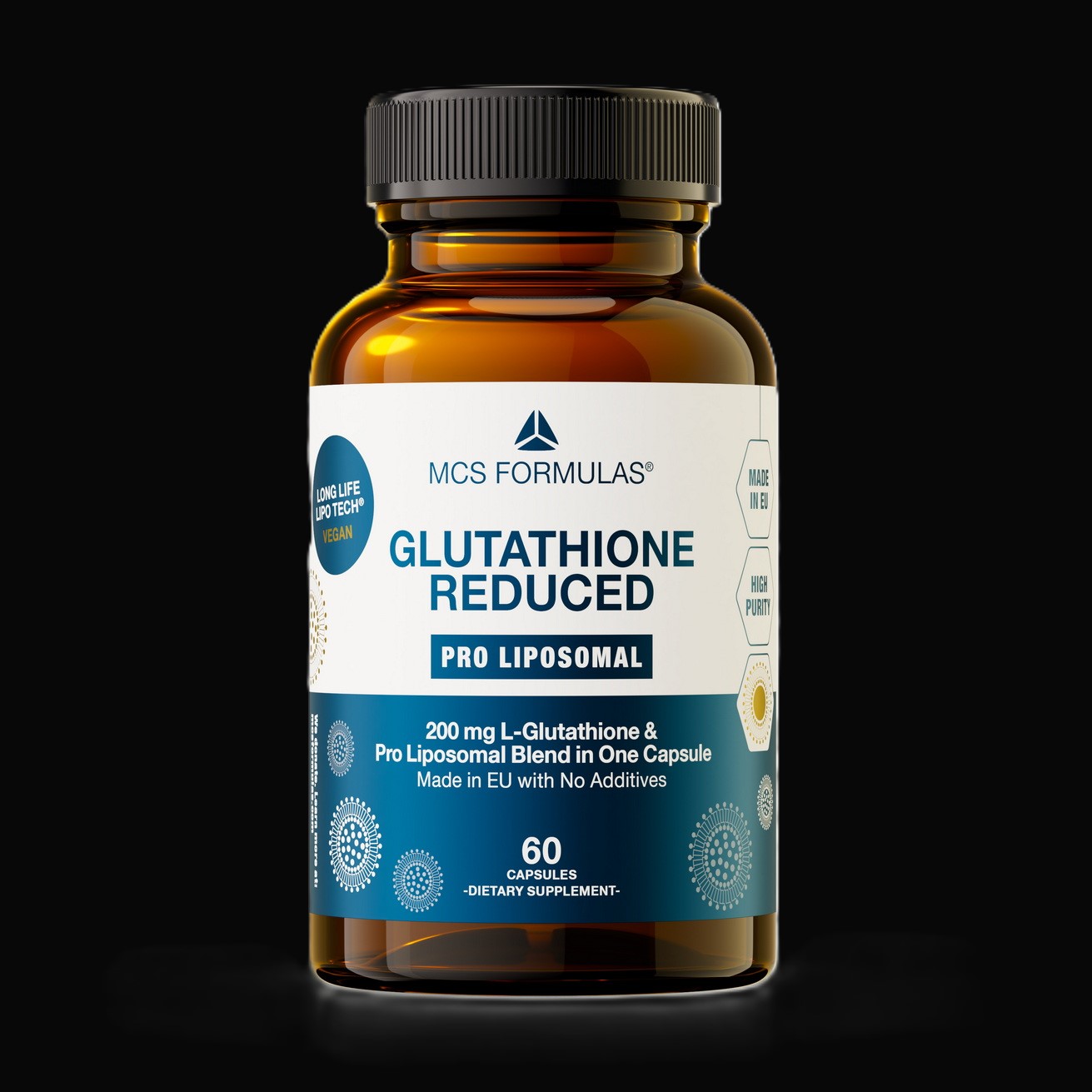
Glutathione and cancer
What is glutathione
Glutathione is a naturally occurring antioxidant that plays a vital role in our body by protecting cells from damage caused by free radicals [2]. These free radicals can contribute to the development of several diseases, including cancer. Therefore, there has been significant interest in investigating the link between glutathione and cancer [3].
Glutathione is composed of a small molecule consisting of three amino acids: glutamic acid, cysteine, and glycine. It is found naturally in all cells of the body and plays a crucial role as an antioxidant.
The role of glutathione in the body
Antioxidant
Glutathione helps neutralize harmful free radicals that can damage DNA and lead to cell mutations.
Detoxification
It plays a central role in the body’s detoxification processes by helping to remove toxins.
Immune system
Glutathione supports the immune system by helping to fight infections.
Protein synthesis
Glutathione is involved in the production of new proteins. Furthermore, glutathione helps protect DNA from damage.
Cancer cells and glutathione
Some cancer cells can actually have increased levels of glutathione to protect themselves against chemotherapy and radiation therapy [4, 5]. This can make cancer more difficult to treat.
Antioxidants and cancer
There has been significant debate regarding whether antioxidants like glutathione are beneficial or harmful in the context of cancer. Some studies suggest that high doses of antioxidants may even promote the spread of certain cancer cells [1].
Benefits as a dietary supplement
Antioxidant protection
As a powerful antioxidant, glutathione can help protect the body against damage caused by free radicals.
Liver protection
Glutathione can support the liver’s detoxification function and protect it from damage (see also under interactions below).
Immune boosting
Glutathione supports the function of the immune system and helps fight infections.
Glutathione and cancer treatment
Glutathione has shown potential as a supplement to conventional cancer treatment.
It can help protect healthy cells from damage caused by chemotherapy and radiation therapy, while potentially increasing the effectiveness of some treatments. However, it is important to emphasize that glutathione should not be considered a substitute for other relevant cancer treatments, but rather a potential supplement.
Chemotherapy
Some chemotherapeutic agents work by increasing the production of free radicals in cancer cells. Glutathione can counteract this effect and thus unintentionally protect the cancer cells [4].
Radiation therapy
Similar mechanisms apply to radiation therapy. Glutathione may risk protecting cancer cells from the intended damage caused by radiation.
Supplementation with glutathione
Due to glutathione’s potential role in cancer treatment and prevention, there is great interest in supplementation. However, it is important to be aware of the following:
Supplementary treatment of cancer
Glutathione may be a useful supplement to conventional cancer treatment by protecting healthy cells from damage. However, it is not yet fully clarified whether one conversely risks that cancer cells are also unintentionally protected, in which case nothing favorable is achieved.
Disadvantages and risks
Lack of research
While there is promising research surrounding glutathione, there is still a need for more large-scale clinical studies to confirm long-term benefits and safety.
Individual reactions
As with all supplements, there can be individual reactions to glutathione, including allergic reactions.
High dosage
High doses of glutathione can have undesirable side effects.
Interactions
When consuming glutathione alongside medication, interactions may occur. While research is ongoing, certain types of medication are particularly relevant to be aware of when considering glutathione.
Some studies suggest that glutathione can affect the efficacy of certain chemotherapy drugs [4]. It is therefore crucial to consult with your practitioner before combining glutathione with cancer treatment.
HIV/AIDS medication
Some medical substances used to treat HIV/AIDS may be affected by glutathione.
Medication for infections
Antibiotics and other agents against infections can potentially interact with glutathione.
Heart medication
Some heart medications may be affected by glutathione.
Interactions between doxycycline and glutathione
Oxidative stress
Doxycycline can, under certain circumstances, contribute to increased oxidative stress in the body. Glutathione’s task is to combat this stress. It is therefore conceivable that glutathione could counteract some of the negative effects of doxycycline on cells. However, scientific research in this specific area has not yet been conducted. Doxycycline is part of the COC Protocol.
Liver function
Both doxycycline and glutathione can affect the liver. Glutathione plays an important role in the liver’s detoxification function. It is possible that a combination of the two could affect the liver’s ability to break down and remove substances from the body.
Limited research
More research is still needed to establish the precise benefits and risks of glutathione supplements.
Interactions with medication
As mentioned, glutathione can interact with certain medical treatments.
Conclusion
Glutathione is a powerful antioxidant with many potential health benefits. If you are considering taking glutathione as a supplement, it is important to consult your practitioner or a pharmacist to determine if it is the right choice for you.
(Personally, I believe one should be extremely cautious about using glutathione as a supplement. It is found naturally in vegetables, especially cruciferous ones, which is sufficient for me).
Back to Dietary supplements
Links
[1] Antioxidanter fordobler spredningen af kræft i mus og menneskeceller (Videnskab.dk, 2015)
- Content: An article discussing research showing that antioxidants can double the spread of cancer in mice and human cells by protecting cancer cells from oxidative stress.
[2] Glutathion! Hvad er det for en størrelse? (Mad for Livet, 2021)
- Content: An overview of glutathione’s function in the body, its role as a “master antioxidant,” and how it supports detoxification.
[3] Glutathione and its precursors in cancer (PubMed, 2021)
- Content: A study exploring the dual role of glutathione in cancer, where it can both prevent cancer and promote its progression depending on the context.
[4] Glutathione metabolism in cancer progression and treatment resistance (PubMed, 2018)
- Content: A review of how glutathione metabolism contributes to the survival of cancer cells and the development of resistance to chemotherapy.
[5] Role of Glutathione in Cancer: From Mechanisms to Therapies (PubMed, 2020)
- Content: A detailed review of the mechanisms by which glutathione affects cancer development and its potential use in therapeutic strategies.
Page created: Oct 15, 2024. Last revised: Apr 28, 2026.
❤
What you read on Jeg har Kræft is not a recommendation. Seek competent guidance.
