


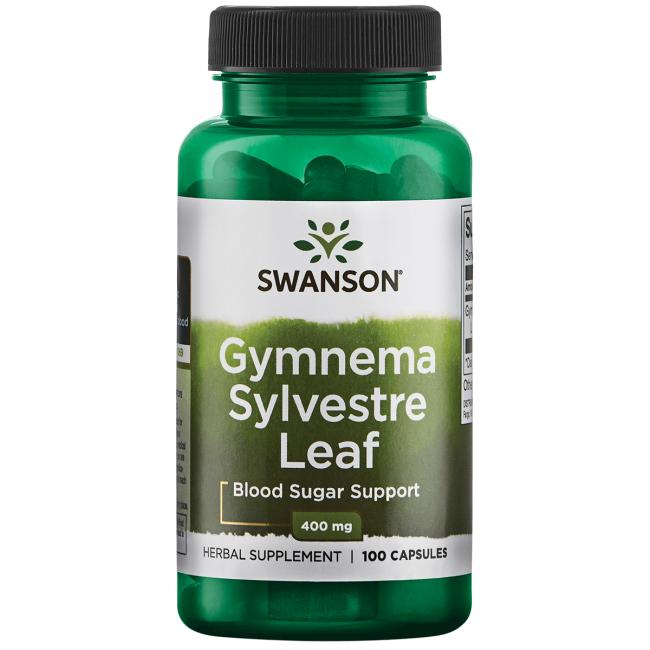
Gymnema sylvestre and cancer
What is Gymnema sylvestre
Gymnema sylvestre, also known as “gurmar” (sugar destroyer) in Hindi, is a climbing plant native to the tropical forests of India and parts of Africa. It has been used in traditional Ayurvedic medicine for centuries, primarily for the treatment of diabetes and other metabolic disorders.
History
Gymnema sylvestre is particularly known for its leaves, which contain active compounds, including gymnemic acids, believed to offer a range of health benefits.
Present day
Traditionally, Gymnema sylvestre has been used to support blood sugar control, but in recent years, the plant has also been investigated for its potential role in other areas, including as a supplementary treatment for cancer.
Mechanisms of action and potential
Gymnema sylvestre contains several active components thought to contribute to its potential mechanisms of action regarding cancer:
Gymnemic acids
These compounds, the primary active substances in Gymnema sylvestre, can interact with sugar receptors in the intestine. This can potentially reduce sugar absorption and thus affect the energy supply of cancer cells, as cancer cells are often heavily dependent on glucose (sugar) for their growth and survival.
Some studies suggest that gymnemic acids may also have a direct inhibitory effect on certain cancer cells in vitro (in test tubes/petri dishes) by affecting various cellular processes, including cell signaling and cell division [1, 5, 6].
Antioxidants
Gymnema sylvestre contains various antioxidants, including flavonoids and other polyphenols. Antioxidants can help protect cells from damage caused by free radicals (unstable molecules that can contribute to the development of cancer, among other things).
Free radicals are formed naturally in the body as a result of metabolic processes, but their formation can be increased by factors such as pollution, smoking, and inflammation.
Oxidative stress, which occurs when there is an imbalance between free radicals and the body’s ability to neutralize them, plays a role in cancer development. Antioxidants can therefore have a protective effect by neutralizing free radicals and reducing oxidative stress.
Anti-inflammatory properties
Chronic inflammation is believed to play a role in the development of several types of cancer. Inflammation is a complex biological process involving immune cells, signaling molecules, and other factors. While inflammation is necessary to fight infections and repair tissue damage, chronic inflammation can promote the growth and spread of cancer cells.
Gymnema sylvestre has shown anti-inflammatory properties in vitro and in vivo (in living organisms) by affecting the production of inflammatory signaling molecules and the activation of certain immune cells. These anti-inflammatory effects could potentially contribute to the beneficial effects of Gymnema sylvestre in relation to cancer.
Impact on signaling pathways
Cancer cells differ from normal cells by having alterations in the signaling pathways that control cell growth, differentiation, and survival.
Some preclinical investigations suggest that Gymnema sylvestre can affect certain signaling pathways in cancer cells involved in these processes [6]. For example, there are indications that Gymnema sylvestre can modulate the activity of proteins involved in the cell cycle and apoptosis (programmed cell death).
By affecting these signaling pathways, Gymnema sylvestre could potentially inhibit the growth and spread of cancer cells. However, this area requires further research to be fully understood, and the specific signaling pathways affected by Gymnema sylvestre need to be mapped in more detail.
Note
It is important to note that research into Gymnema sylvestre’s effect on cancer is primarily based on in vitro and in vivo studies.
While these studies provide valuable information about the potential mechanisms of action and biological activities of Gymnema sylvestre, more human clinical research is needed to confirm these results and clarify the precise role Gymnema sylvestre can play in cancer treatment.
Clinical studies
While clinical studies specifically investigating Gymnema sylvestre’s effect on cancer are limited, the studies conducted have mainly focused on the plant’s ability to regulate blood sugar in people with diabetes. Here are a few examples:
- Some smaller studies have investigated Gymnema sylvestre’s potential to improve blood sugar control in people with type 2 diabetes. Results from these studies suggest that Gymnema sylvestre can help lower blood sugar levels after a meal and improve long-term blood sugar (HbA1c). However, it is important to note that these studies are often small and have certain methodological limitations, so results should be interpreted with caution.
- In some studies, Gymnema sylvestre has been compared with conventional diabetes medications, and results have shown that Gymnema sylvestre can have a similar blood sugar-regulating effect as certain medications. It is crucial to emphasize that Gymnema sylvestre should not be used as a substitute for diabetes medication, but only as a supplement after agreement with a competent practitioner.
- There are also a few studies investigating Gymnema sylvestre’s effect on other factors relevant to diabetes, such as insulin resistance and weight control. However, results from these studies are also limited and require further research.
Safety
Generally, Gymnema sylvestre is considered safe for most adults when taken in recommended doses.
However, some people may experience side effects such as nausea, vomiting, diarrhea, or constipation. These side effects are usually mild and transient.
People with diabetes who take medication to lower blood sugar should consult their practitioner before using Gymnema sylvestre, as it can interact with these drugs and potentially lead to excessively low blood sugar (hypoglycemia). Symptoms of hypoglycemia can include shaking, sweating, palpitations, confusion, and in rare cases, loss of consciousness.
Pregnant and breastfeeding women should avoid using Gymnema sylvestre, as there is insufficient research to establish safety in these groups.
Additionally, individuals with a known allergy or hypersensitivity to plants in the Asclepiadaceae family (to which Gymnema sylvestre belongs) should avoid using the plant.
Advantages of Gymnema sylvestre
Potential support for blood sugar control
Gymnema sylvestre is best known for its traditional use in helping to regulate blood sugar, which can be relevant for certain cancer patients, as some cancer types and treatments can affect blood sugar levels.
By helping to stabilize blood sugar, Gymnema sylvestre can potentially contribute to improving the general health and well-being of cancer patients.
Antioxidant action
The plant’s content of antioxidants, including flavonoids and polyphenols, can contribute to protecting cells from damage caused by free radicals. Free radicals are unstable molecules that can cause oxidative stress, which is involved in the development of several chronic diseases, including cancer.
By neutralizing free radicals, antioxidants can play a protective role and potentially reduce the risk of cancer or contribute to reducing damage from cancer treatment.
Possible anti-inflammatory properties
Gymnema sylvestre has demonstrated anti-inflammatory effects, which can be beneficial regarding the inflammatory processes involved in cancer development. Chronic inflammation is believed to play a role in the development and progression of certain cancer types.
By reducing inflammation, Gymnema sylvestre can potentially contribute to inhibiting the growth and spread of cancer cells.
Potential synergistic effect with conventional treatment
Although extensive clinical studies are lacking, some preliminary results suggest that Gymnema sylvestre could potentially have a synergistic effect when combined with conventional cancer treatment.
This means that Gymnema sylvestre might possibly improve the effectiveness of cancer treatment or reduce the side effects associated with it. However, it is important to emphasize that this area requires further research, and Gymnema sylvestre should never be used as a replacement for conventional cancer treatment.
Disadvantages and limitations
Limited clinical evidence for effect on cancer
While there are promising preclinical results, there is limited clinical evidence for Gymnema sylvestre’s specific effect on cancer in humans. Most existing studies have investigated the plant’s effect on diabetes and blood sugar control, and more research is needed to evaluate its potential use as a supplementary treatment for cancer.
Possible side effects
Although Gymnema sylvestre is generally considered safe for most adults, it can cause mild side effects in some individuals. These side effects can include nausea, vomiting, diarrhea, constipation, fatigue, and headache. It is important to be aware of these possible side effects and contact a doctor if they occur or worsen.
Interactions with medication
People taking medication for diabetes should be particularly cautious and consult their practitioner before using Gymnema sylvestre, as it can interact with these drugs and potentially lead to low blood sugar (hypoglycemia).
Additionally, there is a possibility that Gymnema sylvestre can interact with other medications, so it is important to inform your practitioner about all medications and supplements you are taking before starting Gymnema sylvestre.
Not a substitute for conventional cancer treatment
It is crucial to emphasize that Gymnema sylvestre should never be used as a substitute for conventional cancer treatment, which includes surgery, radiation therapy, chemotherapy, and immunotherapy. Gymnema sylvestre may potentially be used as a supplement to conventional treatment after agreement with a doctor or oncologist.
Availability
Dispensing and application
Gymnema sylvestre is available as a dietary supplement in various forms, including capsules, tablets, extracts, tea, and powder. It can be purchased in health food stores, pharmacies, and online.
Dosage
The recommended dose of Gymnema sylvestre can vary depending on the product, the specific use, and the individual person’s health condition. It is important to follow the dosage instructions on the product label or consult a competent practitioner, pharmacist, or health professional to get the correct dosage.
Application
Gymnema sylvestre can be taken orally with water or other liquid. It is best to take it in connection with a meal to reduce the risk of side effects.
Conclusion
Gymnema sylvestre has shown potential as a supplementary treatment for cancer due to its various mechanisms of action, including potential effects on sugar absorption, antioxidant action, and possible anti-inflammatory properties [1, 5].
However, there is limited clinical evidence for its specific effect on cancer in humans, and more research is needed.
Gymnema sylvestre should never be used as a substitute for relevant cancer treatment but may potentially be part of an integrative approach after agreement with a competent practitioner.
Back to Dietary supplements
Links
[1] Anti-Tumor Potential of Gymnema sylvestre Saponin Rich Fraction on In Vitro Breast Cancer Cell Lines and In Vivo Tumor-Bearing Mouse Models (PubMed, 2023)
- Content: A study describing the anti-tumor potential of Gymnema sylvestre saponins in both laboratory settings and animal models.
[2] Gymnema sylvestre (Sund Forskning, 2011)
- Content: An article reviewing the traditional uses and known properties of Gymnema sylvestre, particularly regarding metabolic health.
[3] Eco-biofabrication of silver nanoparticles from Azadirachta indica, Gymnema sylvestre, and Moringa oleifera for lung cancer treatment (PubMed, 2025)
- Content: Research exploring advanced methods using Gymnema sylvestre extracts to create nanoparticles for lung cancer therapy.
[4] Potential use of bio functionalized nanoparticles to attenuate triple negative breast cancer (MDA-MB-231 cells) (PubMed, 2023)
- Content: A study investigating how plant-based nanoparticles can help target aggressive breast cancer cells.
[5] Anti-Tumor Potential of Gymnema sylvestre Saponin Rich Fraction on In Vitro Breast Cancer Cell Lines and In Vivo Tumor-Bearing Mouse Models (PubMed, 2023)
- Content: A randomized study demonstrating how Gymnema sylvestre fractions inhibit tumor growth in mouse models.
[6] Effects of dihydroxy gymnemic triacetate (DGT) on expression of apoptosis associated proteins in human prostate cancer cell lines (PC3) (PubMed, 2015)
- Content: Research investigating how specific Gymnema derivatives trigger cell death in prostate cancer cells.
Page created: Feb 02, 2025. Last updated: Apr 28, 2026.
❤
What you read on Jeg har Kræft is not a recommendation. Seek competent guidance.
