


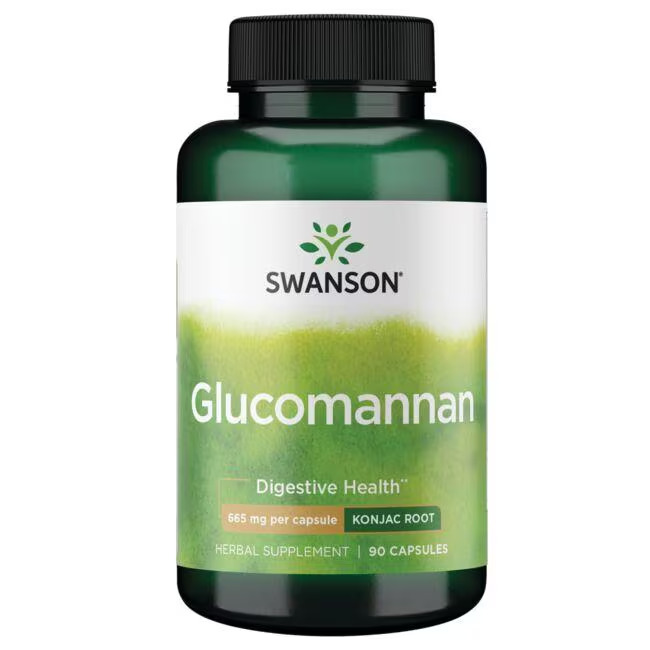
Glucomannan and cancer
Summary of glucomannan
Effect:
- Effect: A water-soluble fiber that forms a gel in the stomach. The gel provides satiety and ensures stable blood sugar levels [6]. In the intestine, the fiber acts as food for beneficial gut bacteria, which in turn produce beneficial substances that strengthen the intestinal wall and help against constipation.
Potential in cancer:
- The potential lies in creating a healthy intestinal environment [3]. Beneficial substances formed by gut bacteria have shown in laboratory experiments the ability to inhibit cancer cells in the intestine [1]. Simultaneously, a healthier gut will reduce inflammation in the body and strengthen the immune system, which is a significant advantage during a cancer journey [4, 7].
Main limitation:
- Must always be consumed with plenty of water to avoid blockage in the esophagus or intestine. It can also reduce and delay the absorption of medication, which should therefore be taken at other times.
Recap:
- Glucomannan is an effective fiber supplement for supporting digestion and blood sugar. In a cancer context, it is a valuable tool for strengthening the body’s foundation via a healthy gut, but it is a supportive treatment and not a cure.
What is glucomannan
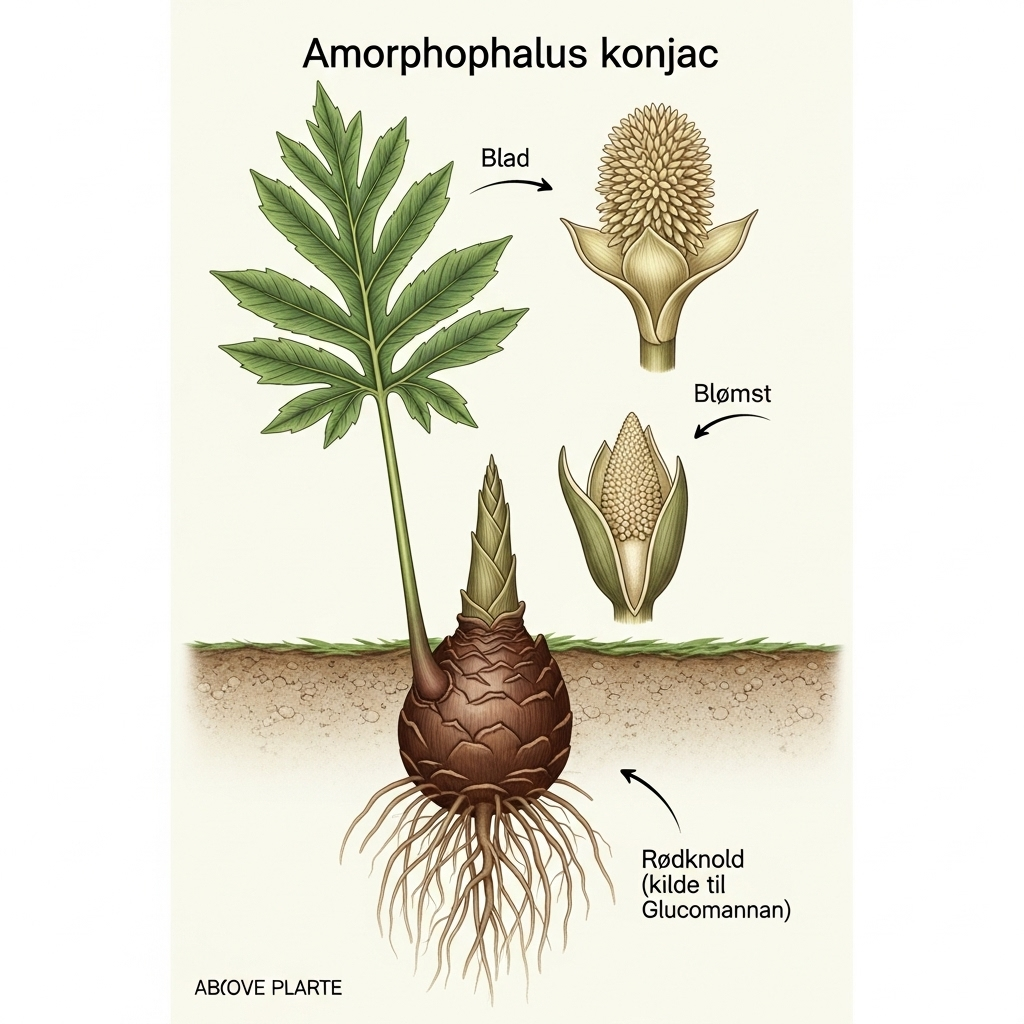
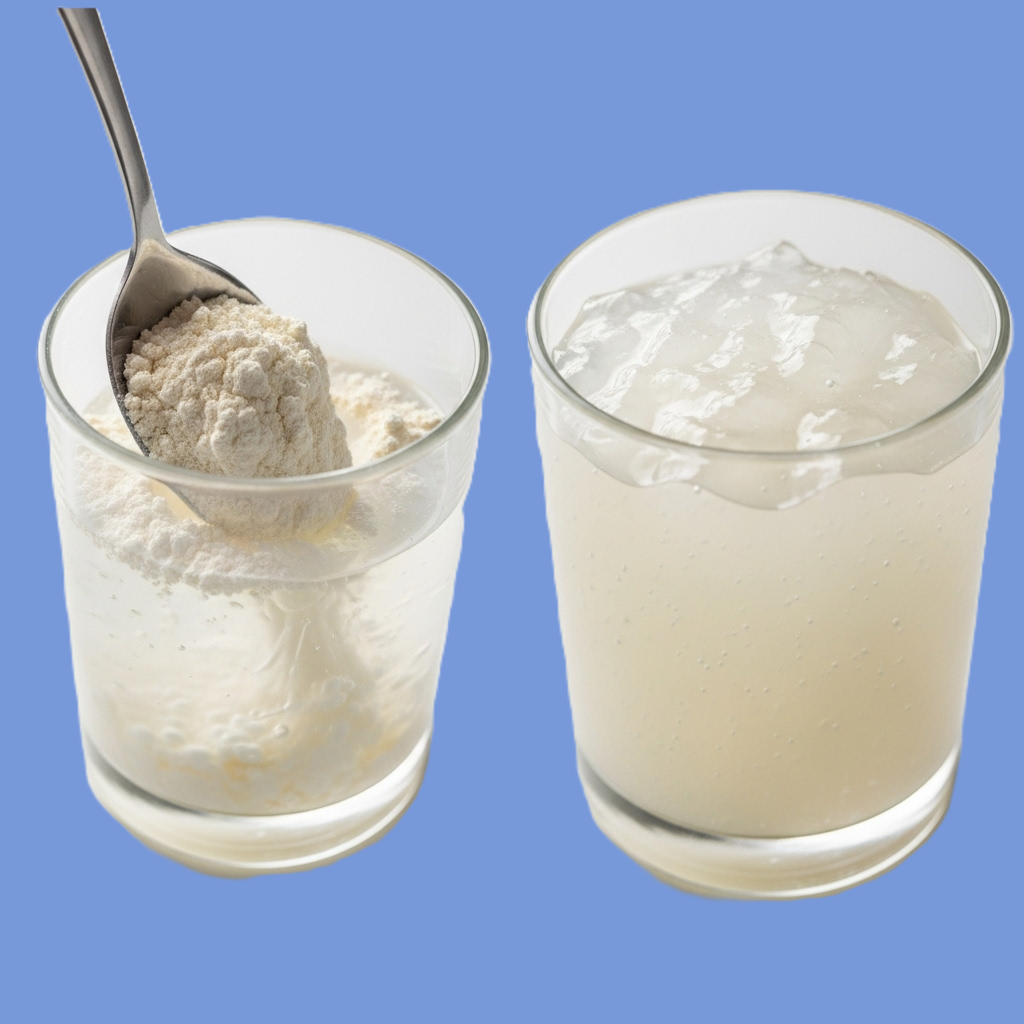
Glucomannan is a water-soluble dietary fiber extracted from the root of the konjac plant (Amorphophallus konjac), which grows in Asia [6]. Its most notable property is an exceptional ability to absorb water and form a thick, viscous gel. A small amount of glucomannan can bind a large amount of liquid, which is central to many of its effects in the body.
Due to this property, it is often used as a dietary supplement to promote satiety and support weight regulation, improve digestion, and regulate blood sugar and cholesterol levels [6]. As a prebiotic fiber, it passes undigested through the upper part of the gastrointestinal tract and is then fermented by beneficial bacteria in the large intestine [3]. This process is crucial for its health-promoting potential.
History
The konjac root, and thus glucomannan, has a long history in traditional Japanese, Chinese, and Southeast Asian cultures spanning more than 1,500 years [6]. Originally, it was valued for its medicinal properties, where in traditional Chinese medicine it was used for detoxification, relief of asthma, cough, hernia, and skin disorders.
Culinary-wise, the konjac root has been a staple for centuries, processed into products like konjac flour, jelly, and the well-known shirataki noodles. These foods were not only eaten for their unique texture but also for their perceived health benefits, including “cleansing” the system.
Scientific interest in isolated glucomannan fibers is more recent, driven by a growing understanding of the importance of dietary fibers and gut flora for human health.
Mechanisms of action
The mechanisms of action for glucomannan are complex and involve both physical and biochemical processes, primarily centered in the gastrointestinal tract. These mechanisms work together to create a range of positive effects in the body.
Physical effect and satiety
When glucomannan is consumed with plenty of water, it swells in the stomach and forms a viscous gel. This gel significantly increases the volume of the stomach contents, thereby delaying gastric emptying. The result is a sustained feeling of satiety and fullness, which can contribute to reducing overall calorie intake. This mechanism is particularly beneficial for maintaining a healthy weight, an important factor during a cancer journey.
Prebiotic effect and production of short-chain fatty acids
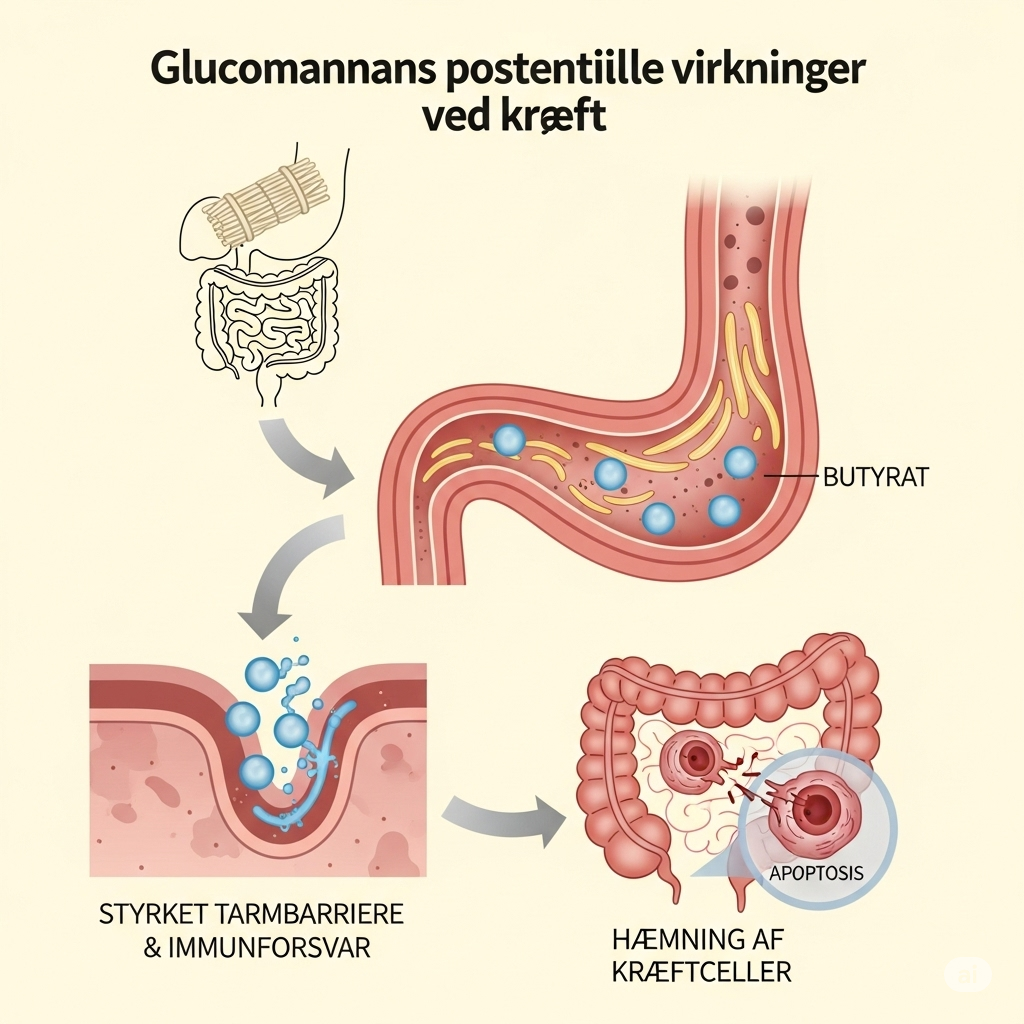
Glucomannan functions as an ideal prebiotic. Since it cannot be broken down by human enzymes, it reaches the large intestine intact [3]. Here, it becomes a nutrient source for beneficial gut bacteria such as Bifidobacterium and Lactobacillus. Through a fermentation process, these bacteria convert the fiber into a range of bioactive substances, including short-chain fatty acids (SCFAs). The three primary SCFAs are:
- Butyrate (butyric acid): Considered the most important SCFA for gut health.
- Acetate (acetic acid): Absorbed and used as energy in various tissues.
- Propionate (propionic acid): Plays a role in the liver’s sugar and fat metabolism.
See also Lactic acid bacteria
The central role of butyrate
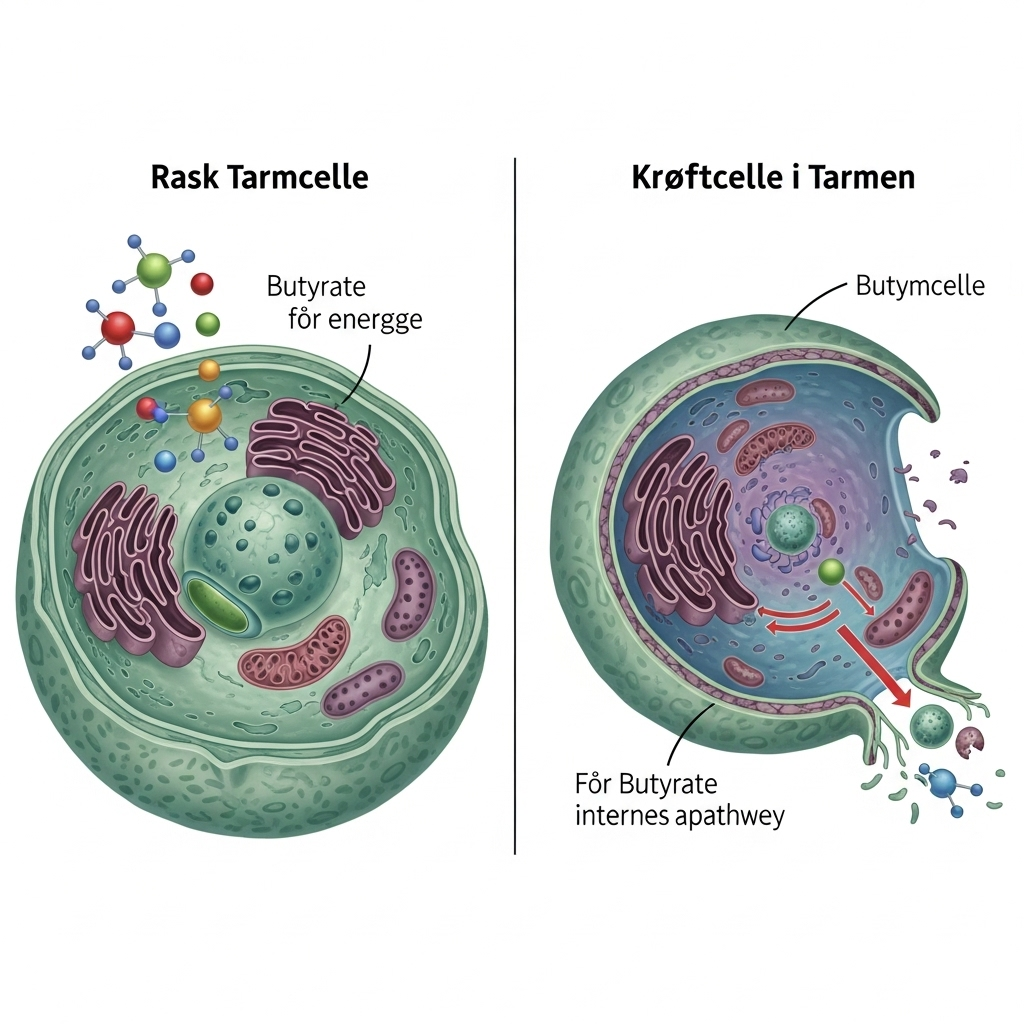
The remarkable thing about butyrate is its almost intelligent “dual role” in the gut. For the healthy cells that make up the intestinal wall, it acts as pure super-fuel, keeping them healthy and strong.
However, when butyrate encounters a cancer cell, the opposite happens. Instead of providing nourishment, it acts as a key that restarts the cancer cell’s forgotten “self-destruction program” [4].
Imagine that all cells in the body have a built-in safety manual. One of the most important instructions in this manual is: “Destroy yourself if you develop into a cancer cell.” Cancer cells survive precisely because they have found a way to ignore or “turn off” this vital instruction.
Butyrate’s ability is to penetrate the cancer cell and “turn on” this safety instruction again. Thus, the cancer cell is forced to obey the body’s original command and perish. In this way, butyrate assists the body’s own internal defense against cancer [1, 7].
Potential in cancer
Glucomannan’s potential as a supplementary treatment in cancer is not related to a direct “cure,” but rather its ability to strengthen the body’s own defense, improve the gut environment, and counteract some of the negative processes associated with cancer and its treatment [1, 3].
Support for the gut ecosystem
A healthy gut environment is fundamental to a well-functioning immune system. Cancer treatments such as chemotherapy and radiation therapy can disrupt the delicate balance of the gut flora and weaken the intestinal barrier. By promoting the growth of beneficial bacteria and the production of butyrate, glucomannan helps restore this balance [1, 6].
This can strengthen the gut’s barrier function and reduce the amount of pro-inflammatory substances circulating in the body. A lower degree of systemic inflammation creates a less favorable environment for cancer cells to grow and spread [2].
Inhibition of cancer cells in the colon
As mentioned, butyrate is a key factor. Increased butyrate production via glucomannan fermentation has shown significant potential in preclinical studies (laboratory and animal studies). In vitro (in test tubes/petri dishes), butyrate has demonstrated the ability to:
- Induce apoptosis: Activate signals that cause colon cancer cells to commit suicide [5, 7].
- Inhibit proliferation: Stop uncontrolled cell division [1].
- Promote differentiation: Cause cancer cells to mature and behave more like normal cells.
Although these results are primarily from the laboratory, they suggest that a high-fiber diet maximizing butyrate production can be an important strategy in the prevention and supportive treatment of colorectal cancer [1, 3].
Improved immune response
Gut flora and produced SCFAs play a crucial role in “educating” and modulating the immune system. A healthy microbiome can improve the function of immune cells such as T-cells and natural killer (NK) cells, which are vital for recognizing and eliminating cancer cells [4]. Research suggests that a robust gut flora can even improve the efficacy of certain types of immunotherapy.
Advantages of glucomannan
Beyond its direct potential related to cancer processes, glucomannan offers several general benefits that can significantly improve the quality of life for individuals during cancer treatment.
Regulation of digestion
Constipation is a common and distressing side effect of certain types of chemotherapy as well as pain medication like opioids. Glucomannan’s ability to bind water and increase stool volume and softness makes it an effective and natural remedy for constipation [6].
Regular and well-functioning digestion is essential for general well-being and the body’s ability to excrete waste products.
See also Constipation or diarrhea
Stabilization of blood sugar
Certain cancer treatments, especially steroids like prednisone, can lead to elevated blood sugar. Glucomannan’s gel-forming property delays the absorption of carbohydrates from the gut, leading to a more gradual and stable increase in blood sugar after meals [6].
This can help prevent significant blood sugar fluctuations and support better metabolic balance.
Support for cardiovascular health
Glucomannan has a well-documented ability to lower total cholesterol and especially “bad” LDL cholesterol [6]. It works by binding to bile acids in the gut and excreting them. The liver must then produce new bile acids using cholesterol from the bloodstream, thereby lowering levels. Maintaining good cardiovascular health is important for overall resilience.
Disadvantages and limitations
While glucomannan is generally safe, there are important precautions and potential disadvantages to be aware of.
Risk of obstruction
The greatest risk with glucomannan is related to its strong water-absorbing capacity. If consumed in powder or capsule form without sufficient liquid, it can swell and create a blockage in the esophagus or further down the intestinal tract. This is a serious condition requiring immediate attention. It is therefore paramount always to consume glucomannan with large amounts of water.
Gastrointestinal discomfort
Particularly at the beginning, glucomannan can cause mild digestive issues such as bloating, gas, or diarrhea. This is because the gut flora must adapt to the increased amount of fermentable fiber. These symptoms are usually temporary and can be minimized by starting with a low dose and gradually increasing it.
Interaction with medication and nutrients
The gel formed by glucomannan can delay or reduce the body’s absorption of oral medication and other supplements [2]. This is especially important to note during a cancer journey, where accurate and timely absorption of medication is critical. As a general rule, glucomannan should be taken at least one hour before or four hours after taking any form of medication, including, for example, diabetes medications like sulfonylureas, as the combination may otherwise lead to low blood sugar.
Clinical studies
Clinical research on glucomannan has primarily focused on its effects on weight, cholesterol, blood sugar, and constipation, where results are generally positive and well-substantiated [6]. Meta-analyses of randomized, controlled trials confirm that glucomannan can effectively lower LDL cholesterol, improve blood sugar control, and promote weight loss.
Direct clinical studies of glucomannan’s effect on cancer in humans are limited. Current knowledge about its potential in cancer stems mainly from in vitro studies (on cells in the lab) and in vivo studies (in living organisms, typically animals), investigating the effects of the SCFAs produced during fermentation [1, 5, 7].
While these preclinical studies are promising, especially for colon cancer, more human studies are needed to confirm these effects and establish optimal doses in a clinical context. However, there are studies confirming its positive effect on treatment-related constipation in cancer patients.
Safety
When used correctly, glucomannan is considered a safe supplement for most adults. It is recognized as “Generally Recognized As Safe” (GRAS) by the U.S. Food and Drug Administration (FDA) when consumed as part of food.
The primary safety precautions are:
- Fluid intake: Always take glucomannan with plenty of water (at least 1-2 large glasses) to avoid choking hazards or intestinal blockage.
- Medication timing: Respect the time window of at least 1 hour before or 4 hours after taking medication.
- Gradual start: Start with a low dose to let the digestive system adapt and avoid mild side effects.
People with swallowing difficulties or known narrowing of the esophagus or intestine should consult their practitioner before using glucomannan.
Dispensing and application
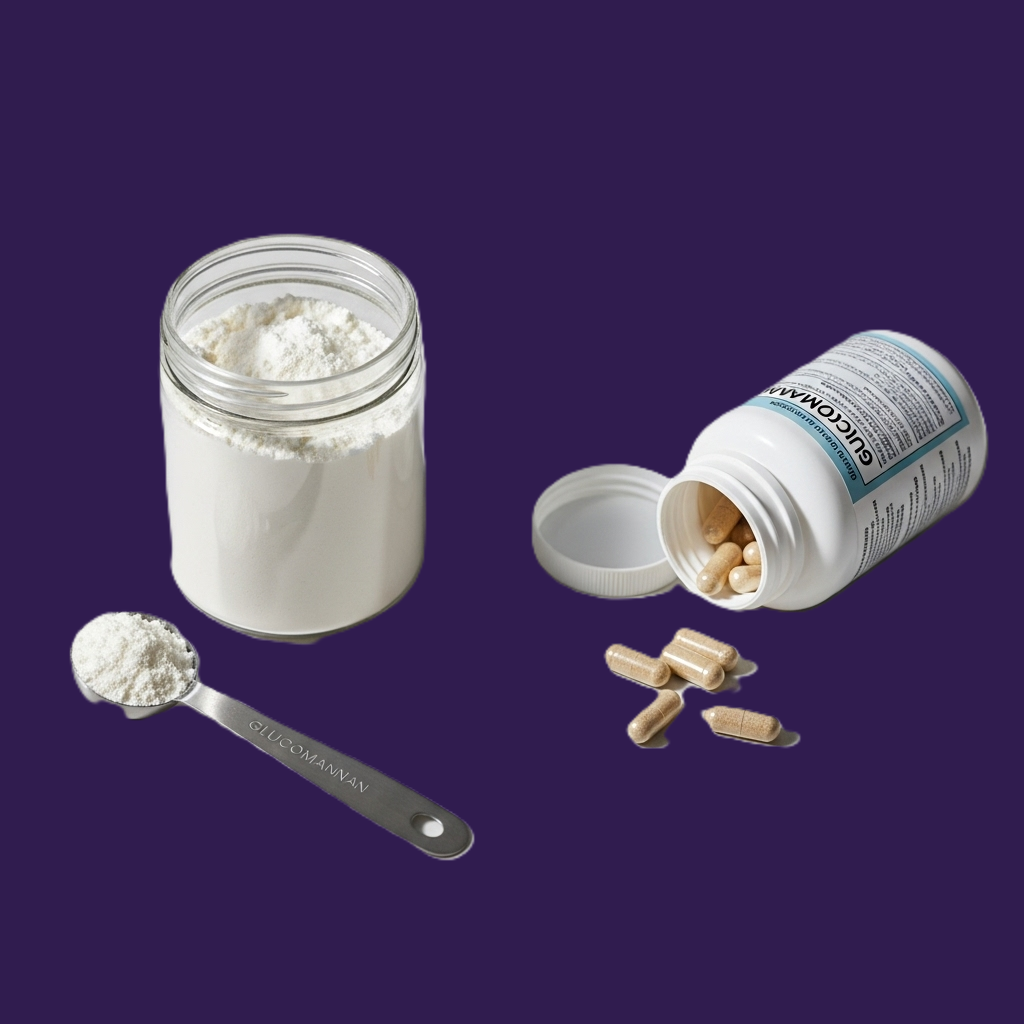
To achieve the best results and ensure correct use, it is important to follow instructions carefully.
- Form: Glucomannan is typically available as a powder or in capsules. The powder can be mixed directly into water or other liquid, while capsules are easier to dose and consume. The powder often works faster as it dissolves immediately.
- Dosage: A typical dosage is 1 gram (approx. 1/2 teaspoon powder or 1-2 capsules) taken three times daily. It is wise to start with a lower dose, e.g., 0.5-1 gram once daily, and gradually increase the amount.
- Timing: To achieve effects on satiety and blood sugar, glucomannan should be taken 15 to 60 minutes before a meal.
- Consumption: Regardless of the form, it must always be consumed with at least one large glass of water (250 ml), preferably two. This is crucial for activating the fiber and preventing obstruction.
Conclusion
Glucomannan is a multifunctional prebiotic supplement with a solid scientific basis for its positive effects on digestion, blood sugar control, and cholesterol levels [6].
Its potential as supplementary support in a cancer journey is significant, primarily through its ability to optimize gut health [3]. By nourishing a beneficial gut flora and increasing the production of the anti-inflammatory and cell-protective short-chain fatty acid butyrate, glucomannan can contribute to strengthening the body’s resilience, reducing systemic inflammation, and creating a more robust foundation for healing [1, 2].
It is not a treatment in itself, but a valuable tool for improving quality of life and supporting the body’s own defense mechanisms, especially when used correctly and with the necessary precautions.
Back to Dietary supplements
Links
- Content: Research developed a system with konjac glucomannan (KGM)-based microspheres that release medication specifically in the gut using ROS and enzyme responsiveness. The system inhibits tumor growth, reduces inflammation, and restores gut flora, strengthening the immune system and improving treatment against colorectal cancer.
[2] Natural macromolecules polysaccharide-based drug delivery systems targeting tumor necrosis factor alpha receptor for the treatment of cancer: A review (PubMed, 2025)
- Content: This article reviews the potential of natural macromolecules like konjac glucomannan, chitosan, and other polysaccharides in targeted cancer treatments. These biocompatible substances are used in advanced drug delivery systems to improve stability, control release, and target treatment toward the tumor necrosis factor-alpha receptor, which can reduce toxicity and overcome resistance.
[3] Extraction, structure, activity and application of konjac glucomannan (PubMed, 2025)
- Content: Konjac is a perennial plant whose konjac glucomannan (KGM) has multiple biological properties, including anti-cancer, immunomodulating, and prebiotic effects. KGM is used in food and pharmaceutical products where its biocompatibility and gel properties are central. Research focuses on the extraction and application of KGM to improve treatment for cancer and other diseases.
[4] Elucidation of the fine structure and anti-breast tumor activity of a glucomannan from the pseudobulbs of Pleione bulbocodioides (PubMed, 2925)
- Content: The polysaccharide PBP, a linear glucomannan isolated from the pseudobulb of Pleione bulbocodioides, has shown anti-tumor activity against breast cancer. It consists of mannose and glucose and can stimulate the immune system by increasing CD4+ and CD8+ T cells. This suggests PBP could contribute to cancer treatment, especially against breast cancer.
[5] Modification of a O-acetyl-glucomannan from Dendrobium officinale by selenylation modification and its anti-gastric cancer enhancing activity (PubMed, 2025)
- Content: This study isolated the polysaccharide YDOP-1, an O-acetyl-glucomannan from Dendrobium officinale, with moderate anti-gastric cancer effects. After selenium modification, YDOP-Se, where selenium is introduced, became significantly more effective at inhibiting cancer cell growth by promoting apoptosis. YDOP-Se has potential for use in cancer treatment, especially against gastric cancer.
[6] Amorphophallus konjac: traditional uses, bioactive potential, and emerging health applications (PubMed, 2025)
- Content: Konjac glucomannan (KGM) from Amorphophallus konjac offers health benefits such as weight control, blood sugar stabilization, and improved gut health. It also has anti-inflammatory properties and may help against cancer and autoimmune diseases. Research has improved extraction, though challenges with allergies and purity remain. KGM has great potential in food and medicine.
[7] A highly branched glucomannan from the fruiting body of Schizophyllum commune: Structural characteristics and antitumor properties analysis (PubMed, 2024)
- Content: SCP-1, a branched glucomannan from Schizophyllum commune, can inhibit the growth of lung cancer cells by inducing apoptosis. It has a complex structure and shows potential as a cancer agent.
Page created: Jun 26, 2025. Last revised: Apr 28, 2026
❤
What you read on Jeg har Kræft is not a recommendation. Seek competent guidance.
