


Proline and cancer
Summary of Proline
Proline stands out in the following way:
Primary effect:
- Proline is an amino acid that functions as a fundamental building block for the body’s connective tissue and collagen. It plays a central role in maintaining structural integrity in tissues, tendons, and blood vessels, which is crucial for healing and physical stability.
Potential in cancer:
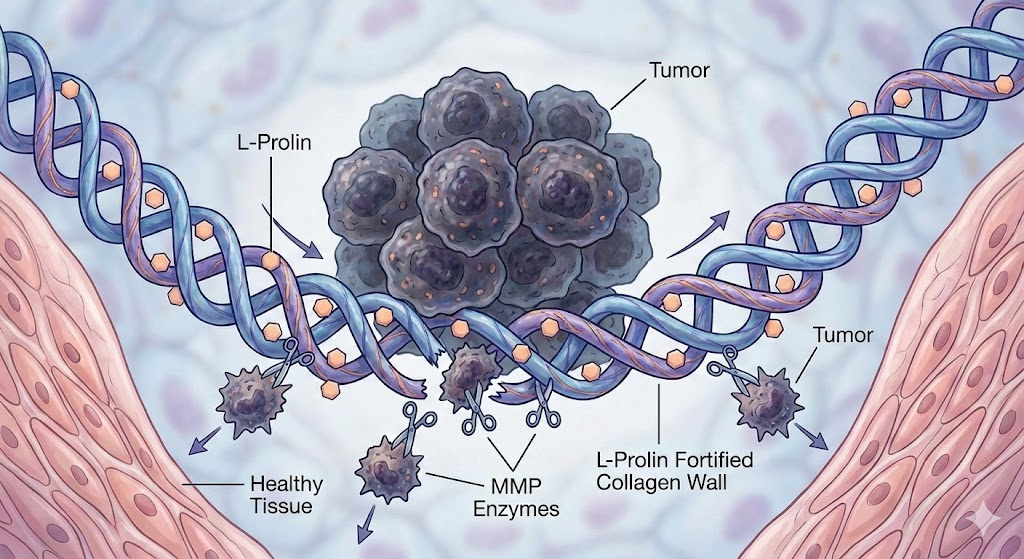
- The primary potential lies in the theory of strengthening the connective tissue around a tumor. By making the tissue more resistant, the goal is to make it more difficult for cancer cells to break down the barrier and spread to other parts of the body.
Main limitation:
- Certain cancer types can change their metabolism to utilize proline as an energy source, which is why use should always be done in consultation with a healthcare provider and often in combination with other substances such as lysine and vitamin C.
What is Proline
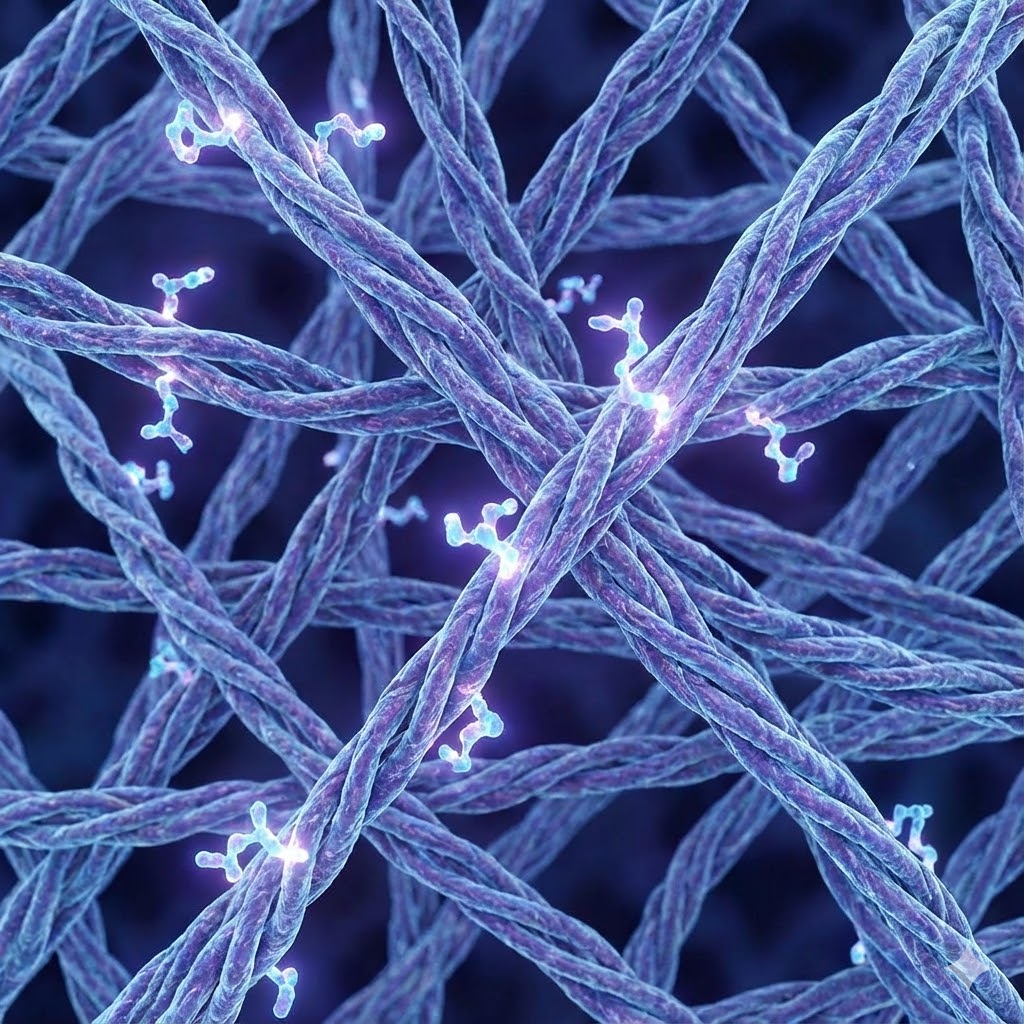
Proline, often referred to as L-Proline, is a so-called non-essential amino acid. Being non-essential means that the body itself is capable of producing it, primarily from another amino acid called glutamate. Although the body produces it itself, the need in certain situations – such as during serious illness, stress, or when healing large wounds – can exceed the body’s own production. In these cases, it is considered conditionally essential.
Chemically speaking, proline stands out from other amino acids due to its unique cyclic structure, which makes it unusually rigid. This rigidity is precisely what gives collagen – the body’s primary structural protein – its strength and stability. Without sufficient proline, the body’s connective tissue, skin, tendons, and blood vessel walls would lose their structural integrity [1].
History
Proline was first isolated in 1901 by the German chemist Hermann Emil Fischer from casein (milk protein). During the 20th century, its role as the primary component in gelatin and collagen was established. In complementary medicine, proline has historically been used to support joints, skin, and the cardiovascular system, and in recent times, interest has increased regarding its role in strengthening the body’s physical barriers against disease invasion.
Mechanisms of action

The body’s glue and scaffolding
Proline’s most important task is to function as a building block for collagen. Collagen is the protein we have the most of in the body, and it makes up about 30% of our total protein mass. One can think of it as the “glue” or the scaffolding that holds together everything from skin and bones to blood vessels and organs. Without sufficient proline, this scaffolding loses its load-bearing capacity.
Interaction with vitamin C
When proline is to be incorporated into collagen, it undergoes a transformation into hydroxyproline. This process can only take place if vitamin C is present. It is precisely this conversion that enables the collagen fibers to bind strongly together crosswise. This ensures a stable and elastic structure, so that our blood vessels, for example, can give way without bursting, and the skin stays firm.
Protection against stress in cells
At the cellular level, proline also has a protective function. It helps cells manage the balance of fluids and salts (osmosis), especially if the body is stressed or under pressure. At the same time, proline functions as a signaling substance that helps control how the cell metabolizes energy and survives in pressured situations.
The important pair
When it comes to keeping the tissue strong, proline works closely with the amino acid lysine. One could say that while proline ensures the stability and structure, lysine helps slow down the breakdown of collagen. The two thus complement each other in preserving the tissue’s strength [2].
Potential in cancer
The oncological potential of proline differs significantly from substances that seek to kill cancer cells directly (cytotoxic effect).
A strategy of containment
The approach with proline differs significantly from chemotherapy and radiation, which aim to kill cancer cells directly (cytotoxic effect). With the use of Proline, the focus is instead on strengthening the body’s own defenses so that cancer has a harder time growing into healthy tissue.
The biological scissors
Cancer cells have a unique ability to secrete enzymes, known as matrix metalloproteinases (MMPs), which function as “biological scissors”. These enzymes break down the surrounding connective tissue (the extracellular matrix), which makes it possible for cancer cells to move freely, invade nearby tissue, and eventually spread via blood or lymph vessels (metastasis).
Strengthening the wall
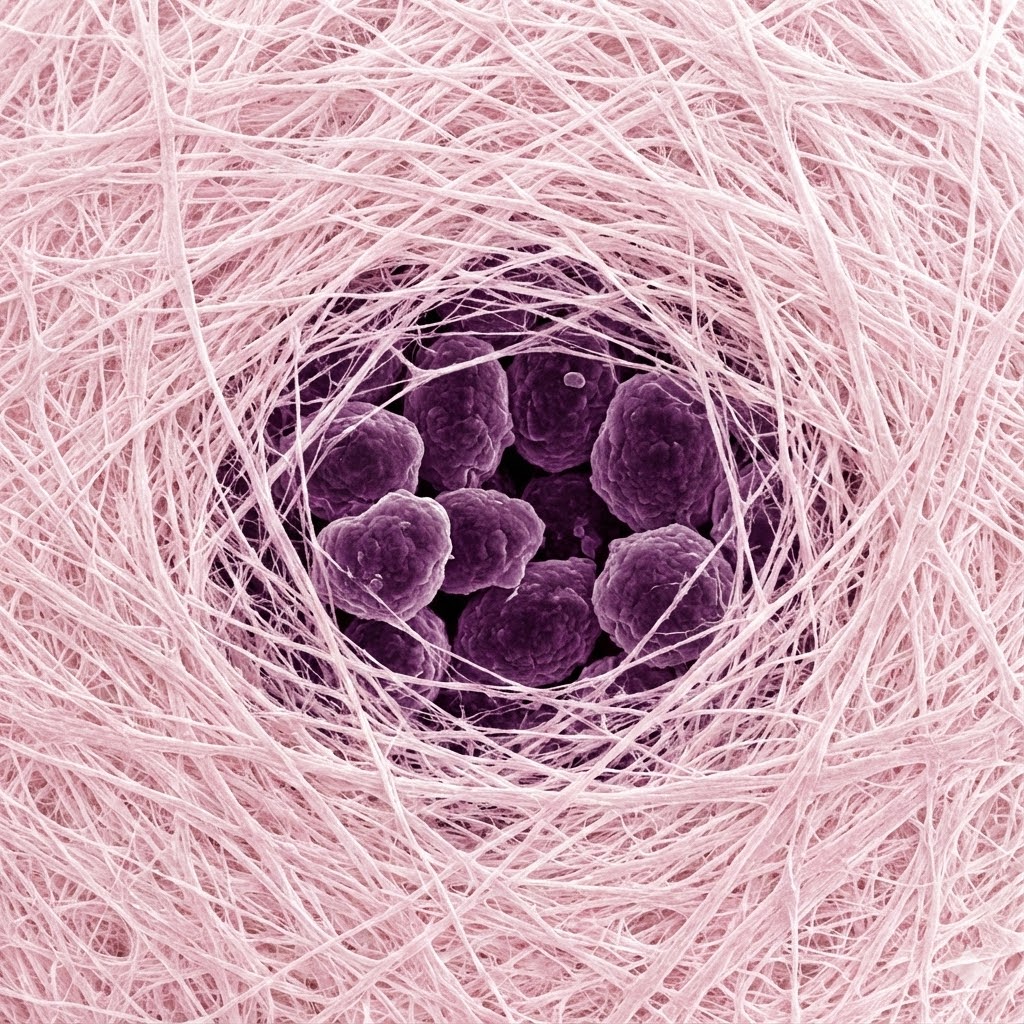
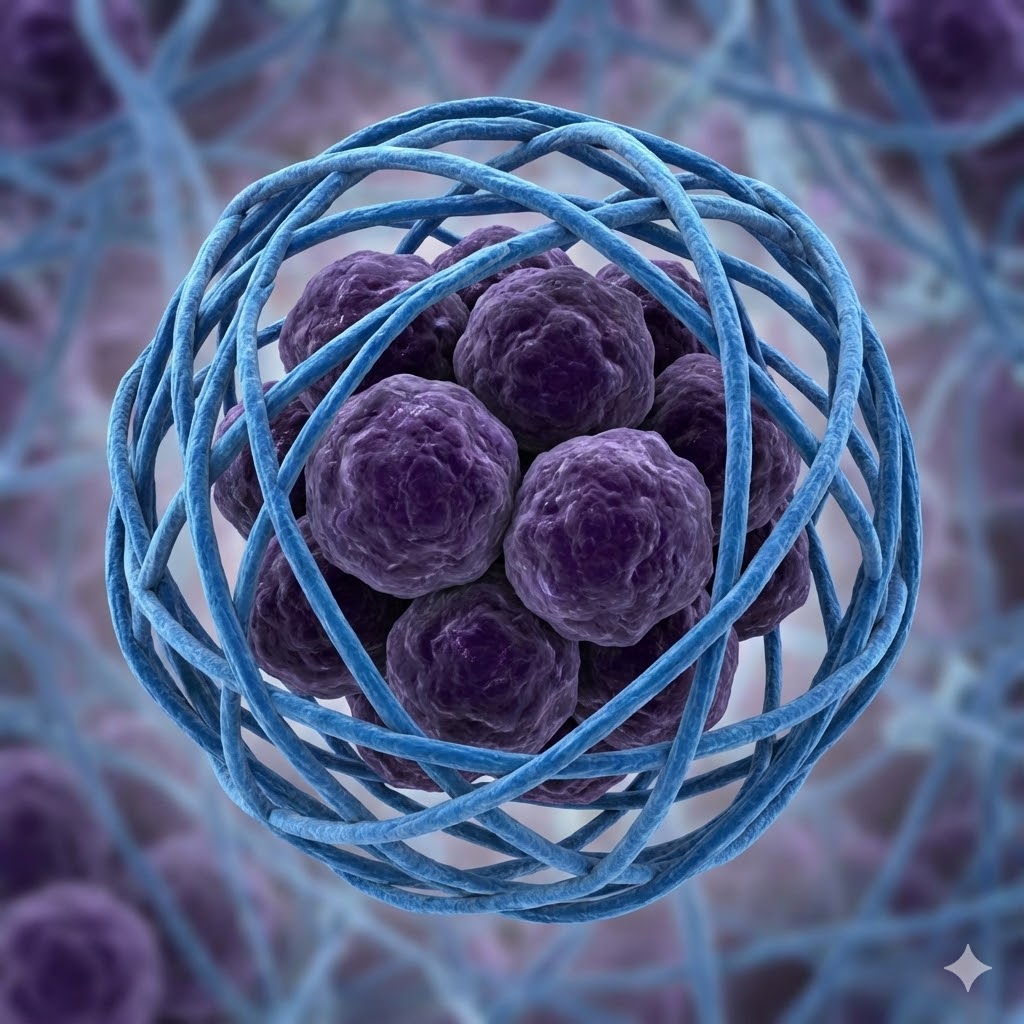
The theory behind the use of proline in this context is that by providing ample amounts of collagen’s building blocks – especially in combination with lysine and vitamin C – one can strengthen the connective tissue so significantly that the enzymatic scissors have a hard time cutting through. One is trying, so to speak, to make the “walls” around the tumor thicker and stronger. If the connective tissue is resistant enough, it can potentially encapsulate the tumor and prevent its expansion and spread.
A hostile environment for spread
If the connective tissue around a tumor is strong and intact, it can potentially encapsulate the tumor. This does not necessarily prevent the tumor itself from existing, but it limits its most dangerous feature: the ability to spread. Studies have shown that this combination of nutrients can inhibit cancer cells’ ability to invade in vitro (in test tubes) and in animal models.
This is therefore about changing the environment around the cancer cell so that it becomes hostile to spread, rather than just attacking the cell itself. This concept is particularly relevant, as the spread of cancer is often the most critical factor for the disease’s outcome [3].
Benefits of Proline
A significant benefit of proline is its ability to promote wound healing and tissue rebuilding. For people undergoing surgery in connection with a cancer course, optimized collagen formation can be crucial for how quickly and neatly surgical wounds heal.
In addition, proline strengthens the cardiovascular system by ensuring that the artery walls remain flexible and strong, which is generally beneficial for health. It is a naturally occurring substance in the body, which means that it is generally well tolerated without the severe side effects often seen with synthetic medications. Proline also supports joints and cartilage. Furthermore, the amino acid functions as a modulator in the central nervous system, which for some can result in a more calm physiological state and improved sleep quality. This effect seems to be most pronounced when proline is taken in combination with other supportive nutrients such as magnesium and lysine.
Disadvantages and limitations
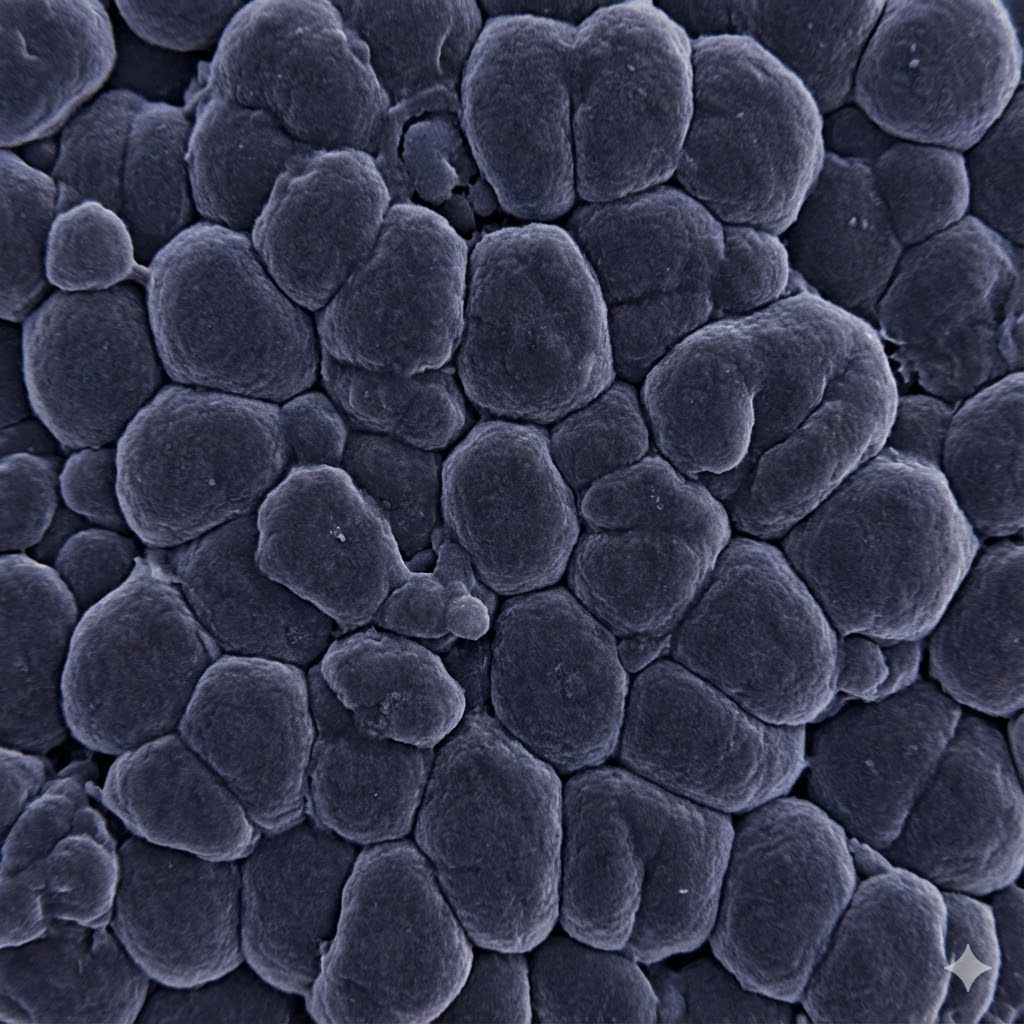
It is important to understand that proline metabolism is complex. Research has shown that certain cancer types under hypoxia (oxygen deficiency) or stress can upregulate an enzyme called PRODH (proline dehydrogenase). This enzyme can break down proline to generate energy (ATP) and reactive oxygen species, which in the worst case can promote the cancer cell’s survival under harsh conditions [5].
Therefore, proline is not a “one-size-fits-all” solution. If a specific tumor is dependent on proline metabolism to grow, an isolated supplement could theoretically be counterproductive.
This underscores the importance that proline rarely should stand alone, but be part of a protocol (often with lysine, vitamin C, and EGCG from green tea), which collectively inhibits cancer growth, rather than just providing fuel. This requires expert guidance to navigate this balance.
Which cancer types are we talking about
When research [4, 5] describes cancer cells’ ability to utilize proline as fuel via the enzyme PRODH – especially when they are pressured by oxygen deficiency – the arrow often points to these specific cancer types:
- Breast cancer (especially metastatic): Research has shown that certain aggressive breast cancer cells have a high level of PRODH. They use proline breakdown to create energy (ATP), which helps them survive when they break loose and need to form metastases elsewhere in the body (lungs/bones).
- Non-small cell lung cancer (NSCLC): Here, it has been seen that proline metabolism can play a role in cancer cells’ growth and survival.
- Pancreatic cancer: These tumors often grow in an environment with very little oxygen and nutrients (a “poor” environment). To survive this “starvation environment”, they are masters at finding alternative energy sources, including proline, which they obtain by breaking down the surrounding tissue.
- Prostate cancer: Similar changes in proline metabolism have also been observed here, which the cells can exploit for growth.
The important nuance
However, it is extremely complex. In some stages of the disease, PRODH actually functions as a tumor inhibitor (by stressing the cell to death with free radicals), while in other stages (especially late/aggressive under oxygen deficiency) it functions as a survival mechanism.
Therefore the conclusion is important
It is precisely because of this risk with the mentioned cancer types that in complementary oncology (e.g., Dr. Rath’s protocol) never recommends Proline as a “stand-alone” product (alone).
When it is given together with Lysine, Vitamin C, and EGCG (Green tea), the picture changes. EGCG and Lysine work to close/inhibit the cancer cell’s pathways so it cannot utilize the energy, while Proline goes to strengthen the connective tissue (the wall) instead of feeding the cell.
Clinical trials
Research on proline as a standalone cancer treatment in humans is limited. The most convincing results come from studies where proline is part of a synergistic mixture.
One in vivo study (in living organisms) investigated the effect of a nutrient mixture consisting of lysine, proline, arginine, ascorbic acid (vitamin C), and green tea extract on human osteosarcoma (bone cancer) inserted in mice. The results showed a significant inhibition of tumor growth and reduced MMP secretion, which supports the theory of connective tissue strengthening.
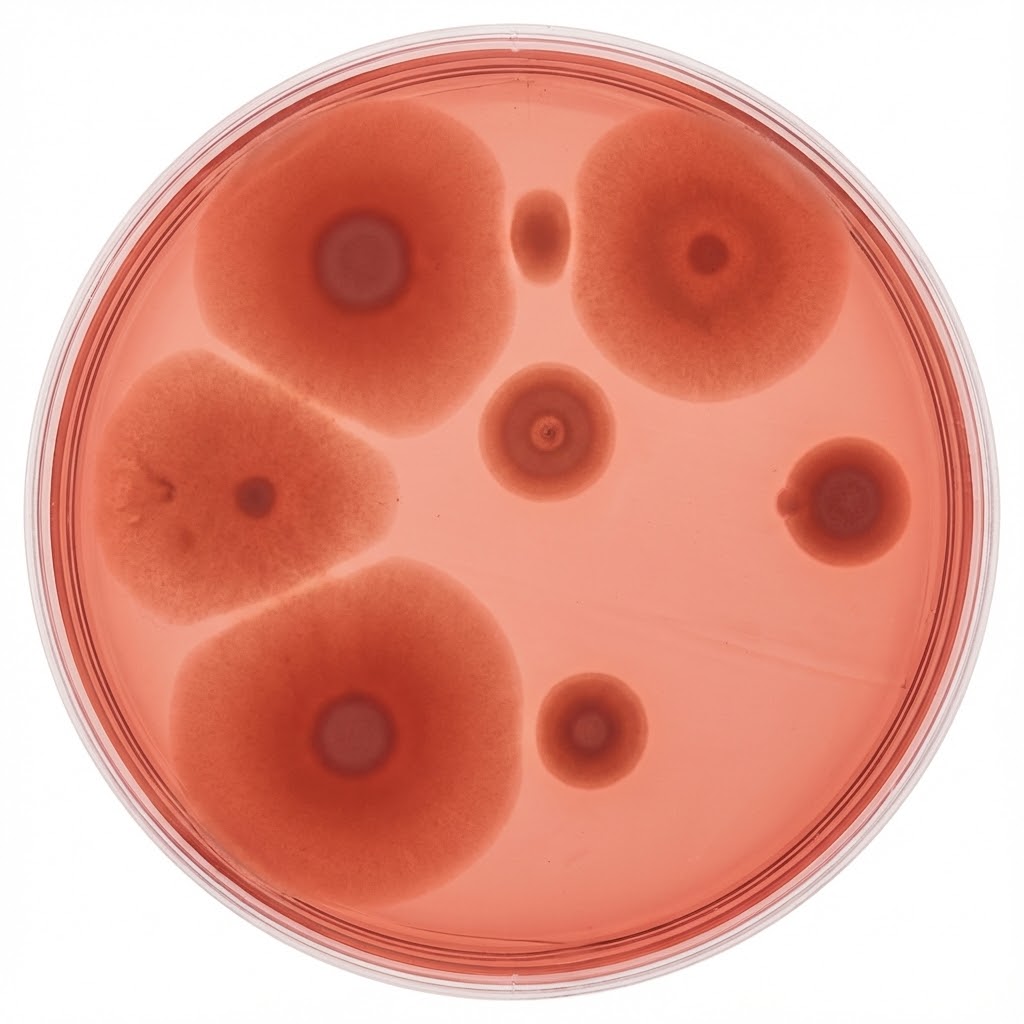
Similar results have been seen in in vitro studies (in test tubes) across different cell lines, including breast, lung, and colon cancer, where the combination of amino acids drastically reduced cancer cells’ ability to invade through an artificial membrane (matrigel). This indicates that the effect is broad-spectrum against the spreading mechanism rather than specific to one cancer type [4].
Safety
Proline is generally considered safe, as it is an amino acid we naturally ingest through the diet (meat, dairy products, eggs). There are no known serious toxic effects at normal doses.
People with severe kidney or liver diseases should, however, be cautious with high intake of amino acids in general, as this increases the load on these organs in relation to excretion of nitrogen waste. Interactions with conventional medication are rare, but one should always inform one’s healthcare provider about all supplements.
Dispensing and use
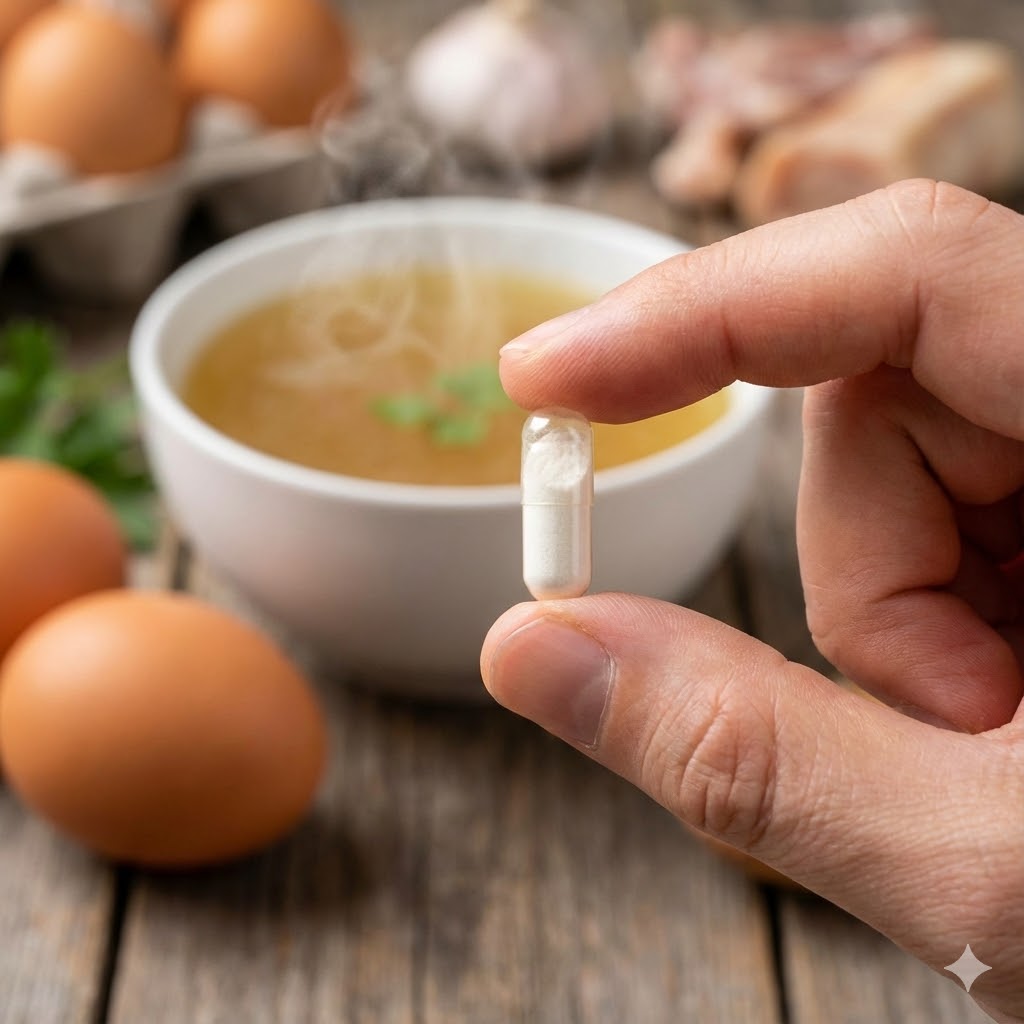
Dosage of proline is often done as part of a broader protocol for connective tissue support. A typical approach may look like this:
- Form: Capsules or powder (L-Proline).
- Combination: Almost always taken together with L-Lysine and vitamin C to ensure correct collagen formation.
- Timing: Preferably taken away from meals to avoid competition with other amino acids from the diet for absorption.
- Dose: Doses vary, but in therapeutic contexts, doses of between 500 mg and 2000 mg daily, divided throughout the day, are often seen.
- Start: Start slowly to see how the stomach reacts.
Possible discomfort
- May cause nausea or stomach cramps in some individuals, especially when taken on an empty stomach. If this happens, one can try to increase more slowly, divide the dose over several times, or take it together with a small amount of food.
Conclusion

Proline represents an interesting, supportive approach to cancer treatment that focuses on strengthening the body’s own defense – specifically the connective tissue – rather than just attacking the tumor. By ensuring the building blocks for a strong collagen structure, the goal is to limit cancer’s pathways of spread.
Although one must be aware of the metabolic nuances with certain tumor types, proline together with lysine and vitamin C constitutes a promising strategy for promoting physical resilience and thus inhibiting invasion (metastases).
Back to Supplements
Also see Dr. Rath’s Protocol
Also see Bill Henderson Protocol
Links
[1] Proline Metabolism in Tumor Growth and Metastatic Progression (Frontiers in Oncology, 2020)
- Content: A scientific review describing how proline availability affects collagen synthesis and cancer cells’ ability to change shape and spread (plasticity).
[2] The regulatory mechanisms of proline and hydroxyproline metabolism (Frontiers in Oncology, 2023)
- Content: A newer article that delves into the mechanisms that control the formation of proline and collagen, and how these processes are upregulated in cancer tissue.
[3] Targeting extracellular matrix through phytochemicals (Frontiers in Pharmacology, 2023)
- Content: Describes the strategy of targeting treatment at the surrounding tissue (ECM) using natural substances to prevent cancer’s spread.
[4] Can proline dehydrogenase—a key enzyme involved in proline metabolism—be a novel target for cancer therapy? (Frontiers in Oncology, 2023)
- Content: Discusses the dual role of proline metabolism, and how the enzyme PRODH can affect cancer development, which is relevant for the disadvantages section.
[5] Proline Metabolism in Cancer: Emerging Roles in Redox Homeostasis (MDPI, Cancers, 2025)
- Content: The absolute newest knowledge summarizing proline’s significance for cancer cells’ energy metabolism and stress response, providing a completely updated picture of the research.
Page created:
December 31, 2025, Last revised May 3, 2026
❤
What you read on “Jeg har Kræft” is not a recommendation. Seek competent guidance.
