


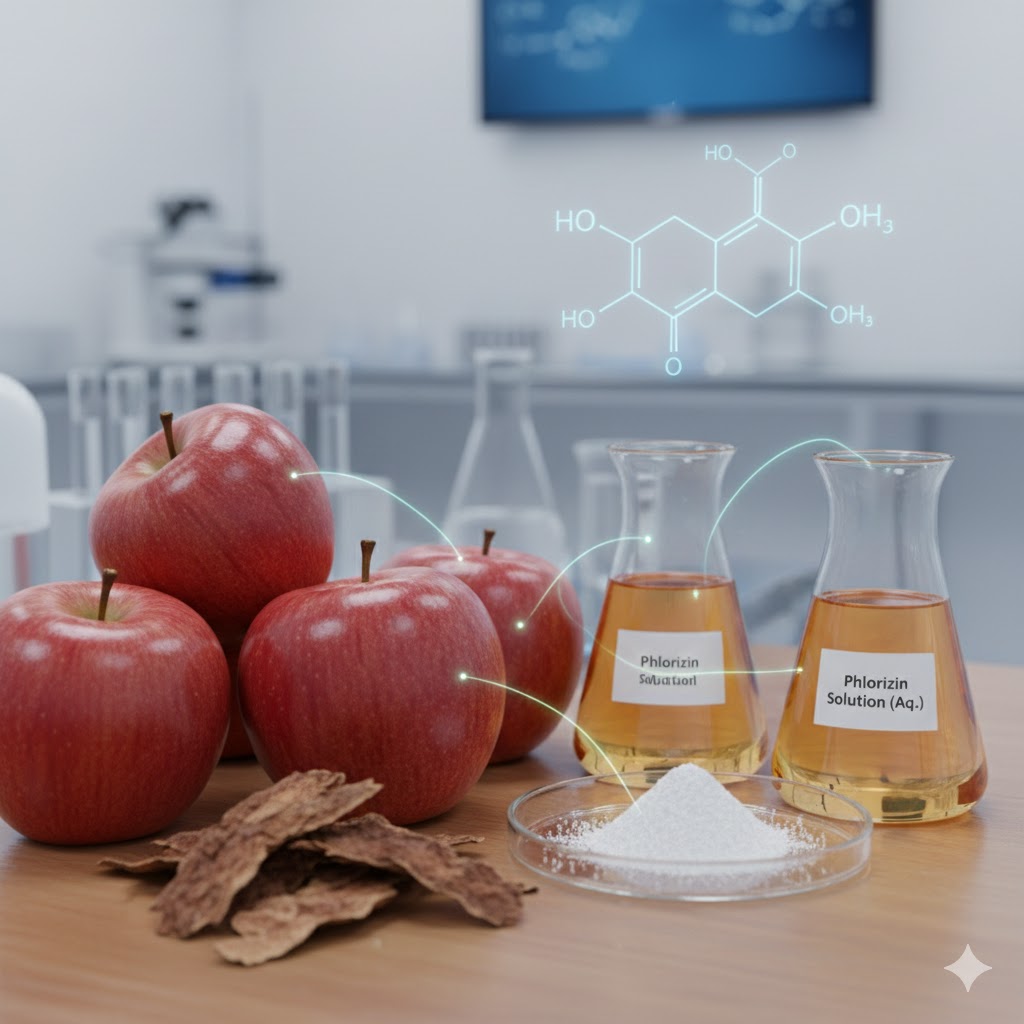
Phlorizin and cancer – under development
Summary of Phlorizin
Phlorizin stands out in the following way:
Primary effect:
- Phlorizin is a natural compound that blocks the transport proteins (SGLT1 and SGLT2) that cancer cells use to absorb sugar. By blocking the energy supply, the growth and survival of the cells are slowed.
Potential in cancer:
- The substance is particularly promising for “starving” sugar-dependent tumors, including those in the pancreas, colon, and lungs. It can also reduce the risk of spread by weakening the cancer cells’ ability to migrate in the body.
Main limitation:
- It is very difficult to obtain as a pure dietary supplement, as it is primarily found as a highly concentrated special extract (98%) in foreign niche stores. In addition, it breaks down quickly in digestion.
What is Phlorizin
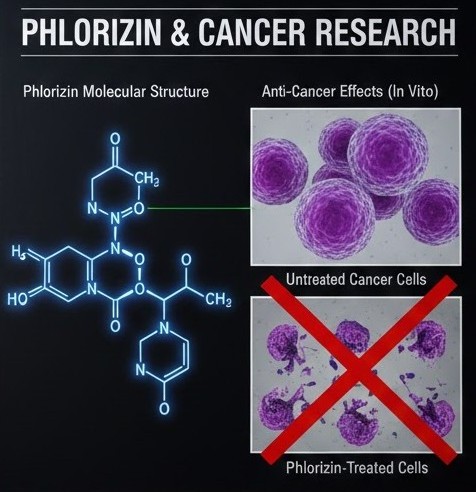
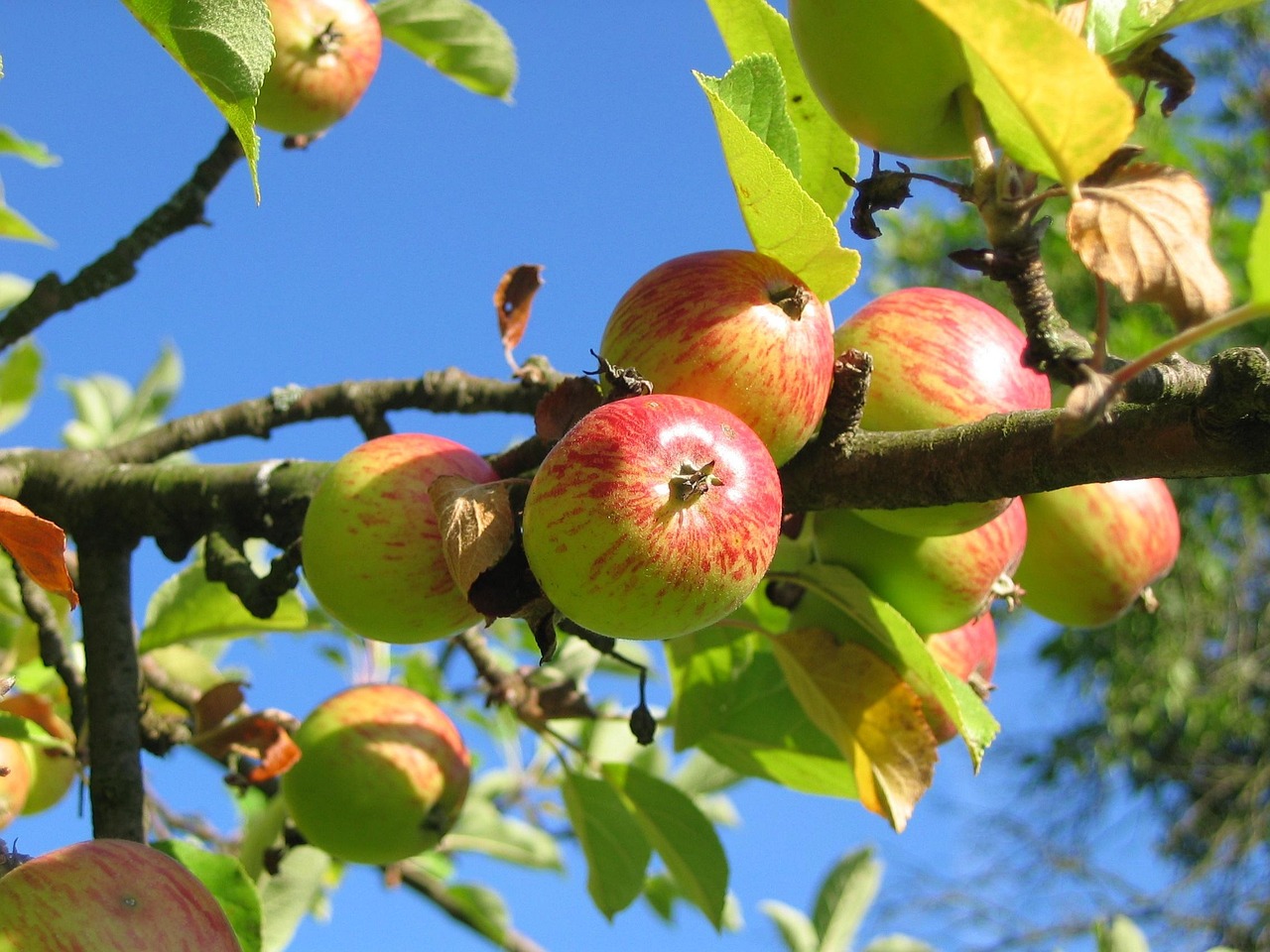
Phlorizin is a naturally occurring glycoside (a compound of sugar and another substance) found in the bark of fruit trees, including especially apple trees. It is most concentrated in the root bark, but is also found in smaller amounts in the apple peel itself. In science, it is best known as a non-specific inhibitor of sugar transporters, meaning it can prevent glucose from penetrating cell membranes.
History
The compound was first isolated from the bark of apple trees in 1835 by French chemists. Throughout the 19th century, it was primarily studied in connection with fever diseases and as a tool to study sugar metabolism, as it was discovered that it caused the kidneys to excrete sugar. In modern times, it has become the basis for the development of a completely new type of medication against type 2 diabetes (SGLT2 inhibitors), but research has now shifted focus to its ability to control cancer cells’ energy supply.
Mechanisms of action
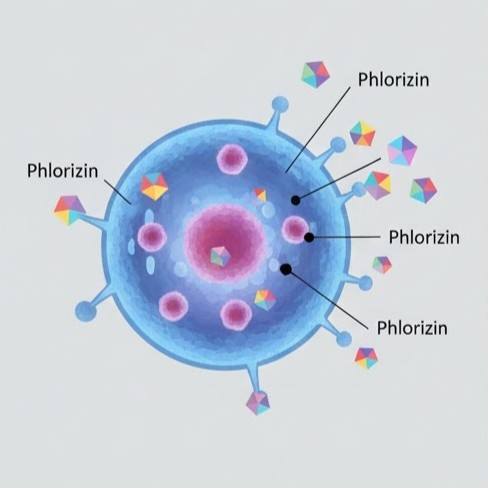
Phlorizin works primarily by blocking access to the resources that cancer cells are most dependent on to survive and divide.
Blocking sugar transport
The most important mechanism is the inhibition of SGLT1 and SGLT2 (proteins that transport sugar and salt into cells). Cancer cells often have an extremely high number of these transporters on their surface to be able to suck sugar from their surroundings. By attaching to these gates, Phlorizin functions as a plug that prevents glucose from entering the cell.
Inhibition of energy production
When sugar intake is blocked, the cell’s content of ATP (the cell’s energy currency) falls. This creates a metabolic crisis in the cancer cell. Unlike healthy cells, which are flexible in their energy choices, many cancer cells are locked into a process called glycolysis (burning sugar without oxygen).
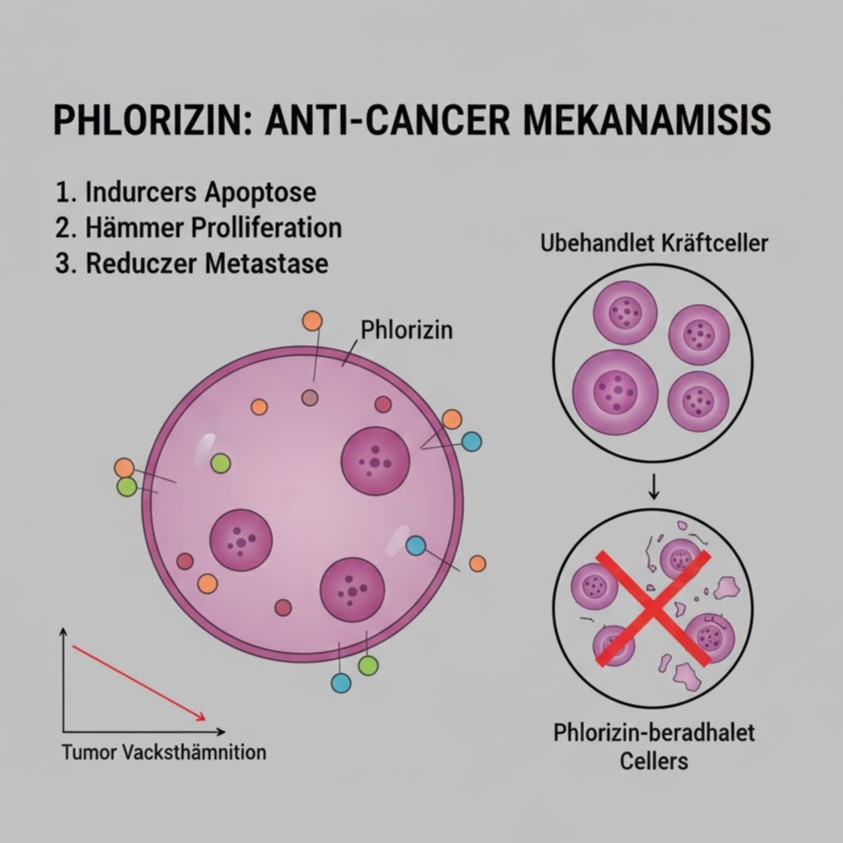
Without sugar, the cancer cell is forced into stress states that often lead to cell death.
Affecting cell signaling
In addition to the direct starvation effect, the substance also affects signaling pathways such as AKT and MAPK (proteins that control the cell’s growth and survival). By dampening these signals, the cell’s ability to divide aggressively is reduced, and it becomes more vulnerable to attacks from the immune system or other treatment forms [1].
Potential in cancer
The greatest potential for Phlorizin lies in its ability to exploit cancer’s weakness: its sugar dependence.
Pancreatic and colon cancer
Certain cancer types, especially in the digestive system, are covered by an unusually high number of sugar ports (SGLT1) on their surface. Research has shown that Phlorizin can effectively inhibit the growth of these tumors by blocking sugar uptake directly in the area where the tumor is located. This makes it an interesting candidate as supportive therapy to limit tumor size before or during treatment [2].
Prevention of spread
Metastasis (spread to other organs) requires enormous amounts of energy. When Phlorizin blocks the transporters, the cancer cells’ ability to break free and migrate is weakened.
Studies indicate that inhibition of SGLT transporters can reduce the cells’ ability to attach to new locations in the body, which is crucial for keeping the disease localized.
Counteracting resistance
Many cancer cells develop resistance to chemotherapy by increasing their sugar consumption to gain energy to pump the medication out of the cell again. By combining treatment with Phlorizin, one can theoretically “pull the plug” on this energy-demanding defense mechanism, making conventional treatment more effective [3].
Benefits of Phlorizin
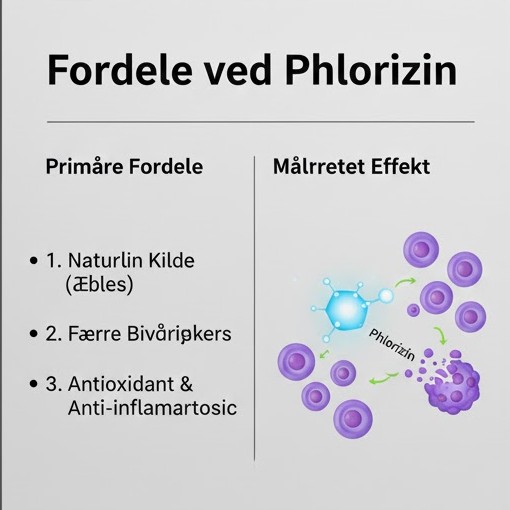
A notable benefit of Phlorizin is its precise target. Since healthy cells to a greater extent use other transport pathways (such as GLUT1) or can switch to burning fat, the blockade of SGLT transporters hits the sugar-hungry cancer cells harder than healthy tissue.
The substance has also been shown to have a protective effect on the kidneys and can help lower elevated blood sugar, which is often a challenge for cancer patients due to stress or medication (e.g., adrenal cortex hormone).
By stabilizing blood sugar, you further remove “fuel” from the tumor’s microenvironment.
Disadvantages and limitations
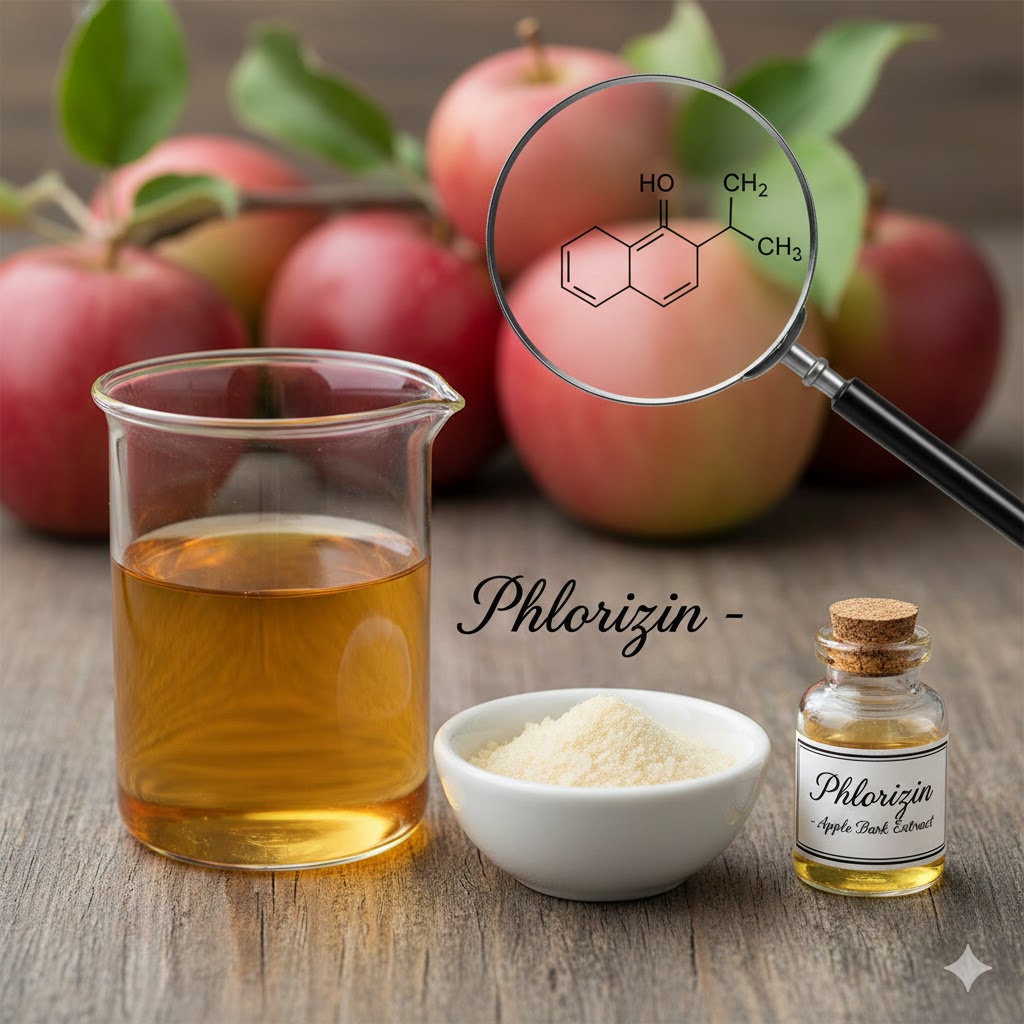
The biggest practical challenge for those who want to use Phlorizin is availability. It is not a substance you find in regular trade. One must specifically look for specialized extracts from abroad, typically labeled as Apple Root Bark Extract, and ensure a standardization of at least 98% to achieve a real effect.
In addition, there is the chemical instability. When the substance is taken orally, a large part of it is broken down into the substance phloretin by enzymes in the intestine. Although phloretin also has cancer-inhibiting properties, you lose the specific and powerful blockade of the surface proteins (SGLT) that pump sugar into the cell.
This means that you must be extremely precise with both the quality of the product and the timing of intake to ensure that enough of the active substance reaches the tumor. Perhaps in practice an insurmountable barrier for reasonable effect.
Clinical trials
There is a solid base of preclinical research, including many studies conducted in vitro (in test tubes/petri dishes), which show the substance’s ability to stop cancer cells’ sugar uptake. The results have been repeated in animal models in vivo (in living organisms), where significant reductions in tumor growth have been seen [4].
In humans, the direct cancer-inhibiting effect is still in the early research phase, but since Phlorizin derivatives (medications developed from Phlorizin) are already approved for diabetes treatment, a lot is known about the safety and the substance’s behavior in the human body. There is ongoing research into how to best transfer this knowledge to oncology [5].
Safety
Phlorizin is considered very safe, as it is found naturally in foods such as apples. The primary side effect is the risk of osmotic diarrhea (thin stool due to sugar) if one takes very large doses on an empty stomach.
Since the substance works to lower blood sugar, one should be aware of the risk of hypoglycemia (low blood sugar) if one is already taking insulin or other diabetes medication. It is important to coordinate this with a healthcare provider. Since it also affects the kidneys’ excretion, people with severe kidney disease should exercise caution.
Dispensing and use
To get the best benefit from Phlorizin, one should be aware of the following:
- Intake before meals: It is most effective to take the supplement approximately 15-20 minutes before a carbohydrate-rich meal to block sugar uptake as much as possible.
- Combination with fat: Although it is not directly fat-soluble, healthy fats can help stabilize the passage through the intestine.
- Distribution of dose: Due to the rapid metabolism in the body, it is often better to divide the daily dose into 2-3 smaller portions rather than one large.
- Focus on purity: Choose extracts with a high content of pure Phlorizin (typically 98%), as cheaper apple extracts often contain too little of the active substance.
Acquisition:
Since the substance is difficult to find in regular trade, there are in practice two ways to go:
- You can look for Apple Root Bark Extract (standardized to at least 98% Phlorizin) or
- the specialized combination product Glycolysis InhibiThree, which is designed to target cancer cells’ sugar metabolism from several angles.
Strategic placement and combination
In a treatment protocol, Phlorizin has an important role as a strategic support that makes cancer cells vulnerable.
Type: Starve
It belongs in the Starve category. Its primary task is not necessarily to kill the cell immediately with poison, but to cut off its supply lines. By blocking the sugar, the tumor is weakened so other attacks (bombs) work more effectively.
Synergy
- Ketogenic diet: Phlorizin works extremely well together with a diet low in carbohydrates, as it further limits the little sugar that is available to the tumor.
- Honokiol: Since, for example, Honokiol attacks the cell directly (bomb), the combination with Phlorizin (starve) creates a double pressure on the cancer cell.
- Chemotherapy: By reducing the cell’s energy (ATP), Phlorizin can make it more difficult for the cancer cell to pump chemotherapy out again, which increases the treatment’s effect [3].
Avoid simultaneous intake
- High-dose sugar/juice: It makes no sense to take Phlorizin and then drink large amounts of fruit juice or eat pure sugar, as you simply overwhelm the transporters that the substance is trying to block.
- Insulin-stimulating medication: Be aware of interactions with sulfonylurea drugs (e.g., Gliclazide) or direct insulin treatment. Since Phlorizin increases the excretion of sugar via the kidneys, the combination with this medication can lead to critically low blood sugar (hypoglycemia).
Conclusion
Phlorizin represents an exciting metabolic approach to cancer treatment. By targeting the transporters that feed the tumor with sugar, it offers a method to weaken even aggressive cancer types from within.
Although challenges with absorption require attention to correct dispensing, its natural profile and low toxicity make it a valuable tool in a complementary protocol, especially for those who want to implement “starvation strategies” against their disease.
Back to Supplements
Also see Cancer as a metabolic disease
Also see Diet
Links
[1] Phloridzin as a Nutraceutical for Cancer Prevention and Therapy (NIH/PubMed, 2025)
- Content: A brand new review of Phlorizin, which documents its ability to promote cell death (apoptosis) in tumors and increase the effectiveness of the body’s own cancer-fighting mechanisms.
[2] Glucose Transporters as a Target for Anticancer Therapy (MDPI, 2021)
- Content: A scientific review of how transport proteins such as SGLT1 and SGLT2 are overexpressed in cancer cells, and how targeting these can be used as an effective strategy in treatment.
[3] Unveiling the anticancer potential of SGLT-2 inhibitors (NIH/PubMed, 2025)
- Content: A brand new review of SGLT-2 inhibitors’ potential as candidates in cancer treatment, as they effectively block cancer cells’ sugar uptake and slow their growth.
[4] Research Progress on Its Biological Activity and Mechanism (MDPI, 2024)
- Content: An updated review of Phlorizin’s biological effects, which documents inhibition of growth and spread in several cancer types, including breast and bladder cancer.
[5] Unveiling the anticancer potential of SGLT-2 inhibitors (Springer Nature Link, 2025)
- Content: The article describes how inhibitors block sugar uptake in tumor cells and thereby limit the energy supply necessary for cancer growth.
Page created:
January 8, 2026, Last revised May 3, 2026
❤
What you read on “Jeg har Kræft” is not a recommendation. Seek competent guidance.
