


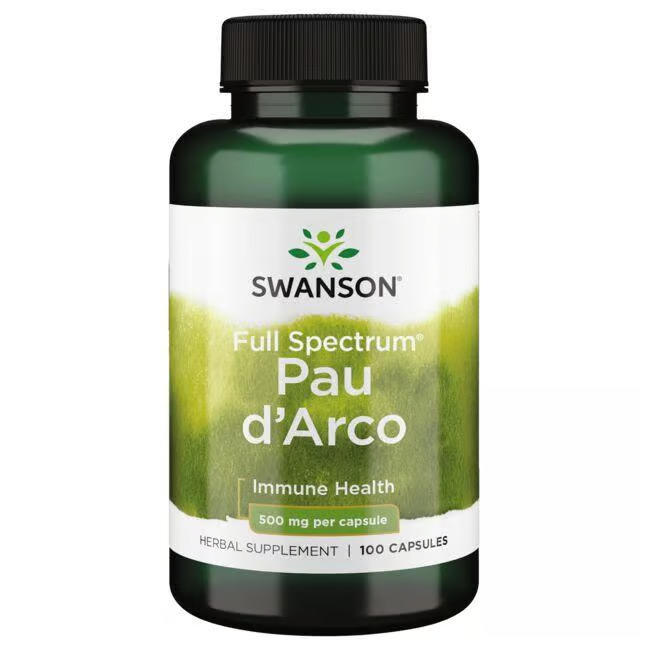
Pau D’arco and cancer
What is Pau D’arco
Pau D’arco, also known as Lapacho or Taheebo, refers to the inner bark of several species of trees belonging to the genus Tabebuia, primarily Tabebuia impetiginosa and Tabebuia avellanedae. These majestic trees are native to the lush rainforests of South America, especially in areas such as Brazil, Argentina, Paraguay, and Bolivia.
History
For centuries, indigenous peoples in these regions have valued Pau D’arco for its remarkable medicinal properties. Traditionally, the bark has been used to treat a wide range of ailments, including infections, fever, joint pain, and even certain forms of malignant diseases (cancer).
Drinks made from the inner bark have been an integral part of their folk medicine, passed down through generations, due to its perceived healing power. The deep respect for nature’s resources and the empirical knowledge of Pau D’arco’s effects have created a long history of use, which is now sparking interest in the Western world for its potential as a natural remedy, also in cancer treatment.
Mechanisms of action
Pau D’arco contains a complex mixture of bioactive substances, several of which are believed to contribute to its potential health benefits, including its effect on cancer cells. Research in vitro (in test tubes/petri dishes) and in vivo (in living organisms) has identified several mechanisms of action that may explain its potential as a complementary treatment for cancer.
Lapachol and its metabolites
One of the most studied components in Pau D’arco is lapachol, a naturally occurring naphthoquinone compound. Lapachol has in vitro demonstrated a number of anti-cancer activities. It is believed to be able to interfere with essential cellular processes in cancer cells, including DNA synthesis and repair. By inhibiting these processes, lapachol can potentially prevent cancer cells from proliferating and ultimately induce apoptosis (programmed cell death) [1, 2, 3, 4].
Additionally, lapachol is metabolized in the body into other active substances, including beta-lapachone, which has also been the subject of intense research in oncology. Beta-lapachone has shown a unique mechanism of action by activating an enzyme called NAD(P)H quinone dehydrogenase 1 (NQO1) in cancer cells.
This activation leads to an overproduction of reactive oxygen species, which can cause oxidative stress and subsequent cell death in cancer cells, especially in cells with high levels of NQO1, which are often seen in certain cancer types.
Inhibition of angiogenesis
Angiogenesis (formation of new blood vessels) is a crucial process for the growth and spread of cancer tumors, as they require a constant supply of nutrients and oxygen. Research has suggested that certain extracts from Pau D’arco and specific compounds such as lapachol can inhibit angiogenesis.
By preventing the formation of new blood vessels, Pau D’arco can potentially starve cancer tumors and limit their growth and ability to metastasize (spread to other parts of the body). This anti-angiogenic effect is believed to be mediated by downregulation of pro-angiogenic factors and upregulation of anti-angiogenic factors in the cancer environment [7].
Immunomodulatory effect
Pau D’arco has also shown potential to modulate (regulate) the immune system. A well-functioning immune system is crucial in the fight against cancer, as it can identify and eliminate cancer cells. Studies have suggested that certain components in Pau D’arco can stimulate the activity of important immune cells, such as natural killer cells (NK cells) and macrophages (a type of white blood cell that phagocytoses – “eats” – foreign particles and cells).
By strengthening the immune response, Pau D’arco can potentially help the body fight cancer more effectively. This immunomodulatory effect can involve production of cytokines (signaling proteins in the immune system) and improved antigen presentation (the process where immune cells display cancer antigens to other immune cells to activate a targeted attack).
Anti-inflammatory properties
Chronic inflammation (long-term inflammatory state) is known to play a role in the development and progression of several cancer types. Research has indicated that extracts from Pau D’arco possess anti-inflammatory properties.
These properties may be due to inhibition of pro-inflammatory cytokines and enzymes, such as cyclooxygenase-2 (COX-2) and tumor necrosis factor-alpha (TNF-α). By reducing inflammation in the body, Pau D’arco can potentially create a less favorable environment for cancer cell growth and spread, as well as alleviate some of the symptoms associated with cancer and its treatment.
Inhibition of telomerase
Telomerase is an enzyme that is active in most cancer cells and helps them maintain the length of their telomeres (protective caps for the ends of chromosomes), which allows them to divide indefinitely.
Some in vitro studies have suggested that certain components in Pau D’arco can inhibit telomerase activity in cancer cells. By disrupting this mechanism, Pau D’arco can potentially limit cancer cells’ ability to replicate and thus control their growth [8, 9].
Potential as complementary treatment for cancer
The comprehensive spectrum of mechanisms of action observed for Pau D’arco and its components in vitro and in vivo suggests significant potential as a complementary treatment for cancer. Although it is crucial to emphasize that Pau D’arco should not be considered a substitute for conventional cancer treatment, it can potentially play a supportive and complementary role in several ways.
Synergistic effects with conventional treatment
Research suggests that Pau D’arco may have synergistic effects (combined effects that are greater than the sum of the individual effects) with certain conventional cancer treatments, such as chemotherapy and radiation therapy.
For example, in vitro studies have shown that the combination of lapachol or beta-lapachone with certain chemotherapeutic agents can improve their effectiveness by increasing cancer cells’ sensitivity to the treatment. This can potentially lead to lower doses of chemotherapy, which can reduce the associated side effects.
Similarly, Pau D’arco can potentially make cancer cells more susceptible to radiation therapy by affecting their DNA repair mechanisms.
Reduction of side effects from conventional treatment
Some of the side effects associated with conventional cancer treatment, such as inflammation and reduced immune function, can potentially be alleviated by Pau D’arco’s anti-inflammatory and immunomodulatory properties.
By supporting the patient’s general well-being and reducing some of the unpleasant consequences of treatment, Pau D’arco can contribute to a better quality of life during the cancer process.
For example, its antioxidant effect can help protect healthy cells from oxidative damage caused by chemotherapy and radiation.
Support for the immune system during and after treatment
Cancer and its treatment can often weaken the immune system, making patients more susceptible to infections. Pau D’arco’s potential to stimulate immune function can be particularly valuable in this context by helping to rebuild and strengthen the immune response.
A stronger immune system can not only help fight infections but also potentially contribute to eliminating remaining cancer cells after primary treatment.
Management of cancer-related fatigue
Cancer-related fatigue is a common and debilitating side effect that can persist long after treatment is completed. Although the precise mechanisms behind Pau D’arco’s potential energy-giving effects are not fully understood, some users have reported increased energy levels and improved general well-being with the use of Pau D’arco. This may possibly be related to its ability to improve circulation and reduce inflammation.
Potential inhibition of metastasis
Metastasis is the primary cause of cancer-related mortality. Pau D’arco’s anti-angiogenic properties and its potential to affect cancer cells’ adhesion (ability to attach to other cells) and migration (ability to move) suggest that it may play a role in inhibiting the spread of cancer cells to other parts of the body. However, more research is needed to confirm this potential benefit in humans.
Benefits of Pau D’arco
In addition to the potential mechanisms of action and its potential as a complementary treatment for cancer, there are several other benefits often highlighted with the use of Pau D’arco.
Broad-spectrum antimicrobial activity
Traditionally, Pau D’arco has been used to treat various infections. Research has shown that certain of its components, including lapachol and other naphthoquinones, exhibit antimicrobial activity in vitro against a range of bacteria (including certain antibiotic-resistant strains), fungi (such as Candida albicans), viruses, and parasites.
This broad-spectrum antimicrobial activity can be beneficial for cancer patients, who often have a compromised immune system and are more susceptible to infections.
Antioxidant properties
Oxidative stress, caused by an imbalance between the production of free radicals and the body’s ability to neutralize them, plays a role in the development of many diseases, including cancer.
Pau D’arco contains antioxidant compounds that can help protect cells from oxidative damage. By reducing oxidative stress, Pau D’arco can potentially contribute to preventing further cell damage and supporting overall health.
Potential pain relief
Some studies and anecdotal evidence suggest that Pau D’arco may have pain-relieving properties. This may possibly be due to its anti-inflammatory effect. Pain relief is an important aspect in the management of cancer and can significantly improve patients’ quality of life.
Relatively low toxicity at recommended doses
Compared to many conventional cancer treatments, Pau D’arco appears to have a relatively low toxicity profile when used at recommended doses. This makes it potentially more tolerable for patients who are already weakened by their disease or other treatment. However, it is important to follow the recommended dosages and be aware of potential side effects.
Disadvantages and limitations
Although Pau D’arco shows promising potential, there are also disadvantages and limitations to consider.
Limited clinical evidence in humans
The majority of research into Pau D’arco’s effect on cancer has been conducted in vitro and in vivo. There are relatively few well-designed clinical trials on humans investigating its effectiveness as a complementary treatment for cancer. This means that the potential benefits observed in the laboratory do not necessarily translate directly to humans.
Potential side effects
Although Pau D’arco is generally considered to be relatively safe at recommended doses, some people may experience side effects, including nausea, vomiting, diarrhea, and dizziness, especially at higher doses.
There have also been reports of rare cases of liver effects at very high doses of certain extracts.
Interactions with medication
Pau D’arco can potentially interact with certain medications. For example, lapachol has been shown to have a blood-thinning effect and should therefore be used with caution in people taking anticoagulant medications such as warfarin.
It is crucial that people considering using Pau D’arco as a complementary treatment inform their healthcare provider about this to avoid potential harmful interactions.
Clinical trials
As mentioned, there are a limited number of comprehensive clinical trials on humans specifically investigating Pau D’arco’s effect as a complementary treatment for cancer.
The studies that have been conducted have often been small, of varying quality, and have examined different forms of Pau D’arco extracts and dosages. The results from these studies have been mixed, and there is a need for more robust research with larger patient populations and standardized preparations to be able to draw reliable conclusions about its clinical effectiveness in cancer patients.
Safety
At recommended doses, Pau D’arco is generally considered to be relatively safe for most people. However, it is important to be aware of potential side effects, especially at higher doses.
Pregnant and breastfeeding women should avoid the use of Pau D’arco due to a lack of safety data in these populations.
People with existing liver or kidney diseases should also exercise caution and consult a qualified healthcare provider before use.
As mentioned above, it is also important to be aware of potential interactions with certain medications, especially blood-thinning medications:
- Pau D’arco can potentially enhance the effect of medications that inhibit blood clotting, such as warfarin (Coumadin), clopidogrel (Plavix), and aspirin. Concurrent use can increase the risk of bruises and bleeding. It is therefore recommended to avoid this combination or carefully monitor blood tests (INR value) in consultation with a qualified healthcare provider.
Dispensing and use
Pau D’arco is available in various forms, including:
- Capsules: Typically contain powdered inner bark extract. Dosage varies depending on the product and the recommended use.
- Liquid extracts (tinctures): Concentrated extracts taken orally in drop form. Dosage is usually indicated in number of drops.
- Te (decoction): Made by boiling the dried, inner bark in water for a certain period. Dosage is typically indicated in number of cups per day.
It is important to follow the dosage instructions indicated on the product or as recommended by a qualified healthcare provider.
The duration of treatment can vary depending on the individual situation and the purpose of use.
Conclusion
Pau D’arco is a natural substance with a long history in traditional medicine and an exciting potential as a complementary treatment for cancer based on in vitro and in vivo research.
Its various mechanisms of action, including inhibition of cancer cell growth, angiogenesis, immunomodulation, and anti-inflammatory properties, suggest that it can play a supportive role in cancer treatment. However, there is a need for more comprehensive clinical trials on humans to confirm its effectiveness and safety in this context.
People considering using Pau D’arco as a supplement to their cancer treatment should always consult their healthcare provider to ensure that it is safe and appropriate in their specific situation and to avoid potential interactions with conventional treatment.
Pau D’arco should be regarded as a potentially supportive agent and not as a replacement for established cancer treatment protocols.
Overview of medicinal mushrooms and cannabis
This overview compares the effect and safety of the most commonly used medicinal mushrooms. Cannabis is also included in the overview. This is despite the fact that cannabis is biologically a plant and not a mushroom. However, it is often used in the same context when natural symptom relief is desired for those affected by cancer.
Worth knowing
Choice of mushroom: If the goal is to get through chemo safely with the fewest side effects, Turkey Tail is most often the first choice, as it has the fewest contraindications.
Neuropathy: If the chemo causes tingling in the fingers or nerve damage, Lion’s Mane is the only mushroom with specific documentation for being able to help with nerve regeneration.
Stop before surgery: A good rule of thumb is to stop all mushrooms, especially Reishi, Chaga, and Cordyceps, as well as fish oil two weeks before scheduled surgeries due to the risk of bleeding.
Medicinal mushroom and Cannabis
| Name | Primary Effect | Use in Cancer | Name | Important Caution |
|---|---|---|---|---|
| Agaricus blazei | Very powerful immune activation. High content of Beta-1,3/1,6-glucans. | Aggressive support. Used to significantly boost NK-cell activity. | Agaricus blazei | May affect liver enzymes. Should be used with caution in liver disease or heavy liver-taxing chemo. |
| Cannabis: CBD | Anxiolytic and muscle relaxant. Anti-inflammatory. | Quality of life. Relieves restlessness, anxiety, muscle tension, and sleep problems without a high. | Cannabis: CBD | Interaction with medication. Can inhibit the liver’s breakdown of chemotherapy (CYP450). |
| Cannabigerol (CBG) | Neuroprotective and appetite stimulant. Blocks TRPM8 channels (growth signals) in cells. | Antitumour support. Targeted use for growth in colon and brain, and against loss of weight and muscle mass. | Cannabigerol (CBG) | Interaction with liver enzymes (CYP450). May affect the concentration of blood thinners and certain types of epilepsy medication. |
| Cannabis: THC | Antiemetic and appetite stimulant. Psychoactive (euphoric). | Acute relief. Against severe nausea, vomiting, and weight loss. | Cannabis: THC | Driving ban. Psychoactive side effects. Sedative effect. |
| Chaga | Powerful antioxidant (SOD). Contains Betulin and Betulinic acid. Protects against oxidative stress. | Restorative. Used for general strengthening of the body under pressure. | Chaga | High oxalate content (risk of kidney stones). Blood-thinning. Interacts with insulin (lowers blood sugar). |
| Cordyceps | Energizing. Increases oxygen uptake (ATP) and kidney function. | Lung function. Counteracts shortness of breath and cancer-related fatigue. | Cordyceps | May over-activate the immune system in autoimmune diseases. Blood-thinning. |
| Lion’s Mane | Nerve regenerating. Stimulates growth of nerve cells (NGF). | Neuropathy. Counteracts sensory disturbances in fingers/feet and memory difficulties (chemo brain). | Lion’s Mane | May lower blood sugar. Mild blood-thinning effect. |
| Maitake | Immune-activating (D-fraction). Strong stimulation of macrophages. | Immune boost. Often used to activate the body’s own defense against cancer cells. | Maitake | May lower blood sugar. Can enhance the effect of blood-thinning medication. |
| Pau D’Arco | Potent antifungal and anti-inflammatory. Contains Lapachol. | Micro-environment. Used to purify the blood and combat fungal infections (Candida), which are often seen with a weakened immune system. | Pau D’Arco | Blood-thinning. Must not be combined with blood-thinning medication or used prior to surgical procedures. |
| Pao Pereira | Inhibits replication of abnormal cells. Penetrates the blood-brain barrier. | Targeted cell division. Often used for prostate cancer and cancers of the central nervous system (brain). | Pao Pereira | Generally well-tolerated, but should be taken under guidance to ensure correct dosage relative to conventional treatment. |
| Poria cocos | Diuretic and calming. Supports spleen and kidney function. Contains Pachyman. | Fluid retention. Helps against edema and mucus. Calms restlessness and racing thoughts. | Poria cocos | Acts as a diuretic. Be mindful of electrolyte balance if taking other diuretic medication. |
| Reishi | Calming and immune-strengthening. Acts as an adaptogen (stress-reducing) and sleep-promoting. | Sleep and stress. Good for finding peace in the body and supporting the immune system between treatments. | Reishi | Blood-thinning. Must not be used with low platelets or before surgery. |
| Shiitake | Immune-stimulating. Source of Lentinan and AHCC. | Standard support. Lentinan is used medically to prolong survival in certain types of cancer. | Shiitake | May in rare cases cause skin rash (Shiitake dermatitis). Contains purines (caution in gout). |
| Turkey Tail | Immune-modulating. Supports the immune system (NK cells) without overstimulating. Contains PSK. | Chemo support. Often used alongside chemo to counteract immune suppression. | Turkey Tail | Generally considered safe. Few known interactions (approved drug in Japan as PSK). |
Back to Supplements
Also see Diet
Links
[1] In Vitro Antitumor and Antimetastatic Activity of a New Lapachol Derivative against Metastatic Breast Carcinoma (PubMed, 2024)
- Content: In vitro study investigating a new lapachol derivative’s anti-tumor and anti-metastatic activity against metastatic breast carcinoma, demonstrating its potential as a therapeutic agent.
[2] Strong in vitro anticancer activity of copper(II) and zinc(II) complexes containing naturally occurring lapachol: cellular effects in ovarian A2780 cells (PubMed, 2024)
- Content: In vitro study showing strong anti-cancer activity of copper and zinc complexes with lapachol against ovarian cancer cells, providing insights into enhanced efficacy through metal complexation.
[3] Indium(III) complexes with lapachol: cytotoxic effects against human breast tumor cells and interactions with DNA (PubMed, 2024)
- Content: In vitro study examining indium(III) complexes with lapachol, demonstrating cytotoxic effects against human breast tumor cells and interactions with DNA, suggesting a mechanism for cancer cell inhibition.
[4] Anticancer Potential and Safety Profile of β-Lapachone In Vitro (PubMed, 2024)
- Content: In vitro study assessing the anticancer potential and safety profile of β-lapachone, providing data on its effectiveness and toxicity in controlled laboratory settings.
[5] Lapachol inhibits the growth of lung cancer by reversing M2-like macrophage polarization via activating NF-κB signaling pathway (PubMed, 2023)
- Content: In vitro study showing that lapachol can inhibit lung cancer growth by reversing M2-like macrophage polarization through activation of the NF-κB signaling pathway, demonstrating its immunomodulatory potential.
[6] Chemoselective Synthesis of Mannich Adducts from 1,4-Naphthoquinones and Profile as Autophagic Inducers in Oral Squamous Cell Carcinoma (PubMed, 2022)
- Content: Study on the chemoselective synthesis of Mannich adducts from 1,4-naphthoquinones and their profile as autophagic inducers in oral squamous cell carcinoma, providing insights into potential anti-cancer mechanisms.
[7] Effect of Lapachol on the Inhibition of Matrix Metalloproteinase Related to the Invasion of Human Fibrosarcoma Cells (PubMed, 2021)
- Content: In vitro study investigating the effect of lapachol on the inhibition of matrix metalloproteinase related to the invasion of human fibrosarcoma cells, demonstrating its potential to reduce cancer cell invasiveness.
[8] Unfolding the apoptotic mechanism of antioxidant enriched-leaves of Tabebuia pallida (lindl.) miers in EAC cells and mouse model (PubMed, 2025)
- Content: In vitro and in vivo study unfolding the apoptotic mechanism of antioxidant-enriched leaves of Tabebuia pallida in Ehrlich ascites carcinoma cells and mouse model, showing how it induces programmed cell death in cancer cells.
[9] Stem extract of Tabebuia chrysantha induces apoptosis by targeting sEGFR in Ehrlich Ascites Carcinoma (PubMed, 2019)
- Content: In vivo study showing that stem extract of Tabebuia chrysantha, which contains substances such as β-lapachone, has strong cell-killing effects on cancer cells. The study concludes that the extract works by inhibiting an important growth factor receptor (sEGFR), leading to programmed cell death (apoptosis).
[10] All About Pau D’Arco, an Herbal Ingredient Found in Supplements (Very Well Health, 2024)
- Content: Comprehensive article describing Pau D’arco, a South American medicinal plant containing active substances lapachol and beta-lapachone. Preliminary laboratory studies are investigating its potential to reduce inflammation and combat infections and cancer, but the plant is threatened by deforestation.
[11] A density functional theory study on the adsorption of the β-lapachone anti-cancer drug onto the MB11N12 (M = au, Rh and Ru) nanoclusters as a drug delivery (PubMed, 2025)
- Content: Computational study showing that a microscopic “transport cluster” (of the B11N12 type), when upgraded with a metal atom such as Ruthenium, becomes a very effective carrier for the anti-cancer drug β-lapachone. This opens up new possibilities in the development of targeted systems for drug delivery.
Page created:
April 11, 2025, Last revised May 2, 2026
❤
What you read on “Jeg har Kræft” is not a recommendation. Seek competent guidance.
