


Phosphatidylcholine (PC) and cancer
Summary of Phosphatidylcholine
Effect:
- Phosphatidylcholine is a vital building block in all cell membranes, ensuring cellular stability. It acts as a powerful liver protector and helps transport and absorb other important nutrients in the body.
Potential in cancer:
- It has great potential for protecting healthy organs—especially the liver and intestines—against damage from chemo- and radiotherapy. At the same time, it can be used to encapsulate and enhance the effect of other natural substances.
Primary limitation:
- With high intake, it can be converted into the compound TMAO in the gut, which in large amounts can increase the risk of cardiovascular disease.
What is Phosphatidylcholine (PC)
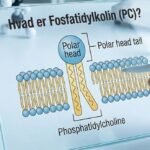
Phosphatidylcholine (often abbreviated as PC) is a phospholipid, a class of fats that constitutes a major component of all cell membranes in the body. Think of it as the mortar or glue that keeps the cell walls stable yet flexible enough for nutrients to enter and waste products to leave. Chemically, it contains choline, an essential nutrient group necessary for liver function and brain neurotransmitters. In the body, it is found in particularly high concentrations in the liver and the lining of the intestines.
History
Phosphatidylcholine was originally isolated from egg yolk in the mid-1800s by the French chemist Theodore Gobley, who named it “lecithin” after the Greek word for egg yolk, lekithos. Since then, it has been used medically to treat liver disorders, high cholesterol, and neurological challenges. In recent times, interest has shifted toward its role in nanomedicine, where it is used to transport medication into the body.
Lecithin vs. PC
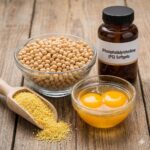
It is important to understand the difference, as the terms are often used interchangeably. Lecithin is the name of the total fat extract derived from sources like soy, sunflower, or egg. PC is the active ingredient found within the lecithin.
Think of it like an orange and Vitamin C. The orange is the whole package (like lecithin), while Vitamin C is the specific substance we want (like PC). When you consume regular lecithin, you also get PC, but typically only in a concentration of about 10-20%. The remaining 80% consists of other fats. In specific PC products, this is purified and concentrated, providing a much larger amount of the active substance without the need to consume enormous amounts of fat. Here, the concentration will typically be 60-90% PC.
Mechanisms of action
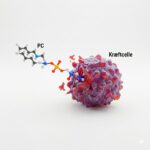
Phosphatidylcholine functions through several advanced biological mechanisms that are crucial for cell survival and communication.
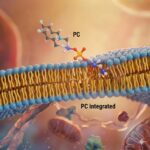
Firstly, PC makes the cell surface flexible and permeable. Imagine the cell membrane as the cell’s “skin.” In diseased cells and cancer cells, this membrane often stiffens, making it closed and difficult to penetrate. PC softens the structure so the membrane becomes permeable again. This is crucial for ensuring that medicine and nutrients can actually enter the cell and work, rather than just circulating outside. This simultaneously improves cell signaling, allowing the cell to better respond to the body’s own signals regarding, for example, apoptosis (programmed cell death).
Secondly, PC acts as a hepatoprotective agent (liver protection). It is directly involved in repairing liver cell membranes when they are damaged by toxins or medication. It increases the liver’s ability to regenerate and maintain bile production, which is essential for detoxification.
Thirdly, PC forms the basis for liposomal transport. In aqueous solutions, PC naturally forms small spheres called liposomes. These can encapsulate other substances—such as Vitamin C or chemotherapy—and transport them through the body’s barriers directly into the cells, significantly increasing bioavailability [1].
Potential in cancer
Phosphatidylcholine offers a unique supportive function in a cancer protocol, which differs from direct cell-killing agents.
Protection against treatment damage
One of the most documented roles for PC is the protection of healthy organs during conventional treatment. Studies have shown that PC supplementation can reduce the liver damage often seen with heavy chemotherapy. By stabilizing liver cell membranes, PC helps the organ withstand toxic pressure without reducing the effectiveness of the cancer treatment [2]. Similarly, research suggests it can protect lung tissue from damage caused by radiotherapy.
Improved drug delivery
PC is the “shell” in modern liposomal chemotherapy (e.g., Doxil). By wrapping cancer-killing agents in PC, the body is essentially tricked into accepting the medicine, allowing it to circulate longer in the bloodstream until it reaches the tumor. This principle can be utilized complementarily by using liposomal forms of natural substances like curcumin or quercetin, which are otherwise poorly absorbed [3].
Restoration of the intestinal mucosa
Many cancer patients suffer from a leaky gut or mucosal damage as a result of treatment. PC constitutes over 90% of the protective mucus layer in the colon. Supplementation can help rebuild this barrier, preventing bacteria and toxins from leaking into the blood and creating systemic inflammation that could otherwise promote cancer growth [5].
Advantages of phosphatidylcholine
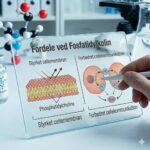
Beyond cancer-specific potentials, PC provides a wide range of systemic benefits crucial for maintaining basic bodily functions under pressure.
Optimizing the nervous system and counteracting neuropathy
Many chemotherapeutic agents (such as Cisplatin and Paclitaxel) can damage nerves and lead to neuropathy (sensory disturbances/pain in hands and feet). PC is a major component of myelin—the fat layer that insulates nerves like the plastic casing around a wire. High levels of PC are necessary to maintain and repair this insulation, which can help protect against nerve damage and ensure rapid signal transmission.
Support for mitochondria and energy levels
Cancer-related fatigue is a frequent challenge. Our cells’ energy factories, the mitochondria, have their own membranes that depend on PC to function. When these membranes are rich in PC, the electron transport chain (energy production) works more efficiently. This means the cell can better produce ATP (energy), which can counteract the deep exhaustion many experience.
Improved fat digestion and vitamin absorption
PC is an emulsifier, meaning it makes fats soluble in water. This is vital for bile. Without sufficient PC, bile becomes thick and can form gallstones. Free-flowing bile ensures efficient absorption of fat-soluble vitamins (A, D, E, and K) and other important fat-soluble supplements like Q10 and Curcumin, which would otherwise pass through the system unabsorbed.
Internal cleanup and protection
Phosphatidylcholine contains choline, which plays a key role in the body’s internal cleaning. Specifically, it helps keep levels of the substance homocysteine low. Homocysteine is a waste product that occurs naturally, but if not cleared, it acts as a toxin. It can damage the inside of blood vessels and increase the risk of blood clots. PC provides the tools the liver needs to convert this toxin back into harmless and useful substances.
Lung elasticity
In the lungs, a fluid called surfactant ensures that the air sacs (alveoli) do not collapse when we breathe out. PC is a primary component of this fluid. For patients receiving radiation to the chest region or those with lung involvement, ensuring sufficient building blocks to maintain lung tissue elasticity and function is an advantage.
Skin and mucous membranes
Radiotherapy and chemo often severely dry out the skin and mucous membranes. Since PC helps bind moisture in cell membranes (somewhat like an internal moisturizer), a systemic supplement can help make the skin more resilient and supple, promoting the healing of wounds and cracks.
Disadvantages and limitations
While PC is vital, there are significant mechanisms to be aware of—especially in the case of active cancer.
Risk in active cancer
This is the most important consideration. Since PC is the primary building block in cell membranes, there is a theoretical risk that very fast-growing tumors could utilize a large supplement of PC to build new cancer cells more quickly. Aggressive cancer cells (with a high Ki-67 index (above 20%)) divide explosively and need large amounts of membrane material. It is known that cancer cells absorb choline very greedily—in fact, this is exploited in certain PET scans where traceable choline is used to find tumors. Therefore, in the case of very aggressive cancer, one should be cautious with large doses of PC in the acute phase and instead consider alternatives like TUDCA for liver support.
TMAO formation and gut flora
When consuming PC, certain gut bacteria can convert choline into the compound Trimethylamine (TMA), which the liver then turns into TMAO. High levels of TMAO are associated with inflammation and an increased risk of blood clots [4].
The risk is greatest if the gut flora is imbalanced (dysbiosis) or if one is on antibiotics, as “wrong” bacteria can take over. With a healthy gut flora, or when taken with substances like resveratrol, this conversion is significantly reduced.
Clinical trials
Research into PC ranges from cell studies to human trials.
Extensive studies have been conducted on liver protection, where PC (often under the name polyenyl-phosphatidyl-choline) has been shown to reduce liver enzyme levels and oxidative stress in patients undergoing toxic treatment.
In nanomedicine, thousands of studies (both in vitro and in vivo) confirm that encapsulating cancer medicine in PC liposomes drastically increases efficacy while reducing side effects.
A newer focus area is ulcerative colitis (intestinal inflammation), where clinical trials have shown that delayed-release PC supplements can repair the mucosa and settle the disease, indirectly reducing the risk of colon cancer [5].
Safety
In large, recent studies involving thousands of participants, Phosphatidylcholine has shown a high safety profile and is well-tolerated by the vast majority [6].
The most common side effects are mild and related to the gastrointestinal system:
- Bloating or mild diarrhea (especially at high doses).
- Nausea or stomach pain.
A rare but socially bothersome side effect of very high choline intake is trimethylaminuria, where the body cannot break down TMA fast enough, giving both sweat and breath a fishy odor. However, this rarely happens with standard doses of PC, but more often with pure choline supplements.
Everyone, but especially individuals with severe kidney disease, should consult a practitioner before use, as those with impaired kidney function may have more difficulty excreting metabolites.
Dispensing and application
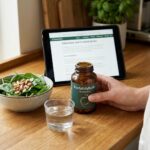
Phosphatidylcholine is available in various forms, and quality varies.
- Liposomal liquid form: The most potent for systemic absorption. Here, PC is already in small fat globules. Typically taken on an empty stomach.
- Capsules (softgels): Often contain lecithin from soy or sunflower. Check the percentage of actual phosphatidylcholine (PC), as “Lecithin” often only contains 10-30% PC.
- Granules: Can be sprinkled on food but are often absorbed less effectively than liposomal forms.
- Dosage: Standard maintenance is often 500-1000 mg PC daily. In therapeutic protocols, such as liver support, doses up to 2-3 grams daily are seen, divided throughout the day.
Strategic placement and combination

In a treatment protocol, Phosphatidylcholine has a clear supportive and reinforcing role.
Type: Repair (restoration)
PC belongs in the repair category. It is the body’s primary material for repairing cell membranes, nerves, and liver tissue damaged during treatment. It is the “mortar” that patches the holes in the system and ensures that healthy cells remain intact.
Synergy
- Curcumin and resveratrol: These substances are absorbed incredibly poorly on their own. When taken together with PC (or as finished liposomal products), absorption increases significantly. Resveratrol also has the major advantage of preventing gut bacteria from converting PC into harmful substances, thus eliminating the risk of inflammation otherwise associated with high doses.
- Chemotherapy: PC can be combined with many types of chemo to protect the liver (hepatoprotection), but this must always be coordinated with a practitioner to ensure it does not interfere with specific treatment.
- Garlic (allicin): Like resveratrol, garlic contains substances that can slow the formation of unwanted waste products in the gut.
Avoid simultaneous intake
- Contraindications: There are no specific contraindications regarding timing, but if taking medication that requires an “empty stomach” to work, one should not take fatty PC supplements at the same time, as it triggers digestion.
Conclusion
Phosphatidylcholine is much more than just a dietary supplement. It is a fundamental requirement for cellular life. In cancer treatment, it plays an indispensable role by maintaining liver function under pressure, rebuilding the intestinal mucosa, and potentially making cancer cells more susceptible to treatment through membrane modulation.
Its ability to improve the absorption of other natural substances makes it a powerful enhancer in any complementary strategy.
Back to Dietary supplements
See also Bombs, fire extinguishers, and timing
See also Diet
Links
[1] Phosphatidylcholine (PPC) fortified nano-phytopharmaceuticals for improvement of therapeutic efficacy (PMC/NIH, 2023)
- Content: A review of how PC can be used to encapsulate plant-based medicines (phytopharmaceuticals), improving their stability, absorption, and ability to target cancer tissue precisely.
[2] Polyene phosphatidylcholine protects against radiation induced tissue injury without affecting radiotherapeutic efficacy in lung cancer (PubMed Central, 2019)
- Content: A study (in vivo and human) showing that PC protects healthy lung tissue from radiation damage and acts as a liver protector without reducing the effectiveness of radiotherapy against cancer cells.
[3] Advancements in Liposomal Nanomedicines: Innovative Formulations, Therapeutic Applications, and Future Directions (NIH, DovePress, 2025)
- Content: A brand new overview of liposomes (made from PC) as nanomedicine. The article describes their biocompatibility and ability to deliver cancer medication targeted to the tumor to reduce toxicity.
[4] Trimethylamine-N-oxide as One Hypothetical Link for the Relationship between Intestinal Microbiota and Cancer (PMC/NIH, 2019)
- Content: A scientific discussion of the risk associated with TMAO (a breakdown product of choline/PC). The article highlights the mechanisms by which gut bacteria form TMAO and its potential link to inflammation and cancer.
[5] Phosphatidylcholine in Intestinal Mucus Protects against Mucosal Invasion of Microbiota and Consequent Inflammation (MDPI, 2024)
- Content: A new article establishing PC’s critical role in the intestinal mucosa. It shows that a lack of PC leads to inflammation (as in ulcerative colitis) and that supplementation can restore the barrier against bacterial attack.
[6] Effectiveness of phosphatidylcholine in alleviating steatosis in patients with non-alcoholic fatty liver disease (MANPOWER study) (PubMed, BMJ Open Gastroenterology, 2020)
- Content: A comprehensive study with over 2,800 patients investigating the effect of PC on the liver. The study concluded that the treatment was effective and had an excellent safety profile with very few and mild side effects.
Page created: Jan 15, 2026
❤
What you read on Jeg har Kræft is not a recommendation. Seek competent guidance.
