


Lysine and Cancer
Summary of Lysine
Effect:
- Lysine is an essential amino acid that serves as a fundamental building block for the body’s proteins. It is recognized for its crucial role in building and maintaining the body’s connective tissue (collagen) and for its well-known ability to control outbreaks of the herpes simplex virus.
Potential in Cancer:
- It shows potential by inhibiting key enzymes (lysyl oxidase) that cancer cells use to spread, by strengthening the body’s own connective tissue as a physical barrier, and by potentially slowing the growth of certain cancer cells by competing with the amino acid arginine. It may possibly inhibit metastasis.
Main Limitation:
- The primary limitation is biochemical. The effect depends on a correct balance with other amino acids, especially arginine. Although it is very safe, people with existing kidney disease should exercise caution, as high doses can burden the kidneys.
Summary:
- Lysine is a safe and vital nutrient with the potential to strengthen the body’s tissue structure. It is a valuable supplement because it plays a fundamental role in maintaining healthy tissue and a strong immune system.
What is Lysine
Lysine is a fundamental, essential amino acid. Being essential means that the body cannot produce it on its own, and it must therefore be supplied daily through the diet to maintain the body’s countless functions. As one of the primary building blocks for all proteins in the body, lysine is indispensable for growth, tissue maintenance, and the production of all cells—from hormones to antibodies.
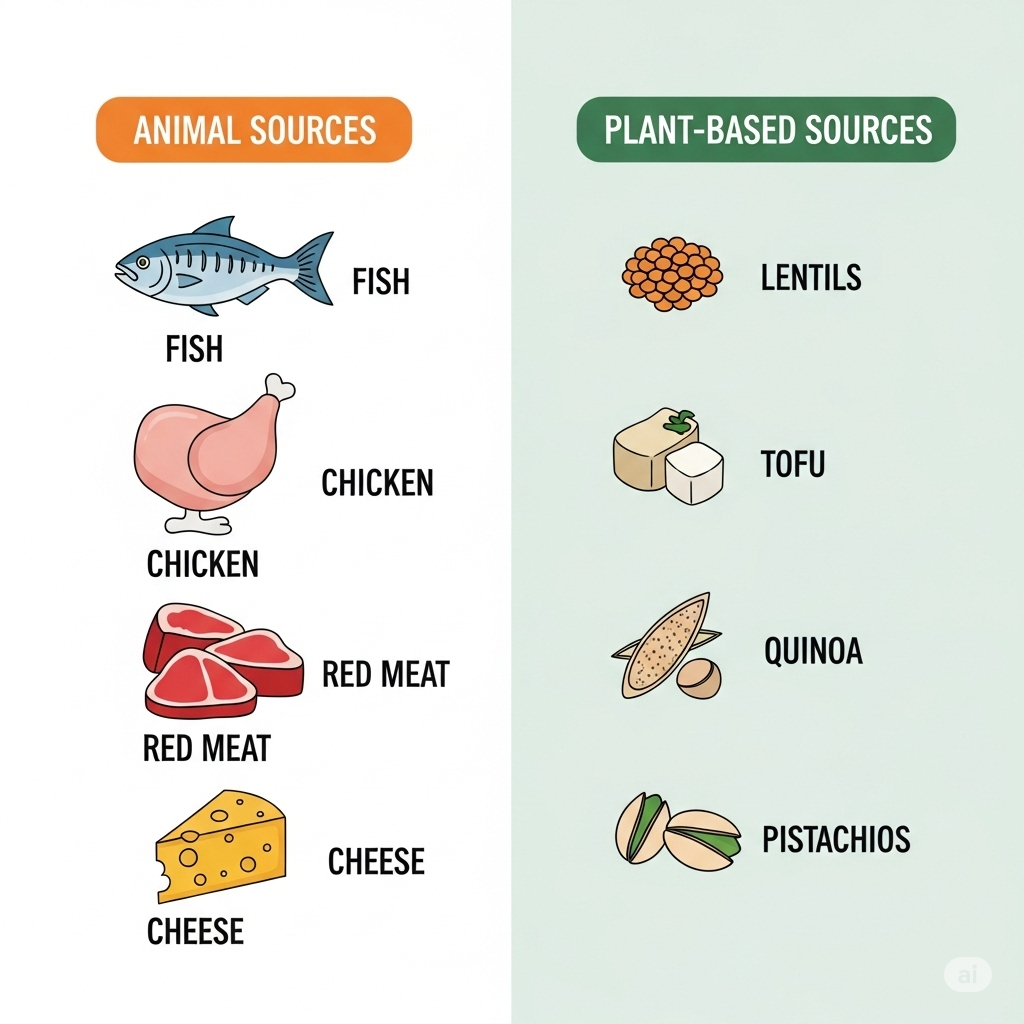
It is found in high concentrations in animal products such as meat, fish, poultry, eggs, and dairy products, as well as in plant-based sources like legumes, especially lentils and soybeans, and also in quinoa and pistachio nuts. In supplement form, it is typically found as L-lysine, the natural and biologically active form that the body can utilize directly.
History
Lysine was first isolated in 1889 from casein, a milk protein (by the German chemist Ferdinand Heinrich Edmund Drechsel). However, its complex chemical structure was not finally mapped until 1902.
Over time, the understanding of lysine’s significance has evolved considerably. Initially, it was recognized for its crucial role in preventing deficiency diseases in populations with protein-poor diets.
Later, in the mid-20th century, its specific ability to compete with the amino acid arginine was discovered, leading to its use in controlling the herpes simplex virus, which depends on arginine to replicate.
This understanding of amino acid antagonism has paved the way for newer research into how lysine can affect other processes in the body, including mechanisms relevant in a cancer context.
Virkningsmekanismer
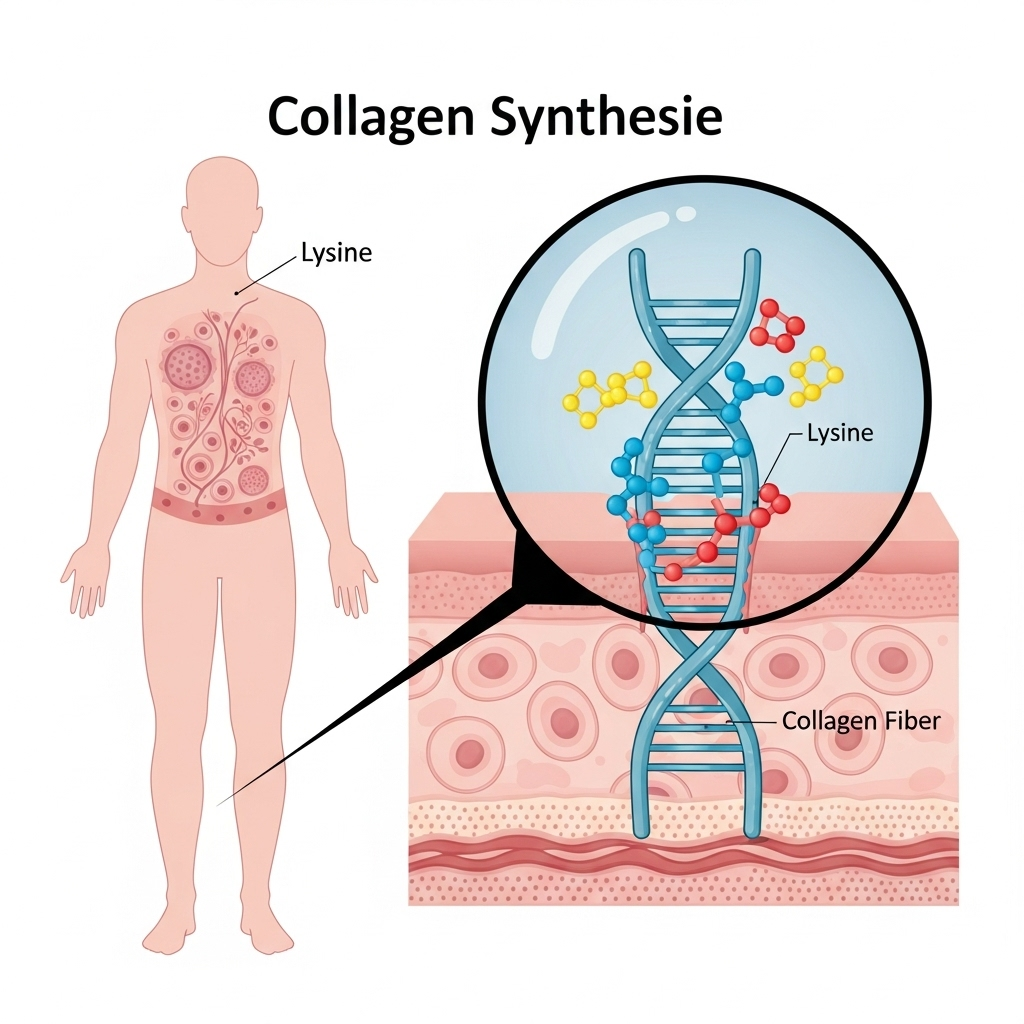
Lysine’s mechanisms of action are deeply rooted in the body’s fundamental biochemistry and structural integrity. To understand its potential, it is necessary to look at the specific processes it influences.
Strengthening Collagen and Connective Tissue
The most important task of lysine is that it is essential for forming collagen. Collagen is the protein we have the most of in the body, and it is the most important building block in our connective tissue. Connective tissue forms the foundation in the skin, bones, tendons, and cartilage, and creates the strong network that holds the body’s cells together.
To make collagen strong, lysine is crucial. One can imagine that lysine helps create strong ‘cross-links’ between the collagen fibers, somewhat like the rungs of a ladder hold the two sides together.
These strong connections give connective tissue its robustness and strength. When connective tissue is strong and dense, it can function as a physical wall, making it harder for unwanted cells to break through and spread to surrounding tissue.
Inhibition of Spreading Enzymes
In relation to cancer, one of the most exciting properties of lysine is that it can slow down certain enzymes (the body’s ‘helper substances’).
Researchers have discovered that lysine can block a particular enzyme that has a dual role. On one hand, the enzyme helps strengthen our connective tissue. But if the body produces too much of it, it can unfortunately provide cancer with improved conditions.
A high level of this enzyme can make connective tissue stiff and create a kind of ‘highways’ that cancer cells can use to spread. The enzyme can also help prepare ‘landing sites’ in other organs, making it easier for cancer to settle and form new tumors (metastases).
By slowing down this particular enzyme, lysine may therefore make it harder for cancer cells to spread.
Arginine Antagonism
Lysine and arginine are two basic amino acids that share the same transport pathways into the body’s cells. This means they compete for uptake. A high intake of lysine can therefore reduce the amount of arginine available to the cells.
This mechanism is well-known from the treatment of herpes, but it is also relevant for cancer, as many cancer cells exhibit a strong dependence on arginine for their growth and division. By shifting the balance in favor of lysine, one can theoretically ‘starve’ arginine-dependent cancer cells and thereby inhibit their growth.
Immunomodulation and Energy Production
Lysine is a prerequisite for a well-functioning immune system. It is used to produce antibodies that fight infections, as well as to synthesize enzymes and hormones.
Furthermore, lysine is a central component in the synthesis of carnitine, a molecule responsible for transporting long-chain fatty acids into mitochondria (the cells’ powerhouses), where they are converted into energy. Optimal energy production is crucial for the function of immune cells and the body’s overall resistance.
Potential in Cancer
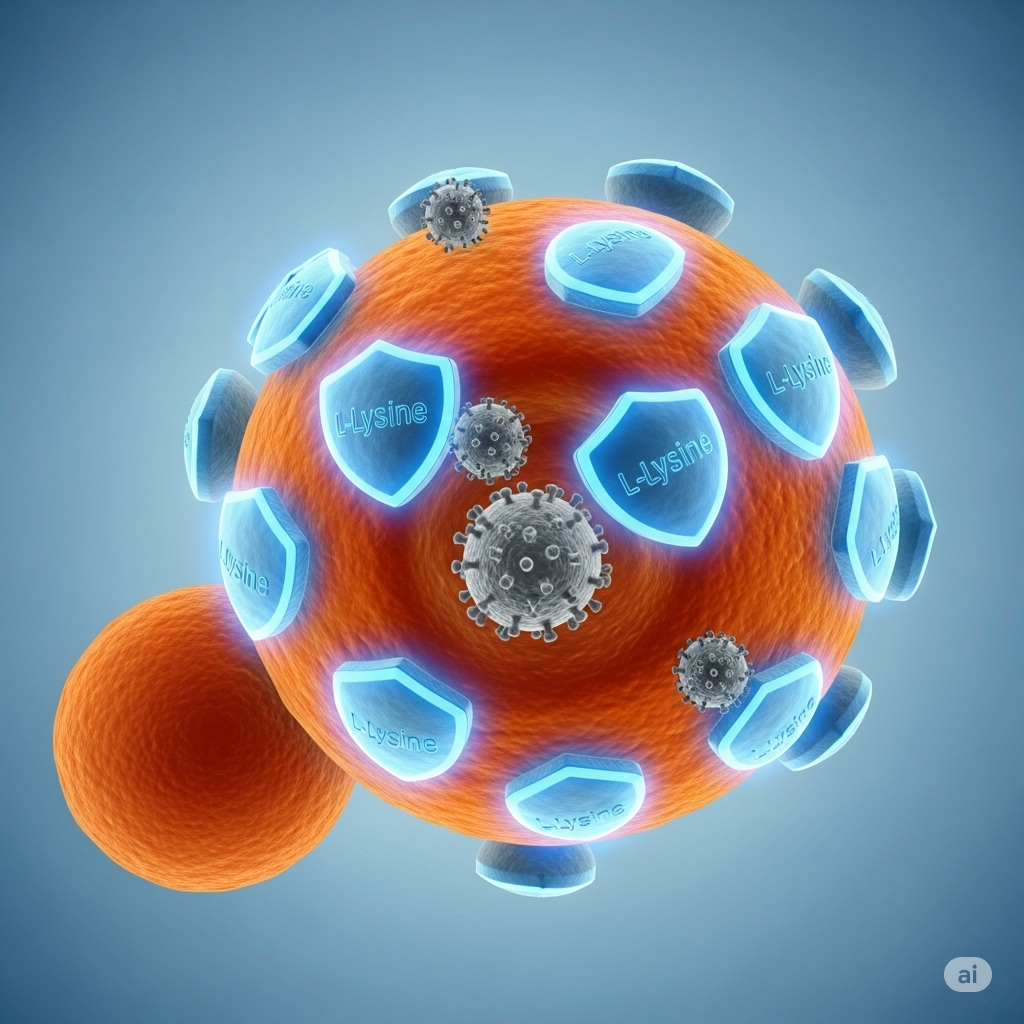
Lysine’s potential as a complementary treatment should be seen in light of its ability to strengthen the body’s own defenses and counteract the processes that cancer cells use to grow and spread. It is not a standalone treatment, but a supplement that can work together with other strategies to improve the overall outcome.
Reduction of Metastasis
The primary interest in lysine in cancer research centers on its potential to inhibit metastasis. Lysine can block the enzyme lysyl oxidase (LOX). When cancer cells spread, they often secrete large amounts of LOX to remodel and stiffen the surrounding tissue, facilitating their invasion. By adding lysine, one can potentially slow this process.
One can imagine the extracellular matrix as a dense, well-organized net. LOX helps cancer cells cut holes and create paths in this net. Lysine acts as a natural brake on the scissors, helping to preserve the net’s integrity and making it harder for cancer cells to escape the original tumor.
Strengthening the Body’s Defenses
A cancer process can be a great strain on the body’s tissues. Treatments such as chemotherapy and radiation therapy can weaken connective tissue and mucous membranes. Here, lysine’s fundamental role in collagen synthesis can be a significant advantage.
By ensuring that there is sufficient lysine available, you support the body’s ability to repair and maintain healthy tissue. Strong and healthy connective tissue is not only important for general health but, as mentioned, also constitutes a more resistant barrier against cancer invasion.
Supports the Immune System
During a cancer process, the immune system is often under immense pressure. Lysine can help maintain robust immune function by providing the necessary building blocks for antibodies and immune cells.
Additionally, viral infections, such as herpes, can flare up when the immune system is weakened. Here, lysine provides a double benefit by both strengthening the general immune system and specifically counteracting the herpes virus through its arginine-antagonistic effect.
This can improve quality of life and reduce the number of complications during an otherwise demanding process.
Benefits of Lysine

In addition to the direct mechanisms related to cancer, lysine offers a number of general health benefits that can be particularly valuable.
- Improved bone health: Lysine increases the body’s absorption and retention of calcium. This is crucial for maintaining bone density and can help counteract osteoporosis, a condition that can be worsened by certain cancer treatments or bone metastases.
- Reduction of anxiety: Studies have shown that lysine can act as a partial serotonin receptor antagonist. This means it can help regulate the body’s response to stress and potentially reduce feelings of anxiety, which can significantly improve mental well-being.
- Energy and vitality: By supporting the formation of carnitine, lysine helps improve the body’s ability to convert fat into energy. This can counteract the fatigue that many experience in connection with a cancer process.
- Faster wound healing: Thanks to its central role in collagen production, lysine can accelerate the healing of wounds and the repair of damaged tissue, which is an advantage after surgical procedures.
Disadvantages and Limitations
Although lysine is generally considered safe, there are certain precautions and potential drawbacks to be aware of.
Very high doses:
Very high doses of lysine, typically over 10-15 grams per day, can cause stomach cramps, nausea, and diarrhea. However, at normal therapeutic doses, this will not be a problem.
Kidney or liver disease:
People with existing kidney or liver disease should exercise caution and always consult their healthcare provider before taking high doses of lysine, as excess amino acids are metabolized in the liver and excreted through the kidneys.
Antibiotics:
There is a theoretical risk of interaction with aminoglycoside-type antibiotics, such as Gentamicin and Neomycin, where lysine may potentially increase the risk of kidney damage. Therefore, one should avoid combining high doses of lysine with these specific medications.
Clinical Studies
Research into lysine’s direct effect on cancer in humans is still at an early stage, and most studies are preclinical, meaning they are conducted in vitro (in test tubes/Petri dishes) or in vivo (in living organisms, typically mice).
Several in vitro studies have confirmed that an increase in the lysine/arginine ratio can inhibit the growth of various cancer cell lines. Similarly, studies in mice have shown that substances that inhibit lysyl oxidase (LOX), including strategies involving lysine, can significantly reduce the formation of metastases from, among others, breast and pancreatic cancer.
These studies provide a solid scientific foundation for the potential, but there have not yet been large, controlled clinical studies in humans examining lysine as a standardized complementary cancer treatment. Current research focuses on identifying the types of cancer that are most sensitive to LOX inhibition and arginine restriction.
Safety
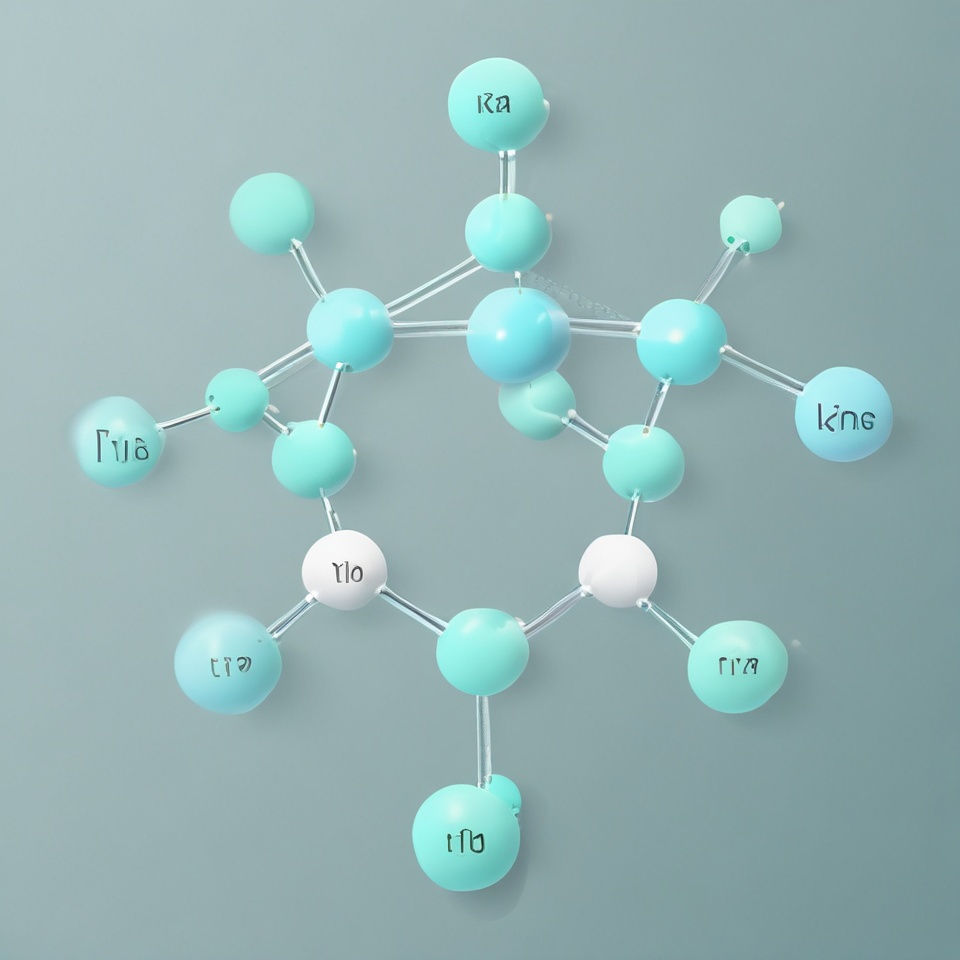
L-lysine is one of the safest dietary supplements, as it is a natural and essential part of the human diet. For most adults, doses up to 3-5 grams daily are considered completely safe and without notable side effects.
As mentioned, people with kidney or liver disease should use the supplement with caution and under the guidance of a qualified healthcare provider. It is always important to ensure a good balance between the different amino acids, and long-term use of a single amino acid in very high doses should generally be done in consultation with a provider who has insight into nutritional biochemistry.
Dispensing and Use
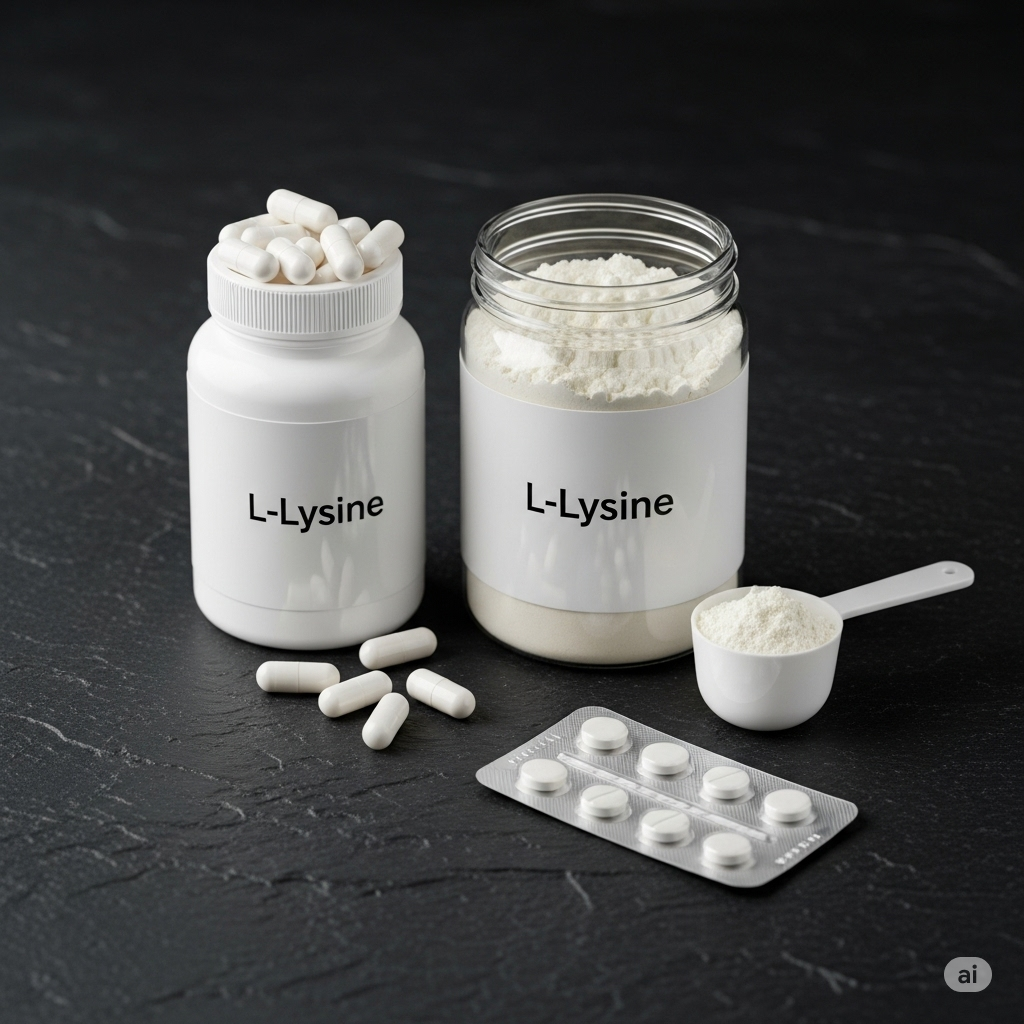
L-lysine is available in several forms that make it easy to adapt intake to individual needs.
- Capsules or tablets: The most common form, typically containing 500 mg or 1000 mg of L-lysine HCl (hydrochloride). This form is practical and easy to dose.
- Powder: L-lysine in powder form offers the greatest flexibility in dosing. It can be easily mixed in water, juice, or smoothies and is ideal if you want to take higher doses without having to swallow many capsules.
- Liquid form: Less common, but available as a liquid extract, which can be an advantage for people with swallowing difficulties.
The use depends on the purpose. For general maintenance, 1-2 grams daily may be sufficient.
In therapeutic contexts, as discussed in this article, doses in the range of 3-6 grams daily are often used, divided into several doses throughout the day. For optimal absorption, it is recommended to take lysine between meals.
Lysine Content in Foods
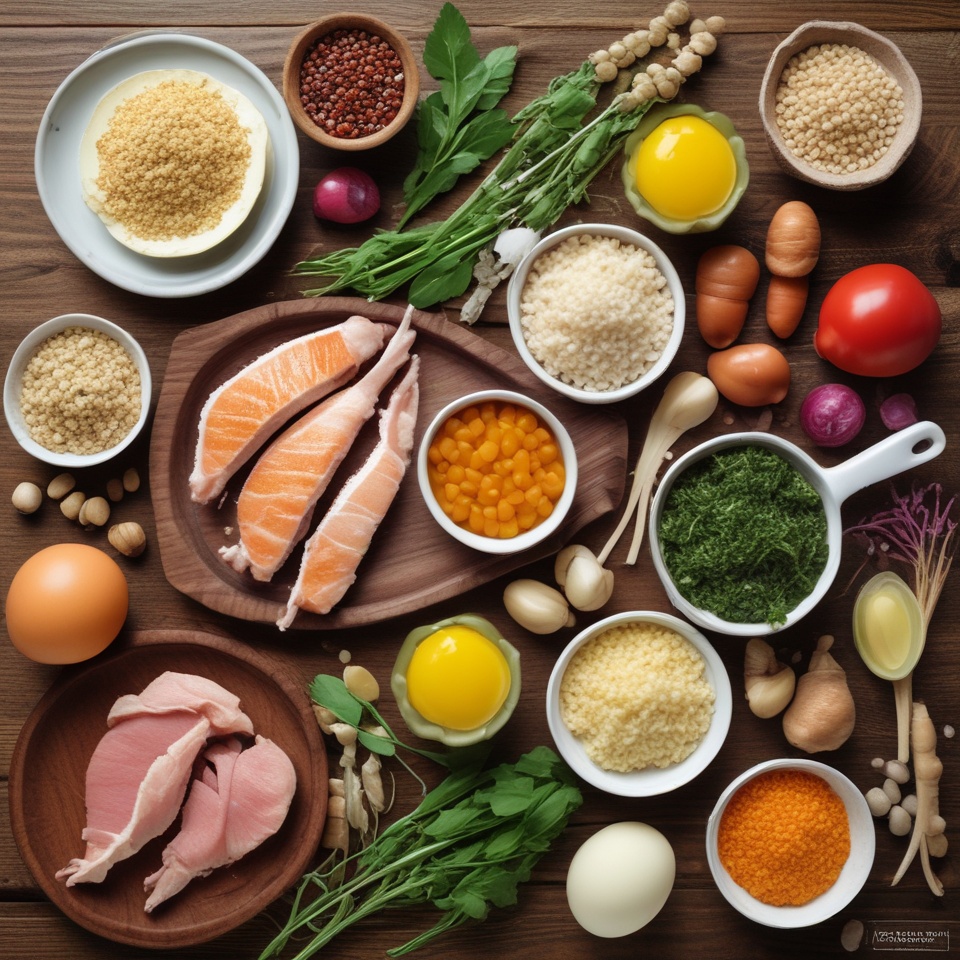
Overview of a number of foods with a high lysine content, indicated in milligrams (mg) per 100 grams of the product. The values are indicative, as they can vary depending on preparation and specific variety.
Meat and Poultry
Meat is generally a very good source of lysine. Especially lean meat and poultry have a high content.
- Beef, steak (fried): approx. 3,000 – 3,500 mg
- Chicken breast (skinless, fried): approx. 2,800 – 3,100 mg
- Pork tenderloin (fried): approx. 2,500 – 2,800 mg
- Lamb (fried): approx. 2,400 – 2,700 mg
- Turkey breast (fried): approx. 2,500 – 2,800 mg
Fish and Seafood
Fish is also a very rich source of lysine, with especially firm, white fish and tuna ranking high.
- Tuna (in water, drained): approx. 2,200 – 2,500 mg
- Salmon (grilled): approx. 2,100 – 2,300 mg
- Cod (baked): approx. 2,000 – 2,200 mg
- Shrimp (boiled): approx. 2,000 – 2,200 mg
- Sardines (in oil, drained): approx. 1,800 – 2,000 mg
Dairy Products and Eggs
Hard, aged cheeses are among the most concentrated sources of lysine.
- Parmesan cheese: approx. 2,700 – 3,100 mg
- Hard aged cheese (30-45+): approx. 2,000 – 2,400 mg
- Cottage cheese: approx. 1,300 – 1,500 mg
- Eggs (whole, boiled): approx. 900 – 1,000 mg
- Milk (whole milk): approx. 250 – 300 mg
Legumes and Soy Products
For those who eat plant-based, legumes and soy are the most important sources. The values here are given for dried products, which will have a lower content per 100 grams after cooking, as they absorb water.
- Soybeans (dried): approx. 2,300 – 2,600 mg
- Lentils (red/green, dried): approx. 1,800 – 2,200 mg
- Tofu (firm): approx. 1,300 – 1,500 mg
- Chickpeas (dried): approx. 1,400 – 1,600 mg
- Kidney beans (dried): approx. 1,500 – 1,700 mg
Nuts and Seeds
Nuts, and especially seeds, can also contribute significantly to total lysine intake.
- Pumpkin seeds: approx. 1,200 – 1,400 mg
- Pistachio nuts: approx. 1,100 – 1,300 mg
- Sunflower seeds: approx. 900 – 1,100 mg
- Almonds: approx. 600 – 700 mg
- Quinoa (uncooked): approx. 700 – 800 mg
Conclusion

Lysine appears as an extremely interesting and safe supplement with significant potential as a complementary cancer strategy. Its value does not lie in a direct cancer-killing effect, but in its ability to strengthen the body’s own defense mechanisms at a fundamental level.
By strengthening the connective tissue, which functions as the body’s structural scaffold, and by inhibiting the enzymes that cancer cells depend on to spread, lysine can help create an environment in the body that is less hospitable to cancer progression.
Combined with its positive effects on the immune system, bone health, and mental well-being, lysine constitutes a versatile and valuable tool for supporting the body and improving quality of life during a demanding cancer process.
Back to Supplements
Also see Metastases
Links
[1] Discovery of a selective and reversible LSD1 inhibitor with potent anticancer effects in vitro and in vivo (PubMed, 2025)
- Contens: The study shows that hepatocellular carcinoma (HCC) competes with T-cells for lysine, which weakens the immune system and promotes tumor growth. By inhibiting SLC3A2 or supplementing lysine, immunity can be strengthened, potentially improving treatment efficacy.
[2] Genkwanin impairs triple-negative breast cancer aggressiveness and metastasis by targeting Lysine Demethylase 4C (PubMed, 2025)
- Contens: Genkwanin can reduce aggressiveness and metastasis in triple-negative breast cancer by targeting KDM4C, a lysine demethylase, thereby inhibiting epigenetic changes and the cells’ ability to spread. This shows potential as a new treatment for this aggressive cancer type, where lysine metabolism plays a central role.
[3] Lysine demethylases and cancer (PubMed, 2025)
- Contens: Lysine demethylases are a group of enzymes that remove methyl groups from histones, affecting gene expression. They play an important role in cancer development and can contribute to treatment resistance by influencing tumor cell metabolism, stem cells, and metastatic ability. Their regulation is central in cancer research and a potential target for new treatments.
[4] SLC3A2-Mediated Lysine Uptake by Cancer Cells Restricts T-cell Activity in Hepatocellular Carcinoma (PubMed, 2025)
- Contens: HCC cells affect T-cell activity by absorbing lysine through SLC3A2, which weakens the immune system. By inhibiting SLC3A2 or supplementing lysine, immunotherapy and treatment efficacy against liver cancer can be improved.
[5] Targeting PPARα activation sensitizes glioblastoma cells to temozolomide and reverses acquired resistance by inhibiting H3K18 lactylation (PubMed, 2025)
- Contens: This study shows that PPARα helps prevent TMZ resistance in glioblastoma cells by reducing H3K18 lactylation, which contributes to resistance. Activating PPARα can thus improve the effect of TMZ and overcome resistance.
[6] Acetyl-lysine human serum albumin nanoparticles activate CD44 receptors, with preferential uptake by cancer stem cells, leading to tumor eradication (PubMed, 2025)
- Contens: Acetyl-lysine human serum albumin nanoparticles can activate CD44 receptors on cancer stem cells, enabling rapid and targeted uptake. These nanoparticles with paclitaxel can effectively eliminate tumors without recurrence and with a low risk of side effects, making them a promising tool in targeted cancer treatment.
Page created: June 25, 2025
❤
What you read on “Jeg har Kræft” is not a recommendation. Seek competent guidance.
