


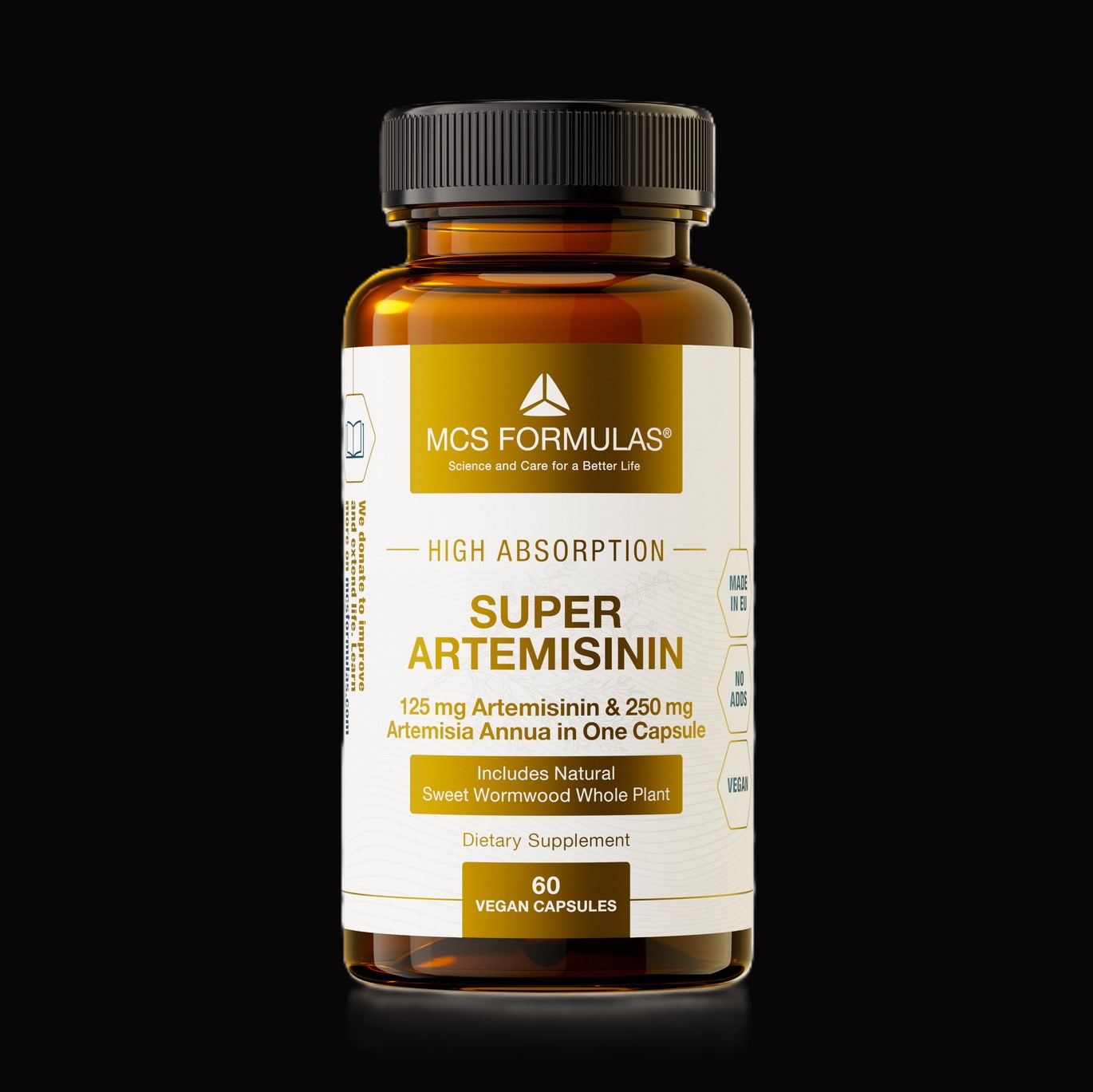
Artemisia and cancer
What is artemisia
Artemisia, also known as wormwood, is a genus containing about 400 species of aromatic, often bitter herbs. One of the best-known species in cancer research is Artemisia annua (sweet wormwood) [5]. This plant has a long history in Traditional Chinese Medicine (TCM), where it has been used to treat a wide range of ailments, including malaria.
Origin
Artemisia annua originates from Asia but is currently cultivated in many tropical and subtropical regions worldwide. It thrives best in warm, sunny areas and can grow both wild and as a cultivated crop.
Mechanism of action
The primary active compound in Artemisia annua is artemisinin. Researchers believe that artemisinin works by forming toxic oxygen compounds when it comes into contact with iron. Cancer cells often have a higher iron content than normal cells, making them particularly vulnerable to artemisinin [8].
Historical use of artemisia
As mentioned, artemisia has been used in Traditional Chinese Medicine for thousands of years to treat various diseases, including fever, malaria, and certain types of cancer [2]. In recent years, modern research has confirmed some of these traditional applications and opened up new possibilities for the use of artemisinin in cancer treatment [4].
Widespread use in Chinese medicine
Yin and yang
- In TCM, there is a strong belief that disease arises when the balance between yin and yang is disturbed. Sweet wormwood is considered a remedy that can restore this balance.
The five elements
- TCM is also based on the theory of the five elements (wood, fire, earth, metal, and water). Sweet wormwood is often associated with the fire element and is used to treat diseases linked to a lack of yang energy.
Bitter taste
- In TCM, foods and herbs have different tastes that affect different organs. The bitter taste of sweet wormwood makes it suitable for treating digestive system diseases and removing heat from the body.
Artesunate
- For research purposes, a semi-synthetic further development of artemisinin, Artesunate, is used, which is far more potent and absorbed much more effectively by the body. Therefore, Artesunate is often used in scientific research and is preferred in metabolic strategies, such as those described by Jane McLelland [3].
Other conditions where wormwood is used
Digestive problems
- Including diarrhea, dysentery, and loss of appetite.
Skin diseases
- Eczema, psoriasis, and wounds.
Gynecological problems
- Menstrual difficulties and irregularities.
Parasitic infections
- In addition to malaria, sweet wormwood has also been used to combat other types of parasites.
Fever and inflammation
- Furthermore, sweet wormwood has been used to lower fever and fight various types of inflammation.
The brain
Research into the effect of artemisinin on the brain is developing rapidly, particularly focusing on the compound’s neuroprotective properties. Studies suggest that artemisinin can protect neurons from oxidative stress and cell death, making it a relevant topic in investigations of cognitive impairment. One of the most significant advantages is the substance’s ability to effectively cross the blood-brain barrier, making it possible to dampen neuroinflammation directly in the central nervous system by blocking signaling pathways that otherwise contribute to tissue damage [1].
Note
Traditional knowledge
- Much of the knowledge regarding the use of sweet wormwood in TCM is based on traditional inheritance and empirical observations rather than modern clinical trials. However, massive and extensive experience should also be given some weight. Far from everything used in modern medicine is based on scientific evidence, despite the desire of physicians to give this impression. Evidence based on solid experience is, in my opinion, largely as valuable.
Individual treatment
- In TCM, treatment is always adapted to the individual patient, taking into account their unique symptoms and constitution.
Safety and potential side effects
Although artemisinin and its derivatives are generally well-tolerated, it is important to be aware of potential side effects and risks. While often mild and dose-dependent, they should be taken seriously.
Common side effects
At therapeutic doses, side effects are rare but may include:
- Nausea and abdominal discomfort: Some may experience slight indigestion.
- Dizziness and fatigue: Especially at the start of a regimen.
- Vivid dreams: Some users report more intense dreams.
Rare but more serious considerations
- Neurotoxicity: At very high doses, far above what is typically used in supplements, animal studies have shown signs of damage to nerve cells (neurotoxicity). Although this is very rare in humans at standard doses, it emphasizes the importance of not overdosing.
- Liver impact: Artemisinin is broken down in the liver. In certain cases, a transient increase in liver enzymes may be seen, indicating a strain on the liver. Persons with existing liver diseases should exercise particular caution.
- Allergic reactions: As with all plant-based remedies, there is a small risk of allergic reactions, such as skin rashes.
Ingestion and cycling
To achieve the best effect of artemisinin and prevent the body from habituating to the substance, it is important to consider how and when it is ingested. Recommendations are based on experience and pharmacokinetic studies of the substance.
Optimizing absorption
Artemisinin is fat-soluble, and to ensure the most effective absorption, it should be taken fasting (at least 30 minutes before a meal or 2-3 hours after).
Since the substance requires fat to be transported correctly in the body, it should be taken with a small amount of fat—for example, a lecithin capsule. In this connection, it is important to be aware that the fat source or capsule must not contain Vitamin E.
Since Vitamin E is a powerful antioxidant often added to oil-based supplements to prevent rancidity, it can counteract the oxidative process that artemisinin uses to fight cancer cells.
The importance of breaks (cycling)
With continuous use, artemisinin can cause the liver to produce enzymes that break down the substance faster. This phenomenon is called auto-induction, which means the substance’s duration of action (half-life) in the body becomes shorter, and the effect is thus reduced over time.
To counteract this and maintain a stable effect, it is crucial to take breaks from ingestion. There are various instructions on how to cycle intake. A commonly used method is:
Two weeks of ingestion followed by one week of break.
- This cycle can be repeated as needed. The break allows the liver to normalize its enzyme production so that the effect of artemisinin is optimal when ingestion is resumed.
Synergy with iron and conventional treatment
The effect of artemisinin is closely linked to the presence of iron. This knowledge is actively used to optimize treatment and investigate the interaction with conventional cancer treatments.
Enhanced effect with iron
Since artemisinin’s cancer-killing effect is activated by iron, and cancer cells have a high iron content, some practitioners work with a strategy of “priming” cancer cells with iron. This may involve taking an iron supplement (e.g., iron glycinate, which is gentle on the stomach) approximately one hour before ingesting artemisinin.
The idea is to temporarily increase the iron concentration in the cancer cells, making them even more vulnerable to artemisinin’s effect. This approach must always occur in consultation with a competent advisor, as too much iron in the body can be harmful.
Interaction with chemotherapy and radiation therapy
Research suggests that artemisinin may have a synergistic effect with certain forms of conventional treatment:
- Radiation therapy: Studies have shown that artemisinin can make cancer cells more sensitive to radiation (radiosensitization). This can potentially improve the effect of radiation treatment.
- Chemotherapy: There are indications that artemisinin can enhance the effect of specific chemotherapy drugs and, in some cases, counteract the resistance cancer cells can develop to chemotherapy.
It is, however, crucial to emphasize that artemisinin can also interact inappropriately with other medications, as it affects the same enzymes in the liver (cytochrome P450 system) that break down much medication.
Therefore, an open dialogue with the treating physician is essential before combining artemisinin with standard treatment.
Artemisia and cancer
Cancer patients often use artemisia in the form of dietary supplements, tea, or extracts. These products are not approved as medicines and are therefore not subject to the same quality control standards as traditional pharmaceuticals.
Advantages of artemisia
Few side effects:
- Compared to conventional cancer treatments, artemisinin generally has few or no side effects.
Potential cancer-fighting effect:
- Several studies suggest that artemisinins may have a positive effect on certain types of cancer [2].
Disadvantages of artemisia
Lack of scientific documentation:
- Although there are promising results from studies, more research is still needed to establish artemisinin’s effectiveness and safety in treating cancer before it can be included as an officially recommended standard treatment.
Interaction with other medicine:
- Artemisia can interact with other medicine that cancer patients often take; therefore, one should consult a competent advisor before use.
Research and cancer types
Research regarding artemisinin and its effect on various cancer types is still in an early phase, but there are promising results for several types. Some of the cancer forms that have proven particularly sensitive to artemisinin and its derivatives include:
Leukemia:
- Several studies have shown that artemisinin can be effective against various types of leukemia by inducing cell death in the cancer cells.
Brain cancer:
- Some investigations suggest that artemisinin may be useful as an adjuvant treatment for certain types of brain cancer, especially in combination with conventional therapies [1].
Lung cancer:
- There are promising results suggesting that artemisinin can inhibit the growth of lung cancer cells and make them more sensitive to radiation therapy.
Prostate cancer:
- Some studies have shown that artemisinin can reduce the spread of prostate cancer cells and inhibit their ability to form new blood vessels.
Note
Buy artemisinin from recognized suppliers. The products on the market can vary significantly in quality. Look for companies that have a good reputation and can document the quality of their products.
Conclusion
Artemisia has great potential as a supplement to conventional cancer treatment. However, it is important to emphasize that artemisinin is not a miracle cure and should not be used as a replacement for other relevant treatment.
You can find more Quizzes here (Danish Language)
Back to Supplements
See also Wormwood / Mugwort (common)
Links
[1] The Power of Artemisinin and High-Dose IV Vitamin C in Integrative Cancer Care (Leicester Ozone Clinic, 2025)
- Content: A review article (from a private clinic) explaining the synergistic potential of combining artemisinin with high-dose IV Vitamin C. By exploiting the high iron content of cancer cells, a powerful oxidative stress reaction is created that can specifically weaken cancer cells and make them more susceptible to conventional treatment.
[2] From ancient herb to modern drug: Artemisia annua and artemisinin for cancer therapy (PubMed, 2017)
- Content: A review article describing the transition of artemisia from traditional medicine to modern drug development, specifically focusing on its use in cancer therapy.
[3] Dihydroartemisinin: A Potential Natural Anticancer Drug (PubMed, 2021)
- Content: A review article focusing on dihydroartemisinin, a derivative of artemisinin, and its potential as a natural anticancer agent.
[4] Chemical Constituents and Antitumor Mechanisms of Artemisia (PubMed, 2022)
- Content: A review article analyzing the chemical composition of artemisia and the various mechanisms through which it can combat tumor growth.
[5] Artemisia: a promising plant for the treatment of cancer (PubMed, 2020)
- Content: A review article evaluating the artemisia plant’s potential as a promising tool in modern cancer treatment.
[6] 5-Desmethylsinensetin isolated from Artemisia princeps suppresses the stemness of breast cancer cells(PubMed, 2021)
- Content: An in vitro study investigating a specific compound from artemisia and its ability to suppress the stem cell-like characteristics of breast cancer cells.
[7] Eudesmane-type sesquiterpenoids from the aerial parts of Artemisia lavandulaefolia and their anti-pancreatic cancer activities (PubMed, 2023)
- Content: An in vitro study identifying specific compounds in artemisia that exhibit activity against pancreatic cancer cells.
[8] The Potential Mechanisms by which Artemisinin and Its Derivatives Induce Ferroptosis in the Treatment of Cancer (PubMed, 2022)
- Content: A review article explaining how artemisinin exploits the high iron content of cancer cells to initiate a specific form of cell death called ferroptosis. The reaction between artemisinin and iron creates harmful oxygen compounds that destroy the cancer cell from within.
Page created: Aug. 24, 2024. Latest revision: Oct. 12, 2025
❤
What you read on I Have Cancer is not a recommendation. Seek competent guidance.
