


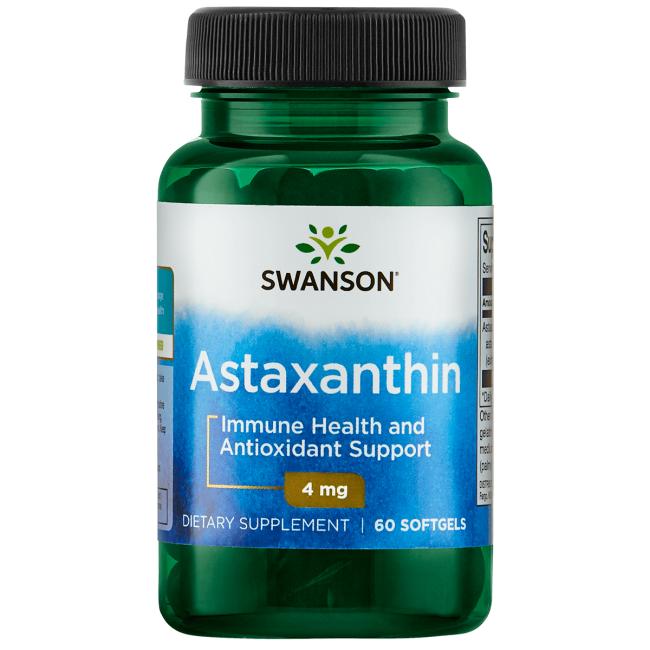
Astaxanthin and cancer
What is astaxanthin
Astaxanthin is a naturally occurring carotenoid (pigment) that provides the red color to salmon, shrimp, krill, and other marine animals. It is a powerful antioxidant with potential health benefits, including in relation to cancer [4].
Astaxanthin is primarily produced by microalgae, such as Haematococcus pluvialis, as a protective mechanism against stress. When algae are exposed to stressors like intense sunlight or a lack of nutrients, they produce astaxanthin to protect themselves. Traditionally, astaxanthin has been used in Asia as a dietary supplement to improve health and well-being. In recent years, there has been increasing interest in astaxanthin’s potential as a natural supplement to cancer treatment [2].
Mechanisms of action and potential
Astaxanthin has a variety of mechanisms of action that may contribute to fighting cancer:
Antioxidant activity
Astaxanthin is a potent antioxidant that can neutralize free radicals (unstable molecules that can damage cells and DNA). Oxidative stress (an imbalance between free radicals and antioxidants) plays a role in the development of cancer. By reducing oxidative stress, astaxanthin can potentially inhibit cancer development and progression [1].
Anti-inflammatory activity
Inflammation is a natural part of the body’s defense against infections and injuries, but chronic inflammation can contribute to the development of cancer. Astaxanthin has anti-inflammatory properties that can reduce inflammation and thus potentially inhibit cancer development.
Inhibition of cancer cell growth and spread
In vitro (in test tubes/petri dishes) and in vivo (in living organisms) studies have shown that astaxanthin can inhibit the growth and spread of various types of cancer cells, including breast cancer, lung cancer, prostate cancer, and leukemia [5, 8].
Induction of apoptosis
Apoptosis is a process of programmed cell death that is important for removing damaged or abnormal cells, including cancer cells. Astaxanthin has been shown to induce apoptosis in cancer cells, which may contribute to eliminating them [3, 9].
Modulation of signaling pathways
Cancer cells often have abnormal signaling pathways that control their growth and spread. Astaxanthin can modulate these signaling pathways and thus potentially inhibit cancer development [5].
Protection of DNA
Astaxanthin can protect DNA from damage caused by free radicals and other factors. DNA damage can lead to mutations that may contribute to the development of cancer. By protecting DNA, astaxanthin can potentially prevent cancer development [6].
Strengthening the immune system
The immune system plays an important role in fighting cancer cells. Astaxanthin can strengthen the immune system by increasing the activity of immune cells, such as natural killer (NK) cells and T-cells.
Clinical trials
Although there are promising preclinical studies suggesting astaxanthin’s potential as a supplement to cancer treatment, there is limited clinical evidence to support these findings.
A few clinical studies have shown that astaxanthin may have beneficial effects in patients with cancer:
- One study showed that astaxanthin could improve quality of life and reduce fatigue in patients with breast cancer undergoing chemotherapy.
- Another study showed that astaxanthin could reduce inflammation and oxidative stress in patients with prostate cancer.
More research, including larger clinical trials, is needed to confirm astaxanthin’s effectiveness and safety in connection with cancer treatment.
Safety
Astaxanthin is generally considered safe to ingest in moderate amounts.
Possible side effects
- Stomach pain and diarrhea: Astaxanthin can cause stomach pain and diarrhea in some individuals, especially if they ingest large amounts.
- Reddish color of skin and stool: Astaxanthin can give the skin and stool a reddish color, which is harmless.
- Interaction with medication: Astaxanthin can interact with certain types of medication, such as blood-thinning medicine.
Caution
- Pregnant and breastfeeding women: There is insufficient information regarding the safety of ingesting astaxanthin during pregnancy and breastfeeding.
- Individuals with shellfish allergies: Although astaxanthin in dietary supplements is typically extracted from algae, individuals with shellfish allergies should be cautious as there may be a risk of cross-contamination.
Advantages of astaxanthin
Natural supplement:
- Astaxanthin is a naturally occurring substance that is generally well-tolerated.
Powerful antioxidant:
- Astaxanthin is one of the most potent antioxidants found in nature and can protect cells from damage caused by free radicals.
Anti-inflammatory effect:
- Astaxanthin has anti-inflammatory properties that can reduce inflammation in the body.
Potential anti-cancer effects:
- Studies suggest that astaxanthin can inhibit cancer cell growth, induce apoptosis in cancer cells, inhibit angiogenesis, and strengthen the immune system.
Other health benefits:
- Astaxanthin may have other health benefits, such as improving cardiovascular health, eye health, and skin health.
Disadvantages and limitations
Limited clinical evidence: There is limited clinical evidence to support the use of astaxanthin in connection with cancer treatment.
Possible side effects: Astaxanthin can cause side effects in some individuals, such as stomach pain and diarrhea.
Interaction with medication: Astaxanthin can interact with certain types of medication.
Price: Astaxanthin can be relatively expensive compared to other dietary supplements.
Dosage and application
Capsules
Astaxanthin is typically available in capsule form.
Oil
Astaxanthin can also be obtained in oil form, which can be taken orally or applied to the skin.
Powder
Astaxanthin powder can be added to smoothies or juice [7].
Dosage
The optimal dosage of astaxanthin has not been established. It is important to follow the instructions on the product and ideally consult a qualified healthcare professional before starting an astaxanthin supplement.
Conclusion
Astaxanthin is a naturally occurring carotenoid with potential anti-cancer properties. However, more research is needed to confirm these effects and establish the optimal dosage and safety profile.
If you are considering using astaxanthin as a supplement to cancer treatment, it is important to consult a qualified healthcare professional to ensure protection against, for example, interactions with other medications you are receiving. Be aware that a dietary supplement cannot replace other relevant treatment for cancer.
Back to Supplements
Links
[1] Astaxanthin og de frie radikaler (Sund Forskning, 2011)
- Content: An article describing the antioxidant properties of astaxanthin and its ability to neutralize free radicals to protect the body’s cells.
[2] Anticancer effekt af astaxanthin (AntarCare, 2023)
- Content: A review of how astaxanthin can be used as a natural component in a strategy against cancer development.
[3] Low Dose Astaxanthin Treatments Trigger the Hormesis of Human Astroglioma Cells by Up-Regulating the Cyclin-Dependent Kinase and Down-Regulated the Tumor Suppressor Protein P53(PubMed, 2020)
- Content: An in vitro study investigating how low doses of astaxanthin affect brain cancer cells through specific protein regulation.
[4] Advance toward function, production, and delivery of natural astaxanthin: A promising candidate for food ingredients with future perspectives (PubMed, 2025)
- Content: A review article regarding the production and functional possibilities of astaxanthin as a future health-promoting ingredient.
[5] Astaxanthin-loaded PLGA nanoparticles inhibit survival of MKN-45 gastric cancer cell line by modulating JAK2/STAT3/mTOR/PI3K pathway (PubMed, 2025)
- Content: An in vitro study on the use of nanotechnology to deliver astaxanthin and inhibit signaling pathways in stomach cancer cells.
[6] Astaxanthin Increases Tumor Suppressor Gene Expression and Affects Cellular Biological Behavior in Oral Dysplastic Keratinocytes by Regulating DNA Methylation (PubMed, 2025)
- Content: An in vitro study exploring how astaxanthin can affect gene expression and DNA methylation in oral cancer cells.
[7] Cellulose nanocrystals/cellulose nanofibrils-combined astaxanthin nanoemulsion for reinforcement of targeted tumor delivery of gastric cancer cells (PubMed, 2024)
- Content: An in vitro/ experimental study regarding the technical improvement of targeted delivery of astaxanthin to cancer cells using nanoemulsions.
[8] Astaxanthin Is a Novel Candidate for Glioblastoma Treatment? A Review (PubMed, 2025)
- Content: A scientific review evaluating astaxanthin’s potential as a treatment candidate for aggressive brain tumors (glioblastoma).
[9] Astaxanthin Induces Apoptosis in MCF-7 Cells through a p53-Dependent Pathway (PubMed, 2024)
- Content: An in vitro study demonstrating that astaxanthin can trigger programmed cell death in breast cancer cells by activating the p53 protein.
Page created: Jan. 28, 2025
❤
What you read on I Have Cancer is not a recommendation. Seek competent guidance.
