


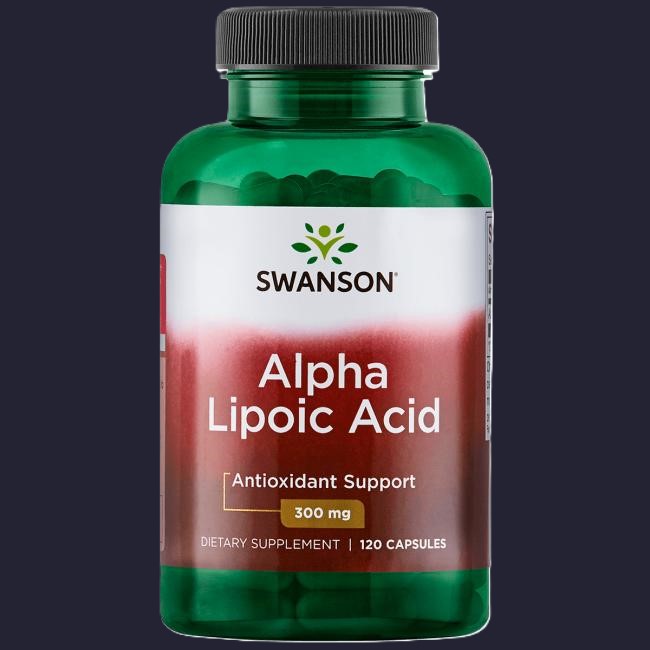
Alpha-lipoic acid (ALA) and cancer
What is alpha-lipoic acid
Alpha-lipoic acid, often abbreviated as ALA, is an antioxidant that naturally occurs in the body and in certain foods such as red meat, spinach, and broccoli. It is known for its ability to neutralize free radicals, which are unstable molecules that can damage cells and contribute to aging and disease. Alpha-lipoic acid is both water- and fat-soluble, which means it can reach many different areas of the body.
How alpha-lipoic acid works
Antioxidant
- Alpha-lipoic acid is a strong antioxidant that can neutralize free radicals. Free radicals are unstable molecules that can damage cells and contribute to the development of diseases, including cancer. By neutralizing these free radicals, alpha-lipoic acid can help protect healthy cells from damage.
Improving cellular function
- Alpha-lipoic acid can help improve the energy production of cells and protect them from stress. This can be particularly important for cancer cells, which often have disrupted energy production.
Increasing cancer cell sensitivity to chemotherapy
- Some studies suggest that alpha-lipoic acid can make cancer cells more sensitive to chemotherapy. This means that chemotherapy may be more effective in killing the cancer cells.
Blocking or inhibiting cancer cell growth
- Alpha-lipoic acid can directly inhibit the growth of cancer cells by affecting various molecular processes involved in cell division and survival.
Protecting against radiation damage
- Some studies suggest that alpha-lipoic acid can protect healthy cells from damage caused by radiation therapy.
Neuroprotection
- Some studies suggest that alpha-lipoic acid may be beneficial for the nervous system and protect against neurodegenerative diseases. In cases of sensory disturbances, alpha-lipoic acid can alleviate these symptoms.
Advantages of alpha-lipoic acid
Potent antioxidant effect
- As a strong antioxidant, alpha-lipoic acid can potentially help protect healthy cells from damage—especially during cancer treatment.
Synergistic effect with other treatments
- Alpha-lipoic acid can potentially increase the effectiveness of other cancer treatments.
Multifunctional
- Alpha-lipoic acid has several different mechanisms of action, making it a promising substance in the fight against cancer.
Safety profile
- Alpha-lipoic acid is generally well-tolerated and has a low toxicity profile.
Potential to improve quality of life
- By reducing side effects such as nausea and fatigue associated with conventional cancer treatment and improving general health status, alpha-lipoic acid can contribute to improving the quality of life for cancer patients.
Disadvantages and limitations
Interactions with medication
- Alpha-lipoic acid can interact with certain medical treatments, including blood sugar-lowering medication. It is therefore important to inform your doctor about all supplements you are taking.
Chemotherapy
- Alpha-lipoic acid acts as an antioxidant and should therefore not be taken while undergoing chemotherapy without a prior agreement with the healthcare provider.
Supplement
- Alpha-lipoic acid cannot stand alone as a treatment for cancer and is not a suitable replacement for other relevant treatment.
Individual differences
- The effect of ALA can vary from person to person, and it is important to take individual factors such as the type of disease, stage, and the patient’s general health into account.
Potential side effects
- Although ALA is generally well-tolerated, there may be potential side effects, especially at high doses or in combination with other medications.
Research
Both animal trials and smaller human studies have shown promising results for alpha-lipoic acid as a supplementary treatment for cancer. However, as with all conventional treatments, there is still a need for more comprehensive clinical trials to establish alpha-lipoic acid’s effectiveness as a cancer treatment on a broader basis.
Conclusion
Alpha-lipoic acid is an interesting substance with several potential benefits in connection with cancer treatment. It can help improve the quality of life for some patients and potentially increase the effectiveness of conventional treatments.
Back to Supplements
See also Minimize side effects – Chemo, nerve problems
Links
[1] Alpha-lipoic acid – an important antioxidant for metabolism (Alfa-liponsyre – en vigtig antioxidant for stofskiftet) (Helsenyt, undated) (Danish Language)
- Content: An article explaining the role of alpha-lipoic acid as a key antioxidant for the body’s metabolism.
[2] Alpha-lipoic acid for diabetes and other chronic diseases (Alfa-liponsyre til diabetes og andre kroniske sygdomme) (Sund-Forskning, 2017) (Danish Language)
- Content: A review of the use of alpha-lipoic acid in the management of diabetes and various chronic conditions.
[3] Alpha-lipoic acid gives you a healthier and longer life (Alfa-liponsyre giver dig et sundere og længere liv) (Helsenyt, undated) (Danish Language)
- Content: An article describing the potential health benefits of alpha-lipoic acid and its role in promoting longevity.
[4] Lipoic acid alters the microRNA signature in breast cancer cells (PubMed, 2024)
- Content: A study investigating how alpha-lipoic acid can influence the genetic expression of breast cancer cells.
[5] Alpha lipoic acid diminishes migration and invasion in hepatocellular carcinoma cells through an AMPK-p53 axis (PubMed, 2024)
- Content: Research showing that alpha-lipoic acid can reduce the spread and invasiveness of liver cancer cells.
[6] The Antioxidant and HDAC-Inhibitor α-Lipoic Acid Is Synergistic with Exemestane in Estrogen Receptor-Positive Breast Cancer Cells (PubMed, 2024)
- Content: A study exploring the synergy between alpha-lipoic acid and conventional hormonal therapy for breast cancer.
[7]The Multifaceted Role of Alpha-Lipoic Acid in Cancer Prevention, Occurrence, and Treatment (PubMed, 2024)
- Content: A comprehensive review of alpha-lipoic acid’s role across various stages of cancer development and treatment.
Page created: Nov. 9, 2024
❤
What you read on I Have Cancer is not a recommendation. Seek competent guidance.
