


Amygdalin, vitamin B17 and cancer
What is amygdalin
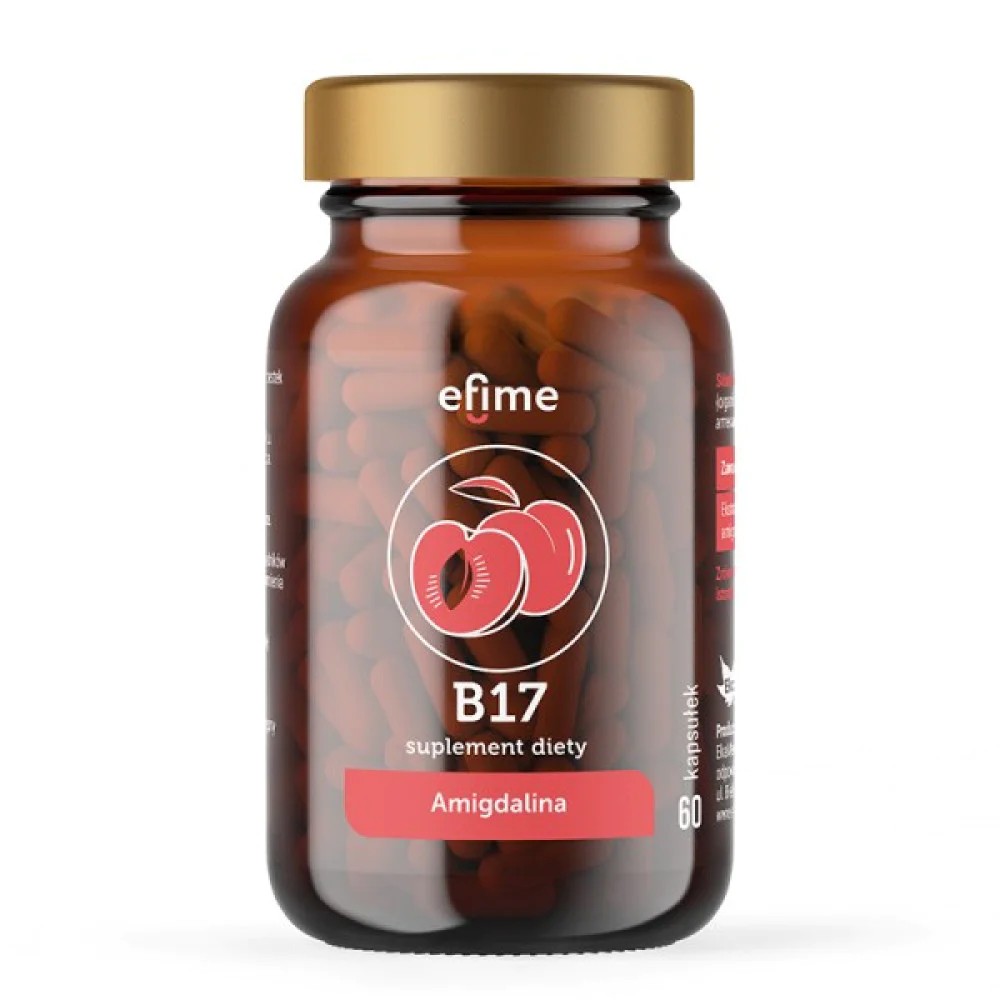
Amygdalin is a fascinating natural compound found in the kernels of many fruits such as apricots, apples, cherries, peaches, and plums. This substance, also known as laetrile and sometimes referred to as vitamin B17—although it is not a vitamin in the traditional sense—is a cyanogenic glycoside, meaning it consists of sugar molecules bound to a cyanide group.
Historical use of amygdalin
Throughout history, various cultures have valued nature’s resources, including extracts from bitter almonds and apricot kernels containing amygdalin. Their use can be traced far back in traditional medicine. In the early 20th century, researchers began investigating the potential applications of this natural substance in connection with serious health conditions, including cancer. In the 1950s, laetrile was highlighted as a possible supplementary approach, and interest in amygdalin as part of a broader strategy continues to be explored.
Mechanisms of action

Targeted potential
An exciting theory behind amygdalin’s potential role as a supplementary treatment in cancer is based on differences in enzyme activity between cancer cells and normal cells. It is believed that cancer cells may contain higher levels of the enzyme beta-glucosidase. This enzyme can potentially cleave amygdalin, releasing cyanide and benzaldehyde directly into the cancer cells. This local release of substances could have a selective effect on the cancer cells, which in theory could minimize the impact on surrounding healthy cells.
Further promising effects in vitro
In vitro research (in test tubes/petri dishes) has revealed several interesting aspects of amygdalin and its degradation products. These studies suggest that amygdalin may have the potential to inhibit cancer cell growth (proliferation), promote their natural death process (apoptosis), and influence the formation of new blood vessels (angiogenesis), which is crucial for tumor growth.
Combination with conventional treatment
In addition to the effects mentioned above, some in vitro experiments have indicated a possible enhancing effect when amygdalin is combined with certain established treatments, such as chemotherapy.
Importance of continued exploration
It should be noted that many of these promising mechanisms of action have primarily been observed in laboratory studies in vitro (in test tubes/petri dishes) and in animal models in vivo (in living organisms). These preliminary results provide a valuable basis for further research and emphasize the need for comprehensive clinical studies in humans to fully understand the therapeutic potential of amygdalin.
Potential in cancer
An integrated approach
For some, amygdalin is of interest as a possible part of an integrated approach to cancer treatment. The idea is that its potential selective effect on cancer cells could complement existing treatment methods. Preclinical research has suggested that amygdalin may have several supportive properties in the fight against cancer, including a possible impact on the spread of cancer cells (metastasis) and a positive influence on the body’s own immune response.
Innovation in research
Researchers are actively working to develop methods to optimize the use of amygdalin. This includes investigating more targeted methods for delivering the substance directly to cancer tumors to maximize its effect while minimizing systemic exposure. Combination therapy, where amygdalin is used alongside other supportive or conventional treatments, is also being investigated to see if synergistic effects can be achieved to improve the overall outcome.
A perspective for the future
While research into amygdalin is still developing, it represents an exciting area within complementary treatment. Future robust clinical studies in humans will be crucial to clarify its precise role and potential as a valuable part of a comprehensive cancer treatment strategy.
Advantages of amygdalin
Selectivity as a key principle
Preclinical studies and theoretical mechanisms of action point to a potential selectivity where amygdalin primarily affects cancer cells, potentially sparing healthy cells more than certain other forms of treatment—without these being directly compared otherwise.
Multifaceted effects in vitro
In vitro laboratory studies have indicated that amygdalin may have several positive effects, including inhibition of cancer cell growth, promotion of programmed cell death in cancer cells, and potential limitation of blood supply to tumors.
A natural source
For many, it is an additional advantage that amygdalin is a naturally occurring substance.
Synergy in combination
The possibility of combining amygdalin with other forms of treatment to achieve an enhancing effect is a promising area of research.
Disadvantages and limitations
Need for more clinical evidence
The primary limitation is the lack of comprehensive clinical studies in humans that unambiguously confirm its effectiveness as a cancer treatment.
Potential for cyanide formation
Amygdalin contains cyanide, and there is a potential risk of cyanide poisoning at high doses or with the simultaneous ingestion of foods where the kernels or stones especially contain beta-glucosidase. This enzyme is crucial for cleaving amygdalin and releasing cyanide. Beta-glucosidase is found in:
- Bitter almonds
- Apricot kernels
- Peach kernels
- Cherry stones
- Plum kernels
Although apple seeds and flaxseeds also contain beta-glucosidase, the concentration is generally lower in the actual flesh of apples and plums, as well as in lima beans. Ingesting crushed or chewed kernels/stones from these fruits simultaneously with amygdalin can potentially increase the release of cyanide in the body.
Furthermore, beta-glucosidase is also found in the gut, where enzymes from gut bacteria can contribute to the breakdown of amygdalin and the release of cyanide.
Variable product quality
As amygdalin is not an approved drug in the Western world (and only in a few places in the East), the quality and concentration in commercially available products can vary. It should be noted, however, that historically there was a period in the 1970s when laetrile was legalized in over 20 American states, primarily for terminally ill cancer patients. However, a federal ban was upheld by the U.S. Supreme Court in 1980, leading again to a significant decline in use. Today, amygdalin is still used as an alternative cancer treatment in Mexico and at certain clinics in the USA (though it is not approved by federal authorities in the USA).
Risk of replacing established treatment
It is important to emphasize that amygdalin should not be used as a replacement for conventional cancer treatment.
Clinical trials
Previous research
Previous clinical studies have generally not clearly demonstrated a significant benefit from using amygdalin (laetrile) in the treatment of cancer.
Current status
There is a limited number of newer clinical studies investigating amygdalin as a supplementary treatment.
Future perspectives
Continued research is necessary to assess the actual potential of amygdalin in a clinical context.
Safety
Importance of moderation
Due to the potential for cyanide formation, it is important to be aware of dosage and possible interactions. Cyanide is a fast-acting poison that blocks cellular oxygen uptake. As mentioned, it is naturally present in small amounts in the kernels of certain fruits. Even small amounts can be fatal.
Factors that can affect safety
High doses and the simultaneous ingestion of certain foods (see above) can increase the risk of side effects. The quality of commercial products can vary.
Interactions
There may be interactions with certain medications, and it is important to inform your provider about all supplement use. Theoretical interactions to be aware of:
Blood-thinning medication (anticoagulants):
- There is a theoretical risk that amygdalin in high doses may have a slight blood-thinning effect due to the formation of thiocyanate, one of its breakdown products. This could potentially increase the risk of bleeding if taken with blood-thinning medication such as warfarin, aspirin, or other antiplatelet agents.
Medication metabolized in the liver:
- Cyanide, which amygdalin can break down into, is primarily metabolized in the liver. There is a theoretical possibility that amygdalin could affect the liver’s ability to metabolize other drugs, either by competing for the same enzymes or by affecting enzyme activity. This could potentially lead to altered levels and effects of these drugs in the body.
Medication for high blood pressure (antihypertensives):
- Some older and poorly conducted studies have suggested that amygdalin may have a slight blood pressure-lowering effect. Simultaneous use of amygdalin and blood pressure medication could theoretically lead to excessively low blood pressure.
Certain types of chemotherapy:
- There is speculation that certain antioxidants or other substances in supplements could potentially interfere with the action of certain chemotherapeutic agents. Although amygdalin is not primarily considered an antioxidant, it is important to be cautious and inform your provider if you are considering using it during chemotherapy.
Dosage and application

Availability
Amygdalin is typically available as a dietary supplement. Crushed apricot kernels release amygdalin, and when ingested, enzymes in the body (both from the kernels themselves and from gut bacteria) can break down amygdalin into cyanide, among other things.
Application forms
It is most often taken orally in the form of tablets or capsules, and the dosage varies.
Important guidance
It is crucial to seek advice from a knowledgeable provider who is open to complementary approaches for guidance on safe and appropriate use.
Conclusion
Amygdalin represents an exciting area within complementary treatment that continues to be investigated for its potential in supporting cancer treatment. Preclinical studies have shown promising results, and the theory of selective action on cancer cells is interesting. Although comprehensive clinical evidence from human studies is still lacking, existing research provides a basis for continued exploration and a positive approach to its possible role as part of an integrated treatment strategy. It is important to emphasize the need for informed use and guidance from a provider knowledgeable in complementary treatments.
Back to Supplements
See also Minimize side effects – Chemo, nerve problems
Links
[1] Amygdalin: Toxicity, Anticancer Activity and Analytical Procedures for Its Determination in Plant Seeds (PubMed, 2021)
- Content: A scientific review investigating the chemical properties, potential anticancer activity, and the risk of toxicity associated with amygdalin in plant seeds.
[2] Laetrile (amygdalin or vitamin B17) (Cancer Research UK, 2022)
- Content: An overview of laetrile, clarifying that there is no clinical evidence that it can treat cancer and highlighting the risks of cyanide poisoning.
[3] Is Amygdalin a Safe Cancer Treatment? (WebMD, 2024)
- Content: An article discussing the safety concerns and the lack of FDA approval for amygdalin as a cancer treatment.
[4] What to know about vitamin B17 (Medical News Today, 2024)
- Content: A guide explaining what B17 is, its sources, and the scientific consensus regarding its effectiveness and safety in cancer care.
[5] Amygdalin in antineoplastic medicine and the relevance of nanotechnology (Science Direct, 2025)
- Content: A study exploring how nanotechnology can be used to deliver amygdalin more effectively to tumors while reducing side effects.
[6] The protective and chemotherapeutical role of amygdalin in induced mammary cancer in experimental mice and upregulation of related genes (PubMed, 2025)
- Content: An in vivo animal study (experimental mice) investigating the effects of amygdalin on breast cancer and gene expression.
[7] Anticancer Attributes and Multifaceted Pharmacological Implications of Laetrile and Amygdalin (PubMed, 2025)
- Content: A review of the pharmacological effects and potential anticancer properties of amygdalin observed in recent research.
[8] Amygdalin in antineoplastic medicine and the relevance of nanotechnology (PubMed, 2024)
- Content: A research article focusing on advanced delivery systems to enhance the therapeutic potential of amygdalin in cancer treatment.
[9] Recent Trends in Nanoparticulate Delivery System for Amygdalin as Potential Therapeutic Herbal Bioactive Agent for Cancer Treatment (PubMed, 2025)
- Content: An analysis of current trends in using nanoparticles to improve the safety and efficacy of amygdalin as a herbal bioactive agent.
Page created: May 13, 2025
❤
What you read on I Have Cancer is not a recommendation. Seek competent guidance.
