


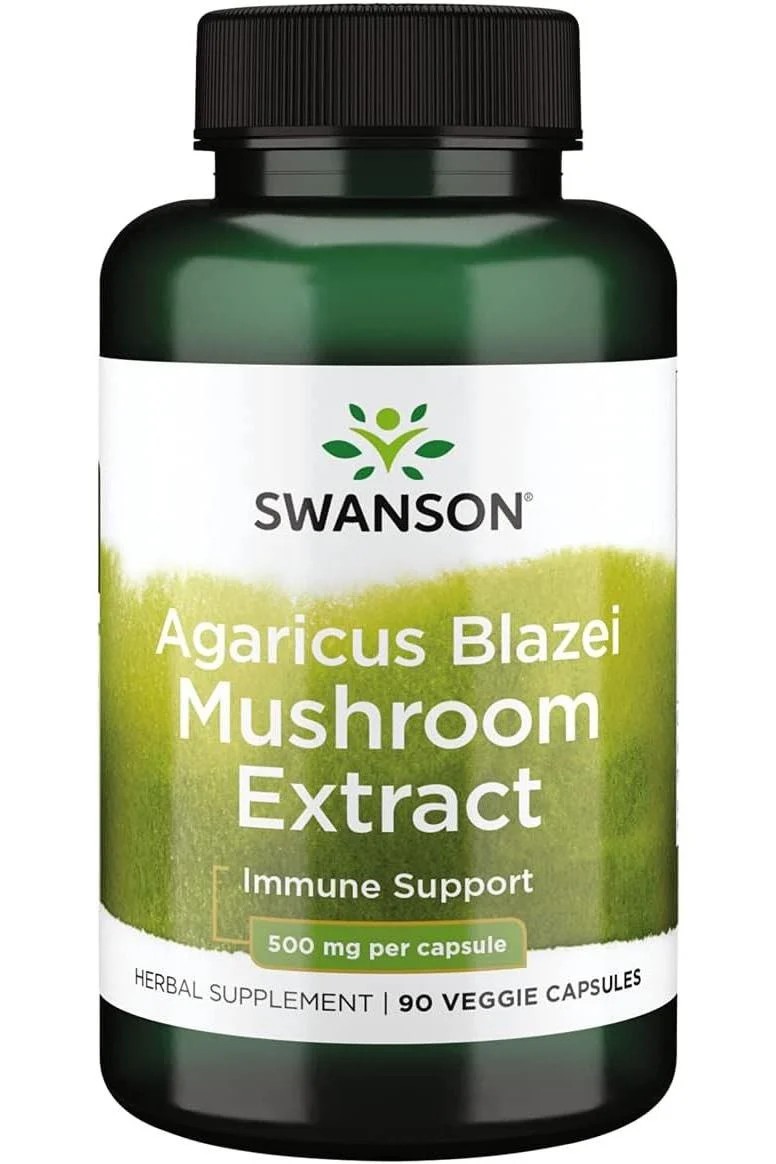
Agaricus blazei Murill (ABM) (medicinal mushroom) and cancer
What is Agaricus blazei Murill (ABM)?
Agaricus blazei Murill (ABM) is an edible medicinal mushroom with a characteristic almond-like aroma. It originally hails from the Serra do Café region in Brazil. Locally, it became known as “Cogumelo do Sol” (Mushroom of the Sun) or “Cogumelo de Deus” (Mushroom of God), reflecting the high regard it held among the local population.
History
Traditionally, ABM was used to promote general health and vitality, strengthen the immune system, and prevent various diseases. Its popularity spread internationally in the late 20th century, particularly in Japan, where extensive research began to uncover its potential health benefits. Traditional use, combined with modern scientific interest, has cemented ABM’s status as a valuable medicinal mushroom.
Mechanisms of Action
The health-promoting effects of ABM are being intensively studied. Bioactive components such as polysaccharides (including beta-glucans), sterols (ergosterol), triterpenes, and fatty acids are believed to play a central role.
Immunomodulatory Effects
Beta-glucans in ABM interact with immune cells (macrophages, neutrophils, NK cells) via receptors such as Dectin-1, which activates immunological reactions.
Macrophages: Imagine them as the “scavenger cells” of the body. When ABM is present, these scavenger cells become more active. They get better at “eating” and clearing out things that shouldn’t be there, such as harmful particles. At the same time, they begin sending important “messages” (cytokines are such messages) around the body that help manage the immune system, fight inflammation, and influence how cells grow and develop.
NK cells: You can think of these as the body’s “killer cells” against diseased cells, including those infected with viruses or that have become cancer cells. When ABM activates them, they become even better at finding and destroying these diseased cells. They also begin producing more of the “messages” (IFN-$\gamma$ is one of them) that help other parts of the immune system do their job.
Neutrophils improve their ability to migrate to sites of infection and fight microorganisms.
ABM also affects the maturation of dendritic cells, which are important for adaptive immune responses, potentially leading to a more effective immune response against cancer cells.
Anti-angiogenic Effects
ABM’s bioactive components can inhibit angiogenesis (the formation of new blood vessels), which is necessary for the growth and spread of cancer tumors. They are believed to reduce the production of VEGF, a protein that stimulates blood vessel growth, thereby potentially limiting the blood supply to tumors.
Antiproliferative and Cytotoxic Effects
In vitro studies show that ABM extracts can inhibit growth and kill cancer cells by inducing apoptosis, disrupting the cell cycle, and inhibiting growth signaling pathways. Polysaccharides and sterols in ABM are being investigated for their contributions to these effects. Further in vivo research is required to confirm clinical relevance.
Anti-inflammatory Effects
ABM extracts can reduce inflammation by modulating the production of pro-inflammatory cytokines. Beta-glucans and polysaccharides are believed to influence signaling pathways involved in inflammation, potentially creating a less favorable environment for cancer cell growth.
Potential as Supplementary Treatment for Cancer
ABM has potential as a supplement to cancer treatment and may potentially improve outcomes and quality of life, but should not replace established treatment.
Immune Support
ABM’s immunomodulatory properties can help maintain or restore immune function, which is often weakened by chemotherapy and radiation therapy, thereby potentially improving tolerance to treatment and helping to fight infections.
Synergy with Conventional Treatment
Research suggests that ABM extracts in vitro and in vivo can increase cancer cells’ sensitivity to chemotherapy and radiation, possibly by affecting signaling pathways in the cancer cells. For example, ABM can enhance cisplatin’s inhibitory effect on cancer cell growth.
Inhibition of Metastasis
ABM’s anti-angiogenic and immunomodulatory properties can potentially inhibit metastasis by limiting blood vessel growth to tumors and strengthening the immune system’s ability to destroy circulating cancer cells.
Benefits of Agaricus blazei Murill
ABM can offer several benefits as a supplement to cancer treatment.
Holistic Support for the Body
ABM contains vitamins, minerals, and amino acids that can support bodily functions, energy levels, and the nervous system under the stress of cancer treatment.
Natural Origin and Good Tolerance
ABM is a natural mushroom that is generally well-tolerated in recommended doses and may be attractive to those seeking complementary treatment forms.
Broad-Spectrum Effect on the Immune System
ABM can balance and optimize immune function, potentially leading to more effective combat against cancer cells and better management of infections.
Potential for Long-Term Use
ABM has potential for long-term use as a supportive treatment, which can be important for patients requiring prolonged immune support. Always consult a practitioner regarding duration.
Contribution to Mental and Emotional Well-being
Improved quality of life and fewer side effects can indirectly improve mental and emotional well-being by increasing energy and mood.
Disadvantages and Limitations
Product Quality
The quality of ABM products varies depending on growth, harvesting, and processing, which can affect efficacy. Choose products from reliable manufacturers with quality control.
Interactions with Medication
ABM can interact with blood-thinning medication (e.g., warfarin) and potentially affect the metabolism of certain drugs via liver enzymes. Always inform your practitioner about ABM use.
Gastrointestinal Issues
Some may experience mild issues such as bloating, nausea, or diarrhea, especially at higher doses. Start low and increase the dose gradually.
Lack of Large Research Trials
Many clinical studies are small with methodological limitations. Larger, well-designed studies are needed to confirm benefits and establish optimal doses. Much knowledge comes from in vitro and in vivo studies.
Clinical Studies
Studies on Immunological Response
Some studies show that ABM can stimulate immune cells such as NK cells and macrophages as well as increase cytokine production in cancer patients. One study showed improvement in patients with myelodysplastic syndrome.
Studies on Specific Cancer Types
Studies have investigated ABM in prostate cancer (stabilizing effect on PSA) and liver cancer (improved liver function and possible prolonged survival in combination with standard treatment).
Safety
ABM is generally safe in recommended doses, with mild, transient gastrointestinal side effects in some individuals.
Autoimmune Diseases
Caution is advised for autoimmune diseases due to potential immune stimulation. Consult a practitioner.
Bleeding Disorders and Surgery
Exercise caution with bleeding disorders or before surgery due to potential interaction with blood-thinning medication. Stop use a few weeks before surgery.
Pregnancy and Breastfeeding
Avoid use during pregnancy and breastfeeding unless recommended by a practitioner due to limited information on safety.
Liver Impact
Rare cases of liver impact have been reported. Be aware of symptoms and seek medical attention if problems arise. Product quality may play a role.
Dispensing and Application
ABM is available as capsules, powder, liquid extracts, and dried mushrooms. Dosage varies; follow product recommendations and consult a practitioner for individual advice. Start low to assess tolerance.
Conclusion
Agaricus blazei Murill is a medicinal mushroom with significant potential as a supplementary treatment for cancer. Its primary mechanisms of action involve immunomodulation, potential anti-angiogenic, antiproliferative, and anti-inflammatory effects. Clinical studies have shown that ABM can contribute to improving quality of life, reducing certain side effects of conventional treatment, and potentially strengthening the immune response in cancer patients. While results are promising, more extensive research is needed to confirm these effects and establish optimal application protocols.
Overview of medicinal mushrooms and cannabis
This overview compares the efficacy and safety of the most commonly used medicinal mushrooms. Cannabis is also included in the overview. This is despite cannabis being biologically a plant and not a mushroom. However, it is often used in the same context when natural symptom relief is desired for cancer patients.
Worth knowing:
- Choice of mushroom: If the goal is to get safely through chemo with the fewest side effects, Turkey Tail is most often the first choice, as it has the fewest contraindications.
- Neuropathy: If chemo causes numbness in fingers or nerve damage, Lion’s Mane is the only mushroom with specific documentation for being able to help with nerve regeneration.
- Stop before surgery: A good rule of thumb is to stop all mushrooms, especially Reishi, Chaga, and Cordyceps, as well as fish oil, two weeks before scheduled surgeries due to the risk of bleeding.
Medicinal mushroom and Cannabis
| Name | Primary Effect | Use in Cancer | Name | Important Caution |
|---|---|---|---|---|
| Agaricus blazei | Very powerful immune activation. High content of Beta-1,3/1,6-glucans. | Aggressive support. Used to significantly boost NK-cell activity. | Agaricus blazei | May affect liver enzymes. Should be used with caution in liver disease or heavy liver-taxing chemo. |
| Cannabis: CBD | Anxiolytic and muscle relaxant. Anti-inflammatory. | Quality of life. Relieves restlessness, anxiety, muscle tension, and sleep problems without a high. | Cannabis: CBD | Interaction with medication. Can inhibit the liver’s breakdown of chemotherapy (CYP450). |
| Cannabigerol (CBG) | Neuroprotective and appetite stimulant. Blocks TRPM8 channels (growth signals) in cells. | Antitumour support. Targeted use for growth in colon and brain, and against loss of weight and muscle mass. | Cannabigerol (CBG) | Interaction with liver enzymes (CYP450). May affect the concentration of blood thinners and certain types of epilepsy medication. |
| Cannabis: THC | Antiemetic and appetite stimulant. Psychoactive (euphoric). | Acute relief. Against severe nausea, vomiting, and weight loss. | Cannabis: THC | Driving ban. Psychoactive side effects. Sedative effect. |
| Chaga | Powerful antioxidant (SOD). Contains Betulin and Betulinic acid. Protects against oxidative stress. | Restorative. Used for general strengthening of the body under pressure. | Chaga | High oxalate content (risk of kidney stones). Blood-thinning. Interacts with insulin (lowers blood sugar). |
| Cordyceps | Energizing. Increases oxygen uptake (ATP) and kidney function. | Lung function. Counteracts shortness of breath and cancer-related fatigue. | Cordyceps | May over-activate the immune system in autoimmune diseases. Blood-thinning. |
| Lion’s Mane | Nerve regenerating. Stimulates growth of nerve cells (NGF). | Neuropathy. Counteracts sensory disturbances in fingers/feet and memory difficulties (chemo brain). | Lion’s Mane | May lower blood sugar. Mild blood-thinning effect. |
| Maitake | Immune-activating (D-fraction). Strong stimulation of macrophages. | Immune boost. Often used to activate the body’s own defense against cancer cells. | Maitake | May lower blood sugar. Can enhance the effect of blood-thinning medication. |
| Pau D’Arco | Potent antifungal and anti-inflammatory. Contains Lapachol. | Micro-environment. Used to purify the blood and combat fungal infections (Candida), which are often seen with a weakened immune system. | Pau D’Arco | Blood-thinning. Must not be combined with blood-thinning medication or used prior to surgical procedures. |
| Pao Pereira | Inhibits replication of abnormal cells. Penetrates the blood-brain barrier. | Targeted cell division. Often used for prostate cancer and cancers of the central nervous system (brain). | Pao Pereira | Generally well-tolerated, but should be taken under guidance to ensure correct dosage relative to conventional treatment. |
| Poria cocos | Diuretic and calming. Supports spleen and kidney function. Contains Pachyman. | Fluid retention. Helps against edema and mucus. Calms restlessness and racing thoughts. | Poria cocos | Acts as a diuretic. Be mindful of electrolyte balance if taking other diuretic medication. |
| Reishi | Calming and immune-strengthening. Acts as an adaptogen (stress-reducing) and sleep-promoting. | Sleep and stress. Good for finding peace in the body and supporting the immune system between treatments. | Reishi | Blood-thinning. Must not be used with low platelets or before surgery. |
| Shiitake | Immune-stimulating. Source of Lentinan and AHCC. | Standard support. Lentinan is used medically to prolong survival in certain types of cancer. | Shiitake | May in rare cases cause skin rash (Shiitake dermatitis). Contains purines (caution in gout). |
| Turkey Tail | Immune-modulating. Supports the immune system (NK cells) without overstimulating. Contains PSK. | Chemo support. Often used alongside chemo to counteract immune suppression. | Turkey Tail | Generally considered safe. Few known interactions (approved drug in Japan as PSK). |
Back to Dietary Supplements
See also Minimize Side Effects – Chemo, Nerve Problems
Links
Agaricus blazei Murrill mushroom: A review on the prevention and treatment of cancer (Science Direct)
The Age-Dependent Anticancer Efficacy of Agaricus blazei Murill Polysaccharide in Colon Cancer (PubMed)
Agaricus (Memorial Sloan Kettering Cancer Center)
Page created:
April, 18.25
❤
What you read on Jeg har Kræfter is not a recommendation. Seek competent guidance.
