


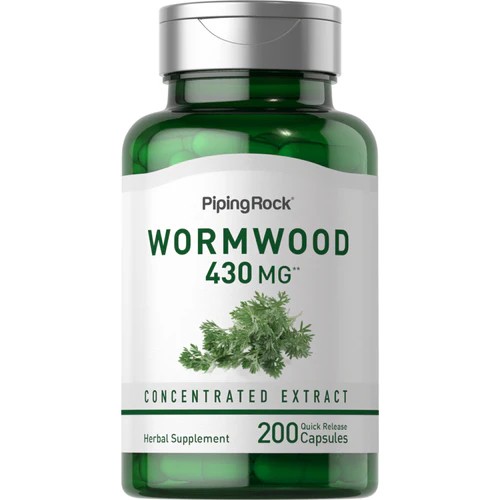
Wormwood and cancer
Summary of wormwood
Wormwood (common wormwood, Artemisia absinthium) and the related sweet wormwood (Artemisia annua) contain bioactive substances, especially artemisinin, which show promising potential as complementary treatment for cancer [1, 2, 3, 4, 5].
Cancer-fighting potential
- Research indicates that artemisinin can selectively target iron-rich cancer cells, leading to programmed cell death. It can also inhibit cancer cell growth and spread and potentially strengthen the immune system [6, 7, 8].
Complementary benefits
- Wormwood’s long history in folk medicine and its potential ability to reduce side effects from conventional treatment by acting more selectively on cancer cells make it an interesting supplement. It can also exhibit synergistic effects with established cancer treatments and has shown relatively broad-spectrum activity against multiple cancer types.
Research
- Research, especially with isolated artemisinin from sweet wormwood (Chinese wormwood), is ongoing, but the preliminary results are positive and underscore wormwood’s potential as a valuable supplement that can expand treatment options for cancer patients.
Important considerations
- It is crucial to choose thujone-free or thujone-poor products from well-reputed manufacturers, as wormwood can contain thujone, a neurotoxin. Safety and effectiveness depend on dosage and formulation, and one should consult a healthcare provider with knowledge of herbal medicines to review benefits and drawbacks (any interactions) in the specific situation.
What is wormwood
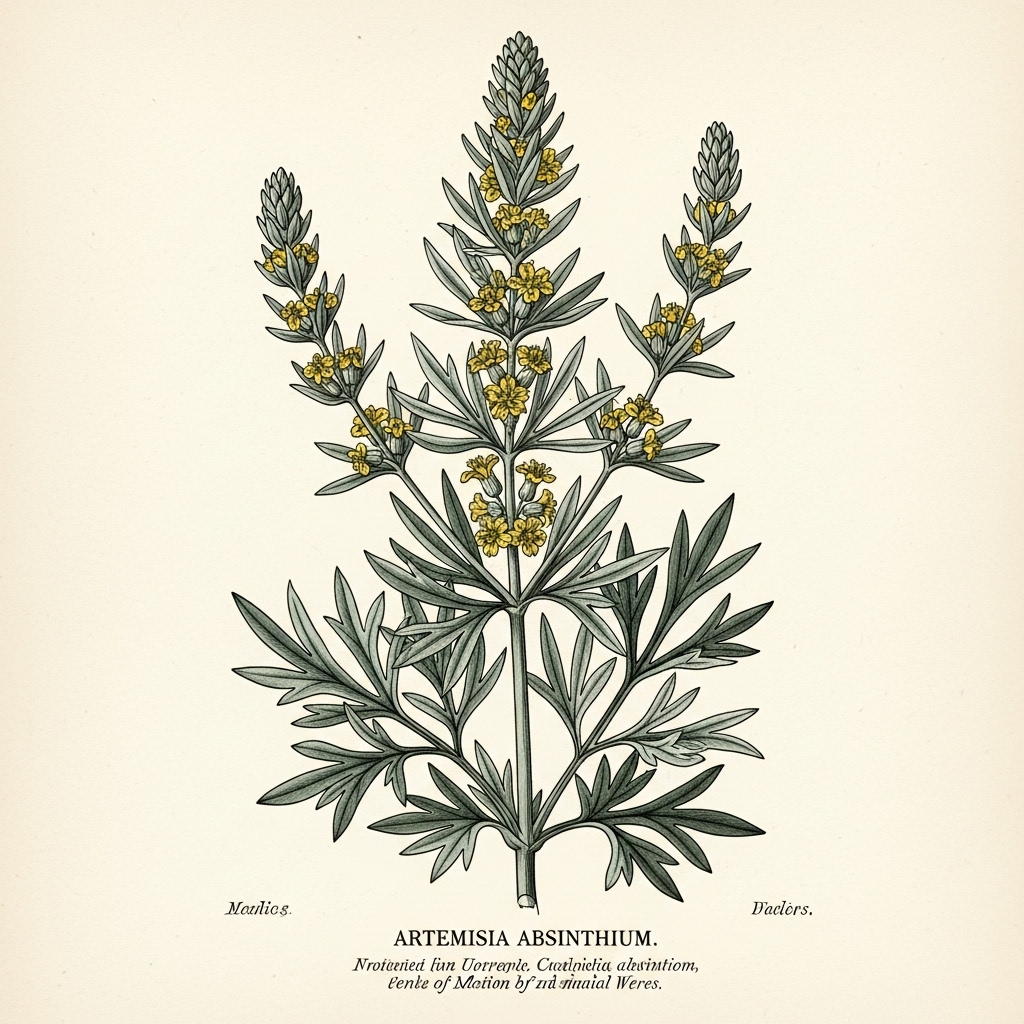
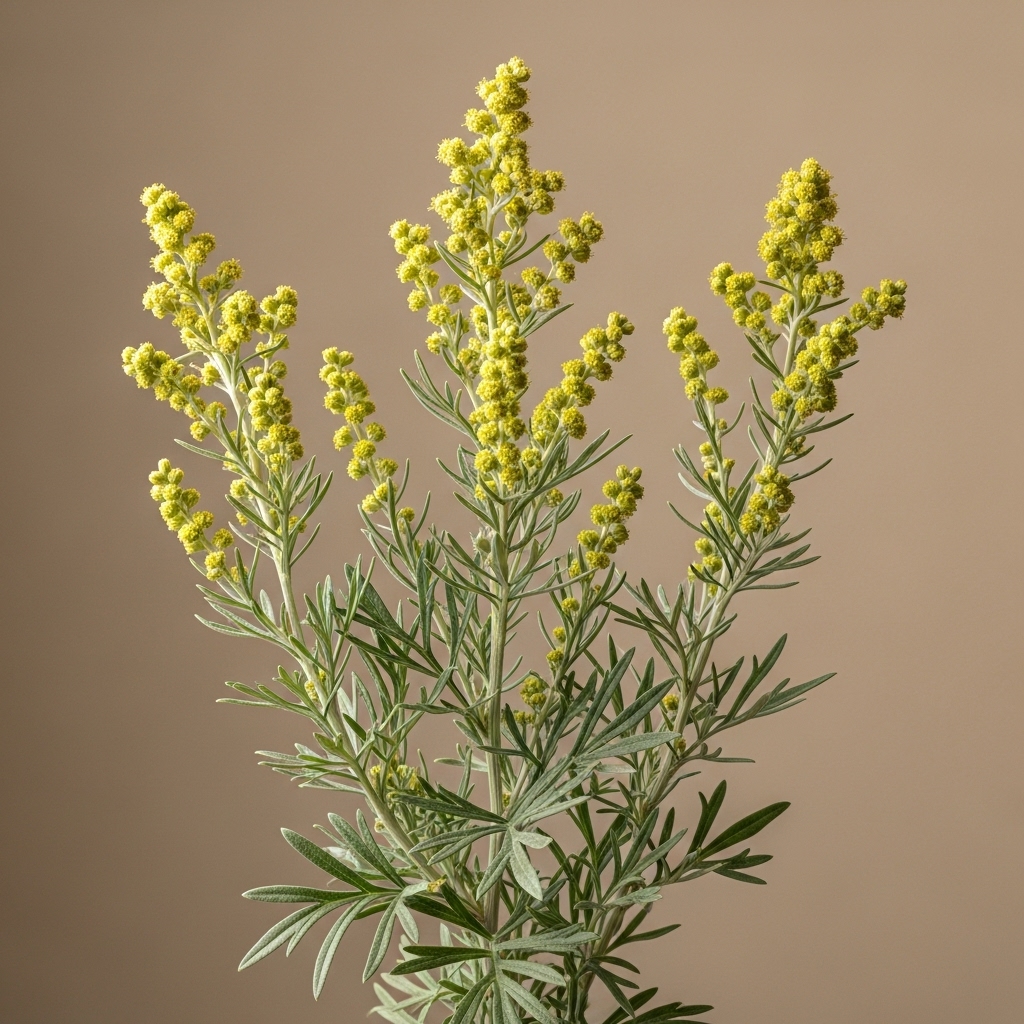
Wormwood, or common wormwood (Artemisia absinthium), is a perennial plant in the aster family (Asteraceae), known for its characteristic bitterness from sesquiterpene lactones such as absinthin. The plant has silver-green leaves and small, yellow flowers and grows wild in temperate areas.
In addition to absinthin, it contains flavonoids, coumarins, essential oils (with thujone), and lignans, which contribute to its physiological effects. Wormwood is of increasing interest as a complementary cancer treatment due to its bioactive substances, which are being investigated for their potential to target and combat cancer cells selectively.
History
Wormwood’s history dates back thousands of years. It was used in ancient Egypt against parasites and stomach pains, and in ancient Greece and Rome as a digestive aid and tonic. Hippocrates (the father of medicine) recommended it against jaundice. In the Middle Ages, it was popular in folk medicine against worms, to stimulate appetite and digestion, and against fever. In the 18th and 19th centuries, it became known as the main ingredient in absinthe.
Interest in wormwood has been revived, especially in research into its potential as a supplement to conventional treatments, including in cancer contexts.
Mechanisms of action
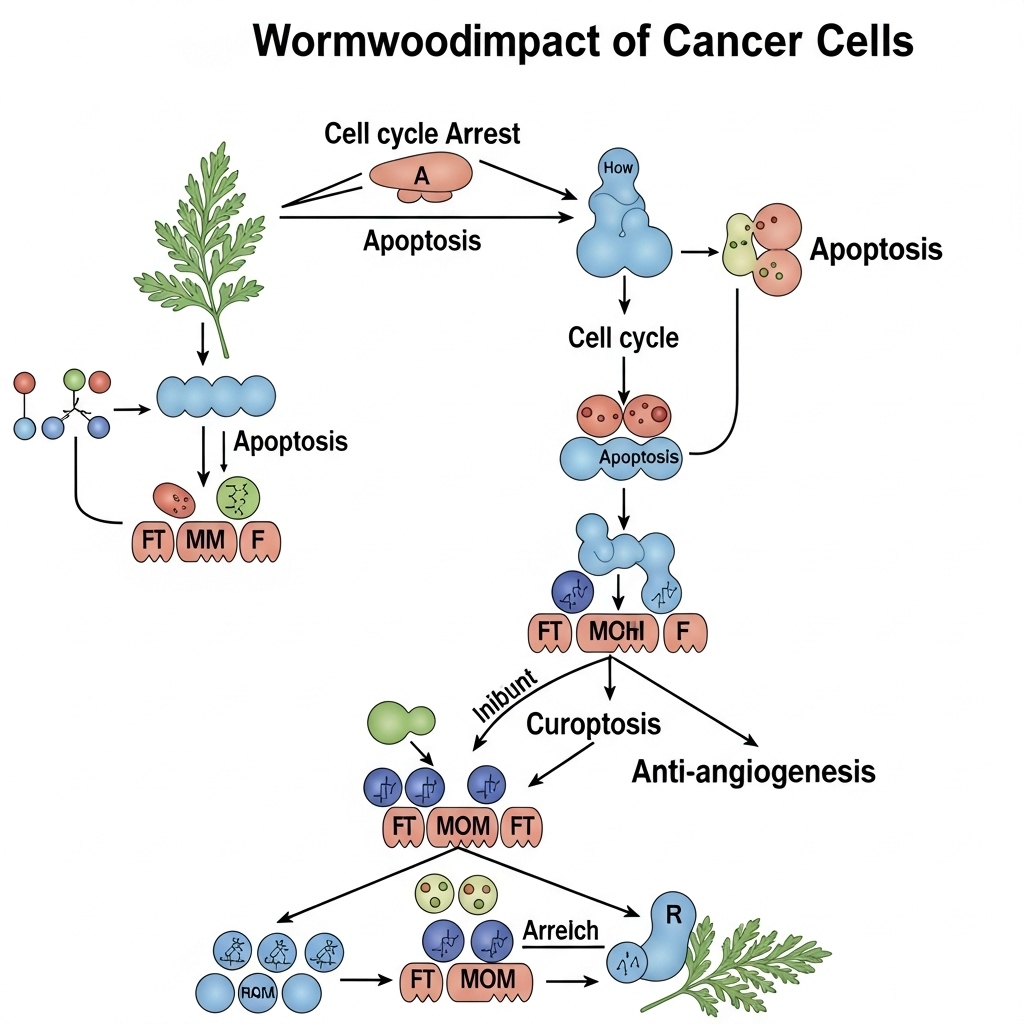
Wormwood, and especially artemisinin, exert various effects at the cellular level that are relevant for cancer. The primary mechanisms include induction of apoptosis, inhibition of cell proliferation, anti-angiogenesis, and modulation of the immune system.
Induction of apoptosis
One of the most crucial mechanisms of action for artemisinin in cancer contexts is its ability to induce apoptosis (programmed cell death) in cancer cells. Artemisinin interacts specifically with iron, which is relatively concentrated in cancer cells. This interaction forms free radicals that cause oxidative stress and damage the cancer cells’ components.
The oxidative stress activates mitochondrial apoptotic pathways, leading to the release of cytochrome c and activation of caspases (enzymes that break down proteins). Research in vitro (in test tubes/petri dishes) and in vivo (in living organisms) has shown that artemisinin can induce apoptosis in many cancer cell lines while sparing normal cells [6, 7, 8].
Cell inhibition
Artemisinin can also inhibit cancer cell proliferation (growth and division) by blocking cell cycle progression in specific phases. By disrupting the cell cycle, uncontrolled cell division is prevented. This is achieved by modulating the expression of cell cycle-regulating proteins such as cyclins and cyclin-dependent kinases (CDKs), which are essential for cell division.
Anti-angiogenesis
Another important mechanism is anti-angiogenesis, the process that forms new blood vessels. Tumors require a rich blood supply to grow and spread. Artemisinin can inhibit the formation of new blood vessels by downregulating pro-angiogenic factors such as VEGF (Vascular Endothelial Growth Factor). By reducing VEGF levels and inhibiting endothelial cell growth, artemisinin can potentially starve tumors and prevent their growth and spread.
Immunomodulation
Wormwood and artemisinin have also shown immunomodulatory properties. Some studies suggest that they can affect immune cells and cytokine production. Strengthening the body’s natural immune defense can contribute to recognizing and eliminating cancer cells, which supports wormwood’s broader potential as a complementary treatment.
Potential in cancer treatment
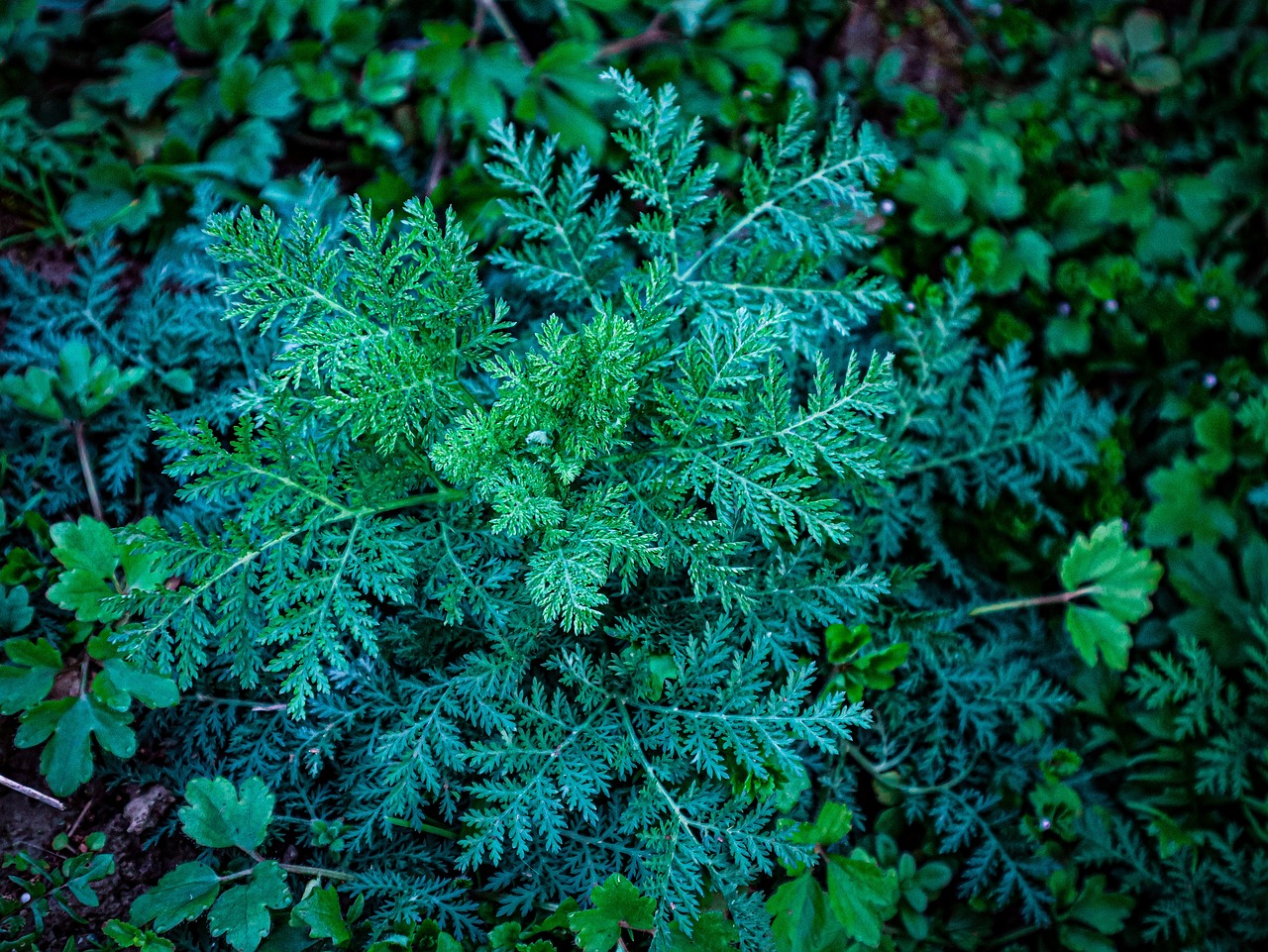
Wormwood has significant potential as a complementary cancer treatment. Its unique mechanisms of action, especially artemisinin’s targeting of iron-rich cancer cells, make it an interesting subject for further research.
Selective toxicity
A major advantage is artemisinin’s selective toxicity against cancer cells. It exploits the high iron concentration in cancer cells and largely spares normal, healthy cells. This selectivity can potentially reduce treatment-related side effects and thus improve quality of life.
Synergy with treatments
Research has shown that wormwood and artemisinin can potentially exhibit synergistic effects in combination with conventional treatments such as chemotherapy and radiation therapy. By combining them, a stronger effect can be achieved at lower doses of chemotherapy, which can reduce side effects and overcome resistance.
Broad-spectrum effect
Wormwood has shown broad-spectrum activity against many cancer types, including:
- Breast cancer
- Colon cancer
- Lung cancer
This suggests a general impact on cancer growth in various tissues, making wormwood versatile and potentially useful for multiple diagnoses.
Anti-metastatic abilities
Wormwood also has the potential to prevent metastasis (spread of cancer). Through its anti-angiogenic effects and influence on cell migration, wormwood can potentially reduce the risk of spread, which is critical as metastatic disease is often difficult to treat.
Benefits of wormwood
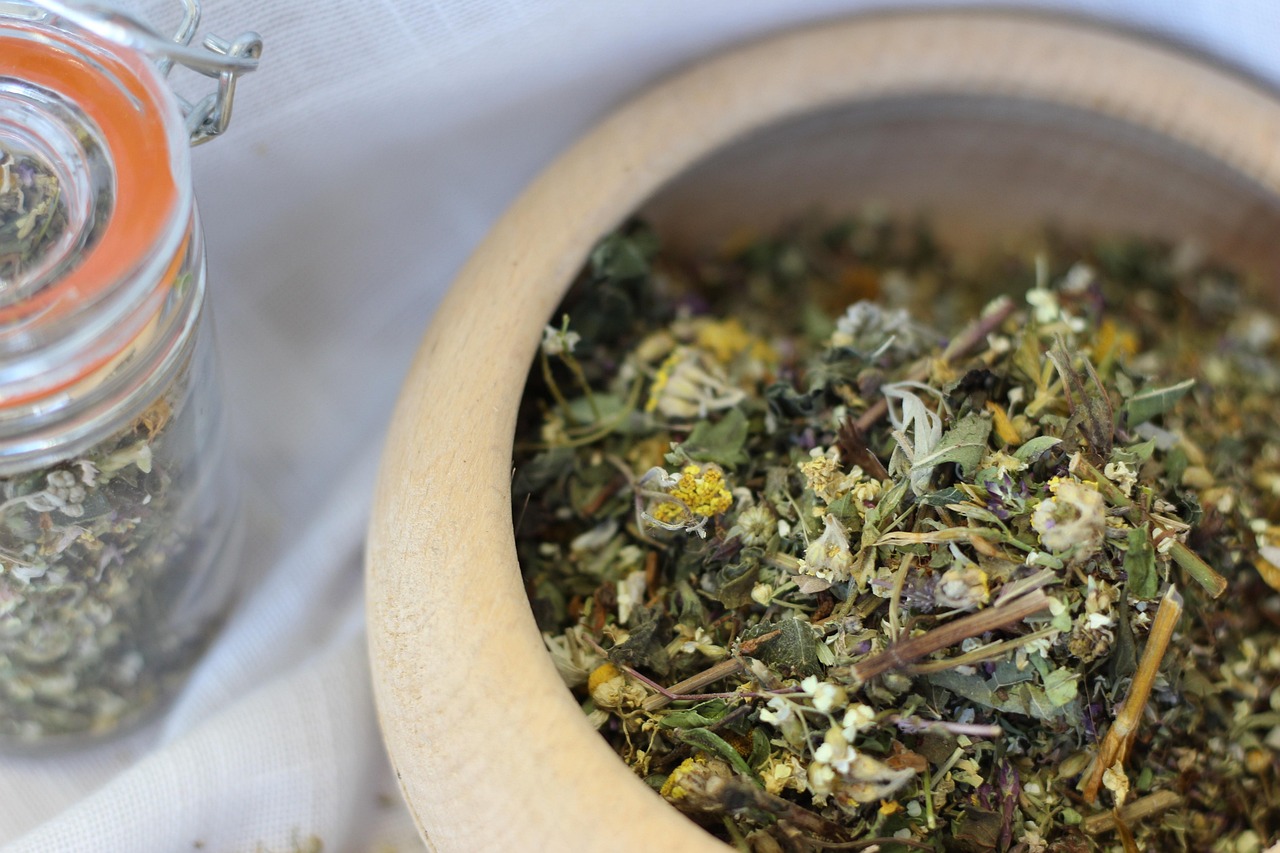
Wormwood offers several benefits that make it attractive as a complementary cancer treatment, in addition to its direct cancer-inhibiting effects.
Natural origin
Wormwood’s natural origin and long history in traditional medicine provide comprehensive empirical knowledge of its effects. This provides a certain reassurance and indication of its potential for those who prefer natural products.
Few or no side effects
Research suggests that wormwood can potentially act more selectively on cancer cells compared to some conventional cancer treatments. Without these treatments otherwise being comparable.
It should be emphasized, however, that wormwood is seen here as a possible complementary treatment that supplements other relevant cancer treatment. A complementary approach can, for several types of chemotherapy, ensure an overall better effect and/or reduce treatment-related complaints.
Broader health
In addition to cancer-specific effects, wormwood contributes broader health benefits. It is known for its digestive-promoting properties, can reduce inflammation, and has antiparasitic and antimicrobial properties. These general health benefits can strengthen the body and support well-being.
Disadvantages and limitations
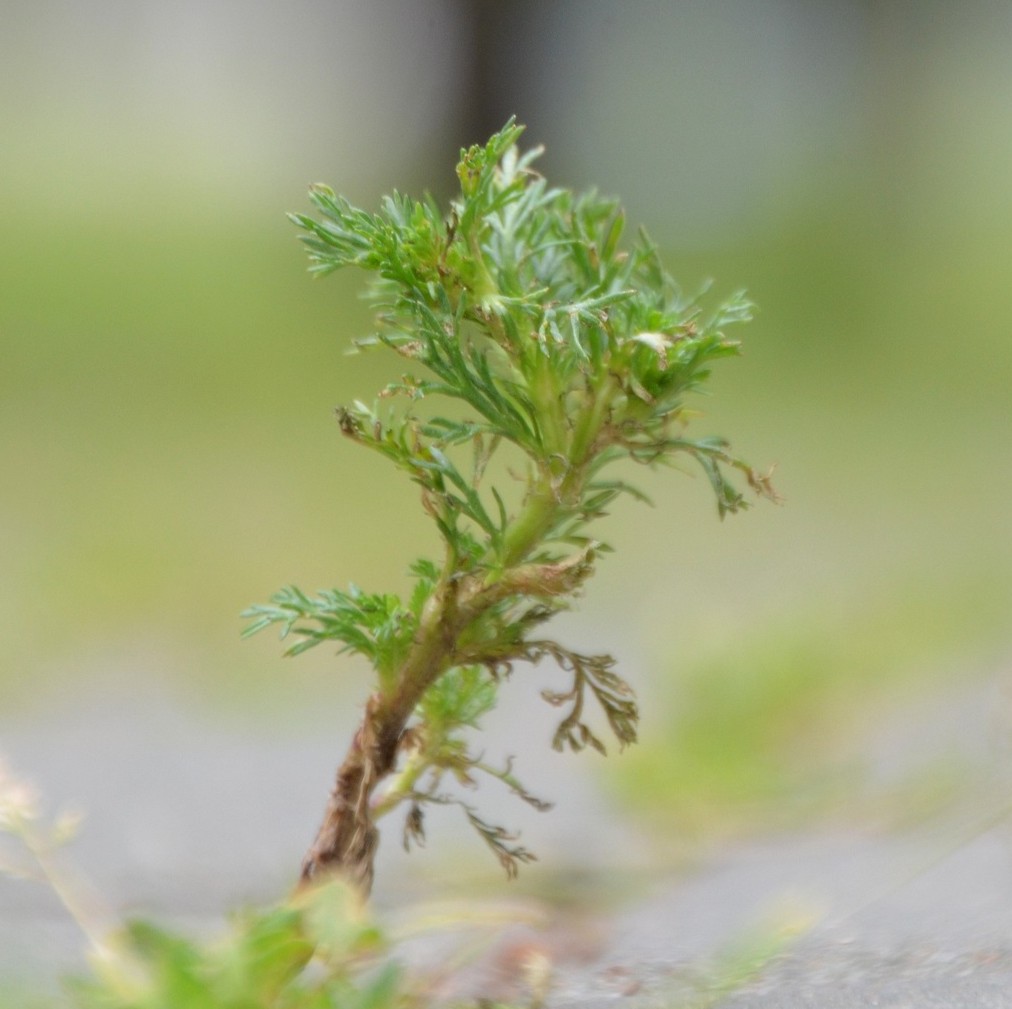
Although wormwood has potential, there are also disadvantages and limitations to be aware of.
Thujone and toxicity
A primary concern is wormwood’s content of thujone, a potent neurotoxin, which in high doses can lead to neurological side effects. Therefore, choose products that are thujone-free or thujone-poor for safe use.
Lack of standardization
A challenge is the lack of standardization of wormwood products, where the concentration of active compounds can vary. This can affect effectiveness and safety. Choose products from well-reputed manufacturers.
Potential interactions
Wormwood can potentially interact with certain medications, especially those metabolized by liver enzymes (CYP450 system), such as anticoagulants (blood thinners) or certain chemotherapeutic agents. Interactions can alter the medication’s effect. Always consult a healthcare provider who knows about herbal medicines if you are taking other medication.
Allergic reactions
Like many plants, wormwood can cause allergic reactions, especially in people who are allergic to plants in the aster family. Symptoms may include:
- Rash
- Itching
- Breathing difficulties
Clinical studies
The clinical studies with wormwood and artemisinin in cancer treatment are developing, but preliminary results are encouraging.
Initial studies
Initial human studies have examined the safety and preliminary effect of artemisinin and derivatives (e.g., artesunate) in cancer patients. These studies have shown good tolerability with few and mild side effects. Some studies have reported positive trends in survival or disease stabilization when artemisinin was added to conventional treatment.
Combination therapies
Several studies have examined combination therapies with artemisinin and conventional anti-cancer drugs to utilize synergistic effects. Studies of breast cancer and leukemia have shown that artemisinin can increase cancer cells’ sensitivity to chemotherapeutic agents, which can reduce toxicity.
Need for more research
Although the results are promising, there is still a need for larger, well-controlled, randomized clinical trials to establish wormwood’s effectiveness and safety as standalone or complementary treatment. Future research will focus on optimal doses and patient populations.
Safety
In general, wormwood is considered safe with correct and moderate use. However, there are important considerations to keep in mind:
Risk of thujone
The thujone content in wormwood is a primary safety risk, as high doses, as mentioned above, can lead to neurological side effects. Therefore, choose products that are thujone-free or thujone-poor for safe use.
Pregnancy and breastfeeding
Wormwood should be avoided during pregnancy and breastfeeding, as there is not enough research to establish safety.
Liver strain
Long-term and excessive use of wormwood can potentially strain the liver. People with existing liver diseases should exercise particular caution.
Interactions with medication
Wormwood can interact with certain medications, e.g., blood-thinning agents and immunosuppressive (immune-suppressing) medications. It is therefore necessary to discuss the use of wormwood with a healthcare provider who has knowledge of herbal medicines if you are taking other medication.
Dose and formulation
The safety profile depends heavily on dose and formulation. Standardized extracts with low thujone content are preferred. Follow recommended doses and avoid exceeding them.
Dispensing and use
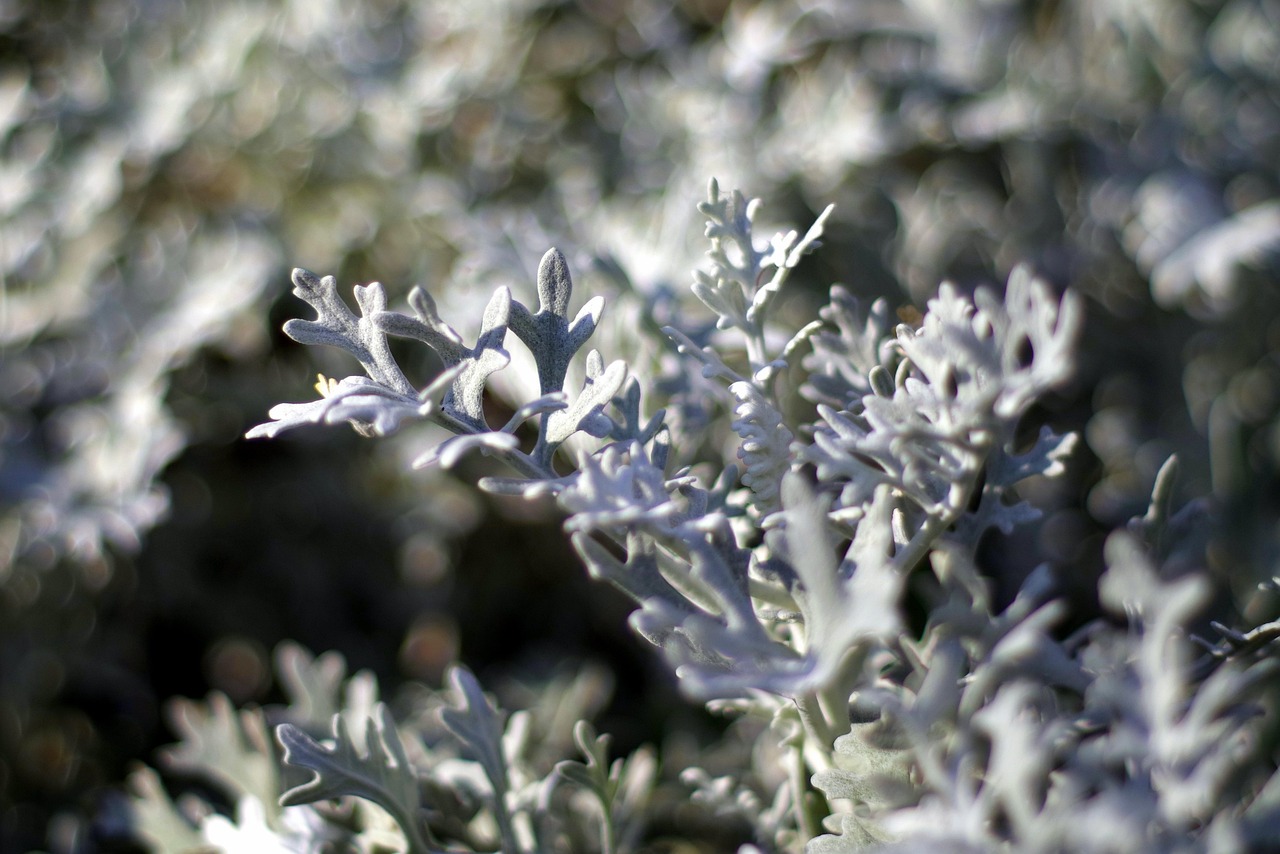
Wormwood can be dispensed and used in several ways, depending on the purpose and the desired concentration of active substances.
- Dried herbs for tea: Used for general digestive support, but has relatively low content of artemisinin.
- Tinctures: Concentrated liquid extracts, taken in drops, preserve many active compounds. Can be quite bitter in taste.
- Capsules and tablets: Often standardized extracts that provide a convenient and precise dosing. This is particularly important when used as complementary treatment.
- Artemisinin-isolated products: Concentrated pharmaceutical preparations (e.g., artesunate) are often chosen for cancer-specific use.
Wormwood vs. Artemisinin
What is what
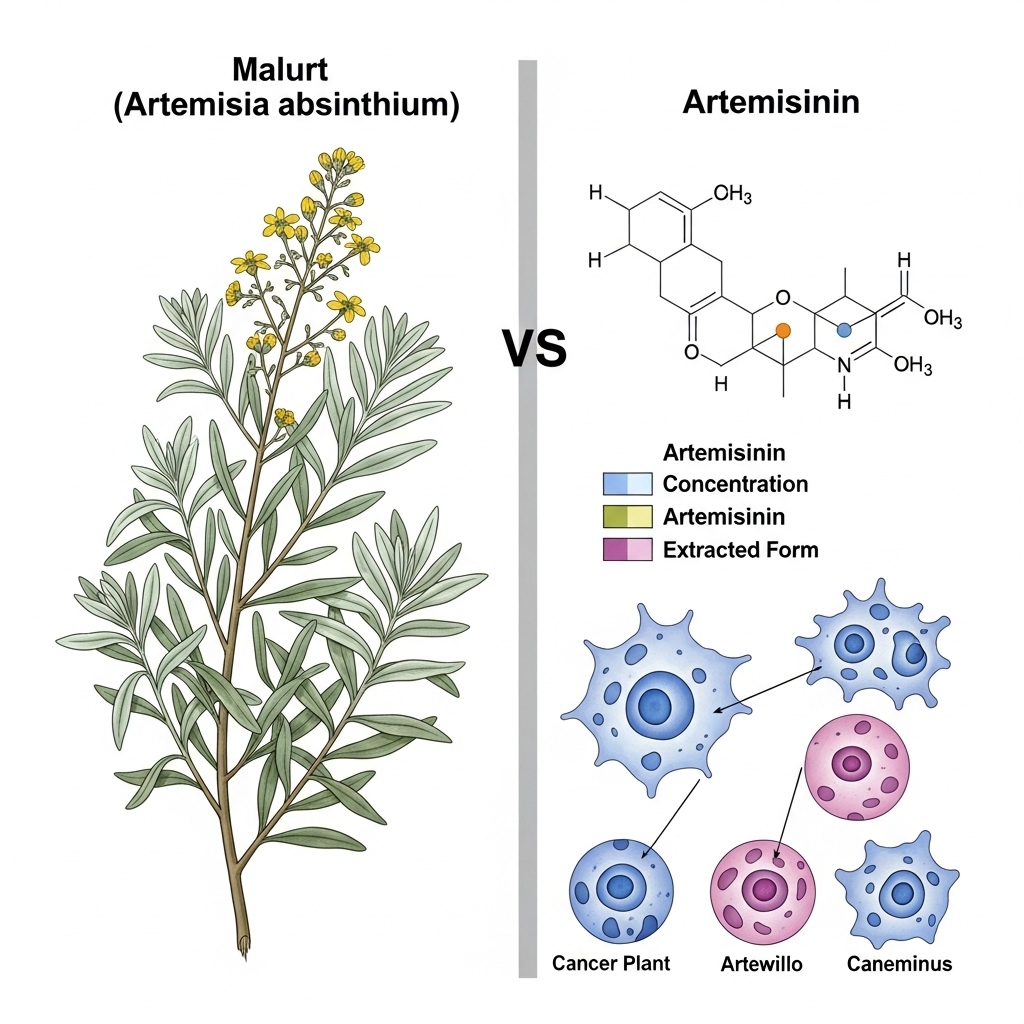
Wormwood (Artemisia absinthium) is a herb that as a whole contains many different bioactive compounds. One of these compounds is artemisinin, a sesquiterpene lactone (group of naturally occurring substances especially in the aster family), which is also found in other species of the Artemisia family, especially (and most importantly) in Artemisia annua (Chinese wormwood or sweet wormwood).
Which should I choose: wormwood (Artemisia absinthium) or sweet wormwood (Artemisia annua)
Focus in cancer
If the goal is to utilize the cancer-inhibiting effects of artemisinin, the focus will typically be on sweet wormwood (Artemisia annua) or directly isolated artemisinin and its derivatives. Sweet wormwood contains a higher and more stable concentration of artemisinin, and most clinical studies of artemisinin for cancer treatment have been conducted with extracts from sweet wormwood or synthetic artemisinin derivatives.
Traditional use
Wormwood (Artemisia absinthium) contains artemisinin, but in lower and more varying amounts, and its traditional use is more focused on digestive-promoting and antiparasitic properties, as well as a bitter tonic. In addition, Artemisia absinthium potentially contains more thujone, which can be a safety concern at high doses.
Concentration and use
When talking about the strong cancer-inhibiting effects, reference is often made to the isolated compound artemisinin or its synthetic derivatives (such as artesunate and artemether), which can be given in high, precise doses.
An important difference is that pure artemisinin does not contain thujone (or only in negligible amounts), as it is a specific isolated compound and not an extract of the entire plant’s essential oils. Therefore, thujone content is not a concern when choosing artemisinin products.
Although wormwood contains artemisinin, the concentration in the whole plant is lower and more variable than in standardized artemisinin products that are specifically extracted or synthesized for their medicinal effect. Therefore, while wormwood as a whole herb can contribute broader health benefits and a milder form of artemisinin, it is the concentrated artemisinin products that are typically used in studies on cancer treatment due to their potential strength and consistent dosing.
Regardless of the form of use, it is crucial to consult a healthcare provider with experience in herbal medicines, especially when used in connection with cancer.
Conclusion
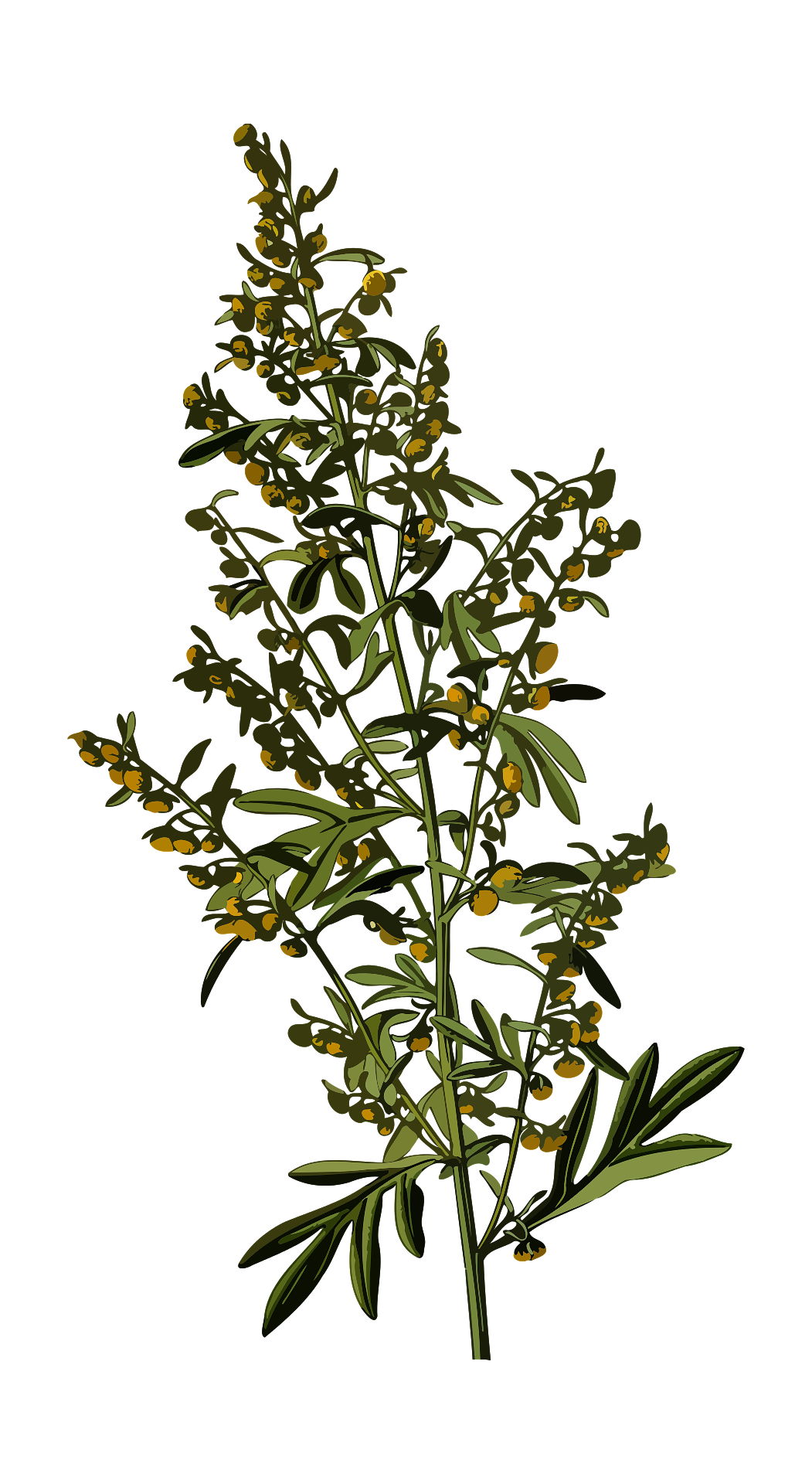
Wormwood (Artemisia absinthium) and its active component artemisinin, especially in isolated form, represent a promising area within complementary cancer treatment.
Its ability to target iron-rich cancer cells, induce apoptosis, inhibit proliferation, and exhibit anti-angiogenic effects makes it a potential supplement to conventional treatments.
Although the research is still ongoing, the preliminary results are positive with a good safety profile when used correctly.
With its natural origin, few potential side effects, and broad-spectrum activity, wormwood offers a valuable perspective as a complement to other cancer treatments, thereby expanding treatment options.
NB: Always seek competent guidance for optimal and safe use.
Back to Supplements
Also see Artemisinin
Also see Black walnut
Links
[1] Kinesisk malurt og kræft (Kræftens Bekæmpelse, July 2019)
- Content: General information about Chinese wormwood and cancer. (Danish Language)
[2] Malariamedicin har en positiv effekt mod kræft (Videnskab.dk, February 2014)
- Content: General information about malaria medication having a positive effect against cancer. (Danish Language)
[3] Planter mod kræft: Hæld malurt i bægret! (Naturli, March 2014)
- Content: General information about plants against cancer: Pour wormwood into the cup! (Danish Language)
[4] Kinesisk malurt – en medicinplante med potentiale (Aktuel Naturvidenskab, 2014)
- Content: General information about Chinese wormwood – a medicinal plant with potential. (Danish Language)
[5] Artemisia Annua – En unik (Aarhus Universitet, 2008)
- Content: General information about Artemisia Annua – A unique. (Danish Language)
[6] Inhibition activity of Artemisia vulgaris L. on Bhas 42 cell transformation (PubMed, May 2025)
- Content: In vitro study showing the inhibition activity of Artemisia vulgaris L. on Bhas 42 cell transformation.
[7] Biotransformation of artemisinin by human intestinal fungi and cytotoxicity against breast cancer cells of its metabolites (PubMed, May 2025)
- Content: In vitro study showing the biotransformation of artemisinin by human intestinal fungi and cytotoxicity against breast cancer cells of its metabolites.
[8] The antioxidant, antidiabetic, antimicrobial and anticancer constituents of Artemisia species (PubMed, July 2024)
- Content: Review article examining the antioxidant, antidiabetic, antimicrobial, and anticancer constituents of Artemisia species.
Page created: June 4, 2025
❤
What you read on “Jeg har Kræft” is not a recommendation. Seek competent guidance.
