


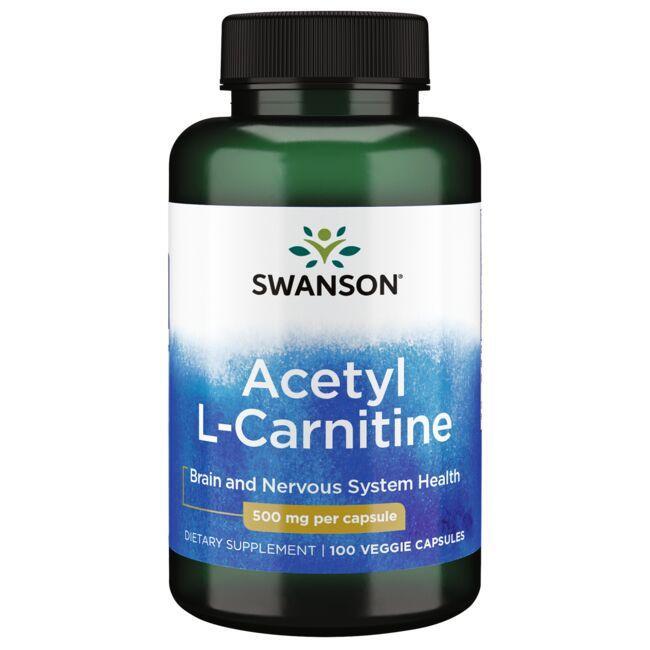
L-carnitine, acetyl-L-carnitine and cancer
What is L-carnitine and acetyl-L-carnitine?
L-carnitine is a natural substance that assists in energy production within the body by transporting fatty acids into the cells’ energy centers (mitochondria). Acetyl-L-carnitine (ALCAR) is a form of L-carnitine that is more easily absorbed by the brain and may have additional benefits for nerve function.
History
L-carnitine was discovered in muscles at the beginning of the 1900s and has since been recognized for its essential role in metabolism. Acetyl-L-carnitine is a later development that has shown potential within neurology. This form also finds it easier to pass through the blood-brain barrier. Both have traditionally been used for athletic performance, but their role in medical treatment, particularly in cancer, is now being investigated more closely.
Mechanisms of action
L-carnitine is crucial for the transport of fatty acids for energy production in the mitochondria [2, 8, 9].
Fatty acid transport
L-carnitine helps move fat into the cells’ “power plants” (the mitochondria), where the fat is used to create energy. This is an important process for all cells in the body, including cancer cells, which often have different energy requirements than normal cells. By making this transport of fat more efficient, L-carnitine may potentially alter the way cancer cells produce energy. Researchers are investigating whether this change in energy production can affect the growth and behavior of cancer cells [2, 8].
Antioxidant effect
Both L-carnitine and acetyl-L-carnitine possess antioxidant properties and can help protect cells from damage caused by free radicals, which may be increased during cancer and particularly its treatment.
Anti-inflammatory
Furthermore, they may have anti-inflammatory effects by influencing signaling substances in the body, which can be relevant regarding the inflammation that often accompanies cancer.
Neuroprotective effects of acetyl-L-carnitine
Acetyl-L-carnitine (ALCAR) is a specific form of L-carnitine with a better ability to cross the blood-brain barrier. This barrier is a protective mechanism that controls which substances can enter the brain. Because ALCAR enters the brain more easily, it may have a more direct effect on nerve cells. It can support the function of mitochondria in nerve cells and act neuroprotectively, meaning it can help protect nerves from damage. This may be particularly beneficial in connection with nerve problems (neuropathy) that can arise as a side effect of chemotherapy. Research suggests that ALCAR can potentially help prevent or reduce this nerve damage.
Potential as supplementary treatment for cancer
L-carnitine and acetyl-L-carnitine are being investigated for their potential to alleviate the consequences of cancer treatment and potentially improve quality of life [4].
Reduction of fatigue
Some studies indicate that L-carnitine can reduce fatigue, which is a common and debilitating side effect of cancer and chemotherapy, possibly by improving energy production in the cells. A randomized study from 2025 has examined its role in reducing toxicity during chemoradiotherapy [4].
Alleviation of nerve problems
Acetyl-L-carnitine has shown potential to reduce nerve damage (neuropathy) caused by chemotherapy in certain studies, possibly by protecting the nerve cells.
Support for the muscles
L-carnitine can likely help preserve muscle mass and function, especially in muscle wasting (cachexia), which can occur in advanced cancer [3].
Protection of the heart
There is research indicating that L-carnitine may have a protective effect on the heart during certain forms of chemotherapy that can be harmful to the heart [6]. Research has primarily focused on the protective effect of L-carnitine in connection with chemotherapy that includes anthracyclines. Anthracyclines are a group of strong chemotherapeutic agents effective against many types of cancer but unfortunately known for causing cardiotoxicity (heart damage) in some patients. Examples of anthracyclines include:
- Doxorubicin
- Epirubicin
- Daunorubicin
- Idarubicin
Studies suggest that L-carnitine can help reduce the risk or severity of heart damage caused by these substances by supporting the energy supply to the heart muscles and potentially reducing oxidative stress in the heart [6].
Possible impact on cancer cells
Preliminary research suggests that L-carnitine and acetyl-L-carnitine may directly affect the growth and spread of certain cancer cells, but this requires further investigation [2, 7].
Advantages
In addition to the therapeutic potential as a supplementary treatment in cancer, there are several other advantages associated with L-carnitine that make it an interesting substance in this context.
Relatively few side effects at recommended doses
L-carnitine is a natural substance found in the body and in common foods. Therefore, it is generally well-tolerated when taken as a supplement within recommended dosages. The most common side effects, if the recommended dose is exceeded, are typically mild gastrointestinal problems. Compared to many other supplements, L-carnitine has a relatively mild side effect profile when used correctly.
Synergistic effects with conventional treatment
L-carnitine might assist conventional cancer treatment. By supporting the body and making it stronger during treatment, L-carnitine may make it easier to tolerate, for example, chemotherapy and radiation therapy [4]. It can help keep energy levels up and preserve muscles, so one can better manage the treatment. Furthermore, it might protect vital organs like the heart and nervous system from damage caused by the treatment [6].
Broad applicability
L-carnitine might help in many different types of cancer and at various stages. Many cancer patients feel tired, lose muscle, and have metabolic problems regardless of the type of cancer they have. Therefore, L-carnitine might be a broadly applicable supplement in cancer care.
Support for metabolism and weight control
Some cancer patients have issues with metabolism and weight. L-carnitine’s role in burning fat might help maintain a healthy weight and a normal metabolism during and after cancer treatment. This can be important for patients who experience involuntary weight loss or have metabolic issues due to the disease or treatment [1, 5].
Potential protection against secondary conditions
By helping the heart and nervous system, L-carnitine might reduce the risk of other diseases that can arise in connection with cancer or treatment. This could, for instance, be problems with the heart or nerves that can be affected by both the cancer and the treatment.
Specific benefits of acetyl-L-carnitine
Acetyl-L-carnitine (ALC) shares many of the same benefits as L-carnitine but also has some unique properties:
Potential neuroprotection
ALC has a better ability to enter the brain than standard L-carnitine. This means it might be better at protecting nerve tissue from damage. This is particularly important regarding nerve damage in the arms and legs that can occur after chemotherapy, and other nervous system problems associated with cancer treatment.
Possible improvement of kognitive function
The acetyl group in ALC might help neurotransmitters in the brain function better. These neurotransmitters are important for things like memory and concentration. Therefore, research is being conducted into whether ALC can help with the memory and concentration problems, “chemobrain,” that some cancer patients experience during and after treatment.
Disadvantages and limitations
It is important to be aware that documentation for a direct anti-cancer effect is limited, and results from studies vary.
Gastrointestinal problems at high doses
High doses can cause gastrointestinal issues.
Interactions with medication
There is a potential risk of interactions with certain medications, such as blood thinners. The quality of supplements can also vary.
Interaction with blood-thinning medication
L-carnitine can interact with blood-thinning medication such as warfarin.
Clinical studies
Clinical studies have been conducted to investigate the effect of L-carnitine and acetyl-L-carnitine in cancer, but the results are not conclusive, and more research is needed to establish their precise role [4].
Safety
L-carnitine and acetyl-L-carnitine are generally considered safe at recommended doses.
Mild side effects
Any side effects are typically mild.
Dispensing and application
L-carnitine: Available in various forms such as tablets, capsules, and liquid. The dose depends on the purpose of use and should be discussed with a practitioner. Acetyl-L-carnitine (ALCAR): Like L-carnitine, ALCAR is available in various forms. The dosage also varies here depending on the specific application.
Conclusion
L-carnitine and acetyl-L-carnitine show potential as supplementary treatments in cancer primarily by helping manage side effects during and after conventional treatment. This applies to side effects such as fatigue and neuropathy, as well as potentially supporting muscle and heart function. Although research into their direct anti-cancer effect is limited, they may be valuable as part of an integrated approach to cancer treatment in consultation with your practitioner.
Back to Supplements
Links
[1] Appetitstimulerende lægemidler ved fremskreden kræft (Ugeskrift for Læger, 2014)
- Content: A Danish clinical review describing the use of appetite-stimulating drugs, including the role of carnitine in managing cancer-related cachexia.
[2] Targeting carnitine palmitoyl transferase 1A (CPT1A) induces ferroptosis and synergizes with immunotherapy in lung cancer (PubMed, 2024)
- Content: A non-randomized in vitro and in vivo study showing how inhibiting carnitine transport can make lung cancer cells more sensitive to immunotherapy.
[3] l-carnitine and cancer cachexia: Clinical and experimental aspects (NIH, 2011)
- Content: An article reviewing clinical and experimental data on how L-carnitine supplementation affects muscle wasting in cancer patients.
[4] L-Carnitine to Reduce Chemoradiotherapy-Induced Toxicity in Head and Neck Cancer: A Randomized Study (PubMed, 2025)
- Content: A randomized clinical study evaluating the efficacy of L-carnitine in reducing treatment-induced side effects and toxicity in patients with head and neck cancer.
[5] Appetitstimulerende lægemidler ved fremskreden kræft (Ugeskrift for Læger, Videnskab, 2014)
- Content: A scientific update on pharmacological interventions for appetite loss in advanced cancer patients.
[6] L-carnitin (Hjerteforeningen, ej dateret)
- Content: An overview from the Danish Heart Foundation describing L-carnitine’s function in heart health and its role in energy metabolism.
[7] Metabolites and metabolic pathway reactions links to sensitization of immunotherapy in pan-cancer (PubMed, 2025)
- Content: A research paper identifying metabolic pathways, including carnitine metabolism, that influence how various cancers respond to immunotherapy.
[8] CPT1A loss disrupts BCAA metabolism to confer therapeutic vulnerability in TP53-mutated liver cancer (PubMed, 2024)
- Content: A study exploring the metabolic vulnerabilities created by disrupting carnitine-related enzymes in specific types of liver cancer.
[9] BCAA metabolism in pancreatic cancer affects lipid balance by regulating fatty acid import into mitochondria (PubMed, 2024)
- Content: Research investigating the connection between fatty acid transport and lipid balance in pancreatic cancer cells.
Page created: April 20, 2025. Latest revision: April 25, 2026.
❤
What you read on I Have Cancer is not a recommendation. Seek competent guidance.
