


Aloe vera and cancer
What is aloe vera
Aloe vera is a succulent (cactus-like plant species) that has traditionally been used in folk medicine for centuries. It is known for its cooling and healing properties, especially concerning skin issues.
Aloe vera is unique due to the gel-like substance found in its leaves, which contains a variety of bioactive compounds with potential health benefits. Recent research has shown that aloe vera may have a positive influence on health, including in connection with skin conditions, wound healing, and possibly even cancer.
Mechanisms of action and potential of aloe vera
Aloe vera has been shown to have a range of potentially beneficial effects, primarily through its influence on skin health and the immune system:
Strengthening the immune system
- Aloe vera can potentially stimulate the immune system. It contains substances that can increase the production of immune cells and antibodies.
Inhibition of inflammation
- Aloe vera possesses anti-inflammatory properties. It can inhibit the production of inflammatory substances in the body.
Improvement of the skin’s barrier function
- A healthy skin barrier prevents harmful substances and bacteria from entering the body. Aloe vera can strengthen the skin’s barrier function by promoting cell renewal and “sealing” the skin.
Increased sensitivity to immunotherapy
- Some studies suggest that aloe vera may increase the response to immunotherapy in cancer patients. This is possibly due to its ability to stimulate the immune system. More research is needed in this area.
Clinical trials
A number of clinical trials have been conducted investigating the effect of aloe vera on various diseases, including skin conditions and cancer.
For example, trials have shown that aloe vera can improve wound healing in burn patients and alleviate symptoms of psoriasis. While the results are promising, more trials are needed to confirm these positive effects and determine the optimal dosage and application.
Safety
Aloe vera is generally well-tolerated, but more research is needed to establish long-term safety when ingesting it as a probiotic, especially in immunosuppressed (immune-compromised) individuals.
Advantages of aloe vera
In addition to its potential anti-cancer effects, aloe vera offers several other health benefits:
Chemotherapy
- Dry mouth and inflammation of the oral mucosa (oral mucositis): Aloe vera gel can alleviate pain and inflammation in the mouth for patients receiving chemotherapy.
- Skin reactions: Aloe vera can help soothe skin reactions such as redness, itching, and peeling that may occur during chemotherapy.
Radiation therapy
- Skin damage: Aloe vera can soothe and accelerate the healing of skin damage caused by radiation therapy, such as burns and redness.
Improved skin health
- Aloe vera is renowned for its ability to soothe burns, sunburns, and other skin conditions.
Digestive system
- Aloe vera can have a positive effect on the digestive system and alleviate symptoms of constipation and irritable bowel syndrome.
Improved metabolic health
- Aloe vera can contribute to regulating blood sugar, improving insulin sensitivity, and reducing insulin resistance.
Reduced obesity
- Some studies suggest that aloe vera may help reduce body weight and fat mass by influencing appetite regulation and energy expenditure.
Disadvantages and limitations
Limited clinical evidence
- Although preliminary results are promising, more research is needed to confirm the effect of aloe vera on cancer and other diseases in humans.
Safety
- Aloe vera is generally well-tolerated, but some individuals may experience allergic reactions. However, this is extremely rare.
Dosage and application
Aloe vera can be used in different ways:
Topical application (external)
- Aloe vera gel can be applied directly to the skin to soothe burns, wounds, and skin conditions.
Oral ingestion
- Aloe vera juice can be ingested orally, but it is important to be aware of the quality and ensure the correct dosage.
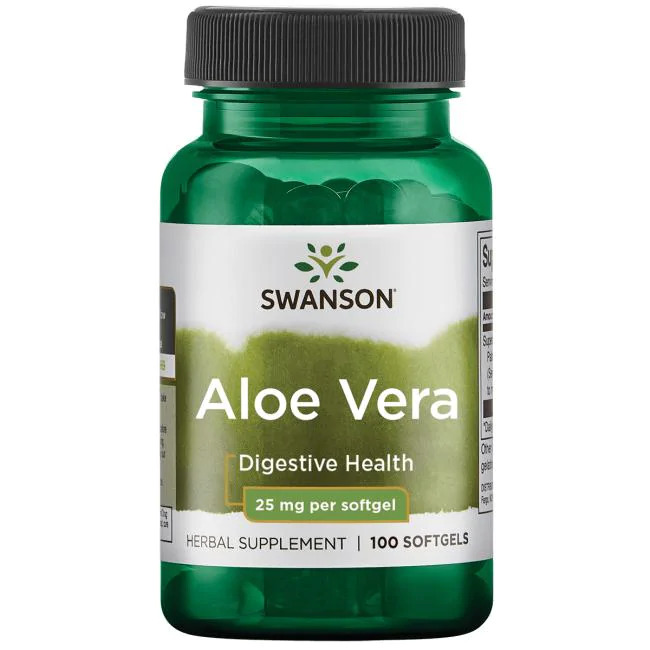
Capsules Aloe vera can also be taken as a dietary supplement in capsule form.
Conclusion
Aloe vera is a plant with potential for improving skin health, alleviating various ailments, and supplementing or strengthening other treatments for cancer. More research is necessary to confirm its positive effects as a supplementary cancer treatment and to determine the optimal dosage and application.
Back to Supplements
See also Minimize side effects – Chemo
Links
[1] Aloe (Cancer Research UK, undated)
- Content: Information regarding the use of aloe vera among cancer patients and the current lack of scientific evidence supporting it as a cancer cure.
[2] Bivirkningerne fra kræftbehandlingen (Helseprofilen, 2023)
- Content: A Danish resource detailing common side effects of cancer treatment and various supportive care options to manage them.
[3] Aloe Vera (Memorial Sloan Kettering Cancer Center, 2024)
- Content: A comprehensive clinical summary of the medicinal uses, adverse effects, and potential drug interactions associated with aloe vera.
[4] Fordelene ved aloe vera (Mecindo, ej dateret)
- Content: A Danish article outlining the general health benefits attributed to aloe vera, particularly for skin and digestive health.
[5] The impact of apoptosis-inducing MAPK and glycolytic pathways modulated by Aloe vera and royal jelly in lung and colorectal cancer (PubMed, 2025)
- Content: A study exploring how aloe vera and royal jelly influence specific cell death pathways in lung and colorectal cancer cell lines.
[6] The Aloe vera acemannan polysaccharides inhibit phthalate-induced cell viability, metastasis, and stemness in colorectal cancer cells (PubMed, 2024)
- Content: Research investigating the ability of aloe vera polysaccharides to inhibit the growth and spread of colorectal cancer cells.
[7] Glycolytic pathway analysis and gene expression profiles of combination of aloe vera and paclitaxel on non-small cell lung cancer and breast cancer (PubMed, 2024)
- Content: An investigation into the synergistic effects and genetic profiles when combining aloe vera with the chemotherapy drug paclitaxel.
Page created: Jan. 24, 2025
❤
What you read on I Have Cancer is not a recommendation. Seek competent guidance.
