


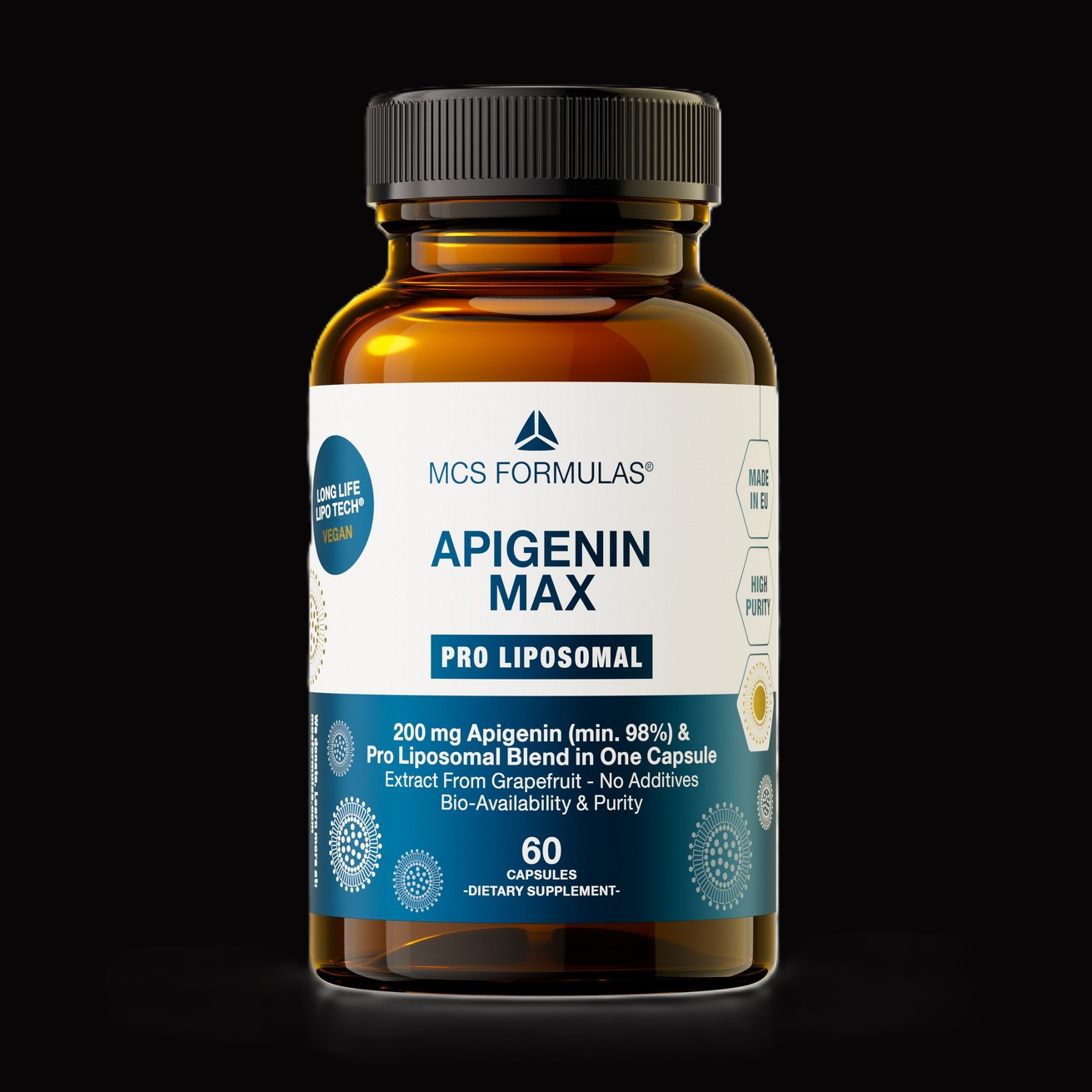
Apigenin and cancer
What is apigenin
Apigenin is a fascinating natural flavonoid found in an abundance of fruits, vegetables, and herbs, including parsley, celery, chamomile, and grapefruit. This powerful compound has garnered significant interest in cancer research due to its remarkable potential to fight cancer and improve patient well-being [3].
Mechanisms of action and potential of apigenin
Apigenin’s anticancer effects are attributed to a range of intricate and synergistic mechanisms of action [2]:
Inhibition of cell proliferation and induction of apoptosis:
- Apigenin exhibits a remarkable ability to inhibit the growth and spread of cancer cells. It can interfere with the cell cycle, prevent replication, and induce apoptosis (programmed cell death) in cancer cells, effectively eliminating them.
Angiogenesis inhibition:
- Apigenin can suppress the formation of new blood vessels that supply tumors, a process known as angiogenesis. By cutting off the supply of nutrients and oxygen to tumors, apigenin can limit their growth and spread.
Immunomodulation:
- Apigenin can strengthen the immune system and improve its ability to recognize and destroy cancer cells. It can activate immune cells such as NK cells and macrophages, increase the production of cytokines, and improve antigen presentation, resulting in a more robust antitumor immune response [3].
Antioxidant and anti-inflammatory activity:
- Apigenin possesses potent antioxidant and anti-inflammatory activity, which can protect cells from damage caused by free radicals and chronic inflammation [4]. Oxidative stress and inflammation are known to contribute to cancer development and progression, and apigenin can counteract these harmful processes.
Epigenetic modulation:
- Apigenin can influence epigenetic mechanisms that regulate gene expression. This can lead to changes in gene activity that inhibit cancer cell survival and promote differentiation, potentially reversing cancer cells to a more normal state [5].
Sensitization to chemotherapy and radiation:
- Apigenin can increase the sensitivity of cancer cells to chemotherapy and radiation, potentially improving treatment effectiveness and reducing the need for high doses of therapeutic agents [6].
Clinical trials
While clinical trials on apigenin are still in the early stages, preliminary results are encouraging. Studies have shown that apigenin may have positive effects in cancer patients, including improved quality of life, reduced tumor growth, and increased survival [1].
However, more research, including larger randomized trials, is needed to confirm apigenin’s effectiveness and safety as a cancer treatment.
Safety
Apigenin is generally well-tolerated, with only a few reported side effects. In some cases, mild gastrointestinal symptoms or allergic reactions may occur. It is always wise to consult a competent healthcare provider before taking apigenin, especially if you have a medical condition or are taking other medications.
Advantages of apigenin
- Natural compound with low toxicity and minimal risk of side effects.
- Multifunctional mechanism of action attacking cancer at various levels.
- Potential synergistic effect with conventional cancer treatment that can improve effectiveness.
- May improve quality of life for cancer patients by reducing side effects and strengthening the immune system.
Disadvantages and limitations
- Limited clinical evidence for effectiveness in humans, although preclinical studies are promising.
- Optimal dosage and administration form have not yet been fully established.
- Availability and costs may vary depending on the manufacturer and product.
Dosage and application
Apigenin is available as a dietary supplement in various forms, including:
- Capsules
- Tablets
- Extracts
It is important to follow the dosage instructions on the product and consult a physician to ensure safe and effective use.
Conclusion
Apigenin is a remarkable natural compound with a broad spectrum of anticancer activities. It has the potential to become a valuable supplementary treatment in cancer, improving treatment effectiveness and the quality of life for patients. With more research and larger clinical trials, the role of apigenin in cancer treatment is expected to be further elucidated and strengthened.
Back to Supplements
See also Minimize side effects – Chemo
Links
[1] Progress in the study of anti-tumor effects and mechanisms of vitexin (PubMed, 2025)
- Content: A review focusing on vitexin, a natural derivative of apigenin, exploring its anticancer mechanisms and therapeutic potential.
[2] Apigenin in cancer therapy: anti-cancer effects and mechanisms of action (PubMed, 2017)
- Content: A comprehensive analysis of apigenin’s role in cancer therapy, detailing its various inhibitory effects on tumor growth.
[3] Resources for Human Health from the Plant Kingdom: The Potential Role of the Flavonoid Apigenin in Cancer Counteraction (PubMed, 2023)
- Content: This article discusses the dietary role of apigenin and its potential in cancer counteraction from a plant-based perspective.
[4] Apigenin enhancing oxidative resistance and proteostasis to extend lifespan via PTEN-mediated AKT signalling pathway (PubMed, 2025)
- Content: A study investigating how apigenin can improve oxidative resistance and cellular health to potentially extend lifespan.
[5] Targeting the SIRT3/MnSOD and JNK/HMGB1/Beclin 1 Axes: Role of Apigenin in Multifaceted Metabolic Intervention in Colorectal Cancer (PubMed, 2025)
- Content: Research into apigenin’s role in complex metabolic pathways specifically related to the treatment of colorectal cancer.
[6] The influence of apigenin on cellular responses to radiation: From protection to sensitization (PubMed, 2025)
- Content: An investigation into how apigenin influences cellular responses to radiation, exploring its role in both protecting healthy cells and sensitizing cancer cells.
Page created: Jan. 24, 2025
❤
What you read on I Have Cancer is not a recommendation. Seek competent guidance.
