


CBG – Cannabigerol and cancer
Summary of CBG
Effect:
- CBG (cannabigerol) acts as a fundamental building block for other cannabinoids and affects the body by binding directly to receptors in the nervous system and immune system without causing an intoxicating effect. It works strongly anti-inflammatory, stimulates appetite, and can protect nerve cells from damage.
Potential in cancer:
- The substance shows promising results in slowing the growth of cancer cells, especially in colon and brain, as well as reducing pain and nausea. It may potentially make certain types of chemotherapy more effective by weakening the cancer cells’ resistance.
Main limitation:
- The primary challenge is the lack of large clinical trials in humans, as most current results come from laboratory experiments and animal studies.
What is CBG
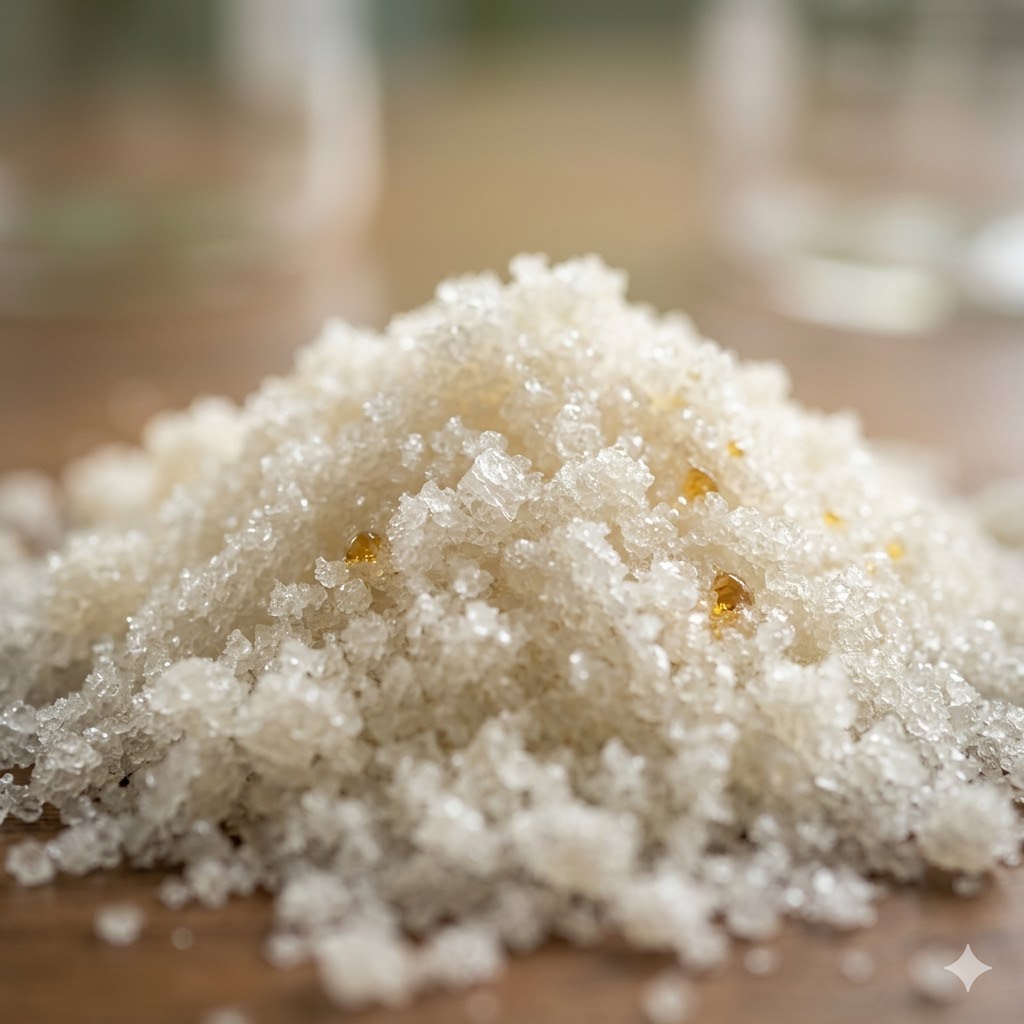
Cannabigerol (CBG) is one of over 100 different chemical compounds, called cannabinoids, found in the cannabis plant. It is considered the mother molecule because all other well-known substances such as CBD and THC start as CBG in the plant’s early life cycle.
It is important not to confuse CBG with the more well-known CBD (Cannabidiol). Although both are non-psychoactive (you do not get high), we are talking about two different substances with their own unique properties and effects on the body. In a cancer treatment context, research points to CBG and CBD having different anti-tumor effects and synergies, so it is crucial to know the difference.
As most CBG converts as the plant matures, it is only found in very low concentrations in most harvested plants, making it an exclusive and expensive extract.
Unlike THC, CBG is completely free of euphoric effects, which means you can go about your daily life and work without feeling affected [1].
History
The substance was first isolated in 1964 by researchers in Israel. Throughout history, the hemp plant has been used for everything from textiles to medicine, but the understanding of the individual components like CBG is of more recent date. It is only within the last ten years that research has really taken off, as one has discovered its unique properties, which are markedly different from the more well-known variants.
Mechanisms of action

CBG differs from many other cannabinoids in its ability to interact directly with the body’s endocannabinoid system (a complex network of receptors in the body that regulates balance). While CBD often works more indirectly, CBG binds directly to both CB1 and CB2 receptors (signal receiving stations in the cells).
Direct receptor binding
By binding to CB2 receptors, which are primarily found in the immune system, CBG can send direct signals to dampen inflammation (inflammatory conditions). This is particularly relevant as chronic inflammation is often a driving force behind the development of tumors. Additionally, it interacts with TRP channels (proteins in the cell membrane that react to pain and temperature), which explains its ability to dampen certain types of pain [2].
Blocking of growth signals
One of the most interesting mechanisms is CBG’s ability to act as an antagonist (counterplayer) to a specific receptor called TRPM8. This receptor is often overactive in certain cancer types, and by blocking it, CBG can potentially slow down cancer cells’ ability to divide and spread to other tissues [3].
Potential in cancer
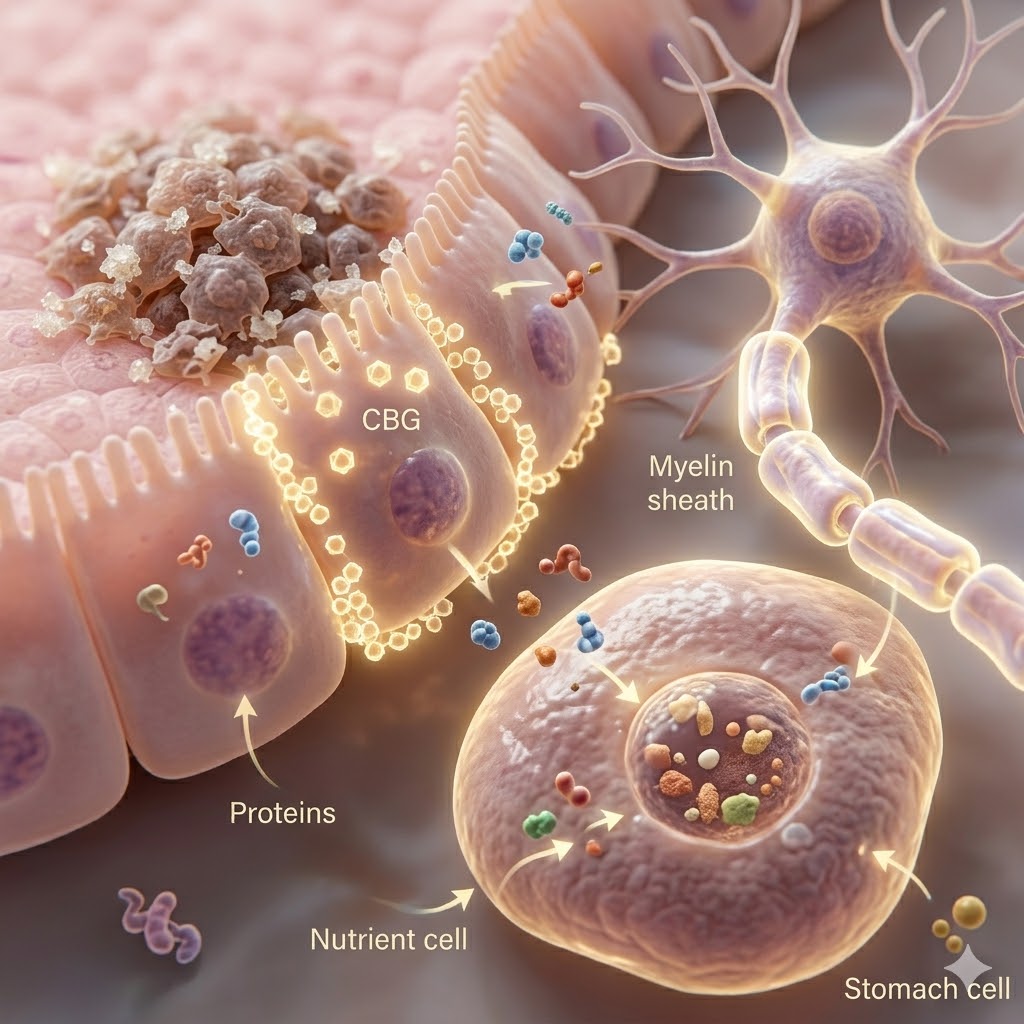
The potential for CBG in a cancer protocol extends from direct inhibition of tumors to relief of the often harsh side effects of conventional treatment.
Inhibition of colon cancer
In studies, it has been observed that CBG is particularly effective in counteracting the growth of cells in the colon. It appears to be able to activate processes that lead to apoptosis (programmed cell death), where the cancer cell is caused to self-destruct without damaging the surrounding healthy tissue [3].
Brain protection
In brain cancer, including the aggressive type glioblastoma, CBG has shown the ability to penetrate the blood-brain barrier (a protective membrane that limits which substances reach the brain). Here it can work with other treatments to reduce tumor growth and protect healthy nerve cells from the toxins that cancer secretes [1].
Appetite and weight loss
Many experience dramatic weight loss and lack of appetite during a cancer course. Here, CBG shows unique potential, as it, unlike CBD, can significantly stimulate appetite, which helps maintain the body’s strength and weight during chemotherapy [4].
Benefits of CBG

A significant advantage of CBG is its versatility. Since it is not intoxicating, it can be taken at all times of the day. It has also shown strong antibacterial properties, even against resistant bacteria, which is a great advantage for people with a weakened immune system who are extra susceptible to infections.
Furthermore, it appears to have a neuroprotective (nerve-protecting) effect that can prevent the nerve damage often seen as a result of medical treatment [2].
Disadvantages and limitations

The biggest limitation is the price and availability, as it requires enormous amounts of plant material to extract a small amount of pure CBG.
Additionally, we are still in a phase where much of our knowledge comes from in vitro (in test tubes/petri dishes) and in vivo (in living organisms such as mice) studies. There is still a lack of large, long-term studies on humans to determine the precise dosages for each type of cancer.
Clinical studies

Although the large phase 3 studies (comprehensive tests on humans) are still missing (and who would finance these…?), several phase 1 and 2-like observations and preclinical trials have been conducted.
A central study from 2014 showed that CBG reduced tumor growth in mice with colon cancer [3].
A more recent study from 2021 has focused on glioblastoma cells, where it was found that CBG was as effective as THC at killing cancer cells, but without the unwanted side effects for the psyche [1].
Safety

CBG is generally considered to be very safe and well-tolerated. There are no reports of serious side effects, even at higher doses.
However, it is important to be aware that it is metabolized in the liver via the same pathways as many other medications. Therefore, one should be careful if taking medications such as Warfarin (blood-thinning) or certain forms of epilepsy medication such as Valproate, as CBG can change the concentration of these substances in the blood.
Dispensing and use

- Oil / Tincture: The most common form, where drops are placed under the tongue for quick absorption via the mucous membranes.
- Capsules: Provide more precise dosing and are easy to take, but are absorbed more slowly through the digestive system.
- Isolate: Pure powder that can be mixed in food or other oils if you want to avoid the taste of cannabis.
- Dosage: It is recommended to start low, for example 5-10 mg daily, and slowly increase the dose over several weeks until the desired effect is achieved.
Strategic placement and combination
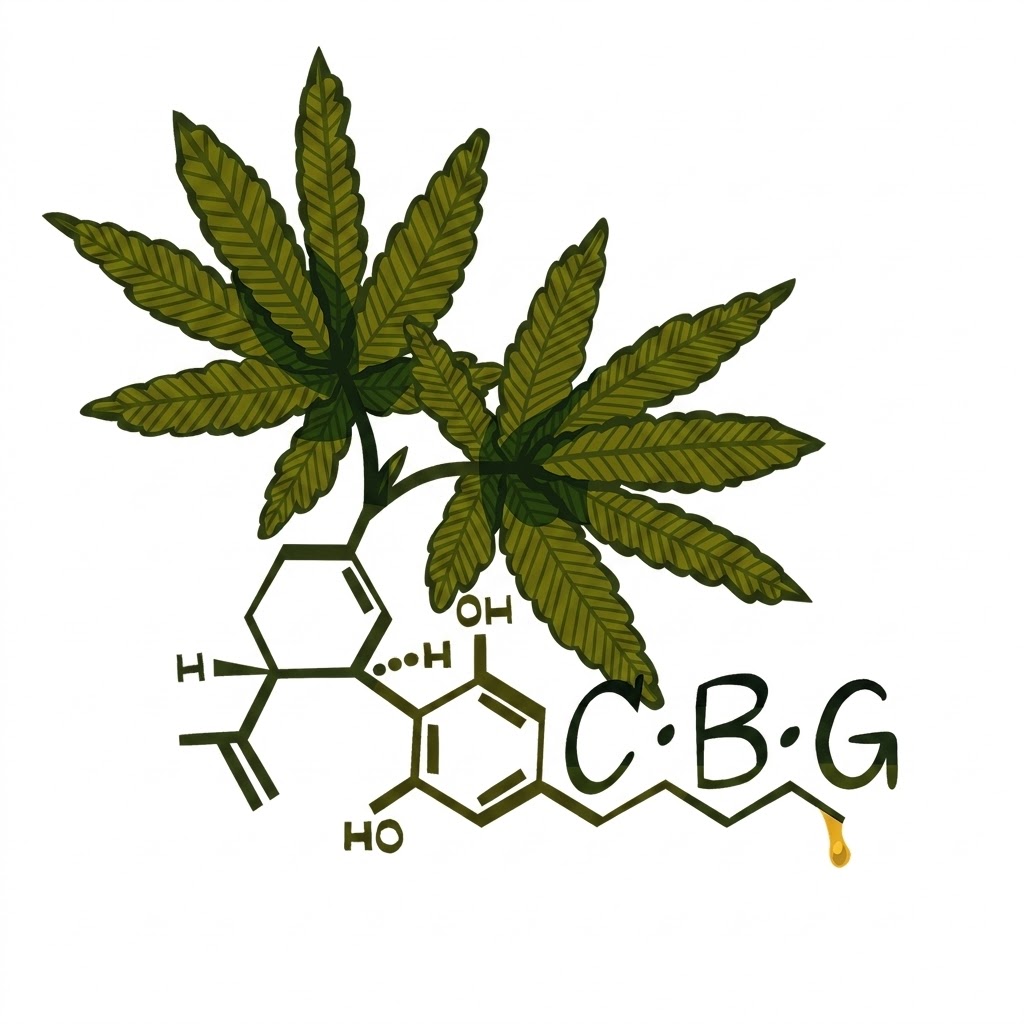
In a treatment protocol, CBG has both a supportive and an active role.
Type: Support & kill (Hybrid)
CBG acts as a hybrid. It protects the body (Support) while attacking cancer cells’ ability to reproduce (Kill).
Synergy
- CBD (Cannabidiol): The two substances work better together than individually. CBD dampens inflammation broadly, while CBG targets specific receptors more directly.
- Chemotherapy (e.g., Paclitaxel): Early indications suggest that CBG can reduce the nerve pain that Paclitaxel often causes, without counteracting the chemotherapy’s effect.
- Curcumin: Since both substances are strongly anti-inflammatory through different pathways, they can enhance each other’s ability to make the environment around a tumor less conducive to growth.
Avoid simultaneous intake
- Liver-burdening medication: Since CBG uses the liver’s enzyme system (Cytochrome P450), one should temporally shift the intake from medications known to heavily burden the liver to avoid unnecessary pressure on the organ. Allow 3-4 hours in between.
Conclusion

CBG represents a new and promising front in complementary cancer treatment. Its unique ability to function as a “mother cannabinoid” with specific targets in both the immune system and nervous system makes it a valuable player.
Although it does not replace conventional treatment, it can be a strong ally in the fight against tumor growth and in working to maintain quality of life through a difficult course.
Overview of medicinal mushrooms and cannabis
This overview compares the effect and safety of the most used medicinal mushrooms. Cannabis is also included in the overview. This despite cannabis biologically being a plant and not a mushroom. But it is often used in the same context when natural symptom relief is desired for cancer patients.
Worth knowing:
- Choice of mushroom: If the goal is to get safely through chemo with the fewest side effects, Turkey Tail is often the first choice, as it has the fewest contraindications.
- Neuropathy: If chemo causes sleeping fingers or nerve damage, Lion’s Mane is the only mushroom with specific documentation for being able to help with nerve regeneration.
- Stop before surgery: A good rule of thumb is to stop all mushrooms, especially Reishi, Chaga, and Cordyceps, as well as fish oil two weeks before scheduled surgeries due to the risk of bleeding.
Medicinal mushroom and Cannabis
| Name | Primary Effect | Use in Cancer | Name | Important Caution |
|---|---|---|---|---|
| Agaricus blazei | Very powerful immune activation. High content of Beta-1,3/1,6-glucans. | Aggressive support. Used to significantly boost NK-cell activity. | Agaricus blazei | May affect liver enzymes. Should be used with caution in liver disease or heavy liver-taxing chemo. |
| Cannabis: CBD | Anxiolytic and muscle relaxant. Anti-inflammatory. | Quality of life. Relieves restlessness, anxiety, muscle tension, and sleep problems without a high. | Cannabis: CBD | Interaction with medication. Can inhibit the liver’s breakdown of chemotherapy (CYP450). |
| Cannabigerol (CBG) | Neuroprotective and appetite stimulant. Blocks TRPM8 channels (growth signals) in cells. | Antitumour support. Targeted use for growth in colon and brain, and against loss of weight and muscle mass. | Cannabigerol (CBG) | Interaction with liver enzymes (CYP450). May affect the concentration of blood thinners and certain types of epilepsy medication. |
| Cannabis: THC | Antiemetic and appetite stimulant. Psychoactive (euphoric). | Acute relief. Against severe nausea, vomiting, and weight loss. | Cannabis: THC | Driving ban. Psychoactive side effects. Sedative effect. |
| Chaga | Powerful antioxidant (SOD). Contains Betulin and Betulinic acid. Protects against oxidative stress. | Restorative. Used for general strengthening of the body under pressure. | Chaga | High oxalate content (risk of kidney stones). Blood-thinning. Interacts with insulin (lowers blood sugar). |
| Cordyceps | Energizing. Increases oxygen uptake (ATP) and kidney function. | Lung function. Counteracts shortness of breath and cancer-related fatigue. | Cordyceps | May over-activate the immune system in autoimmune diseases. Blood-thinning. |
| Lion’s Mane | Nerve regenerating. Stimulates growth of nerve cells (NGF). | Neuropathy. Counteracts sensory disturbances in fingers/feet and memory difficulties (chemo brain). | Lion’s Mane | May lower blood sugar. Mild blood-thinning effect. |
| Maitake | Immune-activating (D-fraction). Strong stimulation of macrophages. | Immune boost. Often used to activate the body’s own defense against cancer cells. | Maitake | May lower blood sugar. Can enhance the effect of blood-thinning medication. |
| Pau D’Arco | Potent antifungal and anti-inflammatory. Contains Lapachol. | Micro-environment. Used to purify the blood and combat fungal infections (Candida), which are often seen with a weakened immune system. | Pau D’Arco | Blood-thinning. Must not be combined with blood-thinning medication or used prior to surgical procedures. |
| Pao Pereira | Inhibits replication of abnormal cells. Penetrates the blood-brain barrier. | Targeted cell division. Often used for prostate cancer and cancers of the central nervous system (brain). | Pao Pereira | Generally well-tolerated, but should be taken under guidance to ensure correct dosage relative to conventional treatment. |
| Poria cocos | Diuretic and calming. Supports spleen and kidney function. Contains Pachyman. | Fluid retention. Helps against edema and mucus. Calms restlessness and racing thoughts. | Poria cocos | Acts as a diuretic. Be mindful of electrolyte balance if taking other diuretic medication. |
| Reishi | Calming and immune-strengthening. Acts as an adaptogen (stress-reducing) and sleep-promoting. | Sleep and stress. Good for finding peace in the body and supporting the immune system between treatments. | Reishi | Blood-thinning. Must not be used with low platelets or before surgery. |
| Shiitake | Immune-stimulating. Source of Lentinan and AHCC. | Standard support. Lentinan is used medically to prolong survival in certain types of cancer. | Shiitake | May in rare cases cause skin rash (Shiitake dermatitis). Contains purines (caution in gout). |
| Turkey Tail | Immune-modulating. Supports the immune system (NK cells) without overstimulating. Contains PSK. | Chemo support. Often used alongside chemo to counteract immune suppression. | Turkey Tail | Generally considered safe. Few known interactions (approved drug in Japan as PSK). |
Back to Dietary Supplements
Also see Meta-analysis: Cannabis in cancer
Links
[1] Cannabigerol Is a Potential Therapeutic Agent in a Novel Combined Therapy for Glioblastoma (MDPI / Cells, 2021)
- Content: A laboratory study (in vitro) showing how CBG effectively kills brain cancer cells and can be combined with CBD to increase the effect without the psychoactive effects of THC.
[2] Colon Carcinogenesis Is Inhibited by the TRPM8 Antagonist Cannabigerol (Carcinogenesis, 2014)
- Content: An important study conducted in vivo (in mice) that documents that CBG can inhibit the growth of colon cancer and reduce the formation of tumors.
[3] The Pharmacological Case for Cannabigerol (CBG) (Journal of Pharmacology and Experimental Therapeutics, 2021)
- Content: A comprehensive review of CBG’s pharmacological properties, including its interaction with receptors and its potential as a broad-spectrum therapeutic agent.
[4] Cannabigerol is a novel, well-tolerated appetite stimulant in pre-satiated rats (Psychopharmacology, 2016)
- Content: An animal study (in vivo) proving CBG’s ability to significantly increase food intake, making it relevant for the treatment of weight loss in disease.
[5] Survey of Patients Employing Cannabigerol-Predominant Cannabis Preparations: Perceived Medical Effects, Adverse Events, and Withdrawal Symptoms (PubMed Central, 2021)
- Content: A questionnaire survey among 127 CBG users reporting high effectiveness against anxiety, chronic pain, and insomnia, often with better results and fewer side effects than conventional medicine.
Page created: May 8, 2026.
❤
What you read on “Jeg har Kræft” is not a recommendation. Seek competent guidance.
