


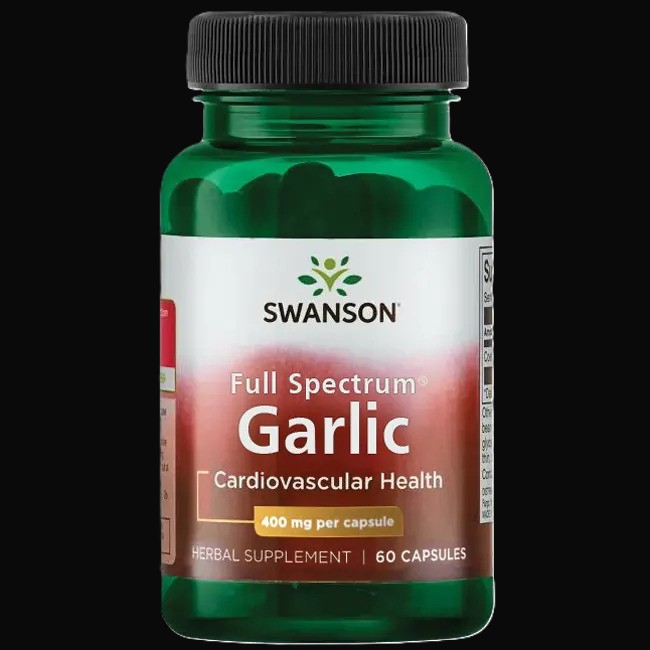
Garlic and cancer
What is garlic
Garlic is a plant that belongs to the onion family and is known for its characteristic flavor and aroma. It is widely used as a spice in cooking and also has a long history as a natural medicine. Garlic is known for its health benefits, including anti-inflammatory, antioxidant, and immune-boosting properties. It is believed to have positive effects on cardiovascular health and can help lower blood pressure and cholesterol levels.
Garlic has been used for centuries as both a spice and natural medicine. Newer research suggests that it may have potential as a supplement to cancer treatment [3].
Garlic and cancer
Some studies suggest that garlic can have a positive effect on cancer cells, for example, by blocking growth and promoting apoptosis (cell death) [4]. Other studies indicate that garlic components can strengthen the immune system and thereby help the body fight cancer.
What the research says
Laboratory and animal studies have shown that garlic components can have several positive effects on cancer cells, including:
Prevention of cancer growth
Garlic can inhibit the growth of cancer cells and induce apoptosis (cell death).
Strengthening the immune system
Garlic can strengthen the function of the immune system, which can help the body fight cancer cells.
Antioxidant effects
Garlic contains antioxidants that can protect cells from damage caused by free radicals, which are believed to contribute to cancer development.
Differences between white and black garlic and gastric cancer risk
Recent comparative analyses indicate that both common white garlic and fermented black garlic possess significant bioactive potential, although their chemical composition changes during fermentation [5, 7].
Particularly interesting is recent genetic research (Mendelian randomization) that has investigated the direct causal relationship between garlic intake and the risk of gastric cancer, providing a stronger foundation for understanding garlic’s preventive role [6].
Advantages of garlic
In addition to the potential cancer-fighting properties, garlic generally offers health benefits, including:
Antibacterial and antiviral properties
Garlic can help fight infections.
Cholesterol-regulating
Garlic can contribute to lowering cholesterol levels.
Cardioprotective
Garlic can have a positive effect on cardiovascular health.
Disadvantages and side effects
Garlic is generally well-tolerated but can cause side effects in some people, for example:
Stomach pain
Garlic can cause digestive upset, especially in people with sensitive stomachs.
Blood-thinning effect
Garlic can increase the risk of bleeding, especially in people taking blood-thinning medication.
Interactions with medication
Garlic can interact with certain medications, such as blood thinners and immunosuppressive agents.
Note
It is crucial to remember that garlic should not be used as a replacement for conventional cancer treatment. However, garlic can be a useful supplement, provided it does not interact with other medications being taken.
Garlic as a supplement
If you are considering using garlic as a supplement to your cancer treatment, you should:
Start with small doses
Start with a small amount of garlic and gradually increase the dose over time if you tolerate it well.
Choose fresh garlic
Fresh garlic has the highest concentration of active components.
Eat garlic regularly
To achieve potential benefits, you should eat garlic regularly, for example, every day.
Conclusion
Garlic is a plant known for its health benefits, including anti-inflammatory, antioxidant, and immune-boosting properties. Research suggests that garlic can have a positive effect on cancer cells by inhibiting the growth of cancer cells and promoting cell death [1]. Although laboratory trials show promising results, there is limited clinical evidence for garlic’s effectiveness in cancer treatment in humans. In addition to potential cancer-fighting properties, garlic also offers antibacterial, antiviral, and cholesterol-regulating benefits [5, 7]. Garlic is generally well-tolerated but can cause certain side effects in some individuals.
Back to Dietary supplements
Links
[1] Anti-Cancer and Anti-Inflammatory Properties of Black Garlic (PubMed, 2024)
- Content: An article describing how black garlic exhibits anti-inflammatory and anticancer properties in laboratory settings.
[2] Garlic constituents for cancer prevention and therapy: From phytochemistry to novel formulations (PubMed, 2022)
- Content: A review of garlic’s active compounds and their potential in both preventing and treating cancer through new delivery methods.
[3] Garlic and its Active Compounds: A Potential Candidate in The Prevention of Cancer by Modulating Various Cell Signalling Pathways (PubMed, 2019)
- Content: A study focusing on how garlic can modulate internal cell signaling to prevent cancer.
[4] Anticancer effects of garlic and garlic-derived compounds for breast cancer control (PubMed, 2011)
- Content: Research investigating how garlic compounds may help control the growth of breast cancer cells.
[5] Therapeutic and Biological Properties of White Garlic and Black Garlic Extracts (Allium sativum L.): A Comparative Analysis (PubMed, 2025)
- Content: A comparative study analyzing the biological and therapeutic potential of white versus black garlic extracts.
[6] Causal relationship of garlic or onion with gastric cancer based on a Mendelian randomization study (PubMed, 2025)
- Content: A genetic study (Mendelian randomization) examining the causal relationship between garlic consumption and the risk of gastric cancer.
[7] Comparative phytochemical analysis and bioactive potential of white and black garlic (PubMed, 2025)
- Content: An in-depth analysis of the chemical building blocks and health potential of different garlic types.
Page created: Jul 1, 2024
❤
What you read on Jeg har Kræft is not a recommendation. Seek competent guidance.
