



Sage and cancer
What is sage
Sage (Salvia officinalis) is an aromatic perennial plant belonging to the mint family (Lamiaceae). It is known for its gray-green, soft leaves and its beautiful blue-violet flowers. Sage has a characteristic herbaceous and slightly bitter taste as well as a strong, pleasant fragrance due to the essential oils in the plant.
Originally, sage comes from the Mediterranean region, but today it is cultivated worldwide in gardens and on farms due to its culinary, medicinal, and decorative properties. There are many different species and subspecies of sage, but Salvia officinalis is the most commonly used in traditional medicine and cooking.
History
Sage has a long and rich history dating back thousands of years. The name “Salvia” comes from the Latin word “salvare,” which means “to heal” or “to save,” testifying to the plant’s historical reputation as a healing herb.
In ancient times, sage was considered a sacred plant by both Romans and Greeks and was dedicated to the god Jupiter. It was used in religious ceremonies and as a remedy for a wide range of ailments.
In the Middle Ages, sage was a highly valued medicinal plant in Europe, often mentioned in herb books and cultivated in monastery gardens. It was considered to have many medicinal properties, including improving memory, relieving inflammation, stopping bleeding, and healing wounds.
Sage came to North America with European settlers and quickly became part of traditional folk medicine there. In addition to medicinal use, sage also has a long history as a spice herb in cooking, especially in the Mediterranean region, where it is used to flavor meat, poultry, fish, and vegetables. Its essential oils have also found use in the perfume industry and aromatherapy.
Mechanisms of action
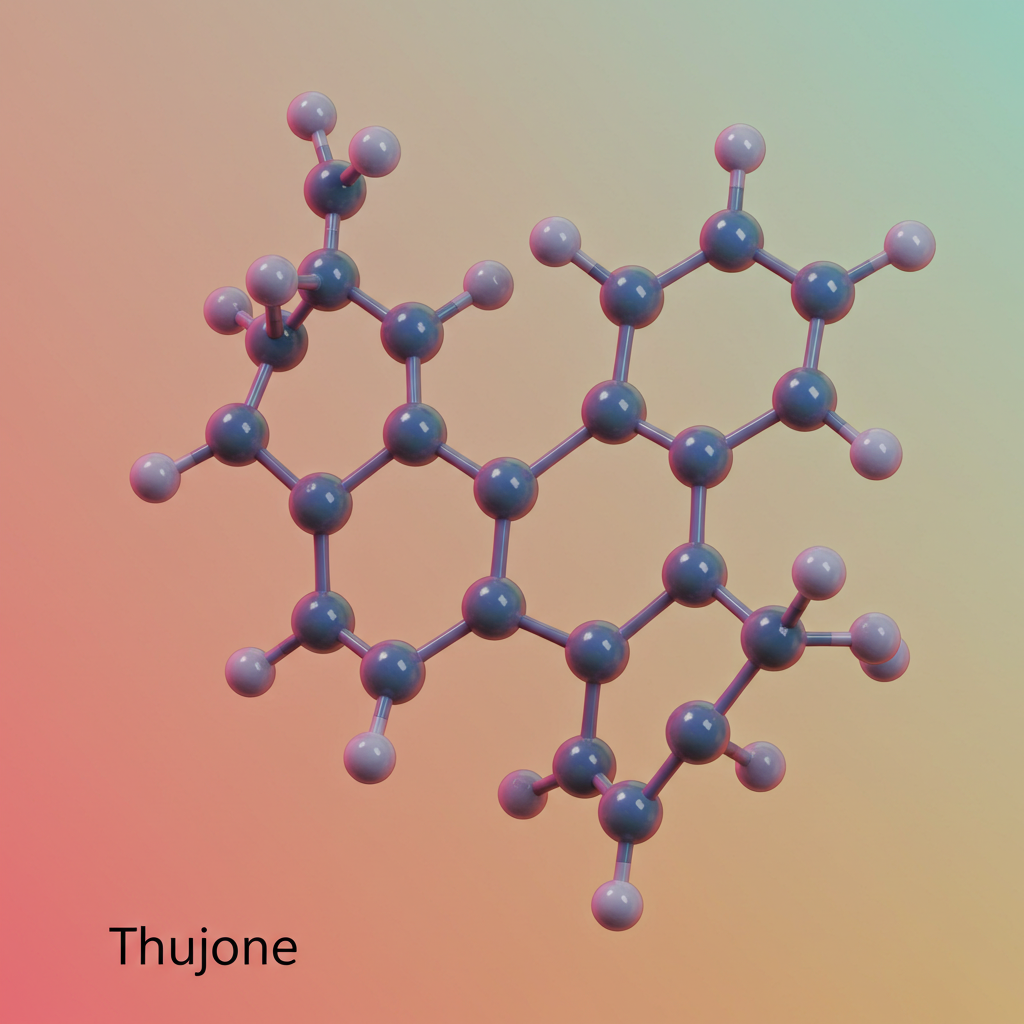
Sage contains a complex mixture of bioactive substances that are believed to contribute to its potential effects. The primary active components include essential oils (especially thujone, cineole, and camphor), diterpenes (such as carnosol and rosmarinic acid), triterpenes (such as ursolic acid and oleanolic acid), flavonoids, and tannins. The potential mechanisms of action are many and varied:
Antioxidant effect
Sage is rich in antioxidants, especially rosmarinic acid and carnosol. These substances can help neutralize free radicals in the body. Free radicals are unstable molecules that can cause oxidative stress and contribute to cell damage, aging, and the development of various diseases, including cancer. By reducing oxidative stress, sage can potentially contribute to protecting cells [1, 3, 4].
Anti-inflammatory effect
Several of sage’s bioactive components, including rosmarinic acid and ursolic acid, have shown anti-inflammatory properties in both in vitro (test tubes/petri dishes) and in vivo (in living organisms) studies. Inflammation plays a complex role in cancer development and progression. Chronic inflammation can create an environment that promotes tumor growth and metastasis. By inhibiting inflammatory processes, sage can potentially have an indirect effect in the prevention or management of cancer [1, 3].
Antimicrobial effect
Sage has traditionally been used to treat infections, and research has confirmed that certain of its extracts and essential oils exhibit antimicrobial activity against various bacteria, fungi, and viruses. Infections can be a serious complication for cancer patients, especially during chemotherapy, when the immune system is often weakened. Sage’s potential antimicrobial properties can therefore be beneficial in helping to prevent or combat infections.
Cognitive function and memory
Some trials have examined sage’s effect on cognitive function and memory. Some results suggest that sage can improve memory and concentration, possibly due to its content of acetylcholinesterase inhibitors, which increase the level of the neurotransmitter acetylcholine in the brain. Although this is not directly related to cancer treatment, it can be relevant for improving the quality of life in patients who experience cognitive problems (chemo brain) as a result of treatment.
Hormonal activity
Sage has traditionally been used to relieve symptoms associated with menopause, such as hot flashes. This is possibly due to certain substances in the plant that can have a mild estrogen-like effect. Hormone-sensitive cancers are affected by hormone levels, and it is therefore important to be aware of potential hormonal effects of sage in such cancer types.
Potential as complementary treatment for cancer
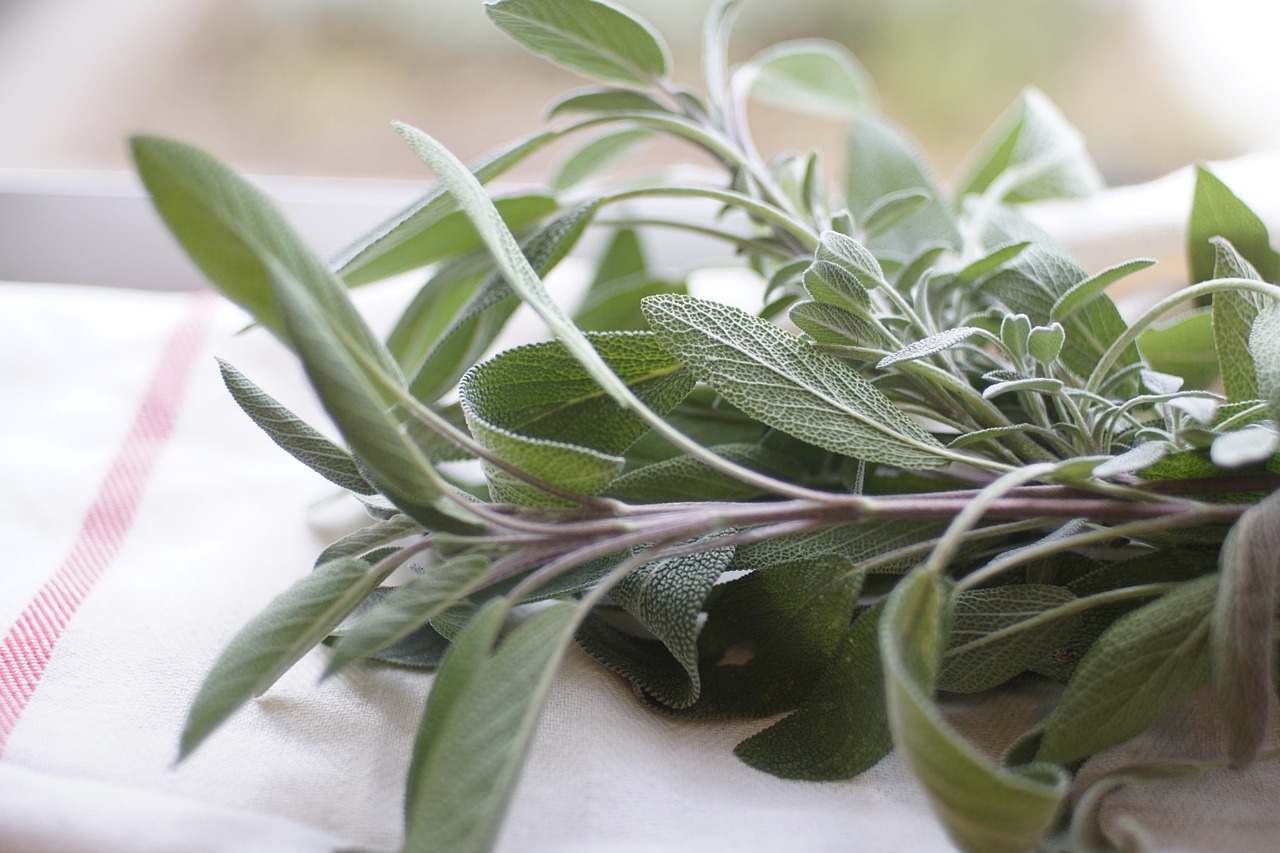
Although research on sage’s direct effect on cancer is limited and primarily based on in vitro and animal trials, certain properties of the plant suggest a potential application as a complementary treatment. However, it is crucial to emphasize that sage cannot replace relevant cancer treatment.
Antioxidant and cell-protective effect
As mentioned, sage is rich in antioxidants that can help protect cells from oxidative damage. Cancer treatment, especially chemotherapy and radiation therapy, often generates free radicals that can contribute to side effects. Sage’s antioxidants can potentially help reduce some of this oxidative stress and protect healthy cells [1, 3, 4].
Anti-inflammatory support
Chronic inflammation is involved in many aspects of cancer. Sage’s anti-inflammatory properties can potentially contribute to creating a less favorable environment for tumor growth and spread. However, further research is needed to understand the clinical relevance of this in cancer patients.
Relief of certain side effects
Some cancer patients experience oral mucositis (mouth inflammation) as a side effect of treatment. Sage has traditionally been used to treat inflammation in the mouth and throat. Rinsing with sage extract can potentially have a soothing effect on this condition due to the plant’s anti-inflammatory and antimicrobial properties.
Support for cognitive function
For patients who experience cognitive problems (chemo brain) after chemotherapy, sage’s potential memory-enhancing effect, as mentioned above, may be relevant as a supportive treatment to improve cognitive function and quality of life [2].
General well-being
Sage has traditionally been considered to have a generally strengthening and refreshing effect. This can potentially contribute to increased well-being and energy in cancer patients who often experience fatigue.
Benefits of sage
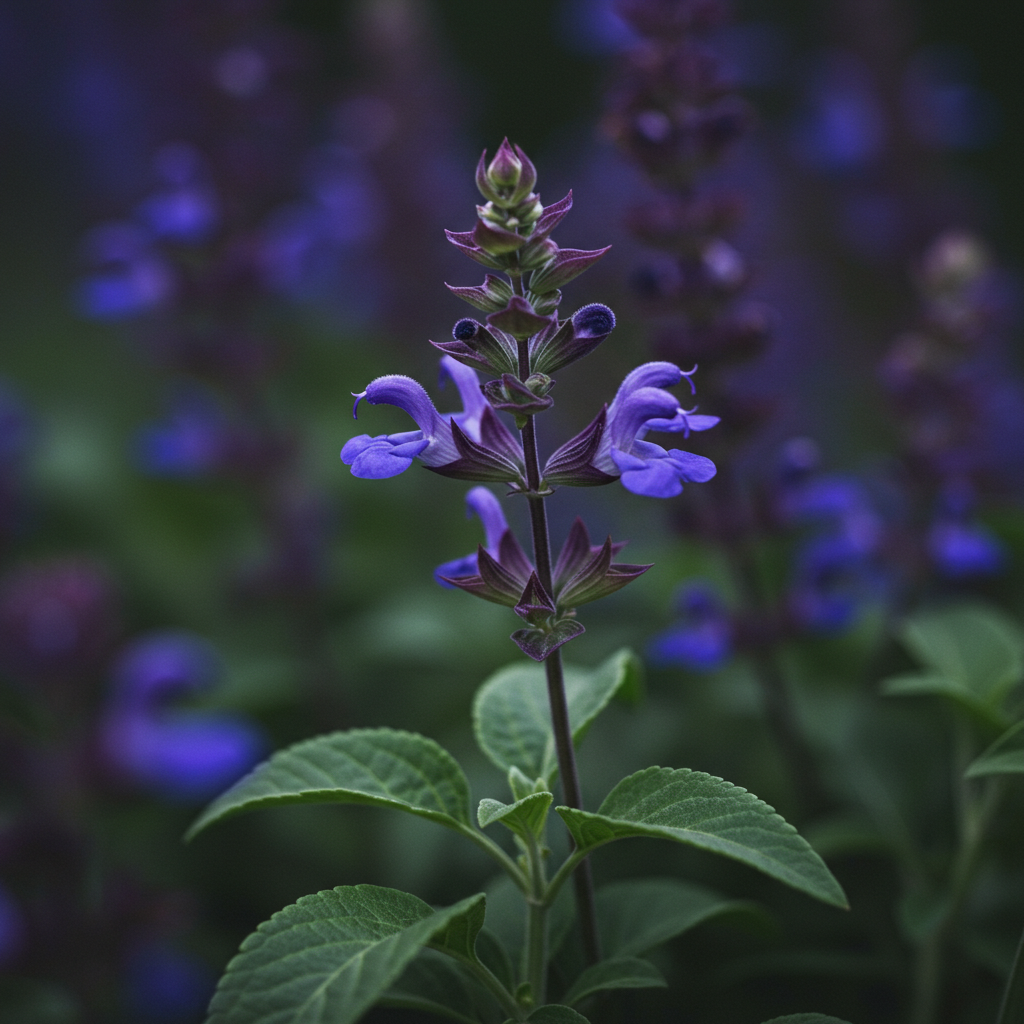
Sage has several potential benefits when considered as a complementary treatment:
Naturally occurring substance
Sage is a natural plant that has been used for centuries in traditional medicine and cooking. This in itself can be appealing to some people.
Broad-spectrum potential effects
Sage contains many bioactive substances that potentially can have various beneficial effects on the body, including antioxidant, anti-inflammatory, and antimicrobial effects [1, 3, 4].
Relatively safe in moderate use
When sage is used in moderate amounts, for example as tea or spice in cooking, it is generally considered safe for most people.
Traditional use against certain symptoms
Sage has a long history of traditional use to relieve certain symptoms that may also be relevant for cancer patients, such as inflammation in the mouth and throat.
Potential improvement of quality of life
Through its potential effects on cognition, energy levels, and relief of certain side effects, sage may possibly contribute to an improved quality of life for cancer patients.
Disadvantages and limitations
There are also disadvantages and limitations to the use of sage as a complementary treatment:
Limited research on cancer
The direct research on sage’s effect on cancer in humans is very limited. Most studies are based on in vitro and animal models, and the results from these cannot be directly transferred to humans [1, 3, 4, 5, 6, 7, 8].
Thujone content
Sage contains thujone, a ketone that in high doses can be neurotoxic (harmful to the nervous system) and potentially cause seizures. The content of thujone varies depending on the sage species, growing conditions, and preparation method. Long-term use of high doses should be avoided.
Potential interactions with medication
Sage can potentially interact with certain medications. For example, its blood-thinning effect may possibly enhance the effect of blood-thinning medications such as warfarin. In addition, sage can affect blood sugar and thus interact with diabetes medication.
Hormonal effects
Due to potential estrogen-like effects, sage should be used with caution by people with hormone-sensitive cancers, and a doctor should be consulted.
Individual variations
The effect of sage can vary significantly from person to person depending on factors such as genetics, health condition, and dosage.
Clinical trials
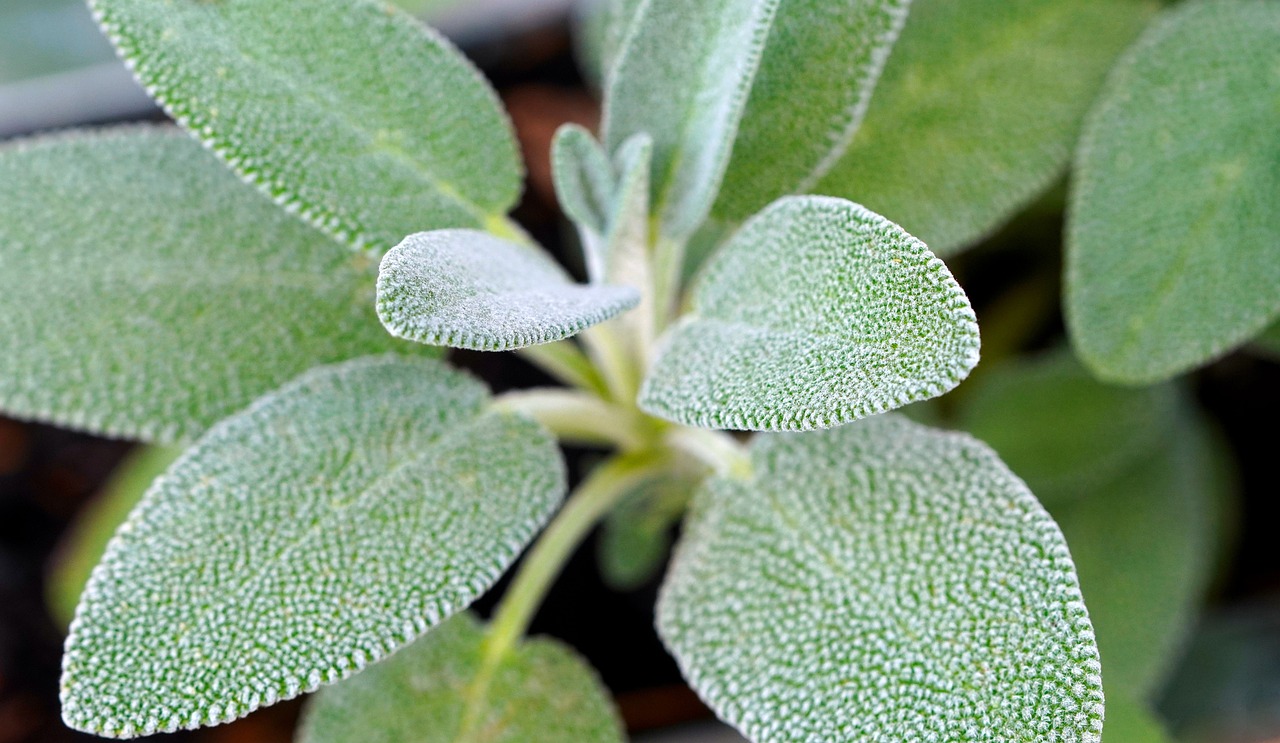
There are very few clinical studies that specifically investigate sage’s effect as a complementary treatment for cancer in humans. Most existing studies focus on other areas of use, such as cognitive function, symptoms of menopause, and antimicrobial activity.
Some in vitro trials have examined the effect of sage extracts on cancer cells and have shown certain promising results, for example in terms of inhibiting growth and inducing cell death in cancer cells. However, these results need to be confirmed in human studies.
There is a need for well-designed clinical trials with humans to investigate sage’s potential role as a complementary treatment for cancer, including its effect on prevention, treatment of side effects, and improvement of quality of life.
Safety
When used in moderation, for example as tea or spice in cooking, sage is generally considered safe for most adults. Pregnant and breastfeeding women should, however, avoid ingesting larger amounts due to potential effects on hormones and risk of miscarriage.
Long-term use of high doses of sage should be avoided due to the content of thujone, which can be neurotoxic. Symptoms of overdose may include restlessness, dizziness, and in rare cases, seizures.
People with certain medical conditions, such as epilepsy or kidney problems, should be cautious with using sage and consult their healthcare provider.
Due to potential interactions with medication, it is important that you inform your healthcare provider if you are considering using sage as a complementary treatment, especially if you are taking blood-thinning medication, diabetes medication, or are undergoing hormone treatment.
Dispensing and use
Sage can be used in various ways:
- Tea: Dried sage leaves can be used to make tea. Typically, 1-2 teaspoons of dried leaves are used per cup of boiling water, which steeps for 5-10 minutes.
- Extract: Sage extract is available in liquid form and as capsules. The dosage varies depending on the product and the purpose of use. Always follow the instructions on the product or consult a professional.
- Essential oil: Sage essential oil is very concentrated and should be used with caution. It is typically used in aromatherapy (inhalation or in a diffuser) or topically (on the skin mixed with a carrier oil). Ingestion of essential oils is generally discouraged.
- Spice: Fresh or dried sage leaves can be used as a spice in cooking. The amounts used in cooking are generally considered safe.
- Mouth rinse: Sage extract can be diluted with water and used as a mouth rinse to relieve inflammation in the mouth and throat.
The dosage and method of use depend on the purpose of the use and the individual’s needs. It is important to start with a low dose and observe the body’s reaction.
When using extracts and essential oils, it is crucial to follow the instructions from the manufacturer or consult a qualified healthcare provider with knowledge of dietary supplements and herbs.
Conclusion
Sage is an aromatic plant with a long history in traditional medicine and culinary use. It contains a number of bioactive substances, including antioxidants and anti-inflammatory compounds, that potentially can have beneficial effects [1, 3, 4].
Although research on sage’s direct effect on cancer in humans is limited, certain properties of the plant suggest a possible potential as a complementary treatment, for example by contributing to antioxidant protection, anti-inflammatory support, and relief of certain side effects such as mouth inflammation.
However, it is crucial to emphasize that sage should not replace conventional cancer treatment, and that use should be done in consultation with a healthcare provider due to potential interactions with medication and possible side effects at high doses (due to thujone content).
Back to Supplements
Links
[1] Chemistry, Pharmacology, and Medicinal Property of Sage (Salvia) to Prevent and Cure Illnesses such as Obesity, Diabetes, Depression, Dementia, Lupus, Autism, Heart Disease, and Cancer (NIH, PubMed, April 2014)
- Content: Review article summarizing the chemistry, pharmacology, and medicinal properties of sage for preventing and curing various illnesses, including cancer.
[2] A Focused Review on Cognitive Improvement by the Genus Salvia L. (Sage)-From Ethnopharmacology to Clinical Evidence (PubMed, January 2023)
- Content: Review article focusing on cognitive improvement by the genus Salvia, from ethnopharmacology to clinical evidence.
[3] Pharmacological Potential and Bioactive Components of Wild Anatolian Sage (Salvia aethiopis L.) (PubMed, March 2025)
- Content: Review article examining the pharmacological potential and bioactive components of wild Anatolian sage.
[4] Phytochemical Profile, Antioxidant Capacity and Anticancer Potential of Water Extracts from In Vitro Cultivated Salvia aethiopis (PubMed, March 2025)
- Content: In vitro study examining the phytochemical profile, antioxidant capacity, and anticancer potential of water extracts from cultivated Salvia aethiopis.
[5] Mitigation of cisplatin-induced hepatotoxicity by Salvia officinalis: Attenuation of oxidative damage and inflammation in rats (PubMed, September 2024)
- Content: In vivo study showing that Salvia officinalis mitigates cisplatin-induced liver toxicity by attenuating oxidative damage and inflammation in rats.
[6] The bioactivities of sclareol: A mini review (PubMed, October 2022)
- Content: Mini review article on the bioactivities of sclareol, a compound found in sage.
[7] Salvia miltiorrhiza in cancer: Potential role in regulating MicroRNAs and epigenetic enzymes (PubMed, September 2022)
- Content: Review article examining the potential role of Salvia miltiorrhiza in cancer by regulating microRNAs and epigenetic enzymes.
[8] Tanshinone I inhibits metastasis of cervical cancer cells by inducing BNIP3/NIX-mediated mitophagy and reprogramming mitochondrial metabolism (PubMed, April 2022)
- Content: In vitro study showing that tanshinone I, a compound found in Salvia miltiorrhiza, inhibits metastasis of cervical cancer cells by inducing mitophagy and reprogramming mitochondrial metabolism.
Page created: May 17, 2025
❤
What you read on “Jeg har Kræft” is not a recommendation. Seek competent guidance.
