


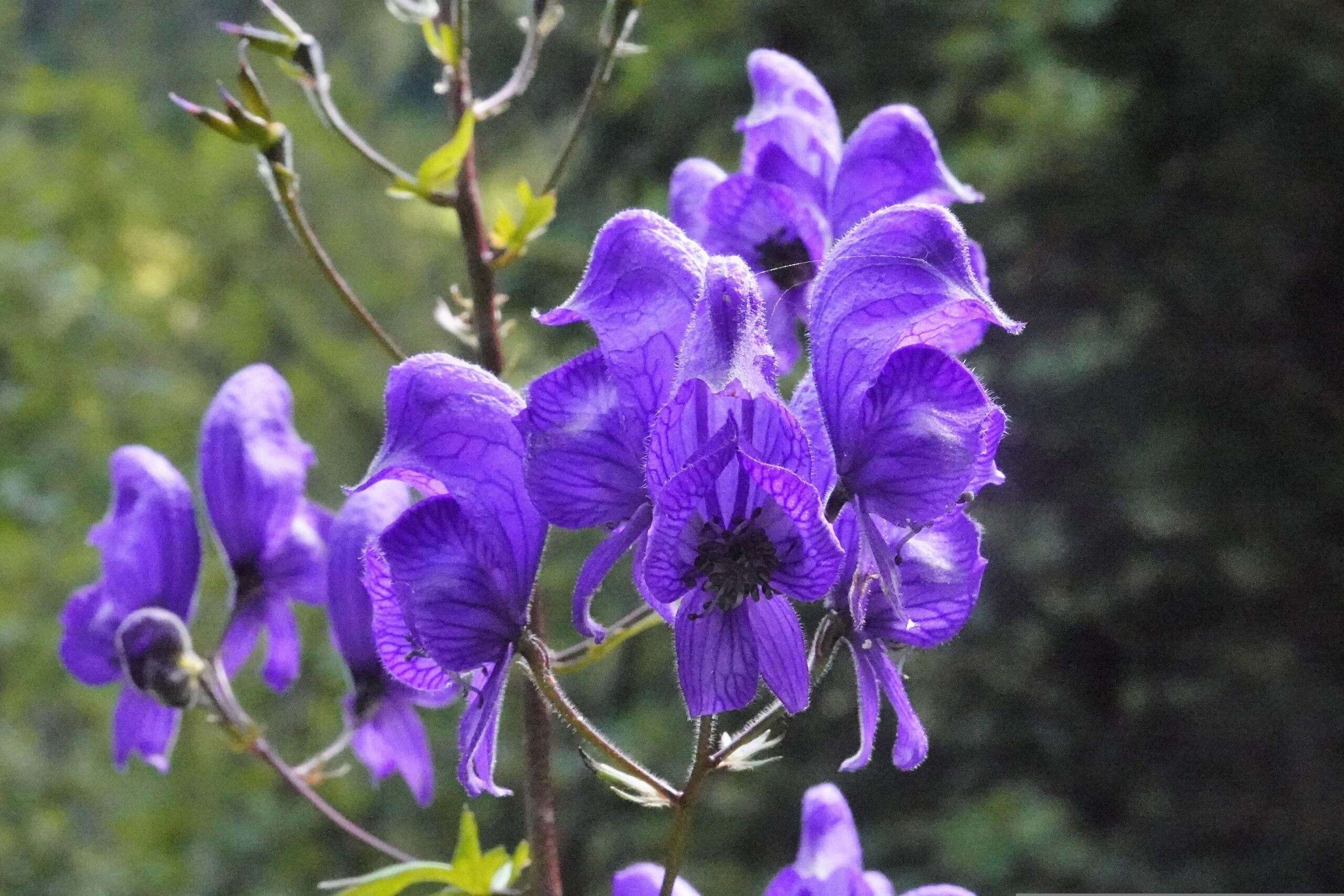
Scutellaria barbata and Scutellaria baicalensis (Barbed skullcap and Chinese skullcap) and cancer
Summary of Scutellaria barbata
Effect:
- Contains active substances such as scutebarbatine A, which selectively attacks cancer cells by triggering programmed cell death and blocking their ability to divide, while sparing healthy cells. The plant is known in Danish as Hjelm (or Blåtop) and in trade as Barbed skullcap or Banzhilian. It is important not to confuse it with the common Scutellaria baicalensis.
Potential in cancer:
- Particularly promising in reducing the risk of metastases (cancer spread) and increasing the effect of traditional chemotherapy through synergy, especially in tumors in the lungs, stomach, and colon.
Main limitation:
- The absorption of the active substances through digestion can be low, which is why concentrated extracts are necessary rather than regular tea. Such extracts are, however, not yet generally available in processed form.
Two sides of the same genus:
- While S. barbata (Barbed skullcap) functions as the cell-killing “bomb”, the common S. baicalensis (Chinese skullcap) functions as an anti-inflammatory “shield” that protects healthy cells and dampens inflammation.
What is Scutellaria barbata
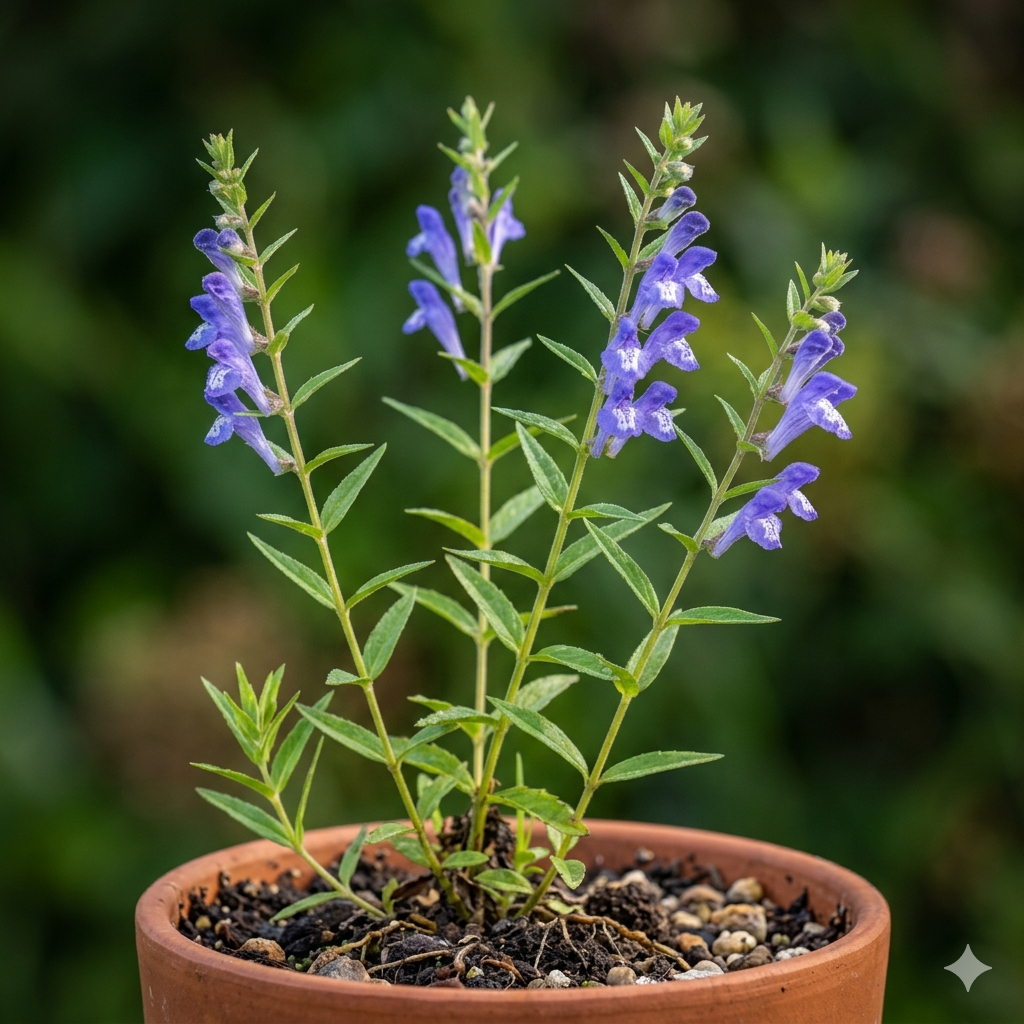
Scutellaria barbata is a perennial herb that in Danish belongs to the Hjelm genus (specifically Blåtop). In trade, it is often seen under the name Barbed Skullcap or the Chinese Banzhilian.
However, one should be aware not to confuse it with Scutellaria baicalensis, which is also called Chinese Skullcap, as their chemical composition and effect on cancer cells are quite different [6].
History
The herb has been a fixed component of traditional Chinese medicine for over a thousand years. It has historically been used to “cleanse heat and remove toxins,” which in modern terms corresponds to dampening inflammation and combating infections or tumors.
It has traditionally been used for both liver disorders and various forms of swellings.
Mechanisms of action
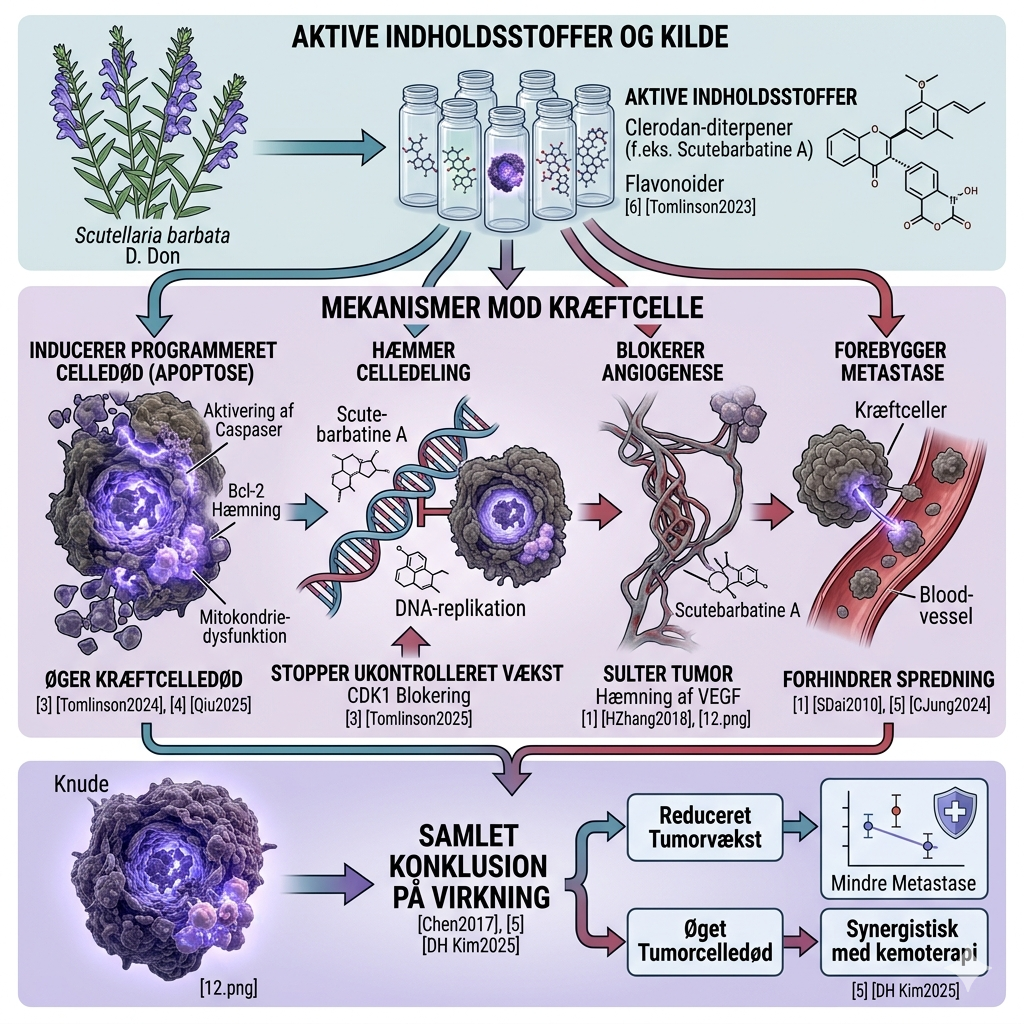
The primary strength of Scutellaria barbata lies in its ability to affect the cancer cells’ life cycle at several levels simultaneously.
Induction of apoptosis
One of the most important mechanisms is the ability to initiate apoptosis (programmed cell death). Cancer cells often “forget” to die, which enables them to grow uncontrollably.
The active substances in the plant reactivate this death mechanism by affecting the mitochondria (the cells’ power plants) [1].
Inhibition of angiogenesis
For a tumor to grow, it needs oxygen and nutrients, which it gets by forming new blood vessels. Scutellaria barbata counteracts angiogenesis (formation of new blood vessels), which in practice starves the cancer cells and makes it harder for them to establish themselves in new places in the body [2].
Influence on signaling pathways
The plant blocks specific signaling pathways inside the cell that otherwise tell the cancer cell to divide rapidly. By dampening these signals, the growth rate drops significantly [4].
Potential in cancer

The potential of this herb is comprehensive, as it not only functions as a broad-spectrum attack on cancer cells but also as a protector of healthy tissue.
Prevention of spread
The most remarkable potential lies in the ability to reduce metastases (spread). Research has shown that extracts of the plant can make cancer cells less “sticky,” so they have a harder time breaking loose and settling in other organs (metastasizing) [3].
Enhancement of conventional treatment
When the herb is used together with chemotherapy, it can act as a sensitizer (a substance that makes cells more sensitive). This means that the chemotherapy medication one receives can work more effectively, even at lower doses, because the plant has already weakened the cancer cells’ defenses [1].
Benefits of Scutellaria barbata

One of the greatest benefits is the selective toxicity. This means that the plant’s ingredients are toxic to cancer cells but exhibit very low toxicity to normal, healthy cells.
This stands in sharp contrast to many forms of chemotherapy that affect all cells that divide rapidly. In addition, the plant has a natural ability to dampen the systemic inflammation that often accompanies a cancer disease, which can improve the general quality of life during a treatment course [4].
Disadvantages and limitations

Although Scutellaria barbata is powerful, its bioavailability (how much of the substance is actually absorbed into the blood) is a challenge. When taken as regular tea, it can be difficult to achieve a high enough concentration of the active diterpenes in the relevant tissues.
Therefore, highly concentrated extracts are often required to achieve a therapeutic effect. In addition, the bitter taste can be a challenge for many if one chooses to take it as a decoction.
Importance of correct species identification
It is crucial to know the difference between the two most common types of Chinese Hjelm available in trade, as their chemical “weapons” are vastly different:
Different active substances:
- Chinese skullcap (Scutellaria baicalensis) is rich in baicalin, which is fantastic for dampening inflammation and combating viruses. But it is Scutellaria barbata (Barbed skullcap) that contains the unique scutebarbatines, which research highlights for their direct ability to kill cancer cells and stop metastases [2].
Different strategy:
- If you buy the common Chinese skullcap, you thus get a strong “fire extinguisher” (anti-inflammatory), but you do not get the “bomb” (cell-killing effect) found in barbata.
Marketing window:
- Because S. baicalensis is much easier to produce and more well-known, it is often sold as the “standard” Chinese skullcap. Many retailers do not distinguish sharply in their product descriptions, which can lead to buying a product that does not have the desired effect on the tumor.
Scutellaria baicalensis
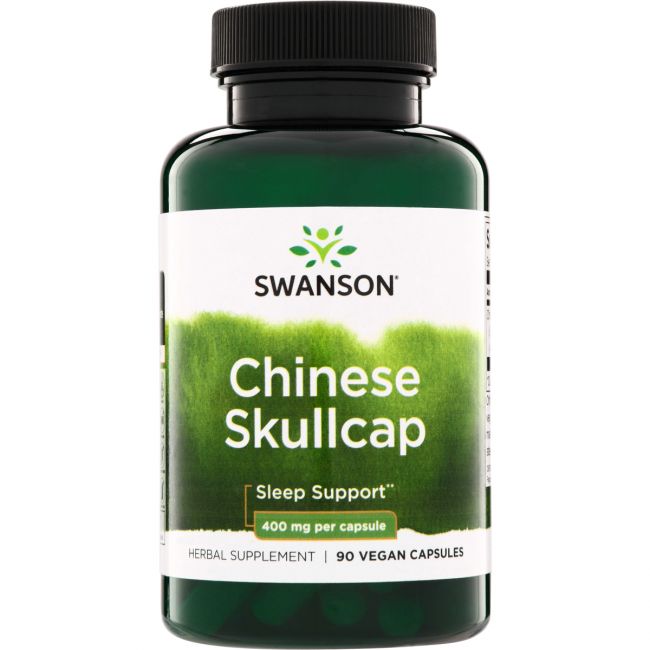
Where Scutellaria barbata is specialized in direct cell killing, the more widespread Scutellaria baicalensis (Huang Qin) is known for its ability to control the environment in which cancer grows. It is rich in the flavonoids baicalin, baicalein, and wogonin.
Control of inflammation
Cancer tumors exploit the body’s inflammatory pathways to grow and spread. S. baicalensis is one of the most powerful natural inhibitors of the COX-2 enzyme, which in practice means that it can slow down the “fuel” that many tumors use for their growth [7].
Tissue protection and restitution
Unlike many other agents, S. baicalensis has shown a remarkable ability to protect healthy cells – especially in the gastrointestinal tract and the blood-forming cells in the bone marrow.
This makes it relevant as support during conventional chemotherapy, as it can reduce side effects without weakening the treatment’s effect on the cancer cells themselves [8].
Mechanisms of action
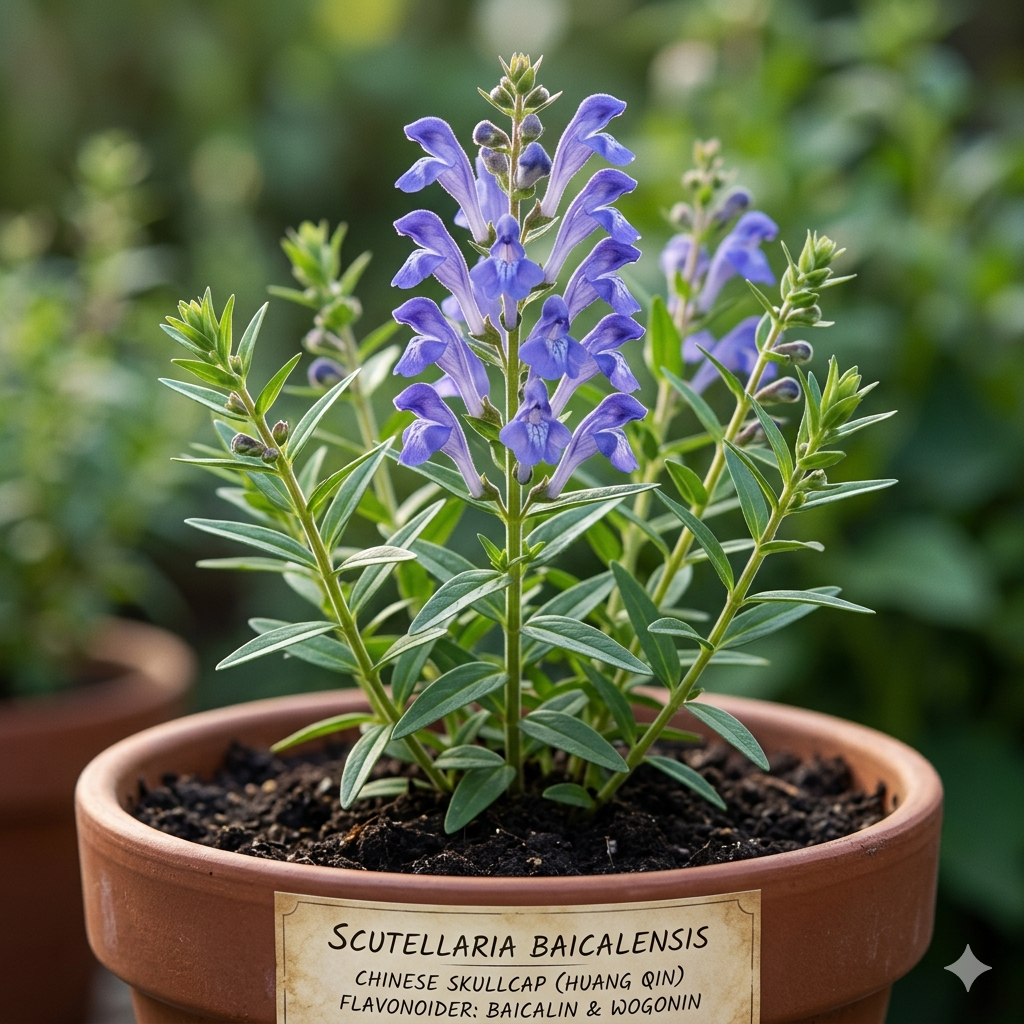
While barbata attacks via diterpenes, baicalensis primarily works by:
- Inhibiting the NF-κB signaling pathway, which is central to cancer cells’ survival.
- Increasing the activity of the body’s own antioxidant enzymes.
- Stabilizing the immune system so that it does not overreact (cytokine storm), but remains effective against foreign cells.
Comparison of Scutellaria species
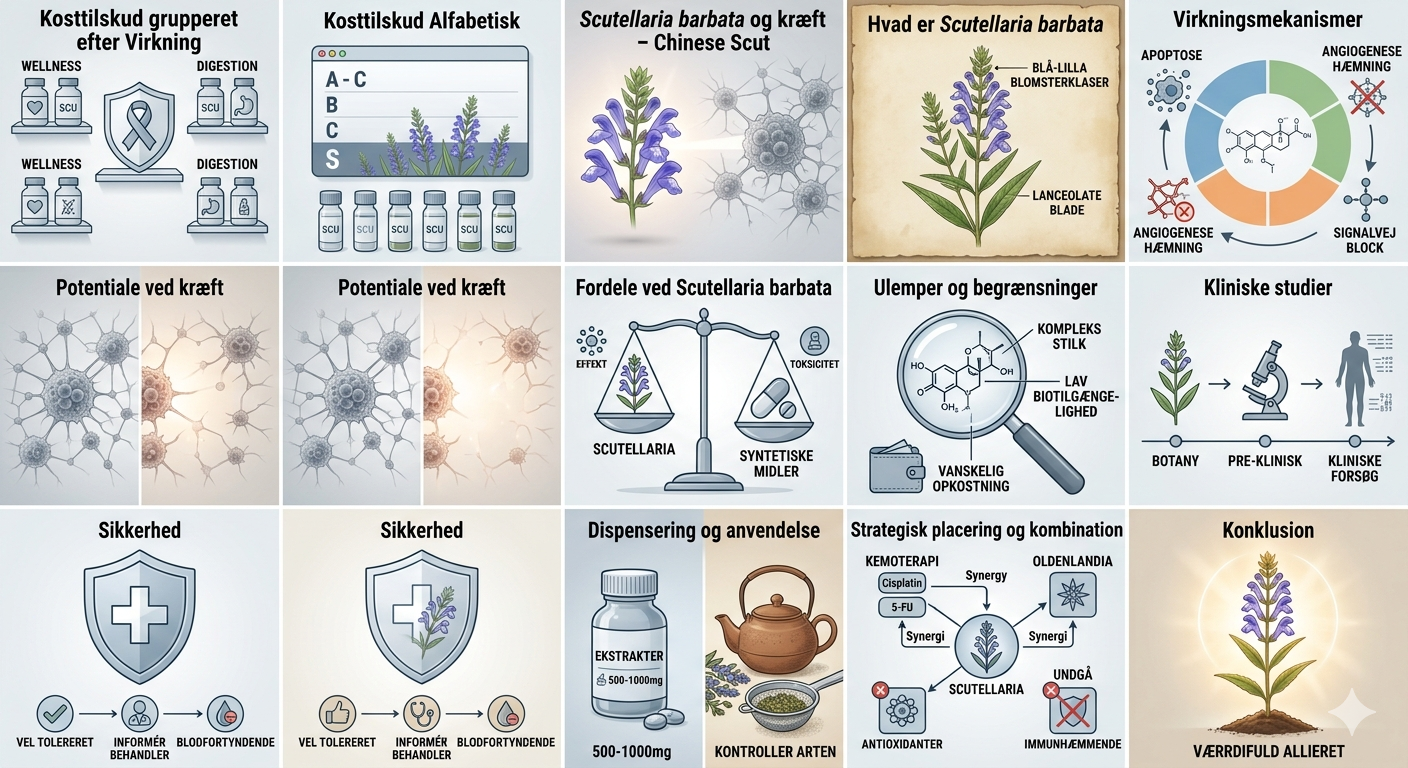
To optimize a cancer protocol, it is important to understand that the two most commonly used species of Hjelm (Skullcap) complement each other, but have very different roles.
| Property | Scutellaria barbata (Ban Zhi Lian) Not available in regular trade | Scutellaria baicalensis (Huang Qin) Chinese Skullcap |
|---|---|---|
| Primary role | Kill (Bomb) – Attacks cancer cells directly. | Shield – Protects tissue and dampens inflammation. |
| Active substance | Neo-clerodane diterpenes (scutebarbatines). | Flavonoids (Baicalin and Wogonin). |
| Main effect | Induces apoptosis and stops metastases. | Strong inhibition of COX-2 and cytokines. |
| Availability | Difficult to obtain (requires special import). | Very easily available in most health food stores. |
Synergy between the two species
In modern integrated treatment (primarily in Asia), a synergy is often seen when combining the two. While S. barbata works to destroy the tumor itself [3], S. baicalensis works to change the microenvironment around the tumor.
By dampening the chronic inflammation, S. baicalensis makes it harder for cancer cells to thrive and spread, while also reducing the inflammatory side effects from chemotherapy and radiation [7].
Clinical trials
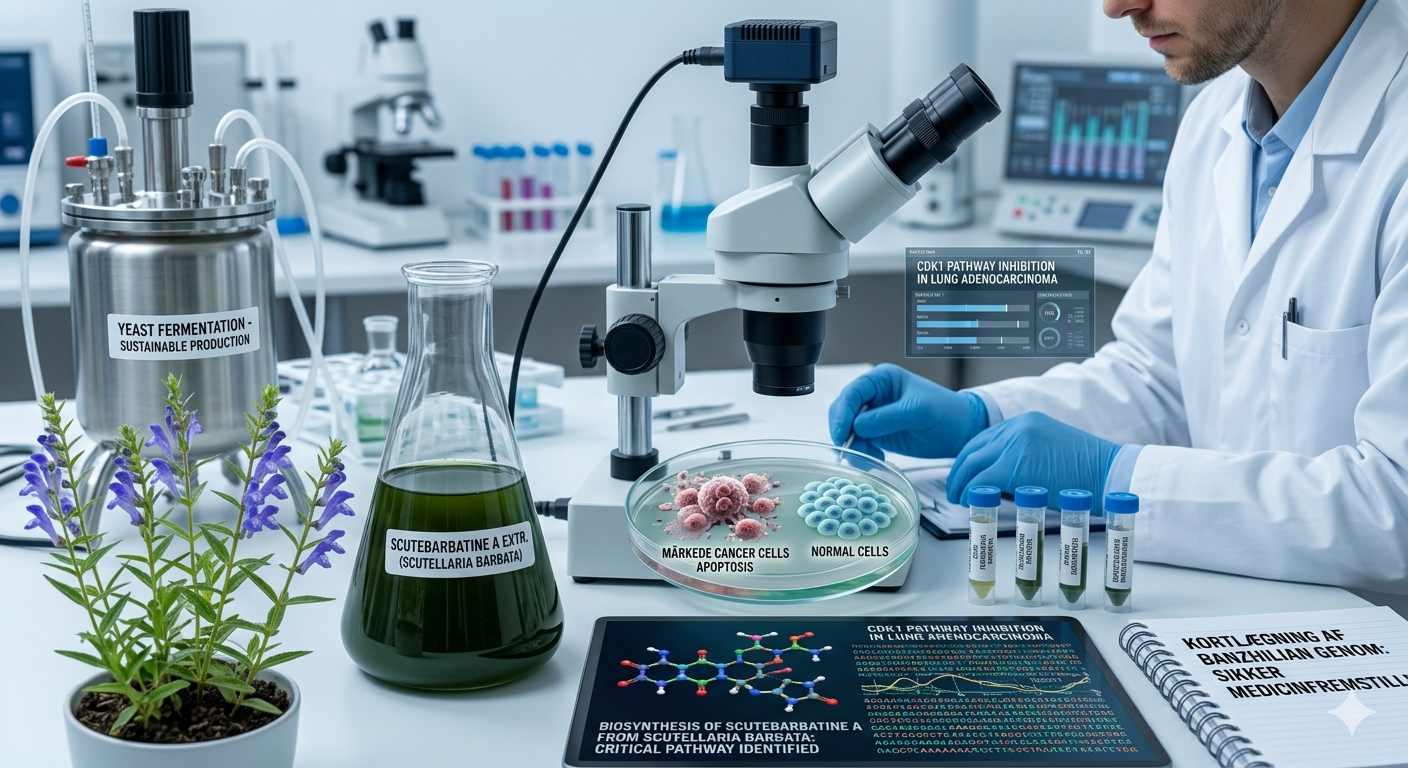
There have been several relevant studies that support the plant’s effect:
Phase 1 study on advanced breast cancer:
- A clinical phase 1 study examined an extract of the herb (known as BZL101) and showed that it was safe to take in high doses and exhibited signs of disease stabilization in women with advanced breast cancer [5].
Randomized observations:
- Studies of patients receiving traditional Chinese medicine alongside chemotherapy have shown significantly better survival rates and fewer side effects when Scutellaria barbata is included in the mixture [2].
Safety

Scutellaria barbata is generally considered very safe with few side effects. In clinical trials, only mild discomfort such as nausea or bloating has been reported at very high doses.
Since the herb can have a mild blood-thinning effect, one should consult a healthcare provider if one is to undergo surgery or is taking strong blood-thinning medication such as Warfarin or Phenprocoumon.
Dispensing and use
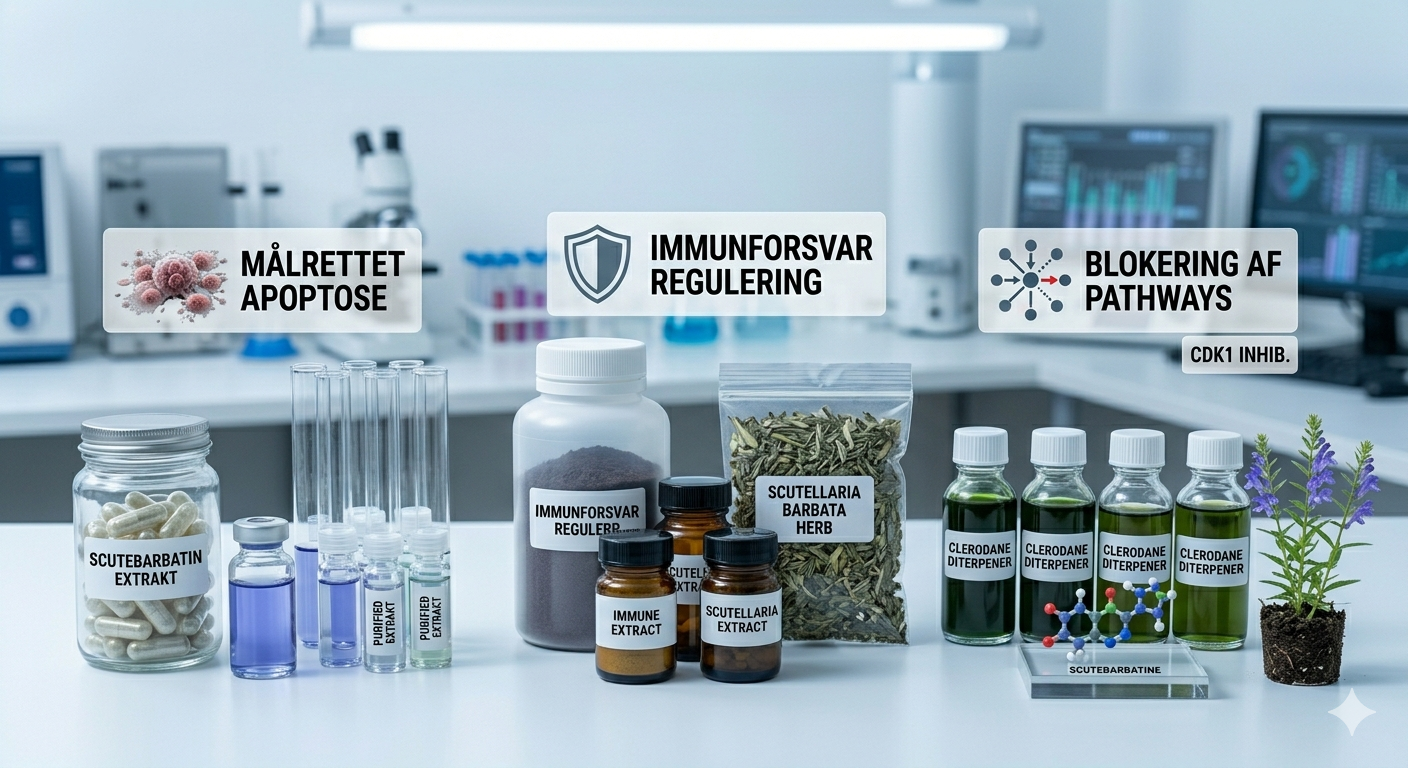
The use depends on whether one uses the raw herb or a concentrated extract.
Specifically look for barbata:
- Important: When buying capsules or extract, always double-check the Latin name on the packaging. It should say Scutellaria barbata.
- Decoction: Traditionally, 15-60 grams of dried herb are boiled in water for 2 hours. This is drunk as a concentrated liquid distributed throughout the day.
- Concentrated capsules: The most precise method, where one typically takes 500-1000 mg extract 2-3 times daily. Make sure to choose a product that is standardized according to the content of scutebarbatines or flavonoids.
- Tincture: Liquid alcoholic extract can be used, but the dosage must be high to match the amounts used in the studies.
Strategic placement and combination

In a treatment protocol, Scutellaria barbata functions both as an attacker and a facilitator.
Type: Kill (Bomb)
It is placed in the Kill category because its primary scientifically documented ability is to seek out and destroy cancer cells via apoptosis.
Synergy
- Chemotherapy: Particularly effective with 5-Fluorouracil (5-FU) and Cisplatin, where it increases the cells’ sensitivity to the medication [1].
- Oldenlandia diffusa: In traditional medicine, it is almost always combined with this herb (Snake Needle Grass), as the two plants reinforce each other’s ability to inhibit tumor growth.
Avoid simultaneous intake
- Immunosuppressive medication: Since the herb can have a mildly stimulating effect on certain parts of the immune system, one should coordinate carefully with a healthcare provider if one is receiving specific immunosuppressive treatment, for example after organ transplantation.
- Temporal displacement: Take the capsules with at least 2 hours’ distance from other powerful antioxidants to ensure that the plant’s “bomb effect” is not neutralized.
Conclusion
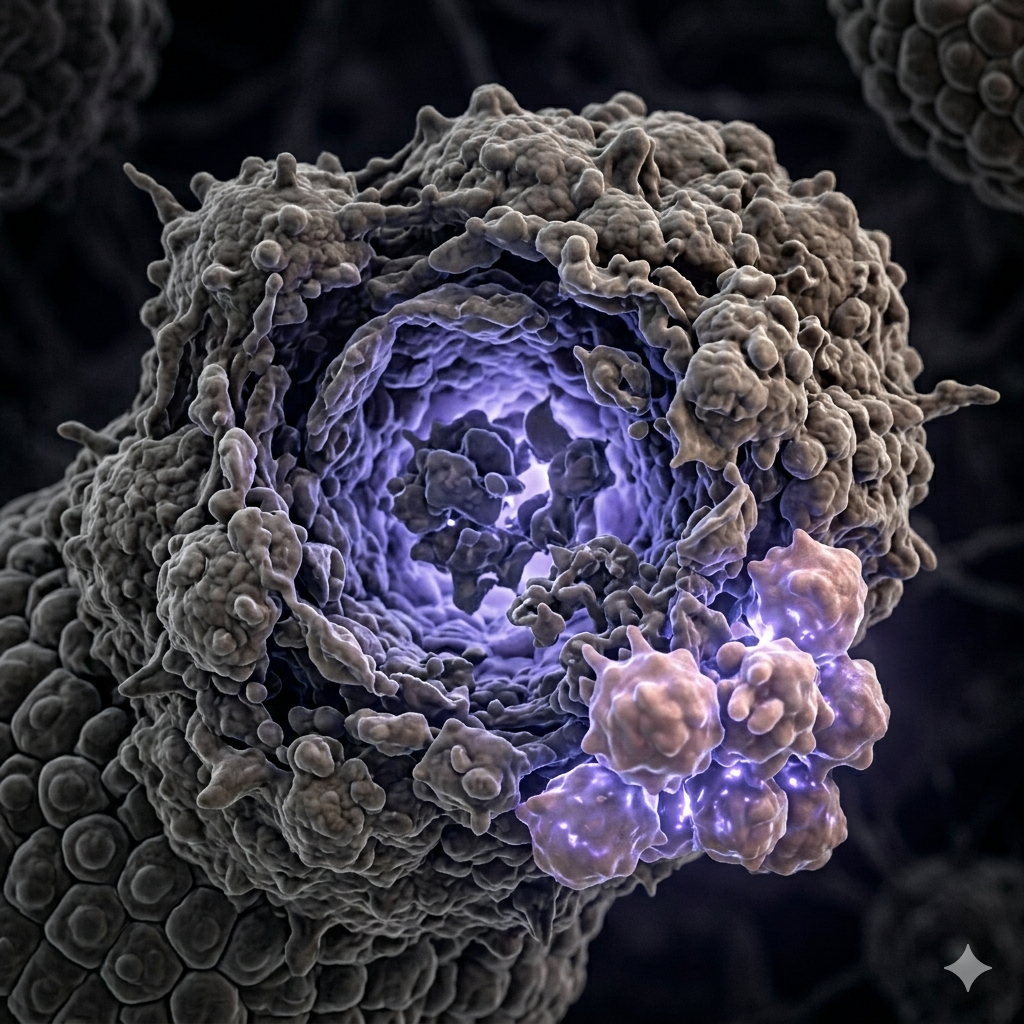
The genus Chinese Hjelm (Scutellaria) contains two distinct species that each offer their unique contributions to cancer treatment, but which operate via very different biological mechanisms. It is crucial for a precise protocol that one does not confuse them.
Scutellaria barbata stands as the specialist in direct attack. Its unique diterpenes (a special type of plant substances with direct cell-killing effect) have in research shown a rare potential to specifically seek out cancer cells, force them into cell death (apoptosis), and prevent their spread.
Although concentrated extracts are still difficult to obtain in the West, the evidence for its effect as a direct “kill agent” is strong [1, 2].
Scutellaria baicalensis (the common Chinese Skullcap), on the other hand, is the expert in controlling the tumor’s microenvironment. Its rich content of flavonoids (baicalin) makes it a powerful tool for dampening the systemic inflammation that cancer thrives on, while at the same time protecting the body’s healthy tissue during chemotherapy.
Together, the two species represent two significantly different, but both valuable strategies within modern integrative oncology. By understanding their fundamental differences, patients and healthcare providers can make an informed choice about which tool is the right one for the specific situation.
Back to Supplements
Thanks for the tip
To Helle Skov from the fb-group Jeg har Kræft
Links
[1] Scutellaria barbata D.Don Water Extract Inhibits Breast Cancer Lung Metastasis by Modulating the Immune Microenvironment (Kunming Medical University, 2025)
- Content: In vivo study demonstrating how water-based extract of the herb inhibits the growth of breast cancer and reduces the spread (metastases) to the lungs by regulating the activity of immune cells in the tumor area.
[2] The genomes of medicinal skullcaps reveal the polyphyletic origins of clerodane diterpene biosynthesis (PubMed, Molecular Plant, 2023)
- Content: A groundbreaking genetic mapping that precisely explains how the plant forms the active substances that combat cancer cells without harming healthy cells.
[3] Multi-omics and network pharmacology reveal the mechanisms of Scutellaria barbata D.Don and Scleromitrion diffusum (Willd.) R.J.Wang against pancreatic cancer (Nature, 2026)
- Content: A scientific study of how the combination of Scutellaria barbata and snake needle herb affects the gut microbiota and gene expression to combat cancer in the pancreas.
[4] Hedyotis diffusae herba -Scutellaria Barbata herba drug pair suppresses prostate cancer by inducing apoptosis (Nature, Scientific Reports, 2025)
- Content: A scientific study of the herb pair, documenting the molecular mechanisms behind the inhibition of prostate cancer. The study demonstrates how the combination regulates specific proteins to induce cell death in cancer cells.
[5] Effectiveness and safety of combined treatment with herbal medicines and palliative chemotherapy for advanced gastric cancer: A systematic review and meta-analysis (ScienceDirect, 2025)
- Content: A meta-analysis of randomized studies documenting that the combination of herbal medicine and chemotherapy improves survival and tumor response in patients with advanced cancer, while reducing toxic side effects.
[6] Discovery of anti-cancer chemistry makes skullcap fit for modern medicine (John Innes Centre, 2023)
- Content: A scientific article about the mapping of the genetic code for Scutellaria barbata, which enables the production of the active ingredients for medical use via biotechnological methods.
[7] Scutellaria baicalensis and its flavonoids in the treatment of digestive system tumors (Frontiers in Pharmacology, 2024)
- Content: A review of a randomized study of the active substances in S. baicalensis, which counteract cancer by changing the tumor’s microenvironment and dampening inflammation.
[8] The Therapeutic Potential of Baicalin and Baicalein in Breast Cancer: A Systematic Review of Mechanisms and Efficacy (MDPI / PubMed, 2025)
- Content: A systematic review of a randomized study focusing on the therapeutic potential of baicalin and baicalein (flavonoids from Scutellaria baicalensis). The article describes how these substances affect signaling pathways in cancer cells and function as support in treatment protocols.
Page created: April 22, 2026
❤
What you read on “Jeg har Kræft” is not a recommendation. Seek competent guidance.
