


St. John’s wort and cancer
Summary of St. John’s wort
St. John’s wort stands out in the following way:
Primary recognized effect:
- St. John’s wort is one of the best-documented natural remedies for mild to moderate depression. The plant can strengthen mental balance and improve mood by stabilizing important signaling substances in the brain.
Potential in cancer:
- In the laboratory, St. John’s wort’s active substances show exciting potential [1, 2, 3, 4, 5, 6, 7]. They can attack cancer cells in several ways, including slowing their growth and through a unique “light-activated” mechanism that can kill cancer cells.
Main warning:
- St. John’s wort’s biggest disadvantage is that it can destroy the effect of a wide range of medications, including many types of chemotherapy, heart medications, and blood-thinning medications. It puts the liver’s enzymes into overdrive, so medications are broken down faster and may not reach their intended effect.
In short:
- St. John’s wort is a very potent plant with real, well-documented effects. But precisely because of its strength and serious interactions, it should always be used in close consultation with a qualified healthcare provider.
What is St. John’s wort

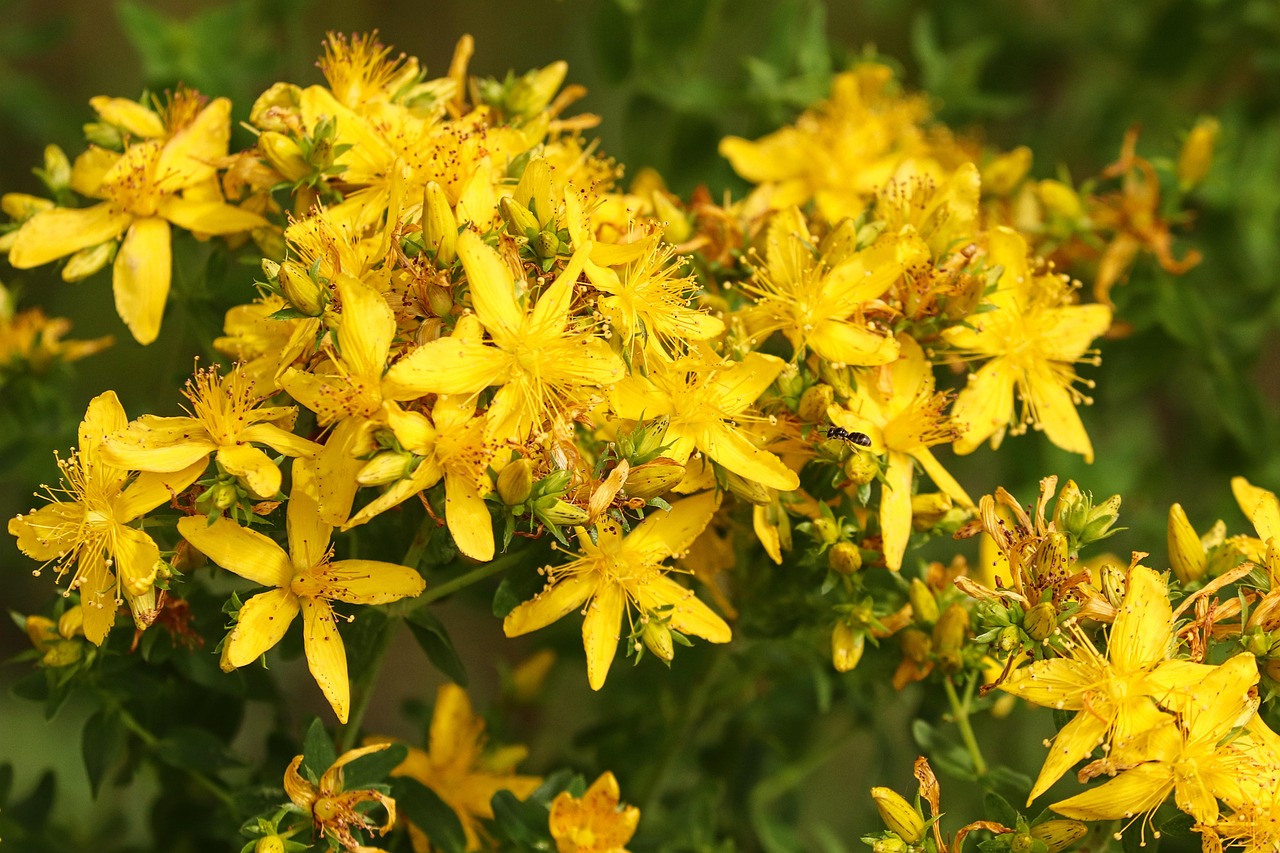
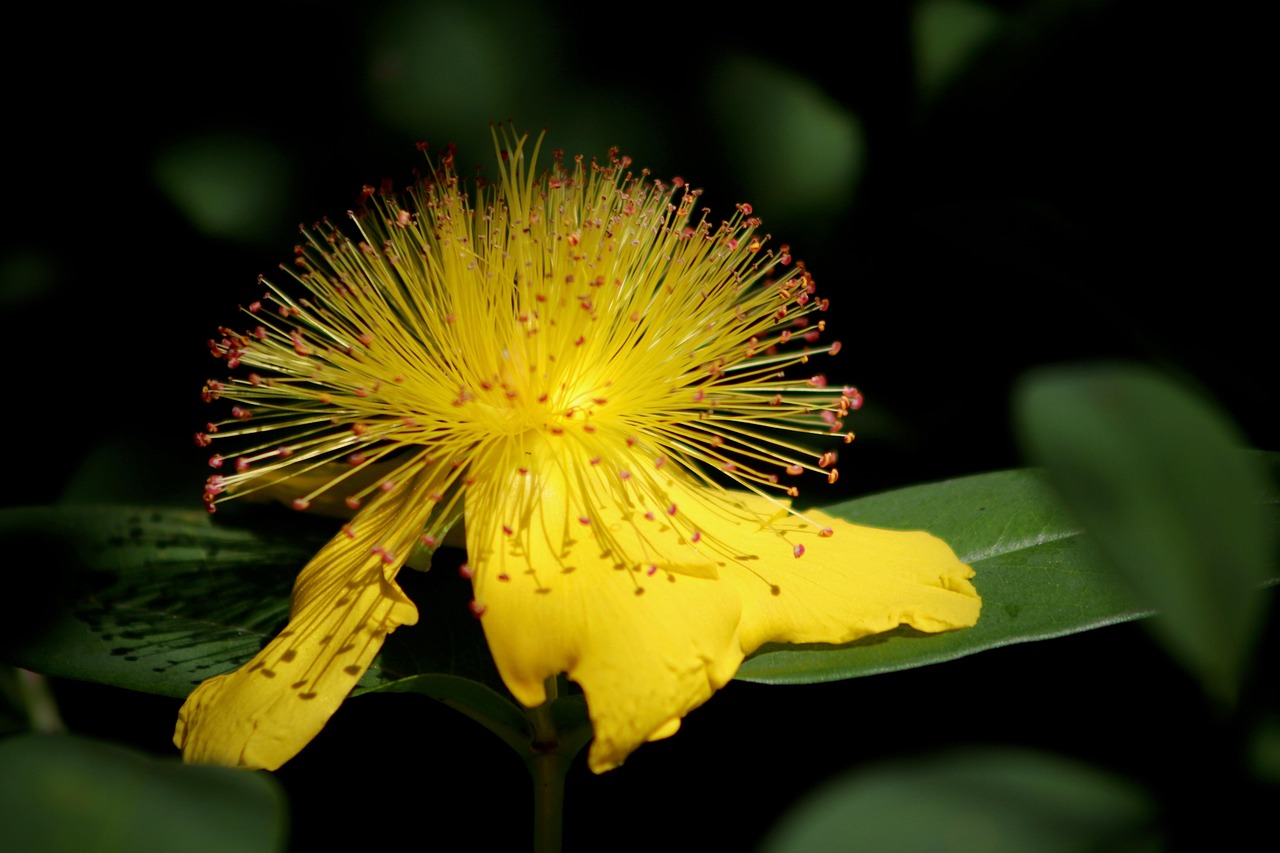
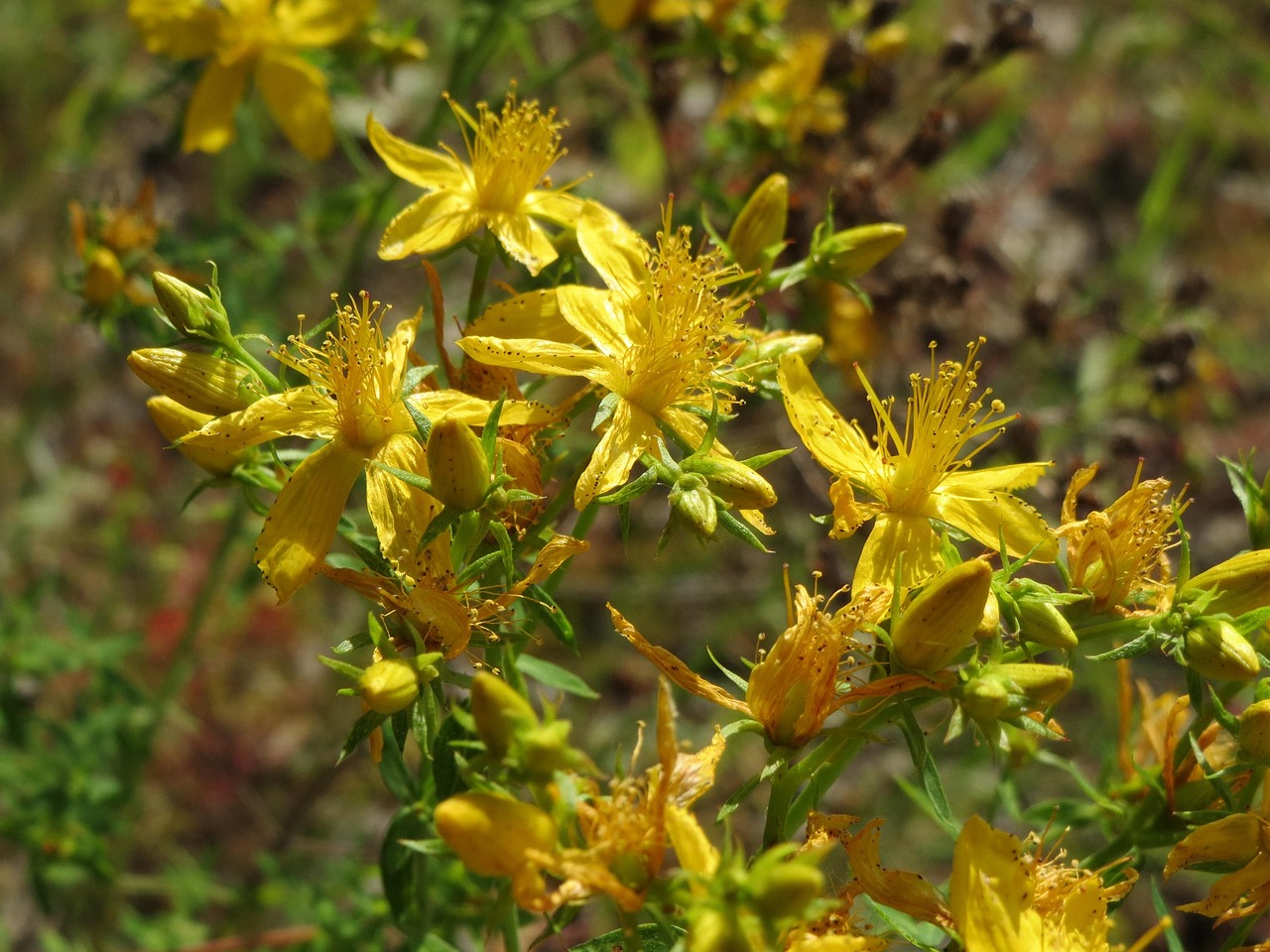
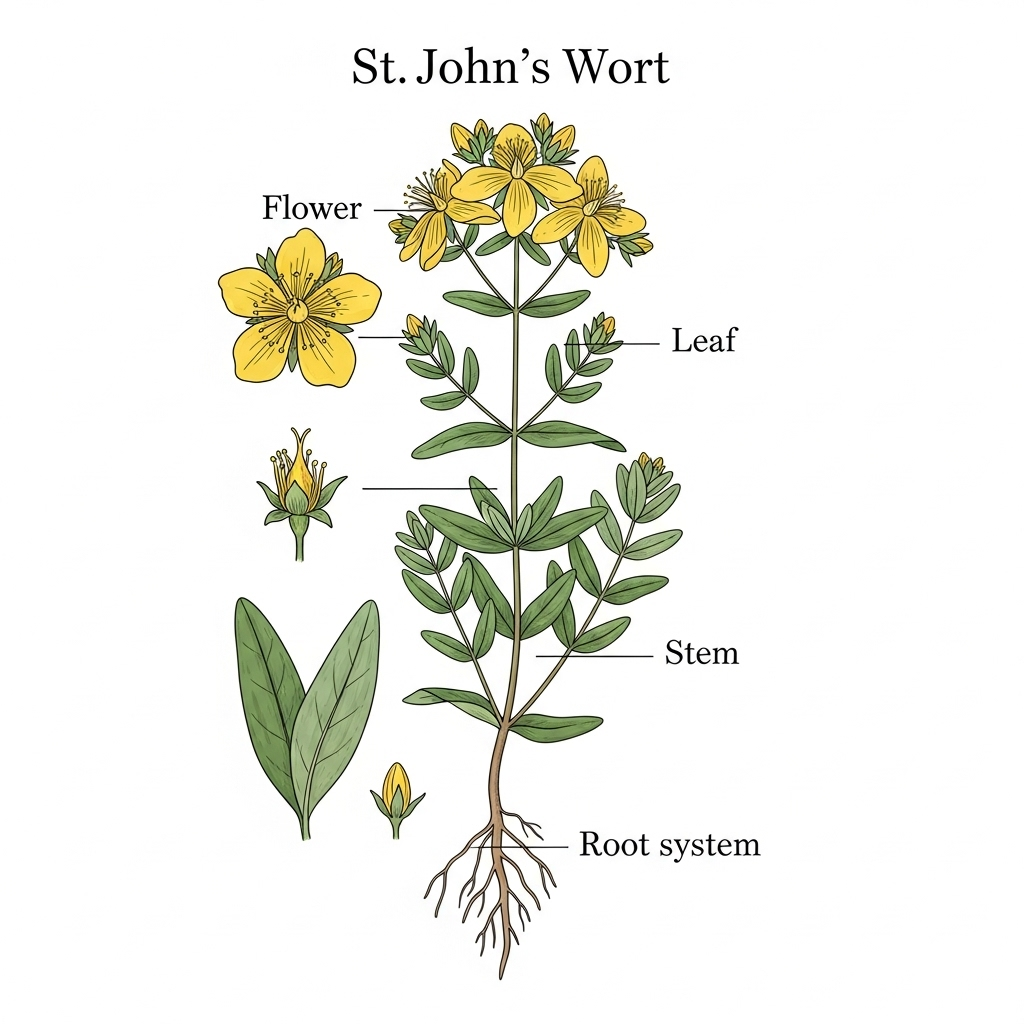
St. John’s wort, with the botanical name Hypericum perforatum, is a hardy, perennial plant known for its radiant yellow flowers, which typically unfold around St. John’s Eve. The plant is therefore also called perforated St. John’s wort or St. John’s wort.
The name perforatum comes from the fact that the leaves, when held up to the light, appear to be filled with tiny holes. These are actually small glands that contain the plant’s potent active substances. When you crush a fresh flower bud between your fingers, a characteristic dark red oil is released, which has given the plant the historical nickname “St. John’s blood”.
History
The use of St. John’s wort as a medicinal plant is deeply rooted in European history and can be traced back thousands of years. Ancient Greek doctors, including Dioscorides, described its use for treating wounds, burns, and sciatic pain.
Throughout the Middle Ages, the plant gained an almost mythical reputation and was used to drive away “dark demons”, a practice that today is interpreted as an early effort against conditions such as melancholy and depression. This long tradition of treating disorders of the nervous system and mind has paved the way for modern scientific interest, which has confirmed and uncovered the mechanisms behind its effects.
Mechanisms of action
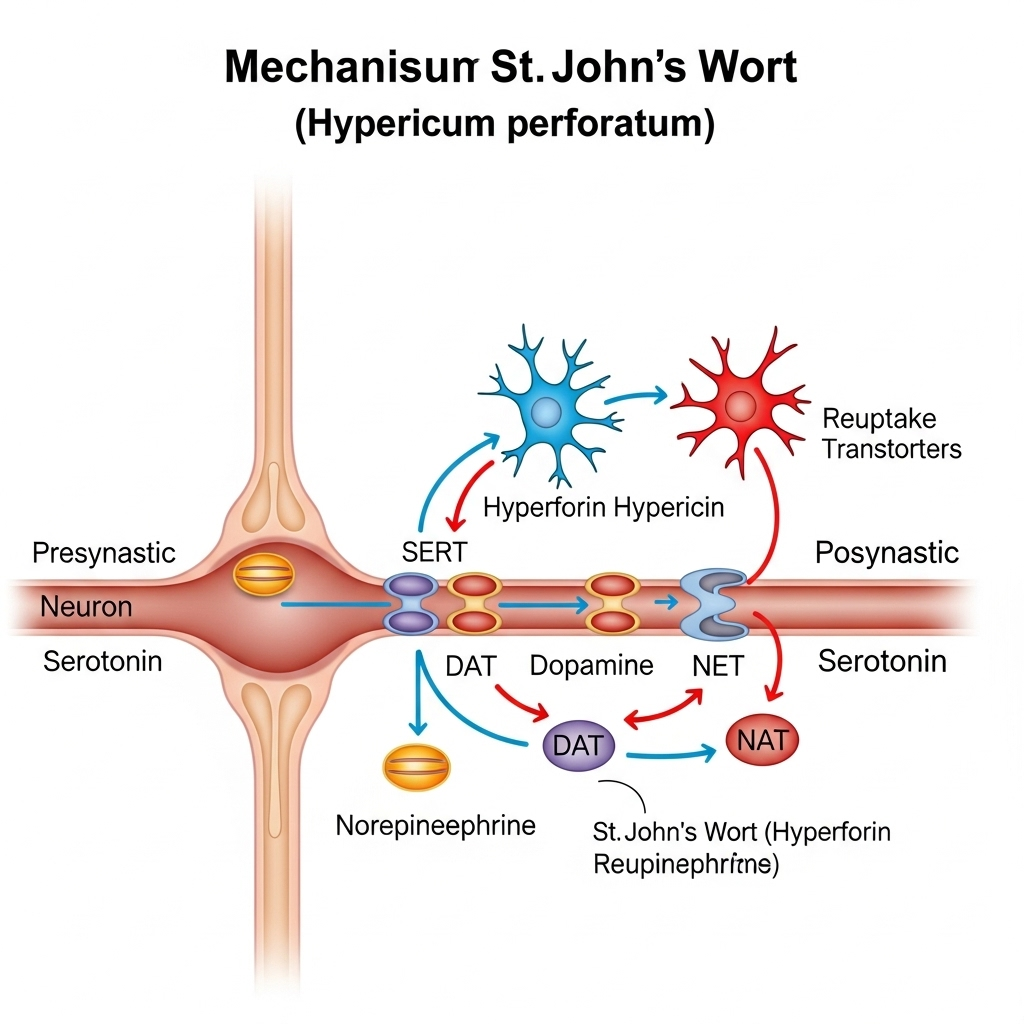
St. John’s wort is a complex natural remedy that contains a wide range of biologically active substances. The most studied are hypericin and hyperforin, which attack cancer cells’ vulnerabilities from several angles simultaneously.
Photodynamic effect via hypericin
One of the most remarkable mechanisms is related to the substance hypericin, which functions as a photosensitizing agent (a substance that becomes active under the influence of light).
When hypericin is absorbed into a cell and subsequently exposed to light, it starts a chemical reaction that produces an aggressive form of oxygen, known as reactive oxygen species (ROS). These ROS are extremely harmful to the cell’s structures and quickly trigger apoptosis (an organized and programmed form of cell suicide).
This mechanism is the basis for a treatment form called photodynamic therapy (PDT), where one can achieve a very targeted destruction of unwanted cells by combining a photosensitizing substance with light [2].
Inhibition of growth signals via hyperforin
The substance hyperforin has been shown to be able to interfere with the signaling pathways that cancer cells use to grow and divide. One of the central mechanisms is the inhibition of an enzyme called Protein Kinase C (PKC). PKC is an important component in the cascade of signals that tells a cell to proliferate.
In many cancer cells, this system is overactive, and by blocking PKC, hyperforin can help put a brake on the uncontrolled cell growth.
Blocking blood supply (anti-angiogenesis)
For a tumor to grow beyond a microscopic size, it depends on being able to form its own network of blood vessels to receive oxygen and nutrients. This process is called angiogenesis.
Studies have shown that extracts of St. John’s wort can inhibit this process, among other things by downregulating the signaling substance VEGF (Vascular Endothelial Growth Factor), which is the primary signal a tumor sends out to attract new blood vessels. By disrupting this supply line, one can potentially slow the tumor’s growth [3].
Modulation of the nervous system’s signaling substances
The most well-known effect of St. John’s wort is its ability to affect the levels of signaling substances in the brain. The plant acts as a broad-spectrum reuptake inhibitor, which prevents signaling substances such as serotonin, dopamine, and norepinephrine from being removed too quickly from the space between nerve cells. This increases their availability and improves communication in the nervous system, which is the primary mechanism behind its well-documented antidepressant effect and its ability to strengthen mental balance and resilience.
Potential as complementary treatment for cancer
St. John’s wort’s potential as a complementary strategy lies in its unique, multifaceted profile. Instead of targeting only a single target, as much conventional medicine does, the plant offers a wide range of mechanisms that can work together. The great strength is the dual effect: a direct impact on cancer cells’ biological weaknesses and simultaneous support for mental health, which is often under enormous pressure during a disease course. This, however, without St. John’s wort in strength and effectiveness in any way being comparable to conventional treatment such as chemotherapy.
The ability to improve mood and increase mental surplus can increase the resources to handle the challenges that come with a cancer disease and treatment. At the same time, the active substances in the plant work to make the environment more inhospitable for cancer cells by disrupting their growth signals, supply lines, and survival strategies.
The photodynamic effect, which has been thoroughly studied, represents a particularly interesting possibility for a targeted effort against certain cancer types, especially in the skin, where light can easily be applied [2]. By combining these different areas of effect, St. John’s wort offers a holistic approach that addresses both body and mind.
Benefits of St. John’s wort
In addition to the direct (and above-mentioned) mechanisms of action that are relevant in a cancer context, St. John’s wort also offers a number of other well-documented benefits.
Support for mental surplus and mood
St. John’s wort is one of the most studied medicinal plants in the world, and its primary and clinically recognized benefit is its ability to relieve symptoms of mild to moderate depression.
By stabilizing the signaling substances in the brain, it can contribute to a feeling of calm, improve sleep quality, and lift mood, which can be an invaluable support in a demanding life situation.
Relief and healing of the skin
Traditionally, St. John’s wort, in the form of oil, has also been used externally to treat a range of skin problems. The oil is known for its anti-inflammatory and healing properties and is particularly valued for its ability to relieve nerve pain (neuralgia), sunburn, and promote the healing of wounds.
Antiviral effect
Research has shown that especially the substance hypericin has a marked antiviral effect, particularly against enveloped viruses such as herpes simplex virus and influenza virus [1]. This testifies to the plant’s broad-spectrum and protective properties.
Disadvantages and limitations
Although St. John’s wort has many potentials, there are also significant limitations to be aware of. The plant’s great strength is ironically also the source of its primary disadvantages.
Comprehensive interaction profile
Because St. John’s wort is so biologically potent and affects the body’s systems so markedly – especially the liver’s ability to metabolize substances – it has a very broad interaction profile. This is a significant disadvantage, as it in practice limits your flexibility.
You cannot simply add St. John’s wort to an existing treatment plan without careful consideration, as it can disrupt the effect of both other dietary supplements, medicinal herbs, and especially conventional medications. In some cases, you may be forced to choose between St. John’s wort and other important parts of a treatment, which makes planning more complex and requires close dialogue with a healthcare provider.
Limited clinical evidence in cancer
The other major limitation is that most of the specific research into St. John’s wort’s anti-cancer effects comes from laboratory and animal studies. There is still a lack of large clinical trials on humans to be able to determine its precise role, optimal dosing, and effect in a broader cancer context.
Dependence on light for full effect
Finally, one of the plant’s most unique mechanisms – the photodynamic effect – is dependent on the presence of light.
This naturally limits its use to cancer types that are on or near the body’s surface, and makes the mechanism less relevant for deep-seated tumors.
St. John’s wort and chemotherapy
When it is generally discouraged (99% of cases)
St. John’s wort is strongly discouraged during almost all forms of systemic chemotherapy.
- Reason: St. John’s wort activates an enzyme system in the liver (especially CYP3A4), which is the body’s primary “trash can” for medication. When the system runs in overdrive, the chemotherapy is broken down and excreted too quickly – often before it has had its effect on the cancer cells. The result can in the worst case be an ineffective treatment.
- Which chemotherapy types: This applies to a very long range of chemotherapies and targeted medications, including:
- Taxanes (e.g., Docetaxel, Paclitaxel)
- Vinca alkaloids (e.g., Vincristine, Vinblastine)
- Irinotecan
- Imatinib (Gleevec)
- Cyclophosphamide
- …and many others. The rule of thumb is that if you are receiving systemic treatment, you should avoid St. John’s wort.
When it can be considered
These situations are exceptions and always require close dialogue and approval from the responsible healthcare provider.
- 1. Topical treatment of skin cancer (Photodynamic Therapy – PDT):
- What: St. John’s wort’s active substance, hypericin, can be used in a cream that is applied directly to certain types of skin cancer (e.g., basal cell carcinoma). The area is then exposed to a special light that activates the hypericin, which then destroys the local cancer cells.
- Why: Here, St. John’s wort is used externally (on the skin) as part of a targeted, local treatment. It is not taken as a pill, and therefore it does not affect the liver’s enzymes and the rest of the chemotherapy in the body.
- 2. Depression before or after chemotherapy:
- What: St. John’s wort is effective against mild to moderate depression. A healthcare provider may assess that it is a good option for strengthening mental balance in the period leading up to a chemotherapy course or in the time after, when the chemotherapy is completely out of the body.
- Why: This requires careful timing. One must stop taking St. John’s wort well in advance (several weeks) before starting chemotherapy and wait a corresponding amount of time after completing treatment to be sure there is no interaction.
Clinical trials
When it comes to clinical research, St. John’s wort is a two-part story. On the one hand, there is a wealth of large, well-conducted clinical trials on humans that confirm its effect on mild to moderate depression. Here, the documentation is so solid that in several European countries it is a recognized medication for this purpose.
On the other hand, clinical research in relation to cancer is still in its early stages. The human studies that exist primarily focus on photodynamic therapy (PDT) for the treatment of skin cancer types such as basal cell carcinoma, where the results are promising [2].
Most other anti-cancer mechanisms are primarily documented in vitro (in test tubes/petri dishes) and in vivo (in living organisms) [1, 3, 4, 5, 6, 7].
Safety
St. John’s wort’s strength as a natural remedy also means that it should be used with care and respect, as it is very biologically active.
Interaction with medications
The most important safety consideration is St. John’s wort’s ability to affect liver enzymes, especially the cytochrome P450 3A4 (CYP3A4) enzyme system. St. John’s wort causes this system to work faster, which means it breaks down a wide range of medications at a forced pace. The consequence is that the concentration of these medications in the blood drops, and they thus lose their intended effect. This applies to a number of important medications, including:
- Certain types of chemotherapy (e.g., irinotecan, docetaxel)
- Immunosuppressive medications (e.g., ciclosporin)
- Blood-thinning medications (e.g., warfarin)
- Heart medications (e.g., digoxin)
- HIV medications
- Birth control pills
Due to these serious interactions, it is crucial that you never combine St. John’s wort with prescription medication without consulting your healthcare provider.
Photosensitivity (sun sensitivity)
The most common side effect when taking St. John’s wort is increased sensitivity to sunlight. This can result in easier sunburn. It is therefore advisable to use high sun protection factor and avoid strong sun, especially if you have fair skin.
Dispensing and use
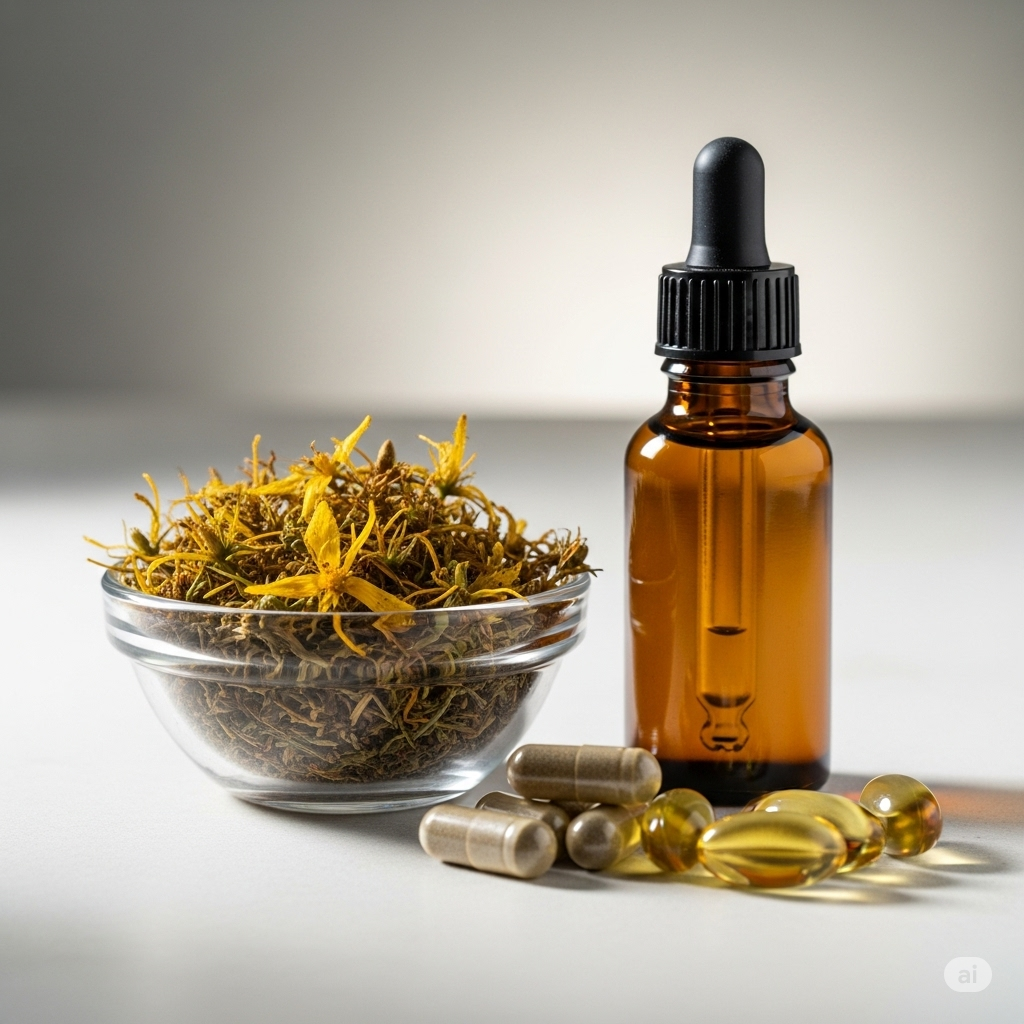
St. John’s wort comes in several forms, and it is important to choose a quality product, preferably standardized for the content of active substances.
- Capsules/tablets: This is the easiest way to ensure a precise and consistent dosage. Choose products that are standardized to a specific content of either hypericin or hyperforin to achieve a reliable therapeutic effect.
- Tincture/extract: This is a liquid and concentrated form of the plant, typically dissolved in alcohol. Dosage is done with drops and can be easily adjusted.
- Tea: Brewing tea from the dried herb is the most traditional way to take St. John’s wort. This form is milder than standardized extracts.
- Oil: St. John’s wort oil (typically an extract in, e.g., olive oil) is intended for external use to relieve nerve pain, wounds, and skin irritations.
Conclusion

St. John’s wort is one of the most recognized and potent plants in natural medicine. It offers a unique dual effect that both supports mental balance and resilience through its well-documented antidepressant effect, and at the same time combats cancer cells’ survival strategies through several advanced biological mechanisms.
Its powerful effect, however, also means that it requires respect and knowledge to use, especially in relation to its interaction with other medications.
Used correctly and in consultation with a qualified healthcare provider, St. John’s wort can be a valuable ally that strengthens both body and mind in a challenging time.
Back to Supplements
Also see Diet
Links
- Content: In vitro study showing that St. John’s wort, especially Hypericum scabrum, has potential therapeutic properties by inhibiting enzymes related to diabetes and neurodegenerative diseases, while also exhibiting selective cytotoxicity against cancer cells. It may therefore have potential in the treatment of both diabetes, neurodegeneration, and cancer.
[2] Glioblastoma targeting by water-soluble hypericin derivate HHL-PVP and photodynamic tumour killing (PubMed, 2025)
- Content: In vitro study showing that hypericin, in a water-soluble form, can effectively target and eliminate glioblastoma cells using photodynamic therapy, providing the possibility for more precise treatment with high sensitivity and specificity. This makes HHL-PVP a promising therapeutic alternative for a difficult-to-treat cancer type.
[3] Hypericin impedes M2 macrophage polarization and protects against Hepatocellular carcinoma (PubMed, 2025)
- Content: In vitro study showing that hypericin can inhibit growth and spread of hepatocellular carcinoma by inhibiting M2 activation of macrophages through the PI3K/AKT pathway. It shows potential as a promising treatment in liver cancer.
- Content: In vitro study showing that Hypericum alpestre and L-NAME can inhibit cancer cell growth by blocking the PI3K/Akt/mTOR pathway and reducing pro-inflammatory and angiogenic signals, making them promising candidates in cancer treatment, especially for resistant tumors.
[5] Medicinal potential of adventitious root cultures of Hypericum perforatum: study on antioxidant stress and anti-melanogenic properties (PubMed, 2025)
- Content: In vitro study showing that Hypericum perforatum’s new roots can protect the body from damage caused by free radicals (and can also inhibit the production of the pigment melanin). Therefore, they can be used in dietary supplements and medications intended to protect against damage.
[6] Cytotoxic Effects of Hypericum Perforatum on Glioblastoma Cells by Inducing Oxidative Stress, Autophagy and Apoptosis (PubMed, 2025)
- Content: In vitro study showing that St. John’s wort can inhibit growth and induce cell death in glioblastoma cells by activating both apoptosis and autophagy processes, making it a promising treatment against glioblastoma.
[7] Investigation of the Anticarcinogenic Effects of Hypericum perforatum Extract on Human Thyroid Cancer (PubMed, 2025)
- Content: In vitro study showing that St. John’s wort can have an important role in the treatment of thyroid cancer by increasing cell death through apoptosis, which can prevent the growth and spread of cancer cells.
Page created: June 22, 2025. Last modified May 03.26
❤
What you read on “Jeg har Kræft” is not a recommendation. Seek competent guidance.
