


Saffron and cancer
Summary of saffron
Effect:
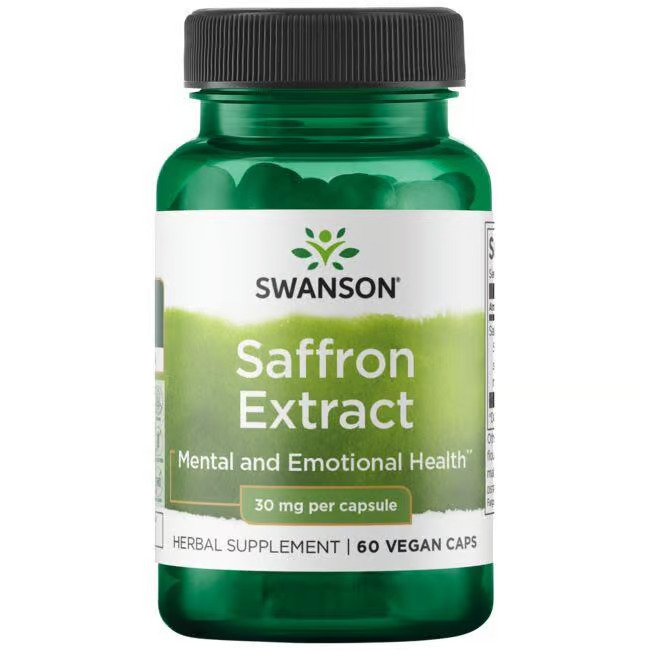
- Saffron contains the active substances crocin and crocetin, which act as strong antioxidants and dampen inflammation. It can cause cancer cells to commit suicide (apoptosis), stop their growth, and prevent them from forming the blood vessels they need to grow.
Potential in cancer:
- Research shows that saffron can make chemotherapy more effective and even counteract cancer cells’ resistance to treatment. At the same time, it protects the body’s healthy cells from the harmful effects of chemotherapy and has a well-documented positive effect on mood, which can counteract sadness and depression during a disease course.
Main limitation:
- The strongest documentation comes from laboratory and animal studies, and there is still a lack of large studies on humans. In addition, high-quality saffron is expensive, and it is crucial to choose a standardized product to ensure the effect.
Summary:
- Saffron is an extremely promising complementary agent in a cancer course. It attacks cancer on several fronts, while at the same time strengthening the body and mind. It can potentially make standard treatment more effective and tolerable.
What is saffron

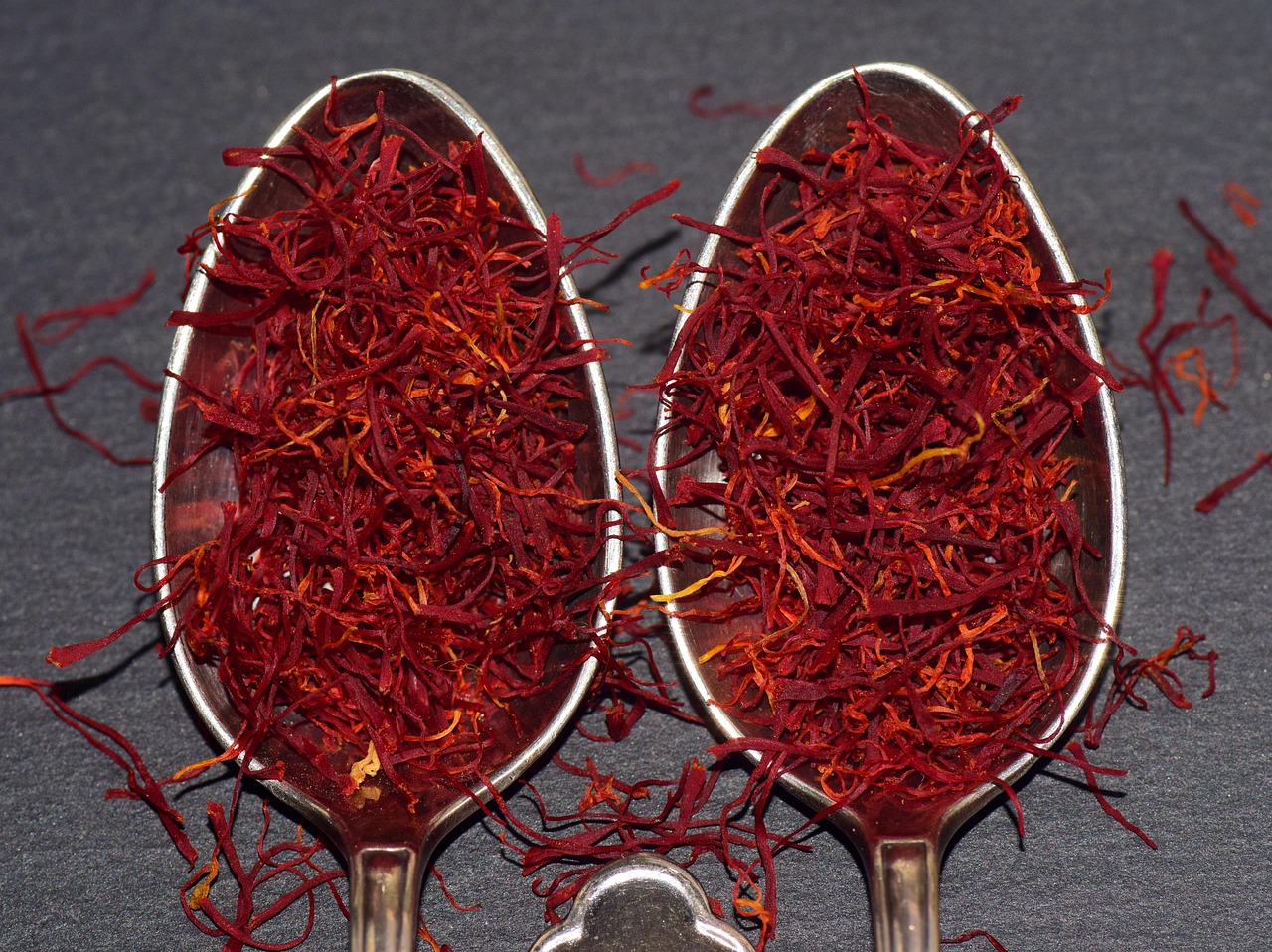
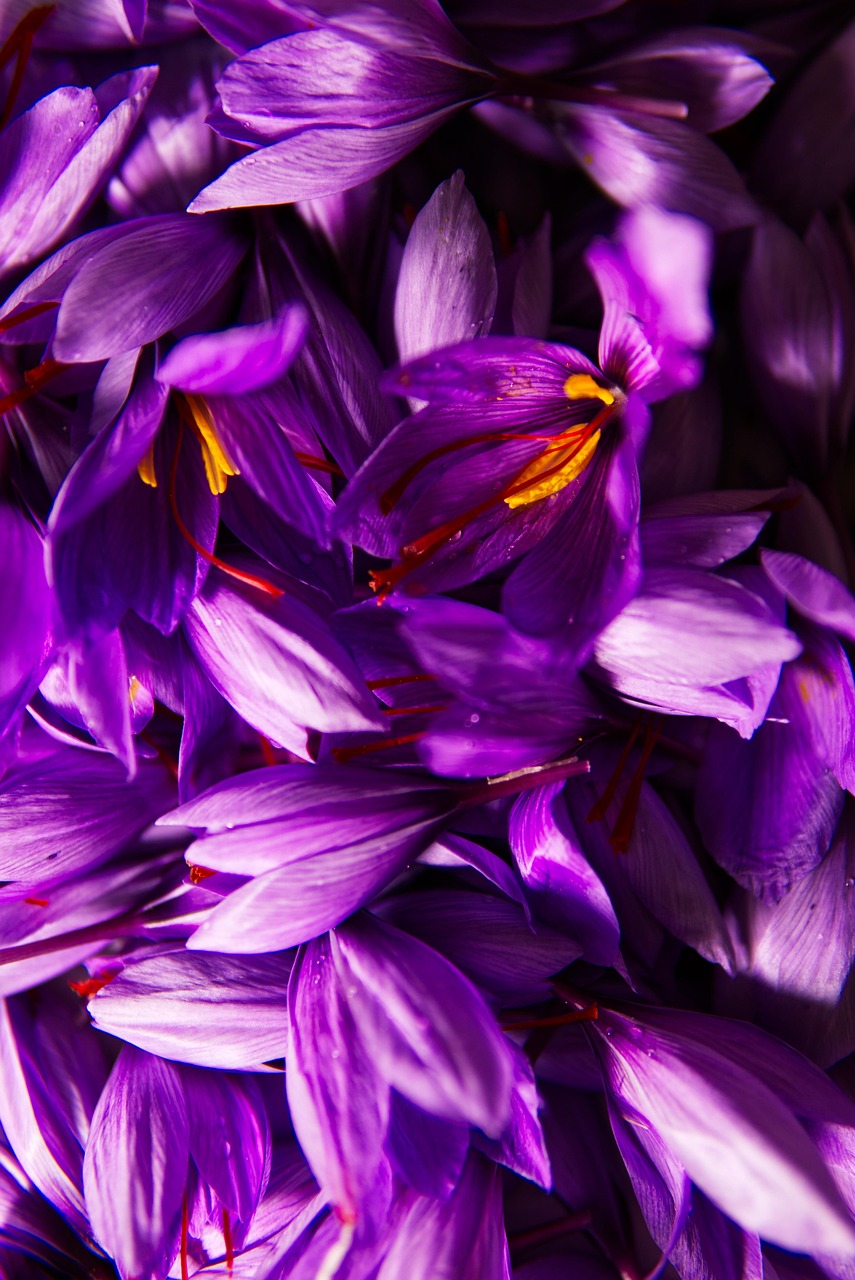
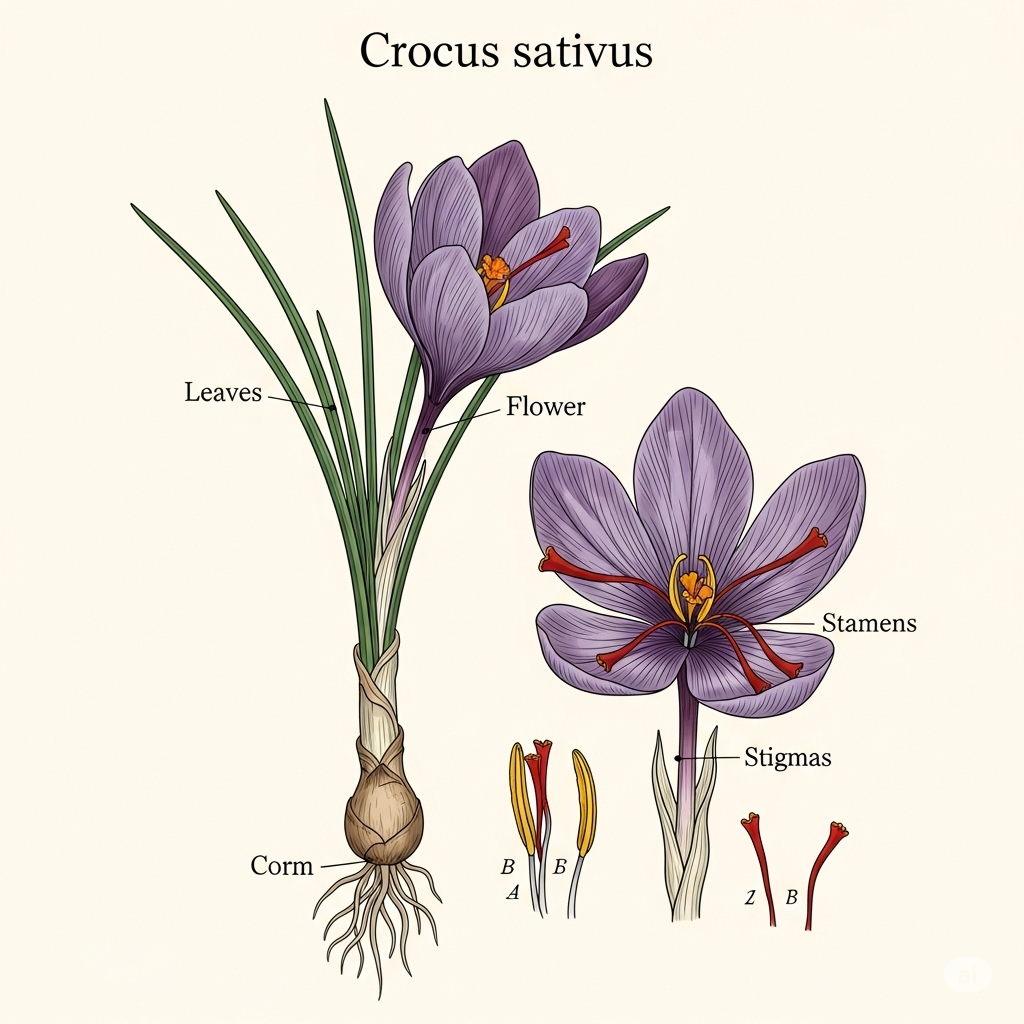
Saffron is one of the world’s most precious spices, extracted from the dried, dark red stigmas (the part of the flower that receives pollen) of the saffron crocus flower, Crocus sativus.
Typically, between 150 and 200 saffron crocus flowers must be harvested to produce just 1 single gram of dried saffron.
The reason for the enormous number is that each flower only contains three small, feather-like stigmas (the red threads), which are the only part that can be used. These fresh threads already weigh very little, and they lose a further approximately 80% of their weight when dried.
Behind the delicate taste and strong color hide a number of potent, bioactive substances that have been the subject of extensive research.
The primary active components in saffron are crocin, which gives the intense red color, crocetin, a related compound, picrocrocin, which gives the slightly bitter taste, and safranal, which is responsible for the characteristic aroma. It is especially crocin and crocetin that are attributed the most interesting properties in relation to cancer [2, 3, 4, 5, 6, 7, 8, 9].
History
Saffron’s history dates back more than 3,500 years and is believed to have its origin in Persia (present-day Iran) or Greece.
In ancient times, it was used as a universal remedy for a wealth of ailments, from melancholy and heart problems to infections. At certain times, its value was higher than gold, and it was used as a powerful dye for royal clothing, a luxurious ingredient in cooking, and an important part of religious ceremonies.
Its medicinal use is described in ancient writings from both Egyptian, Roman, and Persian medicine.
Mechanisms of action
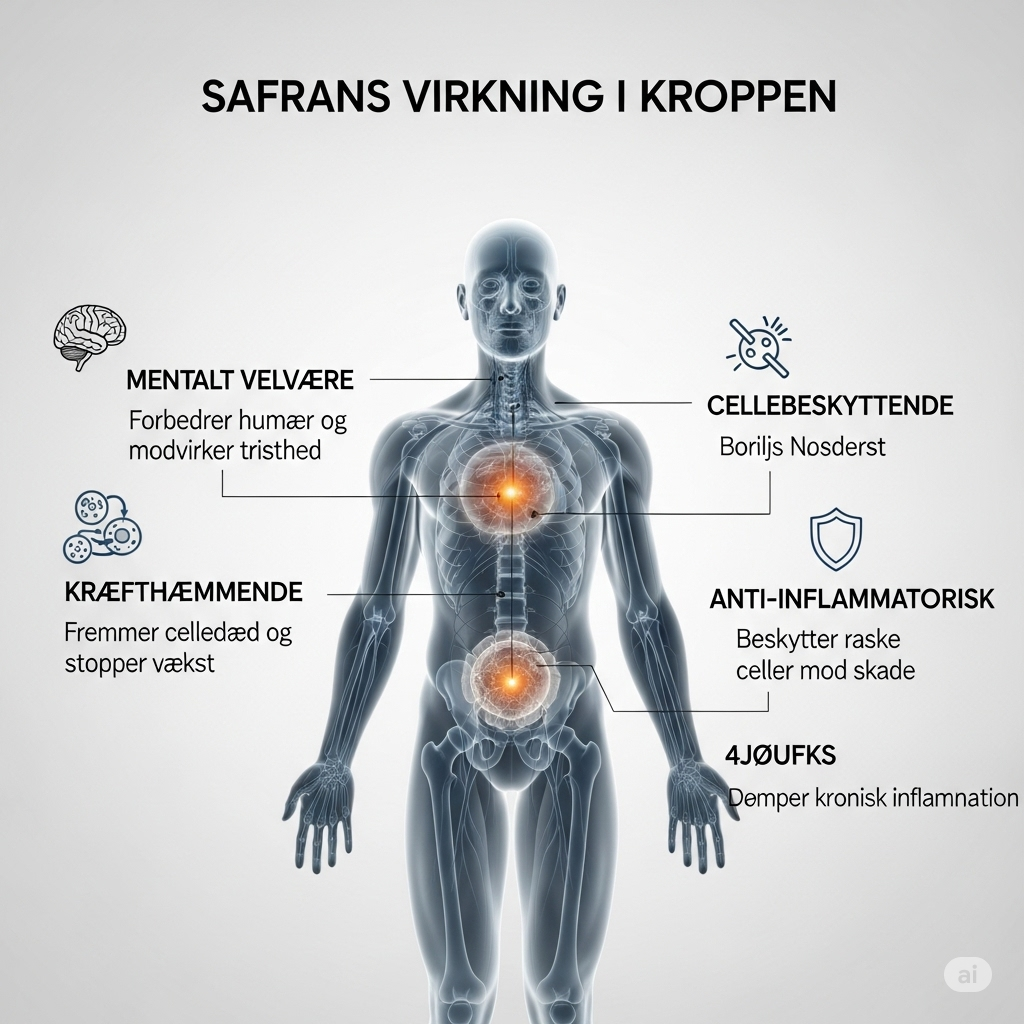
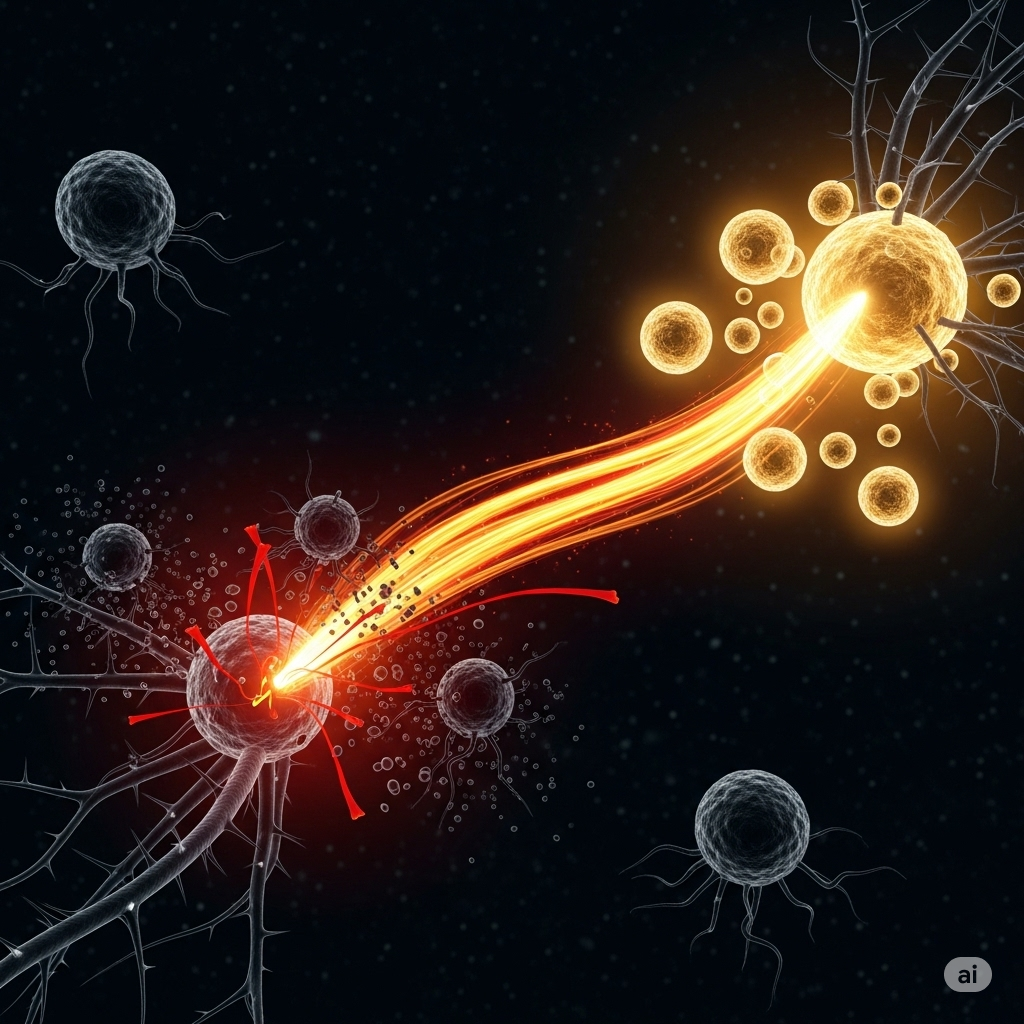
Saffron’s potential as a complementary treatment for cancer is based on an impressive ability to intervene in cancer cells’ life cycle at several levels. The active substances, especially crocin and crocetin, work in a targeted manner and affect the processes that distinguish a cancer cell from a healthy cell. Unlike many conventional treatments, saffron exhibits selective toxicity, meaning it primarily damages cancer cells while largely leaving healthy cells alone.
Induction of apoptosis (programmed cell death)
One of the most well-documented effects of saffron is its ability to initiate apoptosis. Cancer cells are characterized by having lost the ability to die when they should, and instead they divide uncontrollably. Saffron counteracts this by activating the internal “suicide proteins” in the cancer cell (known as caspases). At the same time, it downregulates anti-apoptotic proteins (such as Bcl-2), which normally protect the cancer cell from perishing, and upregulates pro-apoptotic proteins (such as Bax), which promote cell death [2, 9].
Inhibition of cell proliferation (cell growth)
Saffron can stop cancer cells’ ability to reproduce by slowing their cell division cycle. Studies have shown that saffron components can cause a “stop” in specific phases of the cycle (typically G1 or G2/M phase). This gives the cell time to either repair itself or, if the damage is too great, to initiate apoptosis. This braking effect prevents the tumor from growing larger [2, 9].
Anti-angiogenesis (inhibition of blood vessel formation)
For a tumor to grow and spread, it depends on being able to form new blood vessels that can supply it with oxygen and nutrients. This process is called angiogenesis. Saffron, and especially crocetin, have been shown to be able to inhibit this process effectively. This happens by downregulating growth factors such as VEGF (Vascular Endothelial Growth Factor), which is a key signal that cancer cells send out to attract new blood vessels. Without a constant blood supply, the tumor is “starved” and cannot expand [2, 9].
See also Block cancer’s signaling pathways
Modulation of inflammatory pathways
Chronic inflammation is a driving force behind the development and spread of many cancers. Saffron exhibits strong anti-inflammatory properties by inhibiting central signaling pathways (such as NF-κB (Nuclear Factor-kappa B)). NF-κB functions as a kind of master switch for inflammation and is often overactive in cancer cells, where it promotes survival and spread. By blocking this pathway, saffron dampens the underlying inflammation that fuels the cancer [3, 4].
Potential in cancer
Saffron’s many mechanisms of action open up a broad potential in complementary cancer treatment. Research, primarily based on in vitro (test tubes/petri dishes) and in vivo (in living organisms) studies, points to an effect against a wide range of cancer types, including:
- Liver cancer
- Colon cancer
- Breast cancer
- Pancreatic cancer
- Lung cancer
- Prostate cancer
In particular, it should be noted that safranal, a bioactive ingredient in saffron, has potent cancer-preventive properties against liver cancer. In rat studies, safranal inhibited growth, induced cell death, and reduced inflammation. Similarly, it induced apoptosis and dampened inflammation in human liver cancer cells (HepG2). Safranal may therefore become an important ingredient in broad-spectrum cancer treatment [8].
See more about this under Links at the bottom of the page.
Improvement of conventional treatment
One of the most exciting potentials of saffron is its ability to work with chemotherapy. Studies have shown that saffron can enhance the effect of chemotherapeutic drugs such as cisplatin and doxorubicin [4].
Saffron can apparently also protect the heart muscle during certain forms of chemotherapy where the heart might otherwise be challenged. See more about this under Links at the bottom of the page.
This phenomenon, known as chemo-sensitization, means that one can potentially achieve a better effect of the treatment. Saffron appears to do this by weakening the cancer cells’ defense mechanisms and making them more vulnerable to chemotherapy.
Overcoming drug resistance
A major problem in cancer treatment is that cancer cells can develop resistance (resilience) to chemotherapy. They often do this by developing so-called “pump proteins,” such as P-glycoprotein, which actively pump the medication out of the cell before it can take effect. Saffron has been shown to be able to inhibit the activity of these pumps. This means that the chemotherapy stays inside the cancer cell and can exert its effect, which potentially can make a previously ineffective treatment effective again.
Protection of healthy cells
While saffron is toxic to cancer cells, it has a protective effect on healthy cells. This is called chemo-protection. Many forms of chemotherapy are hard on the body and also damage healthy tissue, leading to side effects in, for example, kidneys, heart, and nerves.
Saffron, with its strong antioxidant properties, can help protect these healthy cells from the harmful effects of the treatment, which can lead to fewer and milder side effects [10].
Benefits of saffron
In addition to the direct cancer-fighting mechanisms, saffron offers a number of other benefits that can be particularly valuable when undergoing a cancer course. These benefits address both the physical and psychological strain that the disease and its treatment entail.
Improved mental well-being
Cancer diagnoses and treatment courses are often accompanied by feelings of sadness, anxiety, and depression. Saffron is one of the best-documented natural remedies for mild to moderate depression. Several clinical studies have compared saffron’s effect with antidepressant medication and found a comparable effect, but with fewer side effects. It is believed to work by affecting the levels of signaling substances in the brain such as serotonin, which can contribute to a feeling of calm and improved mood.
Neuroprotective properties
Some forms of chemotherapy can cause so-called chemo brain, a condition with cognitive challenges such as memory problems and difficulty concentrating.
Saffron’s active substances have shown neuroprotective (nerve-protecting) properties. Its antioxidant and anti-inflammatory effect in the brain can help protect nerve cells from damage and support cognitive function.
Disadvantages and limitations
Although saffron shows great potential, it is important to be aware of its limitations. The majority of the convincing research comes from laboratory and animal studies. Although the results are extremely promising, they have not yet been fully confirmed in large, controlled studies on humans.
Another significant limitation is the quality and price. Genuine high-quality saffron is very expensive, and the market is unfortunately characterized by counterfeit or low-quality products. To achieve a therapeutic effect, it is crucial to use a standardized extract that guarantees a high content of the active substances crocin and safranal.
Buying cheap saffron powder is rarely sufficient.
Clinical studies
The number of clinical studies on humans is still limited, but the existing results are encouraging. A pilot study on patients with liver cancer showed that those who received saffron experienced a better response to treatment compared to the control group. Another study examined the effect of crocetin in patients with pancreatic cancer receiving radiation therapy and found signs of improved oxygenation of the tumor, which can make the rays more effective.
Several studies have focused on saffron’s ability to relieve side effects. For example, its effect on depression in cancer patients is well-documented. There is a need for more and larger studies to establish optimal doses and finally confirm saffron’s role in cancer treatment, but the initial clinical data support the results seen in the laboratory [1, 4].
Safety
Saffron is generally very safe to take in the amounts used in cooking and as a dietary supplement in standardized doses (typically up to 30-50 mg extract daily). In very high doses (over 5 grams per day), saffron can be toxic and cause serious side effects, but such amounts are far beyond what is recommended therapeutically.
People who take blood-thinning medications (such as Warfarin) or medications for high blood pressure should talk to their healthcare provider before taking saffron, as it can have a slight blood-thinning and blood pressure-lowering effect. It can also enhance the effect of antidepressant medication. It is not recommended for pregnant women in high doses, as it has historically been used to induce menstruation.
Dispensing and use
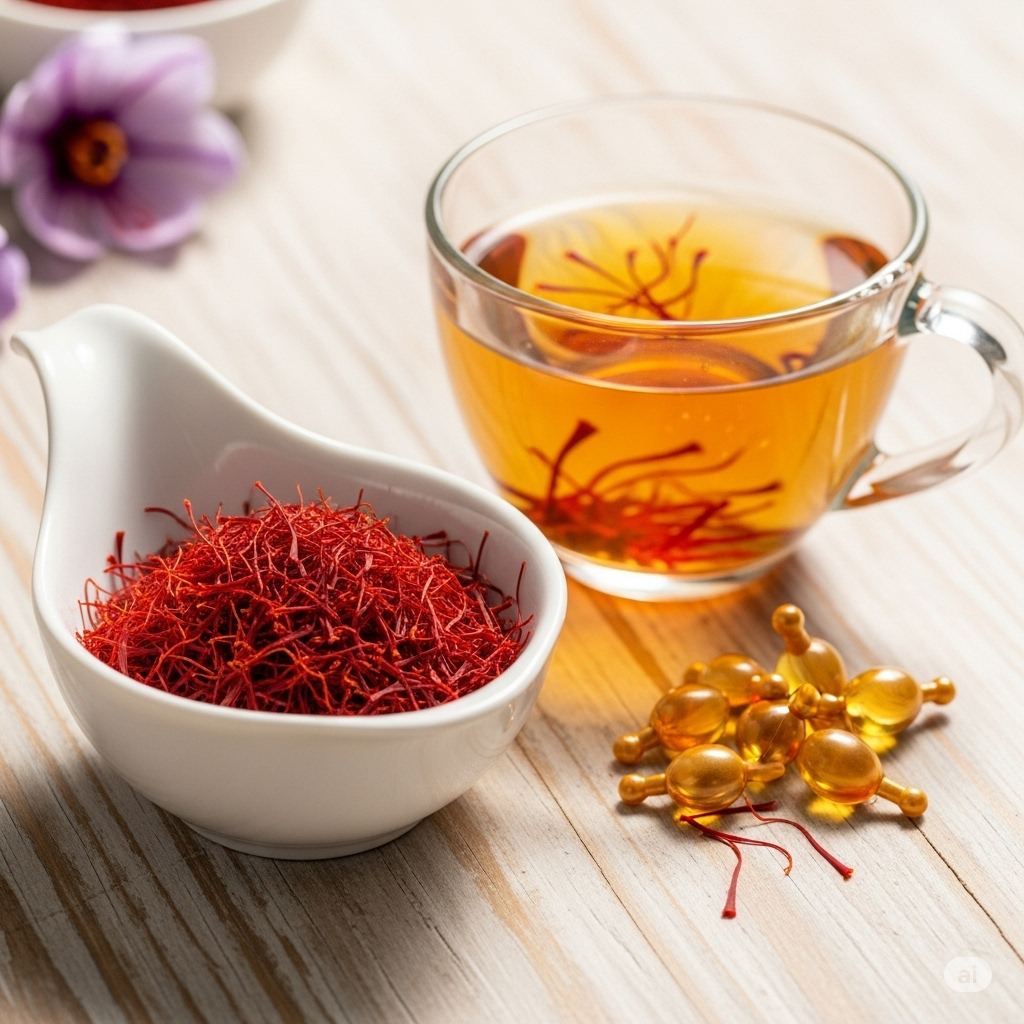
To achieve a therapeutic effect, it is important to choose the right form and quality.
- Standardized extract: This is the most reliable form. Look for capsules with an extract that is standardized to a specific content of crocin and safranal (e.g., 3% crocin). This ensures a consistent and potent dose.
- High-quality saffron threads: You can make a tea by letting 5-10 saffron threads steep in hot (not boiling) water for 10-15 minutes. This can be drunk 1-2 times daily. The quality of the threads is crucial.
- As a spice in food: Although it is a great way to get saffron, the amounts are often too small to have a significant therapeutic effect alone, but it can work as a good supplement.
A typical dose in clinical studies for depression has been 30 mg standardized extract daily. For complementary cancer treatment, no official dose has been established, but always discuss use with your healthcare provider.
Conclusion
Saffron is a natural remedy with a rich history and a remarkable scientific potential.
Its ability to selectively attack cancer cells through several different mechanisms – from inducing cell death and stopping growth to starving tumors and dampening inflammation – makes it one of the most promising complementary agents in integrative oncology.
At the same time as it fights cancer cells, it protects healthy cells and offers valuable benefits for mental health. Although there is a need for more research on humans, the existing data is so convincing that saffron deserves serious consideration as a valuable and safe ally in a holistic cancer course.
Protects the heart muscle from damage from chemo [10].
Back to Supplements
Also see Integrative Oncology
Links
[1] A Tertiary lymphoid structures-based pathological score predicts survival and recurrence in colorectal Cancer patients (PubMed, 2025)
- Content: The study shows that the density and maturity of tumoral lymphoid structures (TLS) are important for survival in patients with microsatellite instability (MSI) in colorectal cancer. The proposed TLS score can help identify patients with a higher risk of recurrence. Saffron can potentially play a role in cancer treatment by affecting TLS development.
[2] Crocin promotes ferroptosis in gastric cancer via the Nrf2/GGTLC2 pathway (PubMed, 2025)
- Content: The study shows that crocin, a natural substance from saffron, inhibits the growth of gastric cancer (GC) cells by inducing a special type of cell death called ferroptosis. Crocin also reduces the level of GGTLC2, which affects the cells’ ability to spread. The results suggest that crocin can be a promising treatment against gastric cancer.
[3] Molecular insights into anti-inflammatory activities of selected Indian herbs (PubMed, 2025)
- Content: The study examines how chronic inflammation can lead to serious diseases such as cancer and Alzheimer’s. Current treatments often only provide partial relief and have side effects. Traditional Indian herbal medicines, such as saffron and turmeric, show promising anti-inflammatory properties and require further research.
[4] Saffron improves the efficacy of immunotherapy for colorectal cancer through the IL-17 signaling pathway (PubMed, 2025)
- Content: The study shows that crocin is the most important active component in saffron and can affect colorectal cancer. Saffron extract can inhibit the growth of cancer cells and improve the immune response by affecting the IL-17 signaling pathway. The results suggest that saffron can improve the effect of immunotherapy against colorectal cancer by reducing inflammatory factors in the tumor microenvironment.
[5] Dietary plants for oral cancer prevention and therapy: A review of preclinical and clinical studies (PubMed, 2024)
- Content: The study assesses the preventive and therapeutic effects of dietary plants against oral cancer and shows that many plants can inhibit cancer cell growth and promote cell death. In particular, garlic, green tea, saffron, and turmeric show promising results. However, more research is needed to confirm their clinical effectiveness.
[6] Synthesis of Bimetallic Palladium/Zinc Oxide Nanocomposites Using Crocus sativus and Its Anticancer Activity via the Induction of Apoptosis in Cervical Cancer (PubMed, 2024)
- Content: The study presents an environmentally friendly method to produce bimetallic nanocomposites of palladium and zinc oxide using saffron extract. The produced nanocomposites show antioxidant and anticancer activity by inducing apoptosis in HeLa cells and inhibiting cell growth. The results suggest that these nanocomposites can be a promising new treatment against cervical cancer.
[7] Fabrication of bimetallic Ag@ZnO nanocomposite and its anti-cancer activity on cervical cancer via impeding PI3K/AKT/mTOR pathway (PubMed, 2024)
- Content: The study shows that bimetallic nanocomposites of silver and zinc oxide, made with saffron, have great potential to combat HeLa cells, which are cancer cells from the cervix. This effect is due to them creating oxidative stress, which inhibits cell growth and prevents the cells from dividing. In the future, these nanocomposites may be used as an effective treatment against cervical cancer.
[8] Safranal Prevents Liver Cancer Through Inhibiting Oxidative Stress and Alleviating Inflammation (PubMed, 2022)
- Content: This study showed that safranal, a bioactive ingredient in saffron, has potent cancer-preventive properties against liver cancer. In rat studies, safranal inhibited growth, induced cell death, and reduced inflammation. Similarly, it induced apoptosis and dampened inflammation in human liver cancer cells (HepG2). Safranal can therefore become an important ingredient in broad-spectrum cancer treatment.
[9] Anticarcinogenic effect of saffron (Crocus sativus L.) and its ingredients (PubMed, 2014)
- Content: Research has shown that conventional cancer treatments often cannot reverse the disease’s development, which has led to interest in alternative options. Saffron, a cultivated spice with a long tradition in folk medicine, contains over 150 chemical components, including crocin, crocetin, and safranal, which have shown anti-tumor and cancer-preventive properties in animal models and human cell lines. There is a need for clinical studies that can document saffron’s effect as a preventive treatment against cancer.
[10] Crocin protects against doxorubicin-induced myocardial toxicity in rats through down-regulation of inflammatory and apoptic pathways (PubMed, 2016)
- Content: The study showed that crocin, an important component in saffron, has a protective effect on the heart against damage caused by the chemotherapy drug doxorubicin (DOX). Crocin improved heart function, reduced inflammation, oxidative stress, and cell death in the heart in rats, suggesting that it can protect against DOX-induced heart damage through anti-inflammatory, antioxidant, and anti-apoptotic properties.
Page created:
July 5, 2025
❤
What you read on “Jeg har Kræft” is not a recommendation. Seek competent guidance.
