


Safe measures
Content:
Summary of Safety measures
Safe choices:
- This involves measures without the use of chemicals or antioxidants. This eliminates the risk of unintended interactions with oncological medication, thereby avoiding strain on the liver and kidneys. It creates a clinically safe framework for supporting the body and mind alongside medical treatment.
The body’s defense:
- Regulation of the autonomic nervous system to lower levels of stress hormones. This optimizes the immune system’s working conditions and dampens systemic inflammation, which might otherwise promote disease progression and burden the general condition.
Active involvement:
- Through a targeted effort, the body’s resilience can be strengthened risk-free alongside medical treatment. By activating one’s own resources, quality of life is also significantly improved, making the overall process more tolerable. This synergy ensures that the body is as well-equipped as possible to cooperate with other treatments and manage any side effects.
Important prerequisite:
- Although these measures are clinically safe regarding medical interactions, they must always be adapted to the individual’s physical condition. In the case of side effects such as lymphedema (or an increased risk thereof), caution must be exercised with heat, needles, and manual pressure on the affected areas.
For cancer patients and oncologists

This article is written as an inspiration for both patients and oncologists.
Today, it is common for patients to face rejection at the hospital when asking about supplementary treatments. One likely reason is the astronomical amount of knowledge required on the part of doctors to fully understand possible interactions with other treatments. The safe answer is therefore NO.
But this is not optimal for either the oncologist or the patient.
It leaves the patient in a passive role, which is counterproductive, as taking action oneself can have a real healing significance. The article is aimed at oncologists who want to be able to provide their patients with suggestions for safe support, and at patients who want to take control and optimize the conditions for their body.
That’s why a completely risk-free list of measures has been prepared here—measures that can make a significant difference for the patient, not just psychologically but, as the opening text suggests, also physically.
Active healing
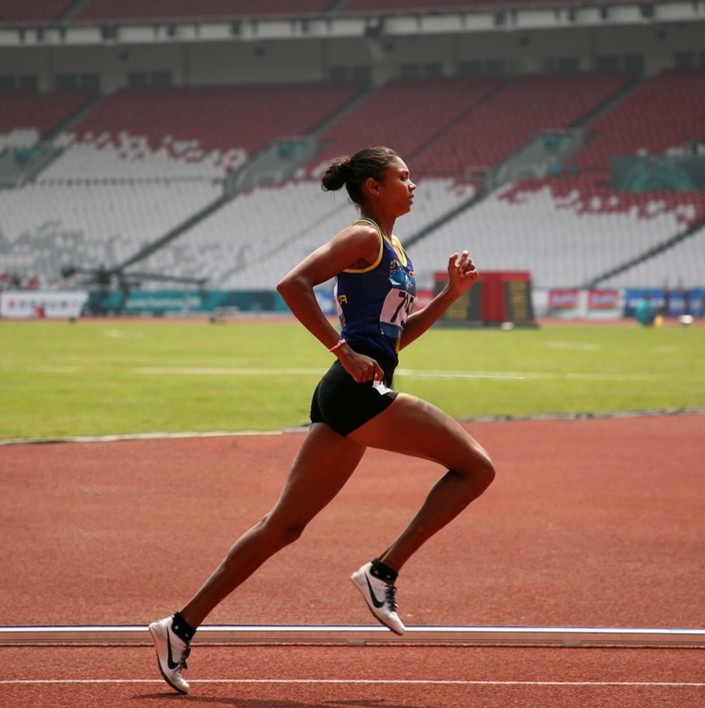
Lifestyle is an active part of treatment. Research shows that factors such as exercise, adequate sleep, and calmness alter the body’s chemistry and can make a significant difference in the course of treatment. Here are a few examples where science documents a real effect:
Exercise increases survival rates
Regular physical activity can reduce the risk of recurrence and increase survival by up to 40% for certain types of cancer. This happens because exercise reduces chronic inflammation and lowers the growth factors that the disease otherwise thrives on. [1]
Calm strengthens the immune system
Stress is not just something you feel in your head—it’s a chemical state throughout the entire body. When we are stressed, the body releases stress hormones, which unfortunately suppress our immune system.
By creating calm—such as through mindfulness—you can demonstrably lower these stress hormones. This means the immune system is no longer blocked and instead can focus on what it does best: fighting disease.
(This is known as PNEI (Psychoneuroendocrinoimmunology—the study of how thoughts, nerves, and hormones affect the immune system)). [2]
Sleep protects cells
The body is governed by a precise internal clock—its circadian rhythm. This clock dictates when our cells should rest and when they should repair damage to our DNA (the cell’s genetic material). A stable circadian rhythm and good sleep are crucial for slowing the spread of disease. [3]
What are safe measures
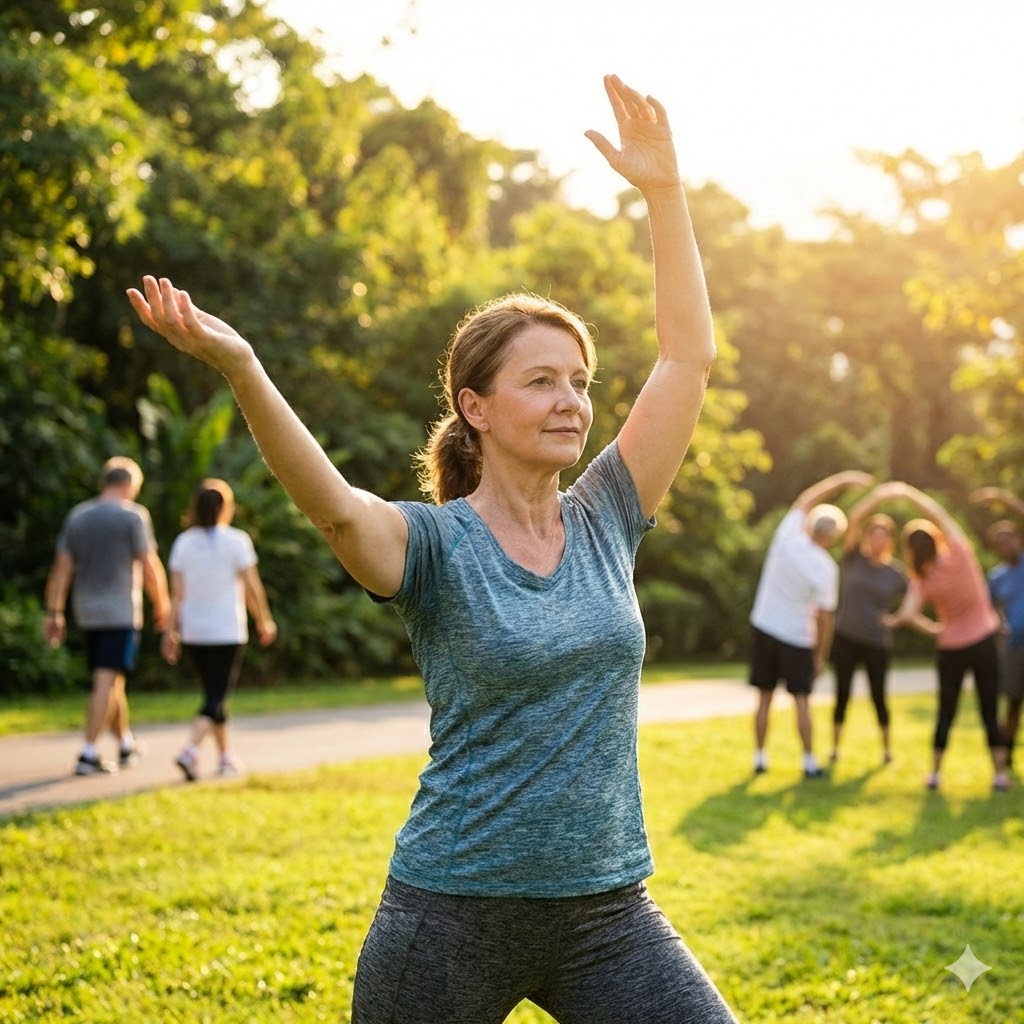
Safe measures are methods and actions that work exclusively with the body, the nervous system, and physical state—without the use of substances.
The key criterion is the absence of chemistry, herbs, or hormones that would require metabolism by the liver. Since no substances are introduced, there is no biological mechanism that could interact with chemotherapy, radiation, or other medication. These methods can support both body and mind while medication targets the disease.
They are considered clinically safe in terms of medical interactions, but must always be tailored to the individual’s physical condition.
For side effects such as lymphedema (or an increased risk of it), care should be taken with heat, needles, and manual pressure on affected areas.
How to strengthen the body

Using these measures is about optimizing the body’s internal environment so that medical treatment has the best possible working conditions. There is documented evidence of the benefits of shifting from passive helplessness to active engagement.
Biologically, this is about the interplay between the mind, nervous system, and immune system:Gear shift
Many of these measures activate the body’s braking nerve (the vagus nerve). This forces the body out of stress and into a state of rest and healing. The body cannot effectively repair cells if it is constantly on high alert.
Focused calm
When stress levels drop, the immune system’s own killer cells (NK cells) become more active and effective at tracking down diseased cells.
Reduced inflammation
Cancer thrives in an environment of chronic inflammation. By using physical and mental tools, you can suppress the signaling substances that sustain inflammation.
Real-world examples

But do these measures actually work?
It may sound theoretical when discussing how to alter the body’s chemistry through calm and thoughts. However, there are well-documented cases of people who have significantly changed their disease course by using these very tools. This shows that safe measures are not just pleasant—they have real biological impact.
Laughter as medicine
Norman Cousins, who later became world-famous for his journey, left the hospital after doctors gave him minimal chances of surviving a life-threatening illness. He checked into a hotel room to create his own healing environment with peace and plenty of laughter.
He managed to turn his “incurable” disease around and become completely healthy, proving the enormous power of the mind over the body. [4]
Surprising recoveries
Dr. Kelly Turner has conducted extensive research into more than 1,500 cases of cancer patients who became healthy (or lived remarkably long) against all medical odds.
Her studies show that these patients often employed the same 9 (later expanded to 10) safe measures (keys), such as taking control of their own course and letting go of emotional burdens. [5, 6, 7]
The 10 keys to radical healing
Research into Radical Remission (RR)—spontaneous profound healing—has identified 10 common traits among people who became healthy against all medical odds. These factors represent the active choices made by patients who fall completely outside the statistics. However, this does not mean that every patient used all 10 keys; most often, 3 or more were involved.
- Radical dietary change: Focus on unprocessed foods to shift the body’s internal environment and reduce inflammation
- Take control: Become an active partner in your own journey and make conscious choices about treatment and lifestyle
- Follow your intuition: Listen to your body’s signals and act on what feels right for you
- Herbs and supplements: Use natural substances to strengthen the immune system and support the body’s biology
- Release suppressed emotions: Address and let go of old traumas, fears, or anger that stress the system
- Boost positive emotions: Consciously focus on joy and love, which releases substances that enhance the immune system
- Receive social support: Surround yourself with people who provide safety and energy
- Deepen your spiritual connection: An experience of connection to something greater that brings deep inner peace
- Find a strong reason to live: Having a clear purpose or passion that fuels vitality and the healing process
- Physical movement: Keep the body active to oxygenate the blood and maintain optimal cell circulation
Note:
While “safe measures” in this article focus on non-pharmacological methods, Dr. Turner’s research into the 10 keys also includes diet and supplements as active factors.
Overview of categories
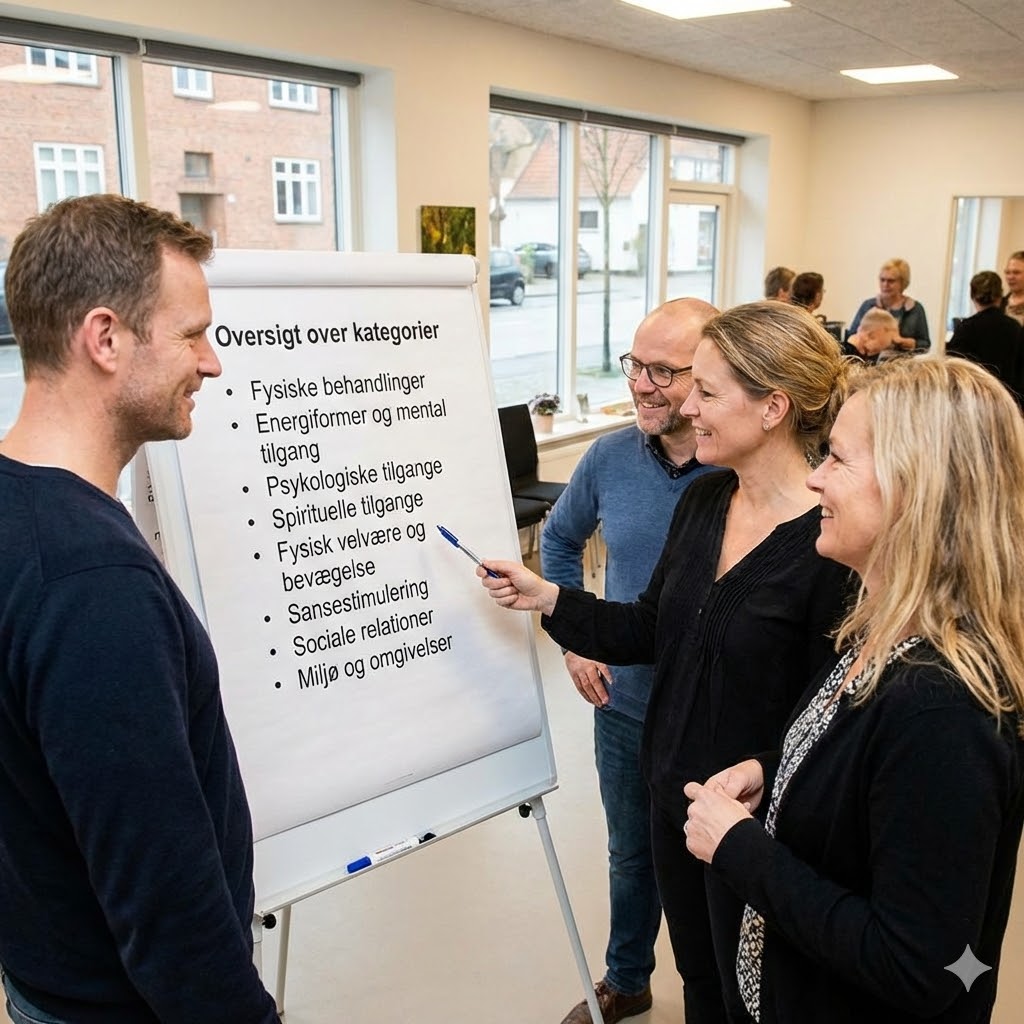
Below are the six main areas for safe measures that can be integrated into any course:
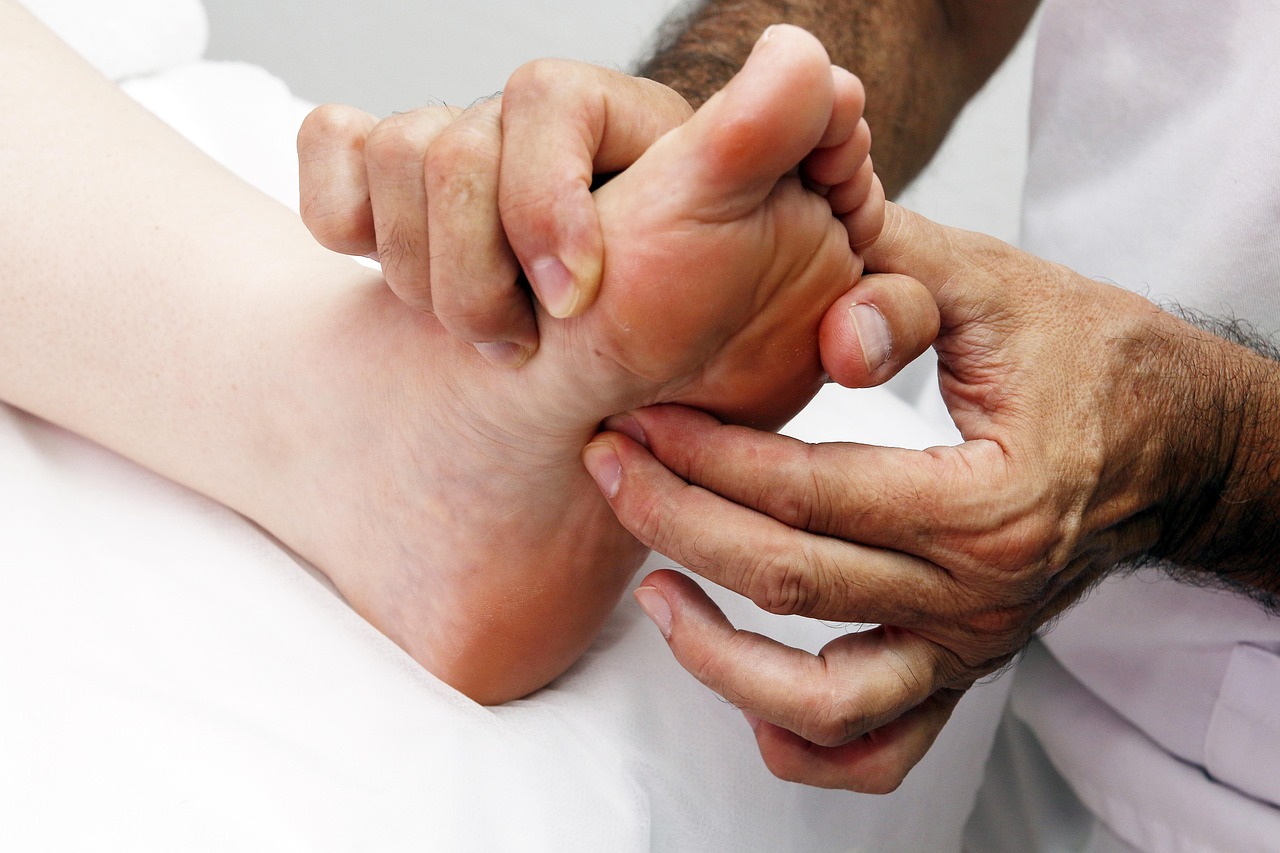
Physical treatments
What is it?
Outer stimulation of the body through factors such as light, oxygen, heat, or manual touch.
How does it work?
The methods supply energy to the cells and promote tissue repair without the use of chemical substances.
Why does it work?
Since the liver is not burdened by chemicals, there is no risk of medical interactions.
Important note:
For physical injuries or lymphedema, treatments (especially heat, needles, and pressure) should always be adapted and coordinated with a specialist to avoid mechanical overloading of the tissue. [8]
Measures
- Treatment with thin needles in specific nerve points. It regulates the nervous system and releases endorphins, helping to reduce pain, nausea, and stress without medication.
- Treatment with concentrated light energy that penetrates the tissue. It stimulates cellular energy production and reduces local inflammation.
- Magnetic fields send small impulses into the body, helping cells absorb more oxygen. This strengthens the body’s natural ability to repair itself.
- Use of specific sound frequencies or vibrations to create balance in the body’s biological systems and reduce biological stress.
- Exposure to red light, which strengthens the cells’ mitochondria (powerhouses) and has anti-inflammatory effects.
- Reflexology massage under the feet, which activates self-healing forces and creates deep relaxation and balance. Caution with lymphedema or risk thereof.
Hyperbaric Oxygen Therapy (HBOT)
- Stay in a pressurized chamber with pure oxygen. It promotes tissue healing (e.g., after radiation) and inhibits oxygen-deprived cells.
- Controlled heating of the body, which stresses cancer cells and makes them more vulnerable to treatment.
- Supply of extra oxygen under normal pressure conditions. It improves oxygen saturation in the blood.
- Manual treatment of the body’s connective tissue (fascia). It releases stuck tension and promotes flow in the lymphatic system. Caution with lymphedema or risk thereof.
- Use of electrostatic impulses that create vibrations deep in the tissue. It acts as an extremely effective drain on fluid accumulations and softens scar tissue.
- Heating of the body via infrared rays. It promotes detoxification through sweating and provides deep muscular relaxation. Always check with your therapist that it is safe.
- Hydrogen (H₂) is inhaled as a gas or drunk in water. It acts as a cleanser that protects healthy cells without burdening the organs.
Energy Work and Mental Approach
What it is
Working with the body’s internal energy systems and the nervous system’s electrical impulses.
How it works
Through focused attention, the brain’s fear center is calmed, shifting biology from a state of stress to one of regeneration.
Why it works
It empowers patients with active control over their quality of life through non-invasive techniques that rely solely on the body’s own signals—making them biochemically risk-free.
Measures
- Small taps on the body that send calm directly to the brain’s alarm center, causing internal stress levels to drop instantly. Surprisingly effective against acute anxiety.
- Use of singing bowls or sound frequencies to create deep relaxation in the nervous system and lower the heart rate.
- How earthing affects blood viscosity and the nervous system. Concrete strategies for grounding – even in freezing weather.
- Systematic meditation and visualization that trains the brain to change its chemical response to disease.
- Energy work that restores balance to the body’s energy field and creates deep mental restitution.
- Guided state of focused attention that can change unconscious reactions to pain, anxiety, and discomfort.
- Conscious use of laughter that releases the body’s own “antidotes” to stress: endorphins and oxytocin.
- Use mindset to activate chemical processes. It strengthens your quality of life and provides active control over mental well-being.
- Technology that works with the body’s bio-frequencies to harmonize the cells’ natural vibrations.
- Energy therapy that works with the body’s information fields via frequencies. It seeks to find and correct imbalances in the overall energy system.
Psychological approaches
What is it:
Targeted processing of the biological signals the brain sends to the rest of the body.
How it works:
By reducing mental stress and fear, levels of stress hormones are lowered, optimizing the immune system’s ability to fight the disease.
Why it works:
It supports the body’s defenses from within without burdening the organs. It creates the necessary mental surplus to complete the medical treatment course. [10]
Measures
- Tools for containing emotions such as anxiety, fear, grief, and anger, so that internal unrest does not drain the body of strength.
- A state of deep calm where you work with your mind and subconscious. It can help alleviate pain and provide better sleep.
- A simple method to investigate and release burdensome thought patterns and stop racing thoughts.
- Help with talking about and planning the end-of-life process. It removes uncertainty and creates peace for both you and your loved ones. Contributes decisively to mental peace.
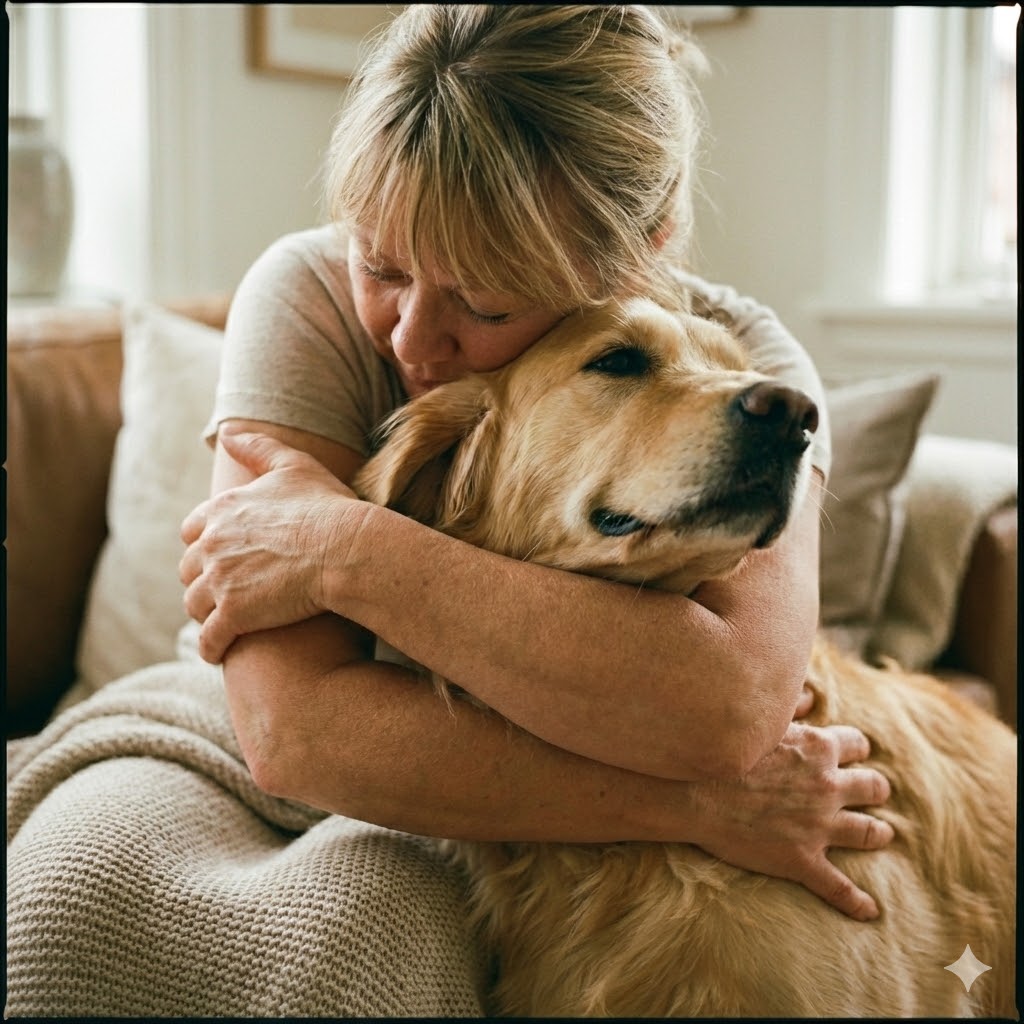
- Closeness with animals that provides comfort, warmth, and security, which provably lowers stress levels.
- Use of laughter to change the body’s chemistry here and now. It releases substances that make you happier, thereby boosting the immune system and lowering stress hormones.
- Use of affirmations to create a more positive focus. It trains you to speak more kindly to yourself and your body. Relevant for building hope and mental resilience.
- Support and togetherness with family and friends, providing security and reminding you that you are not alone. Social relationships.
- Practical techniques to find calm and protect the immune system from the harmful effects of long-term stress.
- A simple technique to stop racing thoughts and alleviate anxiety when worries become overwhelming.
- A process of letting go of old grudges or guilt, so that energy can be used for the present and healing.
- Awareness of the psyche’s significant impact on the body’s health. It is about actively using mindset as a partner in the process to mobilize inner strength.
- The Marathon woman
- A story about using willpower and major personal goals to defy medical prognoses. About shifting focus from being ill to being proactive. It is relevant for understanding that one’s own attitude is an active part of healing.
- The Marathon woman
- A method to ensure a presence in the future through gifts and greetings for special occasions. Relevant for gaining peace and the freedom to focus on life here and now – so that you can likely present them yourself when the time comes.
Spiritual approaches
What it is:
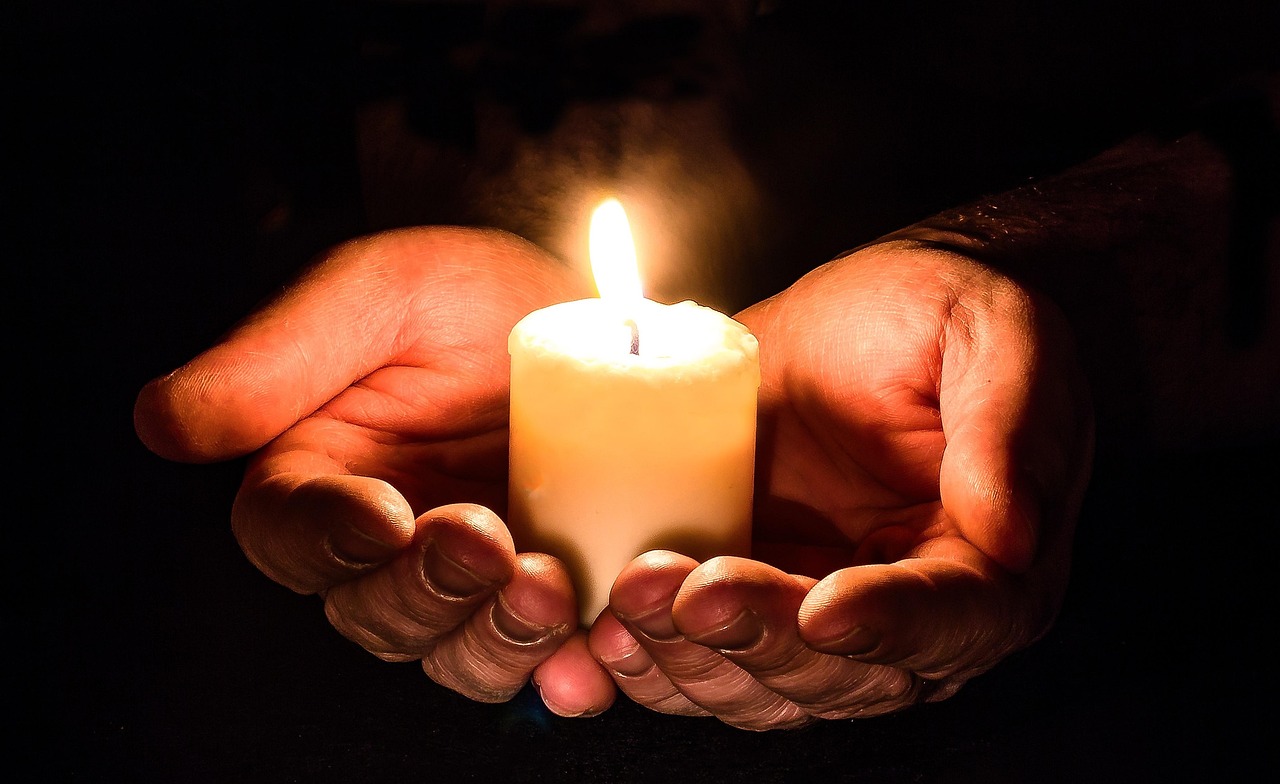
A search for inner peace and meaning through a sense of connectedness with something greater.
How it works:
The deep calm of spiritual contact lowers the biological state of alert and dampens chemical stress signals in the cells.
Why it works:
It creates a stable internal environment where life force can thrive. Since the process is purely mental, there is no risk of interference with oncological medication. [11]
Measures
- Turning to something greater to find comfort and peace. It helps with letting go of worries and feeling supported in difficult times.
- Focus on the connection between science, thoughts, and the significance of consciousness for the body’s defenses.
- Uses meditation to feel a deeper inner silence and a sense of being part of something larger than the illness.
- Exercises that train being present and finding inner silence. This lowers stress levels and gives the body the peace to rebuild itself.
- Meditation exercise
- Specific techniques and walkthroughs on how to meditate in practice. It makes it easy to get started, even if you have never tried it before.
- Meditation exercise
- A simple way to observe thoughts and feelings without letting them take control. It teaches you to handle difficult moments without becoming overwhelmed.
- Accounts from people who have been close to death, which can provide a new perspective on life. It can reduce the fear of the future, death, and the unknown.
- Energy work that restores the balance in the body’s energy field and creates deep relaxation and mental recovery.
- Searching for connection in life beyond the purely physical. It helps in finding peace in a larger order.
- Focusing on the bright spots in everyday life, which changes the body’s chemistry in a positive direction.
- Gratitude – Examples
- Specific suggestions for what one can be grateful for in difficult times. It helps to notice the small and large joys of everyday life.
- Gratitude – Examples
- Use of crystals to influence the body’s energy field. It is often used as a tool to find mental peace, focus, and inner balance. However, there is a lack of documentation regarding its effectiveness.
Physical well-being and movement
What it is:
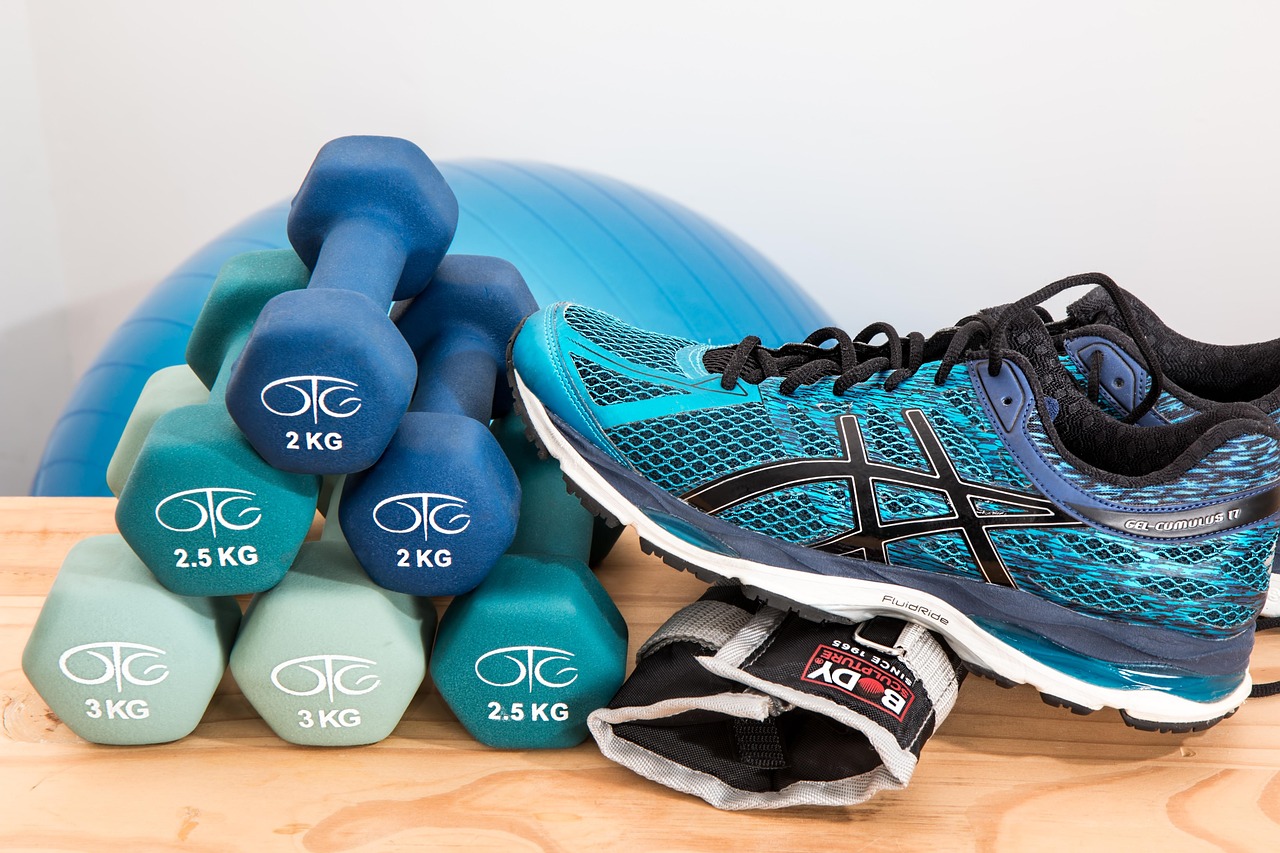
Adapted physical activity, sleep, and physical care that maintain the body’s natural functions.
How it works:
It promotes circulation and supports the lymphatic system’s ability to excrete waste products and medication residues.
Why it works:
It builds the physical resilience necessary to withstand side effects.
Note:
All movement and physical care must be dosed according to daily condition and physical limitations, such as damaged tissue or circulatory problems. [12]
Measures
- Use of thin needles to stimulate specific points on the body to create balance in the nervous system. It can help alleviate side effects such as nausea and fatigue during the process. Special precautions must be taken in cases of lymphedema or an increased risk thereof.
- Movement adapted to your energy level and your current situation. It keeps the body going and strengthens your basic fitness without overloading the system.
- Targeted training that improves the body’s ability to recover and counteract exhaustion.
- Systematic training that strengthens the heart, lungs, and muscles. It improves the body’s ability to recover and provides increased resilience. It is relevant for counteracting the exhaustion that often accompanies illness. Always adapted to the individual’s situation.
- Use of measures such as laughter, movement, sleep, and much more as biological mechanisms to strengthen the body’s defenses. It optimizes quality of life.
- Slow, flowing movements combined with breathing that create calm and flow in the body. It is a gentle way to exercise that most people can participate in.
- Use of heat to help the body relax and loosen up tissues and joints. It provides a break where muscles are relaxed and the mind finds peace through deep heat.
- Note: Check with your healthcare provider to ensure it is okay for your situation.
- The importance of closeness, intimacy, and desire, even when the body is marked by illness. It is about finding new ways to connect and maintain the connection with one’s partner.
- Spending time quietly in forest surroundings and using all senses to experience nature. It demonstrably lowers stress levels and provides a unique sense of mental peace.
- Focus on creating the best conditions for a good and undisturbed night’s rest. This is when the body rebuilds itself and the immune system finds the peace to recharge. It is relevant for having energy for the day and the stamina for treatment.
- Short dips in cold water that give the body a natural energy shock followed by a deep warmth. It boosts mood and provides a feeling of being alive and strong.
- Yoga
- Combination of physical postures, stretches, and breathing that makes the body flexible and the mind calm. It helps with sensing the body in a positive way during a treatment process.
Breathing methods (Buteyko, Wim Hof, Stig Severinsen)
- Conscious use of breathing to oxygenate the cells and create calm in the nervous system here and now.
Sensory stimulation

What it is:
Conscious use of the senses to regulate the nervous system and improve the patient’s condition here and now.
How it works:
Sensory impressions send electrical impulses to the brain’s emotional center, triggering natural neurotransmitters such as oxytocin, which acts as a pain reliever.
Why it works:
It acts as a risk-free antidote to anxiety and pain. Since the influence occurs from the outside, it is a safe path to recovery without medical burden. [13]
Measures
- Use of essential oils to create calm, provide energy, or reduce discomfort and nausea.
- Can alleviate anxiety, fatigue, and pain during cancer treatment. Get exercises and learn about the impact of light on the body and mind. Incl. color overview.
- Creative work that gives the brain a necessary break and allows the practitioner to process the journey without words.
- A targeted use of music together with a therapist to work with the psychological and physical challenges of illness. It can help release pent-up emotions and provide renewed vitality.
- Use of sound vibrations and frequencies to regulate the nervous system and stimulate the cells. It promotes pain relief, tissue repair, and the release of endorphins. The deep state of rest supports the body’s natural regeneration and creates mental balance.
- Nature has healing powers that can provide peace and recharging when spending time outdoors. This is an essential part of holistic well-being.
Social relationships
What it is:
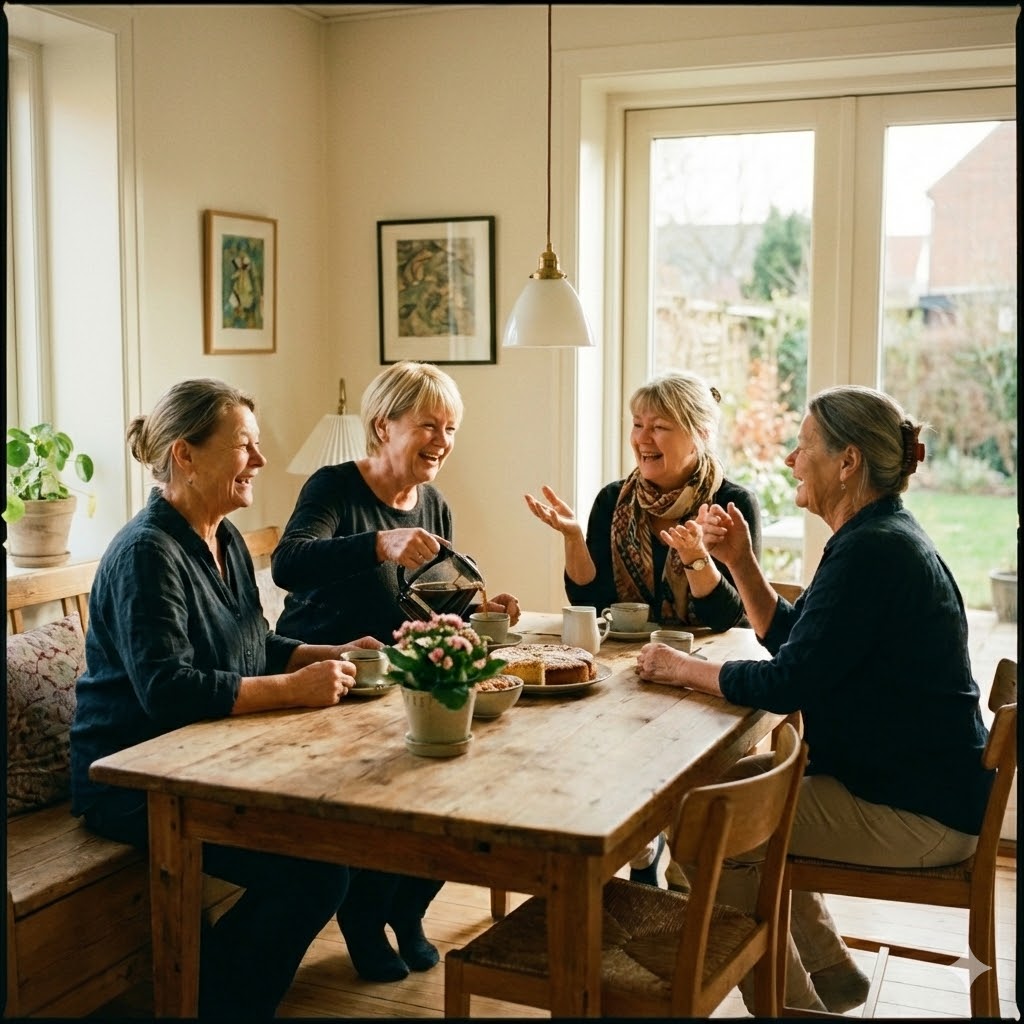
Closeness, support, and spending time with family, friends, and like-minded people.
How it works:
The security and support received trigger protective hormones that dampen the body’s overall stress response.
Why it works:
Scientific research documents that social support is one of the strongest factors for survival because it protects healthy cells and improves your ability to regain strength. [14]
Measures
- Articles about friends and family, including support for young children. It provides security and love, which is the foundation for maintaining hope and the feeling of never being alone.
- Interaction and support from your social circle. It reminds you of your identity outside of the illness and provides important breaks from heavy thoughts.
- The opportunity to find communities and groups where you can share experiences with others in the same situation, which reduces the feeling of isolation.
- An overview of associations that offer knowledge and networks. It is relevant for gaining practical advice and feeling like part of a larger support system. (Several in Danish Language)
- Inspiration for how those around you can support and show care through meaningful actions and gifts during a difficult time.
Environment and surroundings
What it is:
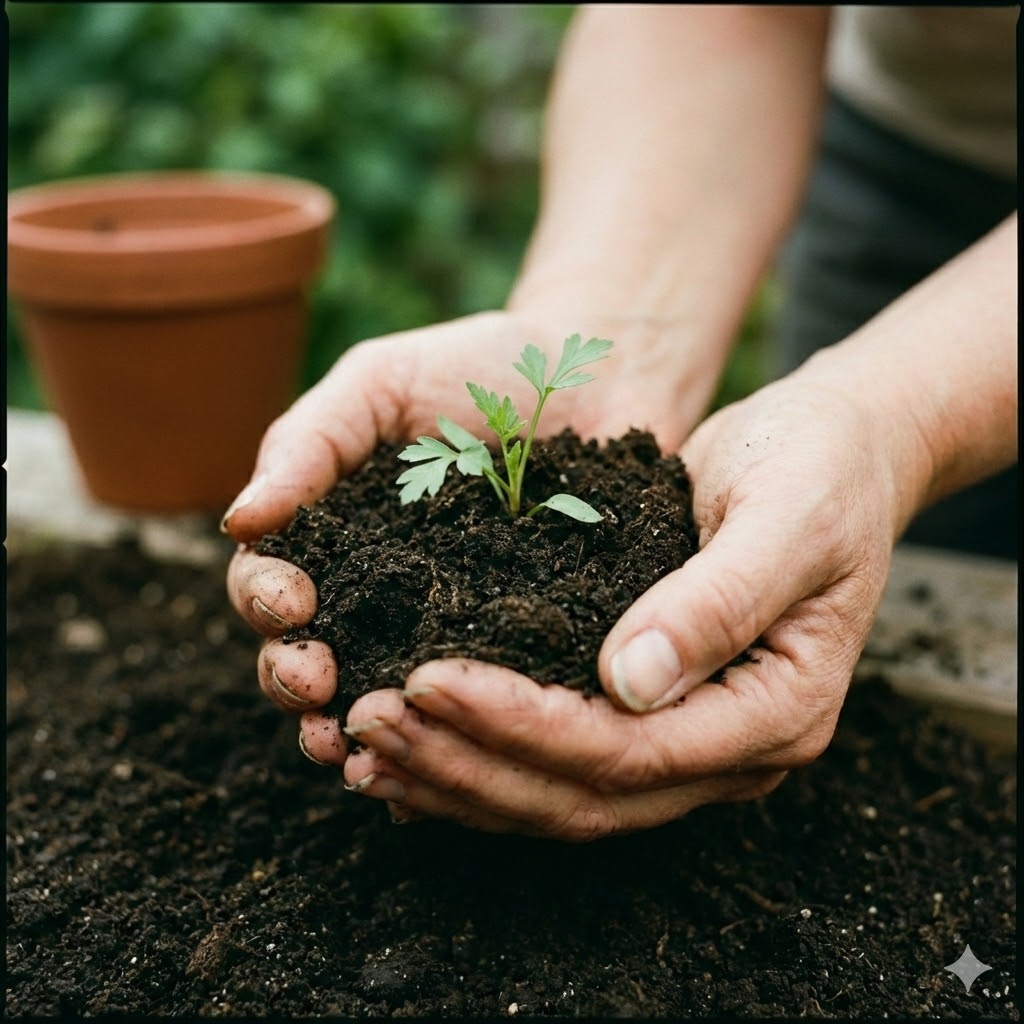
Optimizing your external environment by reducing chemicals, radiation, and pollution in your everyday life.
How it works:
By reducing the total amount of toxins the body has to handle, your immune system is significantly relieved.
Why it works:
When the body does not have to use energy to combat external stressors, more resources are freed up for the healing process itself. It ensures the purest building blocks for your body. [15]
Measures
- A concerted effort to minimize chemicals in meat, cosmetics, cleaning products, and clothing, so your immune system is not unnecessarily burdened by external factors.
Electromagnetic radiation (EMF)
- Awareness of wireless networks and electronics, so the nervous system has better peace to recover, especially at night.
- Avoiding chemicals in plastics and packaging that can interfere with the body’s natural balance.
- Knowledge about avoiding pesticides in everyday life, which is closely linked to choosing organic products to provide your body with the purest building blocks and reduce chemical pressure.
Conclusion
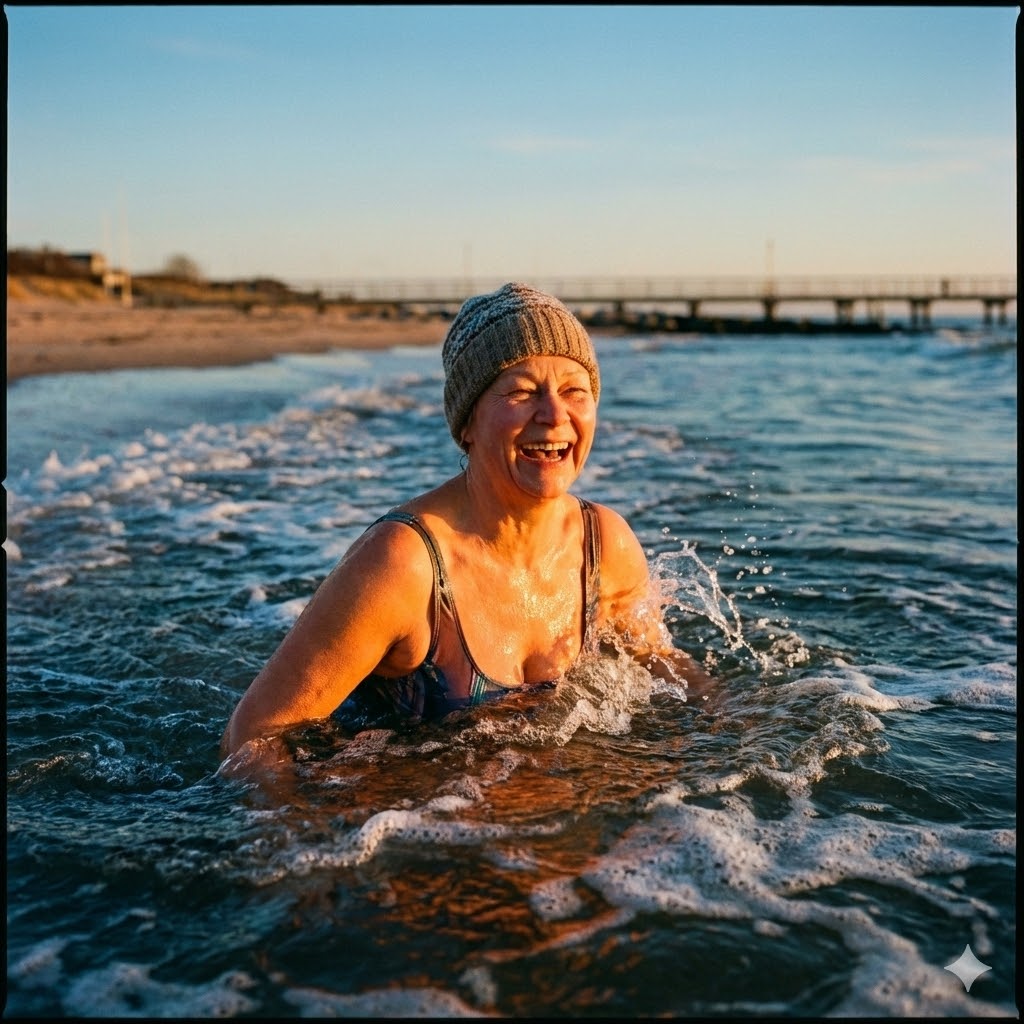
Complementary measures without the use of chemicals do not replace a doctor’s treatment, but instead form a foundation for it. By taking an active role in the process, the patient’s position transforms from a passive recipient to a resourceful co-player in their own healing journey.
This approach ensures a crucial synergy:
Strengthened resilience
- The body is made physically and mentally stronger, optimizing its ability to collaborate with medication and manage the course of treatment.
Clinical security
- Since these measures are free from pharmacological interactions, they can be integrated safely without compromising oncological therapy or burdening the organs.
Improved quality of life
- The focus shifts from the limitations imposed by the disease to the patient’s own agency, creating the best possible conditions for both recovery and mental resilience.
- It is in this intersection between medical expertise and your own efforts that the most robust treatment environment is created. This allows you to strengthen the body from within, never interfering with the vital medication.
Links
[1] Opsigtsvækkende studie: Træning kan matche effekten af moderne kræftmedicin (Sundhedspolitisk Tidsskrift, 2025 (Danish Language))
- Content: Coverage of the CHALLENGE study, which shows that a three-year exercise program for colorectal cancer patients can improve survival rates to the same level as expensive, modern cancer medicine, highlighting the potential of non-medical treatments.
[2] The Effect of Mindfulness-Based Meditation on the Immune System in Cancer Patients (ScienceDirect, 2025)
- Content: A scientific review showing how meditation can regulate immune function and reduce inflammation in cancer patients. The study confirms that mental techniques have a directly measurable effect on the body’s biological defenses.
[3] The Role of Circadian Rhythm Disruption in Cancer Progression (Asian Pacific Organization for Cancer Prevention, 2025)
- Content: A scientific study on how disruption of the body’s internal clock directly affects cancer progression. The study documents that a stable circadian rhythm helps regulate cell metabolism and slows the formation of new blood vessels to tumors.
[4] Anatomy of an Illness as Perceived by the Patient (SuperSummary, 1979/ 2024)
- Content: Review of an article in NEJM (The New England Journal of Medicine). Documents how humor reduced inflammation and led to healing from an incurable illness.
[5] Bog: Nøgler til spontan helbredelse : 9 afgørende faktorer, der kan ændre alt (Anmeldelse på Jeg har Kræft, 2014)
- Content: A Danish review of Kelly Turner’s book and research. It describes the nine common factors that cancer survivors across borders have used to become healthy against all odds.
[6] Effect of the Radical Remission Multimodal Intervention (NIH, PubMed, 2024)
- Content: Study of how Kelly Turner’s findings are applied in practice. It describes the factors that recur among patients with unexpected cancer remission.
[7] Spontaneous/Radical Remission of Cancer (CIIS (California Institute of Integral Studies – Californiens Institut for Integrale Studier), 2014)
- Content: Scientific review of Kelly Turner’s research. It highlights the connection between consciousness, mental shifts, and physical healing.
[8] Hyperbaric oxygen therapy and cancer: A review (PMC / Journal of Personalized Medicine, 2024)
- Content: A scientific review of how HBOT (Hyperbaric Oxygen Therapy) affects the tumor microenvironment. The article documents that oxygen therapy under pressure can optimize tissue condition and reduce damage after radiation without interfering with medical treatment.
[9] Assessment of Integrative Therapeutic Methods for Improving the Quality of Life and Functioning in Cancer Patients (MDPI / Journal of Clinical Medicine, 2024)
- Content: This study examines integrative and energetic methods. The results show a significant improvement in patients’ QoL (Quality of Life) and overall functional ability when mental and energetic techniques are used as support.
[10] The Effect of Mindfulness-Based Meditation on the Immune System in Cancer Patients (ScienceDirect / Explore, 2025)
- Content: A new study on how MBI (Mindfulness-Based Intervention) directly affects the immune system. The research documents that meditation reduces inflammation and strengthens the body’s biological resilience in cancer patients.
[11] The relationship between spiritual well-being and fear of cancer progression (Frontiers in Psychology, 2025)
- Content: The article maps how spiritual well-being acts as a protective factor against the fear of disease progression. The study shows that a sense of meaning and spiritual peace reduces biological stress load.
[12] Exercise and survival benefit in cancer patients: evidence from a comprehensive meta-analysis (PMC / Journal of Clinical Medicine, 2025)
- Content: A comprehensive meta-analysis proving the clear survival benefits of PA (Physical Activity). The study documents that movement strengthens the immune system’s ability to monitor and fight diseased cells.
[13] The Efficacy of Music Intervention in Patients with Cancer Receiving Radiation Therapy (PMC / Journal of Clinical Medicine, 2025)
- Content: This research demonstrates the effect of auditory stimulation. The results document that music interventions markedly reduce both anxiety and fatigue during radiation therapy by calming the autonomic nervous system.
[14] Social support and quality of life among oncology patients (Oncology in Clinical Practice, 2025)
- Content: The article examines the significance of social support for patient prognosis. The study concludes that strong social bonds reduce inflammation and correlate with improved quality of life (QoL) and the ability to complete treatment.
[15] Air pollution and its impact on cancer incidence, cancer care and cancer outcomes (PubMed / Environmental Research, 2025)
- Content: A scientific review of how environmental factors influence the healing process. The article provides concrete evidence that reducing air pollution and chemical exposure in daily life directly supports the body’s repair mechanisms.
Created on:
d. 25.01.26
❤
What you read on Jeg har Kræfter is not a recommendation. Always consult a qualified professional.
