


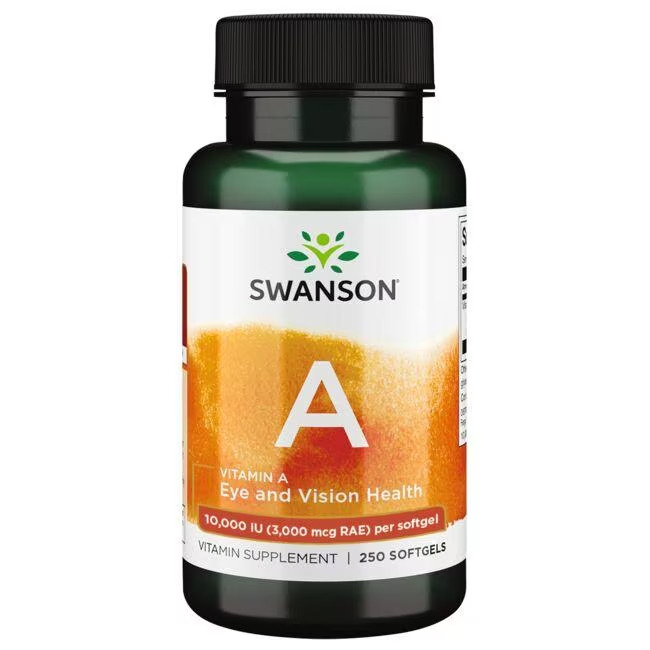
Vitamin A and cancer
Summary of vitamin A
Effect:
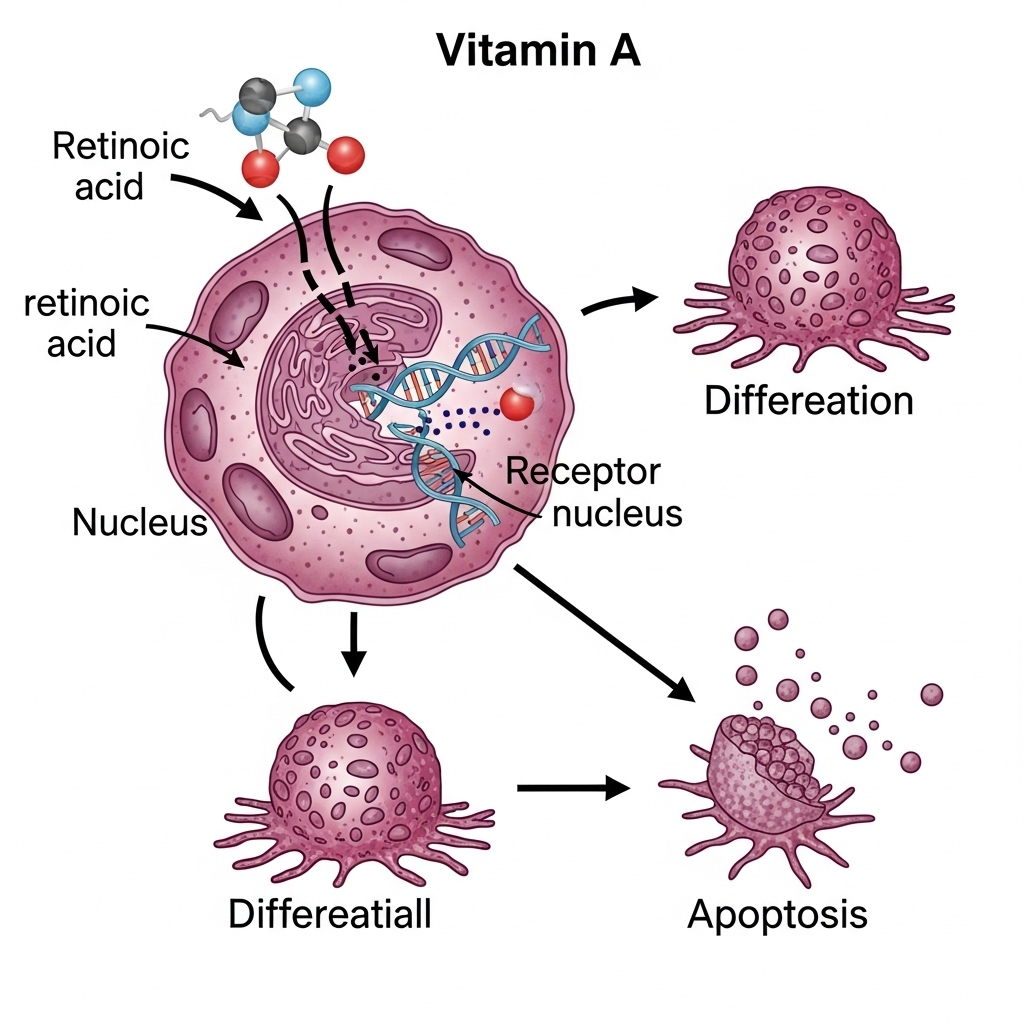
Vitamin A is a fat-soluble vitamin that, in its active form, functions as a kind of contact that controls which genes in the body’s cells should be turned on or off. This can force immature cancer cells to develop into normal cells, inhibit their growth, and initiate programmed cell death (a kind of self-destruction).
Potential in cancer:
It has proven extremely effective in the treatment of certain rare forms of blood and nerve cancer, where it can be a crucial part of the treatment. Additionally, vitamin A generally supports the immune system’s ability to combat cancer and can help maintain tissue damaged by chemo- or radiation therapy.
Main limitation:
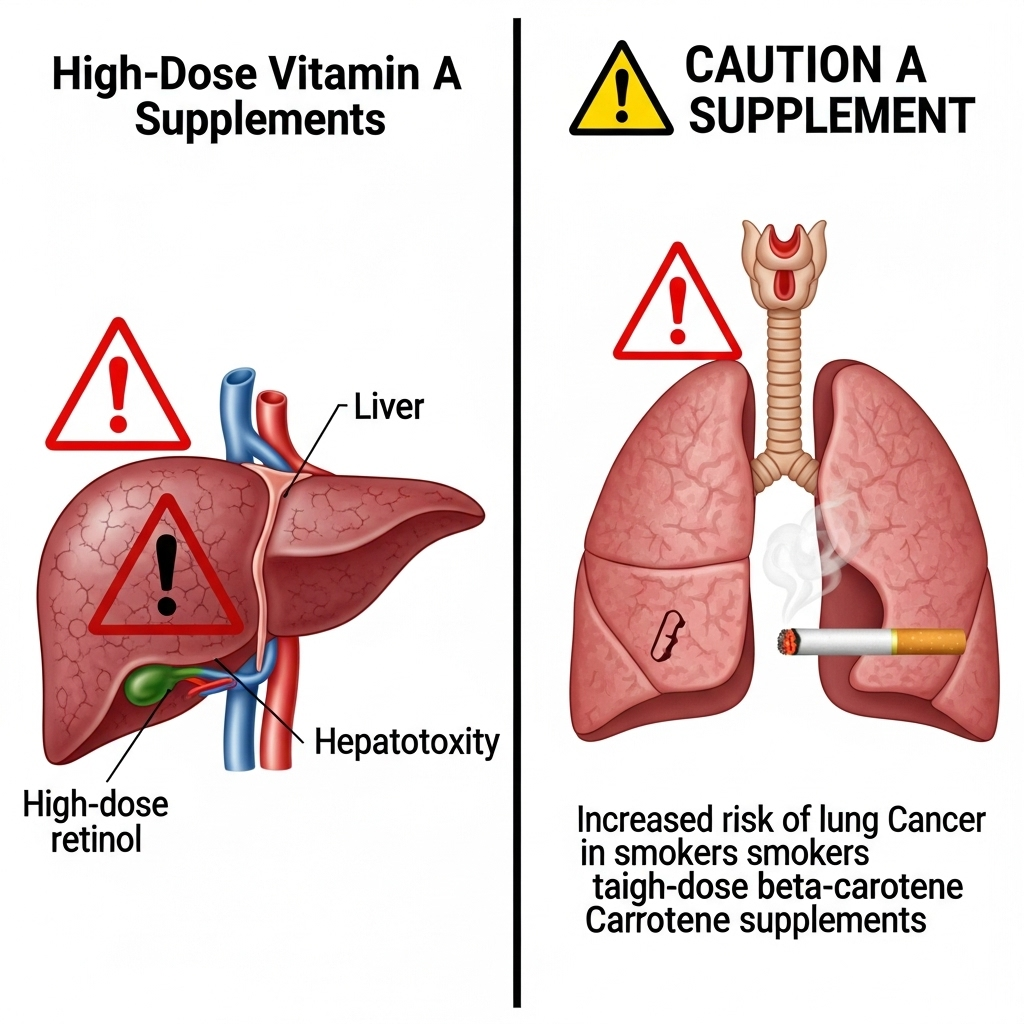
High doses of the type of vitamin A that typically comes from animals (such as in cod liver oil) can be directly toxic to the liver. At the same time, supplements with beta-carotene (the precursor to vitamin A from, e.g., carrots) have unexpectedly been shown to increase the risk of lung cancer in smokers.
Summary:
Vitamin A is important for health and has promising potential in cancer, but it should be used with great caution. The safest way to get the vitamin is through a varied diet. Strong dietary supplements should only be taken in consultation with a professional healthcare provider, as there is both a risk of poisoning and serious side effects.
What is vitamin A

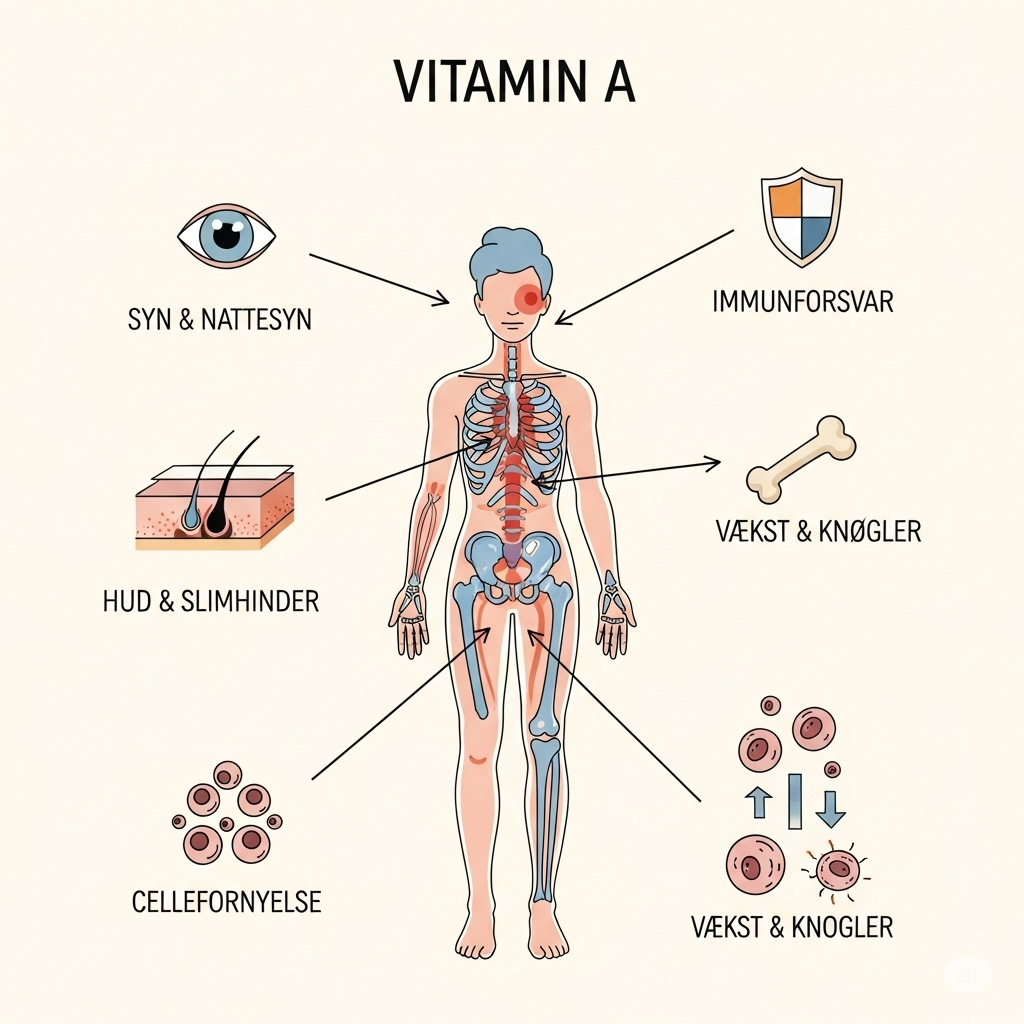
Vitamin A is a group of fat-soluble organic compounds that are essential for human health. It plays a crucial role in a wide range of bodily functions, including vision, immune system, reproduction, and cellular communication. Vitamin A is found in two primary forms in the diet:
- Retinoids (vitamin A): This preformed form is found in animal products such as liver, fish oil, eggs, and dairy products. The body can use retinoids directly. The most common forms are retinol, retinal, and retinoic acid.
- Carotenoids (provitamin A): These are plant pigments that the body can convert into vitamin A. The most well-known is beta-carotene, which is found in colorful fruits and vegetables such as carrots, sweet potatoes, spinach, and kale.
In the context of complementary treatment for cancer, it is especially the retinoids and their impact on cell growth and differentiation (maturation) that are of interest. These substances have been shown to have the potential to influence cancer cell behavior at a fundamental level. However, they can also be problematic to use.
History
The discovery of vitamin A spans several centuries. As early as ancient Egypt, it was observed that consumption of liver could cure night blindness, a classic symptom of vitamin A deficiency. However, it was not known which specific substance in the liver had this effect.
The scientific discovery took place at the beginning of the 20th century. In 1913, researchers at several universities, independently of each other, discovered a “fat-soluble factor” in butter fat and egg yolk that was necessary for growth in rats. Since the water-soluble “B vitamin” (thiamine) had already been discovered, this new factor was named “A.”
Later, in the 1930s, the chemical structure of retinol and beta-carotene was identified, and the connection between carotenoids in plants and active vitamin A in animals was understood. This knowledge paved the way for research into the vitamin’s many biological functions, including its potential role in regulating cell growth and preventing diseases such as cancer.
Mechanisms of action
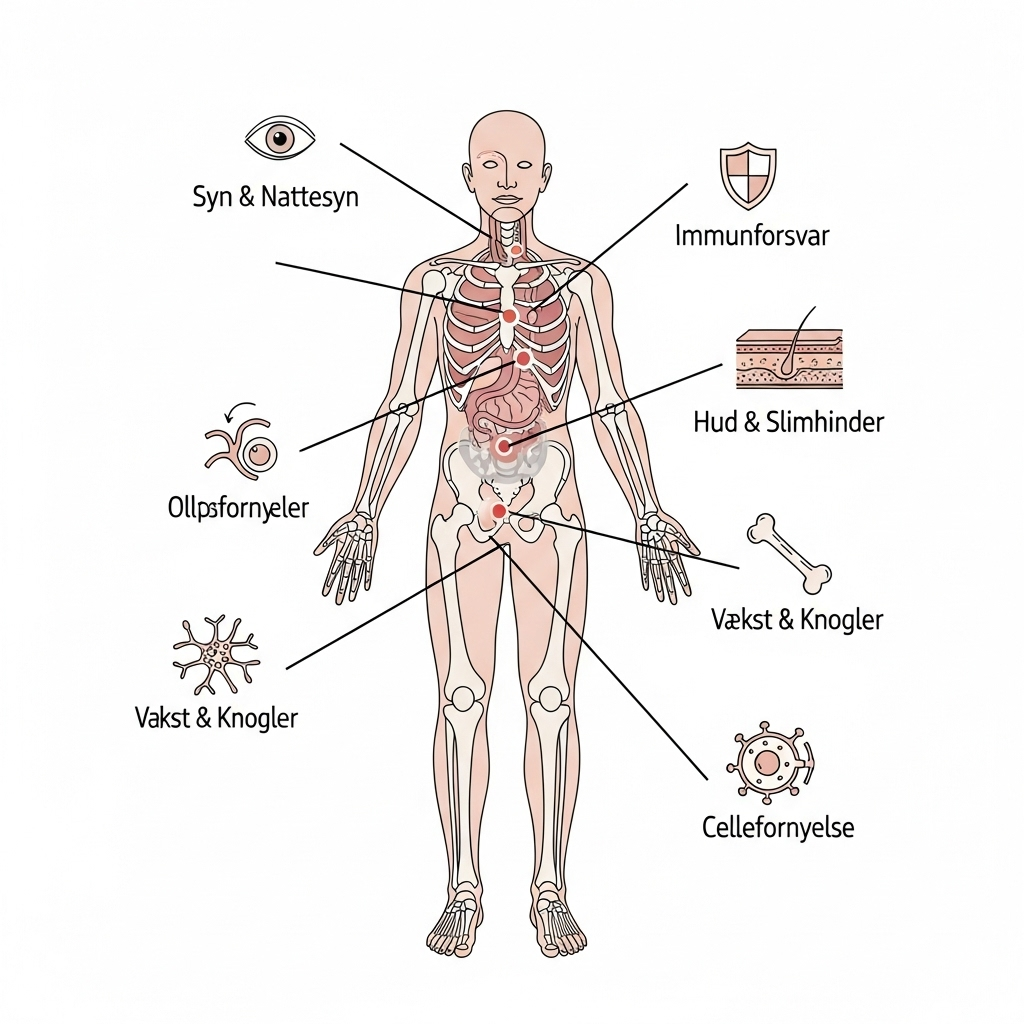
Vitamin A’s influence on the body’s cells is complex and multifaceted, especially when it comes to cancer. The effect occurs primarily through its active form, retinoic acid, which functions as a signaling molecule that can regulate the expression of over 500 different genes.
This regulation is central to the vitamin’s potential in cancer treatment.
Gene regulation via nuclear receptors
Retinoic acid exerts its effect by binding to specific proteins inside the cell nucleus, known as retinoic acid receptors (RAR) and retinoid X receptors (RXR). When retinoic acid binds to these receptors, they form a complex that can attach to specific areas of the cell’s DNA, called “Retinoic Acid Response Elements” (RAREs).
This binding functions as an on/off switch for the associated genes. Depending on the gene, activation can either promote or inhibit the production of certain proteins. This mechanism is crucial for controlling the cell’s life cycle.
Promotion of cell differentiation
One of the most notable effects of retinoic acid is its ability to promote cell differentiation. Cancer cells are often characterized by being “undifferentiated” or “immature.” They have lost their specialized function and instead divide uncontrollably.
Retinoic acid can force certain types of cancer cells to mature and develop into normal, specialized cells. By activating genes responsible for differentiation, retinoic acid can, so to speak, “normalize” the cancer cell, stop its wild growth, and restore its original function. A classic example is the treatment of acute promyelocytic leukemia, where high doses of a specific form of retinoic acid (all-trans retinoic acid, ATRA) can cause the immature leukemia cells to mature into normal white blood cells.
Inhibition of cell growth (proliferation)
In addition to promoting maturation, vitamin A can also directly inhibit cancer cells’ ability to proliferate. This happens by affecting several signaling pathways that control the cell cycle. Retinoic acid can, among other things:
- Stop the cell cycle: Vitamin A can activate proteins such as p21 and p27, which function as “brakes” in the cell cycle and prevent the cell from progressing to the division phase.
- Reduce growth factor signals: Cancer cells are often dependent on growth factors to be able to divide. Retinoic acid can dampen the cells’ response to these signals.
Induction of apoptosis (programmed cell death)
Apoptosis is the body’s natural way of getting rid of old, damaged, or unnecessary cells – a process that cancer cells often have learned to avoid. Vitamin A and its derivatives can reactivate this self-destruction mechanism in cancer cells. This can happen by:
- Activating “death genes”: Retinoic acid can upregulate genes that produce pro-apoptotic proteins (proteins that promote cell death), such as the Bax protein.
- Creating oxidative stress: In some studies, retinol has been shown to be able to induce apoptosis by creating mild oxidative stress inside the cancer cell, which activates signaling pathways leading to cell death, especially via the mitochondria (the cell’s power plants).
Strengthening of the immune system
A well-functioning immune system is crucial for combating cancer. Vitamin A is essential for both the innate and adaptive immune systems. It contributes to:
- Maintenance of barriers: Vitamin A is necessary for maintaining the integrity of the mucous membranes in the respiratory tract, digestive tract, and urinary tract, which are the body’s first line of defense against pathogens.
- Function of immune cells: It is crucial for the development and function of T cells, B cells, and natural killer cells (NK cells), all of which play a role in recognizing and destroying cancer cells.
Potential in cancer
Research on vitamin A and its derivatives (retinoids) has revealed significant potential as complementary treatment for a range of cancers.
The potential lies primarily in its ability to regulate cell growth and maturation, which targets some of the fundamental mechanisms behind cancer development.
Neuroblastoma
In children with high-risk neuroblastoma, an aggressive cancer form in the nervous system, treatment with retinoids has become a standard part of follow-up treatment.
After high-dose chemotherapy and stem cell transplantation, a retinoid called isotretinoin (13-cis-retinoic acid) is given for several months. Clinical studies have shown that this maintenance treatment significantly reduces the risk of the disease returning. The effect is believed to be due to isotretinoin forcing any remaining cancer cells to mature and stop dividing.
Link: Retinoids and immunotherapy (Canadian Cancer Society, 2020)
Skin cancer
Topical retinoids (creams and gels) are used in the treatment of certain precursors to skin cancer, such as actinic keratoses. They work by normalizing the growth and development of skin cells. There is also research into the use of oral retinoids to prevent new cases of skin cancer, especially squamous cell carcinoma, in people in high-risk groups, e.g., organ transplant patients, who have a greatly increased risk.
Breast and prostate cancer
Laboratory studies (in vitro) have shown that retinoids can inhibit the growth of both breast and prostate cancer cells. The mechanisms include inducing cell differentiation and apoptosis as well as blocking hormone receptor signaling pathways that these cancers often depend on. Although results from human studies have been mixed, some data suggest that an adequate vitamin A level may be associated with a better prognosis.
There is intensive research into developing synthetic retinoids (rexinoids) that can more specifically target cancer cells with fewer side effects.
Lung cancer
The relationship between vitamin A and lung cancer is complex.
While large population studies have shown that a high intake of carotenoids from fruits and vegetables is associated with a lower risk of lung cancer, large clinical trials with high-dose beta-carotene supplements have shown an unexpected increase in lung cancer in smokers.
This underscores that the source (diet vs. high-dose supplements) and the form of the vitamin are crucial. Research now focuses on other retinoids and their potential to reverse precursors to cancer in the respiratory tract in former smokers.
Prevention and recurrence
In addition to direct treatment, there is interest in vitamin A’s role in preventing cancer and reducing the risk of recurrence. By ensuring an optimal vitamin A level through the diet, the immune system’s ability to monitor and eliminate abnormal cells before they develop into cancer is supported. A healthy vitamin A level is crucial for maintaining the body’s mucosal barriers, which can protect against carcinogens.
Purported Benefits, Side Effects & More (Memorial Sloan Kettering Cancer Center, 2023)
Benefits of vitamin A
In addition to the direct mechanisms of action and potential against specific cancers, vitamin A as a complementary treatment offers a number of broader benefits for general health during a cancer course.
Support for normal tissue healing and maintenance
Cancer treatments such as chemotherapy and radiation therapy are hard on the body’s healthy, rapidly dividing cells, especially in the mucous membranes of the mouth, throat, and gastrointestinal tract. This often leads to side effects such as mucositis (painful inflammation and sores in the mucous membranes). Vitamin A is essential for the maintenance and repair of epithelial tissue (surface tissue), and an adequate level can potentially support the healing process and reduce the severity of these side effects.
Antioxidant effect from carotenoids
Certain carotenoids, such as beta-carotene, lycopene, and lutein, function as antioxidants. They can neutralize free radicals – unstable molecules that can damage cell structures such as DNA and contribute to cancer development and aging.
By protecting cells from oxidative stress, a high intake of carotenoids from the diet can contribute to creating a less hospitable environment for cancer cells.
However, it is important to note that this benefit is primarily associated with carotenoids from foods rather than high-dose dietary supplements.
Improved night vision
A known but often overlooked benefit is vitamin A’s crucial role in vision, especially the ability to see in low light (night vision). Some cancer treatments can affect the overall nutritional status, and even a mild deficiency in vitamin A can impair night vision. Ensuring adequate intake can improve quality of life by maintaining normal visual function.
Disadvantages and limitations
Although vitamin A has significant potential, there are also important disadvantages and limitations to be aware of, especially when used in high doses as a complementary treatment.
Risk of toxicity (hypervitaminosis A)
Since vitamin A is fat-soluble, excess is not easily excreted via urine like water-soluble vitamins. Instead, it is stored in the liver and fatty tissue.
Long-term intake of high doses of preformed vitamin A (retinol) from dietary supplements can lead to a poisoning condition called hypervitaminosis A.
- Acute toxicity: Can occur with the ingestion of a very large single dose and cause symptoms such as nausea, vomiting, dizziness, and blurred vision.
- Chronic toxicity: Develops over time with a persistently too high intake and can cause serious symptoms such as liver damage, bone pain, hair loss, dry skin, and increased pressure in the skull.
This risk does not apply to carotenoids from plants. The body converts only the amount of beta-carotene into vitamin A that it needs. A very high intake of carotenoids can, however, lead to carotenemia, a harmless condition where the skin becomes orange-yellowish.
The paradoxical effect of beta-carotene supplements
The most well-known limitations come from two large, respected clinical studies (ATBC study and CARET study) from the 1990s. These studies examined the effect of high-dose beta-carotene supplements (20-30 mg/day) as cancer prevention in smokers and asbestos workers.
The results were shocking: Instead of protecting, the supplements increased the risk of lung cancer and overall mortality in these high-risk groups. The precise mechanism is not fully clarified, but one theory is that under the oxidative stress conditions that smoking creates in the lungs, high concentrations of beta-carotene may act pro-oxidatively (harmfully) rather than antioxidatively (protectively).
This is a crucial example that an isolated nutrient in high doses does not necessarily have the same beneficial effect as the nutrient in its natural context in foods.
Role of Beta-Carotene in Lung Cancer Primary Chemoprevention: A Systematic Review with Meta-Analysis and Meta-Regression (MDPI, 2022) Content: A large review shows that beta-carotene supplements do not protect against lung cancer and may actually increase the risk, especially in smokers and asbestos workers. Therefore, it is not recommended to use beta-carotene for the prevention of lung cancer.
Interactions with treatments
High doses of antioxidants, including vitamin A and carotenoids, can potentially interfere with the effect of certain types of chemotherapy and radiation therapy. Part of the goal of these conventional treatments is precisely to create oxidative stress in cancer cells to kill them. If one takes high doses of antioxidants, one can theoretically counteract this effect and protect cancer cells. Therefore, it is crucial to discuss the use of all dietary supplements, including vitamin A, with one’s healthcare provider.
Hoved- og halsområdet, strålebehandling i (Kræftbehandling, klinik 1) (Herlev Hospital) Content: General information about radiation therapy for head and neck cancer. (Danish Language)
Clinical studies

Research on vitamin A and cancer spans broadly, from observational population studies to randomized, controlled trials with specific retinoids. The results have been mixed and underscore the complexity of the interaction.
ATRA (all-trans retinoic acid)
As mentioned, the most unambiguously positive result is seen in the treatment of acute promyelocytic leukemia (APL).
The introduction of ATRA (all-trans retinoic acid) has transformed the prognosis for this disease from almost always being fatal to having cure rates of over 90%. ATRA works by promoting the differentiation of malignant promyelocytes.
Similarly, studies with isotretinoin in maintenance treatment of high-risk neuroblastoma in children have shown a significant improvement in survival without recurrence. These successes show that when the right retinoid is used against the right cancer type, the effect can be significant.
Disappointing results in prevention
The large prevention studies with beta-carotene have delivered the most disappointing results.
- Alpha-Tocopherol, Beta-Carotene Cancer Prevention (ATBC) Study: Followed over 29,000 male smokers in Finland.
The group that received beta-carotene had an 18% higher incidence of lung cancer. - Beta-Carotene and Retinol Efficacy Trial (CARET): Involved over 18,000 people who were either smokers, former smokers, or asbestos workers.
The trial was stopped early when a 28% higher incidence of lung cancer and a 17% higher mortality were found in the group that received beta-carotene and retinol.
These studies are a powerful reminder that results from laboratory and observational studies cannot always be directly transferred to clinical practice, and that “more is not necessarily better.”
Ongoing research
Current research is more nuanced. The focus is on:
- Synthetic retinoids (rexinoids): New molecules are being developed that are more selective in their binding to receptors (RXR and RAR) to achieve a more targeted effect with fewer side effects.
- Combination treatments: Studies are investigating whether retinoids can improve the effect of other treatments, such as chemotherapy, immunotherapy, or hormone therapy.
- Identification of biomarkers: Researchers are trying to identify which individuals and cancer tumors will benefit most from retinoid treatment, e.g., by measuring the level of retinoic acid receptors in the tumor.
Safety
The safety of using vitamin A depends entirely on the form and dosage.
- Vitamin A from the diet: Intake of vitamin A through a varied diet rich in both retinoids (from animal sources) and carotenoids (from fruits and vegetables) is considered safe and healthy. The risk of overdosing through diet alone is minimal, with the exception of a very high intake of liver from certain animals such as polar bears or seals.
- Dietary supplements with preformed vitamin A (retinol): Here there is a real risk of toxicity at high doses. The Nordic nutrition recommendations indicate an upper safe limit for daily intake for adults of 3,000 micrograms (µg) retinol equivalents, which corresponds to 10,000 International Units (IU).
Intake above this amount over a longer period increases the risk of chronic poisoning. - Dietary supplements with beta-carotene: These are generally considered safe, as the body regulates the conversion to vitamin A. However, high-dose beta-carotene supplements (typically over 15-20 mg/day) are discouraged for smokers and former smokers due to the proven increased risk of lung cancer.
Special precautions
Pregnant women should be especially cautious with high doses of preformed vitamin A, as it can cause birth defects. It is recommended to avoid liver and cod liver oil as well as high-dose vitamin A supplements during pregnancy.
People with liver disease or impaired kidney function should also avoid high doses of vitamin A, as their ability to metabolize and excrete the vitamin may be reduced.
Dispensing and use

The use of vitamin A as a complementary treatment should always be done in consultation with a qualified healthcare provider and tailored to the individual’s situation, cancer type, and other treatments.
- Diet-based approach: The safest and most recommended approach for most people is to focus on a rich intake of vitamin A through the diet.
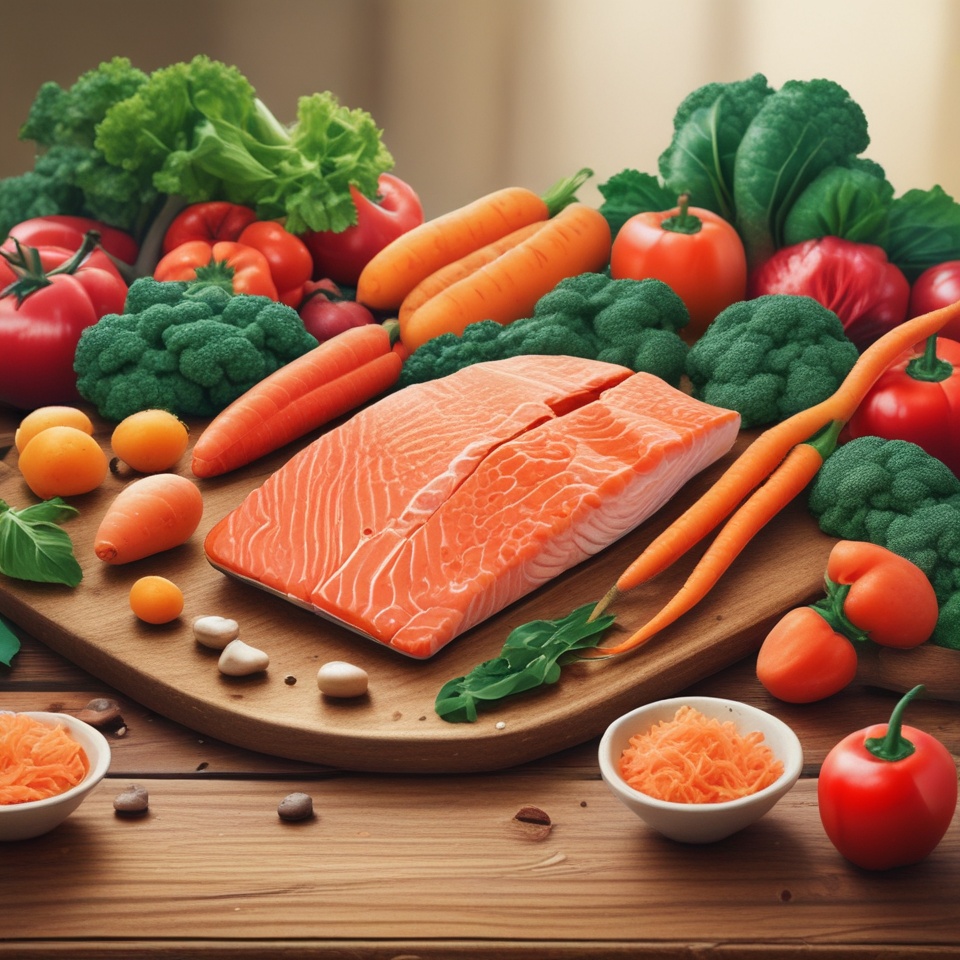
- Good sources of carotenoids: Carrots, sweet potatoes, pumpkin, spinach, kale, bell peppers, apricots, mango.
- Good sources of retinoids: Liver (in moderate amounts), fatty fish, eggs, dairy products fortified with vitamin A.
- Additional: See the table below.
- Standard multivitamin supplements: A regular multivitamin pill typically contains a safe amount of vitamin A (often around 800 µg), which can be a suitable supplement if the diet is inadequate.
- High-dose supplements: Use of high-dose supplements with preformed vitamin A (retinol) or beta-carotene as part of a targeted treatment strategy should exclusively be done under the guidance of an experienced healthcare provider.
Dosage will depend entirely on the specific clinical situation, e.g., in maintenance treatment of neuroblastoma. - Topical use: Creams and gels with retinoids (e.g., tretinoin) for the treatment of skin problems or precursors to cancer are prescription-only and should be used exactly as prescribed to avoid skin irritation.
Overview of foods rich in vitamin A

Here is a list of some of the foods with the absolute highest content of vitamin A.
The content of vitamin A is, as mentioned above, measured in micrograms (µg) (not grams), as it is a micronutrient that we only need in very small amounts. To provide the most accurate picture, the unit RAE (Retinol Activity Equivalents) is used.
This unit takes into account that vitamin A from animal sources (retinol) is absorbed more effectively by the body than vitamin A from vegetable sources (carotenoids).
Note
Recommended daily intake for adults is typically around 700-900 µg. The 800 µg in a multivitamin pill is a good benchmark.
The upper safe limit, which should absolutely not be exceeded over a longer period, is 3,000 µg.
| Food | Form of vitamin A | Content per 100 grams (approx.) measured in RAE |
|---|---|---|
| Animal sources (Retinol) | ||
| Cod liver oil | Retinol | 30,000 µg |
| Beef liver | Retinol | 9,442 µg |
| Lamb liver | Retinol | 7,491 µg |
| Liver pâté | Retinol | 1,200 – 5,000 µg |
| Smoked eel | Retinol | 1,090 µg |
| Butter | Retinol | 800 µg |
| Egg yolk | Retinol | 318 µg |
| Aged cheeses (e.g., cheddar) | Retinol | 265 µg |
| Vegetable sources (Carotenoids) | ||
| Carrot | Beta-carotene | 835 µg |
| Sweet potato | Beta-carotene | 709 µg |
| Kale | Beta-carotene | 681 µg |
| Spinach | Beta-carotene | 469 µg |
| Butternut squash | Beta-carotene | 457 µg |
| Red bell pepper | Beta-carotene | 157 µg |
| Dried apricot | Beta-carotene | 128 µg |
Conclusion
Vitamin A is a double-edged sword in cancer treatment. On one hand, its active forms, retinoids, possess powerful and well-documented abilities to regulate cell growth, promote maturation of cancer cells, and strengthen the immune system. These mechanisms have led to breakthroughs in the treatment of specific cancers such as acute promyelocytic leukemia and neuroblastoma, where retinoids are an integrated and life-saving part of the treatment.
On the other hand, research has clearly shown that unconsidered use of high-dose dietary supplements, especially beta-carotene in smokers, can have a directly harmful and cancer-promoting effect.
The overall conclusion is that the safest and most beneficial approach for most people is to ensure a plentiful intake of vitamin A through a varied and colorful diet. This provides a broad spectrum of both retinoids and carotenoids in their natural form, which supports the body’s general health and immune system.
The use of high-dose vitamin A as a targeted therapeutic agent is a specialist task that requires deep insight and careful monitoring by a qualified healthcare provider to utilize the potential and avoid the serious risks.
Back to Supplements
Links
[1] All-trans retinoic acid beyond acute promyelocytic leukemia (PubMed, 2025)
- Content: Vitamin A, in the form of all-trans retinoic acid (ATRA), is known for regulating blood formation and is central in the treatment of acute promyelocytic leukemia (APL). According to Mosialou et al., ATRA can also affect osteoblasts in the bone marrow, which opens possibilities for using vitamin A in the treatment of other cancers.
[2] Association between dietary vitamin intake and all-cause mortality in ovarian cancer patients: a prospective cohort study (PubMed, 2025)
- Content: This study of 108 ovarian cancer patients showed that a high intake of vitamin A was associated with increased mortality, while vitamins B1 and B2 could improve survival. Vitamin C’s effect was complex and dependent on intake level. The results suggest that high intake of vitamin A may increase the risk of mortality in cancer, while B vitamins may have a protective effect. This points to the potential for personalized dietary interventions in cancer treatment.
[3] New Fluorescent Synthetic Retinoids as Potential RAR Agonists with Anticancer, Molecular Docking and ADME Assessments (PubMed, 2025)
- Content: New fluorescent retinoid analogs, which are derivatives of vitamin A, were shown to have both anti-cancer and fluorescent properties. They inhibited cancer cell growth, caused cell cycle arrest, apoptosis, and anti-inflammatory effects via retinoic acid receptors (RARs). These compounds can be used for cellular imaging and as potential cancer treatments.
[4] All-Trans Retinoic Acid Induces Differentiation and Downregulates Stemness Markers and MGMT Expression in Glioblastoma Stem Cells (PubMed, 2025)
- Content: This study showed that five days of treatment with all-trans retinoic acid (ATRA) (vitamin A) reduced the expression of stem cell markers (SOX2, Nestin) and MGMT gene in two GBM cancer lines. ATRA degraded both mRNA and protein levels, supporting that differentiation with vitamin A derivative ATRA can reduce cancer stem cells and resistance to temozolomide. The results provide a molecular rationale for testing ATRA in combination treatments against glioblastoma.
[5] Associations between vitamins intake and risk of cancer in United States adults: 2003 to 2016 national health and nutrition examination survey (PubMed, 2025)
- Content: This study based on NHANES data found that higher intake of niacin is associated with a lower risk of developing cancer, while increased intake of vitamin A is associated with an increased risk of cancer. Folic acid at a certain interval (267-367 mcg) also showed a positive association with cancer. Vitamins such as E, B1, B2, B6, B12, C, K and carotenoids were not associated with cancer risk. Further studies are needed to confirm these results.
[6] Retinoic acid enhances γδ T cell cytotoxicity in nasopharyngeal carcinoma by reversing immune exhaustion (PubMed, 2025)
- Content: Research shows that vitamin A can help the immune system in the fight against certain cancers. It works by reviving exhausted immune cells so they can better combat the cancer. Therefore, vitamin A supplements can strengthen immunotherapies and improve cancer treatment.
[7] All-Trans Retinoic Acid Sensitizes Epithelial Ovarian Cancer to PARP Inhibition after Exposure to Cisplatin (PubMed, 2025)
- Content: Research shows that the vitamin A derivative ATRA can help prevent ovarian cancer from becoming resistant to certain treatments. Combined with other cancer agents, ATRA can improve treatment and increase survival.
[8] The therapeutic potential of vitamins A, C, and D in pancreatic cancer (PubMed, 2024)
- Content: Vitamins A, C, and D can help in the treatment of pancreatic cancer by killing cancer cells and making tumor tissue more susceptible to treatment. Research shows promising results, but more clinical studies are needed to improve treatment.
[9] Vitamin A and its influence on tumour extracellular matrix (PubMed, 2025)
- Content: Vitamin A is important for eye and cell function, and its derivatives can affect cancer by changing how tumors grow, spread, and invade tissue. They can also regulate the structure outside the cells, called ECM, which affects cancer development. Although laboratory research is promising, it has not yet become clinical treatment. Future research should focus on using vitamin A to improve cancer treatments and patient outcomes.
[10] Retinoids and immunotherapy (Canadian Cancer Society, 2020)
- Content: Retinoids, such as isotretinoin, help cancer cells mature into normal cells, while immunotherapy stimulates the body’s own defense to combat neuroblastoma. These treatments are used especially after chemotherapy to reduce the risk of recurrence.
[11] Role of Beta-Carotene in Lung Cancer Primary Chemoprevention: A Systematic Review with Meta-Analysis and Meta-Regression (MDPI, 2022)
- Content: A large review shows that beta-carotene supplements do not protect against lung cancer and may actually increase the risk, especially in smokers and asbestos workers. Therefore, it is not recommended to use beta-carotene for the prevention of lung cancer.
Page created: July 7, 2025
❤
What you read on “Jeg har Kræft” is not a recommendation. Seek competent guidance.
