



Traditional Chinese Medicine (TCM) for Cancer
Summary of TCM
Basic principles:
- Traditional Chinese Medicine (TCM) is a health system over 2,000 years old that views the body and mind as a whole. The goal is to create balance in the body’s life energy, called Qi. Disease, including cancer, is seen as a fundamental imbalance in this energy.
Treatment methods:
- The system uses methods such as acupuncture, Tui Na massage, Qigong, dietary principles, and Chinese herbal medicine to restore balance. The treatment is always individually tailored after a diagnosis that includes, among other things, pulse and tongue analysis.
Use in a cancer process:
- TCM can be used both as a supplement to strengthen the body and alleviate side effects during conventional treatment, and as a primary supportive path to improve quality of life when other paths are limited or closed.
It is crucial to seek guidance from a qualified TCM practitioner to ensure a safe and correct treatment.
What is TCM
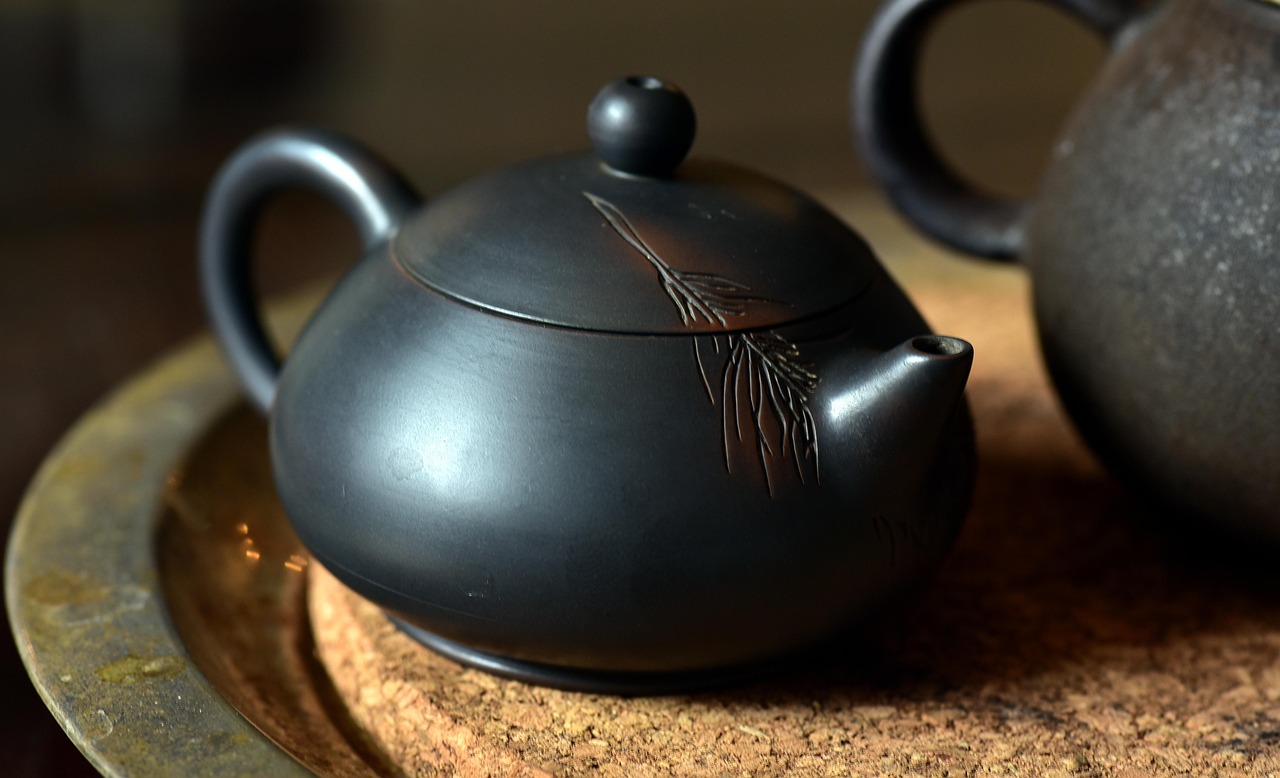
Traditional Chinese Medicine—often abbreviated as TCM after the English name Traditional Chinese Medicine—is a holistic health system whose Chinese roots stretch back several thousand years. Unlike Western medicine, which often isolates and treats a specific disease in an organ, TCM is based on an understanding of the human being as an integrated whole. Here, body, thoughts, and emotions are inseparably connected, and health is defined as a state of harmony and balance.
Disease arises when this inner balance is disrupted. The purpose of treatment is therefore to identify and correct the underlying imbalance, rather than exclusively removing the symptoms.
See also Integrative Oncology
Historical background
The roots of TCM stretch back thousands of years, but the theoretical foundation was laid with the work Huangdi Neijing (The Yellow Emperor’s Inner Classic) around 200 BCE.
This foundational text introduced the central theories of Qi (life energy) and the Yin/Yang balance, which still constitute the core of the system.
Over the following centuries, the system was refined by great masters, and in the 20th century, the many traditions were systematized under the collective name TCM in China. After sparking interest in the West in the 1970s, TCM is today a recognized and widespread complementary treatment method worldwide.
Core concepts in TCM

To understand TCM’s approach, it is necessary to know the system’s fundamental concepts:
- Qi – the life energy: The most central concept is Qi (pronounced “chi”), which can best be translated as “life energy” or “vital force.”
According to TCM, Qi flows through the body in a network of invisible energy pathways, known as meridians. When Qi flows freely and in sufficient quantity, one is healthy. Stagnation, blockages, or a deficiency of Qi can lead to pain and disease. - Yin and Yang – the balance: These two concepts represent opposing but mutually dependent forces found in everything. Yin symbolizes the calm, cool, and substantial, while Yang is the active, warm, and functional.
A healthy body maintains a dynamic balance between Yin and Yang. A serious disease like cancer is seen as a sign of a deep and persistent imbalance between these forces. - The five elements: TCM also uses the theory of the five elements (wood, fire, earth, metal, and water) to describe the complex interaction between the body’s organs and their functions.
Each element is linked to specific organs, emotions, and processes in the body, and the model is used diagnostically to understand disease patterns.
Diagnostic methods in TCM

A TCM practitioner assesses the body’s condition using methods that differ significantly from Western medicine. The goal is to uncover patterns of imbalance. The diagnosis typically includes:
Pulse diagnosis
By feeling the pulse at six different positions at the wrists, the practitioner can assess the condition and flow of Qi in the primary organ and meridian systems.
Tongue diagnosis
The tongue’s color, shape, coating, and any cracks reveal detailed information about the body’s internal environment, including signs of heat, cold, moisture, or stagnation.
Observation and questioning
The practitioner observes one’s general appearance and asks about everything from sleep patterns, digestion, and energy levels to emotional state to form a holistic picture of the imbalance.
Treatment methods within TCM
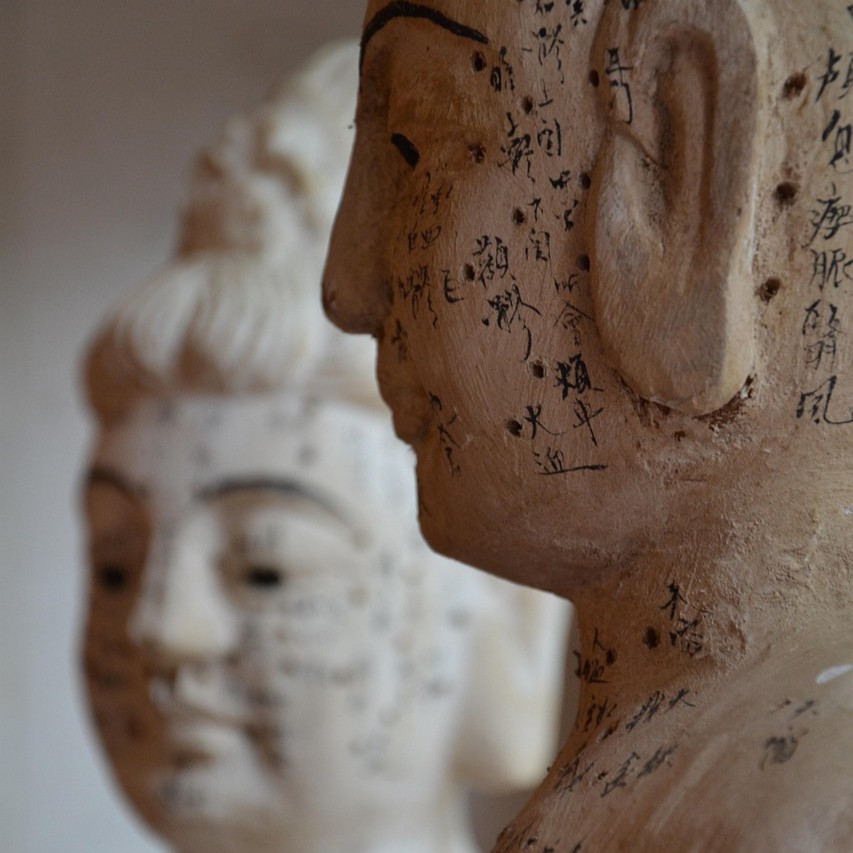
A treatment plan is always tailored to the individual and can consist of several different methods.
1. Acupuncture and acupressure
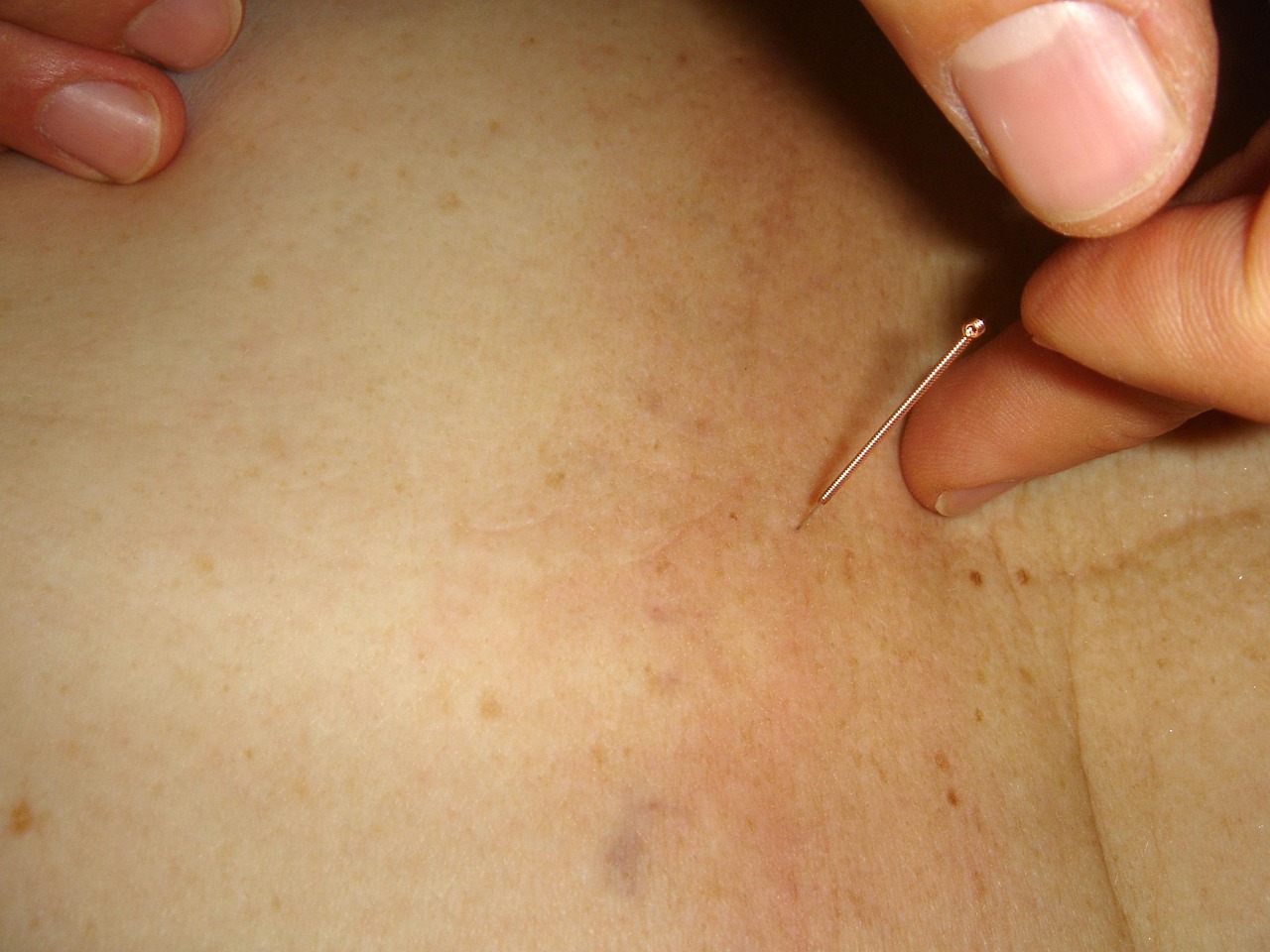
Acupuncture is one of the most recognized TCM treatments in the West. Thin, sterile single-use needles are inserted into specific points on the meridian pathways to regulate the flow of Qi and restore balance.
Read more…
Scientific studies, including systematic reviews, have shown that acupuncture can be an effective complementary treatment to alleviate a number of side effects of cancer treatment [4, 17]:
- Nausea and vomiting:
Especially in connection with chemotherapy, there is good evidence for acupuncture’s nausea-relieving effect. - Pain:
The treatment can alleviate various forms of pain, including neuropathic pain (nerve pain) and joint pain caused by hormone treatment. - Dry mouth (xerostomia):
Acupuncture can help stimulate saliva production in people who have received radiation therapy to the head and neck area. - Hot flashes:
Acupuncture can reduce the intensity and frequency of hot flashes, which are often seen with anti-hormonal treatment.
Acupressure uses the same points but stimulates them with firm pressure instead of needles.
2. Chinese Herbal Medicine
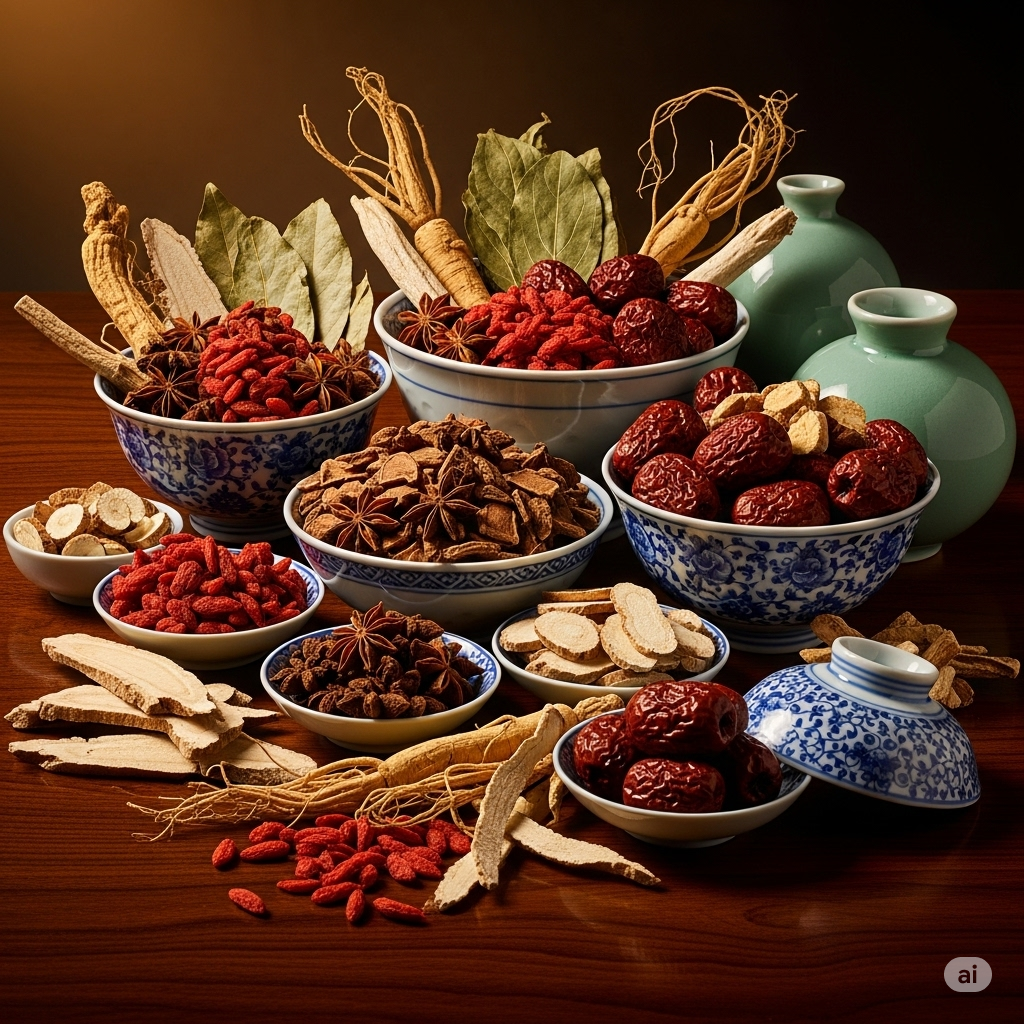
Unlike Western pharmacology, which often aims to isolate a single active substance, TCM works with complex formulas that can consist of everything from 4 to over 20 different herbs [2].
Read more..
These formulas, many of which are described in classical texts and have names such as Xiao Yao San (to remove stagnation and balance mood), are developed to restore the entire body’s balance—not just to attack a symptom.
A TCM practitioner’s deep knowledge lies in diagnosing a person’s unique imbalance pattern and then either choosing a classical formula or tailoring a completely new one. The goal is to strengthen what is weak and dampen what is in excess.
Understanding disease patterns in TCM
In TCM, a cancer diagnosis is rarely seen as an isolated tumor, but rather as the culmination of a long-term, deep-seated systemic imbalance. A TCM practitioner’s analysis focuses on identifying the specific pathological patterns that are dominant in the individual.
The most common patterns include:
1. Qi stagnation and blood stasis (Qi Zhi Xue Yu)
- Description: A condition where the flow of life energy (Qi) and blood is blocked or insufficient. Over time, this stagnation can lead to the formation of solid masses (tumors).
- Typical signs: Pain that is sharp, stabbing, and has a fixed location. Emotionally, the pattern can manifest as tension, frustration, and irritability.
See also Louise Hay
See also German New Medicine (GNM) - Supportive focus: To promote a free flow of energy in the body. This can be supported by gentle, regular movement such as walking, yoga, stretching exercises, or Qi Gong, as well as techniques for relaxation and stress reduction.
2. Accumulation of toxic heat (Re Du)
- Description: A condition of chronic inflammation and “toxicity” that burdens and damages the body’s tissues. This pattern is often seen in connection with aggressive disease processes.
- Typical signs: A feeling of heat, redness, thirst, a tendency to infections, or other signs of inflammation.
- Supportive focus: To dampen inflammation and “heat” in the system.
Dietarily, this can be supported by including foods with cooling properties, such as:- Cucumber
- Watermelon
- Mint
- Tofu and
- Green leafy vegetables, and
- Limiting the intake of foods that create more heat, such as food that is:
- Strongly spiced
- Deep-fried or
- Grilled food
3. Phlegm accumulation (Tan Ning)
- Description: A condition where the body’s normal fluid metabolism is disrupted, leading to an accumulation of pathological fluids (phlegm) that can collect and form soft masses or nodules.
- Typical signs: A feeling of heaviness in the body, swelling (edema), coughing with phlegm, or a “foggy” feeling in the head.
- Supportive focus: To support healthy fluid metabolism. Dietarily, one can limit the intake of foods that in TCM are considered phlegm-forming, such as:
- Dairy products
- Sugar and
- Fatty food
- and instead choose:
- Easily digestible meals
4. Weakening of upright qi (Zheng Qi Xu)
- Description: A weakening of the body’s fundamental defense and life energy—which in Western terminology can be compared to the immune system and general constitution. A weakening of Zheng Qi gives other pathological factors the opportunity to develop.
- Typical signs: Deep, persistent fatigue, a weakened immune system, paleness, shortness of breath with slight exertion, and a general lack of vitality.
- Supportive focus: To strengthen the body’s basic resources through rest and nourishment. Adequate sleep and recovery are essential, supplemented with a diet consisting of strengthening and easily absorbable foods, e.g.:
- Long-cooked soups and
- Stews (long-cooked)
A professional TCM treatment will be precisely aimed at correcting these specific patterns, but through conscious choices in everyday life, one can also contribute to supporting the body’s balance.
Principles behind a herbal formula
A TCM formula can be seen as a complex team play, where each ingredient has a specific role in a carefully balanced hierarchy:
- Emperor herb (Jun):
This is the main ingredient, which is directed directly at the primary disease pattern.- Examples:
- In a formula against “wind-cold” (common cold), it can be ephedra (Ma Huang).
- In a formula to strengthen the body’s energy (Qi), it is often ginseng (Ren Shen).
- Examples:
- Minister herb (Chen):
This herb assists the emperor and enhances its effect against the primary problem.- Examples:
- In a formula with ephedra (Ma Huang) as emperor, cassia twig (Gui Zhi) is often used as minister to help remove cold.
- In a formula with ginseng (Ren Shen), astragalus root (Huang Qi) can function as minister to enhance the energy-giving effect.
- Examples:
- Assistant herb (Zuo):
This herb has several possible roles. It can treat secondary symptoms, moderate any side effects from the stronger herbs, or have an opposite effect to create balance.- Examples:
- In a formula against cough, apricot kernels (Xing Ren) can help lead the energy downward and relieve the cough.
- Ginger (Sheng Jiang) is often used as an assistant to protect the stomach from the potentially mucous membrane-irritating effect of the other herbs.
- Examples:
- Envoy herb (Shi):
This herb has two main functions: to harmonize all the other herbs in the formula so they work together, and to “guide” the formula’s combined effect to a specific organ or meridian pathway in the body.- Examples:
- Licorice root (Gan Cao) is the most classic example. It is used in countless formulas for its harmonizing and stomach-protecting effect.
It is the active substance in licorice root (glycyrrhizin) that is known to be able to affect blood pressure; an effect that a qualified practitioner always takes into account through correct dosing and the formula’s overall balance.
The fruit jujube (Da Zao) is also often used to soften the effect of the other herbs.
To illustrate the ‘guide’ function, the herb balloon flower root (Jie Geng) can be added to specifically direct the formula’s effect upward toward the lungs and throat.
- Licorice root (Gan Cao) is the most classic example. It is used in countless formulas for its harmonizing and stomach-protecting effect.
- Examples:
Types of herbs and their functions
Herbs are classified according to their specific function in the body. A treatment formula in a cancer process will typically contain herbs from several of the following main groups to create a balanced and targeted effect:
- Herbs that strengthen upright qi and nourish blood (Fu Zheng):
These herbs are fundamental and aim to strengthen the body’s basic energy, resistance, and nourish the blood. They strengthen the body’s own ability to resist disease.- Examples:
- Astragalus Root (Huang Qi)
- Ginseng (Ren Shen)
- Chinese Angelica (Dang Gui).
- Examples:
- Herbs that remove toxic heat (Qing Re Jie Du):
These herbs are used to dampen inflammation and combat “toxicity” in the body. Many of the herbs that are currently being intensively researched for their potential anti-cancer effects are found in this category.- Examples:
- Dandelion root (Pu Gong Ying):
Well-known in Western folk medicine and in TCM used for its strongly cleansing and anti-inflammatory effect, especially in connection with the liver. - Honeysuckle flower (Jin Yin Hua): Another well-known herb used in TCM to remove ‘heat’ and fight infections.
- Oldenlandia diffusa (Bai Hua She She Cao) and Scutellaria barbata (Ban Zhi Lian): These two herbs are less known in the West, but are among the most used and researched herbs in modern Chinese oncology, where they are often used in combination.
- Dandelion root (Pu Gong Ying):
- Examples:
- Herbs that move blood and resolve stasis (Huo Xue Hua Yu):
These herbs aim to improve circulation and dissolve blockages (stasis) that, according to TCM, can form the basis for solid masses and tumors. - Herbs that dissolve phlegm (Hua Tan San Jie):
These are used to soften and dissolve accumulations of pathological fluids (phlegm) that, according to TCM, can form the basis for nodules and cysts.- Examples:
- Fritillaria bulb (Chuan Bei Mu)
- Oyster shell (Mu Li).
- Examples:
In addition to these categories, there are also specific herbs with special properties, e.g., herbs with a salty taste like seaweed, which are also being researched in the West for their ability to slow cancer growth [12].
Preparation
A herbal formula can be consumed in several ways, depending on the situation and need:
- Decoction:
- The most traditional and potent method. The raw herbs are boiled in water for a specific period, after which the liquid is strained and drunk as a concentrated tea.
- Powder/Pills:
- Dried and powdered herb extracts that are pressed into pills, placed in capsules, or sold as powder. The method is more practical but is generally considered less potent than a decoction.
- Tinctures:
- Herb extracts dissolved in alcohol for shelf life and absorption.
Research
Modern science is increasingly building bridges to the knowledge contained in traditional herbal medicine. Research often focuses on identifying the active substances and their mechanisms of action, where especially nanotechnology is now being used to improve the precision of TCM in cancer treatment [9].
The most prominent example is the discovery of the substance Artemisinin, isolated from Chinese annual mugwort (Qing Hao). The discovery, which was based on 1,600-year-old TCM texts about fever, led to the development of a highly effective malaria medicine and earned the Chinese researcher Tu Youyou the Nobel Prize in Medicine in 2015.
Another well-researched substance is Berberine, found in herbs such as Coptis (Huang Lian), which is today being investigated for a number of positive effects, including on blood sugar regulation.
Quality and safety
Since herbal medicine is a potent form of treatment, two factors are crucial for a safe course: quality and expertise. Self-medicating with potent herbs based on information from the internet is not advisable. The entire system’s strength lies in the professional, individual diagnosis and composition of formulas.
If you want to go this route, it is therefore important to find a highly qualified TCM practitioner who uses herbs from producers that guarantee the products’ purity and quality.
Such a practitioner will be able to create the most effective and safe formula (protocol) and will also have the necessary knowledge about any interactions if you are undergoing other treatments.
3. Medicinal mushrooms

For thousands of years, mushrooms have played a central role in TCM, not only as food but as potent medicinal substances. They are often classified as “strengthening” (tonics) and adaptogens, which means they help the body adapt to stress and normalize physiological processes.
Read more…
In TCM, their primary purpose is to strengthen the body’s resistance and upright energy (Zheng Qi).
Modern science has identified a number of active substances in these mushrooms, especially polysaccharides such as beta-glucans and triterpenes, which are believed to be responsible for many of the mushrooms’ immune-modulating effects. [8]
Known medicinal mushrooms and their use
There are many medicinal mushrooms, but a handful are particularly recognized and well-described in both traditional and modern contexts:
- Reishi (Ganoderma lucidum, in Chinese Lingzhi): Known as the “mushroom of immortality.” In TCM, it is used to nourish heart blood, calm the mind (Shen), strengthen Qi, and relieve coughing. It is considered one of the finest adaptogens.
- Turkey Tail (Coriolus versicolor, in Chinese Yun Zhi): This is one of the most well-researched mushrooms in the context of cancer. In Asia, two standardized extracts, PSK (Krestin) and PSP, are approved as complementary cancer treatment. They are used to strengthen the immune system and improve quality of life in patients receiving chemo- and radiation therapy.
- Shiitake (Lentinula edodes, in Chinese Xiang Gu): Traditionally used to strengthen general life energy and resistance.
It contains the active substance Lentinan, a beta-glucan, which in Japan has been used as an intravenous drug to stimulate the immune system in cancer treatment courses. - Maitake (Grifola frondosa, in Chinese Hui Shu Hua): Known for its ability to support immune function. Research has particularly focused on a specific extract called Maitake D-fraction. In TCM, it is used to strengthen the spleen’s function and remove “dampness.”
- Cordyceps (Cordyceps sinensis, in Chinese Dong Chong Xia Cao): A unique mushroom traditionally used to strengthen the lungs and kidneys. It is known for improving energy, endurance, and oxygen uptake and is often used to combat deep fatigue (fatigue).
See also Inspiration – Strength Stories
Use and safety in a cancer process
Medicinal mushrooms are often used as a complementary supplement in a cancer process. The research primarily points to their ability to:
- Support and modulate the immune system.
- Reduce side effects from chemotherapy and radiation therapy.
- Improve quality of life, energy, and well-being.
Although mushrooms are generally considered safe, it is important to choose high-quality products to avoid contamination with heavy metals or pesticides. Certain mushrooms can have a mild blood-thinning effect, and it is therefore always sensible to seek guidance from a qualified practitioner who has knowledge of both herbs, mushrooms, and their potential interactions.
See also Dietary Supplements and Radiation
See also Dietary Supplements and Chemotherapy
4. Tui Na massage

This is a form of therapeutic massage and bodywork that uses pressure, strokes, and manipulation of the body’s soft tissues (muscles and tendons) to remove blockages in the meridian pathways and promote the flow of Qi and blood.
5. Moxibustion (moxa therapy)
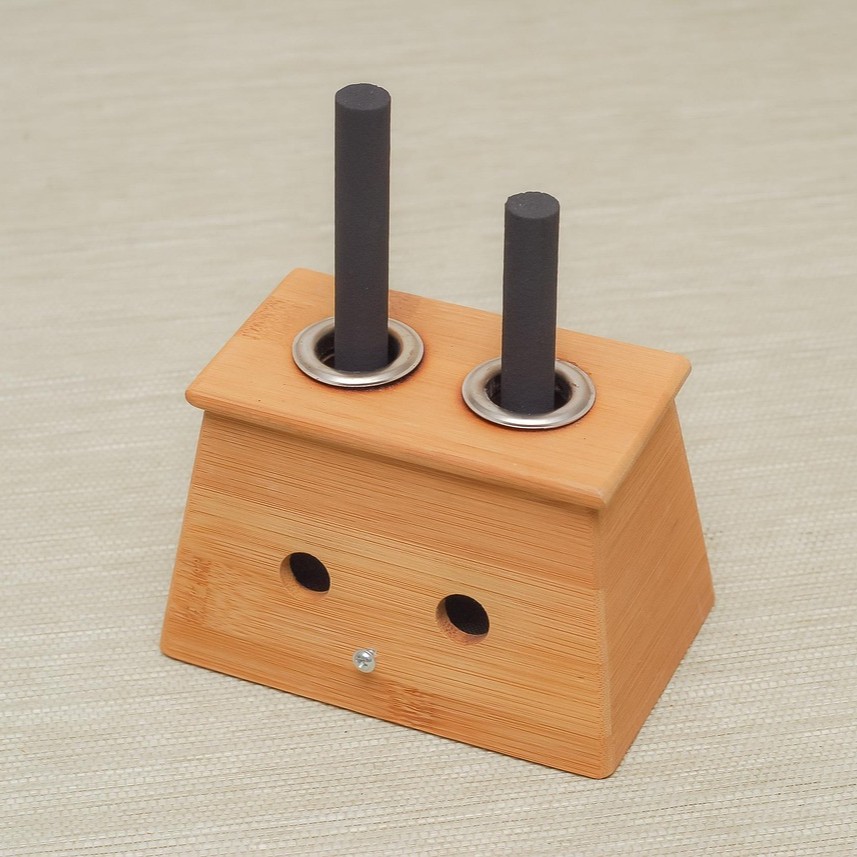
Moxibustion, often simply called “moxa,” is a traditional Chinese heat therapy where dried mugwort (Artemisia vulgaris) is ignited and used to warm specific points on the body.
Read more…
The purpose is to add heat to the meridian pathways to stimulate the flow of Qi and blood, remove “cold” and “dampness,” and strengthen the body’s general energy.
How it is performed
Moxibustion can be performed in several ways, but the indirect method is the most common today:
- Indirect moxa:
Here, a lit moxa stick, which resembles a large cigar, is held at a safe distance from the skin to warm a specific acupuncture point or a larger area. The practitioner can also place the moxa on top of an insulating disc of, for example, ginger or garlic directly on the skin, or place a small moxa cone on the handle of an acupuncture needle to conduct the heat deeper into the point. - Direct moxa:
A more traditional method where a small cone of moxa is placed directly on the skin and removed just before it burns completely, to avoid scarring.
Use in a cancer process
In a supportive course for cancer, moxibustion can be used to alleviate a number of symptoms and side effects, including:
- Fatigue: By strengthening the body’s basic energy (Zheng Qi).
- Pain: Especially for pain that worsens with cold, such as certain types of joint and muscle pain.
- Digestive problems: To relieve nausea, vomiting and diarrhea caused by chemotherapy.
- Strengthening the immune system: From a TCM perspective, moxa is used to strengthen the body’s defense and general resistance.
Safety and precautions
Although it is an effective therapy, there are important precautions:
- Risk of burning: The primary risk is burns. The treatment should always be performed by a qualified and experienced TCM practitioner to ensure correct and safe use.
- Smoke: The smoke from moxa can be bothersome for people with respiratory problems such as asthma or COPD.
- Contraindications: Moxibustion should generally not be used in conditions with high fever or on areas with reduced sensation, inflammation, or rash.
6. Qi Gong and Tai Chi

These are meditative movement forms that unite slow, gentle movements, deep breathing, and mental focusing.
Read more…
They are gentle and can be adapted to most physical levels.
Research points to the fact that regular practice of Qigong can have a positive effect for cancer patients by:
- Reducing stress, anxiety, and depressive symptoms.
- Reducing chronic fatigue (fatigue), which is a very common and burdensome side effect.
- Improving sleep quality and overall quality of life.
- Strengthening balance and physical function.
Qi Gong and Tai Chi are considered very safe and are a good method to use to actively contribute to one’s well-being during a disease process.
7. Dietary Therapy
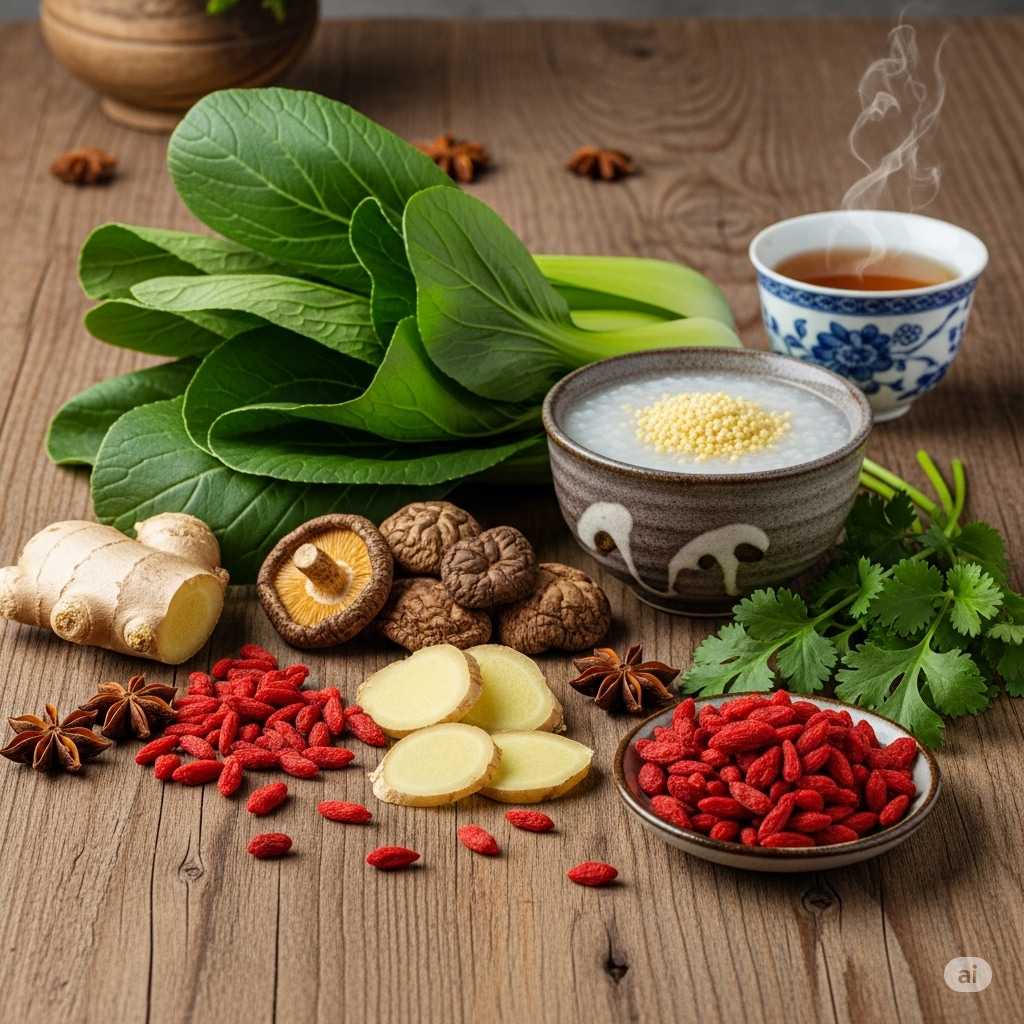
In TCM, food is considered medicine, and dietary therapy is one of the absolute cornerstones in both the prevention and treatment of disease. The principle is that all foods have a unique energetic profile (e.g., warming, cooling, moisture-giving, or drying) and a specific effect on the body’s organs and Qi.
A TCM practitioner will therefore almost always include tailored dietary advice as part of a comprehensive treatment plan. The goal is to use the diet actively to correct the imbalances that underlie the disease, for example by regulating the body’s metabolism [5, 6].
Research has also shown that specific edible ingredients from TCM, such as seaweed, can have a direct cancer-inhibiting effect [12].
Since this is a large and important topic in itself, you can read more about it under TCM and Yin Yang Diet
TCM’s role in a cancer process

Traditional Chinese Medicine (TCM) is increasingly used as an integrated part of a cancer process, where the goal is tailored to the individual’s situation. Recent research supports that TCM can play a significant role in two primary ways:
Synergy with conventional treatment
When TCM is used together with conventional treatment such as chemotherapy, radiation, or immunotherapy, the goal is to create synergy.
Research has shown that this combined approach can significantly improve prognosis and treatment effect. [1, 3, 15]
The focus is on:
- Strengthening the body’s resistance (Zheng Qi), so it can better tolerate the conventional treatment.
- Reducing side effects such as nausea, fatigue, neuropathy, and bone marrow damage.
- Modulating the body’s internal environment at a molecular level, so the conventional treatment becomes more effective.
This can happen by affecting cancer cells’ metabolism [5, 6], inhibiting their cell division structures (microtubules) [11], or regulating the surrounding tumor environment and immune response [10, 14, 16]. - Overcoming resistance to targeted treatment [13].
As primary supportive treatment
For people where conventional treatment options are limited or exhausted, TCM takes on another central role. Here, the goal is not necessarily to remove the disease, but to improve quality of life, slow disease progression as seen from a TCM perspective, and strengthen the body.
The focus will be on:
- Relieving symptoms caused by the disease, such as pain, fatigue, and fluid accumulation [7].
- Strengthening the body’s basic systems and defensive energy.
- Working with the deeper imbalances that, according to TCM theory, drive the disease process.
In both scenarios, the goal is to use TCM’s principles to create the best possible conditions for the patient.
Risks and crucial precautions
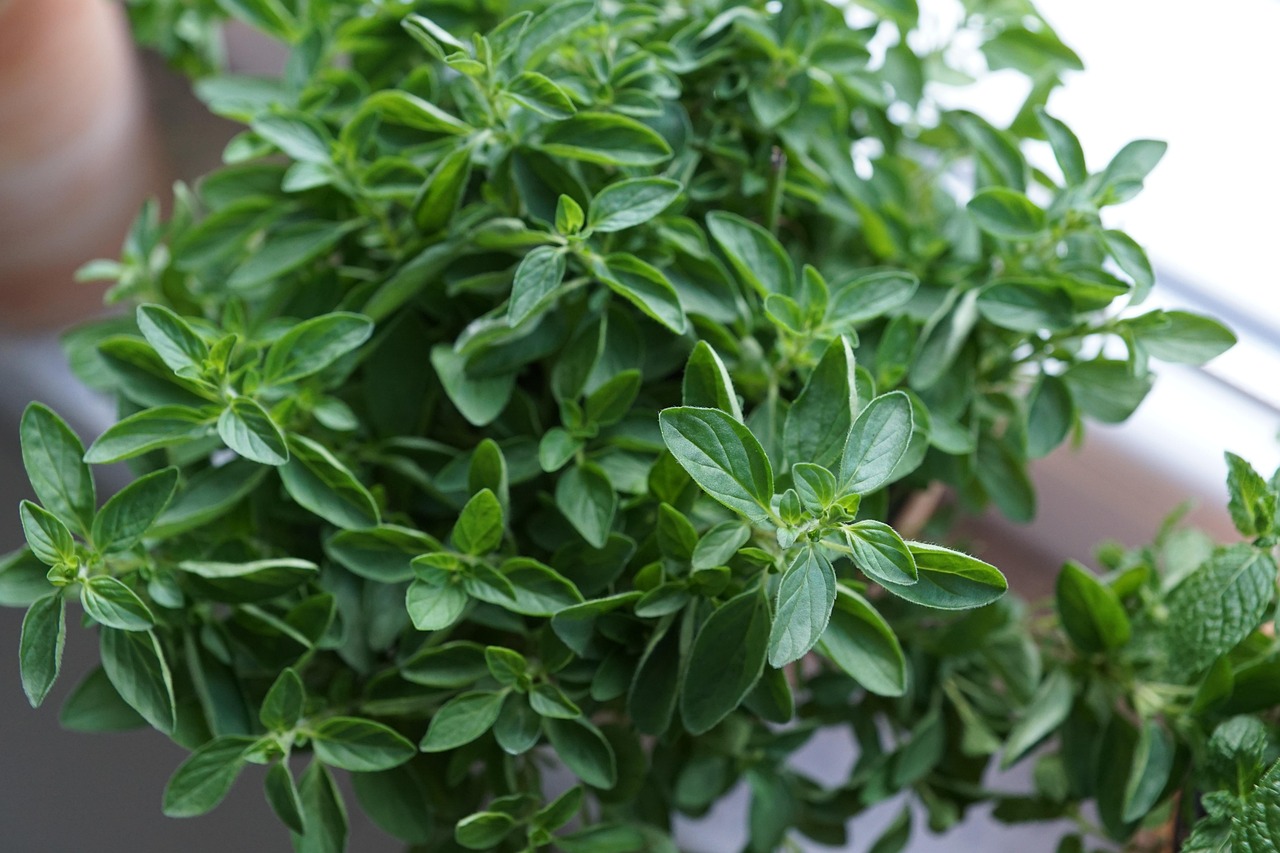
To get the full and safe benefit of TCM, a responsible and informed approach is crucial. The most important considerations are not about limiting possibilities, but about making wise choices to ensure the best treatment.
- Choice of practitioner:
The absolute greatest risk in encountering TCM is an unqualified practitioner. It is crucial to choose a professional practitioner with a recognized, multi-year education and documented experience in supporting patients with cancer.
A skilled practitioner understands both TCM’s complex diagnostics and is familiar with the Western medical context. - Quality of products:
The market for herbs and mushrooms is large. To ensure effect and avoid contamination with heavy metals or pesticides, it is essential to use products from well-reputed producers who test their raw materials.
A professional practitioner will typically have established suppliers who guarantee the quality. - Interaction and openness:
Herbs, mushrooms, and dietary supplements are biologically active and can interact with Western medicine (not only chemotherapy, but also, for example, blood-thinning medication or blood pressure medication). Therefore, an open and honest dialogue with all involved practitioners—both TCM practitioners, oncologists, general practitioners, palliative teams, or whoever may be involved as a practitioner—is the best way forward.
The goal is to ensure that all parties have the full picture so that the treatments can support each other optimally.
Important warnings
Even though herbs are natural, they are pharmacologically potent.
Blood-thinning effect
Many classic TCM herbs (e.g., Angelica, Dong Quai, Ginseng, Salvia, Danshen) have a blood-thinning effect to remove “stagnation.”
The problem:
- If you take blood-thinning medication (Hjertemagnyl, Marevan), or if your blood platelets are low due to chemo, these herbs can significantly increase the risk of internal bleeding.
Liver impact during chemo
Herbs must be broken down in the liver by the same enzymes (CYP450) that break down chemotherapy.
The problem:
- Certain herbs can either accelerate or slow down the breakdown of your chemo medication. This can mean that you either get an overdose of chemo (because it accumulates) or that the chemo is flushed out too quickly and loses its effect.
Hormone-sensitive cancer
Some herbs contain plant estrogens (e.g., Ginseng, Chinese Kvan).
The problem:
- With estrogen-sensitive breast cancer or ovarian cancer, one should be extremely cautious with these “tonics,” as they theoretically can stimulate the cancer cells.
Safety
Always consult your practitioner before starting a protocol.
Conclusion
Traditional Chinese Medicine is a deep, advanced, and well-developed medical system that is increasingly recognized for its role in modern cancer treatment. The growing amount of research (from a Western perspective) moves TCM from being an ‘alternative’ supplement to being an integrated, scientifically investigated partner whose mechanisms of action at a molecular level are increasingly being mapped.
TCM’s value lies not least in its versatility. It can create synergy with conventional treatment to improve results and reduce side effects, and it can function as a primary supportive path to enhance quality of life when other options are limited.
Rather than being seen as a “magical cure,” TCM should be viewed as a serious, health-professional discipline. The key to a safe and valuable course lies in taking an informed responsibility. This is best done by allying oneself with a highly qualified and experienced TCM practitioner who can navigate the system’s complexity and create a safe and optimal treatment that is tailored to the individual’s unique situation and needs.
See also TCM and Yin Yang Diet
See also Integrative Oncology
See also Alternative Treatments – Overview
Links
[1] Molecular targets and mechanisms of traditional Chinese medicine combined with chemotherapy for gastric cancer: a meta-analysis and multi-omics approach (PubMed, 2025)
- Content: The combination of TCM and chemotherapy significantly improves gastric cancer prognosis. Focuses on molecular targets and pathways supporting TCM’s effects, promoting precision medicine.
[2] Research progress of Chinese medicinal monomers in the process of melanoma occurrence (PubMed, 2025)
- Content: TCM’s multi-component approach shows potential against melanoma, with individual components regulating tumor behavior. Highlights TCM’s “four properties” theory as innovative for clinical application.
[3] Comparative efficacy of glioma treatment strategies: an umbrella review of meta-analyses (PubMed, 2025)
- Content: Combining Chinese and Western medicine, targeted therapy, and immunotherapy can prolong brain cancer survival with fewer side effects. Integrated approaches are most promising.
[4] Traditional Chinese medicine in the treatment of breast cancer (PubMed, 2025)
- Content: TCM (herbs, acupuncture, psycho-corporeal training) supports conventional breast cancer treatment, reduces side effects, and improves quality of life. Highlights historical benefits and research challenges.
[5] Targeting cholesterol metabolism: a promising therapy strategy for cancer (PubMed, 2025)
- Content: TCM regulates cholesterol balance via enzymes and signaling pathways, inhibiting cancer growth. Highlights TCM’s natural substances as a basis for new therapies.
[6] Clinical application prospects of TCM as adjuvant therapy for metabolic reprogramming in colorectal cancer (PubMed, 2025)
- Content: TCM regulates cholesterol metabolism to inhibit cancer growth, offering a foundation for new therapeutic strategies.
[7] Progress in Mechanistic Research and the Use of TCM in Treating Malignant Pleural Effusion (PubMed, 2025)
- Content: TCM (oral herbs, infusions, plasters, acupuncture) shows promising results for malignant pleural effusion and can optimize treatments with further research.
[8] Mushroom Bioactive Molecules as Anticancerous Agents: An Overview (PubMed, 2025)
- Content: Mushrooms in TCM (e.g., Ganoderma) contain bioactive substances that inhibit cancer growth through multiple mechanisms without harming healthy cells.
[9] Cell membrane derived biomimetic nanomedicine for precision delivery of TCM in cancer therapy (PubMed, 2025)
Content: Biomimetic nanomedicine improves TCM’s precision in cancer treatment by mimicking natural systems, enhancing targeted drug delivery.
[10] TCM in the prevention and treatment of lung cancer metastasis by regulating tumor-associated macrophages (PubMed, 2025)
- Content: Chinese herbal medicine helps the immune system fight lung cancer metastasis by converting cancer-supporting cells into cancer-fighting ones.
[11] Microtubule inhibitory effects of active ingredients extracted from TCMs in cancer treatment (PubMed, 2025)
- Content: Natural substances from TCM block cancer cell growth by inhibiting microtubules, offering insights for developing precise cancer medicines.
[12] Anti-cancer mechanisms of edible salty-flavored Chinese materia medica (PubMed, 2025)
- Content: Salty herbs (e.g., seaweed) in Chinese medicine slow cancer growth and destroy tumors with few side effects. Suitable as dietary supplements.
[13] TCM as Anticancer Agents for Non-Small Cell Lung Cancer with EGFR Mutations (PubMed, 2025)
- Content: TCM inhibits resistance to lung cancer medications (e.g., osimertinib) by regulating cell processes like growth and spread.
[14] Regulation of the tumor microenvironment by TCM: current progress and future perspectives (PubMed, 2025)
- Content: TCM regulates the tumor microenvironment, key to slowing cancer growth and resistance, and works best combined with modern treatments.
[15] Efficacy and safety of oral Chinese medicine combined with chemotherapy (PubMed, 2025)
- Content: Chinese herbs may improve lung cancer chemotherapy by targeting the immune system and metabolism, but results need more confirmation.
[16] The tumor microenvironment in hepatocellular carcinoma: insights and therapeutic potential of TCM (PubMed, 2025)
- Content: TCM helps fight cancer by modifying the tumor environment, strengthening immunity, and slowing blood supply. Challenges include standardization.
[17] Acupuncture and cancer (Kræftens Bekæmpelse, 2020)
- Content: Overview of how acupuncture can support cancer patients.
[18] Cancer patients’ experiences with unconventional treatment (Ugeskrift for Læger, 2004)
- Content: Danish study on patient experiences with alternative treatments.
[19] Approaching Cancer with Traditional Chinese Medicine (Stram Center for Integrative Medicine, 2017)
- Content: Article on integrating TCM in cancer care.
[20] What can acupuncture do when it comes to cancer? (Tidslerne, 2024)
- Content: Exploration of acupuncture’s role in cancer treatment.
[21] Alternative treatment and cancer – a review of evidence for massage, aromatherapy, and zone therapy (Sygeplejersken, 2010)
- Content: Review of evidence for complementary therapies in cancer care.
[22] New hope for pancreatic cancer: How TCM improves modern treatment (Medilinka, 2025)
- Content: Article on TCM’s role in enhancing pancreatic cancer treatment.
Page created: August 13, 2025
❤
What you read on I Have Cancer is not a recommendation. Seek competent guidance.
