



Sister Hildegard von Bingen and Cancer
The medical genius of the Middle Ages: Hildegard von Bingen’s holistic view of health
Hildegard von Bingen (1098-1179) was a remarkable Benedictine nun, mystic, and polymath whose contributions to medicine, theology, and music remain relevant. Her holistic view of health, where body, mind, and spirit are considered an inseparable unity, offers a unique perspective that can be particularly valuable for cancer patients today.
Her intellectual breadth was so exceptional that she is often compared to later polymaths like Leonardo da Vinci.
About Hildegard von Bingen
Hildegard entered monastic life as a child and early developed mystic visions. These visions, combined with a deep observation of nature, formed the basis for her extensive works. She was one of the few women in her era to achieve broad recognition for her scholarship and served as an advisor to powerful figures, including emperors and popes. Her writings, especially “Physica” (in Danish: Physica) and “Causae et Curae” (in Danish: Hildegard’s medical book: causes and treatments), testify to a pioneering insight into natural science and medicine.
Relevance for cancer patients

In modern cancer treatment, which is often highly specialized, Hildegard’s holistic approach can offer supplementary strategies in the form of complementary treatment. Her focus on natural healing, the importance of diet, and lifestyle balance can greatly support one’s well-being. Her knowledge of herbs and foods can help alleviate treatment-related side effects, strengthen the immune system, and improve overall quality of life.
Hildegard’s understanding of health
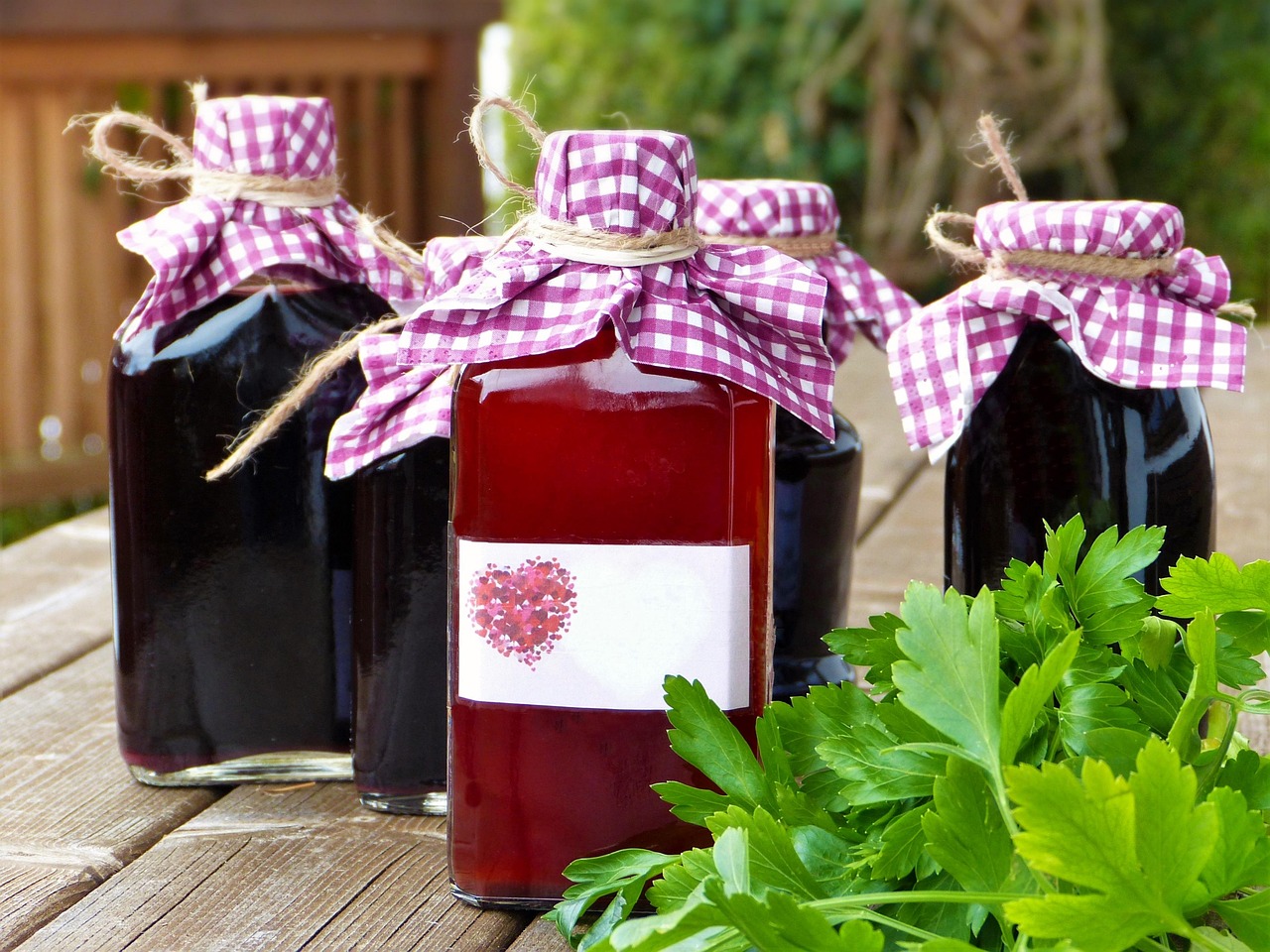
Hildegard’s medical philosophy integrated the classical theory of humors (the balance between the four fluids (humors): blood, phlegm, yellow bile, and black bile) with a unique spiritual dimension. She introduced the concept of “Viriditas,” which can be translated as “greenness” or “vitality.”
Viriditas symbolizes the divine vitality that permeates all life. Disease arises when this vitality is weakened due to physiological imbalances, inappropriate diet, chronic stress, negative emotions, or lack of spiritual harmony. Healing is therefore about restoring and strengthening this Viriditas.
Hildegard’s treatments
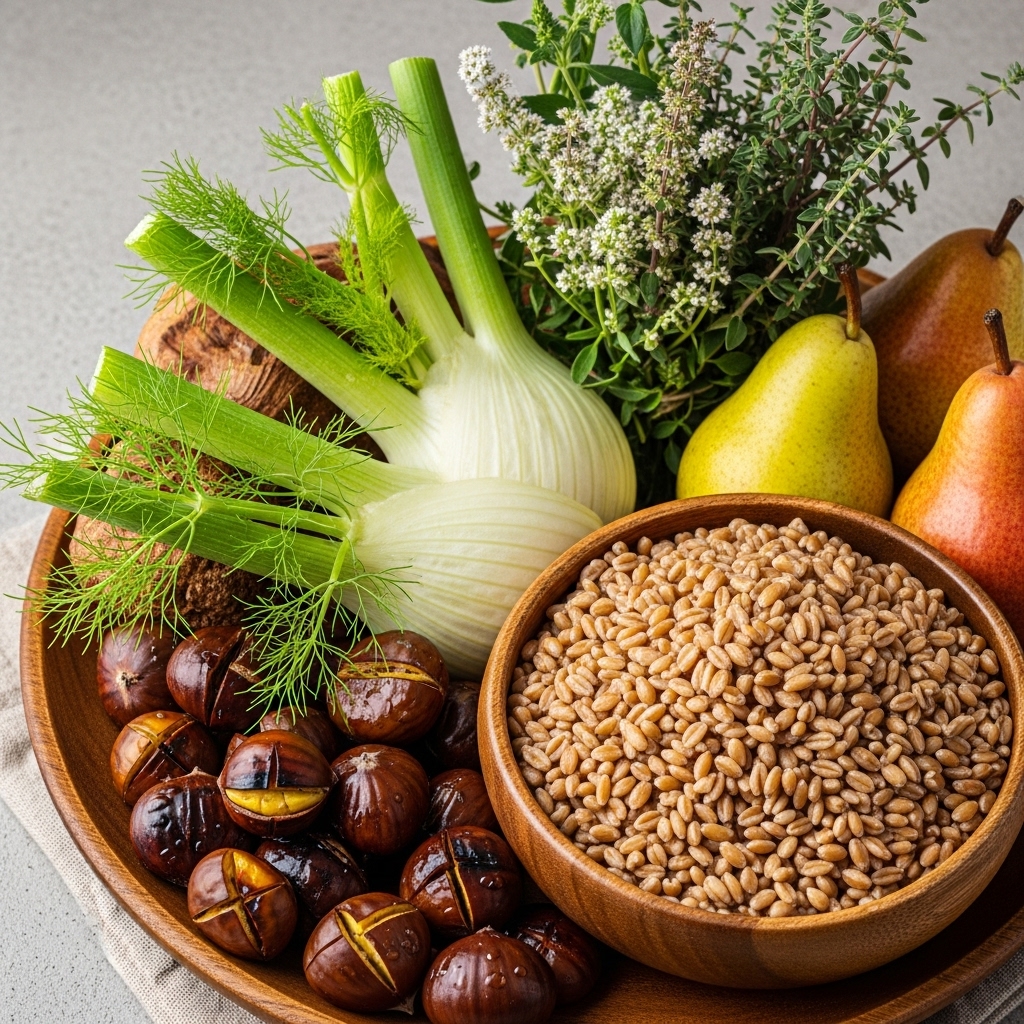
Hildegard’s treatment methods were diverse and included diet, herbs, lifestyle recommendations, and spiritual practices.
Nutrition and diet
Hildegard considered food an essential part of medicine. She prioritized digestibility and nutritional content.
- Spelt (Dinkel): Since she considered spelt to be the most nourishing and easily digestible grain, it was a cornerstone in her diet. She recommended it to strengthen both body and soul, and it could be consumed as porridge, bread, or a vegetable dish. For cancer patients, spelt’s digestibility and high fiber content can certainly still be considered beneficial (provided you can tolerate gluten).
- Chestnuts: Both fresh and dried chestnuts were recommended to strengthen the nervous system and counteract general weakness.
- Fennel: Known for promoting good digestion, relieving stomach discomfort, and improving mood. Fennel can be consumed raw, cooked, or as tea. Its carminative (gas-relieving) properties can be soothing for digestive problems, which are often seen in cancer patients.
- Quince: Recommended to strengthen digestion and relieve inflammatory conditions in the gastrointestinal tract.
- Almonds: Considered beneficial for the lungs and liver.
- Pears: Especially pears cooked with honey and spices such as fennel and galangal root were considered to have cleansing and strengthening effects on the body’s systems.
- Vegetables and fruits: Hildegard recommended a varied intake, with an emphasis on easily digestible types that contributed to the body’s balance.
Foods to avoid: She advised against consuming foods that could create imbalance or were difficult to digest, such as pork, large amounts of raw vegetables, and certain fatty dishes.
Herbs and natural medicine
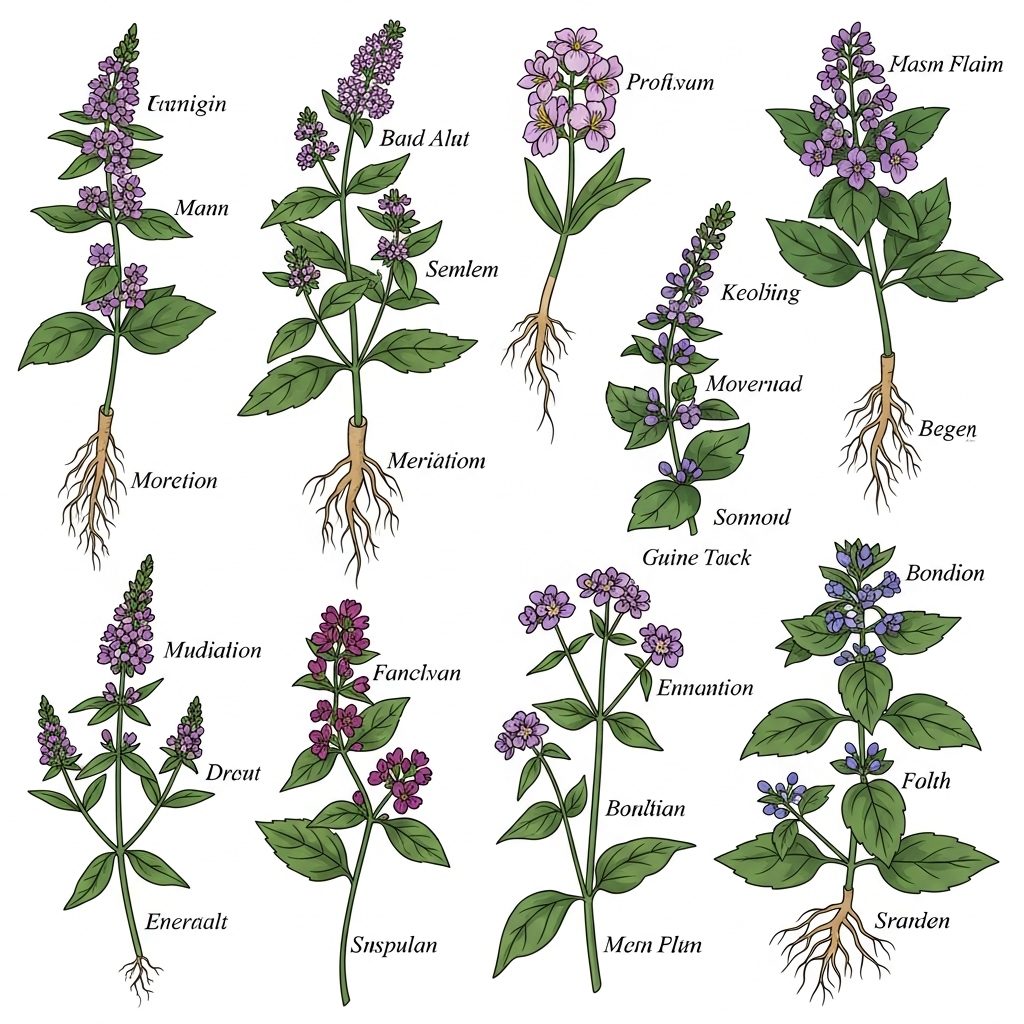
Hildegard described over 200 medicinal plants and their uses in various forms: teas, tinctures, ointments, poultices, and powders.
- Galangal root (Alpinia officinarum): One of Hildegard’s most valued herbs. Used for heart problems, digestive issues, nausea, and pain. It is recognized for its anti-inflammatory properties, which can be relevant for relieving inflammatory conditions in cancer patients.
Galangal root is related to both ginger and turmeric. All three belong to the same plant family, called Zingiberaceae, popularly known as the ginger family.
They are all so-called rhizomes, which means that it is the underground stems (not roots) that are used. They have different tastes and medicinal uses. - St. John’s Wort (Hypericum perforatum):
Known for its mood-regulating effects, used for melancholy and depressive states. For cancer patients experiencing anxiety or depression, St. John’s Wort can be relevant, but it is crucial to discuss this with your practitioner, as St. John’s Wort can interact with chemotherapy and other medications. - Wormwood (Artemisia absinthium):
Used for digestive problems, loss of appetite, and as a general tonic. The bitter substances in wormwood can stimulate digestion and appetite. - Plantain (Plantago major): Used for wounds, infections, and inflammatory conditions, often as a poultice.
- Sage (Salvia officinalis):
Known for its antiseptic and anti-inflammatory properties. Used for infections, sore throat, and digestive issues.
Important note: The use of herbal medicine should be done in consultation with your practitioner. Herbs can potentially affect the effect of conventional cancer treatment, cause interactions, or lead to unwanted side effects.
Lifestyle and physical well-being

Hildegard emphasized a balanced lifestyle as crucial for health:
- Sleep and rest:
Adequate and restorative sleep was considered fundamental for the body’s rebuilding and healing processes. - Balance between activity and rest:
She recommended a natural rhythm that respected the body’s need for both physical activity and rest. (This seems to me to be a very interesting consideration, which, if followed, must also be stress-reducing—and perhaps exactly what the intention was back then). - Heat treatments:
The use of heat, e.g., in the form of warm baths, poultices, or specific steam baths, was used to promote circulation, relieve pain, and detoxify the body. (This makes me think of sauna blankets). - Bodily purity:
Hildegard believed that regular cleanses, which she called “guldenregeln” (golden rules), were important for removing impurities and maintaining inner balance. These could include specific diets or fasting periods.
Spiritual and mental approaches

The spiritual dimension was a central element in Hildegard’s healing philosophy:
- Prayer and meditation:
Prayer was an inseparable part of her life and a source of spiritual strength and comfort. For cancer patients, prayer or meditation can help reduce stress, find inner peace, and strengthen coping mechanisms. - Music therapy:
Hildegard composed numerous hymns and antiphons (responsorial chants—often from the Bible). She believed that music had a healing power that could restore harmony in the soul. Listening to calming music or participating in singing can improve mental well-being and reduce anxiety. - Virtues and vices:
Hildegard identified 35 virtues (e.g., love, patience, hope) and 35 vices (e.g., anger, envy, despair), which she believed directly affected physical health. Cultivating virtues and countering vices was a way to strengthen Viriditas. For a cancer patient, this can be translated into focusing on positive thought patterns (therefore I will live), forgiveness, and seeking inner balance despite difficult circumstances. - Connection with nature:
Her deep respect for nature and its creative power emphasized the importance of being in harmony with one’s surroundings. Time in nature, even in limited amounts, can have a therapeutic effect and contribute to mental restoration.
Diagnosis in the perspective of the time

Hildegard’s diagnostic practice was rooted in the medical knowledge of the time and her unique spiritual insight:
- Pulse and urine examination:
She analyzed the patient’s pulse and the characteristics of the urine (color, smell, consistency (and probably also taste (this could detect diabetes)) to identify humoral imbalances. - Observation of language and behavior:
The patient’s mood, speech patterns, and general behavior were carefully observed to assess the mental and emotional state, which Hildegard considered integrated with physical health. - Spiritual intuition:
A distinct part of her diagnosis was her own mystical visions and spiritual intuition, which she used to uncover the deeper causes of disease and formulate treatment strategies. (See also Spirituality).
These diagnostic methods may not supplement modern medical diagnostics, but they illustrate her holistic approach to understanding the patient’s overall well-being. And in connection with holistic treatment, several of these still have relevance.
Statistics and prognosis in historical context
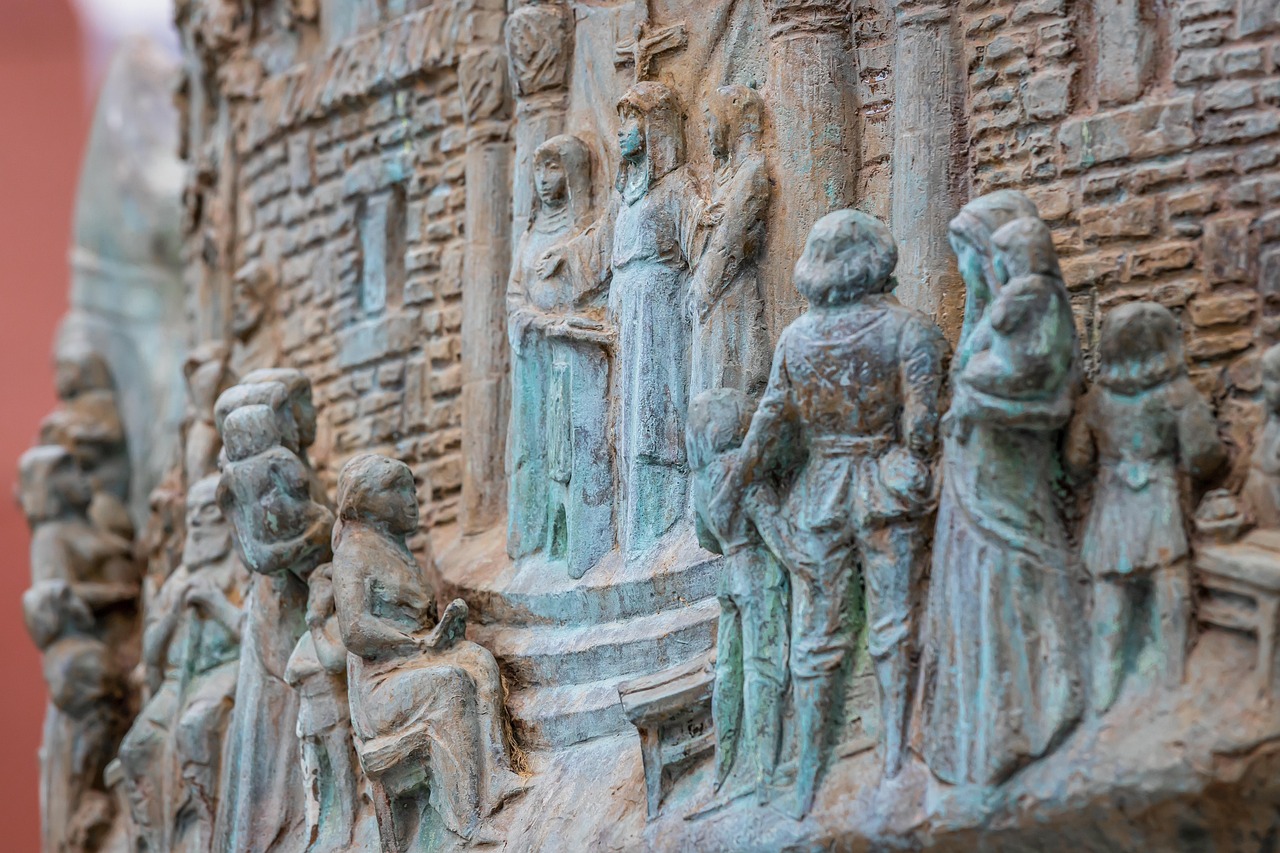
Since Hildegard von Bingen lived in the Middle Ages, there are no modern, quantifiable statistics or prognoses directly related to her specific treatment results. Her significance lies in having formulated a comprehensive, holistic health model that has inspired subsequent generations in the field of natural medicine and integrative healthcare (see also Integrative Oncology). Many of the herbs and dietary principles she described are today the subject of scientific research seeking to validate their potential medical effects in a modern context.
Conclusion
Hildegard von Bingen was a visionary figure whose insight into health and disease remains relevant. For cancer patients, her teachings about the importance of diet, natural medicine, a balanced lifestyle, and the close connection between body, mind, and spirit can offer valuable inspiration and supplementary tools.
Her message about restoring balance, strengthening the body’s innate healing capacity, and finding inner peace is timeless. By incorporating elements of Hildegard’s holistic wisdom, cancer patients can potentially improve their quality of life and support their journey toward healing.
There is still great interest in Hildegard von Bingen’s thoughts and treatments, just as there are reports of good results with their use.
If you want to know more about the topic, there is a Facebook group dedicated to this. Contact info: Hildegard Medicine (Facebook group)
See also the page Dietary Supplements
See also Repurposed drugs
See also the page My Best Advice
See also Alternative Treatments – Overview
See also Integrative Oncology
Thanks for the tip
Links
[1] Hildegard Medicine (Facebook group)
- Content: Facebook group dedicated to Hildegard von Bingen’s holistic health principles and natural treatments.
[2] Book: Hildegard’s medical book: causes and treatments (by Hildegard von Bingen, Jørgen Ladefoged, Bibliotek.dk)
- Content: Hildegard’s main work on natural medicine, including her theories on the balance of humors, herbal remedies, and holistic healing.
[3] Hildegard of Bingen (Medicinhaverne, 2025)
- Content: Overview of Hildegard von Bingen’s contributions to herbal medicine and holistic health.
[4] Hildegard of Bingen (LEX, Denmark’s National Encyclopedia, January 2025)
- Content: Biographical and historical information about Hildegard von Bingen’s life and work.
[5] Book: Physica (by Hildegard von Bingen, Bibliotek.dk)
- Content: Hildegard’s encyclopedia of natural history, describing the medicinal properties of plants, animals, and minerals.
[6] Orthomolecular therapy (Tidslerne, 2020)
- Content: Article explaining orthomolecular therapy, which aligns with Hildegard’s focus on natural healing and nutritional balance.
[7] Orthomolecular medicine (Radiodoktoren, no date)
- Content: Discussion of orthomolecular medicine, which uses nutrients to restore balance in the body.
❤
What you read on I Have Cancer is not a recommendation. Seek competent guidance.
