


Stinging nettle and cancer
What is stinging nettle
Stinging nettle (Urtica dioica) is a common weed found in temperate regions worldwide. It is known for its stinging hairs that release histamine and other chemicals, causing a burning sensation upon contact. Despite this, stinging nettle has a long history of use in traditional medicine and as a food source. In recent years, stinging nettle has also attracted interest in cancer research due to its potential anti-cancer properties [4, 6].
Mechanisms of action and potential in cancer
Stinging nettle contains a variety of bioactive compounds believed to contribute to its potential anti-cancer effects. These compounds include:
Lectins: Proteins that can bind to cancer cells and inhibit their growth.
Flavonoids: Antioxidants that can protect cells from damage and inhibit inflammation.
Lignans: Phytoestrogens (plant estrogens) that can affect hormone-dependent cancers.
Polysaccharides: Complex carbohydrates that can stimulate the immune system.
Research suggests that stinging nettle may work in several ways to inhibit cancer:
- Induction of apoptosis: Stinging nettle extract has been shown to induce apoptosis (programmed cell death) in various cancer cell lines [3, 4].
- Inhibition of angiogenesis: Stinging nettle can inhibit the formation of new blood vessels that supply tumors [4].
- Antioxidant and anti-inflammatory activity: Flavonoids and other compounds in stinging nettle have antioxidant and anti-inflammatory properties that may protect against cancer [4].
- Immune-stimulating effect: Polysaccharides in stinging nettle can activate the immune system and improve the body’s ability to fight cancer cells [4].
Differences between root and leaves
Root Stinging nettle root primarily contains lignans that can affect hormone-dependent cancers, particularly prostate cancer.
Leaves Stinging nettle leaves contain a broader spectrum of bioactive compounds, including flavonoids and polysaccharides, which can have anti-cancer effects in multiple ways.
Clinical trials
There is a lack of large-scale, randomized Phase III clinical trials investigating stinging nettle as a primary cancer treatment in humans. However, recent research and meta-analyses provide more up-to-date insights into its supportive role:
- BPH and Prostate Health: A meta-analysis of randomized controlled trials (RCTs) updated in 2025/2026 confirms that stinging nettle root extract is a safe and effective treatment for lower urinary tract symptoms (LUTS) associated with benign prostatic hyperplasia (BPH). These trials demonstrate that standardized extracts (containing >15% total sterols) can significantly reduce prostate volume and improve urinary flow rates compared to placebo [4, 8].
- Supportive Care in Breast Cancer: A clinical trial (GALENO 1, NCT04474951, 2020-2024) evaluated the impact of stinging nettle fluid extract on anemia and fatigue in patients undergoing chemotherapy for breast and gynecologic cancers. The trial aimed to determine if the high mineral content and bioactive compounds in nettle could improve hemoglobin levels and reduce treatment-related exhaustion [3].
- Chemosensitivity: A 2023 laboratory study demonstrated that stinging nettle leaf infusion enhances the sensitivity of triple-negative breast cancer (TNBC) cells to cisplatin treatment. This non-randomized in vitro study suggests a potential role for nettle as an adjuvant to help overcome drug resistance, though clinical verification in human trials is still pending [7].
Safety
Stinging nettle is generally considered safe when consumed in moderate amounts. However, there are some potential side effects, including:
- Gastrointestinal issues: Nausea, vomiting, diarrhea.
- Allergic reactions: Skin rash, itching, swelling.
- Interactions with medication: Stinging nettle can interact with certain drugs, including blood pressure medication and diabetes medication.
It is advisable to consult a competent practitioner before taking stinging nettle, especially if you have an underlying disease or are taking other medication. Pregnant and breastfeeding women should avoid stinging nettle, as there is insufficient information regarding safety in these groups.
Advantages of stinging nettle
Easily accessible: Stinging nettle is a common plant that is easy to find in nature or grow in the garden.
Potential anti-cancer activity: Stinging nettle has demonstrated cytotoxic and anti-angiogenic properties in vitro (in laboratory experiments) and in vivo (in animal studies) [2, 4].
Antioxidant and anti-inflammatory properties: Stinging nettle contains flavonoids and other compounds with antioxidant and anti-inflammatory properties [4].
Immune-stimulating effect: Stinging nettle can potentially strengthen the immune system’s function.
Natural product: Stinging nettle is a natural product that potentially has fewer side effects than synthetic drugs.
Disadvantages and limitations
Not a replacement for conventional cancer treatment: Stinging nettle should not be considered a substitute for conventional cancer treatment.
Limited clinical evidence: There is limited clinical evidence for the effectiveness of stinging nettle in treating cancer in humans.
Potential side effects: Although generally considered safe, there are potential side effects, especially at high doses or with long-term use.
Dispensing and application
While stinging nettle can be used in many ways, it is important to be aware of how it is typically used in the context of cancer treatment:
- Tea: Stinging nettle leaves can be used to make tea, which can be consumed regularly. This is a mild way to ingest stinging nettle, but the concentration of bioactive substances can vary.
- Extract: Stinging nettle extract is available in capsule or powder form, providing a more concentrated dose of active compounds. Extracts can be standardized to contain a specific amount of certain substances, such as lignans.
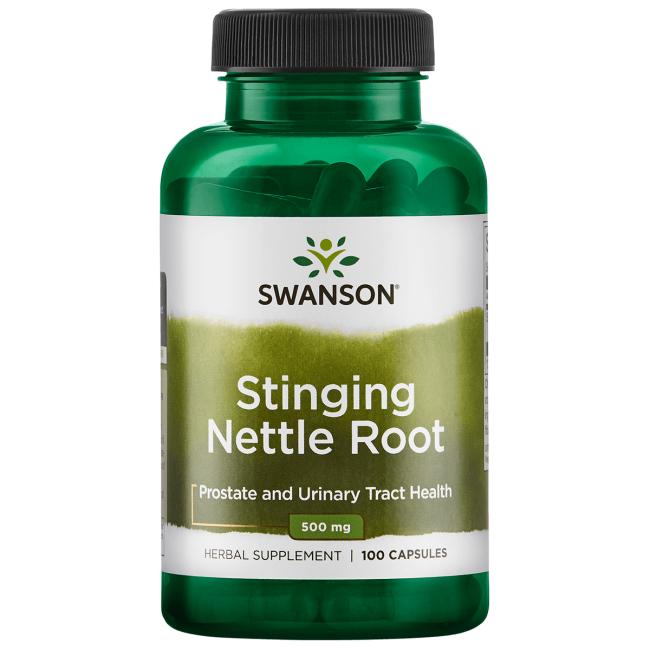
- Root: Stinging nettle root is often used specifically for prostate issues, as it contains lignans that can affect hormone-dependent cancers. The root can be consumed as a tea or extract.
- Combination with other herbs: Stinging nettle can be combined with other herbs that have potential anti-cancer properties to create a synergistic effect.
Note: The optimal dosage of stinging nettle for cancer treatment has not been established. It is important to follow the recommendations on the product or consult a doctor or naturopath. Choose high-quality stinging nettle products from reliable manufacturers.
Research
Stinging nettle has shown potential against several different types of cancer in vitro and in vivo, including prostate cancer, breast cancer, colon cancer, and leukemia [4, 6].
It is important to note that the majority of this research has been conducted in laboratory experiments or on animals. As with virtually all supplements, more research is needed—especially clinical trials in humans—to confirm the effectiveness and safety of stinging nettle as a cancer treatment.
Conclusion
Stinging nettle is a common plant with a long history of use in traditional medicine and as a food source. Recent research has uncovered a potential for stinging nettle as a supplement to cancer treatment, thanks to its content of bioactive compounds with anti-cancer, anti-inflammatory, and immune-stimulating properties. Preclinical studies have shown promising results, but it is important to emphasize that more research, particularly clinical trials in humans, is needed to confirm effectiveness and safety in this context.
While stinging nettle is generally considered safe when consumed in moderate amounts, it is always wise to consult a competent practitioner before using it as a supplement for cancer treatment. Stinging nettle should not be considered a substitute for other relevant cancer treatments but may potentially play a role as a supportive element in both conventional and holistic approaches to cancer care.
Back to Supplements
Links
[1] Her er maden, der beskytter dig mod kræft (Århus Stifttidende, 2009)
- Content: A Danish article discussing various foods and plants, including nettle, that may contribute to cancer prevention.
[2] Anticancer Effects of Urtica Dioica in Breast Cancer (PubMed, 2022)
- Content: A study exploring the cytotoxic and anti-proliferative effects of stinging nettle extracts on breast cancer cells in a laboratory setting.
[3] Protective Effects of Nettle Tea on SKOV-3 Ovarian Cancer Cells Through ROS Production, Apoptosis Induction, and Motility Inhibition Without Altering Autophagy (PubMed, 2024)
- Content: A non-randomized in vitro study showing how nettle tea can induce cell death and inhibit movement in ovarian cancer cells.
[4] Urtica dioica: Anticancer Properties and Other Systemic Health Benefits from In Vitro to Clinical Trials (PubMed, 2024)
- Content: A comprehensive review of the phytochemical profile and anticancer activities of Urtica dioica, summarizing evidence from laboratory studies to clinical trials.
- Content: Research investigating the use of nanotechnology to enhance the delivery and effectiveness of nettle extracts against cancer cells.
[6] Potential Anti-Tumorigenic Properties of Diverse Medicinal Plants against the Majority of Common Types of Cancer (PubMed, 2024)
- Content: A broad review identifying medicinal plants, including Urtica dioica, with potential anti-tumor properties across common cancer types.
[7] Identification of novel inhibitors from Urtica spp against TNBC targeting JAK2 receptor for breast cancer therapy (PubMed, 2023)
- Content: A study using molecular modeling and laboratory tests to identify compounds in nettle that target specific receptors in triple-negative breast cancer.
[8] The efficacy and safety of Urtica dioica in treating Benign Prostatic Hyperplasia: A systematic review and meta-analysis (AJTCAM, 2016)
- Content: A meta-analysis of randomized controlled trials indicating that Urtica dioica is an effective and safe treatment for urinary symptoms associated with BPH.
Page created: Jan. 27, 2025
❤
What you read on I Have Cancer is not a recommendation. Seek competent guidance.
