

Placebo and nocebo effects
Summary of the placebo and nocebo effects
What are placebo and nocebo:
- The placebo effect is a real, measurable improvement in symptoms and health condition triggered by positive expectations. It is not a “fake treatment,” but a fundamental force that plays an active role in any treatment.
Nocebo is the opposite: negative expectations that create real symptoms.
How do they work:
- These effects are controlled by the brain, which acts as the body’s internal pharmacy. Positive expectations can release pain-relieving substances, while negative ones can trigger stress hormones. Even details such as a pill’s color or your trust in your healthcare provider can activate these mechanisms.
Why is this relevant:
- Because your brain is one of the most powerful allies in your healing process. Understanding placebo and nocebo gives you concrete tools to strengthen the body’s own resources and actively influence your well-being throughout the journey.
The biology of expectation: Placebo and nocebo
Consciousness is not a passive observer of the body’s biology. On the contrary, it is an active participant that, through expectations, beliefs, and emotions, can shape our physical reality.[10]
Two of the most striking examples of this connection are the placebo and nocebo effects. They are not a matter of superstition or imagination, but well-documented neurobiological phenomena that play a crucial role in health, disease, and the effectiveness of any treatment.[3]
Placebo: the medicine of expectation
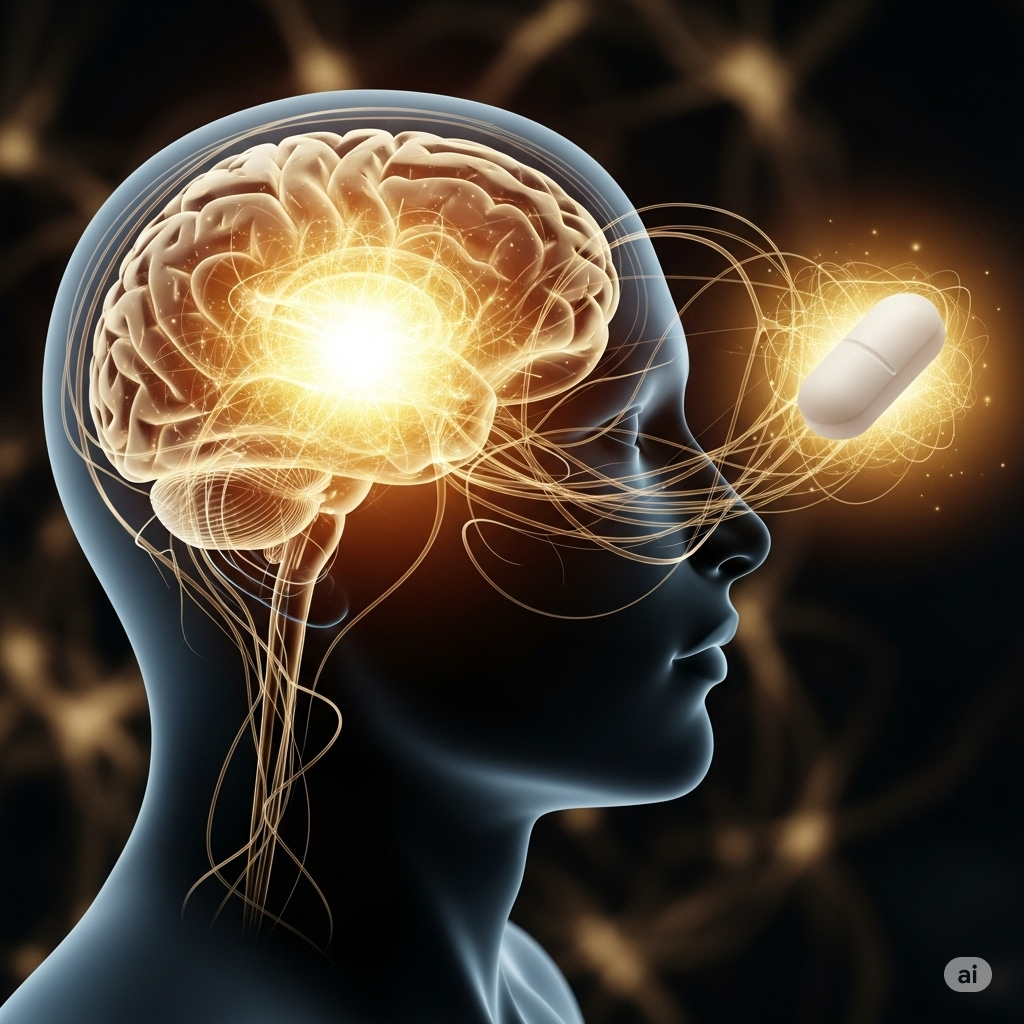
The placebo effect is often defined as the positive effect of an inactive treatment solely because the person believes it is effective.[8]
However, this definition is misleading, as it suggests the effect is “false.” It is crucial to distinguish between the placebo (the inactive pill or treatment) and the placebo effect (the real, measurable response in the body). The effect does not lie in the pill; it lies in the person. Research shows that the placebo effect triggers real, measurable physiological changes in the body.[1]
The biological mechanisms
When a person expects a positive effect from a treatment, specific areas of the brain are activated—particularly those involved in reward, motivation, and emotional regulation. This leads to the release of various biochemical substances:
Endorphins:
- The body’s own morphine-like substances, which are powerful pain relievers. Studies have shown that placebo-induced pain relief can be blocked by medication that inhibits the action of endorphins, proving their central role.
Dopamine:
- A neurotransmitter closely linked to the brain’s reward system, motivation, and the expectation of something positive. The expectation of relief increases dopamine levels, which can improve motor functions (relevant in, for example, Parkinson’s disease) and overall well-being.
Endocannabinoids:
- Substances produced by the body that resemble the active compounds in cannabis. They play a role in reducing anxiety and inflammation.
Placebo genes – some are more predisposed
Research indicates that our ability to respond to placebos may be partly genetically determined. A specific gene, known as the COMT gene, plays a central role. This gene is responsible for breaking down dopamine in the prefrontal cortex—the area that controls expectation, reward, and motivation.
- People with a particular variant of the COMT gene naturally have higher dopamine levels in this brain region. Studies suggest that these individuals are more likely to experience a strong placebo effect because their brains are biologically “primed” to respond more powerfully to positive expectations.
This is further evidence that the placebo effect is a real, biological mechanism—not a matter of being easily fooled or having weak willpower. It underscores that the mind’s influence is deeply rooted in our individual biology.[14]
Measuring the effect
Brain scans (fMRI) show that when a person experiences placebo-induced pain relief, there is reduced activity in the same brain regions that are typically active during pain. This means the brain is not ignoring the pain—it is genuinely perceiving and registering less pain.[2]
The nocebo effect – harmful expectation

The nocebo effect is the dark twin—or direct opposite—of the placebo effect. Here, negative expectations about a treatment or situation lead to real, negative physical symptoms. If you expect side effects, the likelihood of experiencing them increases significantly—even if you are given an inactive pill.
Mechanisms behind the nocebo effect
Like the placebo effect, the nocebo effect has a solid biological foundation closely tied to the body’s stress and anxiety responses:
Stress hormones:
- The expectation of something negative triggers the body’s “fight or flight” response, releasing stress hormones such as adrenaline and cortisol. Prolonged elevation of these hormones can weaken the immune system, increase inflammation, and cause a range of physical symptoms like heart palpitations, headaches, and stomach issues.
Cholecystokinin (CCK):
- A hormone and neurotransmitter strongly linked to anxiety and panic reactions. Studies show that the expectation of pain increases CCK system activity, making a person more sensitive to pain.
Amygdala activation:
- Negative expectations activate the amygdala, the brain’s “alarm center.” This creates a state of heightened vigilance, where the body overinterprets normal bodily sensations as signs of danger, which can manifest as real side effects.
Hypervigilance and misinterpretation
Negative expectations create a state of bodily hypervigilance (extreme alertness), where you constantly and unconsciously “scan” your body for signs that something is wrong.
Normal bodily sensations—a slight headache, a twinge in the stomach, a tingling in the fingers—that you would normally ignore become interpreted as evidence of the expected side effect. The brain amplifies the signal, creating a self-fulfilling prophecy.
The power of package inserts
A classic example is the package insert in medications. By reading a long list of possible side effects, you can unconsciously program your brain to seek out and even provoke those exact symptoms.[13]
The power of context
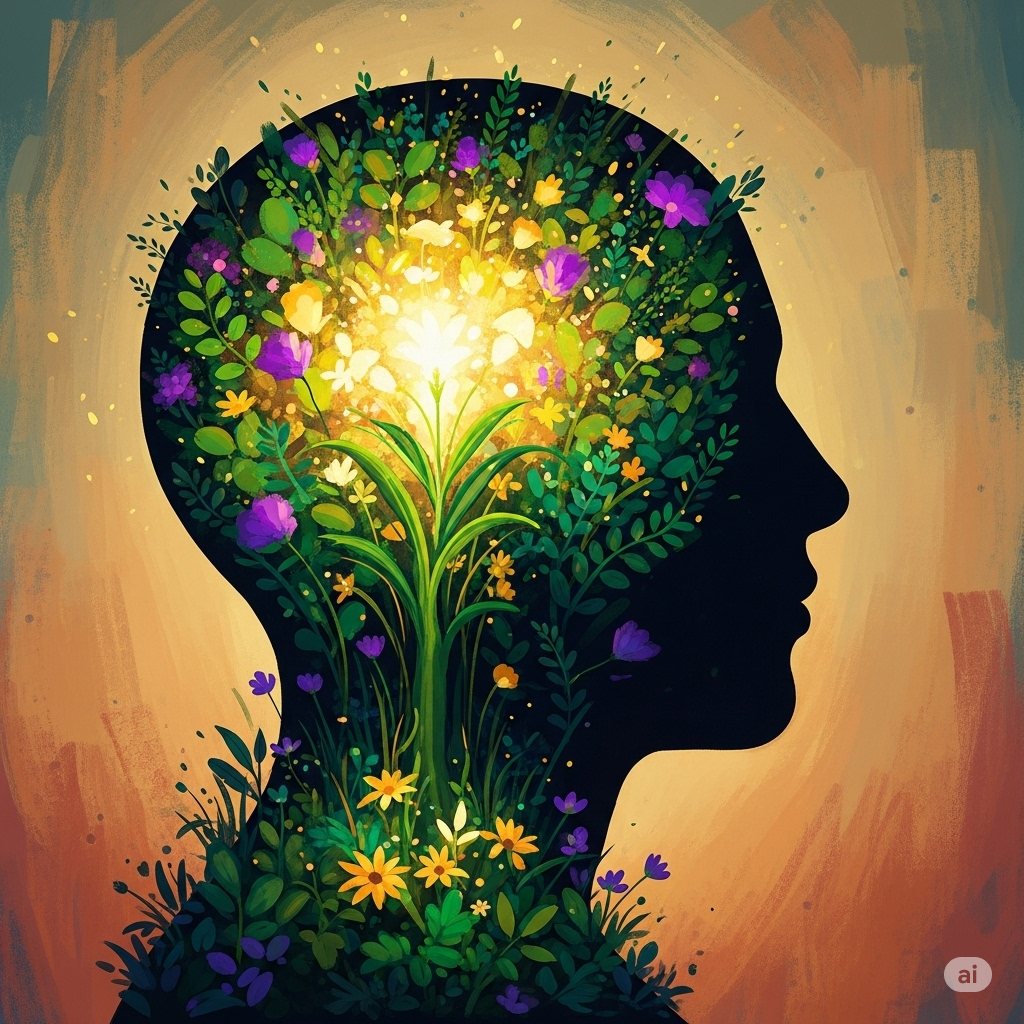
The entire experience surrounding a treatment can be seen as a powerful therapeutic ritual. Every part of this ritual—the doctor’s white coat, the sterile clinic environment, the impressive scanners—sends a strong signal to the brain: “Something effective is happening here.”
The placebo and nocebo effects never occur in a vacuum. They are shaped by the context in which the treatment is given. It is not just the medication, but the entire ritual surrounding it that creates the effect.
The role of the provider:
A provider who radiates warmth, empathy, and confidence in the treatment will evoke a much stronger placebo effect than a cold and detached provider. Their choice of words, body language, and conviction are an active part of the treatment itself.[9]
The “drama” of treatment:
An injection is often perceived as more effective than a pill. Two pills work better than one. A pill with a well-known brand name works better than a generic one. The price of the treatment also has an effect; an expensive placebo pill works better than a cheap one.
The environment:
The surroundings in a clinic, the uniforms, the technical equipment, and the procedure itself all contribute to building a strong expectation that “something effective is about to happen.”
The psychology of details

The strength of the placebo and nocebo effects is so fundamental that it can be influenced by even the smallest details in the treatment situation. Research has uncovered a number of fascinating examples showing how the brain interprets subtle signals as signs of a treatment’s effectiveness.
The color of medicine
Numerous studies have confirmed that the color of a pill has a measurable effect on how it is experienced. While there are cultural differences, some general trends have been observed. A major analysis in the British Medical Journal found, for example, that:
- Red, yellow, and orange pills are often associated with a stimulating or invigorating effect.
- Blue and green pills, on the other hand, are linked to a calming or sedating effect.
- White pills are often perceived as pain-relieving, likely due to their resemblance to common headache tablets.
These learned associations mean that a blue sugar pill can work better as a sleeping aid than a red one, purely because of the psychological signal value of the color.
The rubber hand illusion
One of the most striking examples of the mind’s power over the body’s experiences is the “rubber hand illusion.” In the experiment, a person’s real hand is hidden from view, while a realistic rubber hand is placed where their own hand should be. When the researcher then uses two brushes to touch both the hidden, real hand and the rubber hand synchronously, the person’s brain soon begins to perceive the rubber hand as their own.
The remarkable part is that this illusion can directly affect the experience of pain. Recent studies, including those from Ruhr-Universität Bochum, have shown that if a painful stimulus (e.g., heat) is applied to the real, hidden hand, the person will experience less pain once they have accepted the rubber hand as their own. The brain is, so to speak, distracted by the visual input and downregulates the pain signal because ownership of the real hand is temporarily disrupted. The opposite occurs if the rubber hand is hit with a hammer. This will provoke direct pain, and the person will immediately pull their hand away. The pain continues for a while after the person has acknowledged that it was not their real hand that received the blow.
This shows how closely our body perception and pain experience are linked in the brain.
Other notable examples
Sham surgery, real effect:
- In several studies of patients with knee pain, researchers performed “fake” arthroscopic surgeries, where patients were fully anesthetized and small incisions were made in the skin, but no actual surgery was performed. The results were astonishing: The group that received the fake surgery reported just as much and long-lasting pain relief as the group that received the real surgery. The ritual, expectation, and entire drama surrounding the surgery were enough to create a powerful placebo effect.[9]
Conditioned nausea:
- Cancer patients receiving chemotherapy often experience nausea as a side effect. After a few treatments, simply seeing the hospital or the nurse preparing the IV can trigger nausea—long before the medication is even administered. This is a classic example of a conditioned (learned) nocebo response.
The story of Mr. Wright
One of the most famous and often-cited stories about the dramatic power of the placebo and nocebo effect is the story of Mr. Wright, documented by physician Bruno Klopfer in the 1950s.
Mr. Wright had advanced cancer (lymphosarcoma) with large tumors the size of oranges. He was near death and struggling to breathe. He heard about a new, promising cancer drug called Krebiozen and begged his doctor to give it to him, even though it was only available in clinical trials he did not qualify for. The doctor relented and gave him an injection on a Friday.
The first miracle:
By the following Monday, Mr. Wright was out of bed and socializing with the nurses. His tumors, according to the doctor, had “melted like snowballs on a hot stove” and were reduced to half their size. After ten days, he was discharged, seemingly cancer-free. His recovery was based solely on his unwavering belief in Krebiozen.
The nocebo effect strikes:
Two months later, media reports began to criticize Krebiozen, concluding that it was ineffective. Mr. Wright read the news, lost his faith, and his cancer quickly and aggressively returned.
The second miracle:
His doctor, realizing what was at play, decided to conduct an experiment. He told Mr. Wright that the initial reports were wrong and that he now had a new, “double-strength, super-refined” version of Krebiozen, which he would only give to him. In reality, the syringe was filled with sterile water. Again, the incredible happened: Mr. Wright’s tumors disappeared, and he was symptom-free once more.
The final conclusion:
He remained well for another two months, until the American Medical Association published a nationwide report definitively stating that Krebiozen was a worthless fraud. This time, nothing could restore Mr. Wright’s faith. His cancer returned, and he died a few days later.
The story of Mr. Wright stands as a monumental testament to the fact that expectation and belief are not just thoughts, but a biological force that, in extreme cases, can seemingly influence even massive tumor progression.[15]
Not just willpower
These examples underscore that placebo and nocebo are not about willpower, but about deeply rooted and often unconscious processes in the brain that constantly interpret the world around us and adjust the body’s biology accordingly.
Placebo, nocebo, and treatment process

For people affected by cancer, understanding these mechanisms is not merely academically interesting—it can be absolutely crucial. From the moment of diagnosis, patients are exposed to situations that can trigger intense nocebo and placebo effects.
As oncologist Dr. Henning Saupe (from Arcadia Praxisclinic) points out, the very act of delivering a cancer diagnosis is a potential trauma that can function as a powerful nocebo.[5]
How the message is delivered can either strengthen or weaken the person’s inner resources.
The pitfalls of communication
The brain has a built-in “negativity bias,” where it reacts more strongly to threats than to positive information. A sentence like, “The scan looks good now, but we can’t know if the cancer will return,” is often processed as a threat.
The word “but” can undermine all the positive information that preceded it, activating a chronic stress state that weakens the immune system.
Side effects and the nocebo effect
When patients are informed about the possible side effects of chemotherapy, it is a delicate balance. The information is necessary for consent, but the way it is delivered can itself amplify those side effects.
A one-sided focus on the negative, without simultaneously strengthening hope and agency, is a direct invitation to the nocebo effect.[11]
From placebo to “meaning response”
Recent research increasingly speaks of a “meaning response” instead of just a placebo effect. The concept is more precise because it recognizes that the effect does not come from a “fake” pill, but from the meaning a person attributes to the entire treatment situation.
Chemotherapy is not just the chemical fluid running into the veins. It is also:
- Ritual: The trip to the hospital, the meeting with the familiar nurse, the smell on the ward.
- Symbolism: The sterile equipment, the white coat, the IV stand itself.
- Narrative: The personal conviction that “this is a powerful treatment that will kill the cancer.”
When all these elements create a strong, positive meaning, the body’s inherent healing resources are activated—a meaning response. Understanding this offers an opportunity to consciously shape one’s own narrative and rituals so they contribute positively to the overall treatment effect.
Regaining control
By understanding that negative expectations can create physical symptoms, you can begin to work consciously with your thoughts and feelings.
Techniques such as mindfulness, meditation, and especially tapping can dampen the body’s stress response. Likewise, taking an active part in decisions and supplementing treatment with, for example, dietary changes or exercise can provide a sense of control that counters nocebo-induced helplessness and instead activates a placebo response.[7]
Another strategy is to consciously create your own positive rituals around treatment. This could be listening to a specific piece of calming music on the way to the hospital, visualizing the medicine as a helpful force working with the body, or actively seeking and reading stories from others who have benefited from the same treatment. These actions are not passive. They are active ways to encode the brain for a placebo response rather than a nocebo response.
One of the most striking examples of this comes from a groundbreaking study showing that cancer patients with advanced disease who received supportive conversations alongside their treatment not only had higher quality of life, but also lived significantly longer.[16]
Ethics and the future
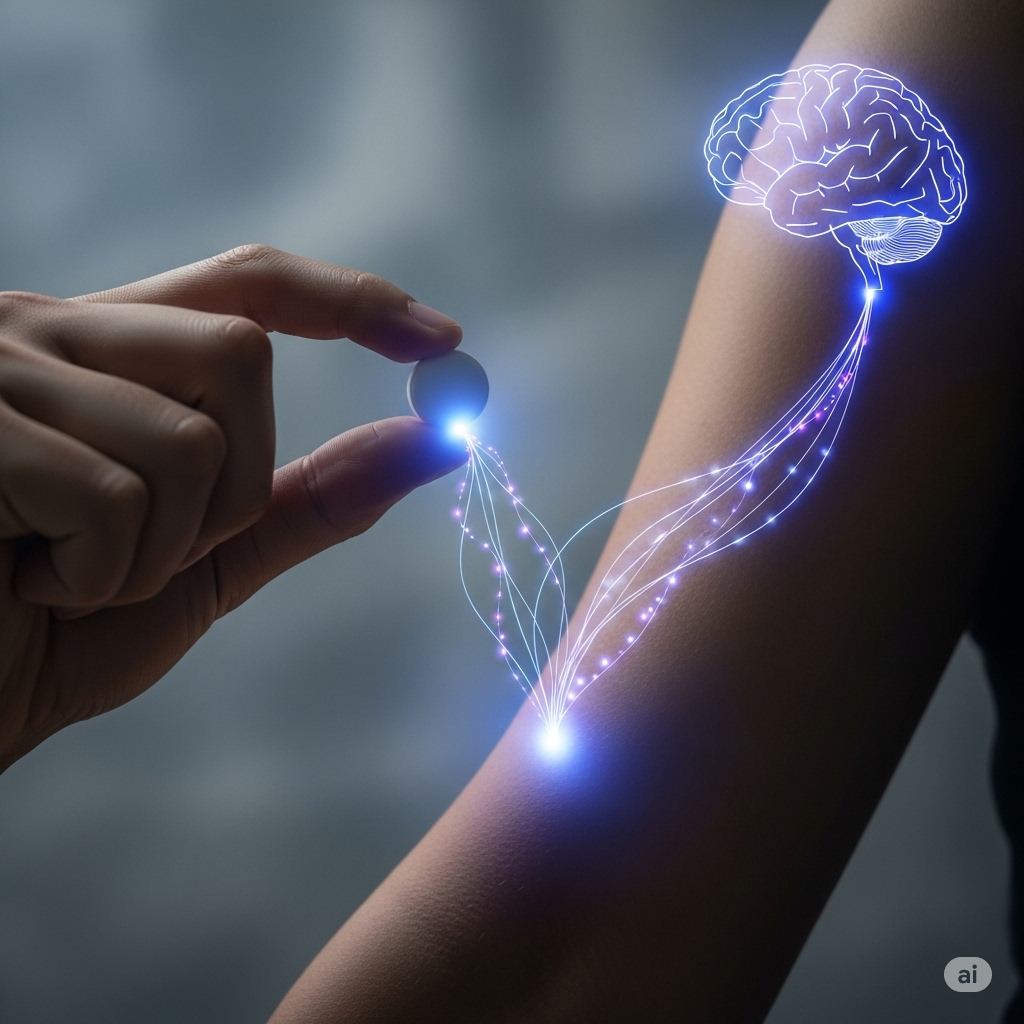
The use of placebo raises ethical questions. Is it acceptable for a doctor to prescribe a “fake treatment”? Traditionally, the answer has been no, as it involves a form of deception.
However, new research into “open-label placebo” challenges this. In these studies, participants are told they are receiving a placebo pill with no active substance, but they are also given an explanation of how the placebo effect works. Surprisingly, studies show that even these honestly administered placebos can have a significant positive effect on conditions such as irritable bowel syndrome, chronic pain, and fatigue.[4]
This opens the door to a future where the goal is not to “trick” the body, but instead to consciously activate its self-healing potential as a supplement to active treatment.
The aim is to maximize the placebo effect (through good communication, hope, and rituals) and minimize the nocebo effect (by avoiding unnecessary fear and negative framing).
Conclusion

The placebo and nocebo effects are a fundamental proof of the inseparable connection between mind and body. They show that our expectations and beliefs are not just thoughts, but biochemical instructions the brain sends to the rest of the body.
Acknowledging this power does not mean saying you can “think yourself well” from a serious illness. But it is an acknowledgment that the mind is a potent (and possibly necessary) ally in any healing process.
The important task of the healthcare system
The healthcare system faces a major task: to adopt an integrative mindset where this knowledge is incorporated into patient care. Providers should be trained in communication that minimizes nocebo effects and creates frameworks that maximize placebo effects. Providers should never discourage a cancer patient who, for example, believes they have found an effective supplement to their treatment in the form of certain dietary supplements, simply by dismissing it. Providers should be aware of supplements that can support treatments without posing a risk. And cancer patients should always be encouraged to do what they can to improve their own prospects.[12]
Powerful rituals
Even if a supplement, for example, does not have a documented biochemical effect against cancer cells, the very act of taking it can be a powerful ritual. It provides a sense of control, purpose, and hope. To dismiss this as ineffective is to overlook and undermine the potent placebo effect that this sense of agency can trigger. An appreciative approach that respects the patient’s initiative can itself strengthen the overall treatment effect.
For the individual with cancer, there is an opportunity—through knowledge and conscious work with one’s own thoughts and feelings—to influence one’s own health and treatment journey in a more favorable direction.[6]
See also Tapping
See also Fatih moves mountains
See also It has to feel right
See also The decision
See also Arcadia Praxisklinik, Germany
See also Integrative Oncology
Afterword – Video with Dr. Saupe
Summary of video with Dr. Henning Saupe
In the video conversation, Dr. Henning Saupe, head of Arcadia Praxisklinikken, sheds light on the crucial, yet often overlooked, connection between a cancer patient’s mental state and the body’s ability to fight the disease.
His central point is that the moment a person receives a cancer diagnosis acts as a potential trauma, which can have far-reaching biological consequences.[5]
Diagnosis as a nocebo effect
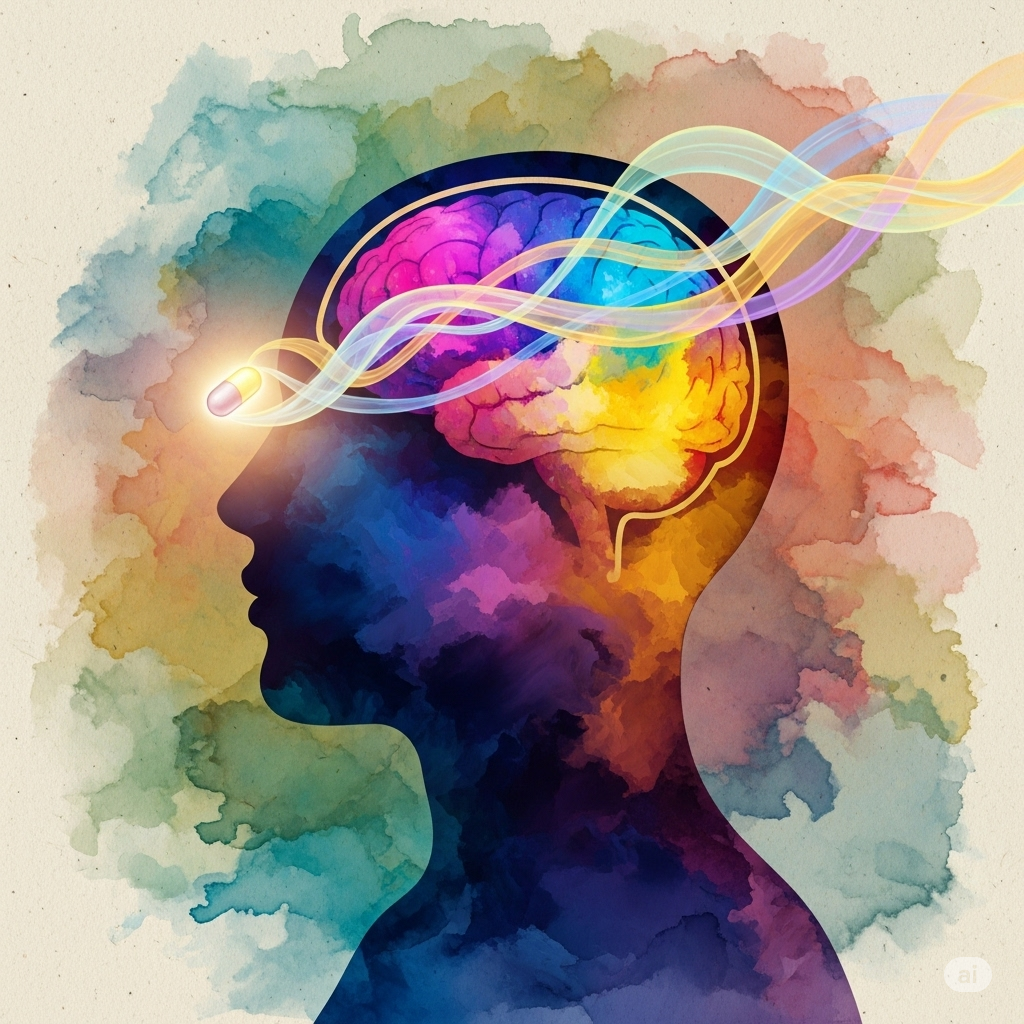
Dr. Saupe explains that the shock and fear following a cancer diagnosis trigger a powerful stress response in the body. This reaction is not merely a mental burden; it directly weakens the body’s innate ability to heal itself and undermines the immune system.
This is a powerful nocebo effect, where negative expectations and fear create real, harmful physiological changes. He points out that modern Western medicine, with its focus on mechanical and chemical solutions, has often neglected this psychobiological connection—unlike older, holistic traditions such as Chinese and Ayurvedic medicine, which view the body and mind as one.[5]
The power of communication
As a direct counter to the stress response, Dr. Saupe highlights the biology of hope—the placebo effect. When a patient feels justified hope and faith in the future, the brain signals the body to produce substances that actively strengthen the immune system and inhibit unwanted reactions.
Here, the communication from the healthcare provider becomes crucial. Dr. Saupe emphasizes that the brain is programmed to prioritize threats and danger signals far above positive messages.
A doctor who says, “It looks good now, but we don’t know if it will come back,” risks having the patient’s brain focus solely on the threat in the second clause. This activates the stress response and undermines the positive effects of the treatment.[5]
The need for an integrated approach
Dr. Saupe concludes that it is essential to address the shock of a diagnosis and actively work to replace fear with hope.
He recommends concrete tools such as mindfulness and tapping to reduce the body’s stress responses. He criticizes the classic purely mechanical approach to diagnosis and treatment, due to its tendency to overlook the importance of hope.
Additionally, Dr. Saupe notes, as a thought-provoking detail, that a large proportion (nearly half) of oncologists themselves meet the criteria for burnout, which can make it difficult for them to provide the necessary psychological support.
Therefore, there is an urgent need for a more integrated, holistic approach in cancer treatment, where psychological support is recognized as a fundamental part of the patient’s healing.[5]
Links
[1] The power of the placebo effect (Harvard Health Publishing, 2024)
- Content: The article describes the placebo as a measurable brain response that can relieve symptoms such as pain but does not cure the disease itself. A key study showed that even openly administered placebo pills had 50% of the effect of genuine migraine medication, highlighting the power of the treatment ritual itself.
[2] Extracting information from neuronal populations: information theory and decoding approaches (Nature Reviews Neuroscience, 2009)
- Content: The article argues for a shift in neuroscience from studying individual neurons over time to analyzing large groups of neurons simultaneously. This approach, which more accurately reflects how the brain makes decisions, provides deeper and more precise insights into how information is processed.
[3] Neurobiological Mechanisms of the Placebo Effect (PubMed, 2005)
- Content: The article defines the placebo effect as a study of a treatment’s psychosocial context. It is a psychobiological phenomenon with multiple mechanisms that serve as a model for how the mind influences the body’s nervous system.
[4] Open-label placebo treatment in chronic low back pain: a randomized controlled trial (PubMed, 2016)
- Content: A randomized controlled trial examined the effect of “open-label placebo” — pills that patients with chronic lower back pain knew were inactive. The group receiving these placebo pills alongside standard treatment experienced a significantly greater reduction in both pain and functional impairment compared to the group receiving only standard treatment.
[5] Video: Placebo und Nocebo: Warum einige Menschen trotz Krebs gesund bleiben! | Dr. med. Saupe | QS24 (YouTube, QS24 – Schweizer Gesundheitsfernsehen, 2025)
- Content: Dr. Henning Saupe explains that a cancer diagnosis can trigger harmful stress that weakens the body’s self-healing ability. It is therefore crucial for doctors to communicate in a way that reduces fear and actively builds hope, as this can strengthen the immune system.
[6] Positive and negative psychosocial impacts on cancer survivors (Scientific Reports, 2023)
- IContent: A study of cancer survivors found that positive psychosocial impacts (social, spiritual) generally outweighed the negative (stress). Factors such as age, gender, and income influenced the results. These findings can be used to develop interventions that enhance survivors’ well-being.
[7] Book: The Placebo Effect: Heal Yourself with the Power of the Mind (Joe Dispenza) (Danish Language)
- Content: Joe Dispenza’s book The Placebo Effect describes documented cases of spontaneous healing from serious illness. The book is a practical guide, based on the latest research in neuroscience, instructing readers on how to harness the placebo effect themselves. It demonstrates how the seemingly impossible can become possible.
[8] 5 Things You Need to Know About Placebo (Videnskab.dk, 2018) (Danish Language)
- Content: The article explains that the placebo is the improvement one experiences solely due to the expectation of a treatment, for example when a headache pill works immediately. Psychologist Jesper Dammeyer describes mechanisms such as learned response and the doctor’s care, which can be used to actively optimize treatments.
[9] Placeboens dilemmaer: Should We Reintroduce the Doctor’s Red Pill? (Ugeskrift for Læger, 2019) (Danish Language)
- Content: The article highlights that many treatments, including surgery, do not work better than placebo, and that factors such as the doctor’s care are crucial to the effect. This raises an ethical dilemma about whether to discontinue treatments that help patients, even if the effect is primarily placebo.
[10] Placebo and Nocebo (Ugeskrift for Læger, 2014) (Danish Language)
- Content: Physician Erik Palle Olesen argues that the placebo effect activates unconscious emotional traces from childhood experiences of care. He suggests that research to achieve a deeper understanding should include knowledge from psychotherapy, myths, and spiritual traditions.
[11] Nocebo-effekten spiller ind: Fear of COVID-19 vaccine side effects can make you sick (DR, 2021) (Danish Language)
- Content: A study from Aarhus University shows, through the nocebo effect, that the expectation of side effects from the COVID-19 vaccine significantly increases the risk of actually experiencing them. Therefore, the way side effects are communicated can have a major impact on how many people become ill from the shot.
[12] Harnessing the placebo effect: the need for translational research (PubMed, 2011)
- Content: Although research has identified the neurological mechanisms behind the placebo and nocebo effects, this knowledge has yet to be translated into improved patient care. The article proposes concrete strategies for how doctors can actively use these effects in clinical practice.
[13] The nocebo effect and its relevance for clinical practice (PubMed, 2011)
- Content: Negative expectations, which can arise from information about side effects, can trigger real negative symptoms (the nocebo effect). This affects quality of life and treatment, and the article discusses ethical guidelines for minimizing this harmful effect.
[14] Mechanisms of the placebo effect in pain and psychiatric disorders (PubMed, 2016)
- Content: The placebo effect is driven by expectation, shaped by experience, context, and biological traits, including specific genes. The article provides an overview of how different brain systems are involved in the effect for conditions such as pain and depression.
[15] On the Mysterious, Powerful Effects of Placebos (Literary Hub, 2018)
- Content: This link offers a vivid and well-written retelling of the story of Mr. Wright, as described by Bruno Klopfer.
[16] Early palliative care for patients with metastatic non-small-cell lung cancer (PubMed, 2010)
- Content: A significant study examined patients with advanced lung cancer. One group received standard treatment, while another group also received supportive conversations with a specialist about their wishes and quality of life.
The result was that the group receiving conversations had significantly better quality of life and less depression. Although they more often opted out of aggressive treatment later, they lived on average nearly three months (or 25%) longer.
Page created:
August 20, 2025
❤
What you read on I Have Cancer is not a recommendation. Seek competent guidance.
