


EAA (essential amino acids) and cancer
Summary of EAA
Vital building blocks:
- EAA provides the nine essential amino acids that are fundamental to the body’s protein production and the repair of cellular structures.
Tissue stability:
- EAA rebuilds the extracellular matrix (ECM), strengthening connective tissue’s ability to maintain control over cancer cells.
The metabolic dilemma:
- Amino acids such as leucine can activate growth signals (mTOR). EAA must therefore be used strategically (or avoided altogether (I do not dare to take it myself)), so that you do not stimulate tumour growth while trying to slow it down.
Strategic timing:
- EAA is ideal for rebuilding and counteracting muscle loss, but in certain phases of a “Starve” strategy it may be counterproductive due to its content of methionine and leucine.
What is EAA
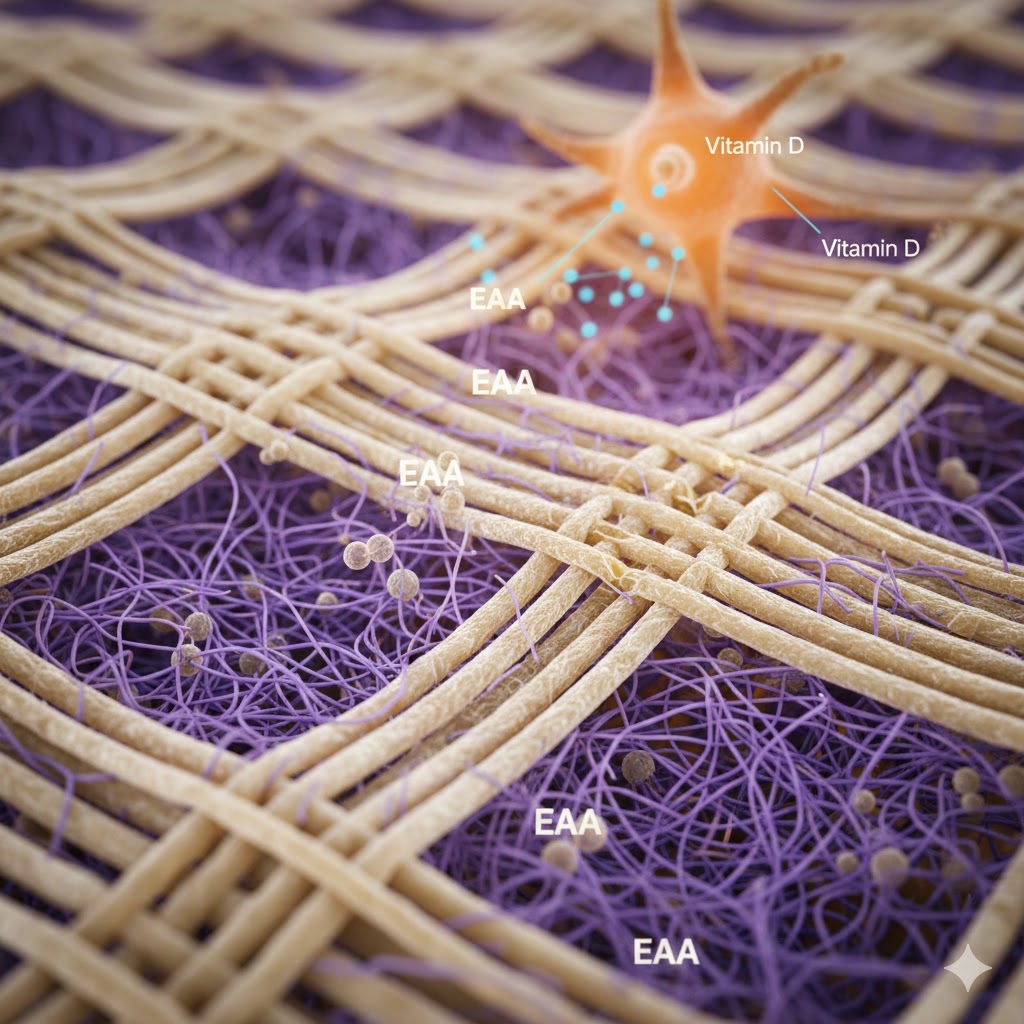
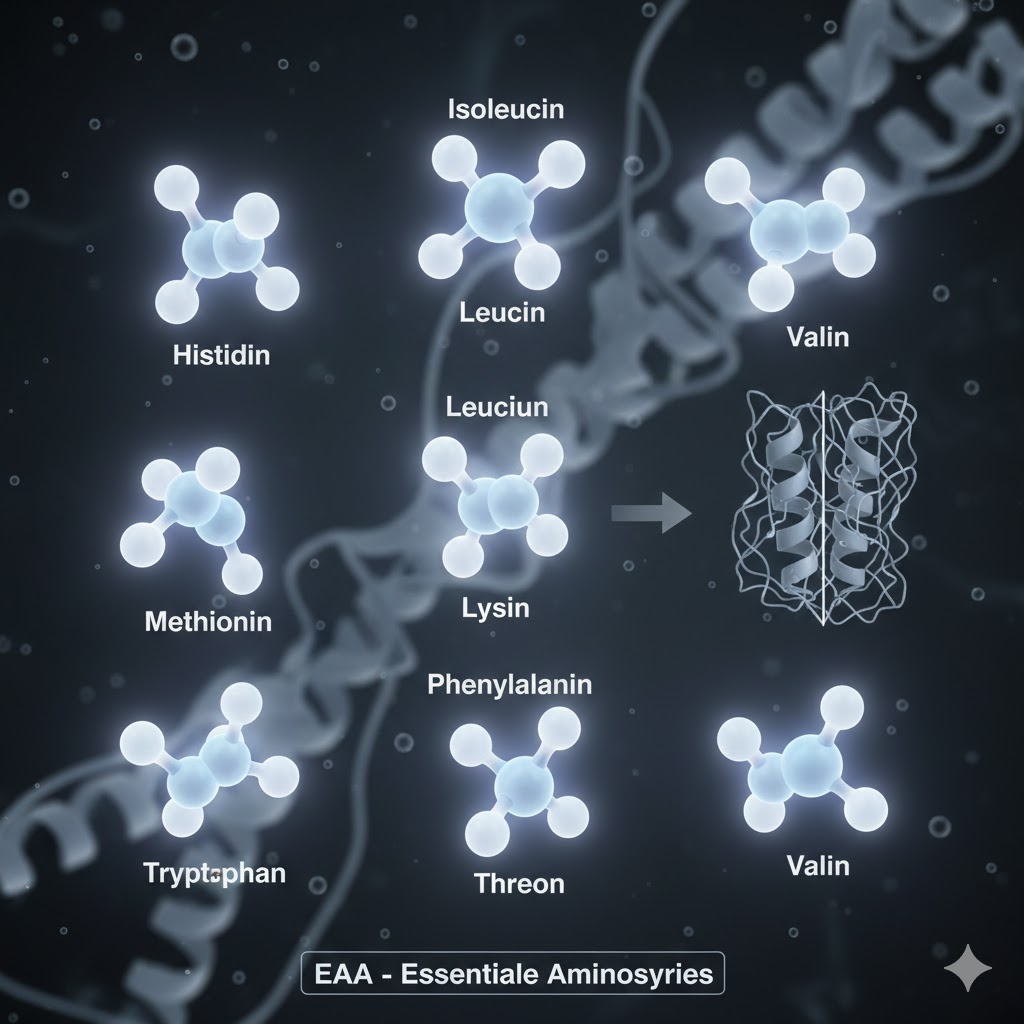
EAA stands for Essential Amino Acids. It is a group of nine amino acids that the body cannot produce on its own and must therefore obtain through diet or supplements. The nine amino acids are histidine, isoleucine, leucine, lysine, methionine, phenylalanine, threonine, tryptophan, and valine. These are crucial for forming the proteins needed for every single cell in the body.
History
The importance of amino acids was gradually discovered in the 19th and early 20th centuries. For decades, they have been used in hospitals to help malnourished or seriously ill people regain strength. More recently, the Danish research association TINAP has highlighted EAA as a strategic tool for rebuilding the body’s control systems by repairing the extracellular environment.
Mechanisms of action
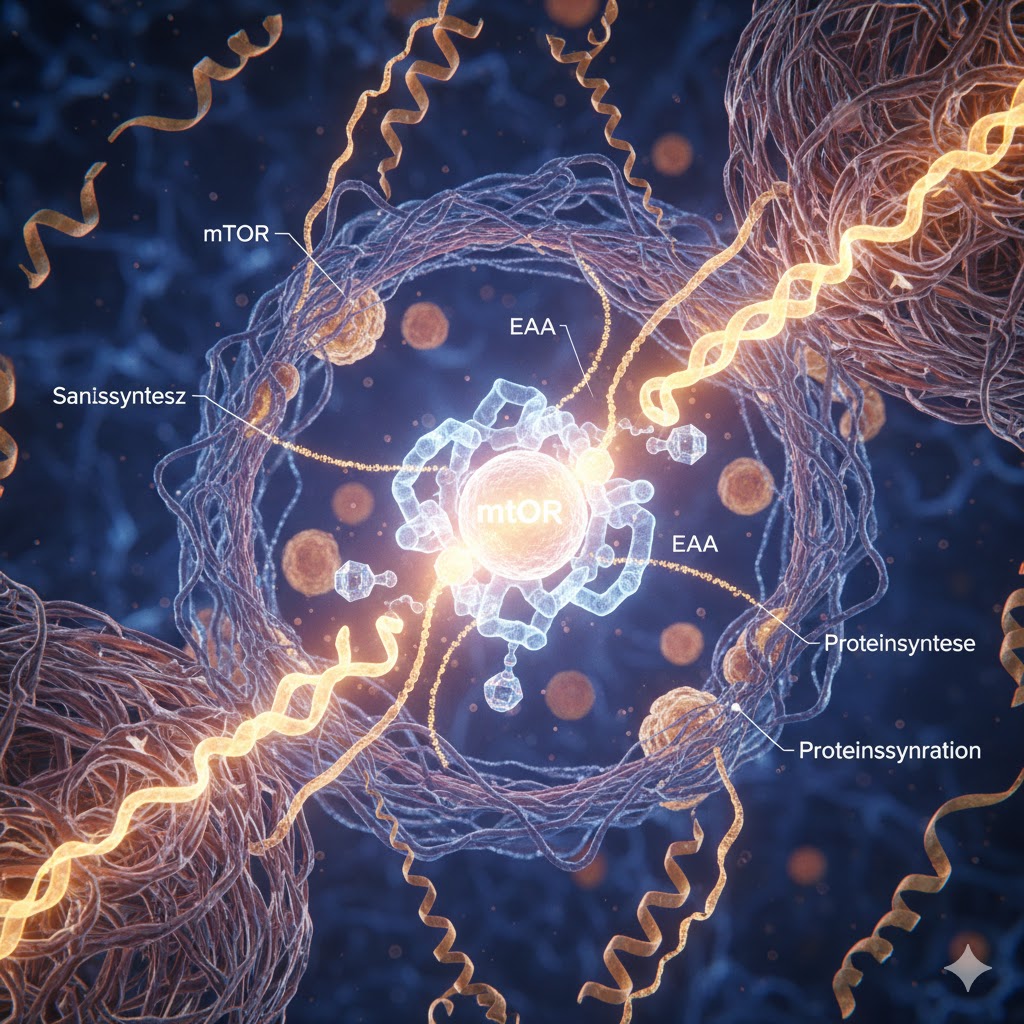
EAA works through several complex processes that govern how the body maintains itself. The most central mechanism is the stimulation of protein synthesis (the formation of new protein in cells).
Activation of the mTOR pathway
One of the most important ways EAA works is by activating a control centre in cells called mTOR (a protein that regulates cell growth and survival). In particular, the amino acid leucine acts as an on-switch for this centre. When you take EAA, cells receive the signal that there are sufficient building blocks available, which initiates repair and tissue building. This is crucial for maintaining the balance between protein breakdown and protein building in the body. [1]
Rebuilding the extracellular matrix
A key mechanism highlighted by TINAP is the rebuilding of the extracellular matrix (ECM—the environment surrounding cells). EAA provides the necessary components to produce collagen (a connective tissue protein) and other structural proteins. When connective tissue is dense and intact, it functions as an intelligent network that sends the correct stop signals to cells, which is necessary to maintain their normal function and identity. [2]
Potential in cancer
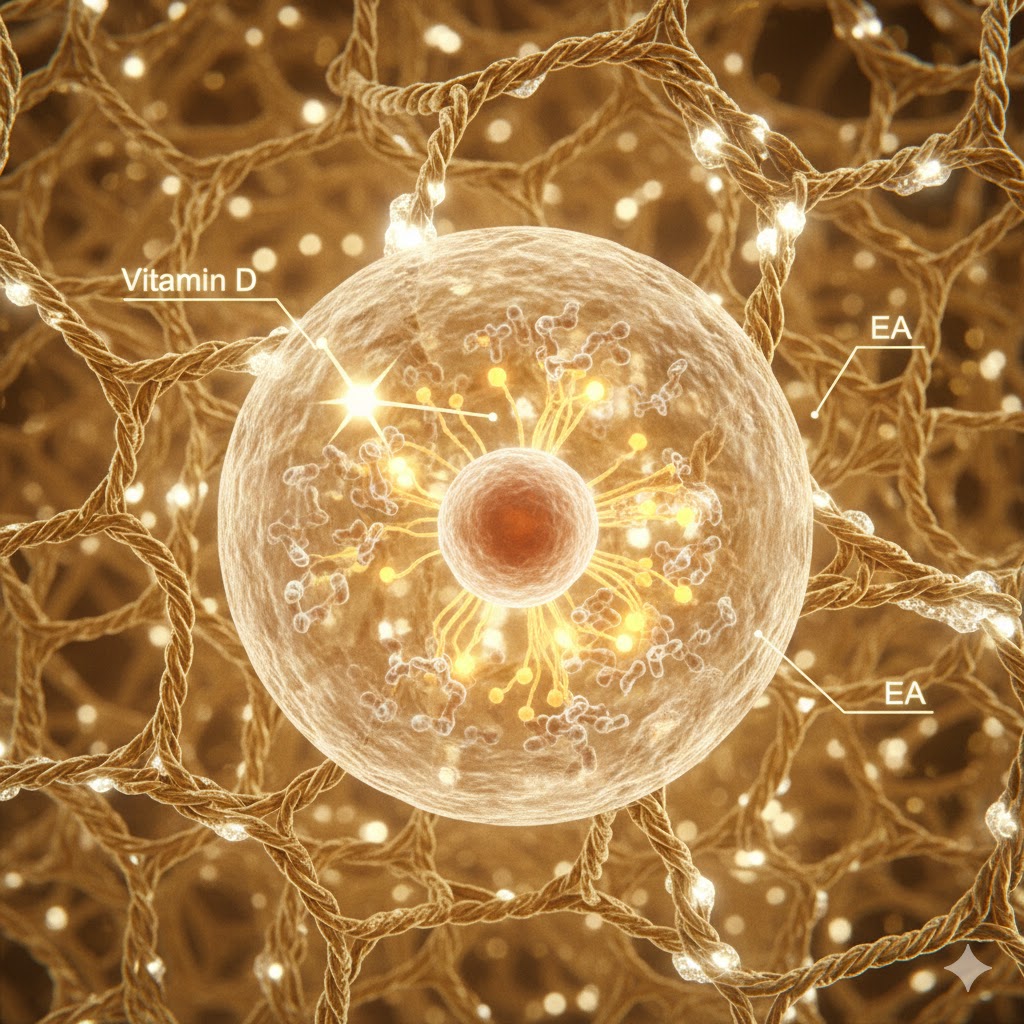
When the body is fighting cancer, a state of extremely increased nutrient demand often arises. Here, EAA plays a crucial role as supportive therapy by rebuilding the body’s defence systems. The use of EAA is strategic and depends on which phase of treatment you are in. As described under The metabolic dilemma, there may be good reasons to avoid this supplement altogether.
Repair of the reticular lamina
According to TINAP’s system-centred cancer model, cancer arises when the connective tissue’s control structure, including the reticular lamina (a fine layer in connective tissue), breaks down. EAA has enormous potential here, as it functions as the specific “spare parts” needed to patch the holes in this control system. By making the connective tissue dense enough, you can help the body reject the spread of cancer cells and restore order in the tissue. [3]
Counteracting cachexia
Cancer cells often steal energy and amino acids from your muscles in order to grow. By supplying EAA in an easily absorbed form, this process—known as cachexia (severe muscle wasting)—can be slowed. EAA provides the body with the necessary resources directly, so it does not need to break down its own muscle tissue to obtain building blocks for the immune system and other vital functions. [4]
Support for immune cells
The immune system is extremely dependent on proteins. Every time the body needs to produce new white blood cells or antibodies (defence molecules), it requires a precise composition of amino acids. EAA ensures that your defences have the necessary components available, which is particularly relevant when the immune system is under pressure from both the disease and the treatment.
The metabolic dilemma

Although EAA are indispensable building blocks, they present a complex dilemma in metabolic cancer treatment. Cancer cells often have an altered metabolism that enables them to hijack the body’s growth signals.
The conflict with the “Starve” strategy
In many treatment protocols, substances such as metformin or berberine are used to block the cells’ growth engine, known as the mTOR pathway. The aim is to starve cancer cells and stop their division. Here, the amino acid leucine, which is found in high concentration in EAA, poses a challenge. Leucine acts as the strongest biological “on-switch” for mTOR. If you take EAA at the same time as growth-inhibiting medication, you risk pressing the accelerator and the brake at the same time.
Methionine dependence
Many types of cancer cells also depend on a constant external supply of the amino acid methionine to survive. Because a complete EAA supplement always contains methionine, you must carefully consider the timing of intake—if at all!
In active phases where the goal is to “starve” the tumour, it may be most appropriate to limit broad amino acid supplements in favour of very specific amino acids such as lysine and proline, which strengthen connective tissue without providing the same growth signal to the tumour.
Benefits of EAA
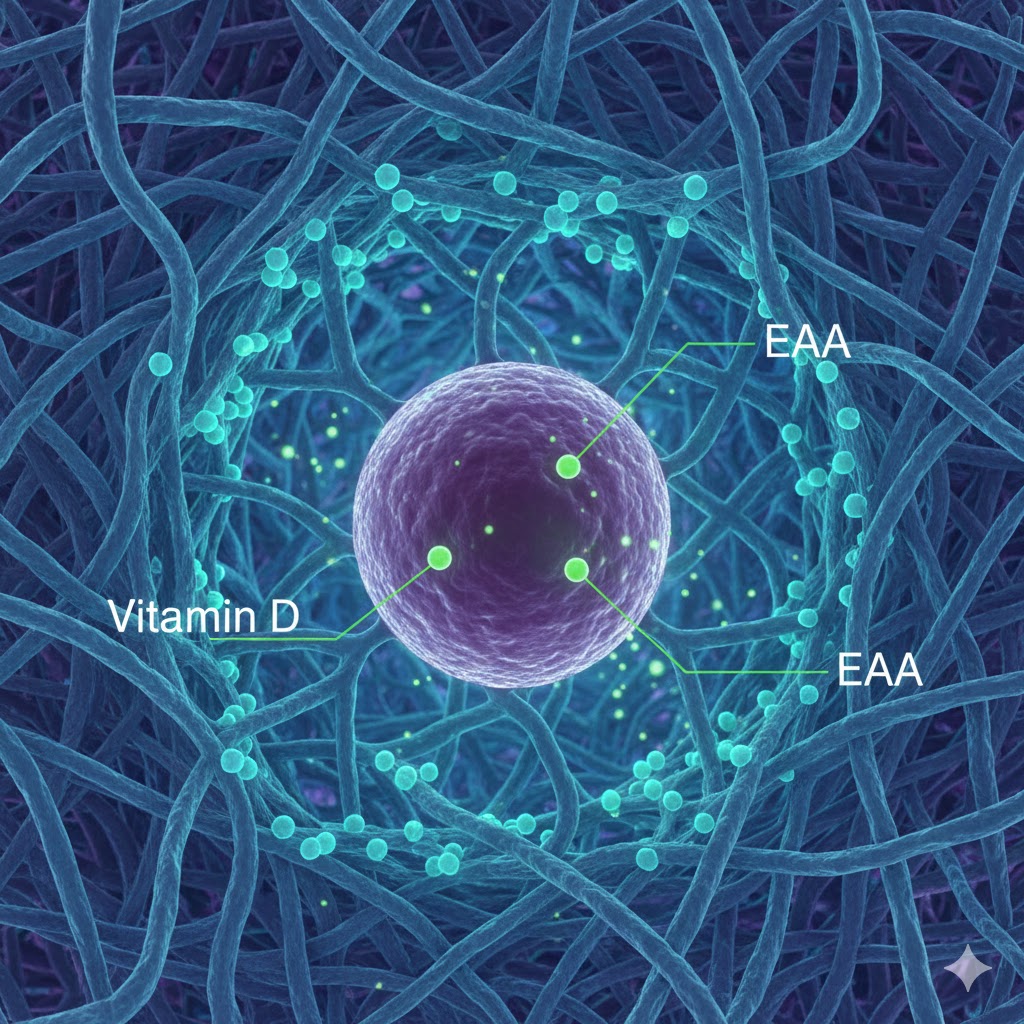
The greatest advantage of EAA compared with regular protein or protein-rich food is absorbability and strategic precision.
Rapid availability for connective tissue
Because the amino acids in EAA are in their free form, they require no digestion. This means the building blocks are immediately available to strained connective tissue and diseased cells that need repair. This is a major advantage if you have reduced appetite or digestive issues during treatment.
Complete building kit
Unlike individual amino acids, EAA supplies the body with all nine essential components. The body cannot carry out complex connective tissue repair if even one of the nine is missing. By taking EAA, you ensure that the rebuilding work never stalls.
Disadvantages and limitations

EAA works best as part of an overall nutrition strategy. One limitation is that EAA does not contain calories to any significant degree. If you do not get enough energy from fats and carbohydrates, your body will simply use the expensive amino acids as fuel instead of using them to rebuild connective tissue. It is therefore important to eat energy-dense food alongside it.
However, a significant drawback is the risk of unintentionally stimulating growth signals (mTOR) if the timing is wrong.
The synergy between EAA and Vitamin D
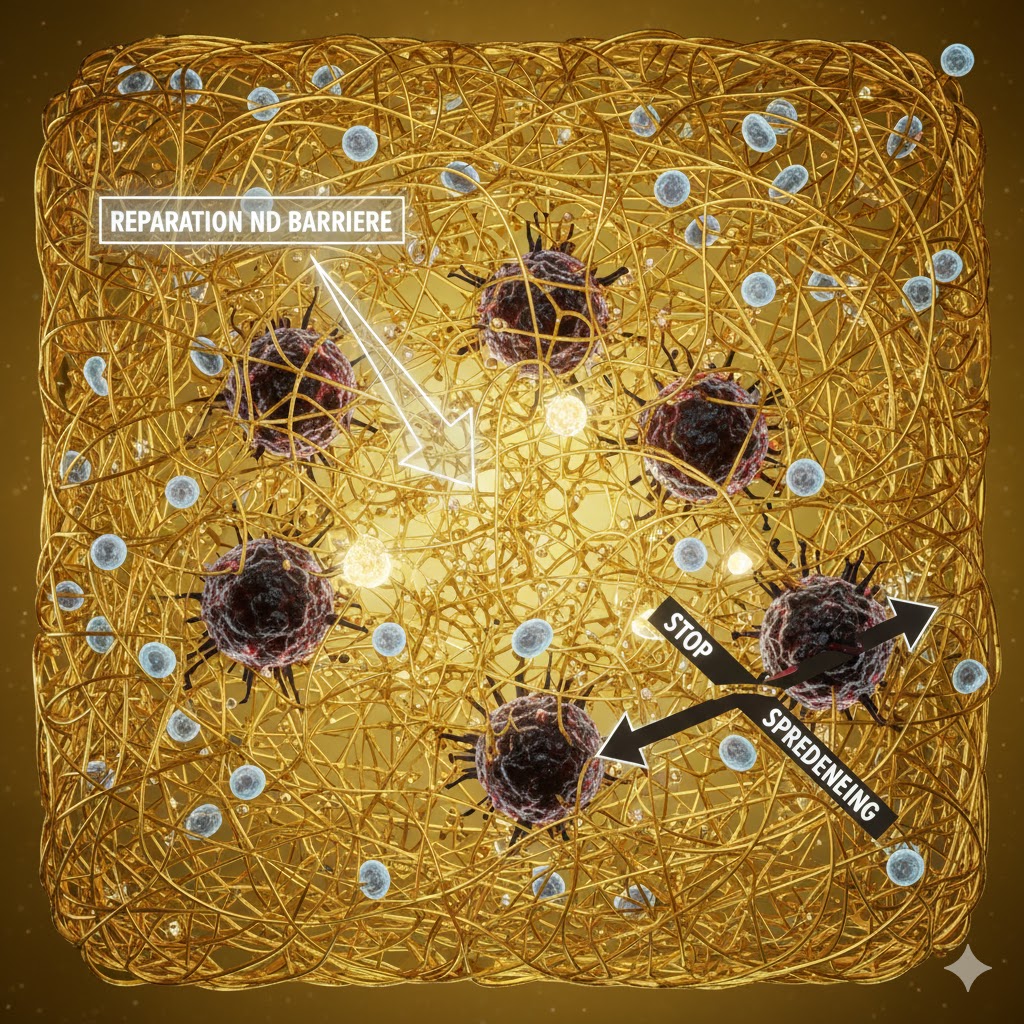
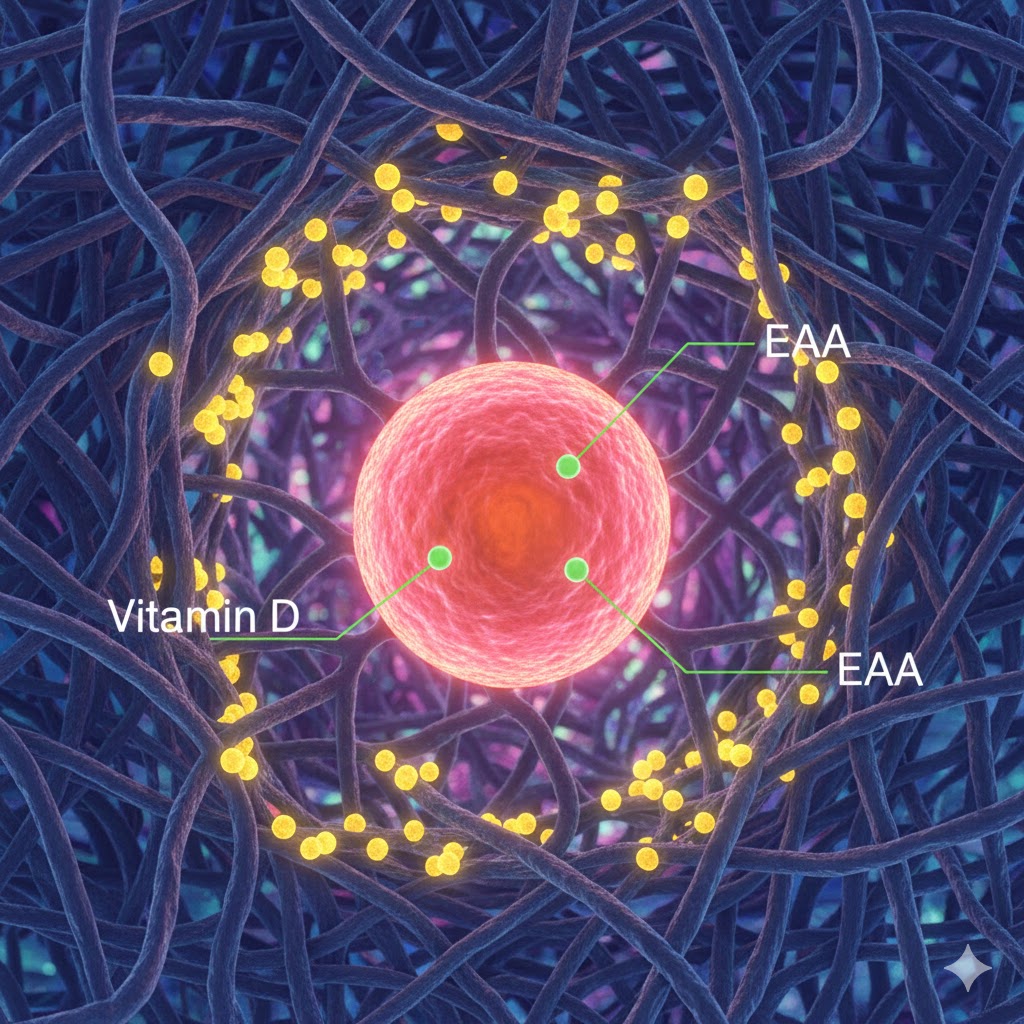
To understand why EAA is so crucial, you must also look at its relationship with Vitamin D. If you view the body as a construction site, Vitamin D acts as the architect giving the instructions, while EAA are the bricks themselves.
The contractor and the building material
TINAP’s research indicates that Vitamin D acts as a master switch for regenerative processes. It activates genes that instruct the body to repair damaged tissue. But this repair requires an immediate surplus of amino acids. When Vitamin D signals that a weak area of connective tissue should be reinforced, EAA must be present in the bloodstream for the task to be completed. [6]
Tissue density
The goal of this combination is to make the connective tissue environment so dense that cancer cells are physically prevented from invading neighbouring tissue. Vitamin D ensures that connective tissue cells are active, while EAA provides the raw materials to produce the network structures that hold the tissue together.
Optimised cellular sensitivity
Research shows that sufficient levels of Vitamin D increase cells’ sensitivity to amino acids. This means your body becomes better at absorbing and utilising the EAA you take, making such adjunctive treatment more effective. [7]
Clinical studies
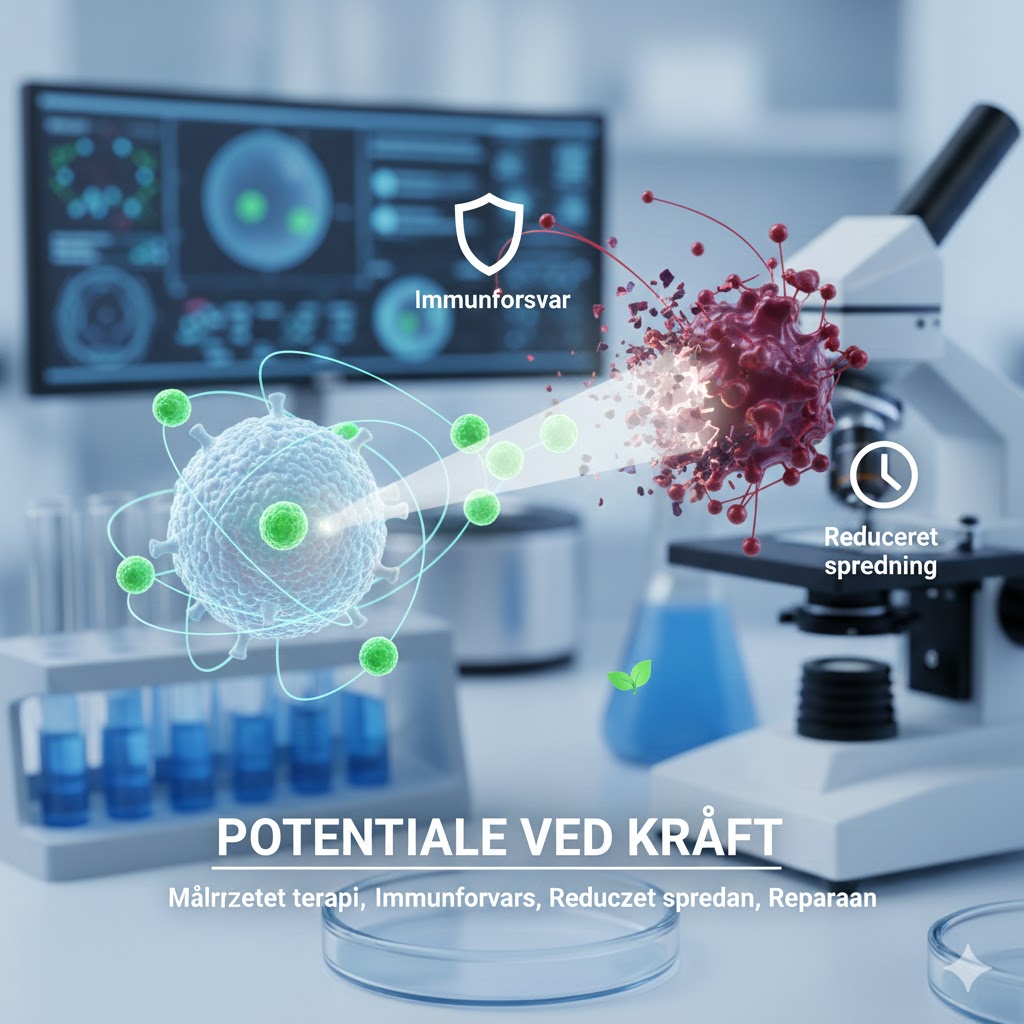
There is extensive research on the use of amino acids and the importance of connective tissue.
Research on tissue integrity
Researchers such as Mina Bissell have shown in studies that cell identity is governed by their surroundings. Although these studies are often conducted in vitro (in test tubes/Petri dishes), they support the theory that healthy connective tissue can bring cancer cells back to a normal state. [2]
Muscle preservation and protein turnover
A randomised controlled study has shown that supplementation with essential amino acids can significantly increase muscle protein synthesis in weakened individuals. This is crucial for maintaining overall physical capacity during a cancer course. [1]
Safety
EAA is considered very safe. There are no known serious side effects at normal doses. However, people with kidney disease should always consult a clinician, as the kidneys are responsible for excreting excess nitrogen. It is also important to ensure that the product is pure and free from unnecessary additives.
Dispensing and use

- Form of intake: EAA is available as a powder mixed into water, or in capsule form. Capsules are convenient and taste-neutral, but often require taking many at once (typically 10–15) to reach the recommended dose. Powder is absorbed slightly faster, as it is already dissolved, and should be taken immediately after mixing.
- Dosage: Typically, 10–15 g of EAA per serving is recommended, preferably 1–2 times daily to maintain a constant level of building blocks.
- Timing: Taking it between meals provides a rapid increase in amino acid concentration, which is ideal for stimulating repair.
- Fluids: Always make sure to drink plenty of water to help the kidneys filter and excrete natural by-products.
Strategic placement and combination
In a treatment protocol, EAA functions as the basic infrastructure for the body’s repair system.
Type: The rebuilding phase (repair)
It belongs in the Support category. It does not attack the cancer directly like a bomb, but ensures that the body’s connective tissue and control structures are rebuilt so the system itself can begin to reject the cancer process.
EAA should be used with great caution, or not at all, in an aggressive “Starve/Kill” phase where you are trying to block all growth pathways.
Synergy
- Vitamin D: The necessary partner for activating regenerative processes in connective tissue.
- Omega-3 fatty acids: Help dampen the inflammation that would otherwise break down the connective tissue matrix.
- Vitamin C: A necessary cofactor for converting amino acids into strong collagen.
Avoid taking at the same time
- Heavy food: Avoid taking EAA right after a very high-fat, protein-rich meal, as it delays the absorption of free amino acids.
Conclusion
EAA is a powerful tool for supporting the body through a cancer course. By providing essential building blocks in an easily absorbed form, it helps make connective tissue dense and resilient, which according to TINAP’s research is the key to regaining control over diseased cells. It is a fundamental supportive therapy that ensures the body’s repair mechanisms have the necessary resources available.
Back to Supplements
See also Vitamin D
See also Dr. Nasha Winters (metabolic approach)
See also Dr. Rath’s Protocol (cellular medicine)
See also TINAP
See also Preserve muscle mass
Links
[1] [1] Effects of Amino Acid Supplementation on Muscle protein metabolism and adaptation: a narrative review of effects on muscle mass, strength, and sex differences (National Institutes of Health, 2025)
- Contents: This randomised 2025 study examines EAA supplementation’s ability to stimulate muscle protein synthesis (MPS). The results show that free amino acids are crucial for counteracting muscle breakdown, especially in people with impaired protein absorption.
[2] Role of the extracellular matrix in regulating stem cell fate (Nature, 2013)
- Contents: This study highlights how the extracellular matrix functions as an active architect rather than a passive scaffold. The matrix provides crucial biochemical signals that directly regulate stem cell fate and survival, which is central to tissue regeneration and the maintenance of homeostasis.
[3] A Critical Re-evaluation of the Somatic Mutation Theory (SMT) Conceptual and Quantitative Limits of the Cell-Centric Paradigm (bioRxiv, 2025)
- Contents: This scientific work presents a critical re-evaluation of the Somatic Mutation Theory and introduces the RCA framework. Here, the focus shifts from random mutations to system failure, where cancer arises when the body’s repair system and the extracellular matrix lose control over the cellular environment.
[4] Nutritional Interventions in Cancer Cachexia: Evidence and Perspectives From Experimental Models (National Institutes of Health, 2020)
- Contents: This 2020 review concludes that nutritional interventions are a cornerstone in the treatment of cancer cachexia. As there is no cure for the condition, the study focuses on multimodal strategies to counteract loss of muscle mass and improve the patient’s metabolic status through specialised support.
[5] Nutrition During Cancer Treatment (National Cancer Institute, 2024)
- Contents: This 2024 resource provides guidance on practical nutritional management during cancer treatment. It emphasises logistical solutions such as online shopping and ready meals to ensure stable intake when energy is low, as well as strategies to maintain weight during chemotherapy and radiation.
[6] Vitamin D Supplementation and Impact on Skeletal Muscle Function in Cell and Animal Models and an Aging Population: What Do We Know So Far? (MDPI, 2021)
- Contents: This 2021 systematic study analyses the effect of vitamin D on human muscle fibres. The results show that vitamin D treatment has a positive effect on the development of muscle fibres, muscle strength, and hypertrophy (growth), making it a central factor for both muscle strength and overall musculoskeletal health.
[7] Role of Vitamin D Deficiency in the Pathogenesis of Cardiovascular and Cerebrovascular Diseases (National Institutes of Health, 2023)
- Contents: This 2023 systematic review examines vitamin D’s role in vascular health. The study concludes that vitamin D is involved in modulating vascular remodelling and angiogenesis, and that sufficient levels are necessary to maintain arterial elasticity and prevent stiffening of vessel walls.
Page created:
d. 18.02.26
❤
What you read on I Have Cancer is not a recommendation. Seek qualified guidance.
