


Propolis and cancer
Summary of Propolis
Propolis is a natural product created by honeybees, rich in bioactive substances. It has a long history in folk medicine and is now being investigated in modern research, among other things, for its potential as a complementary treatment for cancer.
How Propolis works against cancer
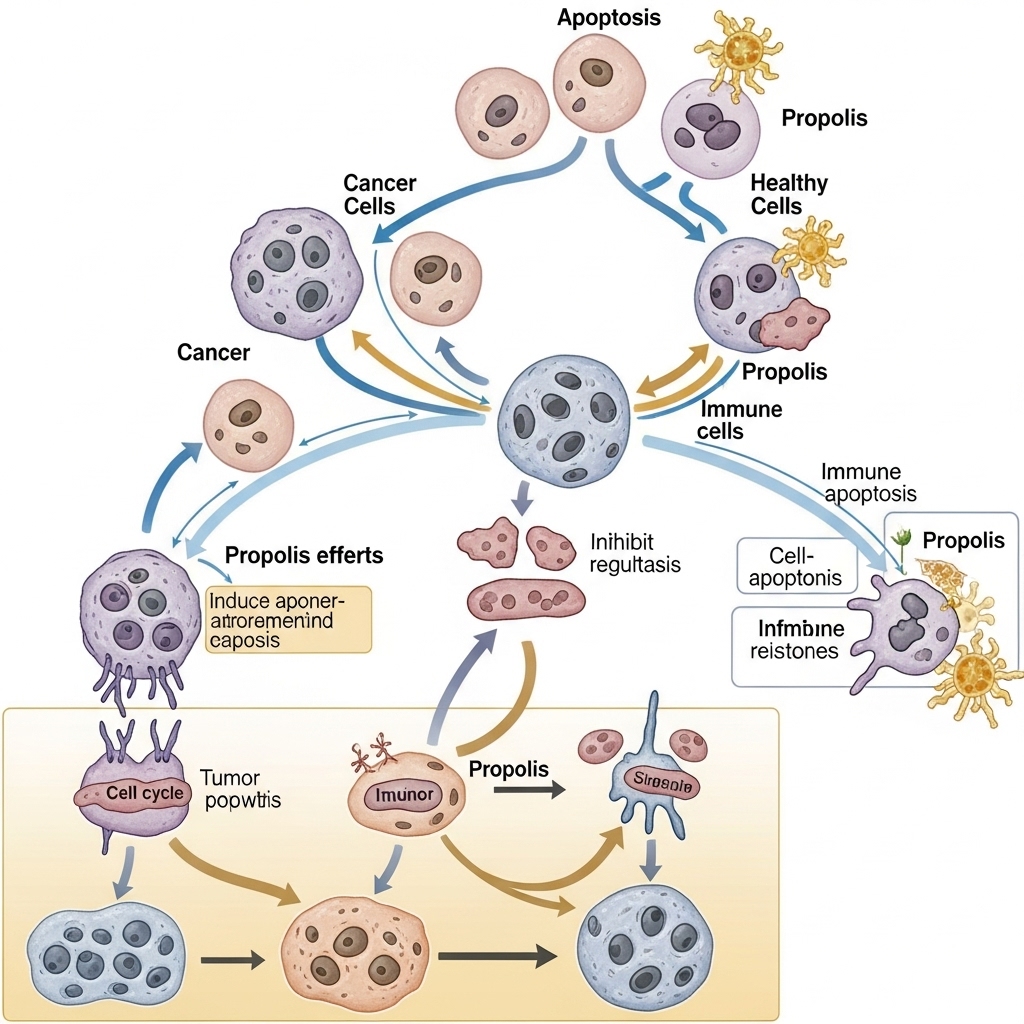
- Propolis works in several ways: It can induce programmed cell death in cancer cells, inhibit their growth and spread, block the formation of new blood vessels to tumors (anti-angiogenesis), strengthen the immune system, reduce inflammation, and function as a powerful antioxidant.
Potential as complementary treatment
- As a supplement to cancer treatment, propolis shows potential to improve the effect of chemotherapy and radiation therapy as well as reduce their side effects. It can also help inhibit metastases (spread of cancer) and has a broad-spectrum effect against different cancer types. Additional benefits include its broader health benefits and potential synergistic effects with conventional treatments.
Important considerations
- However, there are important limitations. The biggest disadvantage is the risk of allergic reactions, especially for people with allergies to bee products.
Additionally, there is a lack of standardization of products, and propolis can potentially interact with certain medications, especially blood-thinning medications.
Clinical research and future perspectives
- Clinical trials are still in the early stages, but the initial human studies are promising and show that propolis is generally well-tolerated. Although more comprehensive research is needed, current results indicate that propolis can be a valuable element in a holistic approach to cancer treatment.
Discuss possible use with your healthcare provider.
What is propolis
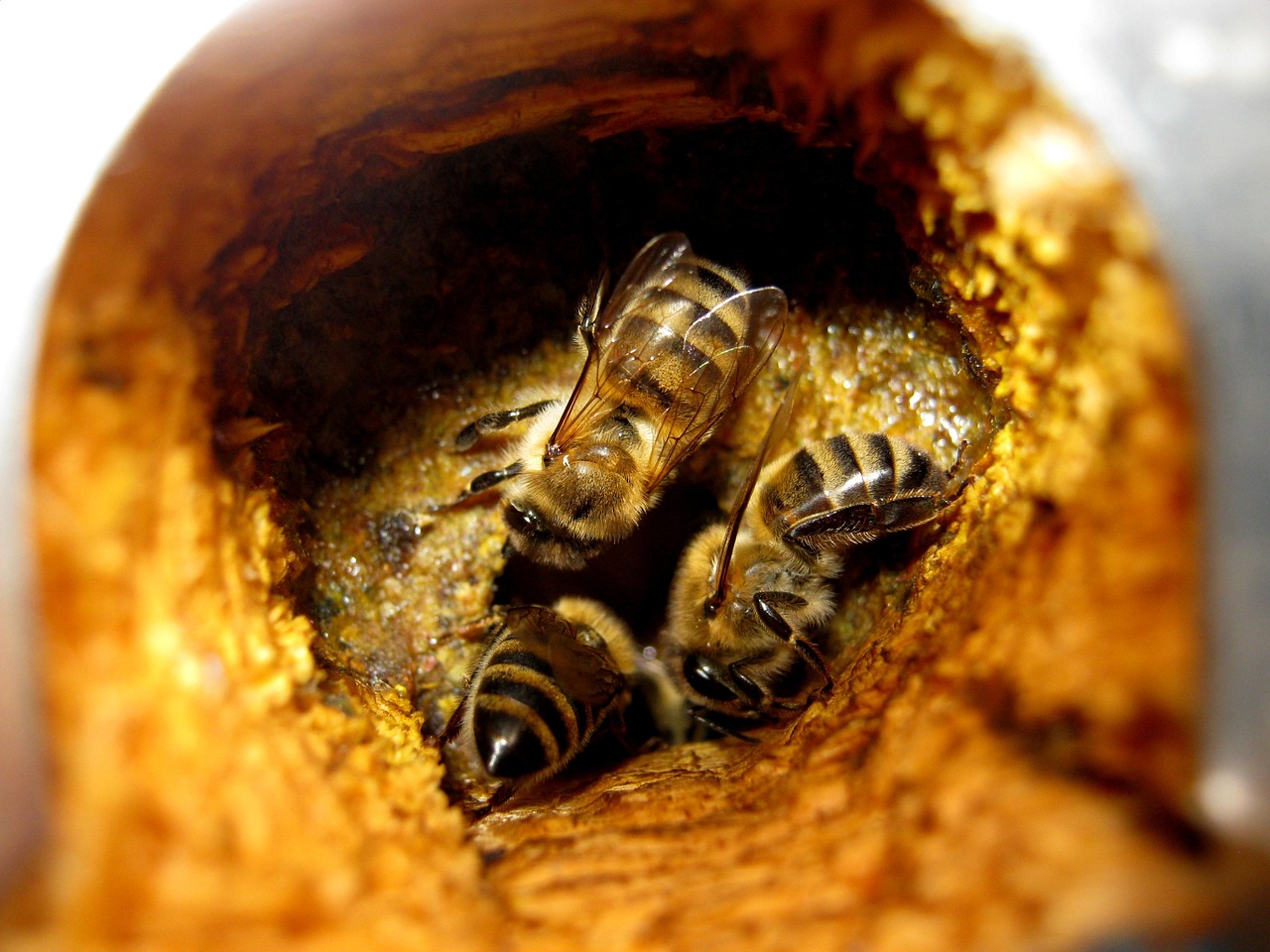
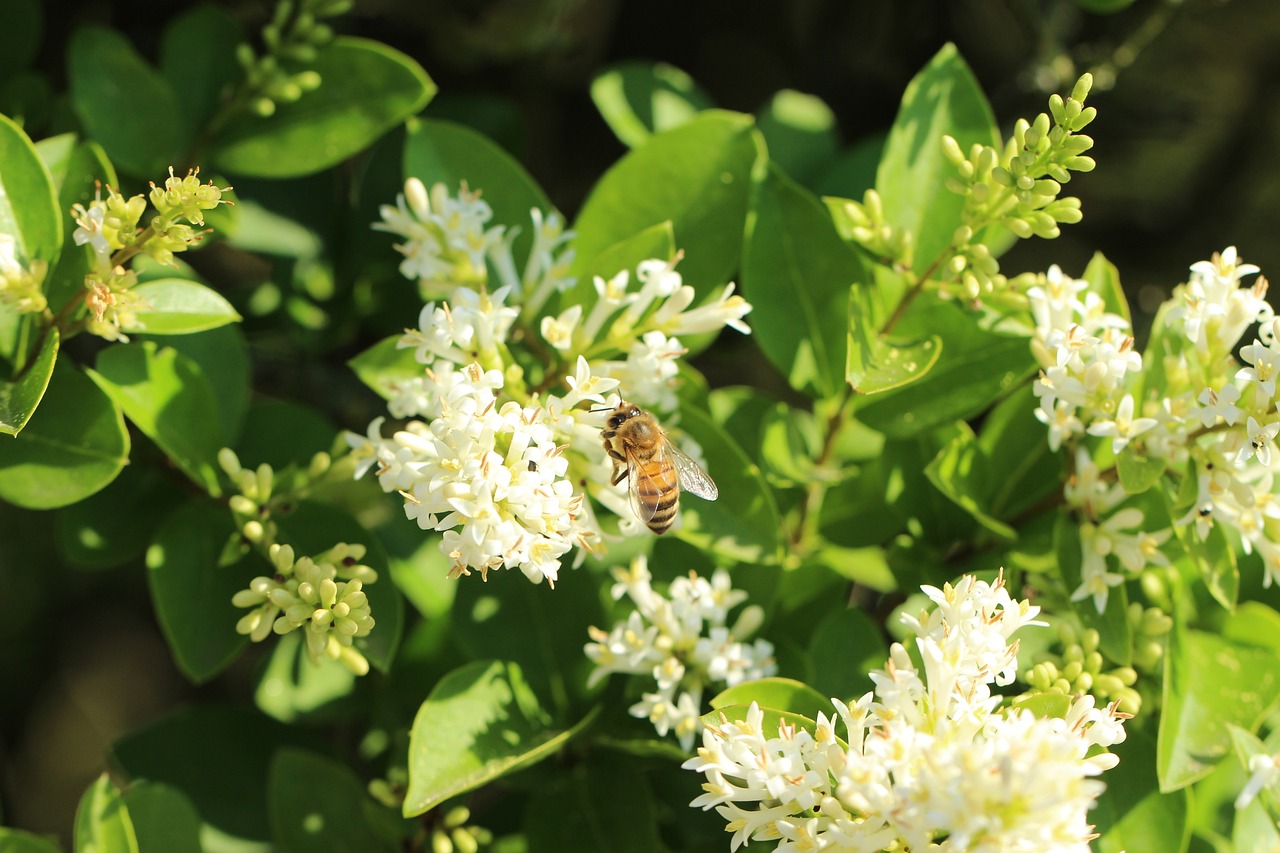
Propolis is a natural product that honeybees create by mixing resin from trees with wax, pollen, and enzymes. The bees use the substance to seal and disinfect the hive. Propolis is rich in bioactive compounds such as flavonoids, phenolic acids, and terpenes, which is the reason for its beneficial properties.
History
Propolis has a millennia-old history as a medicinal remedy. As early as ancient Egypt, propolis was used for embalming and treating infections and wounds. Hippocrates in ancient Greece recognized it for wound healing, and Roman legions used it on campaigns against wounds and infections.
Rediscovery and modern research
In the 20th century, interest in propolis was revived. Researchers are now identifying the specific bioactive compounds and their mechanisms of action, which opens the door to exploring its potential in modern medicine, including as a supplement in cancer treatment.
Mechanisms of action
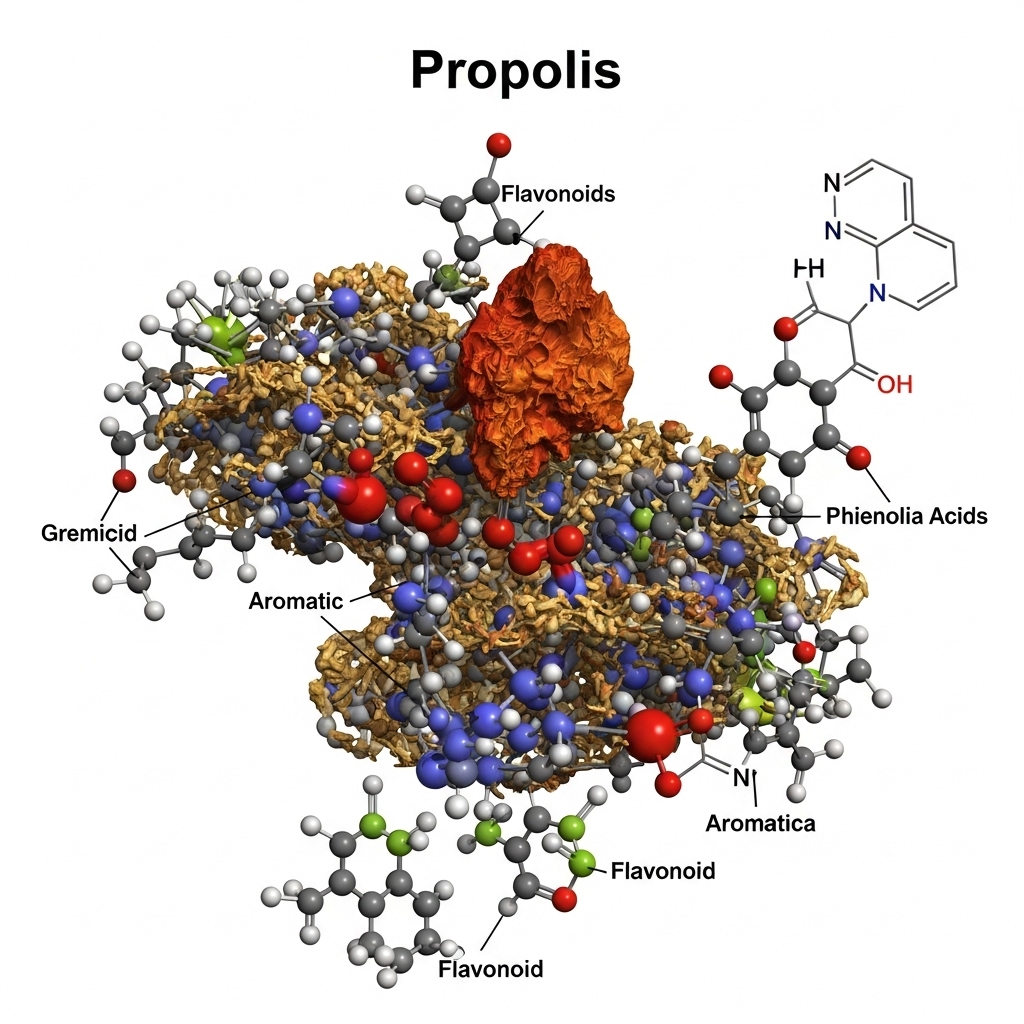
Propolis’ cancer-inhibiting effects are complex and involve several mechanisms [1, 2]:
- Induction of apoptosis (programmed cell death): Propolis can activate processes that cause cancer cells to die.
- Inhibition of cell proliferation (uncontrolled growth): It can slow down cancer cells’ division by disrupting their cell cycle.
- Anti-angiogenesis: Propolis can inhibit the formation of new blood vessels that tumors need to grow and spread (e.g., by affecting VEGF).
- Immune modulation: It can strengthen the immune system by stimulating the production of cytokines and increasing the activity of macrophages and natural killer cells (NK cells).
- Anti-inflammatory effect: Propolis reduces inflammation, which creates favorable conditions for cancer.
- Antioxidant effect: It neutralizes free radicals that can damage cells and DNA.
- Modulation of gene expression: Propolis can influence which genes are turned on and off in cancer cells, for example by downregulating genes that promote cancer growth.
Potential in cancer
Propolis has significant potential as a complementary treatment for cancer, as it can work in harmony with conventional therapies and offer additional health benefits.
Improved treatment response
Propolis’ potential to improve the response to conventional treatments such as chemotherapy and radiation therapy is promising. Research, both in vitro (in test tubes/petri dishes) and in vivo (in living organisms), has shown that propolis compounds can sensitize cancer cells to chemotherapeutic agents. This can potentially lead to better treatment outcomes and simultaneously reduce the severity of side effects.
There are indications that propolis can increase the sensitivity of breast cancer cells to Doxorubicin and lung cancer cells to Cisplatin.
Reduction of side effects
Conventional cancer treatment is often associated with significant side effects. Propolis’ antioxidant and anti-inflammatory properties can help protect healthy cells from the damage caused by chemotherapy and radiation.
Research suggests that propolis can reduce mucositis (inflammation in the mucous membranes), nephrotoxicity (kidney damage) caused by Cisplatin, and hepatotoxicity (liver damage) caused by other chemotherapeutic agents.
Inhibition of metastasis
Metastases (spread of cancer cells from the primary tumor to other parts of the body) are a crucial factor for the severity and prognosis of cancer. Propolis has shown potential to inhibit metastatic processes through inhibition of cell migration, invasion, and anti-angiogenesis.
Broad-spectrum anticancer effect
Propolis exhibits a broad-spectrum anticancer effect, meaning it has shown activity against different types of cancer cells, including:
- Breast cancer
- Colon cancer
- Lung cancer
- Liver cancer
- Prostate cancer
- Melanoma
- Leukemia
Strengthening of the immune system
A strong immune system is crucial for fighting cancer. Propolis’ immune-modulating properties can help strengthen the body’s natural defenses against cancer by increasing the activity of immune cells and modulating the production of cytokines.
Benefits of Propolis
In addition to the direct cancer-inhibiting effects, propolis offers several other benefits that make it an attractive supplement in a holistic approach to health.
- Natural origin and rich tradition: Propolis is a natural product from bees. Its millennia-old history in traditional medicine testifies to a rich and comprehensive empirical knowledge of its beneficial effects.
- Favorable safety profile: Propolis generally has a favorable safety profile when used correctly, with relatively few reported serious side effects.
- Broader health benefits: Propolis contributes with a number of broader health benefits. It is known for its antimicrobial (antibacterial, antiviral, antifungal) properties and can contribute to reducing general inflammation in the body.
- Flexible use: Propolis is found in various forms, including extracts, capsules, tinctures, and ointments, which provides flexibility in use.
- Synergistic potential: Propolis can exhibit synergistic effects with conventional treatments by enhancing the effect and potentially reducing resistance or increasing the sensitivity of cancer cells.
- Antioxidant protection: Propolis is a powerful antioxidant that helps neutralize free radicals and reduce oxidative stress, which is important for protecting cells from damage.
- Potential prevention of resistance: Research suggests that propolis may counteract the development of resistance to certain chemotherapeutic drugs, which is a major problem in cancer treatment.
Disadvantages and limitations
Although propolis has many promising properties as a complementary treatment, there are also certain disadvantages and limitations to be aware of.
- Allergic reactions: The most common disadvantage of propolis is the risk of allergic reactions, especially in people who are allergic to bees, bee stings, pollen, honey, or other bee products. It is recommended to start with a small dose to test for sensitivity.
- Lack of standardization: A significant challenge is the lack of standardization of propolis products on the market, where the concentration of active compounds can vary greatly. It is important to choose products from well-reputed manufacturers that can document the content of bioactive substances.
- Potential interactions with medication: Propolis can potentially interact with certain medications. The most important interactions are with blood-thinning agents (anticoagulants) such as Warfarin or Clopidogrel, as propolis can enhance their effect and increase the risk of bleeding. In addition, it can affect immunosuppressive drugs and medications that are metabolized by liver enzymes (specific CYP450 enzymes).
Therefore, one should discuss the use of propolis with a healthcare provider who has knowledge of natural medicines before starting to take it. - Quality and purity: The quality and purity of propolis products can vary significantly. Some products may be contaminated with heavy metals, pesticides, or other unwanted substances.
Always choose products that are tested for purity and come from controlled sources for the sake of safety and effectiveness. - Dose and safety at higher doses: Although propolis is generally safe at recommended doses, there is still a need for more research regarding safety and optimal doses in cancer treatment.
Clinical trials

Clinical trials with propolis in cancer treatment are a growing but still young area.
- Initial human studies: Have primarily focused on safety and tolerability and have generally shown that propolis is well-tolerated. Some studies have shown positive trends in relation to quality of life or reduction of side effects.
- Focus on specific cancer types: Research is looking at the effect in breast cancer, liver cancer, and prostate cancer.
- Combination therapies: An interesting area is the use of propolis together with standard anticancer drugs, as it potentially can enhance the effect and/or reduce toxicity.
- Need for more research: There is a great need for larger, well-controlled human studies.
Safety

Propolis is generally considered safe at recommended doses, but there are important considerations to keep in mind:
- Allergic reactions: These constitute the primary risk.
- Pregnancy and breastfeeding: Propolis should be avoided here due to lack of research.
- Liver strain: Rare at normal doses, but caution is recommended for liver diseases.
- Interactions with medication: Especially with blood-thinning agents and immunosuppressive drugs. Discuss use with a healthcare provider.
- Quality and dosage: Follow recommended doses and choose quality products.
Dispensing and use

Propolis can be dispensed and used in several different ways, depending on the desired purpose and your personal preference.
- Propolis extracts (tinctures): Liquid extracts, often as drops.
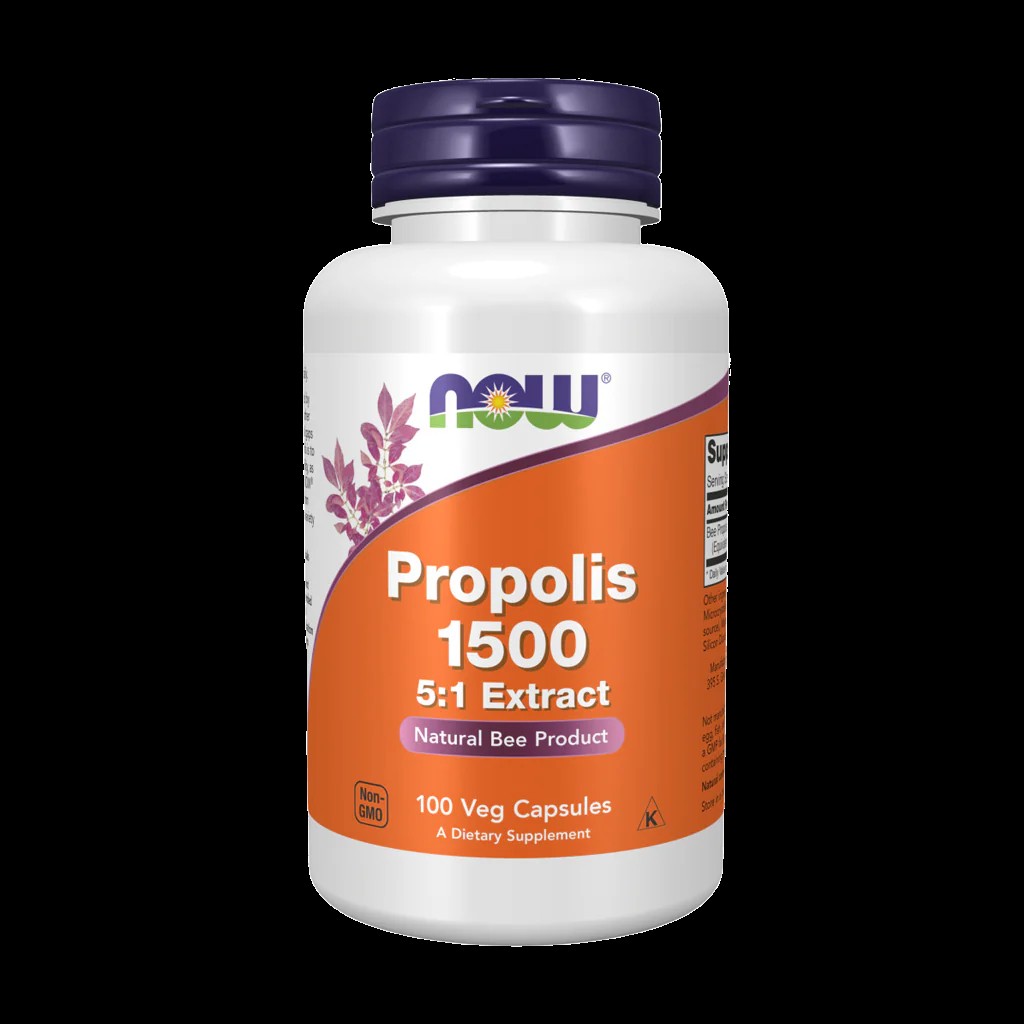
- Capsules and tablets: Standardized extracts for precise dosing, preferred for systematic use (as opposed to local use).
- Propolis mouth spray and throat lozenges: For local use in mouth and throat.
- Propolis ointments and creams: For topical (external) use on skin conditions and wounds.
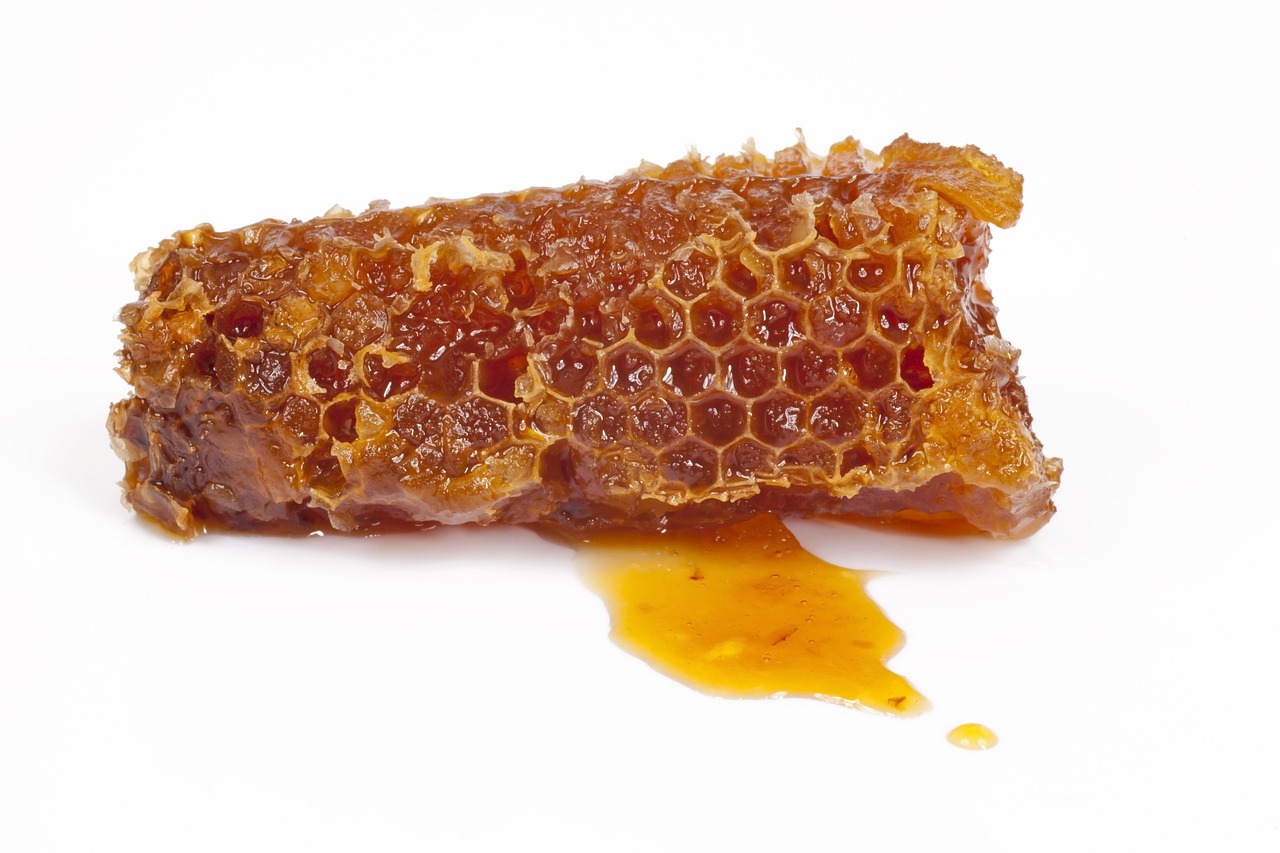
- Raw propolis: Unprocessed form, rarely used for systematic treatment.
Consult with a healthcare provider with experience in natural medicines.
Conclusion

Propolis represents a highly promising area in complementary cancer treatment. Its complex composition of bioactive compounds gives it a wide range of mechanisms of action, including the ability to induce programmed cell death in cancer cells, inhibit their uncontrolled growth and spread, block the formation of new blood vessels to tumors, strengthen the immune system, reduce inflammation, and function as a powerful antioxidant.
The preliminary clinical trials are encouraging and indicate that propolis can improve the effect of conventional treatments and help reduce their side effects.
Back to Supplements
Also see Diet
Links
[1] Anticancer Activity of Propolis and Its Compounds (PubMed, July 2021)
- Content: Review article summarizing the anticancer activity of propolis and its compounds.
[2] Propolis: A Detailed Insight of Its Anticancer Molecular Mechanisms (PubMed, March 2023)
- Content: Review article providing a detailed insight into the anticancer molecular mechanisms of propolis.
[3] Novel compounds of Taiwanese green propolis induce apoptosis of human glioblastoma cells by daylight photodynamic action (PubMed, February 2025)
- Content: In vitro study showing that novel compounds from Taiwanese green propolis induce apoptosis in human glioblastoma cells through photodynamic action.
[4] Evaluation of Liposome Encapsulated Propolis Nanoparticles on Cell Proliferation and Apoptosis in A375 Melanoma Cancer Cell Line (PubMed, May 2025)
- Content: In vitro study evaluating the effect of liposome-encapsulated propolis nanoparticles on cell proliferation and apoptosis in melanoma cancer cells.
[5] Cytotoxic and anti-migratory effects of polyphenolic compounds on breast cancer cells by altering Jam-A, LFA-1, and VLA-4 gene expression (PubMed, April 2025)
- Content: In vitro study showing cytotoxic and anti-migratory effects of polyphenolic compounds from propolis on breast cancer cells.
[6] Taiwan Green Propolis Nanoparticles Induce Antiproliferation and Apoptosis in Oral Cancer Cells (PubMed, April 2025)
- Content: In vitro study showing that Taiwan green propolis nanoparticles induce antiproliferation and apoptosis in oral cancer cells.
Page created:
June 10, 2025, Last updated May 3, 2026
❤
What you read on “Jeg har Kræft” is not a recommendation. Seek competent guidance.
