


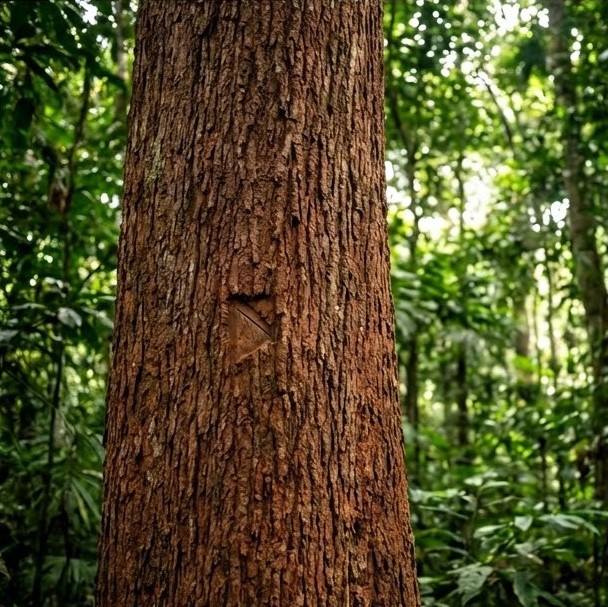
Pao Pereira and cancer
Summary of Pao Pereira
Effect:
- Pao Pereira is an extract from the bark of a South American tree that contains specific alkaloids that selectively target and inhibit the division of cancer cells by interfering with their DNA replication without damaging healthy cells.
Potential in cancer:
- Studies indicate an ability to suppress cancer stem cells, which are often resistant to chemotherapy, as well as a synergistic effect where it enhances the effect of conventional treatment in, among others, pancreatic, ovarian, and prostate cancer.
Main limitation:
- Most data come from preclinical trials (laboratory and animal studies), and there is still a lack of large, randomized studies on humans to finally determine the effect clinically. But who would fund this?
What is Pao Pereira
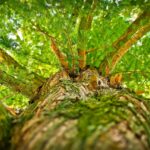
Pao Pereira is the name of a tree (Geissospermum vellosii) that grows in the Amazon rainforest in South America. In modern complementary treatment, an extract from the tree’s bark is used. The bark is rich in very specific alkaloids, including flavopereirine and pereirine, which have been shown to have a particular biological activity against cells that exhibit unstable growth, which is characteristic of malignant tumors.
It is considered a botanical extract that can be part of an integrative treatment strategy.
It is the composition of these alkaloids that makes Pao Pereira unique. The plant kingdom has many substances, but precisely this combination has shown an ability to penetrate cells and affect processes deep inside the cell nucleus [6].
History
Originally, Pao Pereira has been used by indigenous tribes in the Amazon for centuries. Here, decoctions of the bark were used as a remedy for digestive difficulties, fever, and as a general strengthening of the immune system. It was the French molecular biologist Mirko Beljanski who, at the end of the 20th century, brought the plant into cancer research. He identified the specific alkaloids and their ability to selectively inhibit cancer cells, which formed the basis for the modern use of the extract [6].
Mechanisms of action
Pao Pereira works primarily by exploiting the difference between healthy cells’ and cancer cells’ DNA structure. Cancer cells often have “destabilized” DNA, which means that the strands in their DNA molecule are more open to enable rapid cell division. The alkaloids in Pao Pereira, especially flavopereirine, have a chemical structure that enables them to bind to these open and destabilized DNA strands. When they bind, the possibility of further DNA copying is blocked, and thus cell division is stopped.
Selectivity and apoptosis
Because healthy cells have tightly packed and stable DNA, the alkaloids cannot penetrate and bind here. This gives Pao Pereira a high degree of selectivity. In addition to blocking division, the treatment also induces apoptosis (programmed cell death) in the affected cancer cells by disrupting the cell’s internal signaling pathways [1, 7].
Potential in cancer
The most interesting aspect of Pao Pereira in recent research is its ability to target what are called cancer stem cells. Many conventional treatments, such as chemotherapy, are effective at killing rapidly dividing mature cancer cells, but often leave behind stem cells, which can later cause recurrence.
Research suggests that Pao Pereira can inhibit precisely these stem cells, especially via blocking the so-called Wnt/beta-catenin signaling pathway, which is crucial for tumor growth.
Synergy with chemotherapy
There have been promising results observed when Pao Pereira is combined with chemotherapy. In experiments with pancreatic cancer, it has been seen that the extract can make the chemotherapeutic agent Gemcitabine more effective [5, 8]. Similar positive results have been seen in ovarian cancer in combination with Carboplatin.
This suggests that Pao Pereira not only works alone but potentially can make standard treatment more effective by weakening cancer cells’ resistance [2, 3, 5, 9].
Benefits of Pao Pereira

A significant benefit is the targeted effect, which spares the body’s normal tissue. This is in contrast to many cytotoxic agents that also affect hair follicles and mucous membranes. In addition, it not only attacks the cancer but also supports the body’s own processes without suppressing the immune system [3].
Disadvantages and limitations
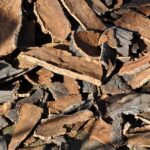
The taste of the extract is extremely bitter, which makes it difficult for many to take as tea or powder. Therefore, it is most often used in capsules.
Another limitation is the availability, as it is a specialty product that must be imported and ensured to be of the correct Beljanski quality to guarantee the content of active substances.
Finally, one should be aware that even though the results are very positive, we still lack the large phase III studies on humans that can finally map all long-term effects. But who will pay for such studies when, for example, the Danish Cancer Society is not interested in alternative and complementary agents?
Clinical trials

Research on Pao Pereira is taking place primarily at the university level, including at Kansas University Medical Center. The studies are predominantly in vitro (in test tubes/petri dishes) and in vivo (in living organisms, typically mice), where significant inhibition of tumor growth has been seen in, among others, prostate cancer, pancreatic cancer, and colon cancer [8].
There are also published case reports (descriptions of individual patient courses) where long-term survival has been observed with the use of the extract as a supplement [4, 10].
Safety
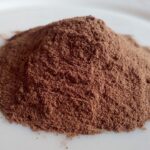
Pao Pereira is generally considered safe and non-toxic at recommended doses. There are no reports of serious side effects.
However, one should always be aware of interactions. Since Pao Pereira affects enzymes in the liver (CYP enzymes), it can theoretically affect the metabolism of certain types of medication, including blood-thinning medications and specific heart preparations.
It is always recommended to consult a qualified healthcare provider before starting.
Dispensing and use

The use of Pao Pereira should be structured to ensure optimal absorption and effect.
- Form: Most often taken as capsules to avoid the bitter taste.
- Intake: Capsules should be taken with meals.
- Dosage: Dosage depends on body weight and the stage of the disease, but a typical protocol starts low and is gradually increased.
- Combination: In the Beljanski protocol, it is often combined with the extract Rauwolfia vomitoria and Ginkgo biloba (Golden Leaf) for synergistic effect.
- Digestion: As it is a plant extract, it can cause mild stomach discomfort in some people initially; this is often alleviated by taking it in the middle of a meal.
Strategic placement and combination

In a treatment protocol, Pao Pereira has a clear offensive role.
Type: Kill (Bomb)
It unequivocally belongs in the Kill category (Bomb). This is due to its ability to specifically penetrate cancer cells, bind to their unstable DNA, and block their division. It acts as a targeted poison for the cancer cell and its stem cells. Although it has certain anti-inflammatory properties, its primary function is attack, and it should therefore be treated as a bomb in a cancer protocol.
Synergy
- Chemotherapy: This is a strong partner. Pao Pereira has been shown to work synergistically with drugs such as Gemcitabine and Carboplatin/Platin, where it makes cancer cells more vulnerable to the chemotherapy’s attack.
- Rauwolfia vomitoria: In the classic Beljanski protocol, Pao is almost always combined with Rauwolfia. The two extracts attack cancer cells via different mechanisms and thus cover a broader spectrum.
- Ginkgo biloba: Often used together with Pao to regulate enzymes (RNases) and clean up the cell environment, while Pao attacks.
Avoid simultaneous intake
- Strong antioxidants (fire extinguishers): Since Pao Pereira functions as a bomb that should induce stop and death in the cancer cell, one should avoid taking strong antioxidants (such as high-dose vitamin C, NAC, or Glutathione) simultaneously with the capsules. They can theoretically protect the cancer cell from the attack.
Place at least 3 hours apart or take them at opposite times of the day. - Liver-affecting medication: Since Pao is metabolized in the liver, it should be time-shifted from critical medication that is also heavy on the liver, so as not to overload the system at once.
Conclusion
Pao Pereira appears as one of the more well-founded botanical agents within integrative cancer treatment.
Its ability to selectively inhibit growth in cells with destabilized DNA, as well as the potential to target resistant cancer stem cells, makes it a relevant consideration as a supplement to conventional treatment. Especially the synergy with chemotherapy and the mild side effect profile are promising aspects for those seeking to optimize their treatment course [5].
Overview of medicinal mushrooms and cannabis
This overview compares the effect and safety of the most commonly used medicinal mushrooms. Cannabis is also included in the overview. This is despite the fact that cannabis is biologically a plant and not a mushroom. However, it is often used in the same context when natural symptom relief is desired for those affected by cancer.
Worth knowing
Choice of mushroom: If the goal is to get through chemo safely with the fewest side effects, Turkey Tail is most often the first choice, as it has the fewest contraindications.
Neuropathy: If the chemo causes tingling in the fingers or nerve damage, Lion’s Mane is the only mushroom with specific documentation for being able to help with nerve regeneration.
Stop before surgery: A good rule of thumb is to stop all mushrooms, especially Reishi, Chaga, and Cordyceps, as well as fish oil two weeks before scheduled surgeries due to the risk of bleeding.
Medicinal mushroom and Cannabis
| Name | Primary Effect | Use in Cancer | Name | Important Caution |
|---|---|---|---|---|
| Agaricus blazei | Very powerful immune activation. High content of Beta-1,3/1,6-glucans. | Aggressive support. Used to significantly boost NK-cell activity. | Agaricus blazei | May affect liver enzymes. Should be used with caution in liver disease or heavy liver-taxing chemo. |
| Cannabis: CBD | Anxiolytic and muscle relaxant. Anti-inflammatory. | Quality of life. Relieves restlessness, anxiety, muscle tension, and sleep problems without a high. | Cannabis: CBD | Interaction with medication. Can inhibit the liver’s breakdown of chemotherapy (CYP450). |
| Cannabigerol (CBG) | Neuroprotective and appetite stimulant. Blocks TRPM8 channels (growth signals) in cells. | Antitumour support. Targeted use for growth in colon and brain, and against loss of weight and muscle mass. | Cannabigerol (CBG) | Interaction with liver enzymes (CYP450). May affect the concentration of blood thinners and certain types of epilepsy medication. |
| Cannabis: THC | Antiemetic and appetite stimulant. Psychoactive (euphoric). | Acute relief. Against severe nausea, vomiting, and weight loss. | Cannabis: THC | Driving ban. Psychoactive side effects. Sedative effect. |
| Chaga | Powerful antioxidant (SOD). Contains Betulin and Betulinic acid. Protects against oxidative stress. | Restorative. Used for general strengthening of the body under pressure. | Chaga | High oxalate content (risk of kidney stones). Blood-thinning. Interacts with insulin (lowers blood sugar). |
| Cordyceps | Energizing. Increases oxygen uptake (ATP) and kidney function. | Lung function. Counteracts shortness of breath and cancer-related fatigue. | Cordyceps | May over-activate the immune system in autoimmune diseases. Blood-thinning. |
| Lion’s Mane | Nerve regenerating. Stimulates growth of nerve cells (NGF). | Neuropathy. Counteracts sensory disturbances in fingers/feet and memory difficulties (chemo brain). | Lion’s Mane | May lower blood sugar. Mild blood-thinning effect. |
| Maitake | Immune-activating (D-fraction). Strong stimulation of macrophages. | Immune boost. Often used to activate the body’s own defense against cancer cells. | Maitake | May lower blood sugar. Can enhance the effect of blood-thinning medication. |
| Pau D’Arco | Potent antifungal and anti-inflammatory. Contains Lapachol. | Micro-environment. Used to purify the blood and combat fungal infections (Candida), which are often seen with a weakened immune system. | Pau D’Arco | Blood-thinning. Must not be combined with blood-thinning medication or used prior to surgical procedures. |
| Pao Pereira | Inhibits replication of abnormal cells. Penetrates the blood-brain barrier. | Targeted cell division. Often used for prostate cancer and cancers of the central nervous system (brain). | Pao Pereira | Generally well-tolerated, but should be taken under guidance to ensure correct dosage relative to conventional treatment. |
| Poria cocos | Diuretic and calming. Supports spleen and kidney function. Contains Pachyman. | Fluid retention. Helps against edema and mucus. Calms restlessness and racing thoughts. | Poria cocos | Acts as a diuretic. Be mindful of electrolyte balance if taking other diuretic medication. |
| Reishi | Calming and immune-strengthening. Acts as an adaptogen (stress-reducing) and sleep-promoting. | Sleep and stress. Good for finding peace in the body and supporting the immune system between treatments. | Reishi | Blood-thinning. Must not be used with low platelets or before surgery. |
| Shiitake | Immune-stimulating. Source of Lentinan and AHCC. | Standard support. Lentinan is used medically to prolong survival in certain types of cancer. | Shiitake | May in rare cases cause skin rash (Shiitake dermatitis). Contains purines (caution in gout). |
| Turkey Tail | Immune-modulating. Supports the immune system (NK cells) without overstimulating. Contains PSK. | Chemo support. Often used alongside chemo to counteract immune suppression. | Turkey Tail | Generally considered safe. Few known interactions (approved drug in Japan as PSK). |
Who sells it
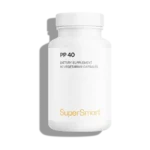
I have now bought it myself, and it will from now on be part of my protocol (which is developed and revised in collaboration with a holistic doctor). The image functions as a link.
Also see Bombs, fire extinguishers and timing (with, among other things, schedule for use)
Back to Supplements
Also see Medicine logistics
Also see Diet
Links
[1] Extract of the Medicinal Plant Pao Pereira Inhibits Pancreatic Cancer Stem-Like Cells In Vitro and In Vivo (PubMed, 2018)
- Content: In vitro and in vivo study demonstrating that Pao Pereira extract can inhibit the growth of cancer stem cells in the pancreas and reduce the formation of tumors by blocking specific signaling pathways.
[2] Pao Pereira Extract Suppresses Castration-Resistant Prostate Cancer Cell Growth (PubMed, Integrative Cancer Therapies, 2013)
- Content: Research demonstrating that Pao Pereira induces cell cycle arrest and apoptosis in prostate cancer cells that have become resistant to hormone therapy.
[3] The plant extract of Pao pereira potentiates carboplatin effects against ovarian cancer (PubMed, Pharmaceutical Biology, 2013)
- Content: This study examines combination treatment and finds that Pao Pereira enhances the effect of the chemotherapeutic agent Carboplatin against ovarian cancer cells and inhibits tumor growth in mice (in vivo).
[4] β-Carboline alkaloid-enriched extract from the Amazonian plant Geissospermum vellosii suppresses prostate cancer (PubMed, 2009)
- Content: A study of the specific alkaloids in the plant, confirming their ability to suppress prostate cancer via mechanisms involving NF-κB signaling.
[5] Inhibition of pancreatic cancer and potentiation of gemcitabine effects by the extract of Pao Pereira (National Institutes of Health (NIH), 2013)
- Content: Documentation that the combination of Pao Pereira and Gemcitabine is more effective than the drugs individually, suggesting an important role as an adjuvant (supportive) treatment.
[6] Winning The War On Cancer: The Epic Journey Towards a Natural Cure (DrTalks/YouTube, 2024)
- Content: A review of the discoveries of the French researcher Mirko Beljanski, including how Pao Pereira works selectively and non-toxically, as well as the history of the resistance to his research.
[7] Flavopereirine exerts anti-cancer activities in various human thyroid cancer cells (American Journal of Cancer Research, 2024)
- Content: New research (2024) confirming the active substance flavopereirine’s ability to stop the cell cycle and kill cancer cells, which supports the mechanism of action.
[8] Flavopereirine Suppresses the Growth of Colorectal Cancer Cells Through P53 Signaling Dependence (PubMed, Cancers, 2019)
- Content: Study showing that the active substance flavopereirine inhibits the growth of colon cancer cells and reduces tumor size in mice by activating the p53 signaling pathway.
[9] Extracts of the Medicinal Plants Pao Pereira and Rauwolfia vomitoria Inhibit Ovarian Cancer Stem Cells In Vitro (National Institutes of Health (NIH), 2022)
- Content: Study confirming that the extract effectively inhibits cancer stem cells in ovarian cancer and reduces their ability to form new tumors.
[10] Flere kasuistikker bør publiceres internationalt (Ugeskrift for Læger.dk, 2011)
- Content: An article that argues for the value of case reports in medicine as an important source of new knowledge, which validates the use of this data. (Danish Language)
Page created: January 5, 2026
❤
What you read on “Jeg har Kræft” is not a recommendation. Seek competent guidance.
