


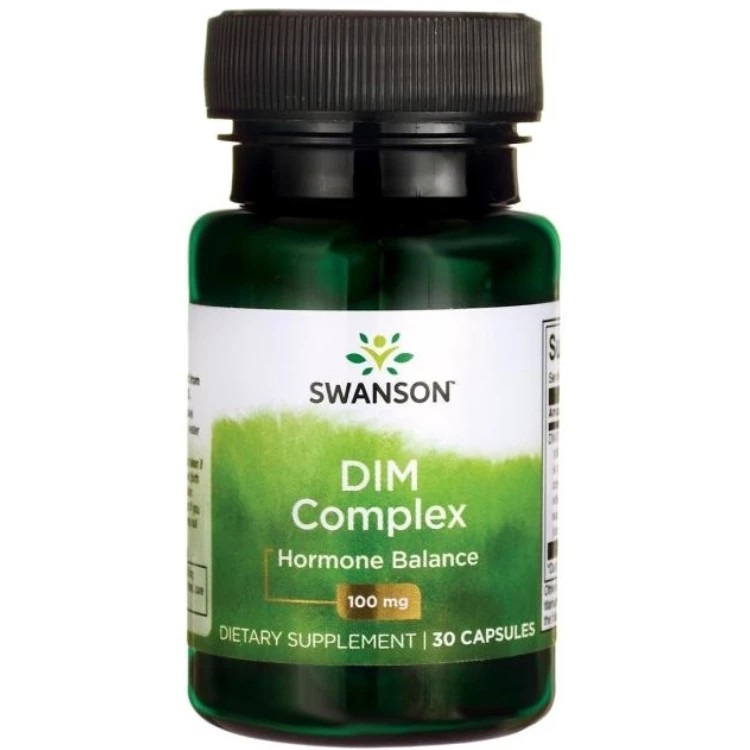
DIM (Diindolylmethane) cancer
Summary of DIM (and I3C)
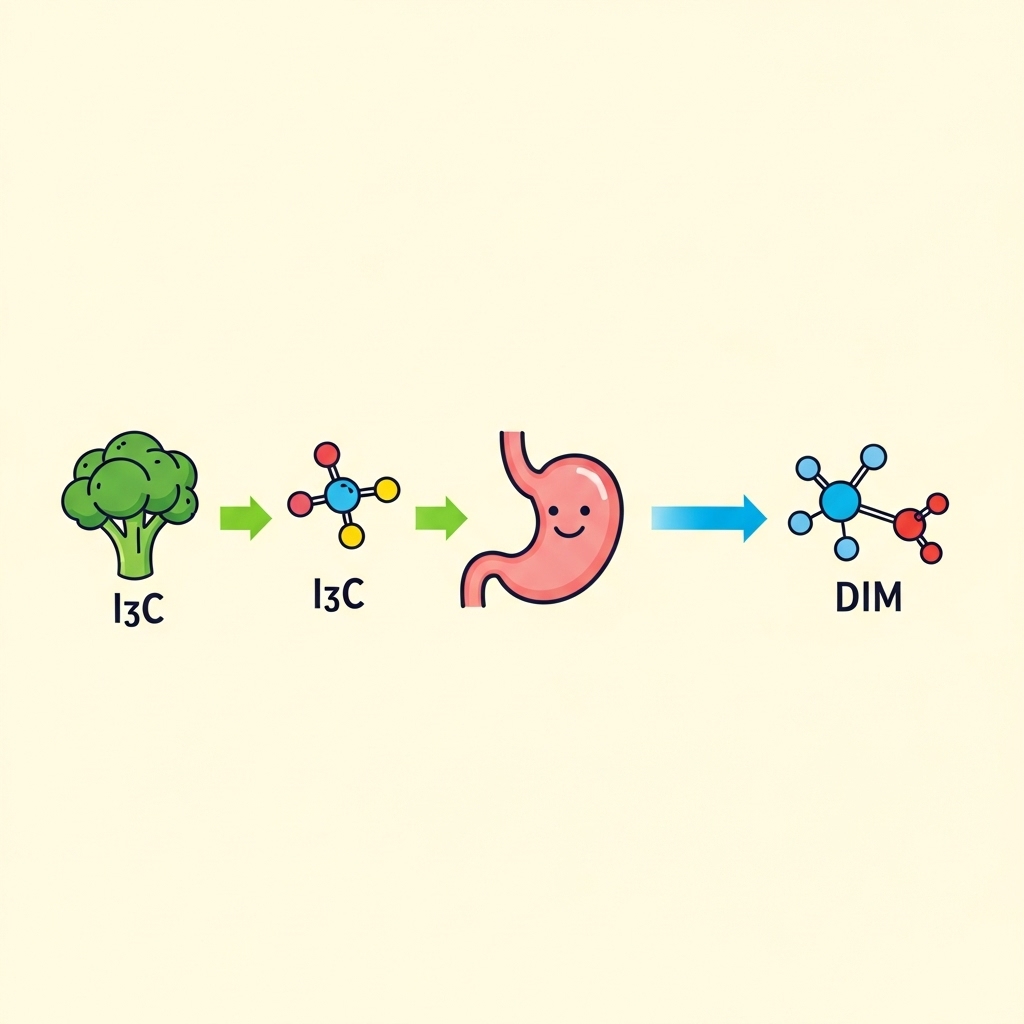
- When you eat vegetables like broccoli and cauliflower, you consume the compound I3C (Indole-3-carbinol). In the stomach, gastric acid converts I3C into DIM (Diindolylmethane), which is a more potent and active substance. DIM is typically what is found in dietary supplements to ensure a stable and concentrated dose.
What DIM does in the body
- The substance’s primary and most well-known function is helping the body create a healthy balance in hormone metabolism—especially for estrogen. It supports the liver in breaking down used estrogen.
- Additionally, studies have shown that DIM can directly affect cancer cells by, among other things, slowing their growth and preventing them from forming new blood vessels.
Why it is relevant in cancer
- Due to its hormone-balancing effect, DIM is particularly interesting as a supplementary treatment for hormone-sensitive cancers such as breast, prostate, and uterine cancer. By contributing to a healthier hormonal environment, DIM can help make the body less hospitable to the growth and development of cancer cells.
- DIM has also shown promising results in studies regarding HPV-related cellular changes (Human Papillomavirus).
Application and safety
- DIM is taken as capsules, and a typical dose is 100-200 mg daily with food. It is considered a very safe dietary supplement.
- Because it can affect the liver, you should speak with your practitioner before starting to ensure against inappropriate interactions with medication.
What is DIM (and I3C)

DIM, or Diindolylmethane, is a unique and powerful plant compound that has been shown to have a number of remarkable health-promoting properties.
The substance is especially recognized for its ability to support a healthy hormonal balance and for its potential as a supplementary treatment for cancer. It is formed naturally in the body from the precursor I3C (Indole-3-carbinol), which is found in large quantities in cruciferous vegetables (from the cabbage family).
History
The use of cabbage and cruciferous vegetables as medicinal plants dates back thousands of years in both European and Asian traditional medicine, where uses ranged from wound healing to promoting digestion.
Scientific interest in the specific compounds in these vegetables is of a more recent date. In the second half of the 20th century, researchers began to isolate and identify the active components, including I3C and later DIM. Since then, thousands of studies have been published examining their mechanisms of action, especially regarding hormonal health and potential in cancer treatment.
Mechanisms of action
DIM’s potential stems from its ability to interact with the body’s processes at several different levels simultaneously. It is not a substance that has only one function, but rather a versatile regulator that creates balance.
Regulation of estrogen metabolism
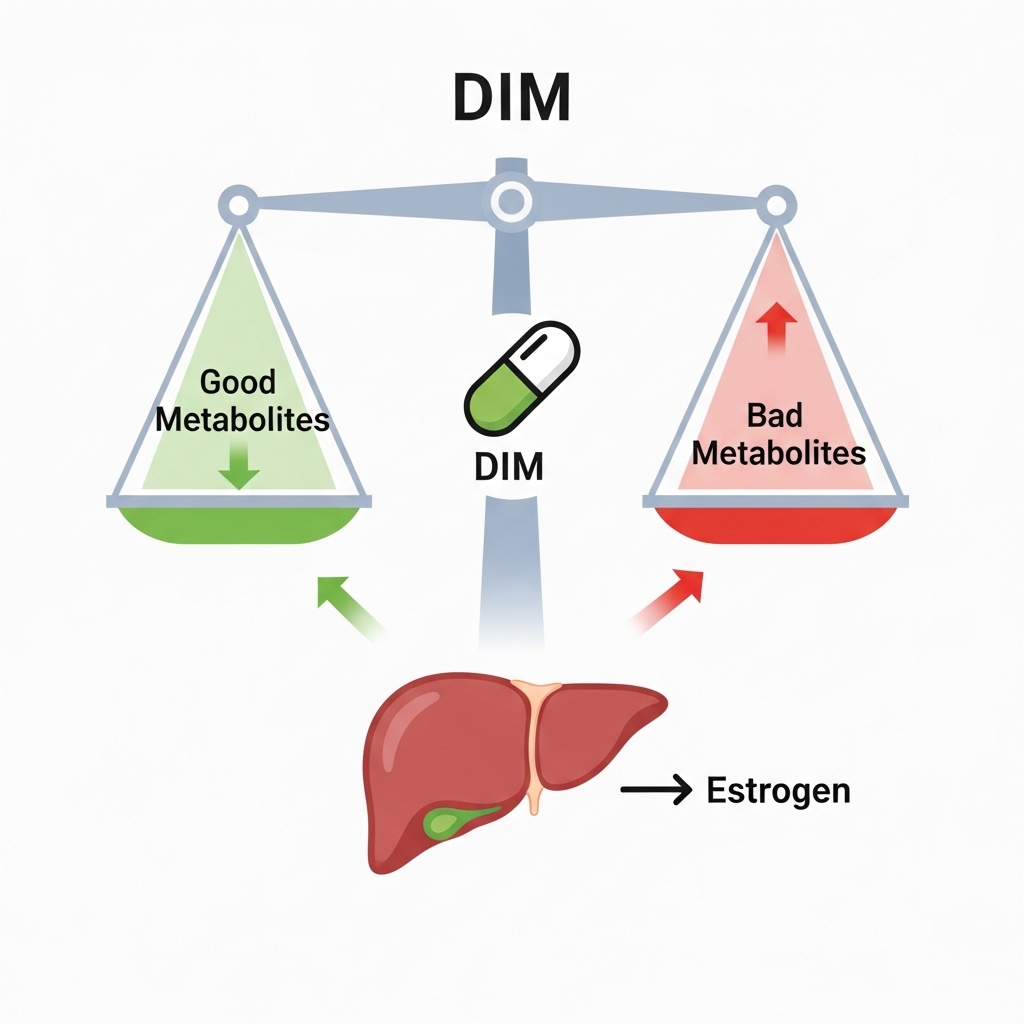
This is the most well-known and well-documented effect of DIM. Estrogen is not just one hormone, but a group of hormones that, after use, are broken down in the liver into different metabolites (waste products).
Some of these metabolites are beneficial, while others can be harmful and promote cancer cell growth.
- Promotes “good” estrogen metabolites: DIM actively pushes the body’s breakdown of estrogen in a favorable direction. It increases the formation of the protective metabolite 2-hydroxy-estrone (2-OHE1) at the expense of the more aggressive 16-alpha-hydroxyestrone (16-OHE1), which is associated with an increased risk of hormone-sensitive cancer.
- A healthier balance: By improving this ratio (the 2-OHE1/16-OHE1 ratio), DIM creates a hormonal environment in the body that is less conducive to the development and growth of cancer cells, especially in breast, uterine, and prostate tissue.
Impact on cancer cell life cycle
In addition to the hormonal effect, DIM can directly affect cancer cells through several mechanisms:
- Induction of apoptosis (programmed cell death): Healthy cells have a built-in mechanism that causes them to die when they are old or damaged. Cancer cells have often deactivated this mechanism. Research has shown that DIM can “reactivate” the signaling pathways for apoptosis in cancer cells, causing them to commit suicide.
- Cell cycle inhibition: DIM can slow down the uncontrolled cell division that characterizes cancer. This occurs by DIM affecting the proteins (cyclin-dependent kinases) that control how quickly a cell moves through its life cycle and divides.
- Anti-angiogenesis (inhibition of blood supply): Tumors need to form new blood vessels to grow and spread—a process called angiogenesis. Studies in vitro (in test tubes/petri dishes) and in vivo (in living organisms) have shown that DIM can inhibit the signals tumors send out to attract new blood vessels, thereby “starving” the tumor [7].
Inhibition of survival signals (Akt pathway)
One of the most important ways DIM can affect cancer cells is by interfering with a central signaling pathway called the Akt pathway. You can imagine this signaling pathway as the cell’s “accelerator pedal.” In healthy cells, it is used in a controlled manner to signal growth and survival when necessary.
In many cancer cells, however, this “accelerator” has been hijacked and is constantly pressed to the floor. This gives the cancer cell a constant order to survive at all costs and continue to divide uncontrollably.
Research suggests that substances like DIM can help “lift the foot off the accelerator.” By inhibiting or downregulating the Akt pathway, DIM can help remove the cancer cell’s strongest survival signal, making it more vulnerable and slowing its growth.
Read more about how you can block the Akt pathway here: Block cancer’s signaling pathways
Inhibition of blood supply (VEGF pathway)
Another central way DIM can fight cancer is by disrupting the so-called VEGF pathway. This signaling pathway can best be described as the tumor’s “contractor and logistics department.”
In a healthy body, this signaling pathway is used in a controlled manner to form new blood vessels, for example, during wound healing. But a cancer tumor hijacks the system and uses it to build its own supply lines. It constantly emits VEGF signals, which function as an order to the body’s blood vessels to build new “access roads” directly into the tumor. This process is called angiogenesis.
Substances like DIM have been shown to interfere with these signals. One could say that DIM “cancels the building permit.” By inhibiting the VEGF pathway, DIM prevents the tumor from getting the vital supplies of oxygen and nutrients it needs to grow. This can significantly slow tumor growth and “starve” it.
Detoxification and antioxidant effects
DIM also plays a role in the body’s general detoxification system [5]. It affects the activity of a group of enzymes in the liver called Cytochrome P450. These enzymes are crucial for neutralizing and excreting a wide range of potentially harmful substances, including endocrine disruptors from the environment and waste products from the body’s own processes. By modulating these enzymes, DIM helps the liver function more efficiently.
Potential in cancer
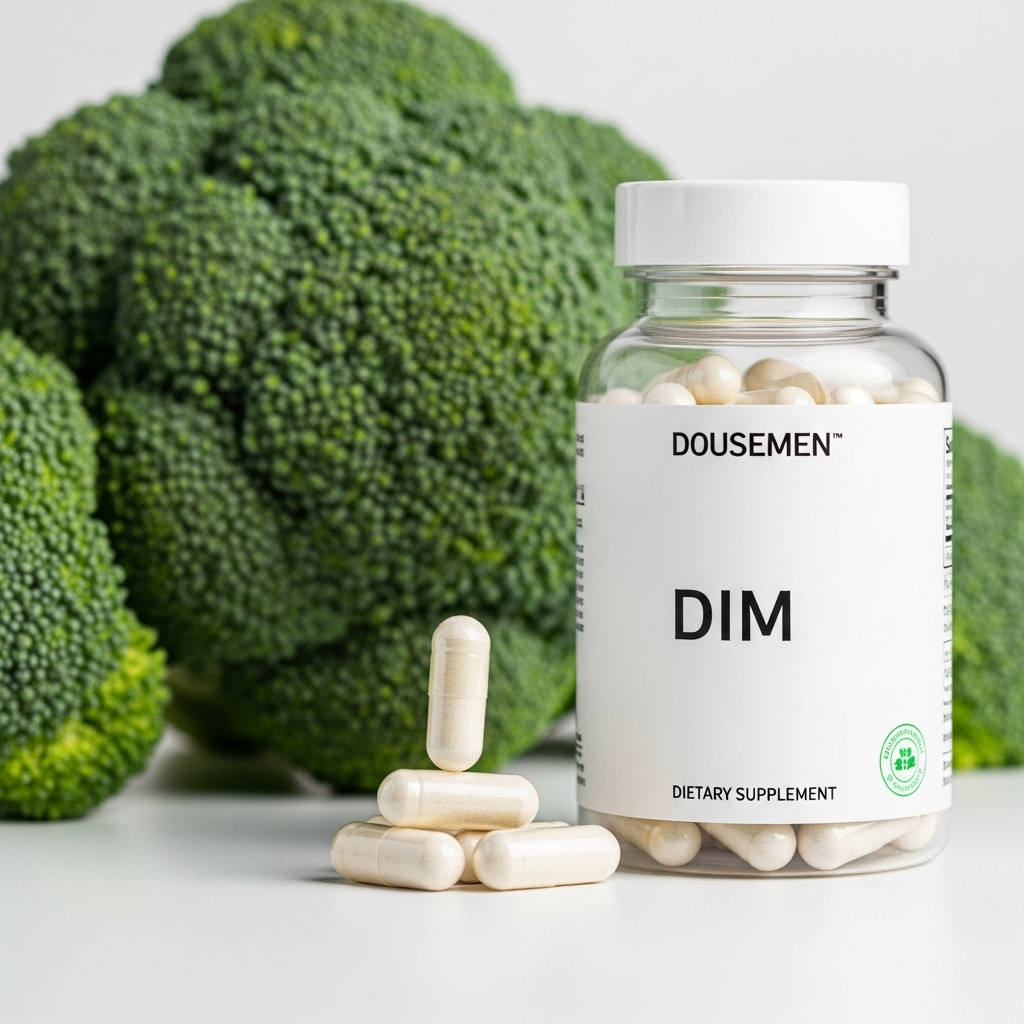
Due to its many mechanisms of action, DIM has shown significant potential as a supplementary tool in an integrated approach to cancer treatment.
Hormone-sensitive cancers
DIM’s strongest potential lies in the treatment of cancers affected by the body’s sex hormones.
- Breast cancer: Many forms of breast cancer are estrogen receptor-positive (ER+), meaning estrogen can promote their growth. By promoting healthier estrogen metabolism, DIM can contribute to creating a less favorable environment for these cells. It can potentially be used as a supplement to conventional anti-estrogen treatments like Tamoxifen or aromatase inhibitors, although this should always be discussed with a practitioner.
- Prostate cancer: Although prostate cancer is primarily driven by male sex hormones (androgens), estrogen also plays a complex role [3]. DIM has been shown to affect signaling pathways relevant to prostate cancer cells and promote a healthier hormonal environment in men as well.
- Uterine and ovarian cancer: Like breast cancer, these cancers can be sensitive to estrogen. DIM’s ability to regulate estrogen metabolism makes this a relevant supplement to consider.
HPV-related cellular changes
Several promising human studies have been conducted on DIM in connection with CIN (Cervical Intraepithelial Neoplasia), which are cellular changes on the cervix often caused by the HPV virus (Human Papillomavirus) and can be a precursor to cancer.
Studies indicate that a daily intake of DIM can help the body fight these cellular changes and, in some cases, cause them to disappear completely.
Synergy with conventional treatment
An exciting angle is DIM’s potential to work together with traditional chemotherapy and radiation therapy. In vitro research suggests that DIM can make cancer cells more sensitive to these treatments, potentially increasing their effectiveness and reducing the need for high doses.
However, this is still in an early research stage.
Advantages of DIM
In addition to direct mechanisms of action and potential in cancer, DIM offers a range of broader health benefits that can be particularly relevant when the body is under pressure.
Immune system support
A balanced hormone system and efficient detoxification are crucial for a well-functioning immune system. By helping to “clean up” hormonal imbalances and supporting the liver’s work, DIM can free up resources in the immune system so it can better focus on fighting disease.
General hormonal well-being
Because DIM helps regulate estrogen, many experience a positive effect on other hormonally related conditions. This can include relief of symptoms related to PMS (premenstrual syndrome), perimenopause, and in some cases, hormonally induced acne. For a person going through cancer, this general improvement in well-being can have a major positive psychological effect.
Distinction from sulforaphane
Although both DIM and sulforaphane come from cabbage, their primary functions are different. Where DIM is the “hormone specialist,” sulforaphane is the “cellular mechanic,” acting primarily by activating the body’s own antioxidant and detoxification enzymes via the Nrf2 signaling pathway.
They complement each other excellently but work through different pathways.
Disadvantages and limitations
Although DIM is a very promising substance, it is important to know its limitations. The most notable disadvantage is that most of the convincing studies regarding cancer have been conducted in vitro or in animal models.
- Although results are extremely positive, they cannot be directly applied to humans.
- Additionally, some may experience mild and transient side effects initially, such as headaches or slight digestive discomfort, while the body adjusts to the substance.
- It is also not a “miracle cure” but should be seen as part of a total, integrated effort.
Clinical studies
There is a growing body of clinical studies in humans, although many are still in early stages [2, 4]. The most solid human studies, as mentioned, have been conducted on women with HPV-related cervical cellular changes (CIN), where DIM has shown a statistically significant positive effect.
There are also pilot studies indicating a positive effect on biomarkers for prostate cancer (such as PSA levels).
Larger, randomized, controlled trials are needed to fully establish DIM’s role and effect in cancer treatment, but the existing data are very encouraging.
Safety

DIM is generally considered a very safe supplement with few side effects at normal doses [5].
Since it affects the liver’s Cytochrome P450 enzymes, there is a theoretical possibility of interaction with medications broken down via the same enzyme systems. This applies especially to certain types of hormone therapy, blood-thinning medication, and other chemotherapy.
Therefore, it is crucial to discuss the use of DIM with a practitioner to ensure no unwanted interactions occur.
Dispensing and application
DIM is typically found as a supplement in capsule form and can be purchased without a prescription.
- Form: Most often found as pure DIM or a specifically bioavailable form (e.g., BioResponse DIM®).
- Dosage: A typical dose for general hormonal support is 100-200 mg daily. In studies regarding supplementary cancer treatment, doses up to 300 mg or more have been used, but higher doses should only be taken in consultation with an experienced practitioner.
- Intake: It is recommended to take DIM with a meal to improve absorption and reduce the risk of stomach upset.
- Starting: It can be a good idea to start with a lower dose (e.g., 100 mg) for a week or two and then gradually increase the dose if necessary.
- Combination: DIM can often be advantageously combined with other supplements that support liver function and detoxification, such as milk thistle or sulforaphane.
DIM vs. Sulforaphane
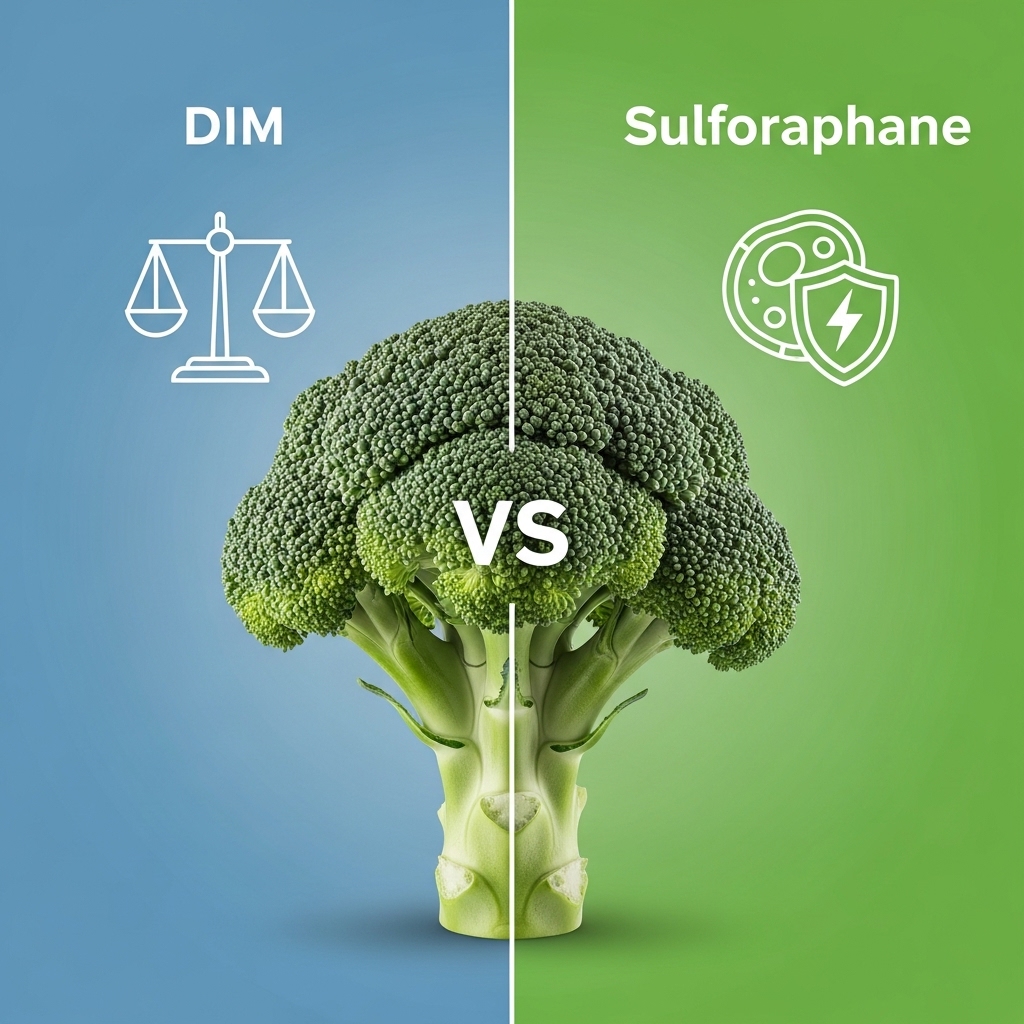
These two substances are often mentioned together because they come from the same vegetables. But they are completely different and have different effects in the body.
You can imagine them as two different specialized workers coming from the same factory (the cabbage family):
Sulforaphane: the “cellular mechanic”
This substance is known for activating the body’s own “cleanup and defense system” at the cellular level (the so-called Nrf2 pathway). It helps cells protect themselves against stress and harmful substances.
- Formed: When the plant is cut or chewed.
- Primary job: Activates the cells’ own defense and detoxification system.
DIM: the “hormone specialist”
This substance is primarily known for influencing how the body metabolizes and balances hormones, especially estrogen. It helps the body promote a healthier balance between different types of estrogen metabolites (waste products).
- Formed: When the precursor I3C from vegetables comes into contact with gastric acid.
- Primary job: Regulates and balances hormone metabolism.
Short Summary
| Feature | Sulforaphane | DIM |
| Comes from | Glucoraphanin | Indole-3-carbinol (I3C) |
| Primary Job | Activates cell defense | Balances hormones |
| Formed when | Plant is chewed/cut | I3C meets gastric acid |
So even though both are constituents of broccoli, they work in entirely different ways and in different areas of the body.
Conclusion

DIM is a fascinating and well-supported bioactive substance with great potential, especially as a supplementary treatment for hormone-sensitive cancers.
Its ability to promote a healthy estrogen balance, combined with its direct effects on cancer cell growth and survival, makes it one of the most interesting supplements in an integrated and holistic approach to cancer.
While more research in humans is desirable, the current data and many positive user experiences provide a solid basis for considering DIM as an important part of one’s strategy.
Back to Dietary supplements
See also Block cancer’s signaling pathways
Links
[1] 3,3′-diindolylmethane induces ferroptosis and inhibits proliferation in non-small-cell lung cancer through the AHR/NRF2/GPX4 axis (PubMed, 2025)
- Content: A study (randomized) describing how DIM can induce ferroptosis and inhibit proliferation in lung cancer.
[2] Glucosinolates in Human Health: Metabolic Pathways, Bioavailability, and Potential in Chronic Disease Prevention (PubMed, 2025)
- Content: A review of metabolic pathways and bioavailability of glucosinolates (like I3C/DIM) in chronic disease prevention.
[3] Exploring the therapeutic potential of natural products in modulating miRNA networks in prostate cancer (PubMed, 2025)
- Content: An article exploring how natural products (including DIM) can modulate miRNA networks in prostate cancer.
[4] Glucosinolates and Their Hydrolytic Derivatives: Promising Phytochemicals With Anticancer Potential (PubMed, 2025)
- Content: A review of phytochemicals from cruciferous vegetables and their anticancer potential.
[5] Indole-3-carbinol and its main derivative 3,3′-diindolylmethane: Regulatory roles and therapeutic potential in liver diseases (PubMed, 2024)
- Content: An article describing the regulatory roles of I3C and DIM in liver diseases and detoxification.
[6] Deciphering the Potentials of Cardamom in Cancer Prevention and Therapy: From Kitchen to Clinic (PubMed, 2024)
- Content: A review mentioning natural bioactive compounds in cancer prevention and therapy.
[7] Nanoformulated 3,3′-diindolylmethane modulates apoptosis, migration, and angiogenesis in breast cancer cells (PubMed, 2023)
- Content: A study showing how nanoformulated DIM modulates apoptosis and inhibits angiogenesis in breast cancer.
Page created: Jun 16, 2025
❤
What you read on Jeg har Kræft is not a recommendation. Seek competent guidance.
